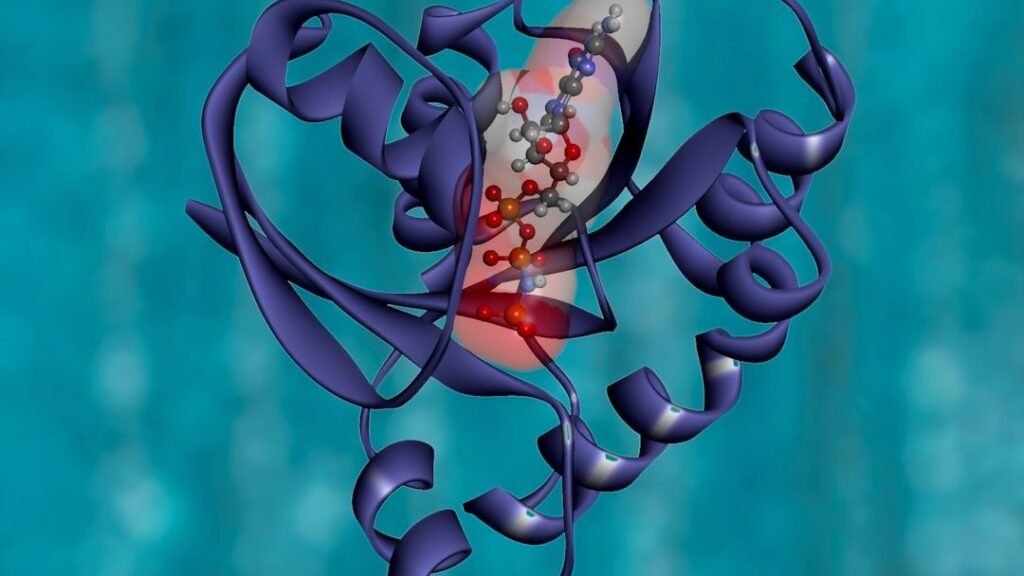
Scientists discover the nutrient that can supercharge cellular energy – Image for illustrative purposes only (Image credits: Unsplash)
Researchers have identified leucine as a nutrient capable of shielding key proteins inside mitochondria, the structures that generate most of the energy used by cells. Found in many protein-rich foods, this amino acid appears to strengthen the cell’s power supply at a fundamental level. The discovery adds a new layer to understanding how everyday dietary choices may influence cellular performance, although the full scope of these effects is still under investigation.
How Leucine Interacts With Mitochondrial Proteins
Inside each cell, mitochondria rely on a set of specialized proteins to convert nutrients into usable energy. When these proteins face stress or damage, energy output drops. Leucine appears to bind to or stabilize certain of these proteins, reducing their vulnerability and helping mitochondria maintain steady function.
This protective action was observed in laboratory studies that tracked protein behavior under controlled conditions. The nutrient did not increase the number of mitochondria but instead improved the reliability of those already present. Such a targeted effect distinguishes it from broader interventions that aim to boost mitochondrial quantity rather than quality.
Links Between Diet and Cellular Energy Efficiency
Because leucine occurs naturally in foods such as meat, dairy, eggs, and certain plant proteins, the finding suggests a practical dietary connection to cellular energy. Regular intake of leucine-containing proteins could supply the body with a compound that supports mitochondrial stability over time. This relationship remains indirect, however, and depends on factors including overall diet quality and individual metabolic health.
Scientists note that the body already uses leucine for muscle repair and protein synthesis. Its additional role in mitochondrial protection expands the list of known functions without replacing any of them. Further work is needed to determine optimal intake levels for this specific benefit and whether different food sources deliver comparable results.
Possible Relevance to Cancer and Metabolic Conditions
Disrupted mitochondrial function is a common feature in both cancer cells and many metabolic disorders. By helping preserve the proteins that drive energy production, leucine could eventually inform strategies aimed at restoring balance in these settings. Researchers emphasize that any therapeutic use would require extensive testing beyond the initial observations.
Current evidence does not support immediate changes in treatment protocols or dietary recommendations for patients. The work instead provides a foundation for exploring whether leucine supplementation or modified protein intake might complement existing approaches in controlled clinical studies.
Key points so far
– Leucine shields specific mitochondrial proteins involved in energy production.
– The effect is observed in laboratory models and has not yet been confirmed in large human trials.
– Implications for cancer and metabolic disease remain hypothetical pending further research.
Next Steps and Open Questions
Future experiments will need to clarify how leucine’s protective action holds up in living organisms and whether it interacts with other nutrients or medications. Researchers also want to identify which mitochondrial proteins are most responsive and whether similar effects occur with related amino acids.
Until these details are established, the discovery stands as an important step in mapping the relationship between nutrition and cellular energy systems. Continued investigation will determine whether leucine’s role can be translated into practical applications or remains primarily a scientific insight.