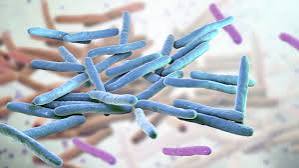

FLORIDA — Florida is reporting an increase in cases of Hansen’s disease, commonly known as leprosy, prompting renewed attention from public health officials and infectious disease experts. While the disease remains rare in the United States, scientists believe that some locally acquired infections may be linked to contact with nine-banded armadillos, the only wild animal in North America known to naturally carry the bacterium that causes the disease.
According to recent reports, 17 cases of leprosy have been recorded in Florida so far in 2026, with many occurring in Central Florida. Cases have also been identified in several other counties, including Brevard, Duval, Lake, Miami-Dade, Orange, Seminole, St. Johns and Volusia. Health officials stress that while the increase is being closely monitored, the overall number of infections remains low and does not represent a widespread public health emergency.
Scientists Investigating the Role of Armadillos
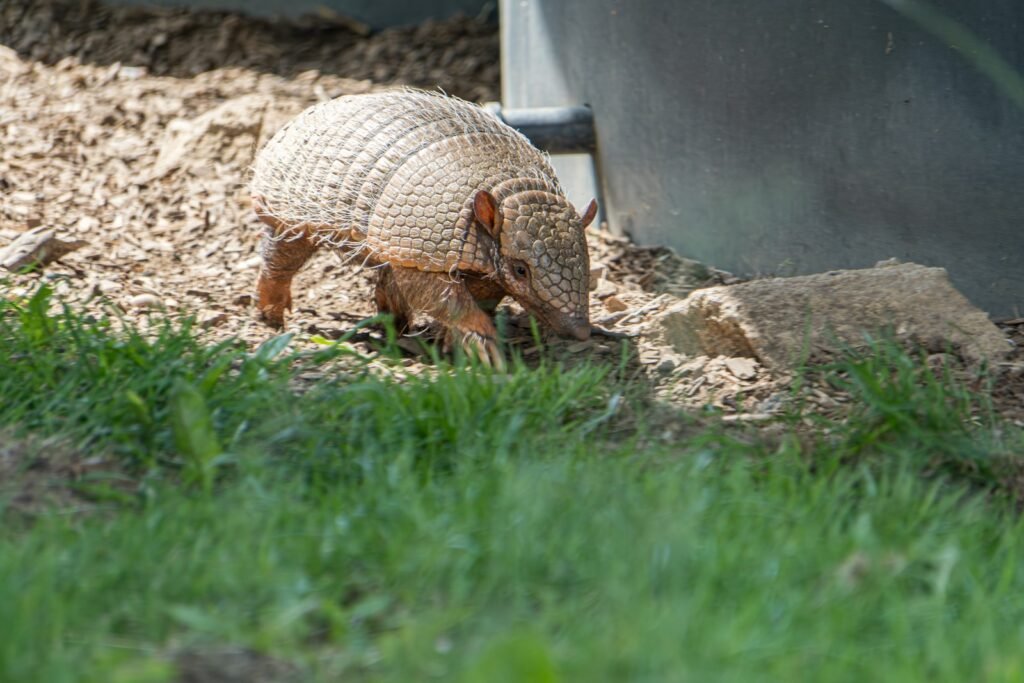
According to the Smithsonian Magazine the nine-banded armadillo has long been recognized as a potential source of Mycobacterium leprae, the bacterium responsible for Hansen’s disease. Studies conducted over the past decade have found that certain strains of the bacteria found in wild armadillos closely match those identified in some human patients in the southern United States, suggesting zoonotic—or animal-to-human—transmission in a small number of cases.
People are not believed to contract the disease simply by seeing an armadillo in the wild. Instead, health experts say the greatest risk comes from handling the animals, coming into direct contact with their tissues or bodily fluids, or in some circumstances being exposed to contaminated soil where infected armadillos have lived. Most U.S. cases, however, are still associated with international travel or prolonged close contact with an untreated infected person rather than wildlife exposure.
What Is Hansen’s Disease?
Hansen’s disease is a chronic bacterial infection that primarily affects the skin, peripheral nerves, eyes and the lining of the nose. Early symptoms may include light-colored or reddish skin patches with reduced sensation, numbness in the hands or feet, muscle weakness and enlarged peripheral nerves. If left untreated, the disease can lead to permanent nerve damage and disability, although modern medicine has made severe complications increasingly uncommon through early diagnosis and treatment.
Despite its historical reputation, leprosy is not highly contagious. The Centers for Disease Control and Prevention (CDC) notes that the disease usually spreads only after prolonged, close contact with an untreated infected person through respiratory droplets. In fact, an estimated 95% of people have natural immunity to the bacteria and will never develop the disease even if exposed which is why it is uncommon in the US..
Experts Urge Perspective Rather Than Panic
Medical experts emphasize that the recent increase in reported cases should not be interpreted as a major outbreak.
Florida Surgeon General Dr. Joseph Ladapo said the number of infections remains relatively small and should not cause widespread concern. Infectious disease specialists have also noted that increased awareness among physicians and improved surveillance may be contributing to more diagnoses rather than indicating a dramatic rise in transmission. Dr. Norman Beatty, an infectious disease physician at the University of Florida, has said that growing awareness of Hansen’s disease over the past two decades has likely played a role in the increase in reported cases.
The CDC likewise considers Hansen’s disease uncommon in the United States, with only a few hundred cases diagnosed nationwide each year. The agency also stresses that the disease is curable through multidrug antibiotic therapy, particularly when treatment begins early before significant nerve damage occurs.
How People Can Reduce Their Risk
Public health officials recommend simple precautions rather than drastic lifestyle changes. People should avoid touching or handling wild armadillos, refrain from consuming armadillo meat, and wear gloves while gardening or working in soil in areas where the animals are common. Anyone who develops unexplained skin lesions, numbness or persistent nerve symptoms should seek medical evaluation, particularly if they have had direct contact with armadillos or prolonged exposure to someone diagnosed with Hansen’s disease.
Additional information about Hansen’s disease, including symptoms, transmission, diagnosis and treatment, is available from the CDC through its Hansen’s Disease resource center.
Balancing Awareness With Reassurance
Although Florida continues to report more Hansen’s disease cases than many other states, experts stress that the disease remains rare, treatable and difficult to transmit. The recent findings serve as a reminder of the close relationship between wildlife, environmental health and human disease rather than evidence of an emerging public health crisis. By avoiding unnecessary contact with wild armadillos, recognizing symptoms early and seeking prompt medical care when needed, health officials say residents can significantly reduce their risk while continuing to enjoy Florida’s natural environment without undue fear.
Hi, I’m Andrew, and I come from India. Experienced content specialist with a passion for writing. My forte includes health and wellness, Travel, Animals, and Nature. A nature nomad, I am obsessed with mountains and love high-altitude trekking. I have been on several Himalayan treks in India including the Everest Base Camp in Nepal, a profound experience.