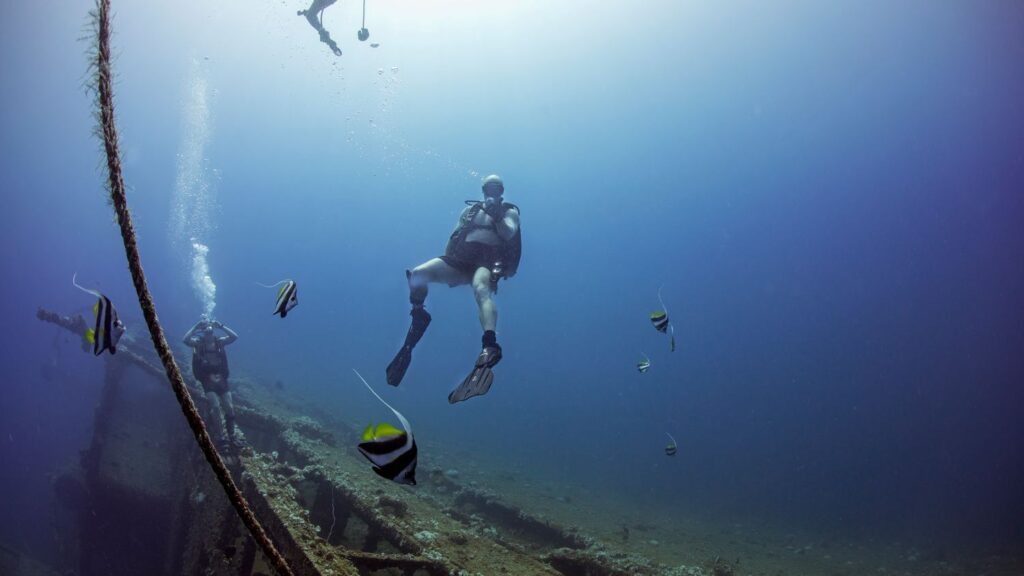

Every time Lake Superior gives up another secret, it feels a little like opening a time capsule that was never meant to be found. For more than a century, families, historians, and curious lake lovers have stared out at that cold blue water and wondered where certain ships went and what really happened in their final moments. Now, thanks to modern sonar, robotic cameras, and a stubborn group of researchers who refuse to give up, four of those long‑lost wrecks have finally been found.
What makes these discoveries so gripping is not just the twisted metal and preserved timbers on the bottom; it’s the way each wreck rewrites a piece of Great Lakes history. Some of the stories we told for decades turn out to be only half‑right. Some of the engineering failures look eerily familiar in an age that still tends to learn safety lessons the hard way. And some of the human decisions made on dark, stormy nights feel uncomfortably close to the choices any of us might make under pressure. Let’s dive into four shipwrecks that disappeared more than a hundred years ago – and only now are coming into focus beneath Lake Superior’s glass‑cold surface.
1. SS Western Reserve – The Groundbreaking Steel Giant That Snapped In Two
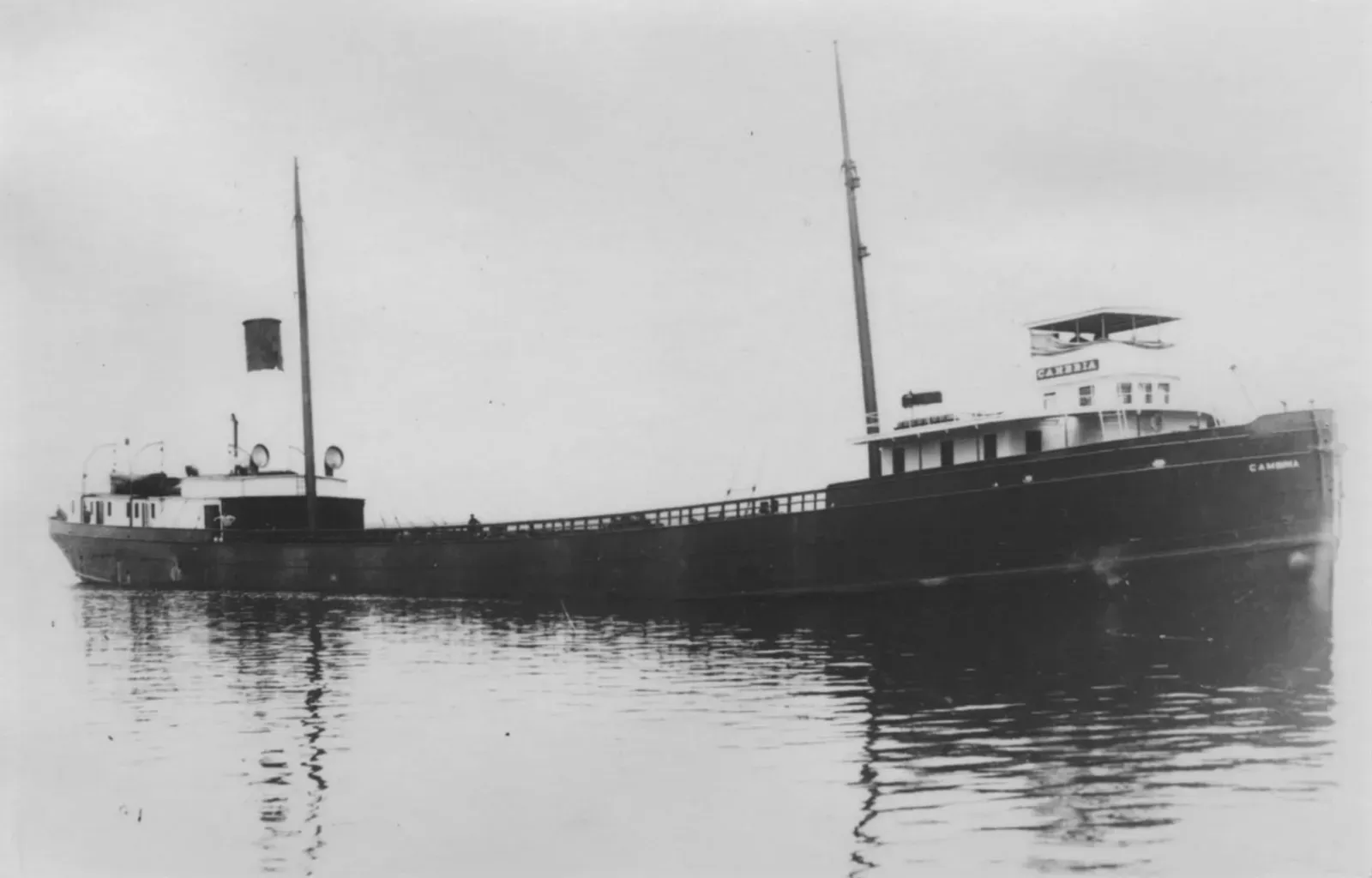
The most dramatic of the recent finds is the SS Western Reserve, a roughly three‑hundred‑foot steel steamer that vanished in 1892 and did not show up again on any sonar screen until 2024. When researchers finally located her in deep water northwest of Whitefish Point, they found the ship broken in half, with one section actually lying partly on top of the other. That detail alone instantly supported what the lone survivor had said back in the nineteenth century: the ship literally broke apart in heavy seas, an almost unthinkable failure for what was supposed to be a state‑of‑the‑art vessel of its time.
To understand why this matters, you have to remember that steel shipbuilding on the Great Lakes was still fairly new when Western Reserve was launched. Designers were pushing for bigger, stronger hulls that could carry iron ore and other cargoes more efficiently, but the science of how those long steel bodies flexed in big waves was not fully understood. Western Reserve became a tragic, floating experiment. Modern investigators now see clear evidence of what naval architects call “hogging” – when a long ship rides over a large wave and its bow and stern are unsupported, placing enormous stress in the middle. Her loss was so shocking that it helped change how later freighters were designed and reinforced. Finding her on the bottom more than a century later does not just solve a mystery; it closes the loop on a turning point in maritime engineering.
2. Adella Shores – The “Missing” Steamship That Simply Never Came Back
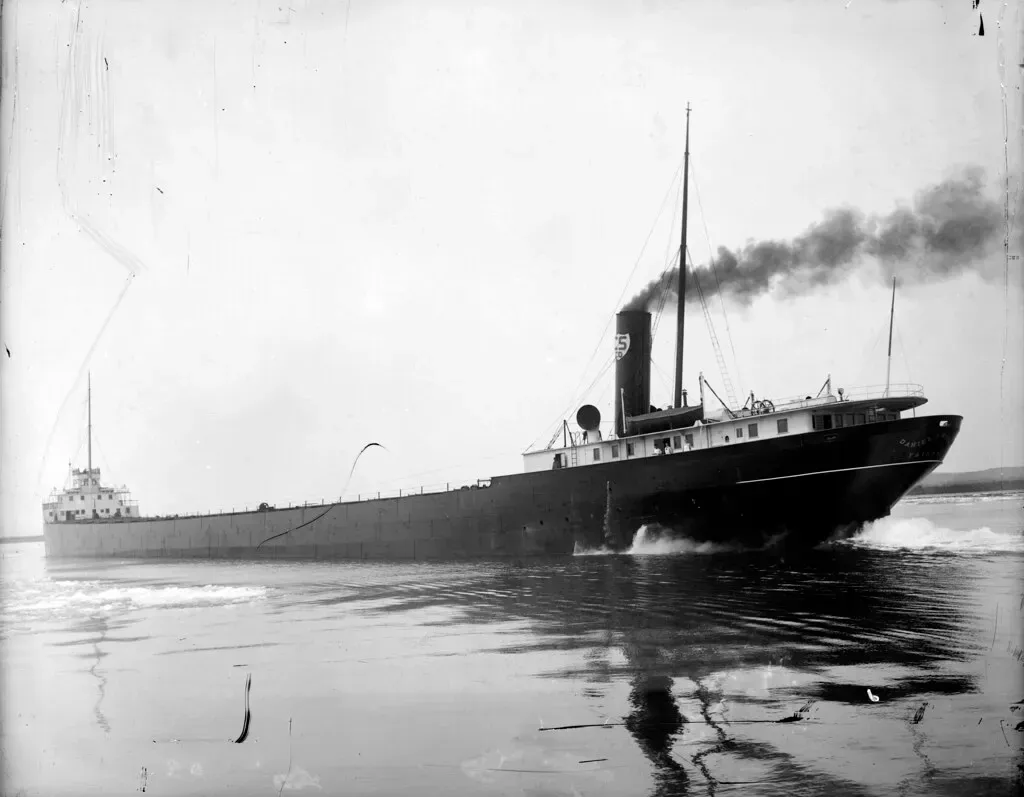
Compared with a famous steel giant, the wooden steamship Adella Shores sounds almost modest, but her story hits a different emotional nerve. This small freighter disappeared on Lake Superior in 1913 and, unlike some wrecks that leave debris or lifeboats behind, she essentially evaporated from the record. For more than a hundred years, her name floated around in Great Lakes lore as one of those ships that simply left port and never arrived anywhere, a haunting reminder that the lake can swallow a vessel without a trace. When the Great Lakes Shipwreck Historical Society finally located her in 2024 using side‑scan sonar, it was less about spectacle and more about finally putting a pin in the map for a ship loved mostly by history buffs and descendants.
What makes Adella Shores particularly poignant is the way superstition, small details, and hindsight tangle together. The ship had been christened, not with champagne, but with a bottle of water – something old sailors would have called bad luck, the kind of detail that sounds silly until the vessel later vanishes with all hands. On the lakebed, her wooden hull is far more fragile than a steel freighter’s, but the overall outline and machinery still speak to a transitional era when steam power was replacing sail, and small, hardworking ships formed the backbone of regional commerce. For families who carried this story for generations, knowing that Adella Shores lies in a specific place instead of a vague “somewhere out there” finally offers a strange mix of closure and awe.
3. The 1914 Lumber Carriers – Curtis and Selden Marvin, Lost In A Single Storm
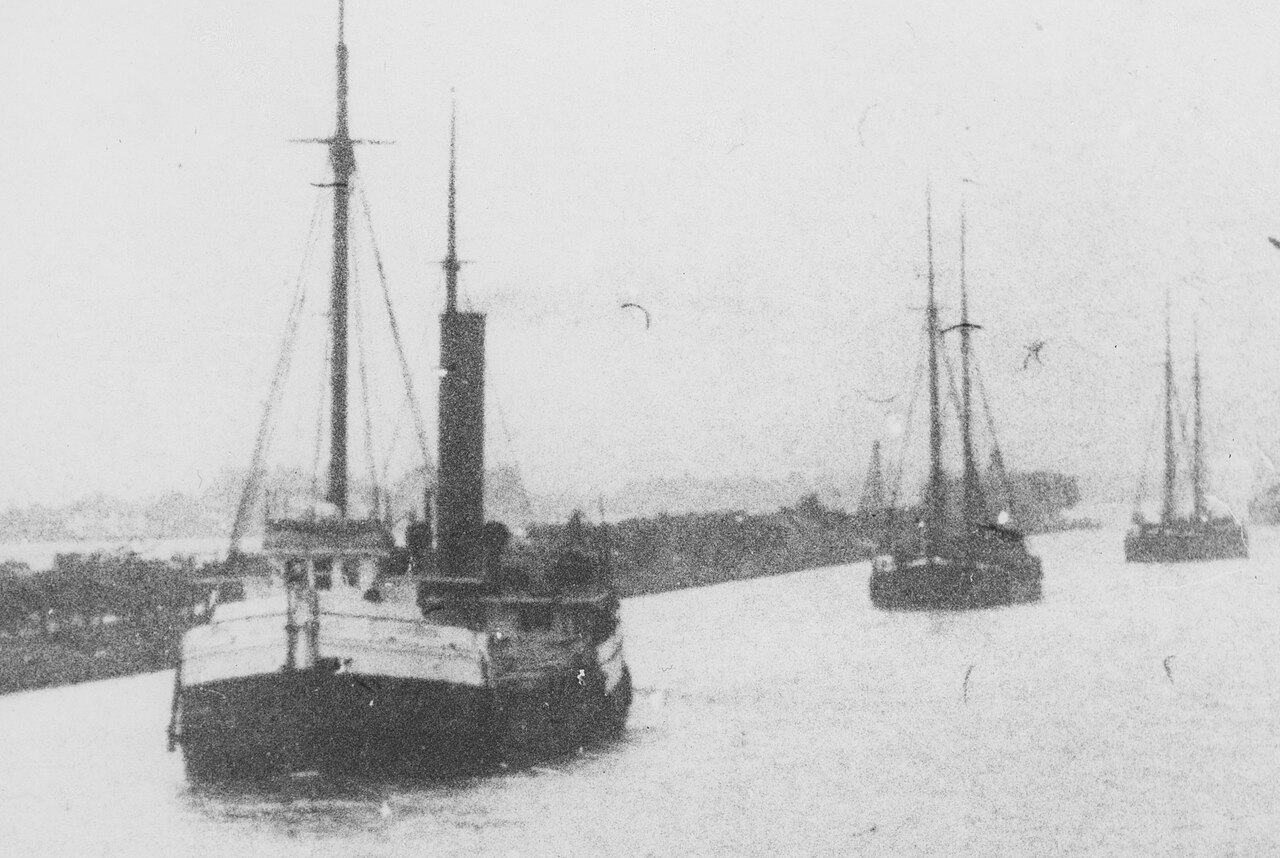
Lake Superior’s storms have a way of turning one bad night into a cluster of tragedies, and the November 1914 lumber disaster is a perfect example. Three ships – Curtis, Selden E. Marvin, and William C. Moreland’s sister vessel Henry B. Smith’s era cousins – sailed into a brutal storm while carrying lumber across the lake. Two of them, Curtis and Selden Marvin, simply vanished from sight. For over a century, their fate was mostly a set of grim guesses: maybe they capsized, maybe they broke up on shoals, maybe they drifted far from their assumed route before going under. It was only within the last few years that search teams, systematically scanning vast grid patterns with sonar, finally found the wrecks of Curtis and Marvin resting in deep water.
Seeing both ships together in the historical record changes the scale of that storm from “one of many bad blows” to a moment that reshaped the Great Lakes lumber trade. These were workhorse vessels, crewed by people who were used to risk, not reckless amateurs. Their loss, along with a third ship that still has not been located, highlighted how vulnerable lumber carriers were when stacked high and pushed hard on tight schedules. The sonar images and remotely operated vehicle footage show hulls lying largely intact but clearly overwhelmed, with deck structures and cargo scattered in patterns that suggest they were battered dramatically before finally sinking. In a way, the lake is now confirming what descendants long suspected: this was not carelessness or rumor; it was a brutal storm that simply overpowered well‑run ships.
4. A Century‑Old Mystery Freighter – The Quiet Neighbor Of Edmund Fitzgerald
One of the most intriguing “new” finds in Lake Superior is actually a ship that shares a neighborhood with the famously lost Edmund Fitzgerald. In the last few years, survey teams scanning near that legendary wreck detected another vessel lying hundreds of feet down, a freighter that went down in the early twentieth century and then slipped out of the public memory. When researchers finally identified the ship as the freighter Huronton, a vessel that sank in 1923 after a collision, it felt like discovering a forgotten sibling living in the shadow of a celebrity. For decades, people have fixated on Fitzgerald’s story, yet here, only a few miles away, lay another tragic wreck that almost no one outside Great Lakes circles talked about.
What really hits you about Huronton is the contrast between fame and obscurity. The crash that sent her to the bottom was serious, and lives were lost, but there was no hit song, no cultural echo that kept her name alive. On the bottom, she is incredibly well preserved in the cold, dark water, with hull plates, machinery, and deck structures eerily intact, like a steel time capsule from the era just before modern navigation aids and safety regulations took hold. When I first read about divers and ROVs lighting up that hull with modern cameras, I couldn’t shake the feeling that the lake had been hiding a kind of quiet reminder: history is not just the stories we choose to repeat; it is also the equally real tragedies that slipped out of our collective memory until technology dragged them back into the light.
Conclusion: Lake Superior Remembers What We Forget
What ties Western Reserve, Adella Shores, Curtis and Selden Marvin, and Huronton together is not just that they were found after a hundred years or more. It is the way each discovery forces us to admit how incomplete our stories have been. For a long time, people argued about bad captains, cursed christenings, and freak waves without ever seeing the wrecks themselves. Now, high‑resolution sonar and robotic vehicles let us look directly at the evidence, and often the result is humbler and more human than the myths: ships pushed hard by economic pressure, crews making tough calls with limited information, and storms that were simply bigger than anyone expected.
Personally, I think these discoveries are a quiet rebuke to the idea that the past is settled or that nature ever truly gives up its secrets on our schedule. Lake Superior, with its famously cold, clear depths, is more like an enormous, reluctant archivist. It holds on to steel and wood and human stories for as long as it wants, then, occasionally, lets us peek at a page when our tools and our patience finally catch up. As more wrecks emerge from the dark, the real question is not just which ships we will find next, but what uncomfortable truths about risk, technology, and memory we are willing to face when we do. If the lake could speak, would it tell us that we have actually learned from these losses – or that we are still repeating them in new forms today?