In a landmark moment for food innovation, Wildtype’s cultivated salmon has become the first lab-grown seafood approved for sale in the United States. Now available at a Portland, Oregon restaurant, this sushi-grade salmon is grown from fish cells in bioreactors—offering a sustainable alternative to traditional aquaculture. But while the product has cleared scientific and regulatory hurdles, it now faces a new challenge: political resistance in several U.S. states.
A Scientific Milestone for Cultivated Seafood
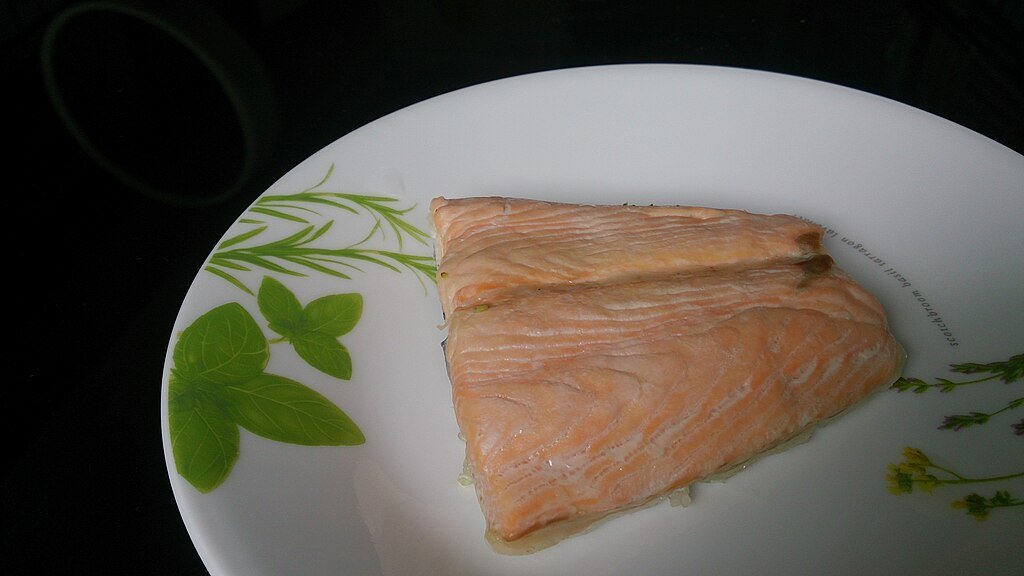
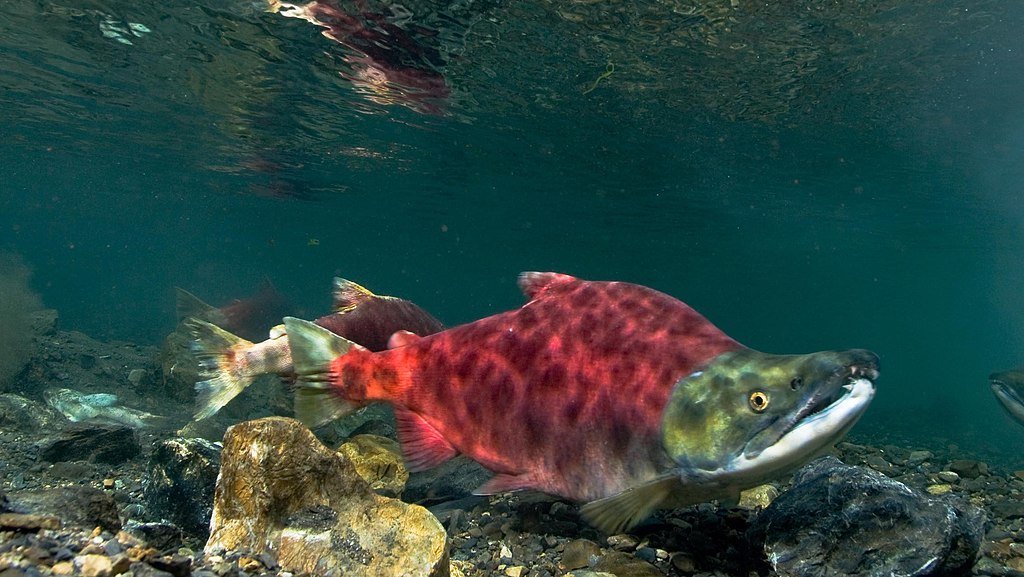
Wildtype’s journey began in 2019, when the company first approached the U.S. Food and Drug Administration (FDA) to evaluate the safety of its cell-cultured salmon. After six years and eight rounds of review, the FDA concluded it had “no questions” about the product’s safety, effectively greenlighting its commercial debut. The salmon is cultivated from Pacific coho cells in controlled tanks, using a nutrient-rich solution to mimic natural growth conditions. The result is a boneless, mercury-free, sushi-grade fish that avoids the environmental toll of overfishing and fish farming.
From Lab to Table
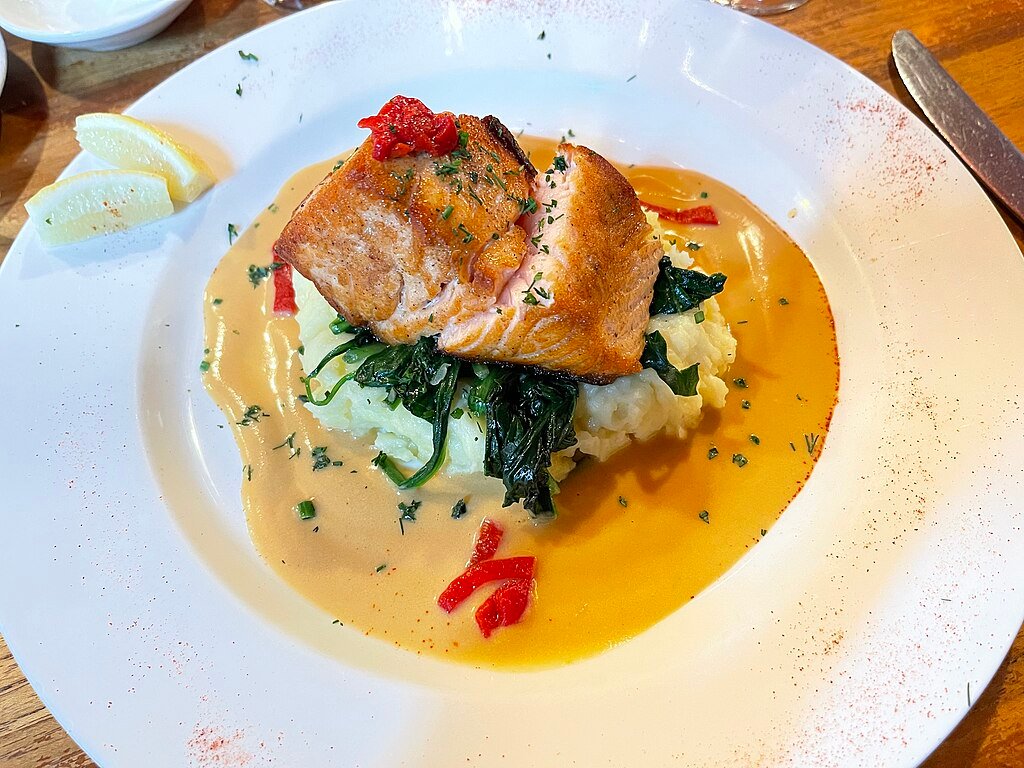
The first public tastings are taking place at Kann, a Haitian restaurant in Portland led by James Beard Award-winning chef Gregory Gourdet. The salmon is currently served weekly and will become a regular menu item in July. Wildtype plans to expand to four more restaurants in the coming months, with retail launches to follow. Early diners reportedly embraced the product as just another seafood option—an encouraging sign for mainstream acceptance.
Political and Regulatory Headwinds
Despite federal approval, cultivated meat and seafood are facing growing political opposition. Florida, Alabama, and Mississippi have enacted bans on the sale and distribution of lab-grown meat, citing concerns over food labeling, consumer confusion, and agricultural interests. Mississippi’s law, effective July 1, 2025, even criminalizes violations with fines or jail time. Other states, like Arizona, have opted for labeling requirements rather than outright bans.
The Bigger Picture
Supporters of cultivated seafood argue that it offers a scalable solution to overfishing, habitat destruction, and the carbon footprint of industrial animal agriculture. Critics, however, question its long-term safety, economic impact on traditional fisheries, and the role of government in regulating emerging food technologies. The FDA’s approval of Wildtype’s salmon marks a scientific breakthrough, but the path to widespread adoption will depend as much on public perception and political will as on technological success.
Source: