
The Moon’s Enduring Influence on Earth (Image Credits: Unsplash)
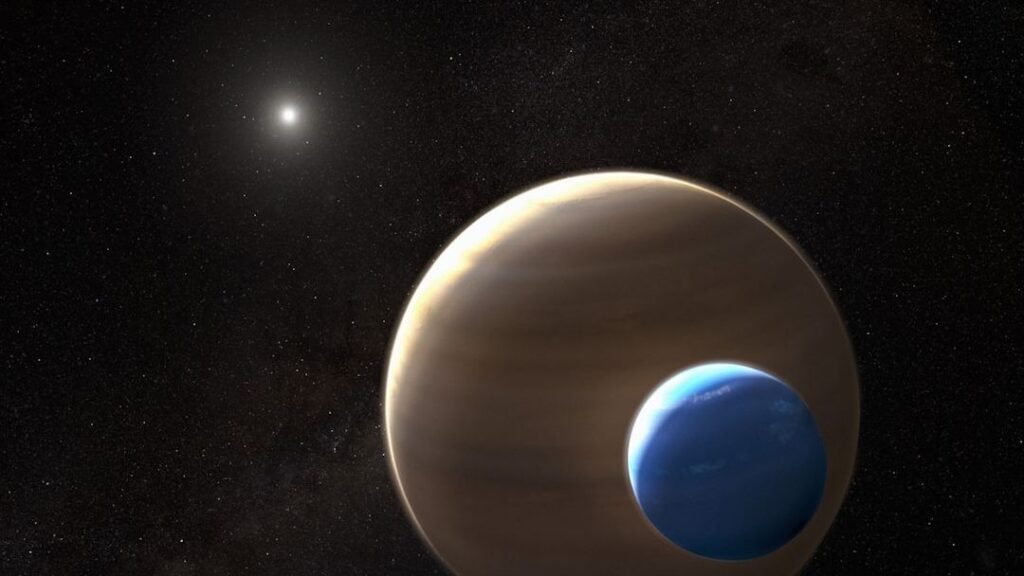
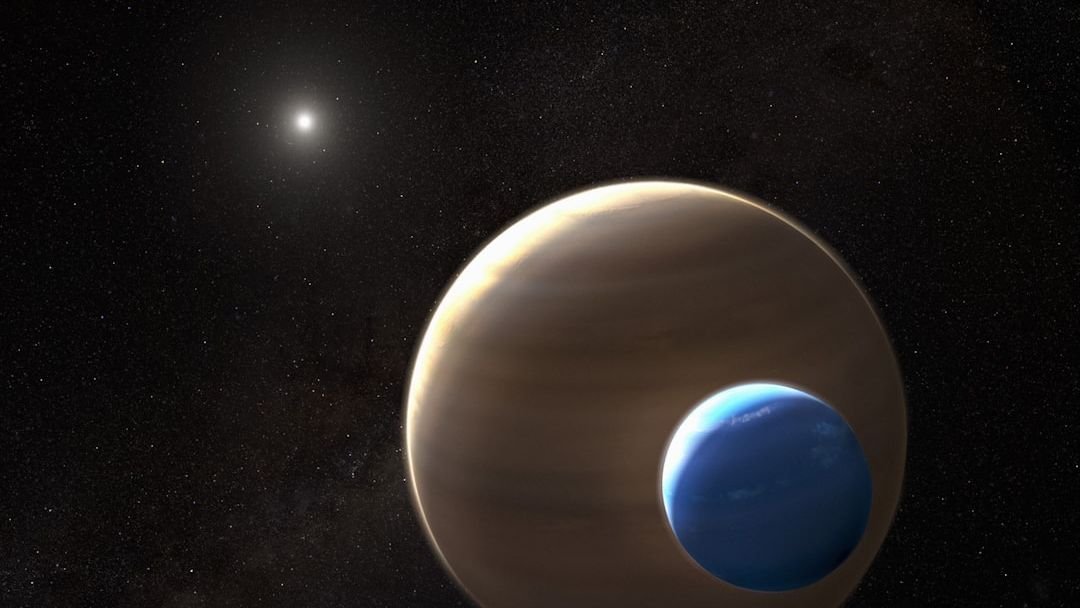
Earth’s Moon has long been recognized as a key factor in the planet’s habitability, steadying its axial tilt to prevent extreme climate shifts and potentially fueling early life through tidal forces. Astronomers have pursued similar moon-planet pairs around distant stars, hoping to uncover systems that mirror our own. Recent observations with the James Webb Space Telescope targeted some of the most viable exomoon candidates, yet the host stars themselves posed unexpected challenges.
The Moon’s Enduring Influence on Earth
The Moon exerts a profound stabilizing effect on Earth. By maintaining a relatively constant axial tilt, it moderates seasonal variations that could otherwise render the planet inhospitable. This gravitational anchor has persisted for billions of years, contributing to the steady conditions that allowed complex life to evolve.
Scientists also suspect tidal interactions between Earth and the Moon generated heat in the planet’s early oceans, possibly aiding the emergence of primordial life forms. Such dynamics highlight why researchers prioritize finding analogous systems elsewhere. Without a large moon, many exoplanets might experience chaotic climates unfit for sustained habitability.
Decades of Hunting for Exomoons
Astronomers have scanned exoplanet systems for signs of moons for years, using techniques like transit timing variations and radial velocity shifts. These methods detect subtle gravitational tugs that a moon might impose on its host planet. Despite identifying thousands of exoplanets, confirmed exomoons remain elusive.
A handful of candidates have surfaced, particularly around gas giants in habitable zones where liquid water could exist on rocky worlds. These prospects drew excitement because they orbited stars with conditions reminiscent of our Sun. Yet verification has proven difficult, as distinguishing moon signals from planetary ones requires exquisite precision.
JWST Targets the Prime Suspects
A team led by Emily Pass, from institutions including MIT, Harvard, and the University of Chicago, turned to the James Webb Space Telescope for a closer look. They selected several top exomoon candidates orbiting in habitable zones, areas around stars where temperatures might support liquid water. JWST’s infrared capabilities promised to reveal atmospheric details or thermal signatures indicative of moons.
The observations focused on systems where prior data suggested moon-like perturbations. Researchers analyzed light curves during planetary transits, seeking anomalies that could signal a companion moon. Pass and her colleagues meticulously calibrated the data to isolate potential exomoon transits from noise.
Initial hopes ran high, as these targets represented the best chances yet for detecting an Earth-Moon analog. The telescope’s sensitivity allowed probing fainter signals than previous instruments could manage. However, the data processing revealed complications beyond the candidates themselves.
Stellar activity emerged as the primary hurdle. Flares, spots, and variability in the host stars introduced noise that overwhelmed the delicate moon signals. Even with JWST’s power, these stellar phenomena masked the evidence astronomers sought.
Stars as Unseen Adversaries
Host stars often exhibit intrinsic variability, from rotation-induced spots to unpredictable flares. In the case of these observations, such activity scrambled the light curves, making it impossible to confirm exomoon presence. The stars’ behaviors, while natural, effectively concealed the very features under study.
This interference underscores a broader challenge in exomoon detection. Younger or more active stars, common in habitable zone surveys, amplify the problem. Researchers must now refine models to account for these stellar quirks in future analyses.
Pathways Forward in the Exomoon Quest
The findings, detailed in a new paper, emphasize the need for advanced stellar modeling alongside planetary observations. Future JWST campaigns may prioritize quieter, older stars to minimize interference. Ground-based telescopes could complement these efforts by monitoring stellar activity in real time.
Though no Earth-Moon twin emerged this time, the study advances techniques for exomoon hunts. Persistent challenges remind scientists that cosmic discoveries often demand patience and iteration. As instrumentation improves, the odds of spotting a habitable system with a stabilizing moon continue to brighten.