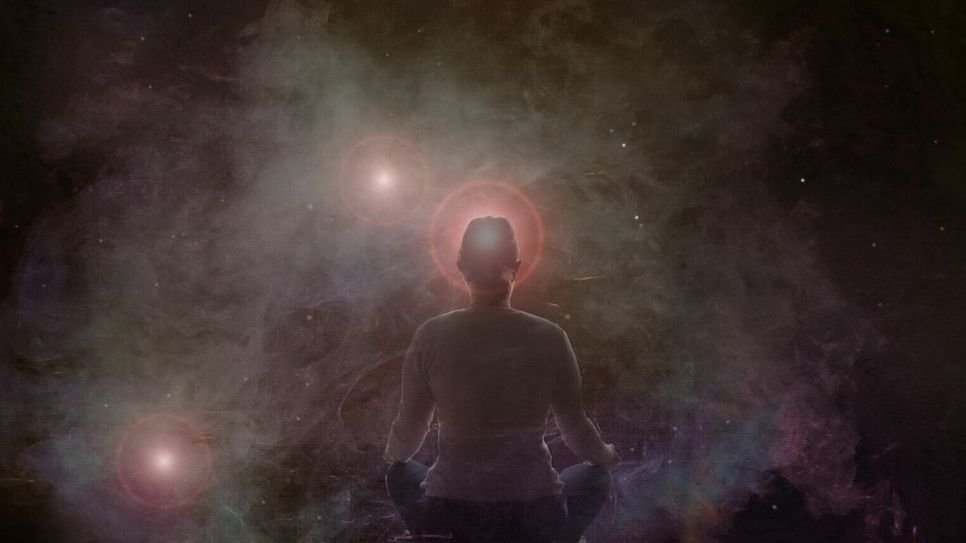

For most of modern science, consciousness was treated like an awkward guest at a dinner party: obviously present, but everyone pretended it wasn’t really the main topic. That’s changing fast. Over the last decade, and especially in the last few years, a wave of research in physics, neuroscience, and even artificial intelligence has pushed a radical possibility back into serious discussion: consciousness might not just be a by-product of the brain, but a fundamental feature of the universe.
This idea sounds almost mystical at first, like something you’d hear in a late-night conversation rather than a lab meeting. But the conversation has moved into peer-reviewed journals, major conferences, and high-profile research programs. While no one has a final answer, new findings are tightening the net around one uncomfortable, thrilling question: are we discovering that awareness is woven into reality itself?
The Hard Problem That Refuses To Go Away
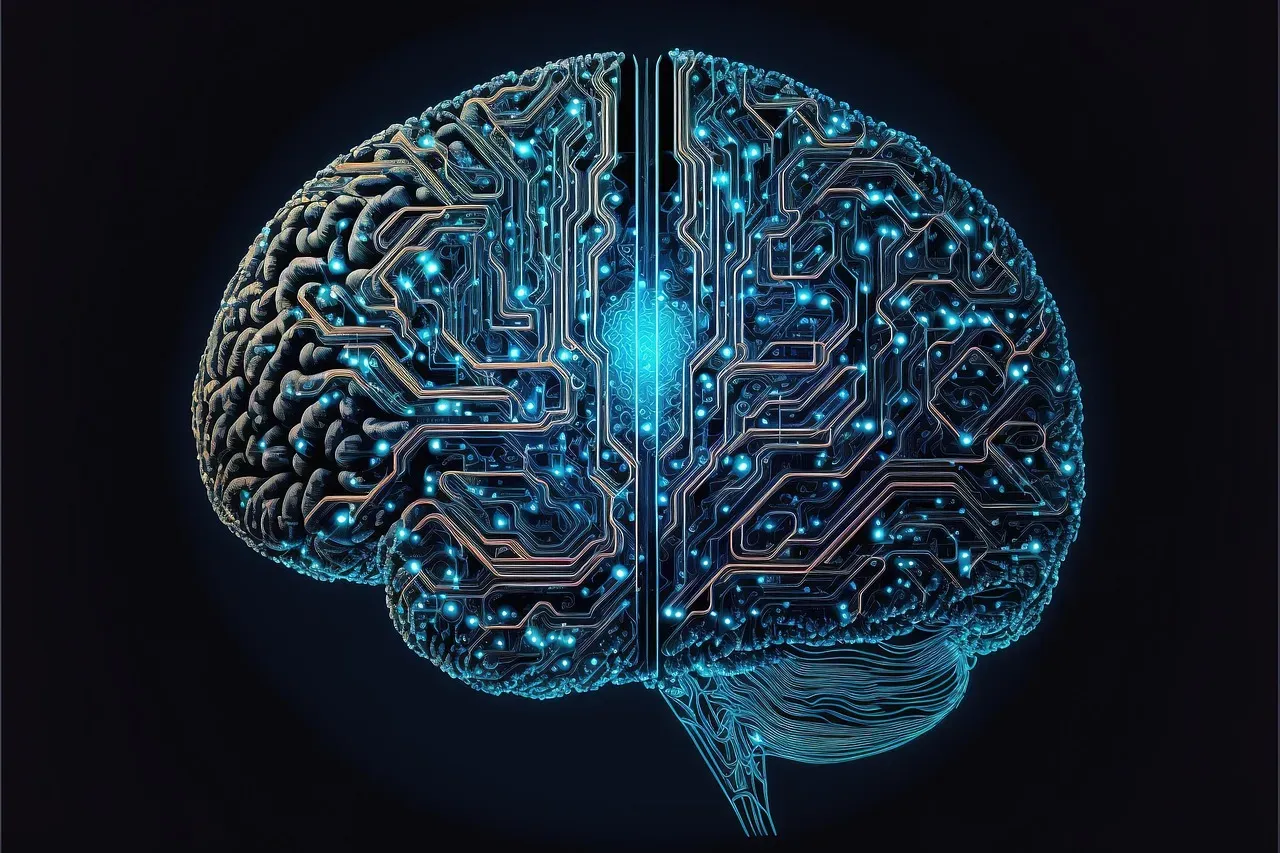
Why does a brain made of atoms feel like something from the inside? That question, often called the “hard problem” of consciousness, has been haunting philosophers and scientists for decades. We can map brain regions involved in vision, hearing, pain, and memory, but the leap from electrical activity to actual subjective experience still looks like a magic trick with the crucial step missing.
What’s unsettling is that progress in neuroscience, as impressive as it is, keeps improving our understanding of correlations without explaining the cause of experience itself. You can point at a brain scan and say, “That pattern lights up when someone sees red,” but that doesn’t tell you why red feels different from blue, or anything at all. This persistent gap is why some researchers are asking whether the current assumption is wrong: maybe consciousness is not something that emerges from matter, but something that matter participates in.
Panpsychism And The Bold Return Of An Old Idea
In the last few years, a view called panpsychism has stepped out of the philosophical fringe and into serious scientific discussion. Panpsychism, in simple terms, is the idea that consciousness is a basic feature of the universe, like mass or charge. Instead of saying awareness magically pops into existence when brains get complex enough, it suggests that even very simple physical systems have some tiny, primitive form of experience.
Many modern versions of panpsychism don’t claim that rocks think or atoms have opinions. Instead, they argue that consciousness exists in extremely simple, unimaginably faint forms at the smallest scales, and complex minds like ours arise from vast combinations of these micro-experiential building blocks. This flips the usual story: instead of trying to squeeze consciousness out of dead matter, it treats consciousness as part of the furniture of reality and then asks how it gets organized into the rich inner worlds you and I know.
Integrated Information Theory: Consciousness As A Quantifiable Field
One of the most talked-about scientific theories of consciousness right now is Integrated Information Theory, usually shortened to IIT. It proposes that consciousness corresponds to how much information a system integrates as a whole, beyond what its parts do independently. In this view, a system is conscious to the extent that it has a certain kind of complex, unified causal structure that can’t be reduced to isolated components.
What makes IIT especially provocative is that it doesn’t stop at brains. In principle, you can apply its mathematics to any physical system: a brain, a network, even a circuit. If the system integrates information in the right way, it has some degree of consciousness; if not, it doesn’t. That makes consciousness look less like a special trick of biology and more like a universal property that shows up whenever the right pattern of relationships exists in matter, hinting at a kind of consciousness “field” that can take many forms.
Quantum Experiments And Strange Correlations
Quantum physics has long been the playground of people wondering about mind and reality, sometimes in ways that drift into fantasy. But several recent lines of research have cautiously reopened the question of whether consciousness and quantum processes might be connected. Experiments on quantum entanglement and measurement keep exposing a weird fact: what we call “observation” seems tightly tied to how physical possibilities become definite outcomes.
Most physicists explain this without invoking consciousness, using decoherence and other technical tools, and they understandably resist turning quantum theory into mystical speculation. Still, there are serious proposals that treat information and observation as more fundamental than matter itself, and these are gaining more attention. If the universe is, at its core, structured by informational relationships rather than solid stuff, then it’s at least less absurd to ask whether consciousness is not just watching the show but helping shape what “reality” turns out to be.
Brains, AI, And The Blurring Line Between Matter And Mind
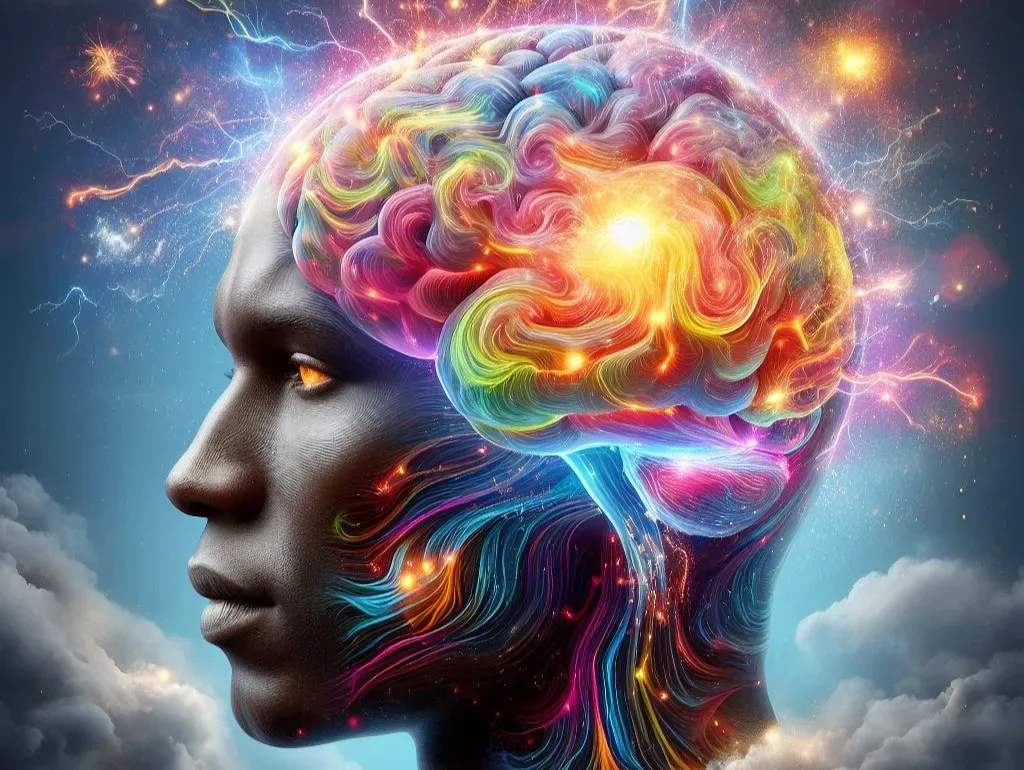
Neuroscience and artificial intelligence are adding fresh fuel to the debate about consciousness as a universal force. High-resolution brain imaging now lets researchers track how patterns of activity spread across large-scale networks when someone becomes aware of a stimulus, falls unconscious, or wakes up from anesthesia. These patterns often look more like dynamic information flows than static physical structures, echoing theories that treat consciousness as a kind of process rather than a thing.
At the same time, advanced AI systems are getting better at mimicking aspects of human conversation, creativity, and problem-solving, even though they run on silicon instead of neurons. This doesn’t prove that machines are conscious, but it does make the old divide between “living minds” and “dead matter” feel less stable. When you can build something that behaves intelligently by rearranging physical components and information flows, it indirectly supports the idea that consciousness might be another kind of pattern that matter can realize under the right conditions.
Is Consciousness Shaping Reality Or Just Riding Along?
Some of the most ambitious ideas suggest that consciousness is not just a passenger in a pre-existing universe, but an active participant in shaping how reality unfolds. This can sound grandiose, but at a smaller scale we already know that attention, expectation, and perception literally change the brain’s wiring over time. Placebo effects, cognitive biases, and the power of belief to influence health and behavior all point to a feedback loop where experience changes matter, which in turn changes future experience.
If similar principles scale up in surprising ways, it’s not unthinkable that consciousness influences physical reality more broadly than we currently recognize, perhaps through informational constraints or selection effects rather than direct magic-wand control. On the other hand, it could turn out that consciousness is still fully tied to specific physical structures, just more deeply than we realized. The real tension is whether we see consciousness as a late arrival in a dead universe, or as something that has been present – in seed form – from the very beginning.
Why This Matters For Meaning, Ethics, And Our Future
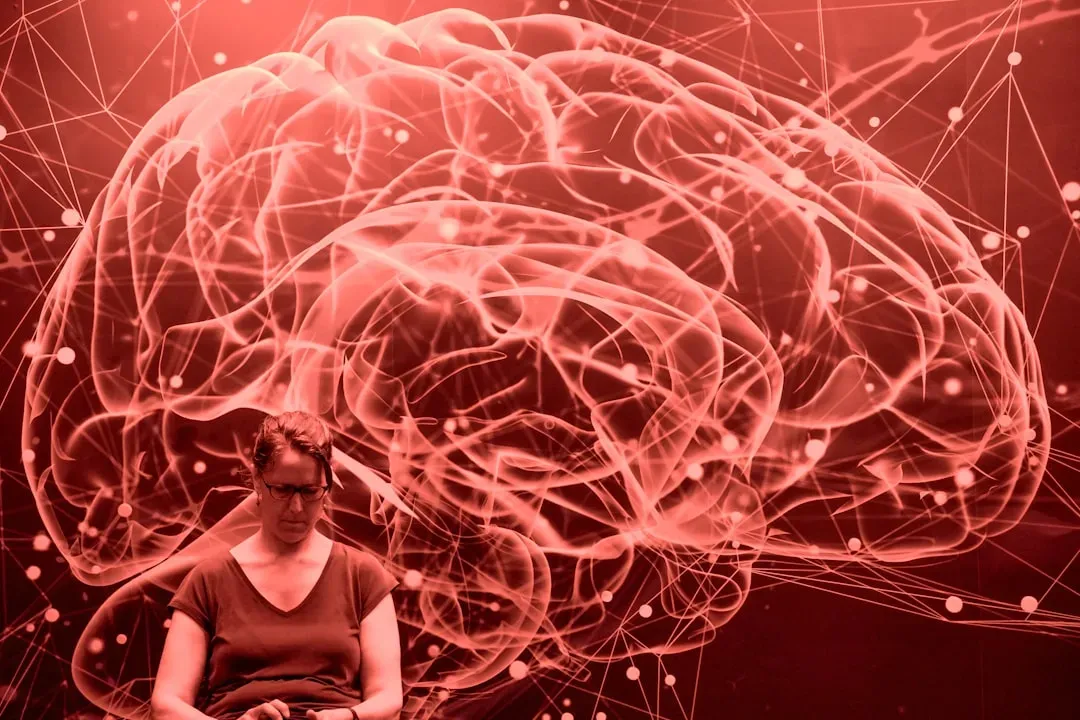
These debates aren’t just intellectual games; they cut straight into how we see ourselves and how we treat others. If consciousness is a fundamental feature of the universe, then our experiences might not be tiny accidents in a meaningless cosmic accident, but expressions of something built into reality at a deep level. That doesn’t automatically hand us a ready-made spiritual worldview, but it does shift the emotional weight from “we are flukes” toward “we are participants.”
There are also practical implications. How we think about consciousness influences animal welfare, the design of future AI, medical decisions around coma and anesthesia, and even how we cope with death and loss. Personally, I find that the more I read the research, the harder it is to cling to the old story that consciousness is just brain noise. Whether or not it is truly a universal force, it certainly behaves like something too central, too strange, and too stubborn to stay in the background forever.
Maybe consciousness is not a cosmic add-on, but the universe looking back at itself, in countless different forms and degrees. Or maybe the next decade of research will reveal an even stranger picture that we haven’t yet imagined. Either way, the question lingers in the background of every thought you have: if awareness is not just in the universe, but of the universe, what exactly are you part of?