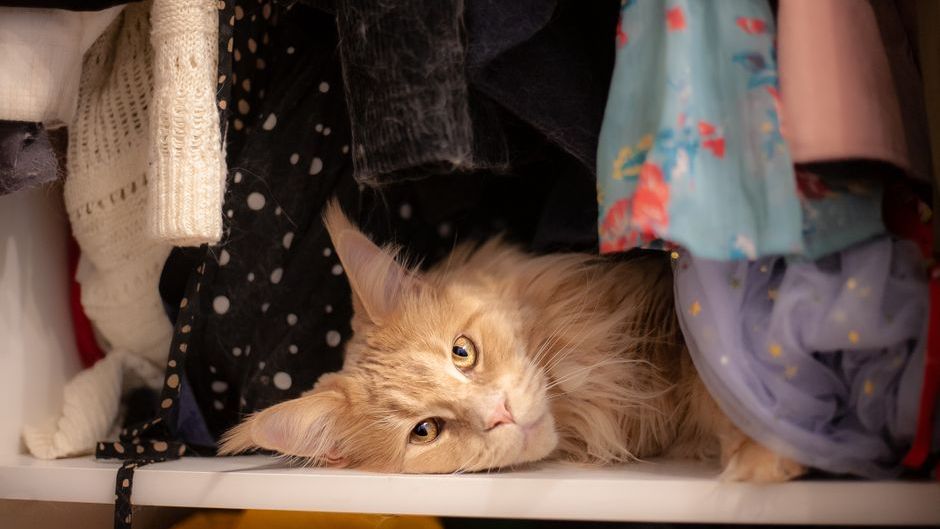

You probably did a double take the first time you opened your closet and found your cat curled up on your shoes, looking at you like this was completely normal. One day they were happily sprawled in a sunny window; the next, they’ve claimed the darkest corner between your coats as their new bedroom. It can feel a little eerie, almost like they know something you don’t.
When your cat suddenly changes where they sleep, it isn’t random. Felines are experts at reading tiny shifts in their environment, your behavior, and even their own bodies long before you notice anything. That new obsession with your closet might be their way of responding to stress, discomfort, or subtle changes you haven’t picked up on yet. If you pay attention, that strange new habit can tell you a lot.
They’re Seeking Safety From Invisible Stressors
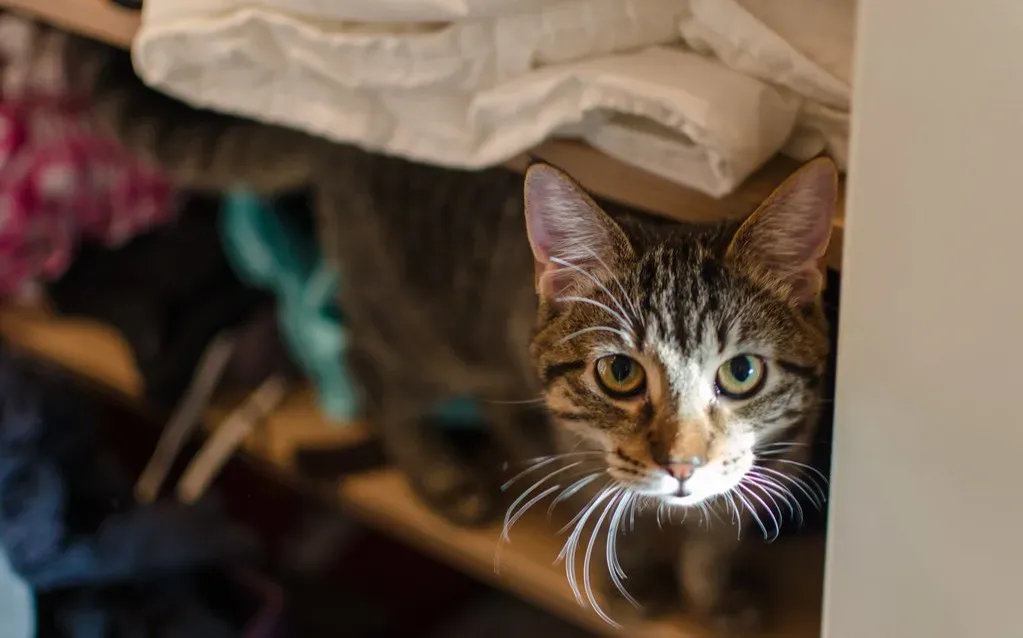
The most surprising part is that your home probably feels totally normal to you when your cat starts camping out in the closet. But to your cat, tiny changes you barely register can feel loud and overwhelming. Maybe there’s construction a few houses away, a new dog in the building, louder traffic, or more people coming and going at odd hours. Cats are wired to notice unfamiliar noises and vibrations long before humans do, and their first instinct is often to find the quietest, safest spot they can.
Your closet offers something like a bunker: soft surfaces, muted sound, and limited ways for anything to sneak up on them. When your cat tucks themselves into that dark space, they’re dialing down the world so their nervous system can breathe. If you’ve had guests over, rearranged furniture, started working different hours, or changed your routine recently, your cat’s closet habit may be their way of saying that all these little shifts are adding up to more stress than they can comfortably handle.
They May Be Hiding Discomfort or Illness
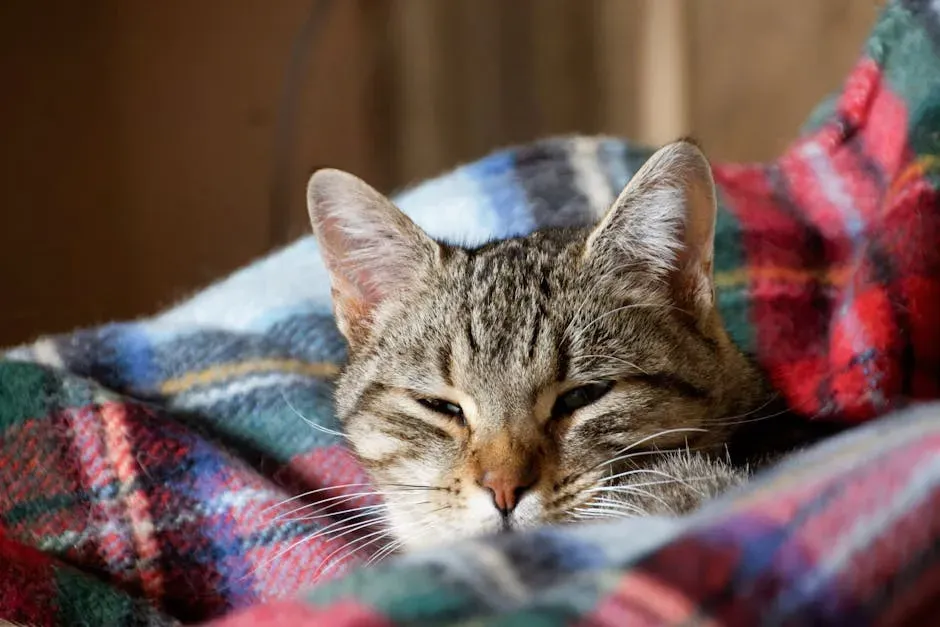
You’ve probably heard that cats are masters at hiding pain. That instinct comes from their wild ancestors: looking weak could make them a target, so they learned to stay quiet and disappear when they didn’t feel well. If your usually social cat suddenly retreats to the closet, especially for long stretches, they might be dealing with something physical that you can’t see yet. That could be anything from dental pain and arthritis to nausea or urinary issues.
What you’re noticing as “new, weird sleeping spot” may actually be your cat choosing a safe, low-traffic place to lie low while they feel off. Pay close attention to other small changes: eating or drinking less, moving more slowly, missing jumps they used to make easily, or avoiding the litter box. If the closet sleeping shows up suddenly and sticks around for more than a few days, or comes with any other odd behavior, it’s worth scheduling a vet visit instead of assuming it’s just a quirky new preference.
They’re Reacting to Subtle Changes in Temperature or Airflow
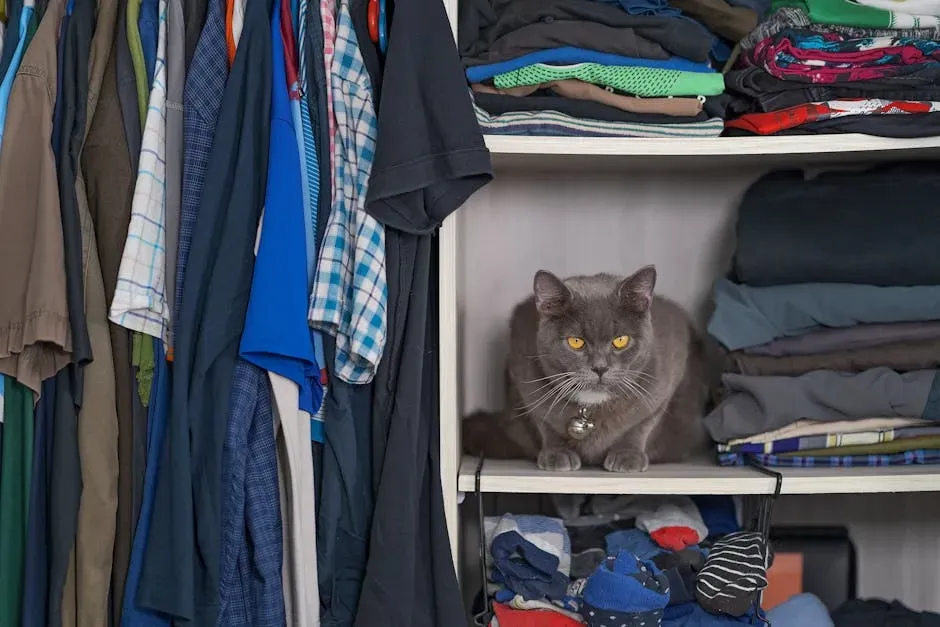
Your thermostat might say the room is a comfortable temperature, but your cat is noticing the tiny drafts and hot spots you barely register. Closets often stay more stable: they’re insulated by clothes, protected from direct sun, and usually free from vents blowing hot or cold air directly on them. If your cat suddenly relocates there, they might be telling you your home’s microclimate has shifted, even if it doesn’t feel dramatic to you.
You might see this more during season changes, when heating or air conditioning patterns change, or when you start using space heaters or fans. Your cat’s whiskers and skin are incredibly sensitive to airflow, so a fan that feels pleasant to you may be irritating or stressful to them. When they head to the closet, they could be choosing a place where the air feels still and predictable, which for them can be much more comfortable and secure than the breezy spots you prefer.
They’re Picking Up on Emotional Tension in the Home
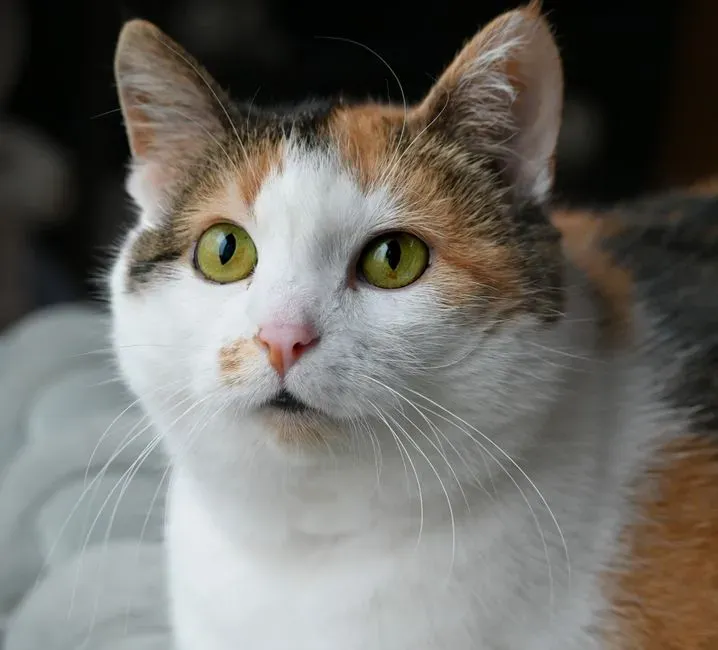
Retreating to the closet can be your cat’s way of stepping out of the emotional storm. They’re not judging you; they’re simply looking for a pocket of stillness where the pressure feels lower. If you notice their closet habit seems to line up with your own bad days or rough weeks, that pattern is worth paying attention to. Caring for yourself and calming the household energy can actually help bring your cat back out into shared spaces again.
They’re Guarding Scents and Territory You Overlook
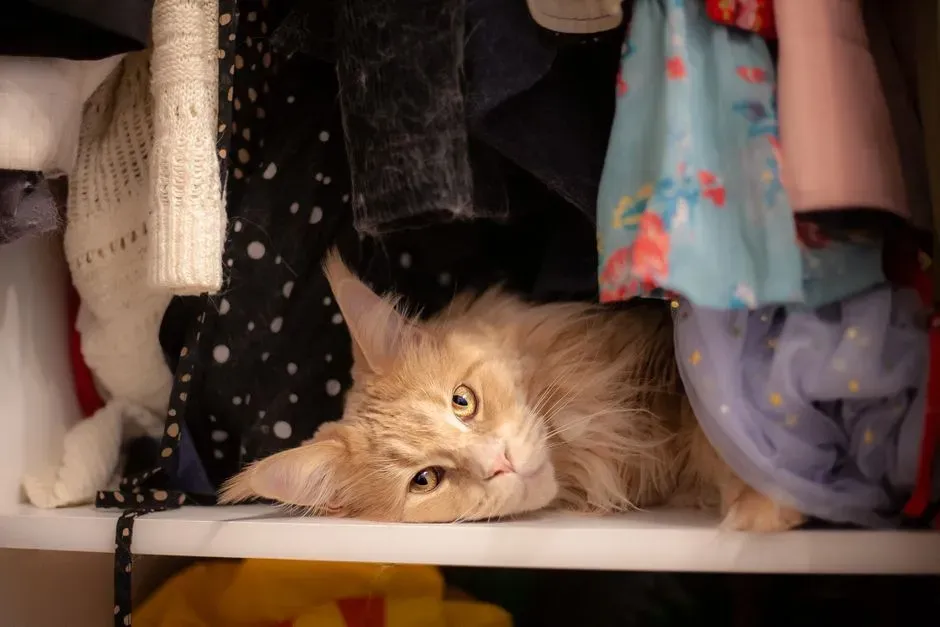
Your closet may look like a mess of clothes to you, but to your cat, it’s a concentrated cloud of your scent. Your worn shirts, shoes, and coats hold layers of smell that tell your cat exactly where you’ve been and remind them they’re connected to you. Curling up there can feel like sleeping in a nest built entirely from you, which for a bonded cat is incredibly comforting. When something in their world feels uncertain, they may double down on your scent as their safest anchor.
On top of that, closets often feel like prime real estate in a cat’s mental map of the home. They’re semi-private, rarely invaded by visitors, and full of heights and corners that are easy to claim. If there have been changes elsewhere – like a new pet, a baby, or a housemate – your cat might choose the closet as their more exclusive territory. To you, it looks like odd behavior; to them, it’s smart resource management and an attempt to secure a reliable sanctuary.
They’re Responding to Other Animals You May Not Notice
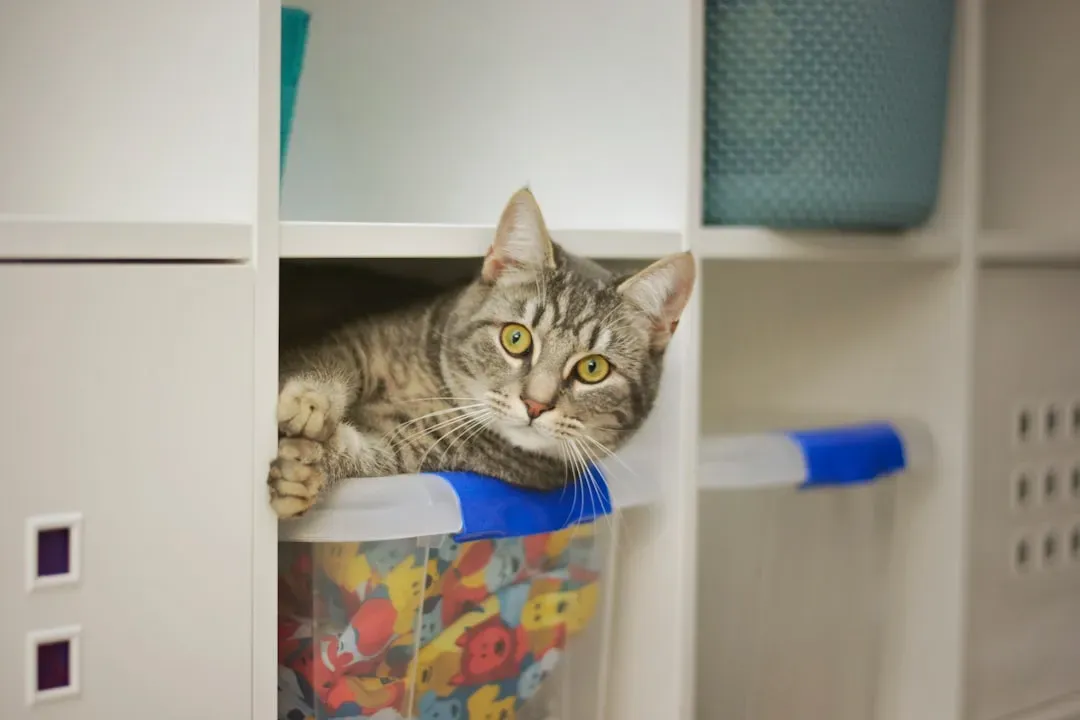
Your cat hears and smells far more than you do, and that includes animals you’re barely aware of. A stray cat roaming outside at night, a raccoon passing by, mice in the walls, or a neighbor’s new dog can all show up loudly on your cat’s internal radar. Even if you never see these animals, your cat may hear claws on concrete, distant barking, or high-pitched squeaks through walls and vents. Those sounds can trigger a shift toward more hidden, defensible sleeping spots.
By choosing your closet, your cat may be moving away from windows, doors, or exterior walls where they sense more animal traffic. They might be trying to reduce visual and auditory exposure to “intruders” you do not realize are there. If you suspect this might be happening, listen carefully at night, check for signs of wildlife or stray cats outside, and be mindful of where their favorite vantage points face. What looks like irrational hiding is often a very rational response to threats you simply cannot perceive as easily.
They’re Signaling That Their Usual Spots No Longer Feel Safe
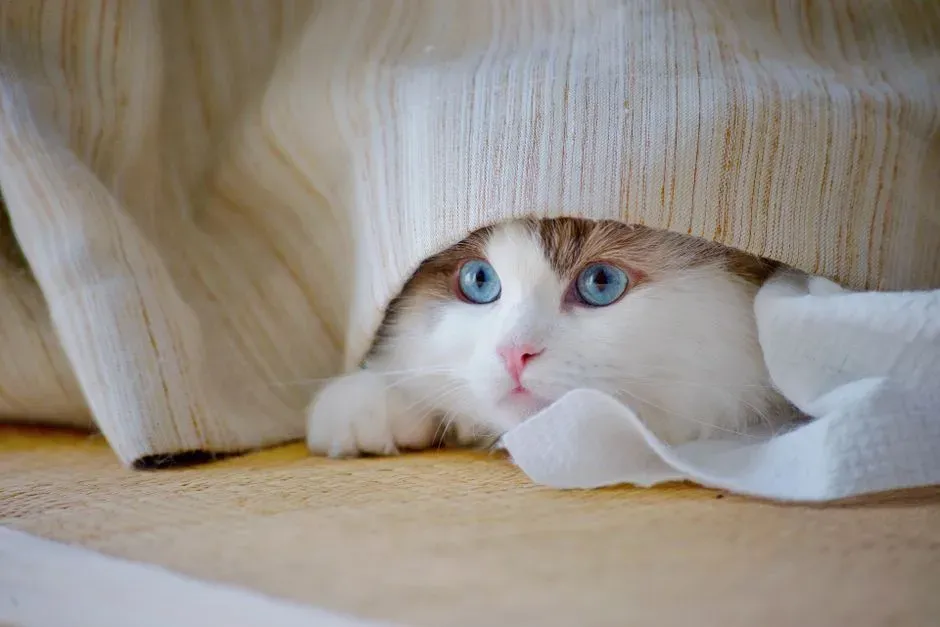
Cats are creatures of habit, so when they suddenly abandon a long-time favorite sleeping spot, it usually means something changed about that location. Maybe a new appliance hums nearby, the sunlight angle shifted, a chair got moved, or people now walk through that area more often. Even small disruptions, like setting down a noisy laptop on the same table where your cat naps, can be enough to make that old zone feel unreliable. Instead of complaining, your cat just quietly relocates.
The closet often becomes the backup plan: darker, less trafficked, and rarely disturbed. If you want to draw your cat back to their former spots, take a slow, honest look at them. Did you add a mirror, plant, or device that might flash light or make noise? Do kids or guests now pass through more? By rolling back some of those changes or offering similar cozy setups in calmer corners, you give your cat more options that feel safe, which can reduce their need to stay hidden away in the closet.
You May Be Rewarding the Closet Without Realizing It
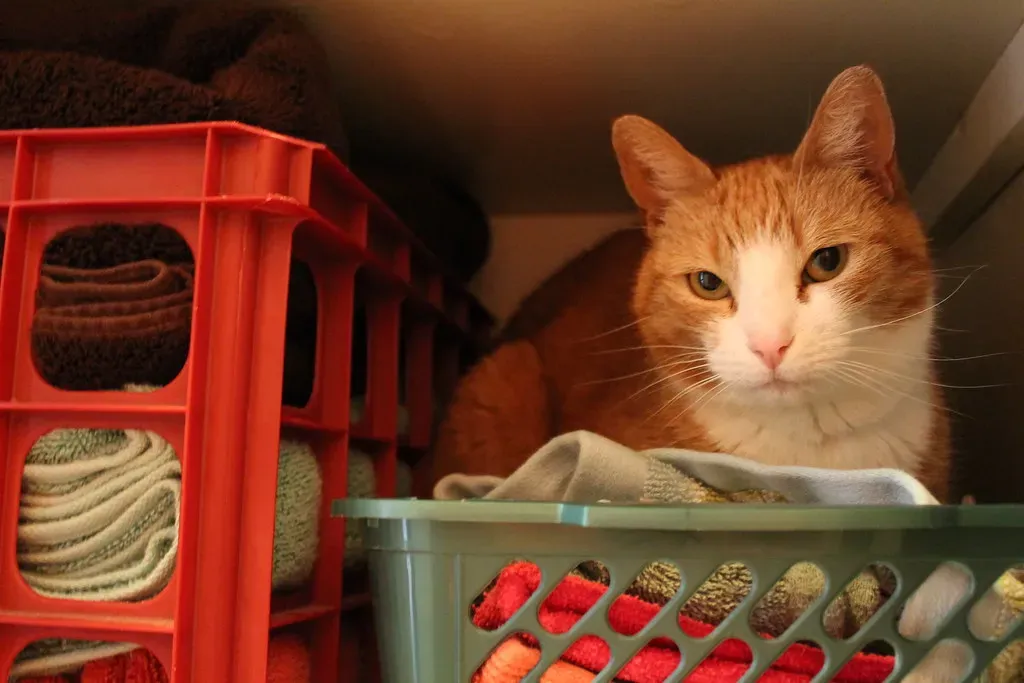
Sometimes, your cat’s behavior sticks because of how you respond to it. If you tend to crouch down, speak softly, pet them more, or leave special blankets in the closet to “make it comfy,” your cat quickly learns that this spot equals extra positive attention. From their perspective, they have discovered a magic room where you are gentler, calmer, and more focused on them than usual. That combination of safety and reward makes the closet even more appealing than before.
This does not mean you should punish them or force them out, but it does mean you can be more intentional. If you’d rather they not live in your closet, try shifting your calm, loving attention to alternative safe zones you create outside of it – like a covered cat bed, a box with a blanket in a quiet corner, or a high perch away from traffic. Offer treats and soft voices there instead of only at the closet door. Over time, you’ll gently teach your cat that other places can meet the same emotional needs without turning your wardrobe into a permanent cat den.
How to Respond Calmly and Keep Your Cat (and Home) Balanced

When you first notice your cat sleeping in the closet, your mind may go straight to the most dramatic explanations: ghosts, disasters, or some invisible danger just out of view. It helps to take a breath and remember that your cat is reacting to real things, but those things are often subtle and manageable – noise, routine changes, drafts, emotional tension, or mild discomfort. Instead of panicking, treat the new habit as useful data about how your home feels from your cat’s perspective.
Start by scanning for simple causes: temperature shifts, noisy neighbors, wildlife activity, or recent changes in your schedule or furniture. At the same time, keep a casual but careful eye on your cat’s health and behavior overall, and bring in your vet if anything feels off beyond just where they sleep. Create a few alternative safe spots, use play and affection to help them relax, and adjust what you can in the environment. In the end, that strange new sleeping choice can become less a source of worry and more like a quiet early-warning system helping you keep your shared space comfortable for both of you.
If your cat could explain their closet obsession, they’d probably just say they’re doing their best to feel safe in a world that keeps shifting in tiny ways you cannot always detect. Paying attention to those shifts, instead of brushing them off as random quirks, deepens the trust between you and your cat. The next time you open the closet and find them tucked in like a secret, you might pause and ask yourself: what are they noticing that I’ve been missing?