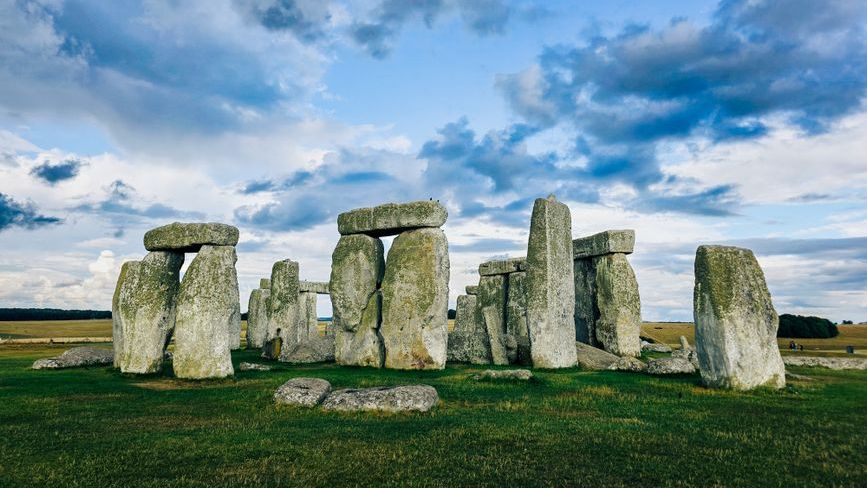

You stand in front of a three-hundred-ton stone block that has been sitting in place for thousands of years, carved so precisely it almost looks fake. No cranes. No diesel engines. No steel cables. Just human hands, wood, rope, and stone. It almost feels like a magic trick that never got explained. That sense of impossibility is exactly why ancient engineering keeps pulling people down rabbit holes of documentaries, debates, and late-night forum arguments.
The truth, though, is far more interesting than secret technologies or lost civilizations. What we actually see, once we strip away the drama, is a story of patience, brilliant low-tech physics, and sheer stubborn human effort. Ancient builders did not defy the laws of nature; they mastered them, bit by bit. And when you start to see how levers, sledges, wet sand, and teamwork can add up, the impossible suddenly becomes… just very, very hard work.
The Power of Simple Machines: Levers, Rollers, and Ramps
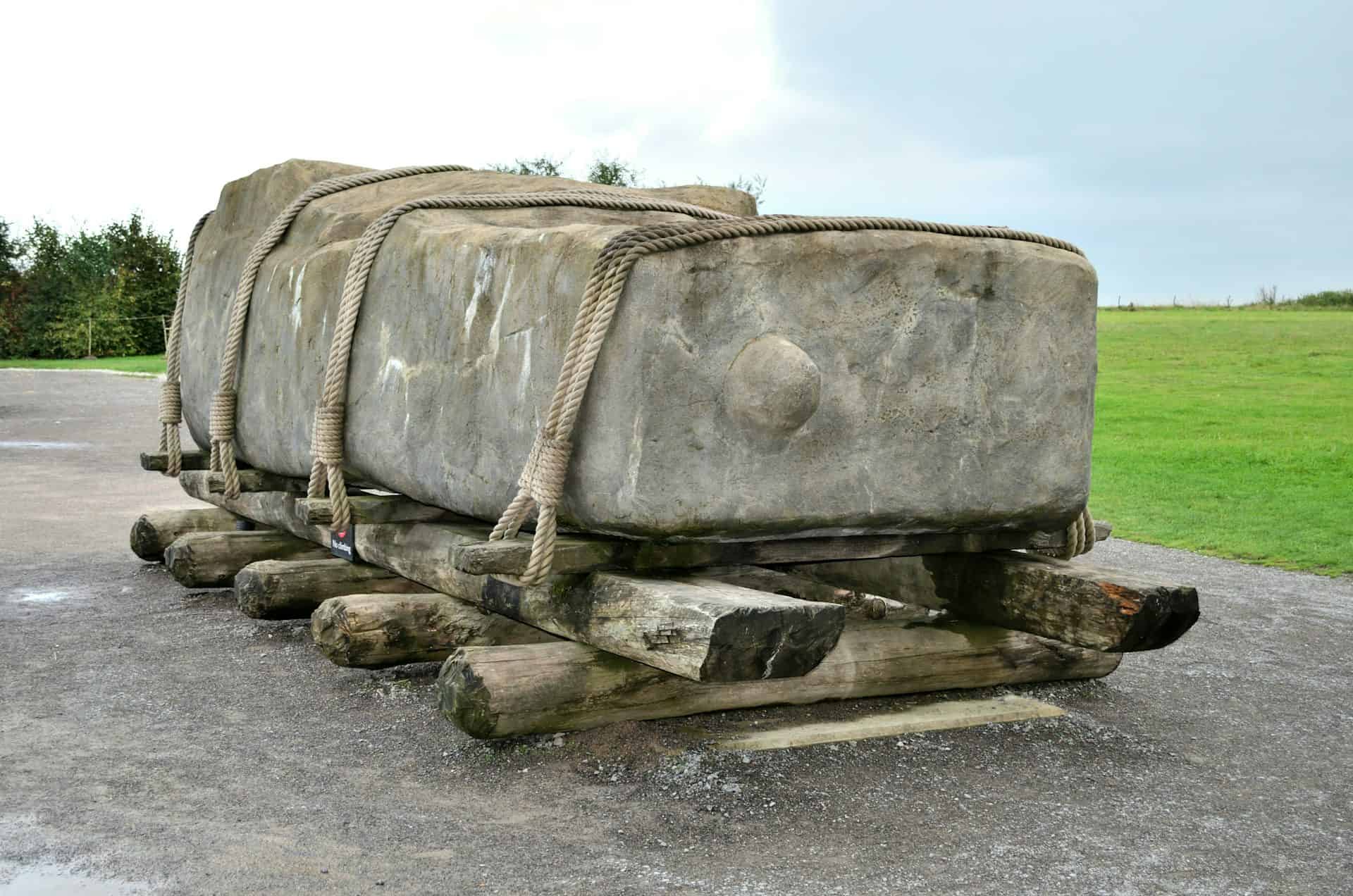
One of the most surprising things is how much can be done with tools a child could sketch in a school notebook. A lever is nothing more than a long pole and a pivot, but with the right setup, a few people can nudge a multi-ton stone high enough to slide something under it. Multiply that tiny lift over and over, and you can raise huge blocks gradually, like climbing stairs one step at a time. Add rollers or logs, and suddenly the ground itself becomes a kind of conveyor belt, with the stone slowly creeping forward as the rollers are moved from back to front.
Ramps are another deceptively simple idea that keeps turning up in archaeological theories. Instead of trying to lift a stone straight up, you fight gravity on an angle, turning a brutal vertical lift into a long, exhausting, but manageable drag. Whether it was a straight ramp, a zigzagging one, or smaller ramps within the structure itself, the basic idea is the same: trade distance for force. Personally, I find it oddly comforting that some of humanity’s greatest monuments probably owed more to geometry homework than to anything mystical.
Friction: Enemy, Ally, and Secret Ingredient

When you imagine dragging a stone that weighs more than a fully loaded passenger jet, friction feels like the villain. Dry stone on dry ground is a nightmare. But ancient builders figured out tricks that turn this enemy into something they could negotiate with. Experiments have shown that wetting sand or mud in front of a heavy sledge can drastically lower the resistance, making it far easier to pull. It sounds almost too simple, but controlled moisture changes how grains of sand lock and slide, a subtle physics hack buried in what looks like basic labor.
Some cultures took this even further, using wooden sledges on lubricated paths, laying down planks, or applying animal fat, oil, or water to reduce drag. Think of it like turning the ground into a primitive slide instead of rough asphalt. Once you realize that friction can be tuned, not just endured, the puzzle of moving massive stones starts to loosen up. It is not that the ancients had hidden science; they had generations of trial-and-error wisdom, passed down in ways we just do not have written records for.
Human Muscle and Social Organization: Thousands of Hands, One Goal
There is a tendency today to underestimate what organized human muscle can do, because we delegate almost everything heavy to machines. But if you look at modern experiments, teams of a few dozen people using replicas of ancient tools have managed to move blocks weighing many tons. Scale that up: add hundreds or thousands of laborers, break the work into shifts, and keep a steady pace over weeks and months. The math behind the effort suddenly looks tough, but not supernatural. The real magic is not secret technology; it is coordination and discipline.
Of course, this raises another question: how do you organize that many people for that long? Moving massive stones was not just an engineering task; it was a social and political one. Leaders had to feed workers, plan logistics, and maintain motivation. In many cases, religion or royal authority created the shared purpose needed to keep such projects going. I sometimes think the stones themselves are only half the story; the invisible infrastructure of managers, cooks, rope-makers, quarry workers, and planners is the other half we barely see.
Water, Boats, and Floating Heavy Loads
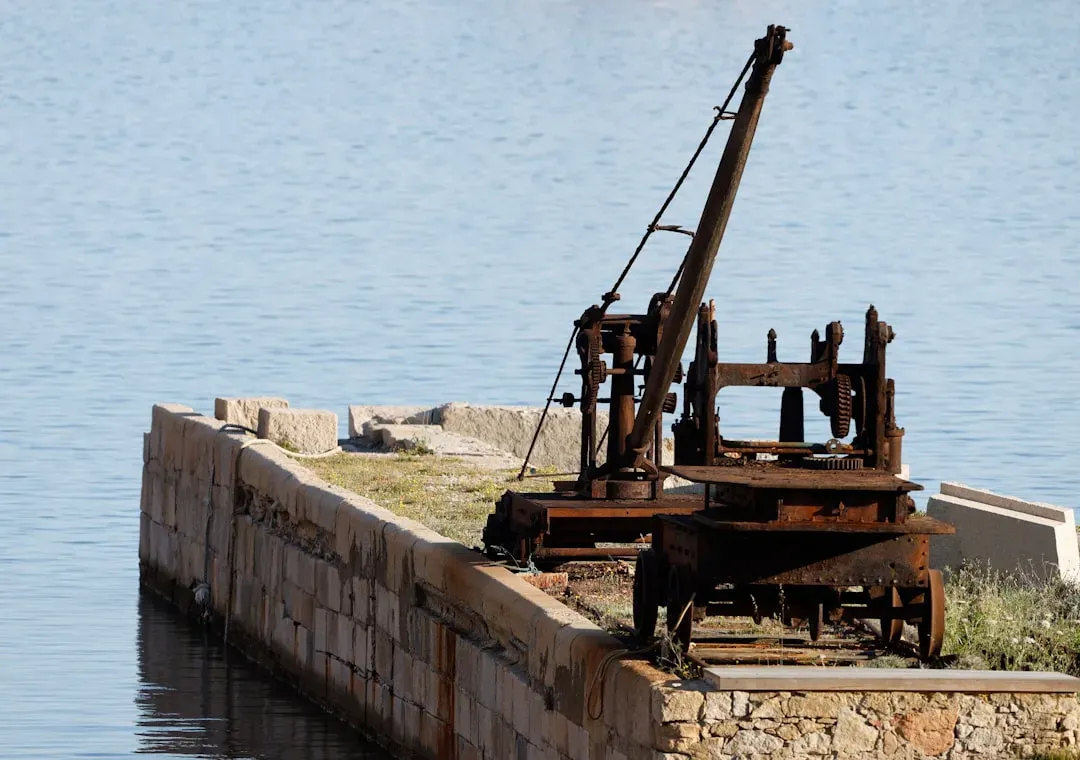
Another piece of the puzzle is that ancient builders did not always drag stones across endless dry land; they used water whenever they could. Rivers and canals worked like ancient highways, and floating a stone on a barge is far easier than dragging it the whole way on land. If you can quarry near a river and build a barge strong enough, buoyancy does most of the lifting for you. The problem shifts from brute force to careful balance and navigation, which are challenges, but very different ones.
Archaeological evidence from several ancient cultures shows the use of river transport for heavy cargo, including building materials. Think of massive stones being towed on rafts or boats, slowly moving with the current or pulled along by teams on the banks. Once near the final site, the stones would still need to be unloaded and hauled, but by then the worst distances had already been covered efficiently. To me, this is where ancient engineering feels particularly clever: it is not about overpowering nature, but about quietly cooperating with it.
Shaping, Quarrying, and Planning Ahead
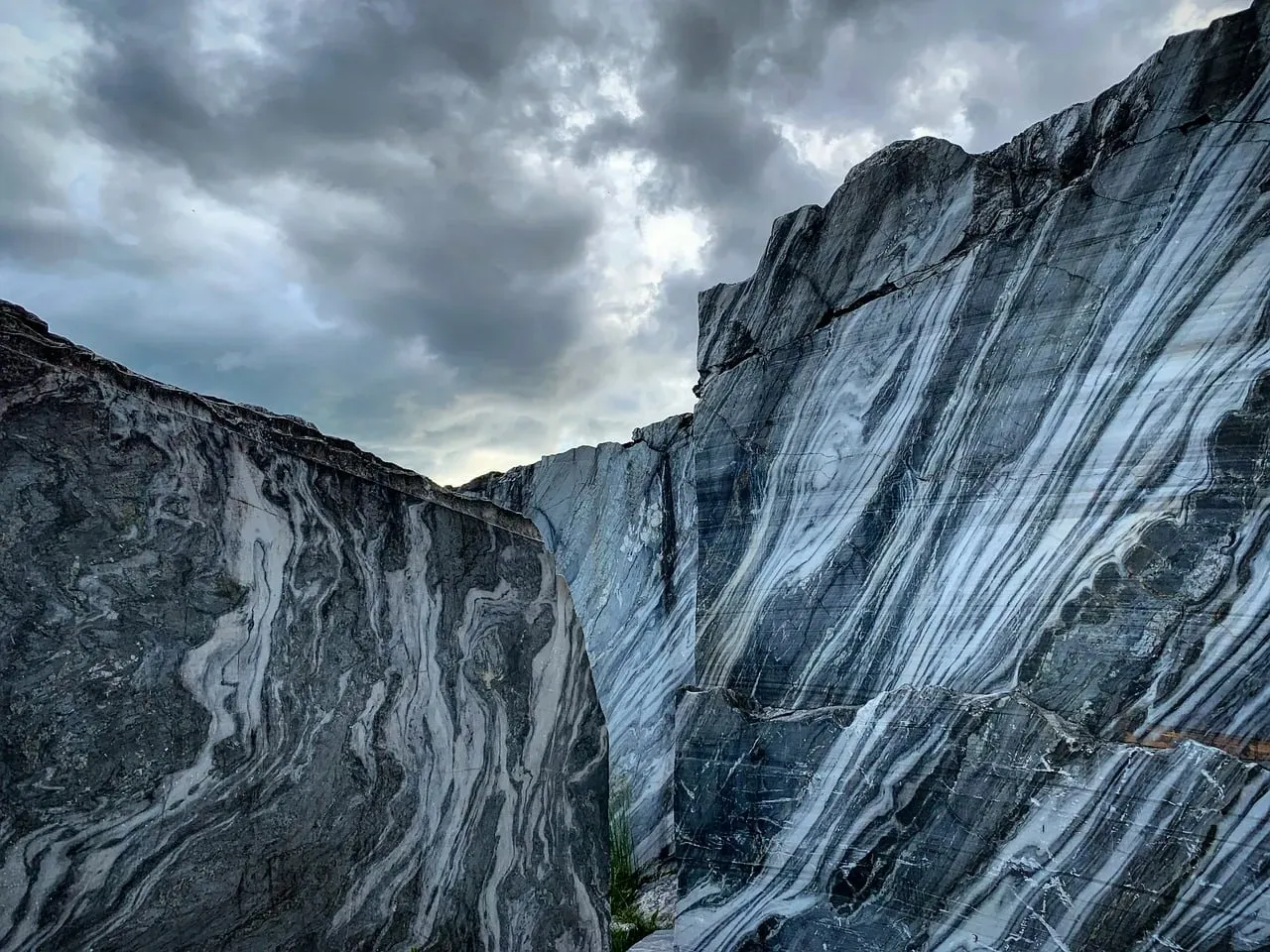
We often focus on the final act of moving a stone, but the story starts in the quarry. Ancient builders were strategic about where and how they cut stone, sometimes shaping blocks directly in the quarry to reduce unnecessary weight. They could also leave natural “handles” or projections on blocks to give ropes something to grip, only removing or smoothing them once the stones were in their final position. That kind of planning shows a mindset that stretches far beyond just moving something heavy from point A to point B.
The route from quarry to construction site was not an afterthought either. Paths were likely surveyed, leveled where possible, and prepared with ramps, causeways, or temporary wooden surfaces. When you imagine not just one stone, but hundreds or thousands needing to follow the same path, logistics start to dominate the picture. From my perspective, the real genius lies in how they minimized surprises: anticipating weak ground, tight corners, seasonal floods, and timing their moves around them. That is not mysterious knowledge; it is the patient, slightly obsessive mindset of people who know that a single misstep could waste months of work.
Experiments, Myths, and the Lure of the “Impossible”
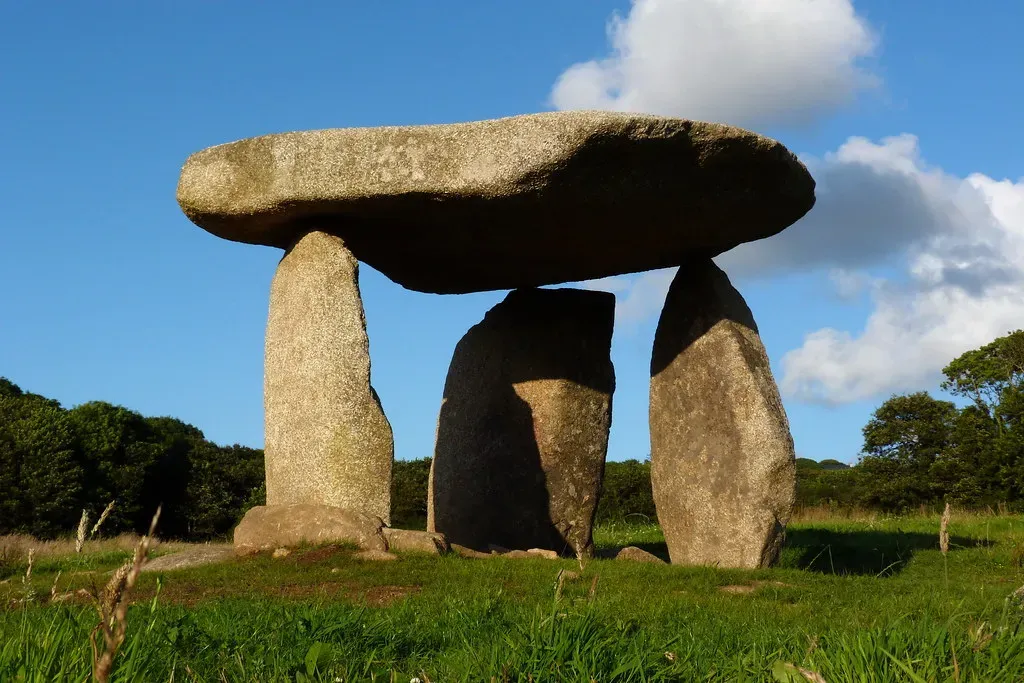
In the last few decades, researchers, engineers, and enthusiastic amateurs have tried recreating ancient stone-moving methods at smaller scales. They have rolled blocks on logs, slid them on sledges over wet sand, used lever systems to lift them into place, and even “walked” stones upright by rocking them side to side with ropes. These experiments do not perfectly duplicate every ancient scenario, but they prove a crucial point: you do not need hidden technologies to explain heavy stones. You just need time, people, and a ruthless willingness to sweat.
I get why fantastical explanations are so tempting. They feel exciting, rebellious, like a secret the experts missed. But when you look closely, the evidence paints a different, far more grounded picture. Ancient builders were not magical beings; they were problem-solvers with deep practical experience, working with basic physics and an enormous human workforce. In my opinion, giving all the credit to imaginary lost tech actually sells them short. The real awe, for me, comes from realizing what determined humans can do with rope, wood, stone, and an unwillingness to give up.
Conclusion: Respect the Sweat, Not the Myths
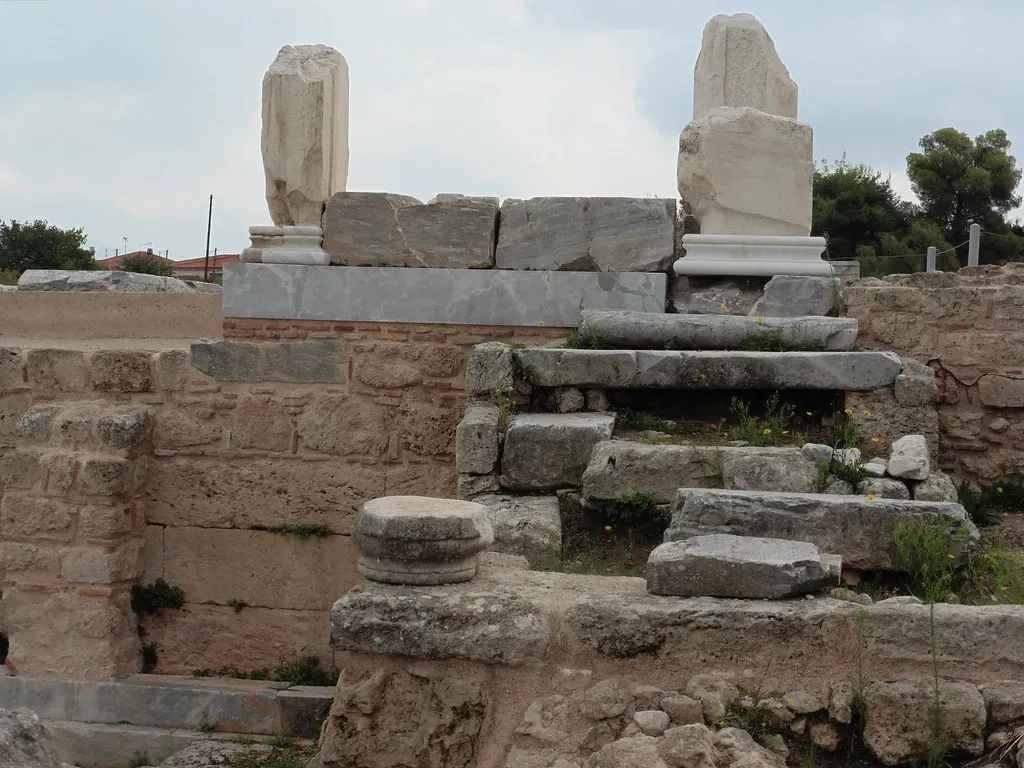
When you pull all these threads together – levers and ramps, tuned friction, river transport, careful quarry planning, and big, tightly organized workforces – the mystery of moving massive ancient stones starts to feel less like a magic trick and more like a marathon. Is every detail known? Not even close. There are still heated debates about specific monuments and exact methods, and there probably always will be. But the broad picture is consistent: ancient people used understandable, testable techniques, scaled up with patience and collective effort.
Personally, I think that reality is more impressive than any story about lost super-technology. It says something almost defiant about our species: given enough time, enough hands, and enough stubbornness, we will find a way to move even the heaviest things in our path. Maybe the better question is not how they moved the stones, but what we choose to move today – and whether we are still willing to work together for something that will outlast us. If you were standing in their sandals, which would you find harder to believe: the physics, or the patience?