Imagine a creature that watched dinosaurs rise and fall, endured the shattering impact of asteroids, and quietly survived as continents drifted apart. The tuatara is not just a reptile; it is a living relic, a silent witness to Earth’s most turbulent eras. With its ancient features and mysterious habits, the tuatara is a bridge between the distant past and our present. Its story is both inspiring and humbling—a testament to the power of resilience in the face of unimaginable change. As we unravel the secrets behind its survival, we step into a world where time moves differently and every heartbeat echoes millions of years of history.
The Ancient Origins of the Tuatara
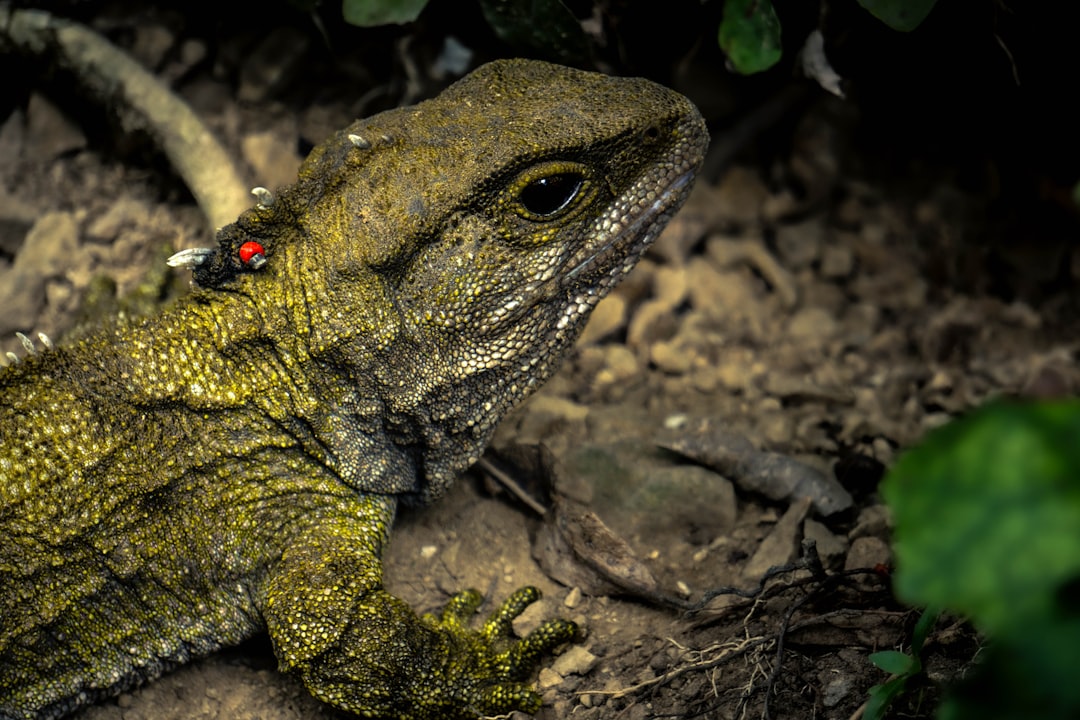
The tuatara is often mistaken for a lizard, but it belongs to a completely unique order called Rhynchocephalia. This order flourished over 200 million years ago, long before the first birds or mammals appeared. While thousands of its relatives once roamed the supercontinent Pangaea, only the tuatara remains today. Its lineage stretches back to the Triassic period, a time when the world was ruled by giants and lush, swampy forests. The tuatara’s survival is a story of endurance, having persisted through mass extinctions that wiped out most of its kin. The fossils of ancient rhynchocephalians are scattered across the globe, but only on the isolated islands of New Zealand does this lineage still live.
Unique Anatomy: Built to Last
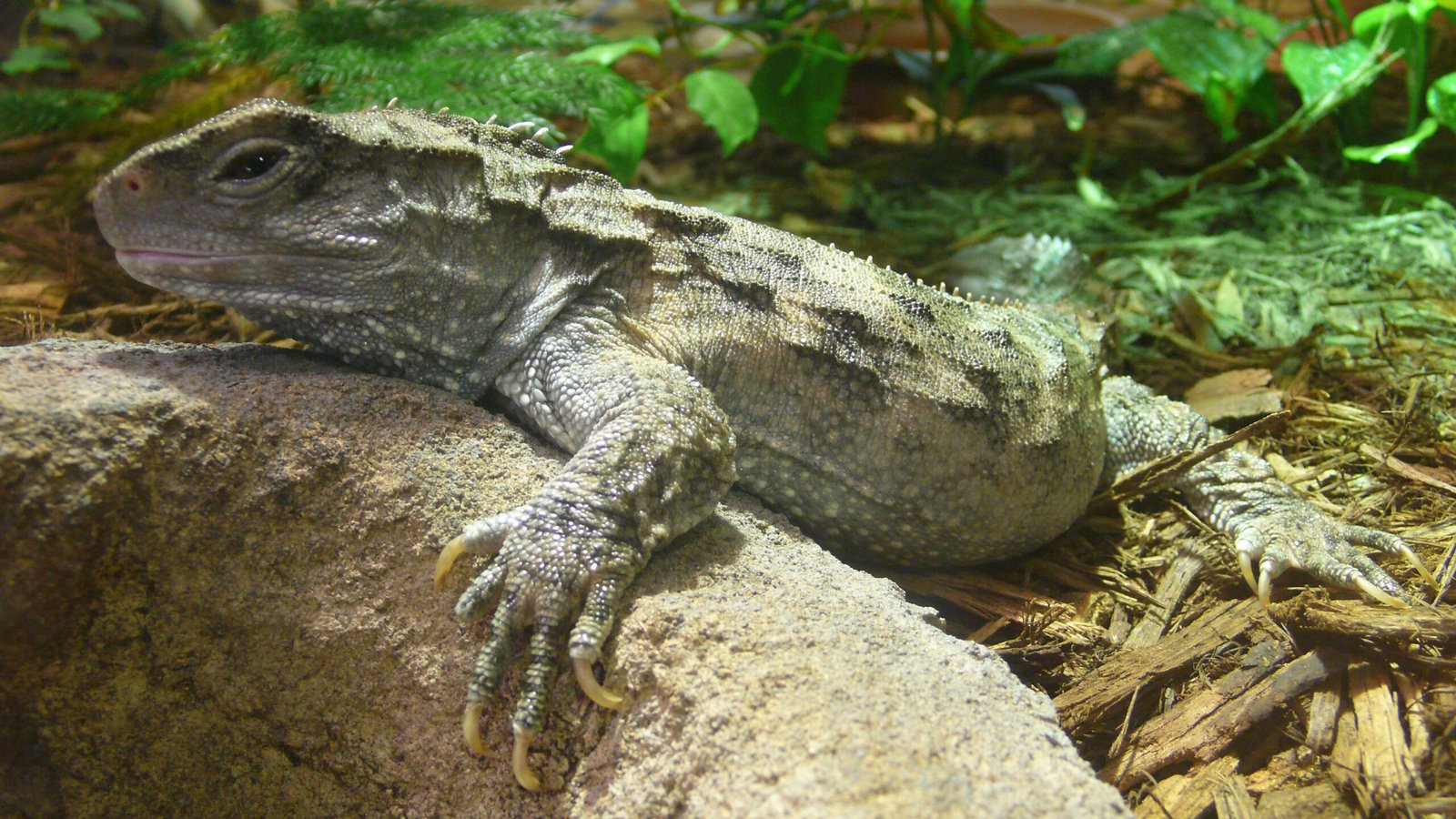
Unlike any other reptile, the tuatara possesses a remarkable combination of features that speak to its ancient heritage. Its skull is rigid and heavily built, much like its prehistoric ancestors, providing protection and strength. The tuatara also has a unique jaw movement—its lower jaw moves forward and backward like a saw, allowing it to slice through insects and small animals with ease. One of its most fascinating features is the parietal eye, a third eye located on the top of its head. This “eye” can sense changes in light and may help regulate its internal clock. These anatomical quirks are not just oddities—they are adaptations that have helped the tuatara survive in a world that has changed beyond recognition.
Cold-Blooded Superpowers
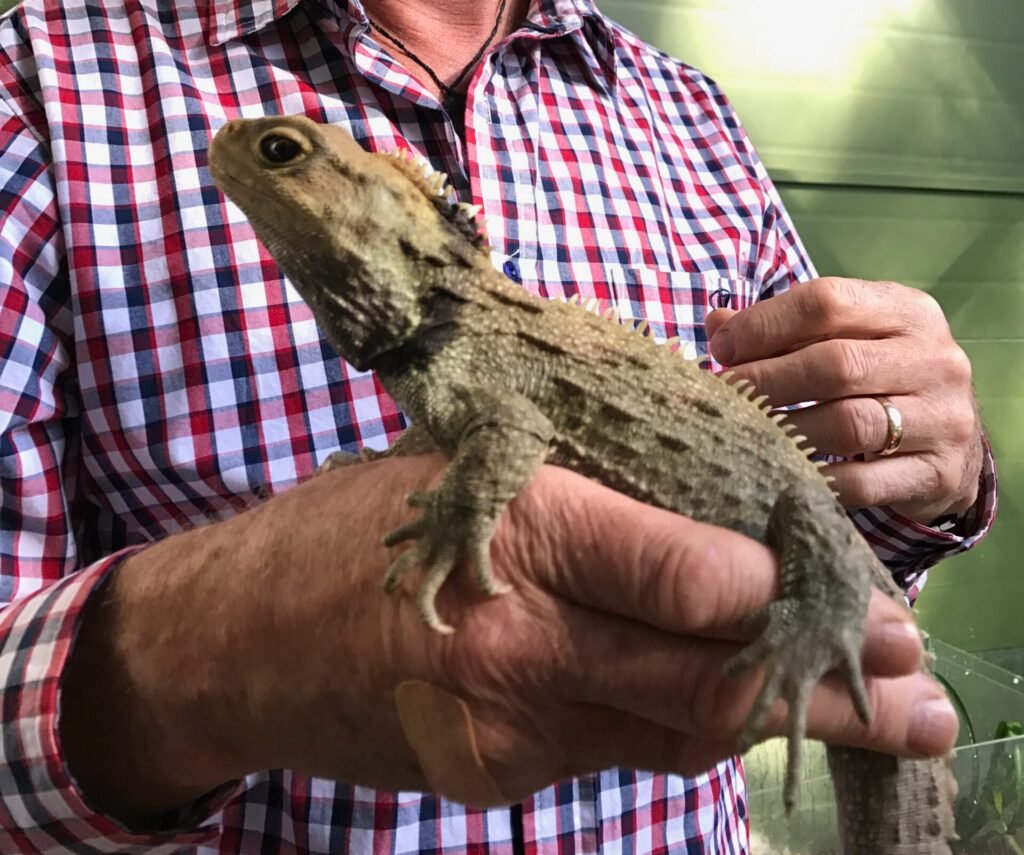
The tuatara thrives at temperatures that would leave most reptiles sluggish or lifeless. While many reptiles need warmth to stay active, the tuatara can function at temperatures as low as 5°C (41°F). This cold-blooded resilience allows it to hunt and move around during chilly New Zealand nights, giving it an edge over competitors. Its metabolic rate is astonishingly slow, meaning it can go for long periods without food and requires less energy to survive. This adaptation has proved invaluable during times of scarcity, such as after volcanic eruptions or climate shifts, when resources are scarce.
Surviving Mass Extinctions
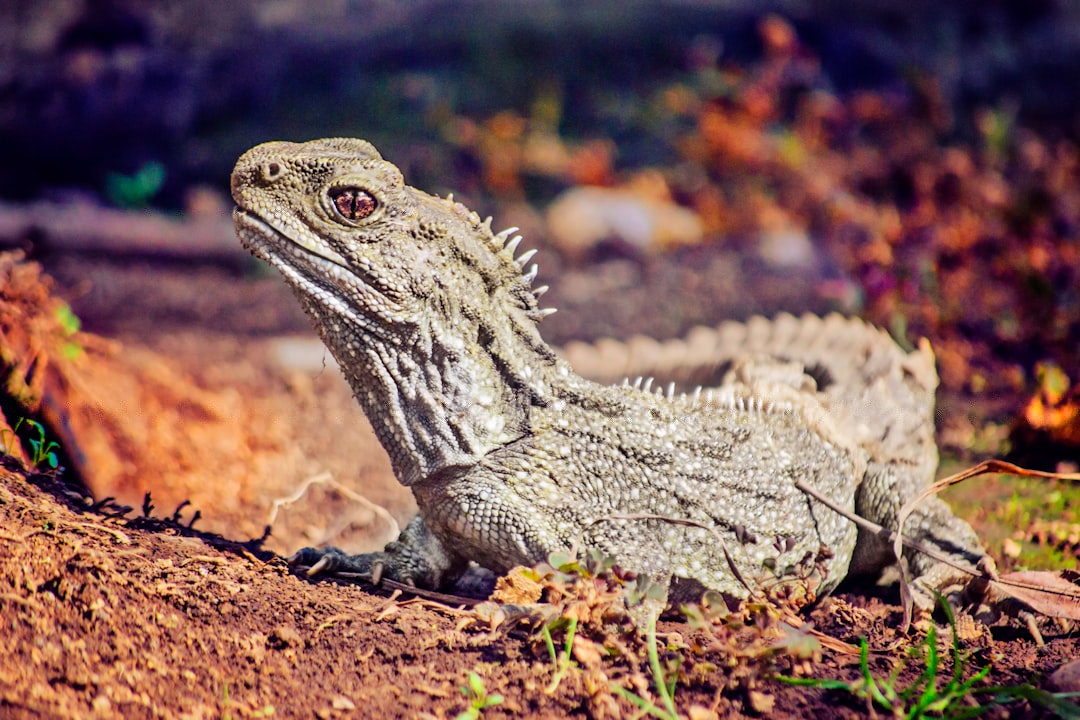
The tuatara’s history is punctuated by Earth’s greatest disasters, yet it has emerged unscathed time and again. When the asteroid struck 66 million years ago, causing the mass extinction that ended the reign of dinosaurs, the tuatara’s ancestors found ways to persist. Scientists believe its ability to live in burrows, avoid predators, and tolerate extreme conditions helped it endure the chaos. Unlike larger reptiles that perished, the tuatara’s modest size and secretive lifestyle may have shielded it from extinction. It’s as if the tuatara learned to survive by staying out of the spotlight while others vanished forever.
Isolation on New Zealand: A Hidden Refuge
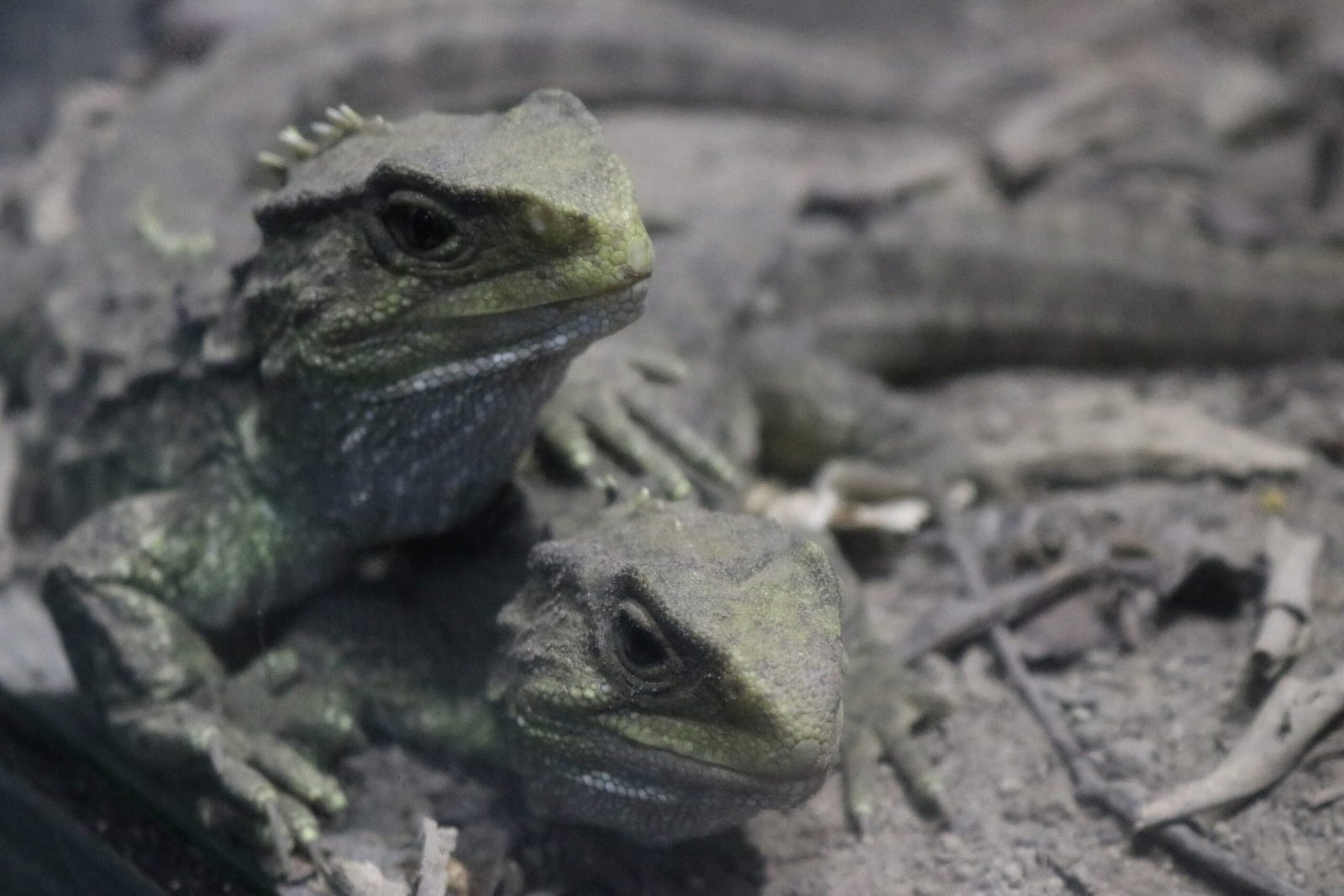
After the breakup of the supercontinent Gondwana, New Zealand drifted away, becoming a sanctuary for ancient life. The tuatara found refuge here, safe from the mammals and snakes that overran other continents. New Zealand’s remote islands became its fortress, free from the threats that doomed its relatives elsewhere. Over millions of years, the tuatara adapted to the unique environment, developing behaviors and biology suited to the cool, damp forests and rocky coasts. This isolation was both a blessing and a curse: while it protected the species, it also made it vulnerable to new dangers brought by humans.
The Parietal Eye: A Window Into the Past
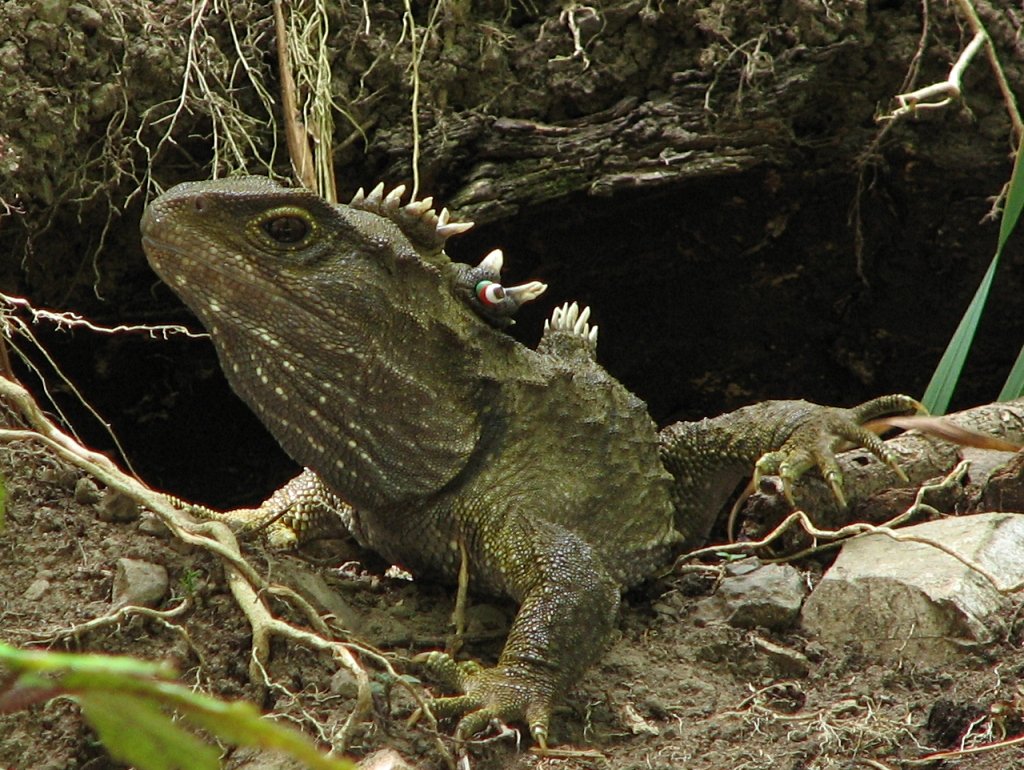
One of the tuatara’s strangest features is its parietal eye, sometimes called a “third eye.” This organ is visible in hatchlings as a small, translucent patch on the head, but it becomes covered with scales as the tuatara ages. Scientists think the parietal eye helps regulate hormones and detect day-night cycles, playing a crucial role in the reptile’s survival. Its presence links the tuatara to early vertebrates and offers clues about how ancient animals sensed their world. The parietal eye is a living fossil in its own right—a reminder of a time when reptiles ruled the planet.
Long Life and Slow Growth: Keys to Survival
The tuatara is one of the longest-lived reptiles on Earth. Individuals can live well over 100 years, growing slowly and reproducing late in life. This slow pace may seem risky, but it has protected the species from the boom-and-bust cycles that doomed faster-reproducing animals. By investing in longevity rather than rapid growth, the tuatara can weather bad years and wait for the right moment to thrive. Their eggs take over a year to hatch, and young tuataras grow for decades before reaching maturity. This patience has paid off for millions of years, allowing the tuatara to outlast countless competitors.
Nocturnal Habits: Outlasting Danger
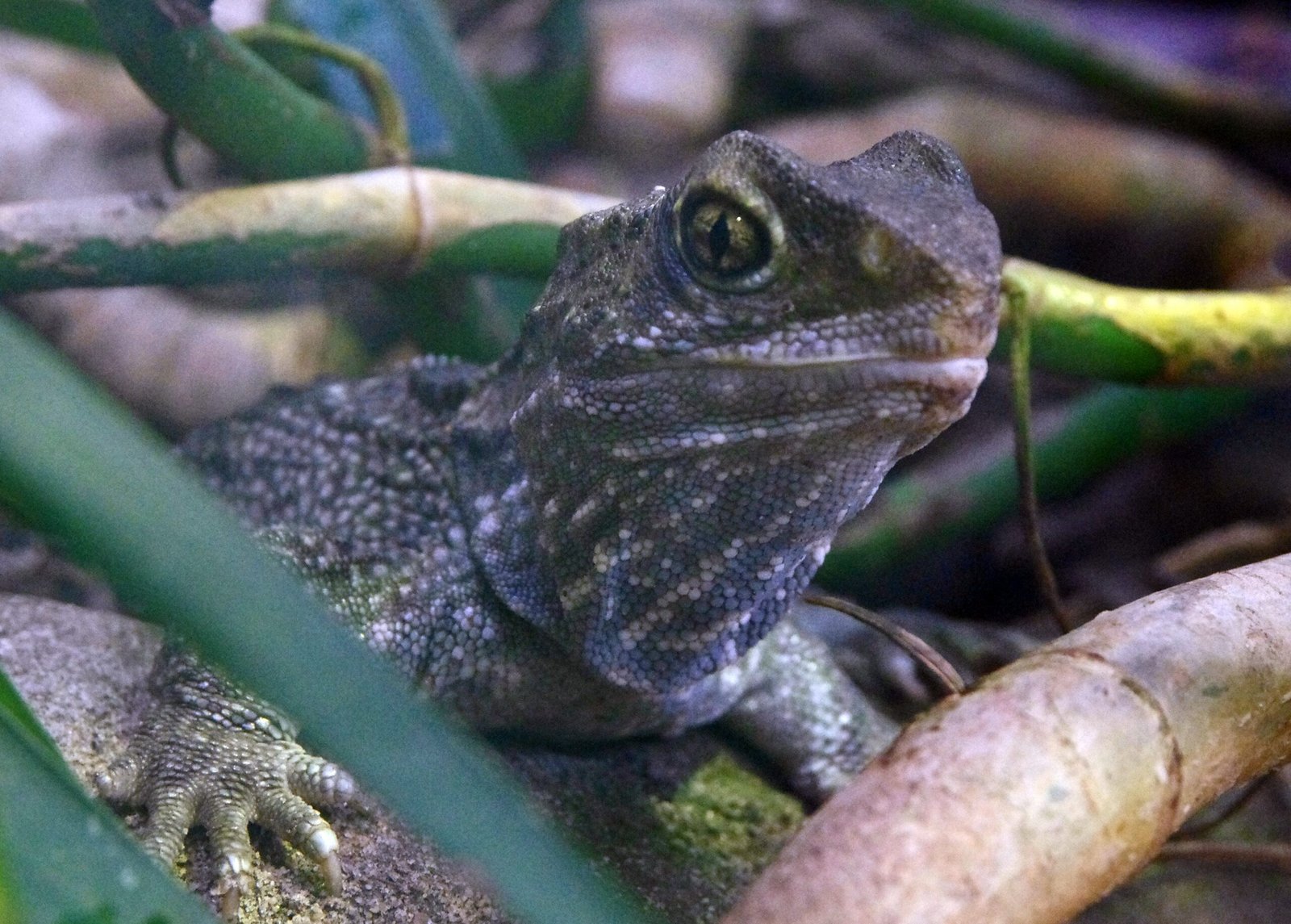
Tuataras are masters of the night, emerging from their burrows after sunset to hunt insects, spiders, and small vertebrates. This nocturnal lifestyle keeps them out of the reach of daytime predators and helps them avoid the heat of the sun. During the day, they retreat underground, where temperatures are stable and humidity is high. This behavior not only shields them from predators but also protects them from dehydration and temperature extremes. By living in the shadows, the tuatara has avoided the dangers that have claimed so many other species.
A Reluctant Survivor: Facing Modern Threats
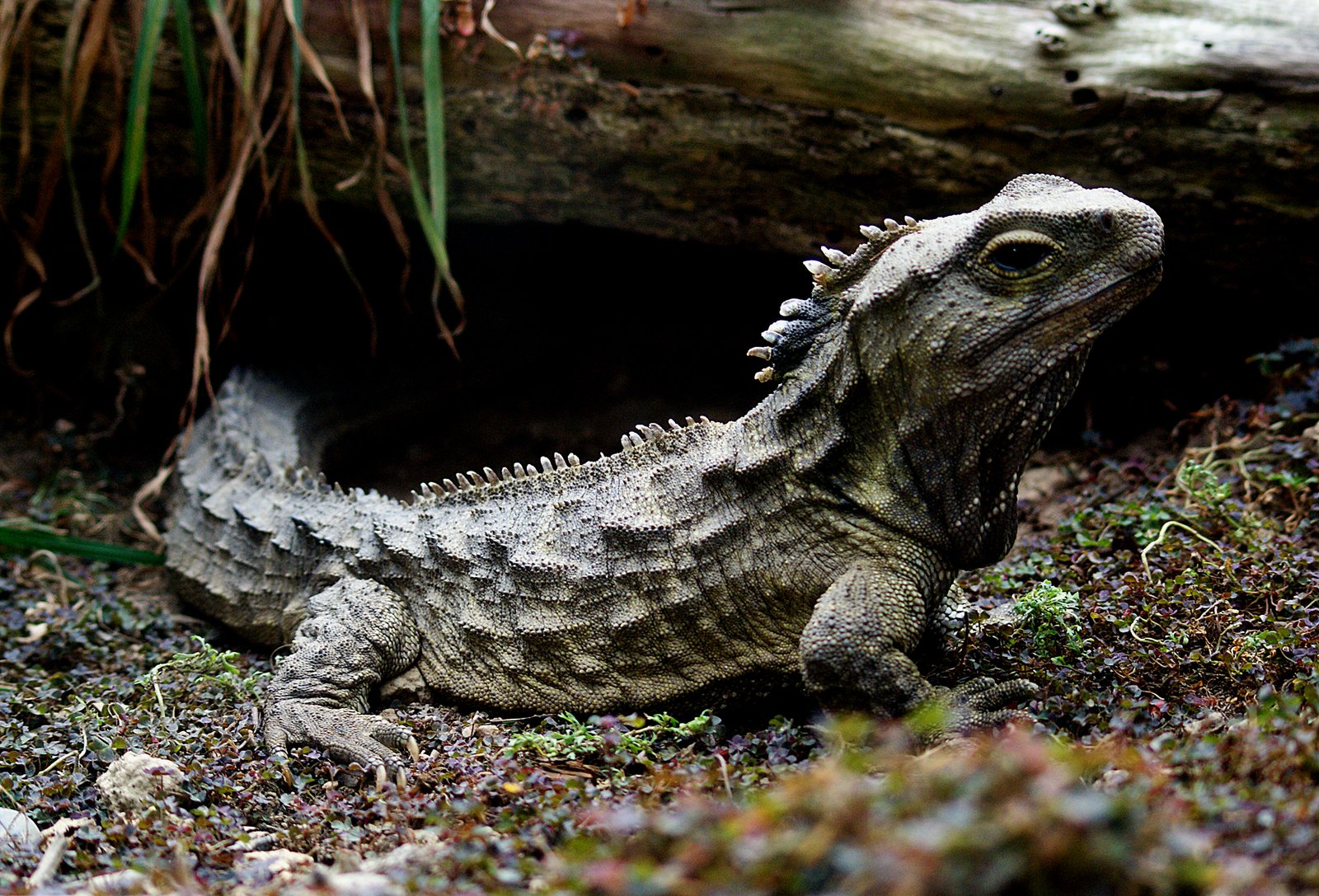
Despite millions of years of survival, the tuatara now faces challenges it has never seen before. The arrival of humans in New Zealand brought rats, cats, and other predators that quickly decimated tuatara populations. Habitat loss and climate change add to the pressures, pushing this ancient reptile to the brink. Conservation programs have stepped in, relocating tuataras to predator-free islands and working to restore their habitats. The struggle is ongoing, but the tuatara’s story is far from over. Its resilience continues to inspire scientists and nature lovers around the world.
Genetic Marvel: Unlocking Ancient Secrets

Recent studies of the tuatara’s genome have unveiled surprising insights into its biology and evolution. Its DNA reveals a blend of both ancient and modern traits, providing a genetic window into the past. The tuatara’s immune system, for example, contains unique features not found in any other reptile, offering clues about how it has resisted disease over millennia. These discoveries not only help us understand the tuatara’s survival but also shed light on the broader history of life on Earth. The tuatara’s genes are a treasure trove for scientists seeking to unravel the mysteries of evolution.
Lessons From a Living Fossil
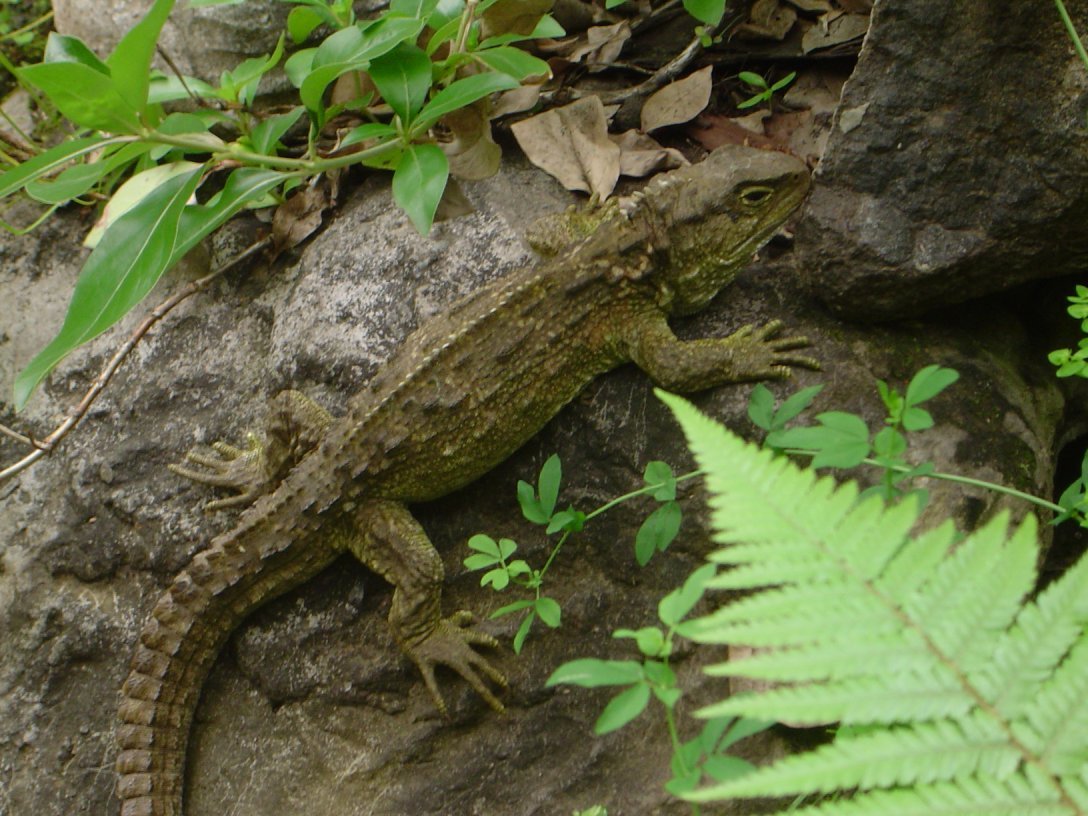
The story of the tuatara is more than a tale of survival—it’s a lesson in perseverance and adaptation. In a world that is constantly changing, the tuatara reminds us that sometimes the best way to endure is to adapt quietly, to hold onto ancient wisdom, and to weather storms with patience. Its continued existence challenges us to protect the fragile wonders of our planet, to value the survivors among us, and to learn from those who have outlasted the fiercest trials of time. What secrets might we uncover if we listen to the whispers of history embodied in this remarkable reptile?