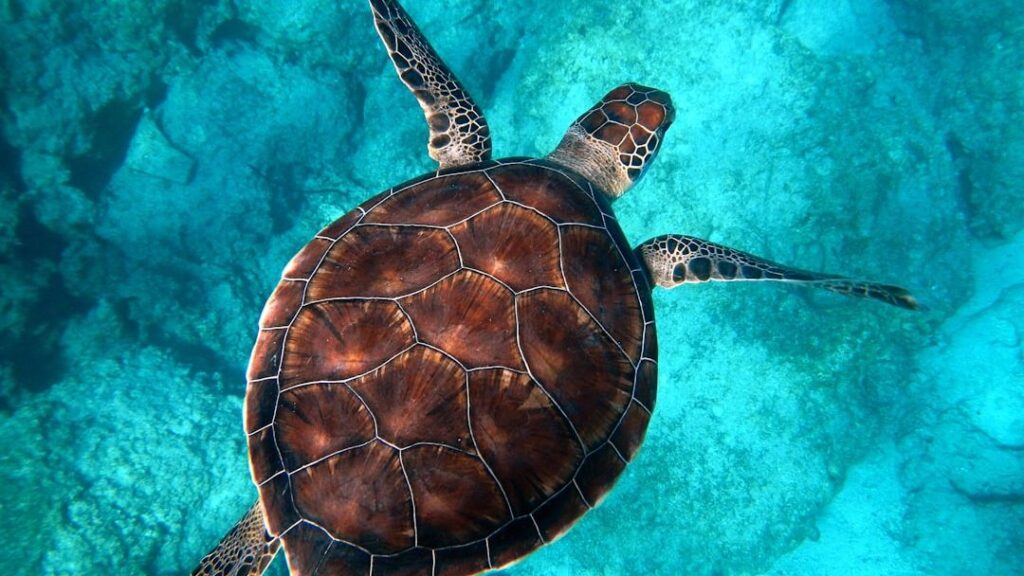
Imagine being dropped into the middle of a dark, featureless ocean with no phone, no GPS, not even a visible landmark in sight – and still finding your way to a tiny stretch of beach you left decades ago. That is the everyday reality of sea turtles, and it borders on the unbelievable. These animals do not just travel far; they cross entire ocean basins and then show up with eerie precision at the very beach where they were born.
Scientists have been trying to decode this mystery for years, and while we now know some of the basic tricks turtles use, a lot of their internal navigation system is still a black box. The story of how they do it blends physics, neurobiology, evolution, and a kind of quiet animal determination that feels almost supernatural. Once you see how many tools a turtle carries inside its own body, it becomes very hard to look at a simple compass app on your phone the same way again.
The Astonishing Ocean Journeys Of Sea Turtles
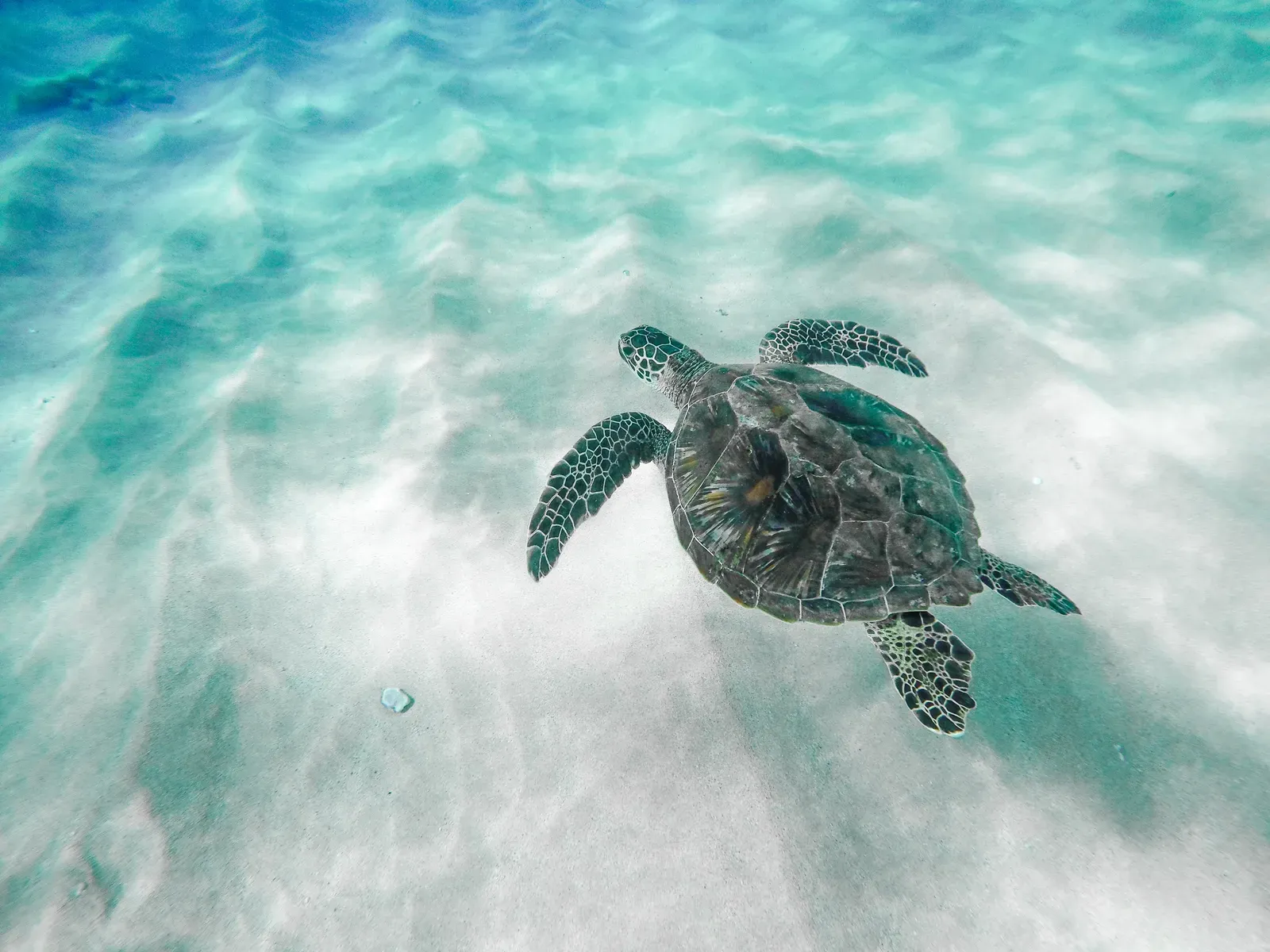
It is easy to forget just how far sea turtles travel, because we are used to seeing them in documentaries as a few seconds of footage on a beach. In reality, many species live on a scale that makes most human travel plans look small and predictable. Some loggerhead turtles born on beaches in Florida cross the entire Atlantic, drifting and swimming for years before settling near Europe or Africa, only to later navigate back as adults. Green turtles can follow long, looping routes between feeding grounds and nesting beaches that span thousands of miles of open water.
What makes this even more jaw-dropping is that much of their journey takes place in an environment that looks almost identical in every direction. There are no road signs, no coastline silhouettes for most of the trip, just an endless shifting surface and a dark blue world below. Yet female turtles repeatedly return to the same narrow strips of sand where they hatched, sometimes after being away for a decade or more. When you zoom out and trace these migration routes on a map, they look less like random wandering and more like carefully planned long-distance flights.
Born Navigators: Imprinting On Their Birth Beach
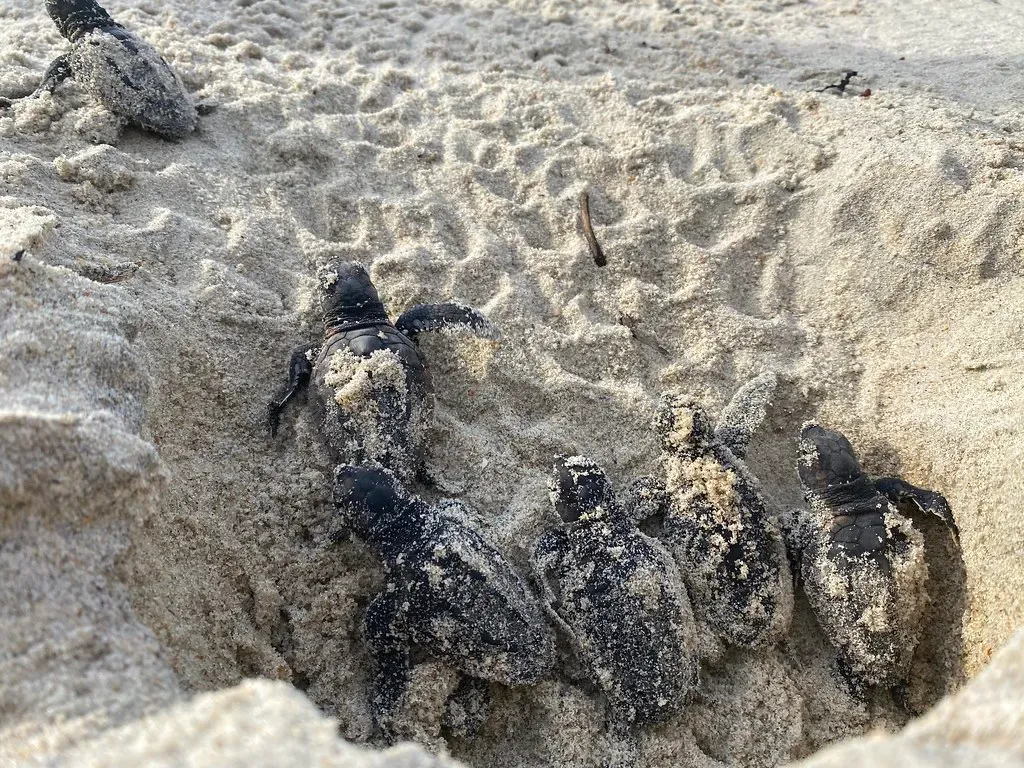
The story seems to begin the moment hatchlings emerge from their nests, scramble down the sand, and hit the surf for the first time. That chaotic nightmarish dash, dodging birds and crabs, is not just a run for survival; it also appears to be when their internal navigation system gets its first big download of data. Researchers think that as hatchlings enter the water, they start “recording” environmental cues, including the unique magnetic signature of that stretch of coastline. This early experience appears to leave a lasting imprint, almost like setting the home address in a built-in GPS.
Years later, when a female reaches maturity, she somehow accesses that stored imprint and uses it to steer back toward the region where she was born. The idea that a baby turtle, barely bigger than the palm of your hand, is already encoding information it will use as a 200‑pound adult is wild but increasingly well supported by research. To me, it feels a bit like a person memorizing the smell, sound, and layout of their childhood neighborhood, then being able to find it again from another continent using only those memories as a guide.
The Invisible Map: Sensing Earth’s Magnetic Field
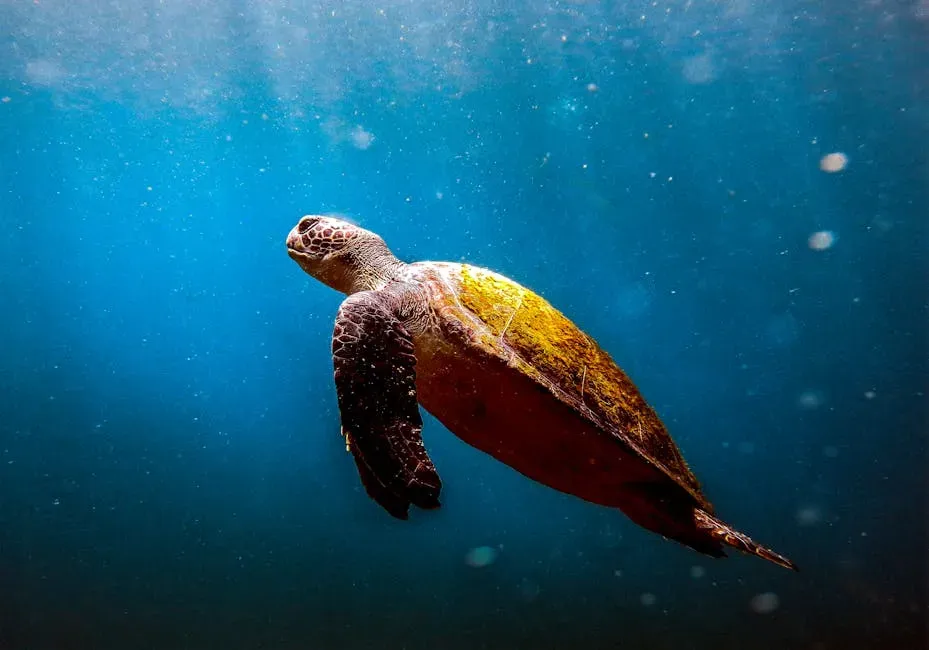
The leading piece of the puzzle is the Earth’s magnetic field, an invisible force that wraps the planet like a giant bubble. Sea turtles appear to treat this field like a built-in map and compass combined. They can detect differences in magnetic field strength and angle from place to place, which effectively gives them a rough set of coordinates. Different coastlines and regions have distinct magnetic “signatures,” and turtles seem to learn these patterns and then use them to orient themselves during migration.
Experiments have shown that when turtles are exposed to magnetic fields that simulate locations far from where they actually are, they change their swimming direction as if they were really in that new location. That strongly suggests they are not just sensing north and south, but building something closer to a mental magnetic map. It is a bit like having a subtle, always-on compass in your brain that not only says “this way is north” but also whispers “if you swim slightly northeast for a long while, home is over there.”
Internal Compass: How Turtles May Feel Magnetism
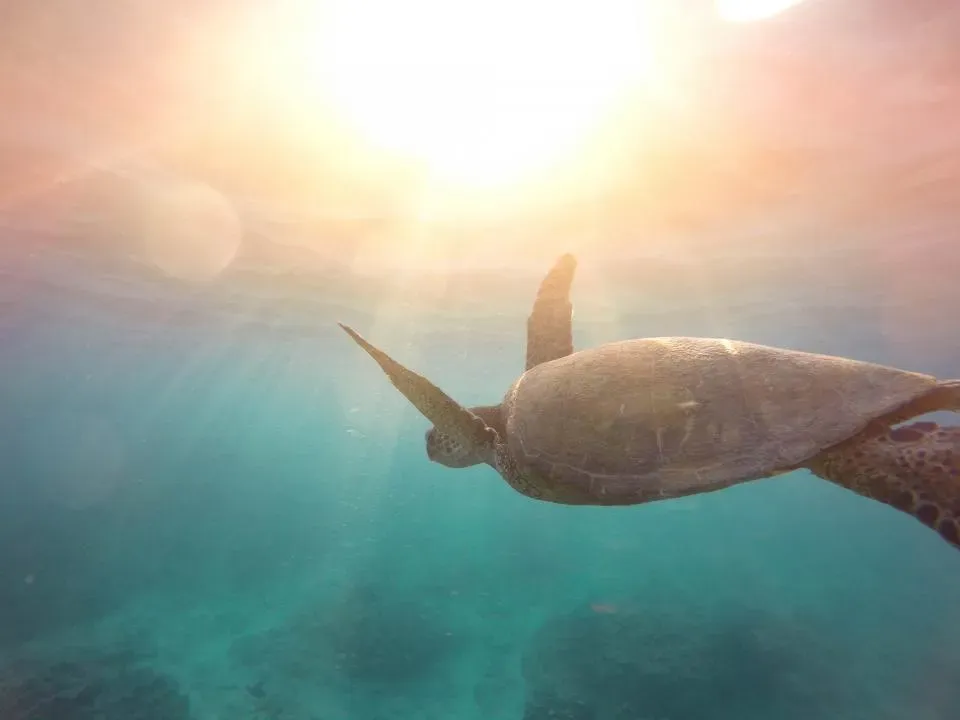
Knowing that turtles use Earth’s magnetic field is one thing; understanding how they physically sense it is another challenge entirely. Scientists suspect specialized cells, potentially containing tiny crystals of magnetic minerals such as magnetite, play a role. These particles could twist or align in response to the magnetic field, sending signals to the turtle’s nervous system. Another idea involves light-sensitive molecules in the eye that might react differently depending on how the turtle is oriented in the magnetic field, creating a kind of magnetic vision overlaying normal sight.
We still do not have a fully agreed‑upon answer, and this uncertainty is honestly one of the most exciting parts of the story. You have this ancient reptile quietly performing a sensory trick that we cannot yet reproduce with all our tech unless we strap a device to ourselves. Whatever the precise mechanism, it is clear that turtles have evolved an internal compass that works across vast distances and over long lifespans. To me, it is a humbling reminder that evolution has been solving navigation problems for millions of years without writing a single line of code.
Using The Sun, Stars, And The Shape Of The Sea
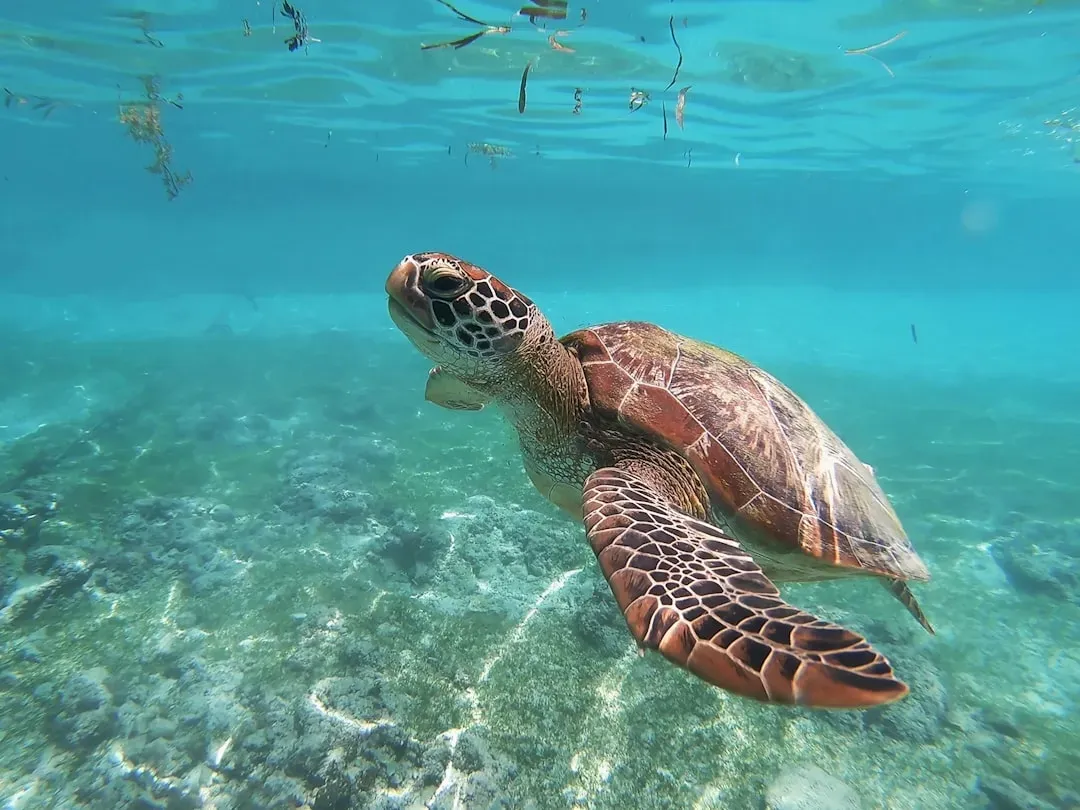
Magnetism is not the turtles’ only guide. Near the surface, they can also use the position of the sun, patterns of polarized light in the sky, and even the brightness of the horizon to orient themselves. When they are closer to land, coastlines, wave patterns, and underwater topography provide additional hints. Picture a turtle surfacing at dawn in the open ocean, checking the angle of the rising sun like an old sailor, then diving again and using subtle changes in wave direction as confirmation that it is on the right heading.
There is also evidence that turtles may sense things like temperature gradients and currents, effectively using the physical structure of the ocean itself as a navigation aid. Certain warm currents consistently flow along particular paths, and turtles appear to exploit these like aquatic highways. Rather than relying on a single, perfect system, they blend multiple partial clues: magnetism, light, wave direction, water temperature, and maybe even the soundscape of distant coasts. It is more like an orchestra of overlapping cues than one magic trick.
Humans sometimes imagine animals as following rigid, hardwired paths, but turtle navigation looks more flexible and layered than that. A young turtle might begin its life by riding a current system that tends to lead to safe, food‑rich waters, while an adult could combine years of experience with magnetic information to fine‑tune its route. The result is not flawless, but it is remarkably robust given how chaotic and changeable the ocean can be from year to year.
Smell And Sound: Fine‑Tuning The Final Approach
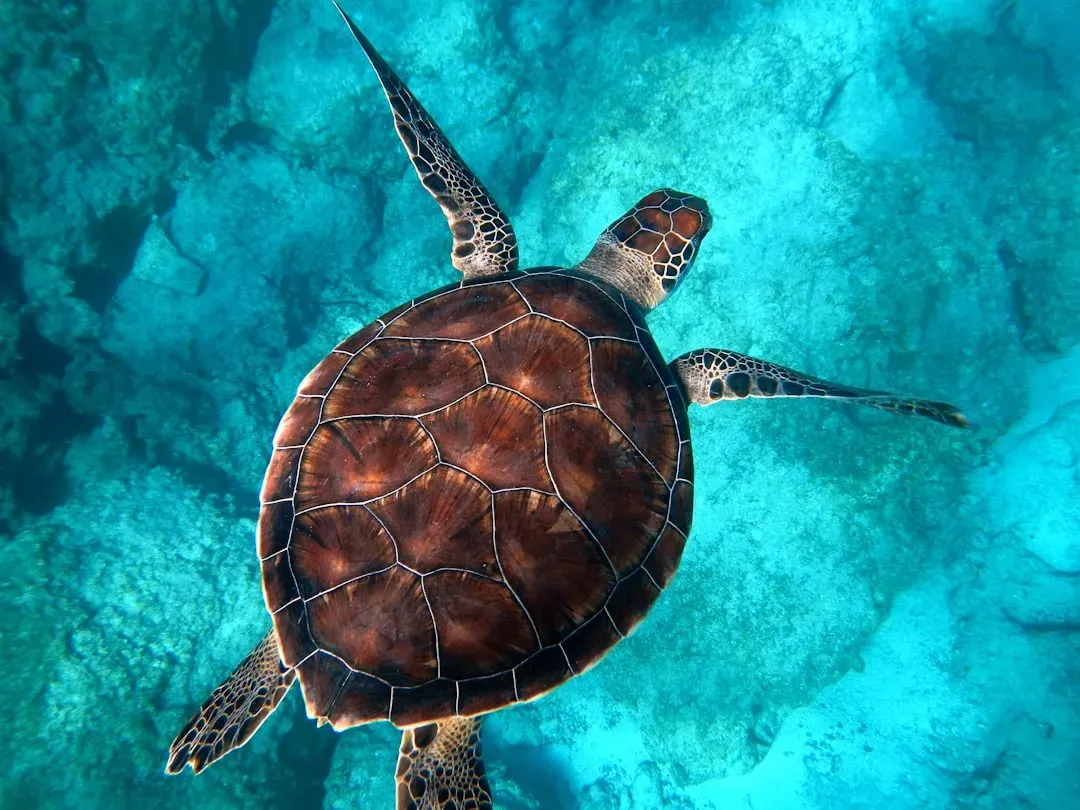
When turtles get closer to shore, especially near nesting beaches, their navigation shifts from broad‑scale mapping to fine‑scale homing. At this stage, scent and sound appear to matter more than they do in the open ocean. Coastal waters carry chemical traces from rivers, vegetation, and even specific sediments, creating a kind of olfactory fingerprint. Turtles may use these smells as final confirmation that they are approaching the right area, much like how you might recognize your neighborhood by the mix of exhaust, food, and greenery on the wind.
Underwater soundscapes also differ from place to place: waves breaking in a particular way, reefs buzzing with snapping shrimp, boats, and distant surf all combine into a distinctive sonic signature. Turtles have decent hearing, especially for low‑frequency sounds that can travel far underwater. As they near their natal beach, those familiar smells and sounds likely help them decide when to turn toward shore, when to slow down, and where to begin the final climb onto land. It is less like following a pin on a map and more like recognizing the voice of an old friend in a crowded room.
Learning, Memory, And Individual Experience
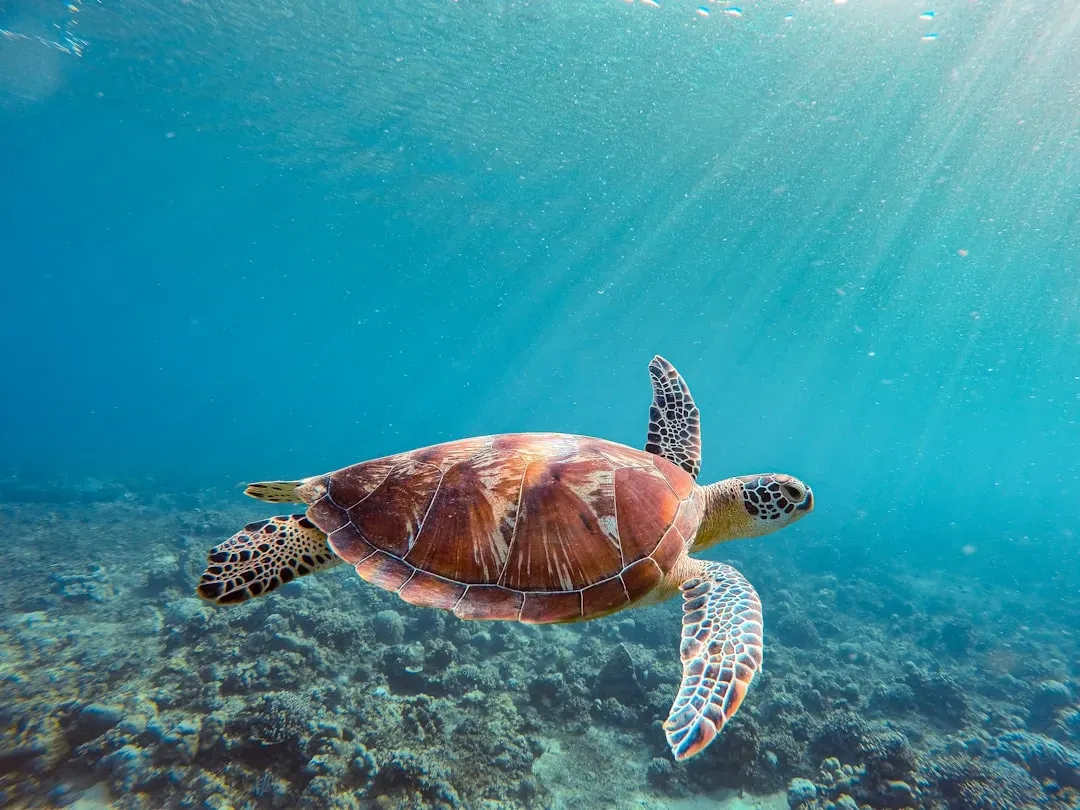
It is tempting to imagine that every turtle’s journey is scripted purely by instinct, but the evidence suggests there is real learning involved. Young turtles likely explore and gradually refine their routes over years, building an internal understanding of which currents, directions, and timings work best. Some individuals may end up using more efficient shortcuts, while others follow slightly different paths that still get them to the same general destinations. Navigation in this sense is not just inherited software; it is customized through experience.
Long‑term memory also appears to be incredibly strong in sea turtles. The fact that a female can return to the same stretch of beach decades after she first left as a hatchling implies some serious cognitive staying power. I find that deeply moving, almost like the animal has carried a quiet, enduring memory of home through everything it has experienced in the open ocean. It pushes back against the idea that wild animals are simple automatons and instead highlights how complex and durable their inner worlds can be.
Why Turtle Navigation Still Baffles Scientists
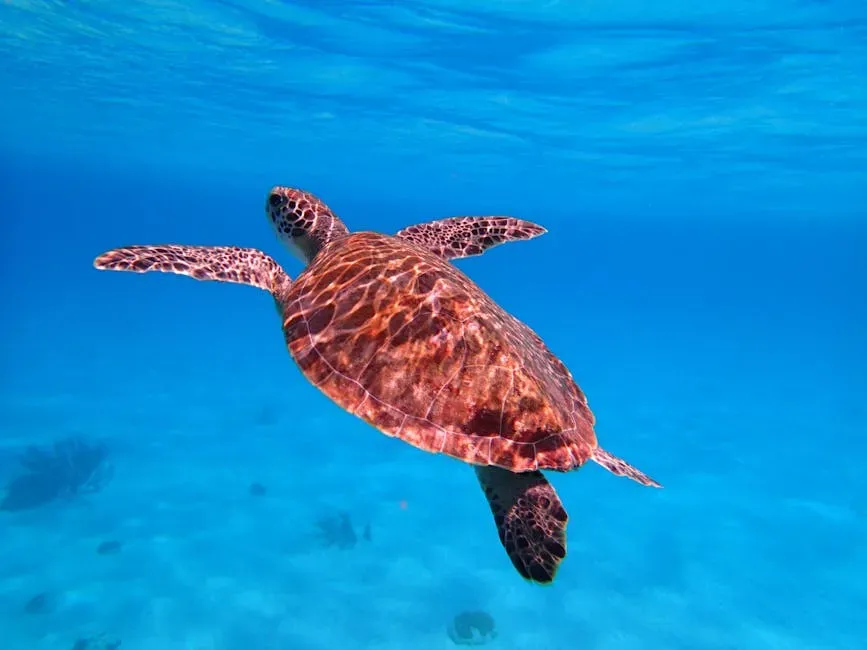
For all the progress researchers have made, there are still big gaps in our understanding, and that is part of what makes this topic so captivating. For one thing, Earth’s magnetic field shifts slightly over time, and yet turtles keep successfully finding their way, which suggests either flexible mapping or additional backup cues. Not every experiment agrees on exactly how strong the magnetic effect is, and different species may rely on different mixes of senses. We also do not fully know how development, age, or environmental changes alter a turtle’s internal navigation over its lifetime.
There is also the uncomfortable reality that human activity is making this natural navigation problem much harder. Coastal lights can disorient hatchlings, noise pollution can clutter the underwater soundscape, and changes in climate can alter currents and temperatures that turtles historically used. That raises a tough question: how resilient is their ancient guidance system to the rapidly changing world we are creating? In my view, betting on evolution alone to keep up with our pace of change feels reckless, especially when the navigation abilities we admire so much are tied directly to the survival of already threatened species.
What Turtle Navigation Teaches Us About Ourselves
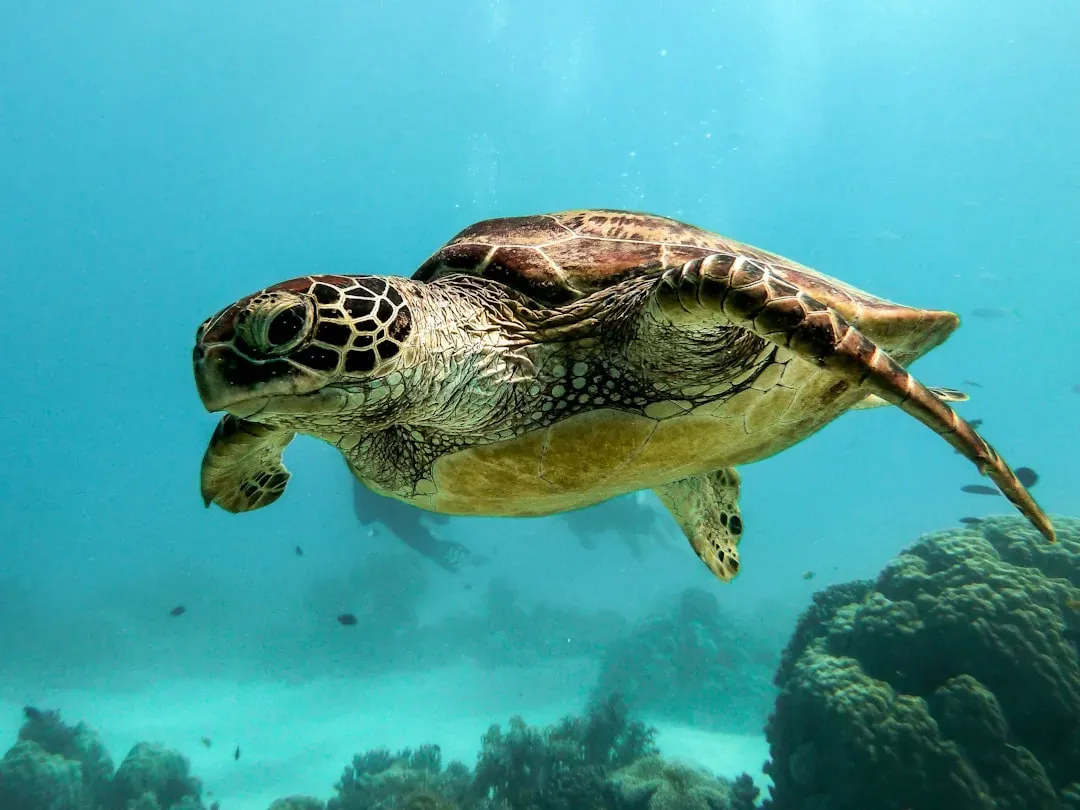
Watching sea turtles solve a problem that still challenges our own technology is a sharp reminder that intelligence and sophistication do not always look like computers and satellites. These animals carry in their cells and nerves a set of solutions refined over unimaginable stretches of time. Their success does not come from perfect precision but from cleverly combining imperfect information from many different senses. There is a kind of quiet elegance in that, a humility in the way they accept uncertainty and still move forward.
To me, their story is also a lesson in how deeply place and memory can be woven into a living being. A turtle crossing an ocean to reach the beach where it once broke out of an egg is not just a biological robot completing a loop; it is an ancient pattern repeating itself despite storms, predators, and human interference. If we choose to protect the environments that make that journey possible, we are not just saving a species. We are preserving one of the most astonishing natural feats of navigation on the planet – and frankly, the idea that we would let that vanish because we could not be bothered to dim some lights or watch our pollution seems indefensible.
Conclusion: The Ocean’s Quiet Navigators Deserve Loud Protection
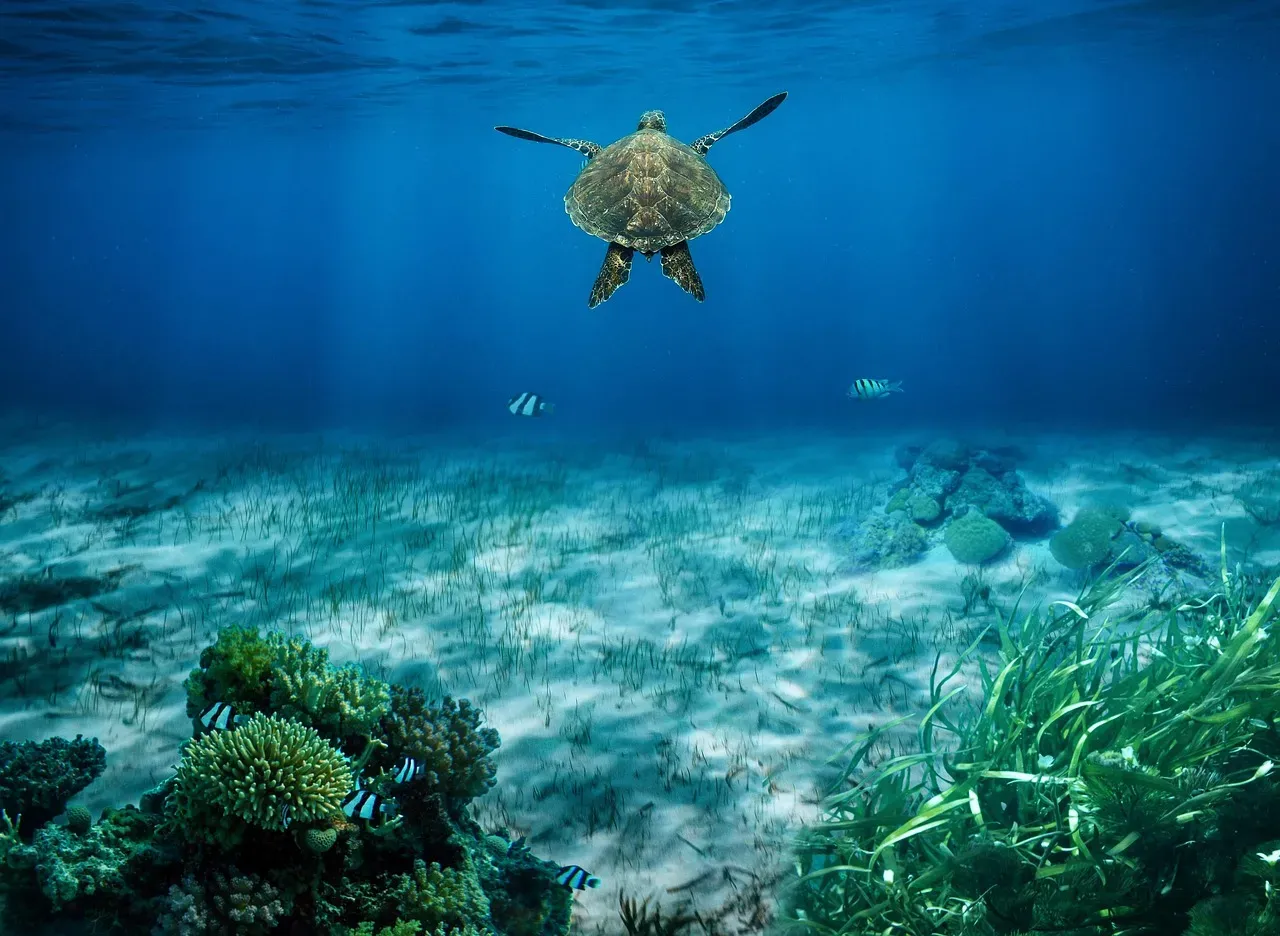
Sea turtles may not carry phones, maps, or satellites, but they are operating with a navigation toolkit that puts most of our gadgets to shame. They read invisible magnetic lines, follow shifting currents, listen to underwater soundscapes, and remember the faint fingerprint of a beach they have not seen since they were the size of a hand. When you step back and look at the full picture, their journeys are not just impressive; they are almost defiant, a living argument that evolution can craft solutions we still struggle to fully understand. In that sense, every turtle that crawls up a nesting beach is a kind of quiet scientific miracle.
My honest opinion is that if we let sea turtles disappear, it will say more about us than about them. They have already proven that they can handle long distances, storms, predators, and a changing planet over millions of years. What they cannot easily handle is light‑polluted beaches, shredded coastlines, and an ocean turned into a noisy, plastic‑filled obstacle course. We love being amazed by how these animals ; the real test is whether we care enough to keep the routes open. When the last turtle turns toward a dark, empty horizon and finds no safe beach to return to, what good will our perfect GPS systems be then?