
Imagine standing before a majestic tiger, watching as it prowls gracefully through its habitat, its eyes alert and muscles rippling beneath its striped coat. It’s easy to feel awed by such beauty, but what many people don’t realize is that every twitch of the tail, every playful pounce, and every roar is being carefully observed and recorded by scientists. Behind the scenes, zoos are not just places of wonder—they are living laboratories where animal behavior is meticulously studied to help save species teetering on the edge of extinction. The insights gained within these walls ripple outward, shaping real-world conservation efforts that can make the difference between survival and vanishing forever.
The Bridge Between Captivity and the Wild
Zoos often serve as vital links between the controlled world of captivity and the unpredictable wilderness. By observing animals up close, researchers are able to notice subtle behavioral cues that might be impossible to detect in the dense forests or vast savannas. These observations help create a blueprint of what a species needs to survive and thrive. For example, understanding how elephants interact with each other, or what kind of enrichment keeps big cats mentally sharp, gives conservationists tools to support these animals in their natural homes. Zoos act as safe testing grounds for new ideas that can later be applied in more challenging wild environments.
Unlocking Secrets of Social Behavior
Social animals, such as chimpanzees, meerkats, and wolves, teach us valuable lessons about cooperation, hierarchy, and communication. In zoos, scientists can watch entire groups over many years, noting how bonds form, conflicts are resolved, and leadership changes hands. This long-term research reveals what social structures are essential for survival. When reintroducing animals to the wild, these insights ensure that released individuals have the social skills needed to integrate and succeed. It’s like understanding the rules of a complicated game before stepping onto the field—without this knowledge, survival becomes a gamble.
Designing Environments for Survival
One of the most exciting applications of zoo research is the design of habitats, both in captivity and in the wild. By studying how animals use their space—where they sleep, eat, play, and hide—scientists learn what makes a habitat truly suitable. This knowledge influences the creation of protected reserves and informs habitat restoration projects. If a species prefers dense undergrowth for cover or needs wide-open spaces for hunting, those preferences guide conservationists in shaping the wild areas that will become new homes for endangered creatures. In this way, zoo research acts like a recipe, ensuring every ingredient for survival is present.
Improving Breeding Programs
Successful breeding is the heart of many conservation efforts, and zoos play a crucial role in this process. By closely monitoring courtship, mating, and parenting behaviors, scientists discover what helps or hinders reproduction. Sometimes, a change as simple as introducing new scents or rearranging enclosures can spark romance among reluctant pairs. The data gathered from these breeding programs is shared globally, allowing other zoos and conservation centers to fine-tune their own strategies. Every new birth in captivity represents hope for species whose numbers are dwindling in the wild.
Learning About Feeding and Foraging
Food is more than just fuel—it’s central to survival strategies. In zoos, researchers can control diets and observe how animals hunt, gather, or process their meals. These studies reveal what nutrients are essential, how feeding routines affect health, and what natural behaviors are tied to food. When animals are released into the wild, this information helps conservationists prepare them for the challenges of finding and competing for food. For instance, teaching captive-bred predators to stalk and chase live prey before release dramatically increases their chances of thriving once they leave the safety of the zoo.
Understanding Stress and Wellbeing
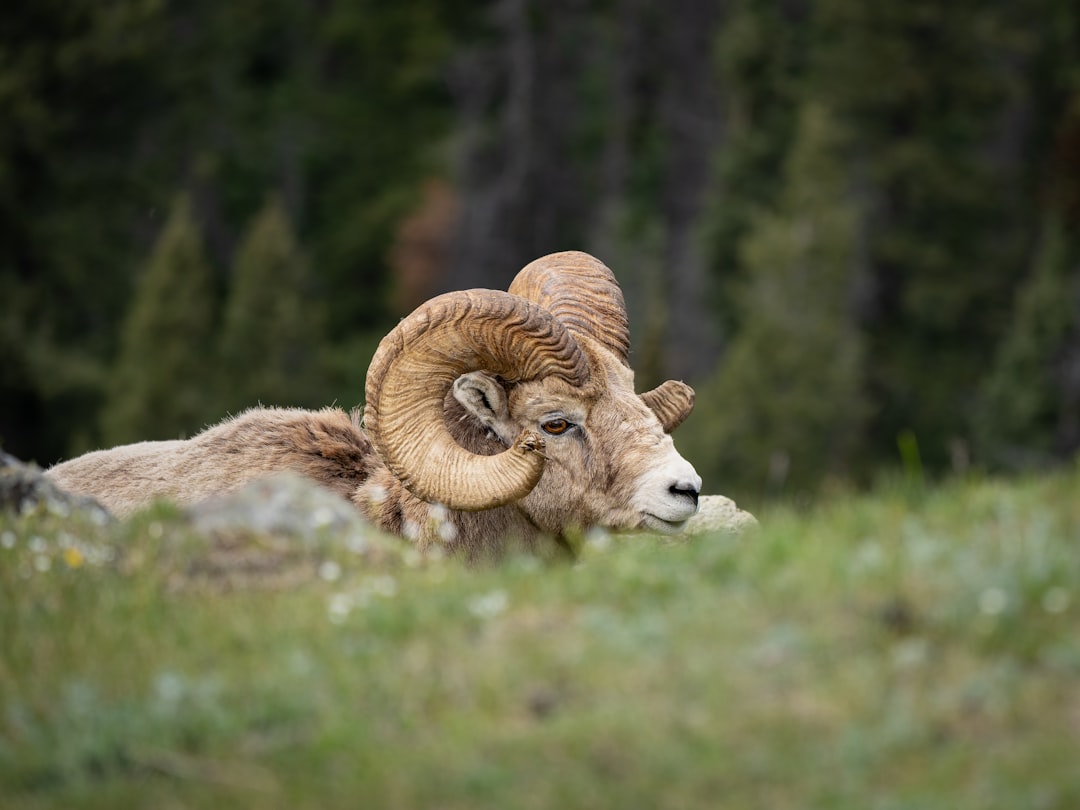
Stress can be a silent killer for animals, just as it is for humans. Zoo researchers use everything from behavioral observations to hormone analysis to detect signs of stress in animals. By identifying what causes anxiety—whether it’s a lack of hiding places, noisy environments, or social conflicts—zoos can make changes that improve animal welfare. These lessons are then applied to conservation projects in the wild, ensuring that reintroduced animals are better equipped to handle challenges and less likely to succumb to stress-related illnesses.
Training for Reintroduction
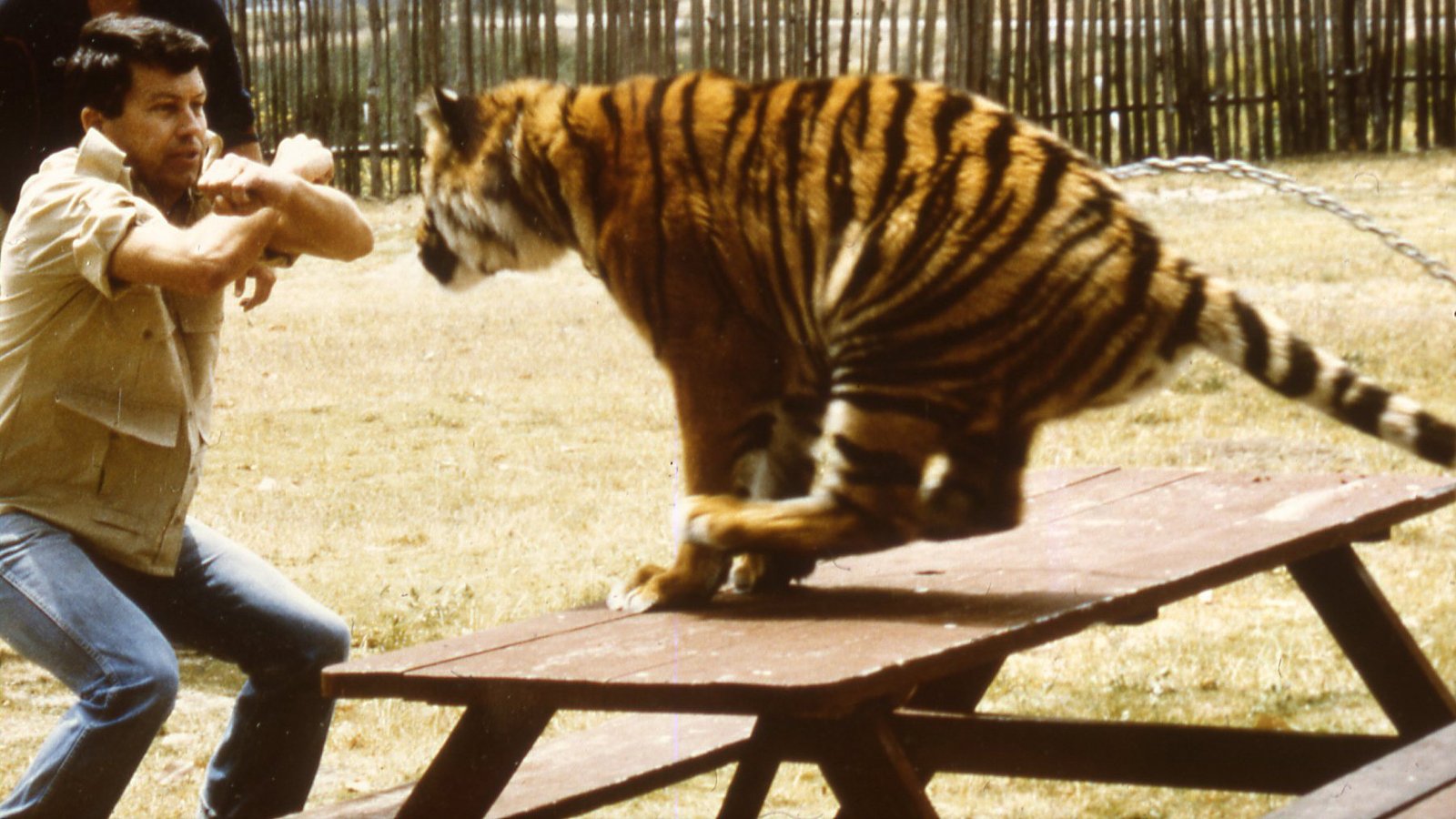
Releasing animals back into the wild is a delicate process that requires careful preparation. Zoos serve as training centers, where animals can practice essential survival skills such as finding food, avoiding predators, and navigating unfamiliar terrain. Through carefully designed “pre-release” programs, animals gain confidence and competence. Researchers track their progress, adjusting the training as needed. The ultimate goal is to ensure that when the enclosure doors open for the last time, these animals are ready to face the wild with the best possible chance of success.
Monitoring Health and Disease
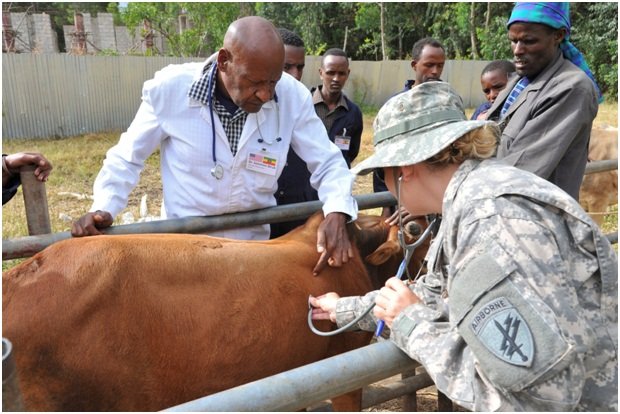
Disease outbreaks can devastate wild populations and push endangered species even closer to extinction. In zoos, veterinarians and researchers work together to monitor animal health, identify new diseases, and develop vaccines or treatments. This proactive approach has led to breakthroughs in managing everything from respiratory infections to parasitic threats. The knowledge gained is invaluable when disease strikes wild populations, allowing conservationists to respond quickly and effectively, sometimes saving entire species from catastrophic loss.
Collaborating Across Borders

Conservation is a global effort, and zoos are at the heart of worldwide research networks. By sharing behavioral data, best practices, and genetic information, zoos help create a collective brain trust dedicated to saving wildlife. International collaborations have led to the rescue of species like the California condor and the black-footed ferret, proving that knowledge truly knows no boundaries. These partnerships multiply the impact of every research project, turning local discoveries into global solutions.
Inspiring the Next Generation
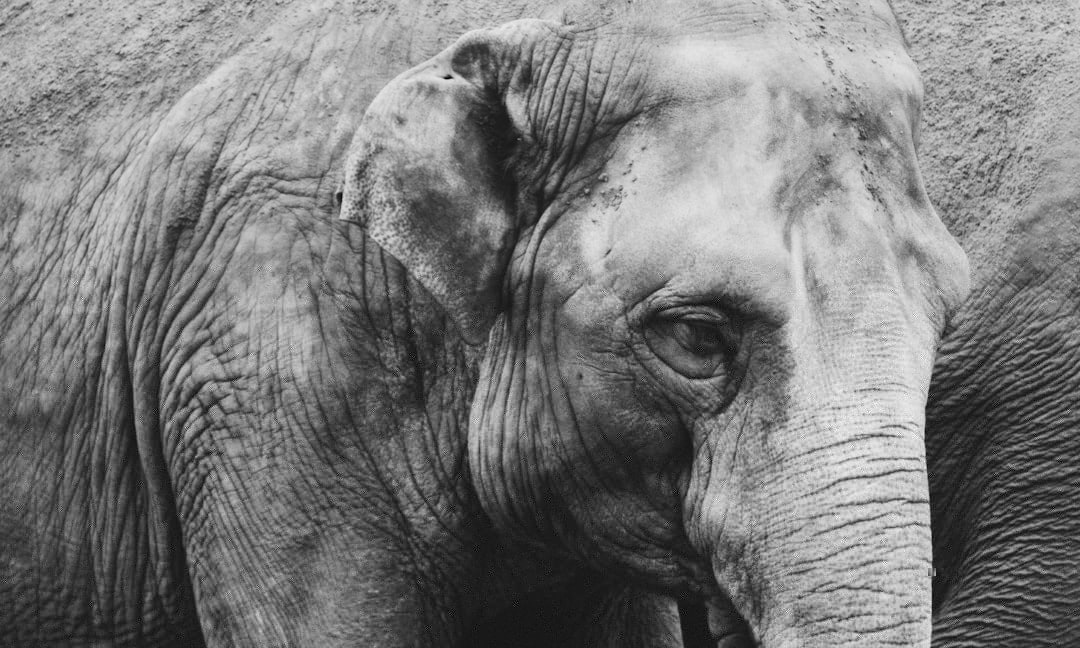
Perhaps the most powerful impact of zoo-based research is the inspiration it sparks in visitors. Every child who gazes into the eyes of a gorilla or listens to the trumpeting of an elephant is a potential conservationist in the making. Zoos use their research stories to educate the public, showing how science and compassion can work hand in hand to protect our planet’s most vulnerable creatures. When people understand the science behind the scenes, they are more likely to support conservation efforts, volunteer, or even pursue careers dedicated to saving wildlife.
Summary
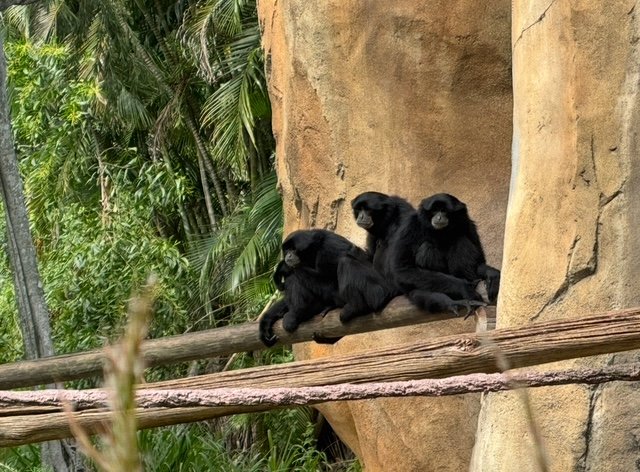
The work done in zoos is far more than entertainment; it is a lifeline for countless species struggling to survive in a rapidly changing world. Every observation, experiment, and breakthrough in animal behavior helps build a future where wild creatures can continue to roam free. With each new discovery, hope grows stronger—not just for animals, but for all of us who share this fragile planet. Isn’t it incredible how a simple act of watching can help save the wild?