Imagine your heart stops, your brain is starved of oxygen, and yet you later describe vivid scenes, a powerful sense of peace, or even watching doctors work on your body from above. For decades, stories like these have hovered in a strange space between spirituality, neuroscience, and mystery. Now, a new generation of brain-monitoring tools is beginning to push that mystery under the harsh, fascinating light of data.
We are finally able to peek into the living brain at the very edge of death with a level of detail that would have sounded like science fiction not long ago. These tools will not settle every philosophical argument, but they are already challenging old assumptions about what the dying brain can do. The big, unsettling question is shifting from “Do really happen?” to “What exactly is the brain doing when they do?”
A Shocking Discovery: The Dying Brain May Surge, Not Shut Down
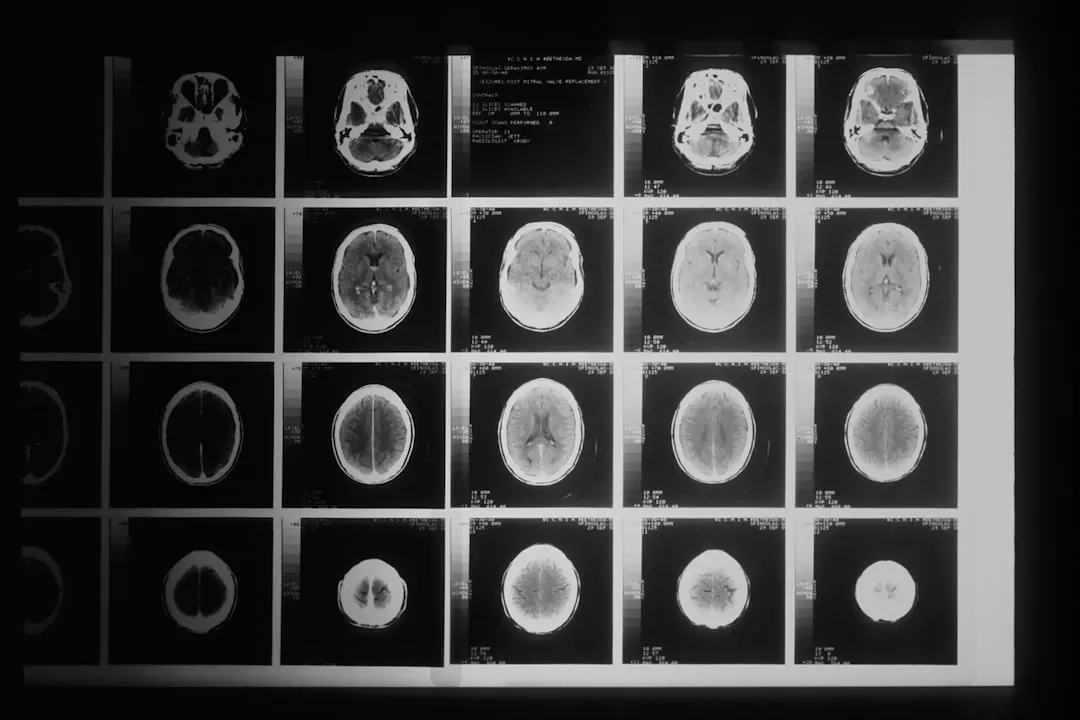
For most of modern medicine, the working assumption was simple: once the heart stops and blood flow collapses, the brain quickly goes dark. Near death stories were often brushed aside as confusion, hallucination, or memories created after the fact. But when researchers began placing advanced EEG systems and other sensors on patients at the brink of death, they started seeing something unexpected: brief, intense bursts of organized brain activity in the seconds to minutes after cardiac arrest.
Instead of a smooth, quiet fade, some brains appear to flare up in fast, complex patterns that look surprisingly similar to normal conscious states and even moments of high alert. That is a wild twist, because it suggests the window between “clinically dead” and “brain truly offline” may be more active than anyone thought. Suddenly, the idea that people might have vivid experiences in that short interval is not just a philosophical claim; there is a plausible neurobiological stage on which those experiences could unfold.
How the New Tool Reads the Brain at the Edge of Life
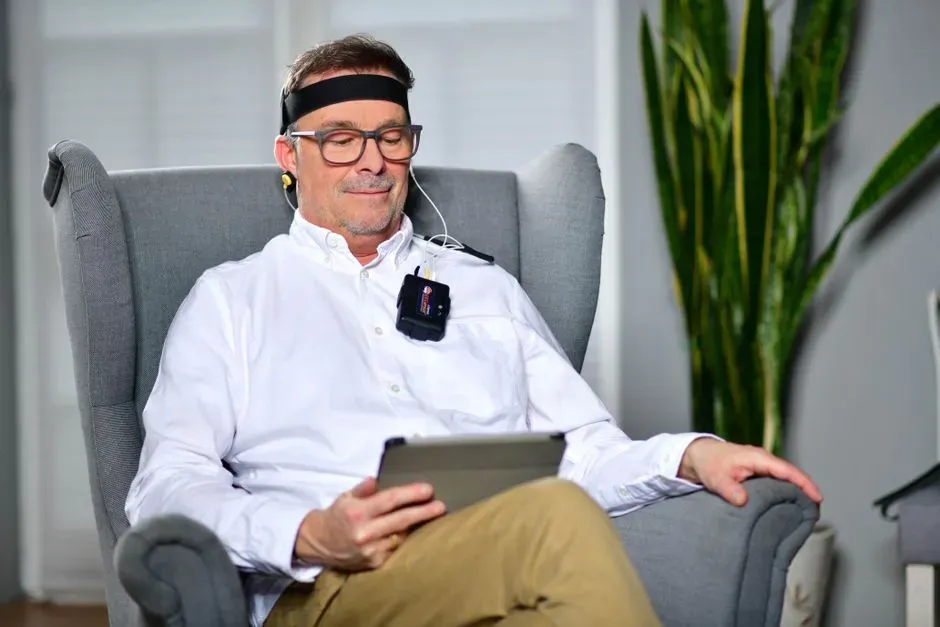
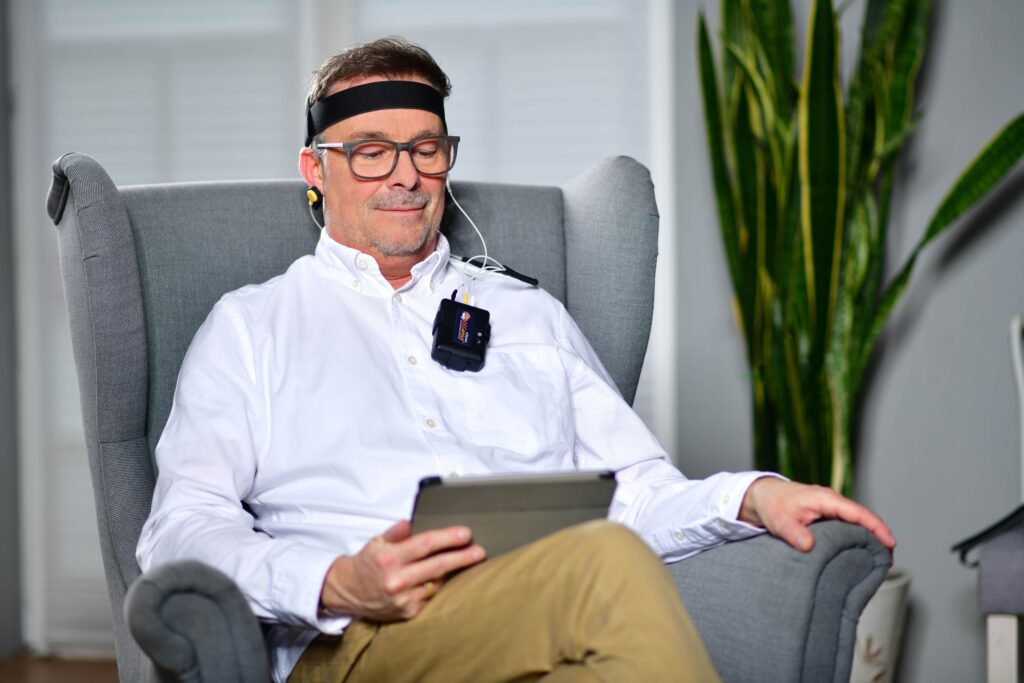
So what is this “groundbreaking tool” everyone is buzzing about? It is not a single gadget as much as a powerful combination of ultra-sensitive EEG, advanced brain imaging, and modern data analysis that can track what the brain is really doing second by second. Think of it as going from a blurry black-and-white TV to a high-definition, slow-motion replay of the brain’s final acts. Researchers can now capture high-frequency brain waves, map which regions talk to each other, and line that up with the exact timing of a cardiac arrest or resuscitation attempt.
On top of that, new software powered by machine learning can sift through mountains of data, spotting patterns no single human could see. It can highlight bursts of activity that resemble wakeful awareness or dream-like states and compare them across many patients. The result is that we no longer have to choose between “purely subjective stories” and “cold clinical data.” For the first time, the science of can sit in the middle of that bridge, connecting what people say they lived through with what their neurons were actually doing.
: What People Report vs What Brains Reveal
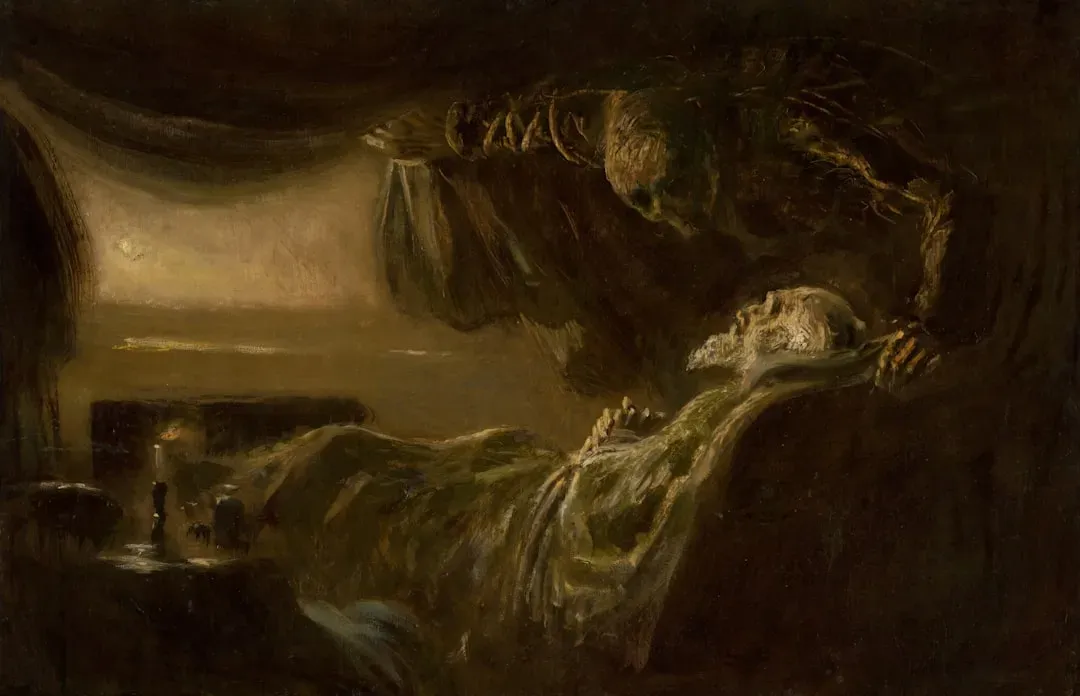
People who have often describe strikingly similar themes: a sense of leaving the body, moving through a tunnel, encountering a bright presence, replaying life events, or feeling overwhelming peace. Whether you see these as spiritual journeys or brain-generated visions, the emotional impact is often life-changing. Many come back with less fear of death, a shift in values, and a deep sense that what they experienced was more real than any dream.
When scientists line up these reports with the new brain data, some correlations begin to emerge, even if they are not yet neat or complete. Surges of organized activity in visual and memory-related areas might help explain tunnel-like imagery or life reviews. Simultaneous activation of networks involved in self-awareness and emotion could underpin the powerful feeling of leaving the body yet remaining “you.” None of this proves that are just brain tricks, but it does show that the brain has the raw machinery to generate something as intense and structured as what people describe.
Is Consciousness Lingering After the Heart Stops?
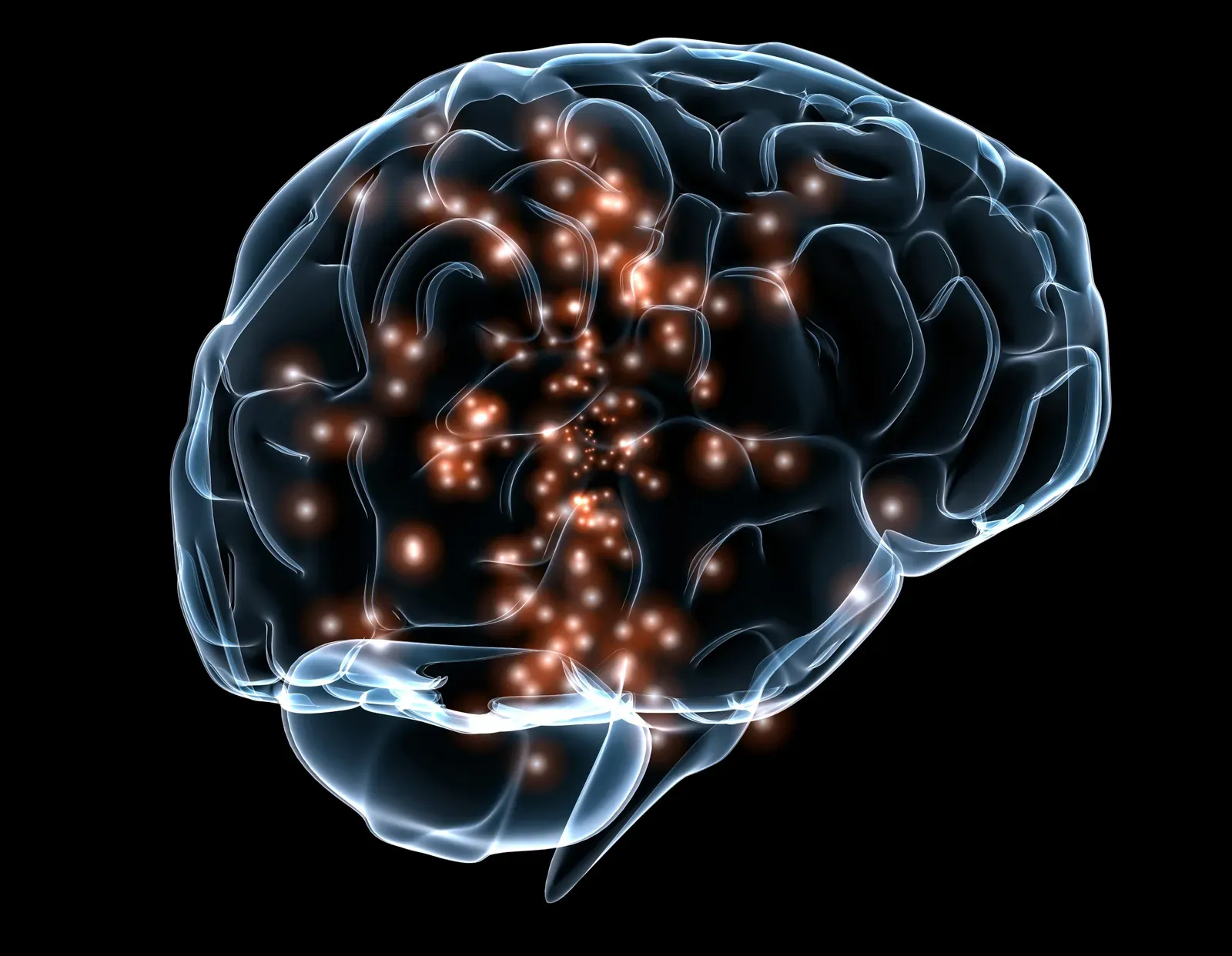
One of the most unsettling implications of these findings is that consciousness, or at least some form of it, might hang on a little longer than we thought after the heart stops. Traditionally, physicians would call time of death based on cardiac function, with the assumption that the brain followed immediately behind. Now, data suggesting short windows of heightened brain activity forces a rethink of that tidy timeline. The line between life and death starts to blur at the neural level, even if the heart’s status looks clear-cut.
Of course, we have to be careful here. A surge of neural activity does not automatically equal full-blown, narrative consciousness, and we cannot ask a dying brain what it is experiencing in real time. But if patients later report detailed, structured experiences that match the timing of those surges, it gets harder to argue that everything meaningful happened later or was purely made up. Personally, I think we are underestimating how much the brain can still “light up” on its way out, and that hesitation should make us more humble in how we talk about death in both medicine and everyday life.
Why This Research Matters Ethically, Not Just Scientifically
It would be easy to treat all this as a cool curiosity: strange brain fireworks as the lights go out. But the implications are far more serious. If the dying brain remains active and potentially capable of experience longer than assumed, that might reshape how we think about end-of-life care, sedation, and the timing of certain medical decisions. We may need to revisit when we consider someone beyond the reach of meaningful experience and how we handle those final minutes and interventions.
There is also a profound human side to this. can be deeply comforting or deeply confusing, depending on the person and the cultural lens they bring. This new research does not get to bulldoze anyone’s beliefs, but it does invite a more honest conversation. Families, clinicians, and patients sitting with serious illness deserve more than either pure skepticism or pure mysticism. They deserve a nuanced picture: a brain that may still be capable of remarkable, possibly transformative experiences even when the body is failing, and a medical system that respects that possibility.
Science vs Spirituality: Competing Stories or Shared Clues?
Any time you talk about , the room quietly splits into camps. Some insist these moments prove the existence of a soul or an afterlife; others say the new brain data only reinforces a materialist view where everything is generated inside your skull. The truth, at least right now, is much messier. The same neural surge could be read as evidence that the brain creates everything we feel, or as the brain’s last flicker as consciousness shifts into something we simply do not yet understand.
What I find fascinating is that the new tools do not kill the mystery; they sharpen it. Seeing the brain’s intricate dance at the edge of death does not tell us what, if anything, exists beyond it. But it does reveal that the transition is more active, dynamic, and possibly meaningful than we gave it credit for. Maybe science and spirituality are not enemies here so much as two people describing the same storm from different windows. You can choose to call that storm purely physical or quietly sacred, but either way, the clouds are getting clearer.
How This Could Change Our Everyday Fear of Death
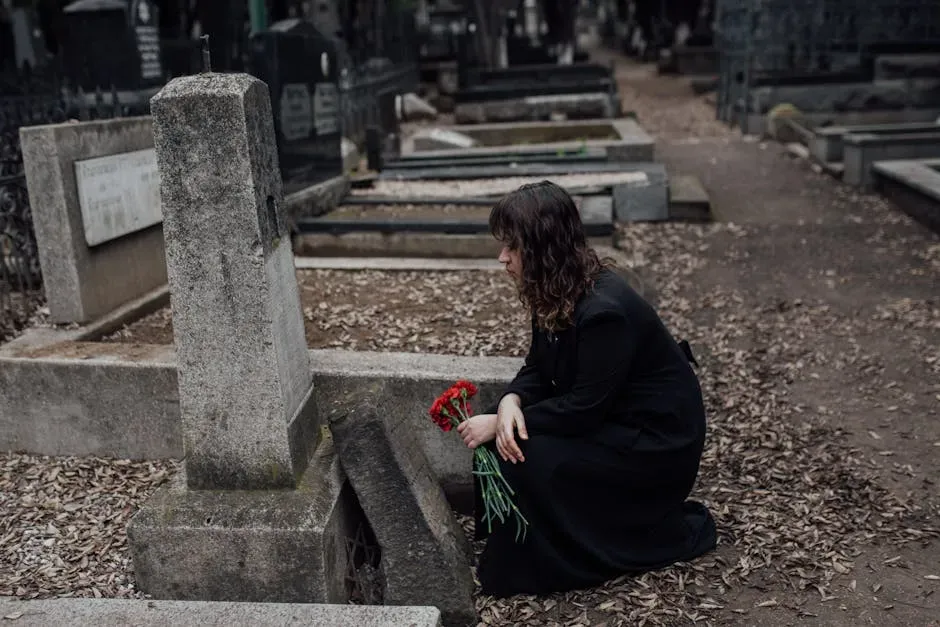
have always nudged people to rethink what dying might feel like, but they were often dismissed as comforting stories to soften a hard reality. As the science catches up and shows that the dying brain is capable of vivid, structured activity, those stories start to feel a little less like wishful thinking and a little more like plausible reports from a real frontier. That does not mean death is easy or gentle, but it does suggest that the final chapter of consciousness might be richer and stranger than a simple blackout.
On a personal level, I have found that reading this research shifts my own focus. Instead of picturing death as a blunt on–off switch, I imagine a complex twilight where the brain is still doing something meaningful, even if we do not fully grasp it. That image does not erase fear, but it trades some raw dread for curiosity. If more people saw death not only as a medical endpoint but as a potentially profound mental event, maybe we would talk about it more openly, plan for it more thoughtfully, and treat those final moments with a little more awe.
Conclusion: The Tool That Forces Us to Rethink the End
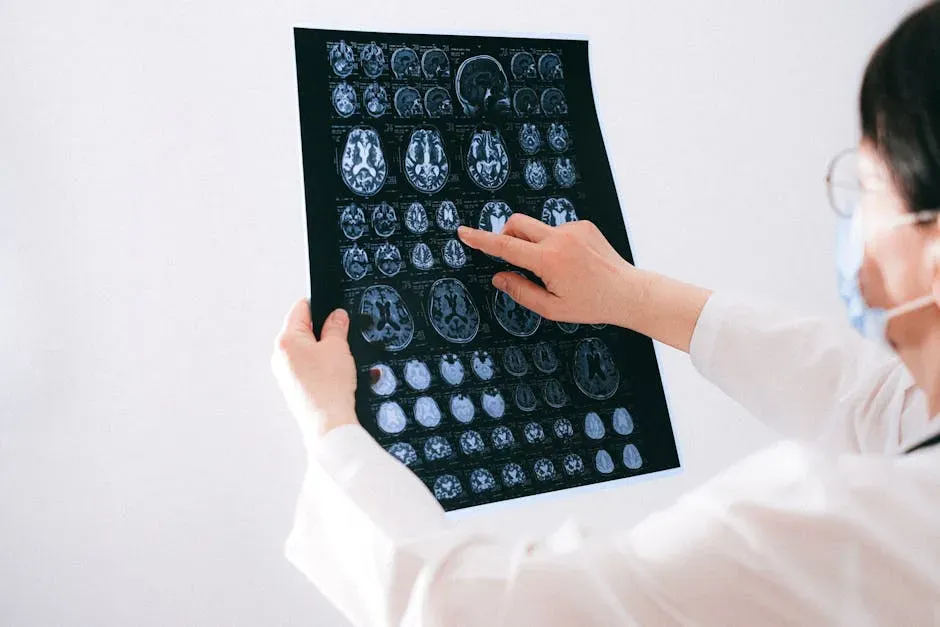
The most radical thing about this groundbreaking tool is not that it can record fancy waveforms or generate beautiful brain maps. It is that it quietly tells us our old story about dying was probably too simple. Instead of a flat, featureless descent into nothing, we are seeing hints of a brief, intense flare of organized activity that might line up with some of the most powerful experiences people ever report. That does not prove an afterlife, but it makes it much harder to shrug off as mere noise.
If I had to plant a flag, I would say this: the new data strongly suggests that the boundary between life and death is more of a gradient than a wall, and consciousness may have more to say in those last moments than we ever imagined. We should not rush to claim that science has explained away the mystery, nor should we hide behind mystery to avoid looking at the data. Instead, we should let this tool do what it does best: force us to update our stories. Maybe the real question is no longer whether are real, but whether we are brave enough to let their science change how we think about living and dying. What might you change if you knew your last moments could be the strangest and most vivid of all?