Imagine hiking across a baking stretch of Egyptian desert, believing there is nothing but sand to the horizon, and then realizing you are literally walking over a forgotten Byzantine city. That is exactly what has just happened in Egypt’s western desert: an entire late Roman–Byzantine settlement has emerged from the dunes, along with tombs where some of the dead were buried with thin pieces of gold in their mouths, the so‑called golden tongues. It sounds like the setup for a movie, but it is very real, very recent, and archaeologists are still catching up with what it means.
This discovery is one of those moments where different eras collide: Christian basilicas and watchtowers in an oasis town, Greco‑Roman style tombs on the Mediterranean coast, and a funerary ritual rooted in older Egyptian beliefs about life after death. As someone who has followed Egyptian archaeology for years, this find honestly stopped me in my tracks. It is not just another temple, not just another batch of mummies. It is a frozen slice of everyday life from the fourth century and, right next to it in time and space, a haunting reminder of how deeply people feared being voiceless in the next world.
A Byzantine City Hidden in the Sands of Dakhla Oasis
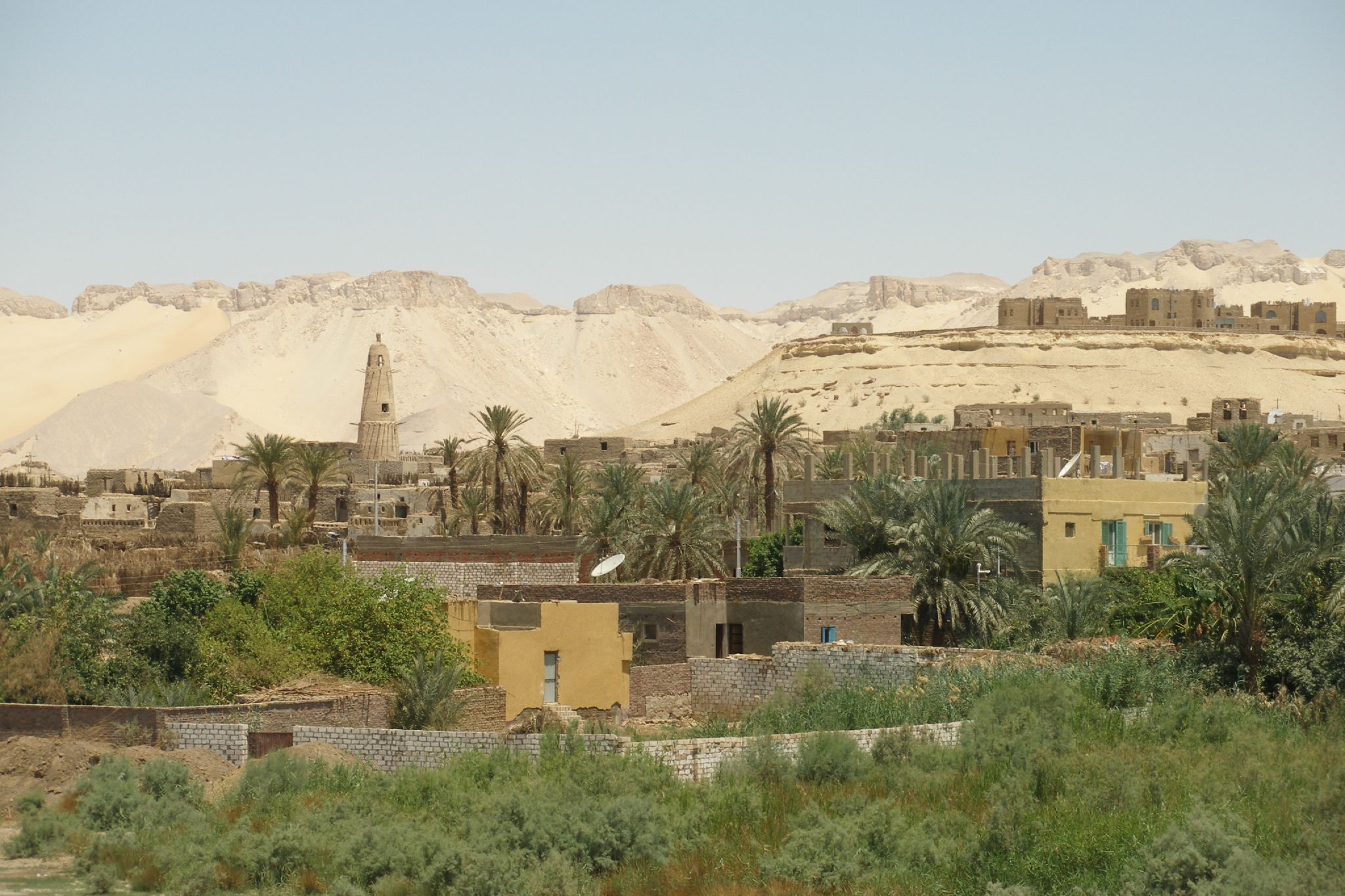
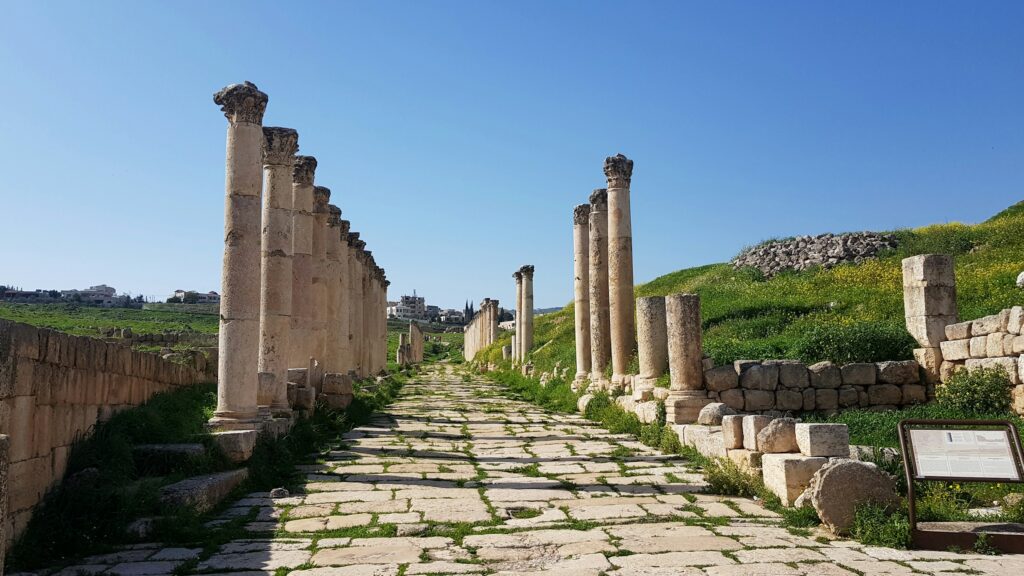
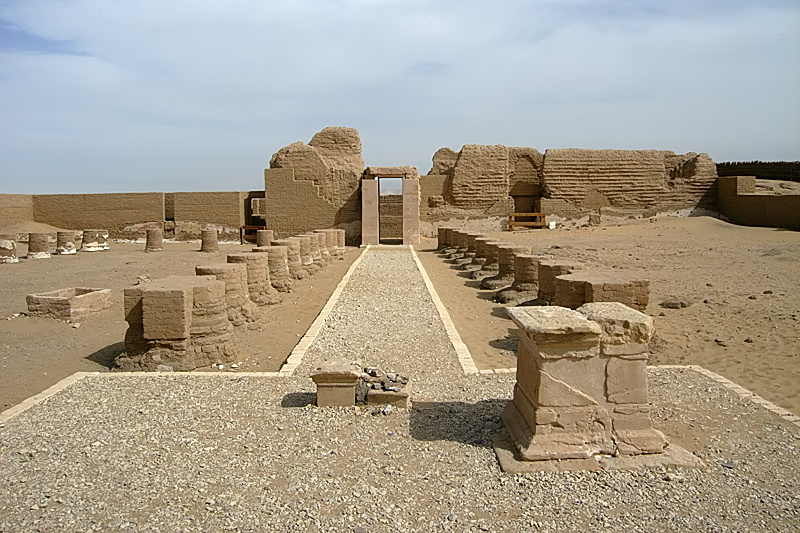
The new city was uncovered in the Dakhla Oasis, deep in Egypt’s western desert, in an area called Ain al‑Sabil. From above, archaeologists could see a clear street grid: north–south avenues crossed by east–west roads, forming open squares and public spaces that look surprisingly familiar to anyone who has wandered a modern town. At the head of this layout stood the heart of the settlement, a basilica church dating to around the mid‑fourth century, when Egypt was firmly part of the Byzantine Empire.
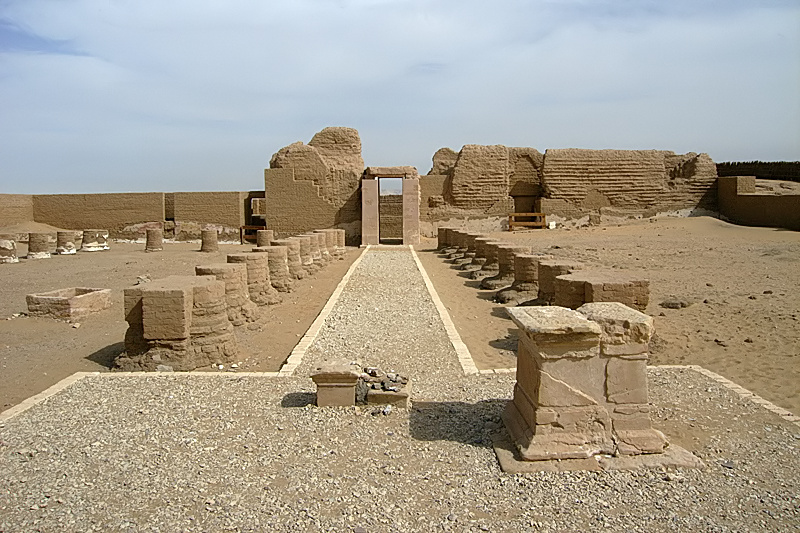
What makes this so exciting is how intact parts of the city are. Excavations have revealed heavily fortified walls, houses with reception halls and vaulted roofs, bread ovens, kitchens, and grinding stones for processing food. There are also watchtowers guarding the outskirts, which suddenly gives this “lost” city a more cinematic feel: a frontier Christian town guarding an oasis on the edge of the Sahara, its residents praying in the basilica and trading in the streets while sandstorms raged outside the walls. For a site that had been swallowed by the desert, the level of preservation is surprisingly vivid and, frankly, a bit eerie.
Coins, Potsherds, and Paperwork: How a City Reveals Its Daily Life
Beyond the architecture, the finds from Dakhla tell a story of commerce, bureaucracy, and faith. Archaeologists have uncovered well‑preserved bronze coins showing portraits of Byzantine emperors, Latin inscriptions, and Christian symbols, along with gold coins dating to the reign of Constantius II in the fourth century. Those coins are not just shiny artifacts; they are time stamps, anchoring the city firmly in an age when Christianity was spreading and imperial politics ran through Egypt’s oases like invisible threads.
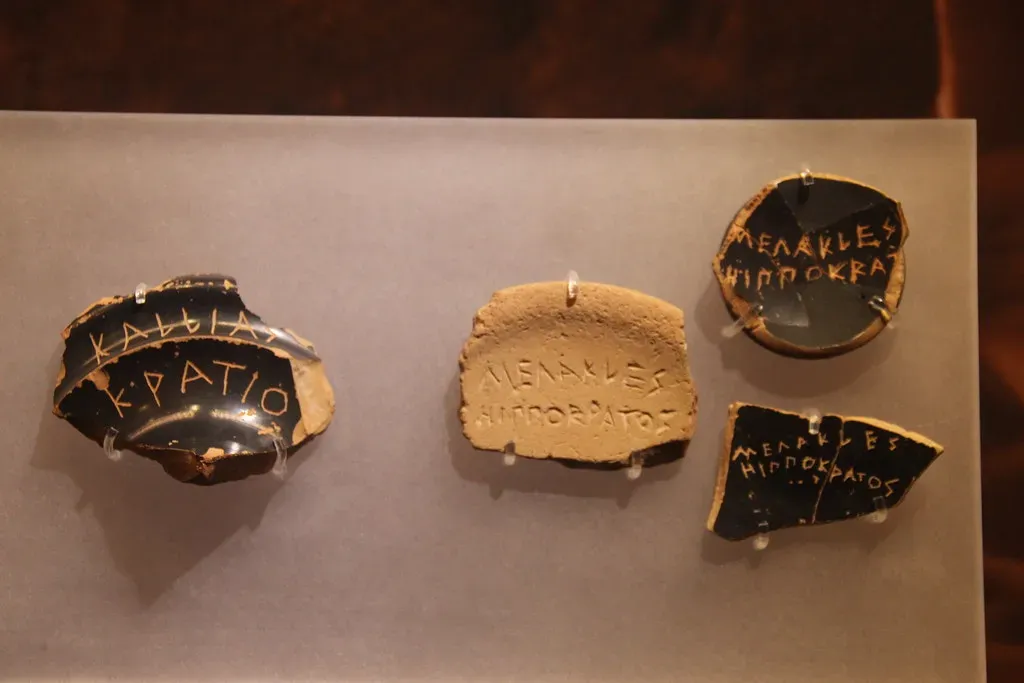
Even more revealing are the humble bits of broken pottery, the ostraca, that once served as cheap writing material. Roughly about hundreds of fragments have inscriptions showing commercial transactions, correspondence, and everyday notes. It is the ancient equivalent of stumbling across someone’s inbox and receipts. This is the part I love most: not the grand monuments, but the scribbled records that show people worrying about shipments, payments, letters from relatives, and the worn‑in routines of life in a remote desert town that still had to keep its books in order.
Leukaspis and the Coastal Tombs: Where the Golden Tongues Appear
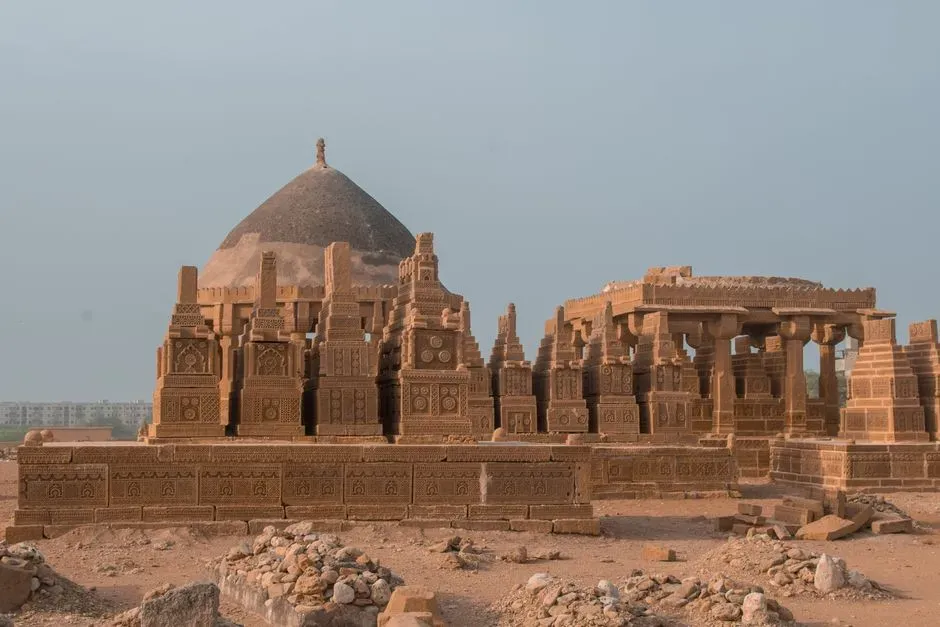
The headline‑grabbing golden tongues are not actually from the Dakhla city itself but from another site announced at the same time: the Marina el‑Alamein area on Egypt’s northern coast, widely thought to be the remains of the Greco‑Roman port city of Leukaspis. There, archaeologists have identified at least eighteen tombs, including deep rock‑cut burials and surface limestone tombs, dating roughly from the second to fourth centuries. This city once thrived on Mediterranean trade before fading into the sands after late antiquity.
Inside some of those graves, the mission found four small gold pieces placed in the mouths of the deceased, embedded among more familiar offerings such as pottery vessels, amphorae, lamps, plates, altars, and basins. There is also a massive granite sarcophagus and the fragment of a sphinx statue, which adds a slightly surreal touch: Greek‑style port city, late Roman burials, and an echo of older pharaonic imagery all mashed together. When you step back, Leukaspis starts to feel like a crossroads not just of trade routes, but of beliefs and identities layered on top of one another.
Why Golden Tongues Matter: A Ritual of Speech in the Afterlife
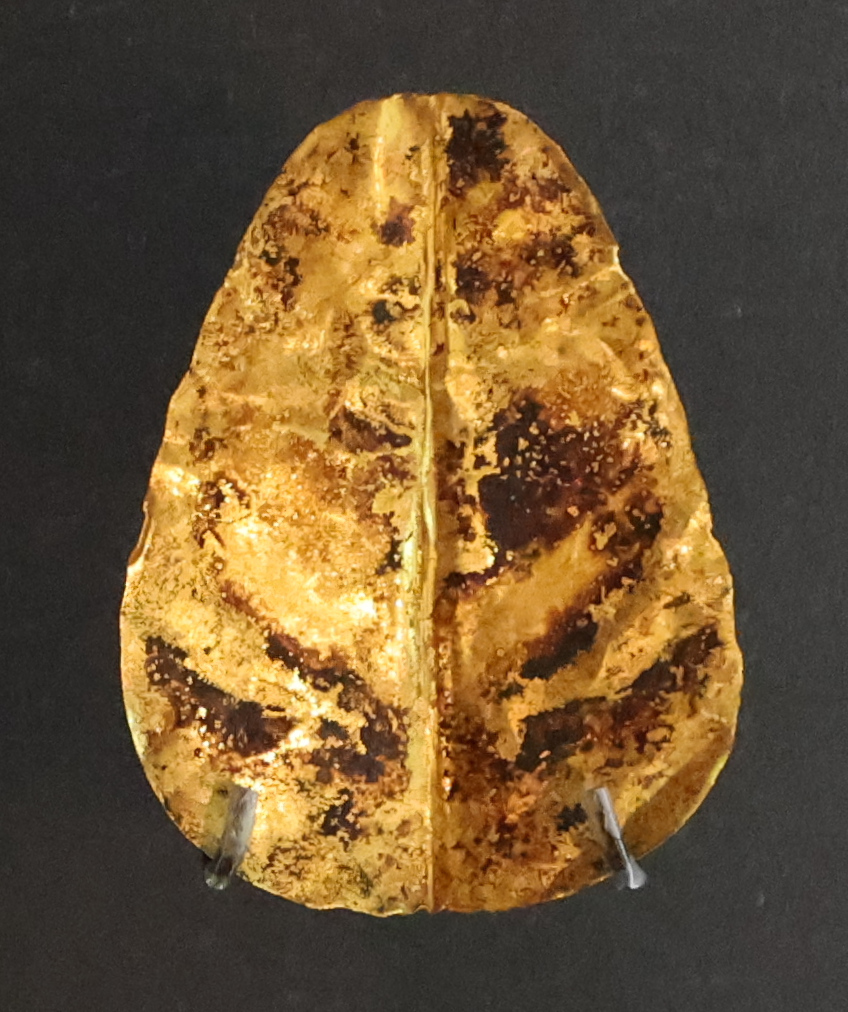
The idea of placing a golden tongue in a dead person’s mouth sounds bizarre at first, but it actually fits into a long tradition of Egyptian and Greco‑Roman funerary thinking. Gold had a special status in the ancient world, associated with the flesh of the gods and with imperishability. By giving the dead a tongue of gold, mourners were not decorating them for the camera; they were trying to guarantee that the deceased could speak, pray, and plead in the world beyond, particularly before divine judges or powerful deities. Losing your voice in the afterlife would have been a terrifying prospect.
This is not a one‑off oddity. In the last several years, archaeologists have found golden tongues at a number of sites, including cemeteries in Minya and near Quesna, often dating to the later Ptolemaic, Roman, or early Byzantine periods. In some cases, the same burials also include fragments of Greek literary texts, like Homer’s Iliad, or small figurines of Greco‑Roman deities. To me, this strongly suggests that we are seeing a blended ritual language: Egyptian concern with magical speech and the afterlife, mixed with Greek texts and Roman‑style iconography. The golden tongue is like a small, glittering symbol of just how hybrid and inventive people’s beliefs had become.
Byzantine, Roman, and Egyptian All at Once: A Cultural Mash‑Up in the Desert
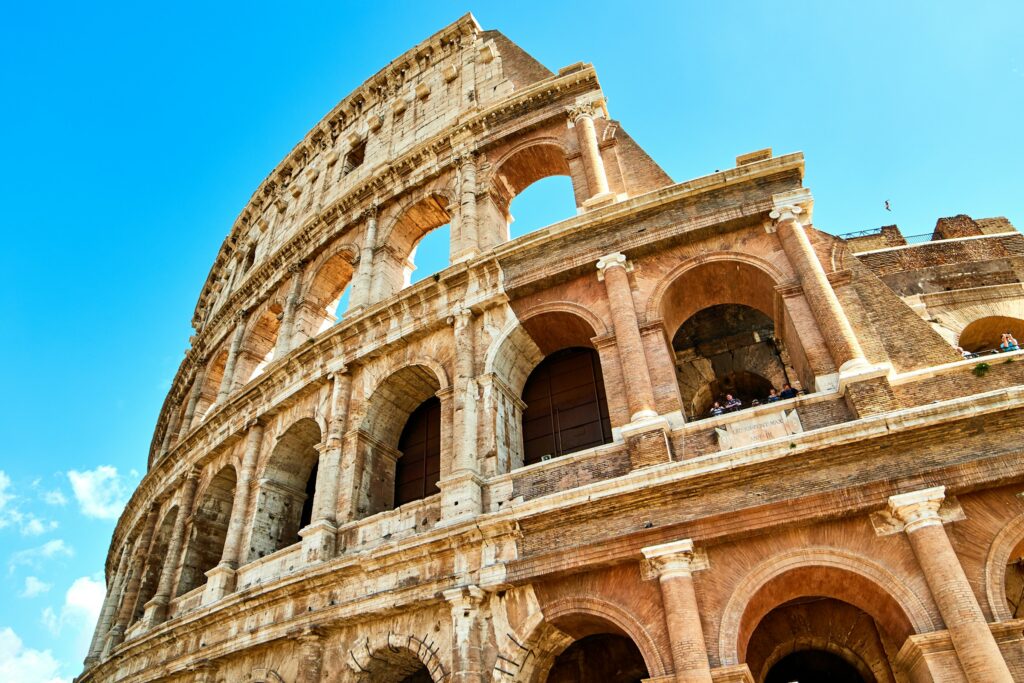
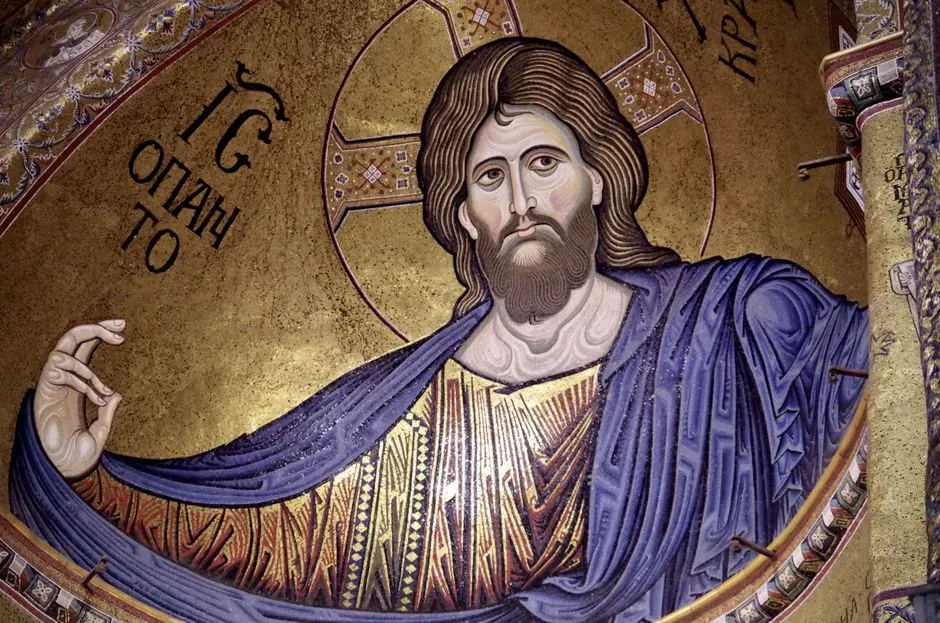
One of the most striking things about these discoveries is how they demolish the neat boxes in which we like to file history. On paper, Dakhla is a Byzantine city and Marina el‑Alamein is a late Roman coastal settlement. But when you look at the material culture, they are soaked in older Egyptian traditions and new Christian practices, and they are plugged into Mediterranean trade networks at the same time. You get basilica churches and ostraca with Christian names standing next to ovens, grain mills, and coin hoards that would not look out of place in other Roman frontier towns.
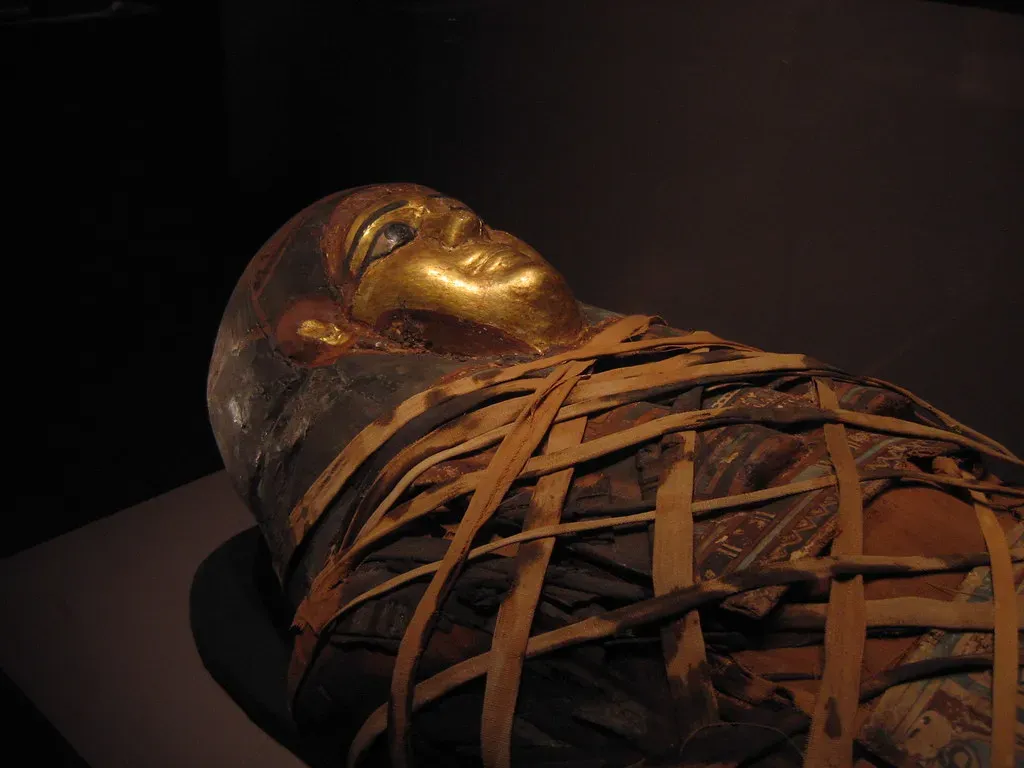
Meanwhile, the cemeteries connected to these eras are filled with bodies wrapped in linen like pharaonic mummies, adorned with golden tongues and sometimes even accompanied by Greek epic poetry. It is the historical equivalent of walking into a house and finding icons on the wall, a stack of modern novels on the table, and a family heirloom shrine in the corner: clearly one family, clearly one moment in time, yet built from many traditions at once. In my view, this layered identity is the real story here. The lost city headline is dramatic, but the deeper surprise is how fluid and creative people were about who they were and how they planned for death.
Why This Discovery Matters Now – And What Comes Next
It is tempting to see every new find from Egypt as just another headline in an endless stream of mummies and monuments. But this Byzantine city and its golden‑tongued neighbors do something more subtle: they fill in the so‑called quieter centuries after the age of the pharaohs, when Egypt was still a cultural powerhouse but under different flags. The fact that we are uncovering fortified desert cities, detailed bureaucratic records on pottery, and burials that fuse Egyptian, Greek, and Christian ideas tells us that this period was anything but stagnant. It was messy, experimental, and very human.
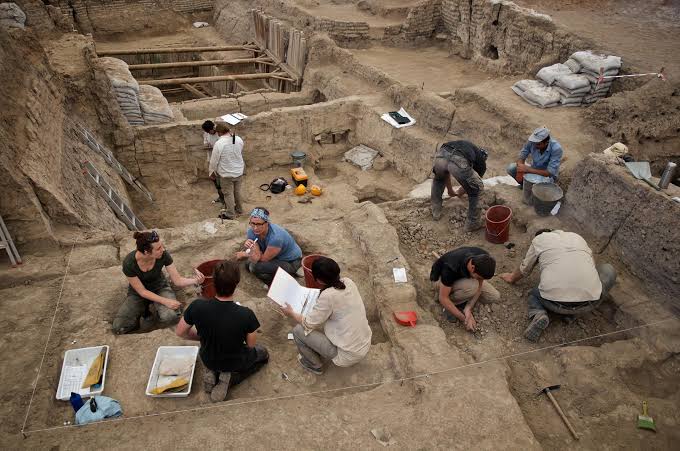
Looking ahead, I think the most important work will not be the big press‑conference reveals, but the slow, careful analysis of texts, coins, skeletons, and soil samples. Those details will tell us who actually lived in these places, what languages they spoke at home, how they experienced disease and diet, and how funerary rituals like the golden tongue varied from community to community. My hunch is that the more we learn, the less the desert will seem like an empty backdrop and the more it will look like a patchwork of small, interconnected worlds that never really went away – just waited under the sand for us to start asking better questions.
Conclusion: A Lost City, Golden Tongues, and the Voices We Choose to Hear
When you strip away the drama of the headlines, this discovery forces a simple, uncomfortable question: whose stories do we think are worth listening to? For centuries, the sand over Dakhla’s streets and Leukaspis’s tombs was basically our indifference made visible. The people who lived, traded, argued, and buried their dead with gold in their mouths did not vanish; we just stopped seeing them. Now, as their coins, potsherds, and carefully placed golden tongues come back into the light, we have a choice about whether to treat them as curiosities or as voices that still have something to say about identity, faith, and fear.
Personally, I think the golden tongues are a kind of quiet rebuke. Ancient families went to the trouble and expense of giving their dead a voice for eternity, and for almost fifteen hundred years, those voices lay mute beneath our feet. The least we can do now is listen carefully, avoid sensationalizing what we cannot prove, and admit that history is far stranger and richer than the simple timelines we learned in school. The desert is clearly not done talking; the real question is whether we are finally ready to hear it.