Every so often, a story comes along that refuses to die, no matter how many explanations experts put on the table. A plane vanishing with 31 people onboard near Bermuda is one of those stories: tragic, real, and yet wrapped in a fog of mystery that still pulls people in decades later. It sits at the crossroads of aviation science, human fear, and our stubborn love of the unexplained.
I still remember the first time I read about it as a kid; it felt like something out of a horror novel instead of a flight log. As an adult, when you dig into what scientists and investigators actually found, the picture becomes less supernatural and more painfully human. The drama is still there, but the villains look less like sinister forces and more like weather systems, navigational errors, and the cold, indifferent ocean.
The Real Flight Behind the Legend of 31 Missing Souls
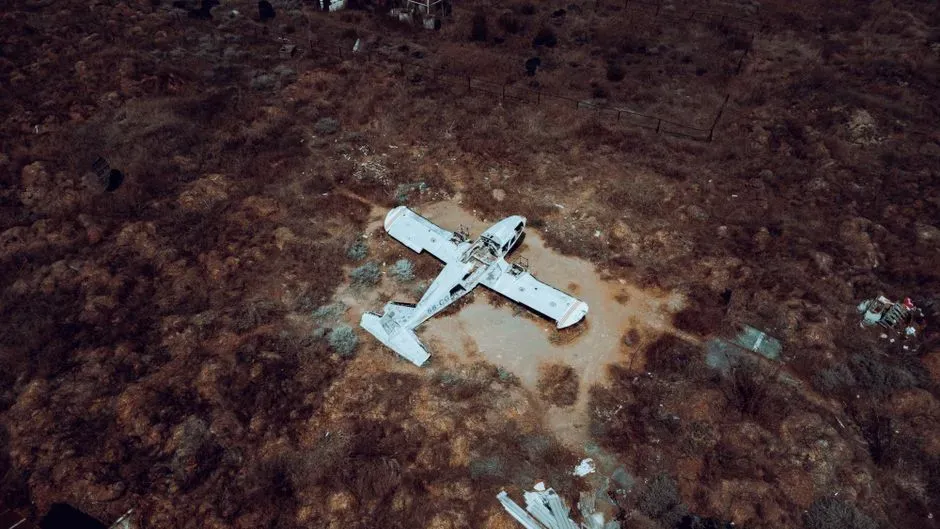
The story usually begins with a simple, chilling fact: a commercial aircraft took off with 31 people onboard, headed over or near the waters around Bermuda, and never arrived. No final radio call, no clear distress signal, and, in key famous cases, no wreckage recovered at the time. That silence in the record is what turned a straightforward aviation tragedy into a doorway for myths about a so‑called cursed region.
What often gets missed in the popular retelling is that this was not some ghost plane from nowhere. It was a documented flight, with a flight plan, a known route, and ordinary people on board – families, crew, and passengers who thought they were just taking another trip. When you strip away the urban‑legend gloss, you’re left with a painful reality: thirty‑one lives disappearing in minutes, while their loved ones waited for updates that never came.
Inside the Bermuda Triangle Myth: How Science and Story Collided
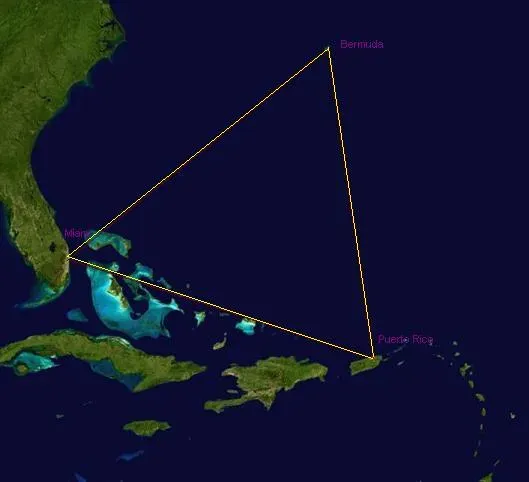
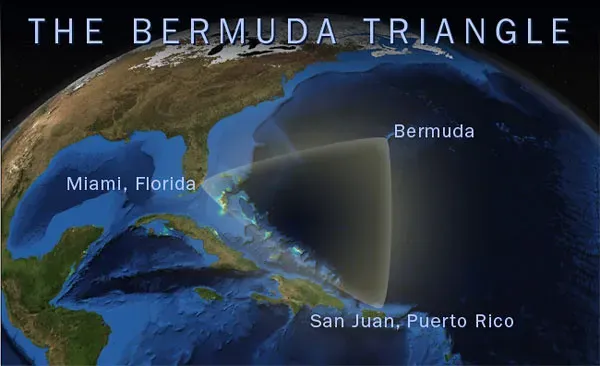
The Bermuda region, roughly outlined between Florida, Bermuda, and Puerto Rico, ended up branded as a triangle of doom in the public imagination. Popular books and TV shows in the late twentieth century spotlighted disappearances like this 31‑person flight as proof of something eerie at work – strange forces, unknown energies, or even otherworldly interference. The vanished plane became one more puzzle piece in a collage of mystery marketed to thrill and scare.
Scientists, though, approached it from a different angle. Oceanographers, meteorologists, and aviation experts pointed out something less glamorous but far more convincing: this is one of the busiest shipping and flight corridors on the planet, sitting in a zone prone to fast‑forming storms, strong currents, and tricky weather. When you combine heavy traffic with volatile conditions, you sadly get more accidents, and some of those are bound to be dramatic enough to fuel legends. The triangle, in other words, is less a supernatural hotspot and more a perfect storm of geography, climate, and human storytelling.
What Scientists Actually Think Happened to Planes Like This
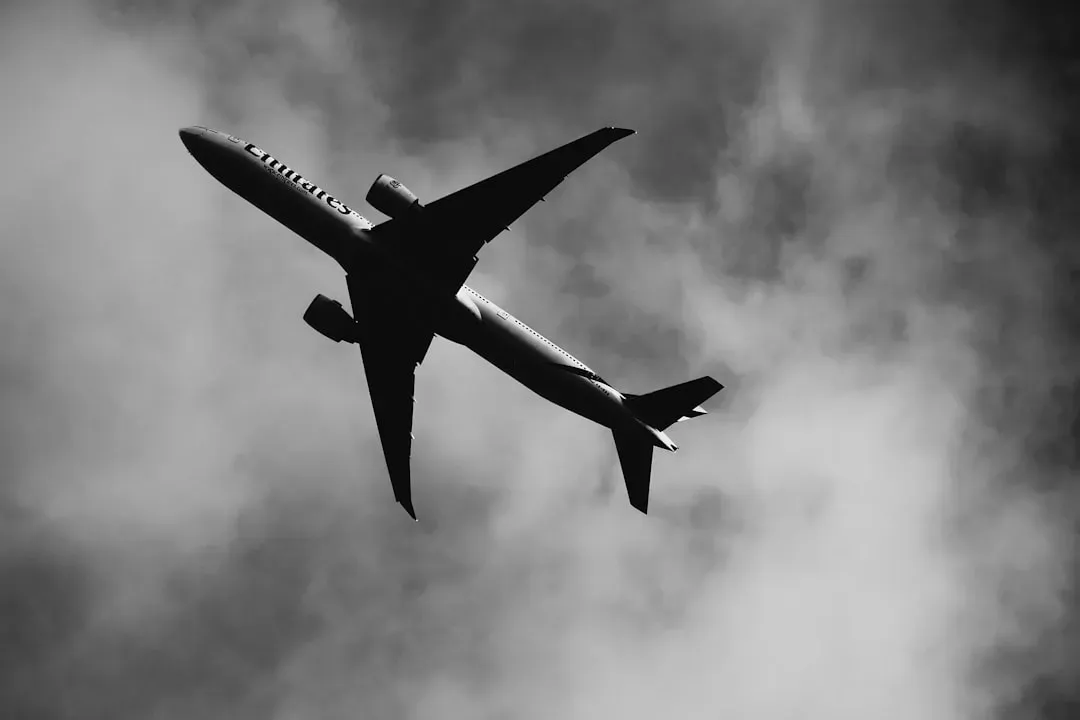
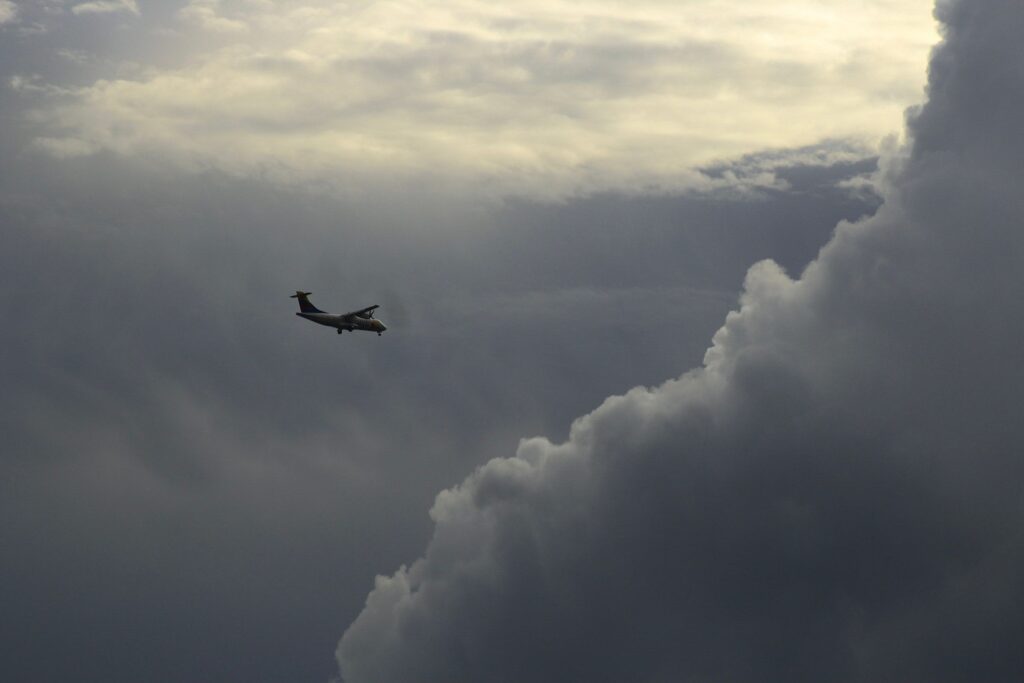
When investigators and scientists look at a case where a plane disappears with everyone onboard, they do not start with aliens or mystery portals; they start with physics and probability. The first suspects are almost always weather, mechanical failure, navigation or communication problems, and human error. In the Bermuda region, storms can intensify very quickly, visibility can collapse, and pilots can find themselves fighting sudden turbulence or heavy rain with only moments to react.
Another hard truth is that once a plane goes down over deep ocean, the chances of recovering every piece of evidence are slim. Strong currents can scatter debris over huge areas, and some wreckage sinks beyond the easy reach of earlier search technology. So scientists tend to see the disappearance of a 31‑person flight not as proof of something magical, but as what happens when bad luck, harsh conditions, and the limits of mid‑twentieth‑century aviation all line up in the worst possible way.
The Harsh Reality of Weather, Navigation, and Human Limits
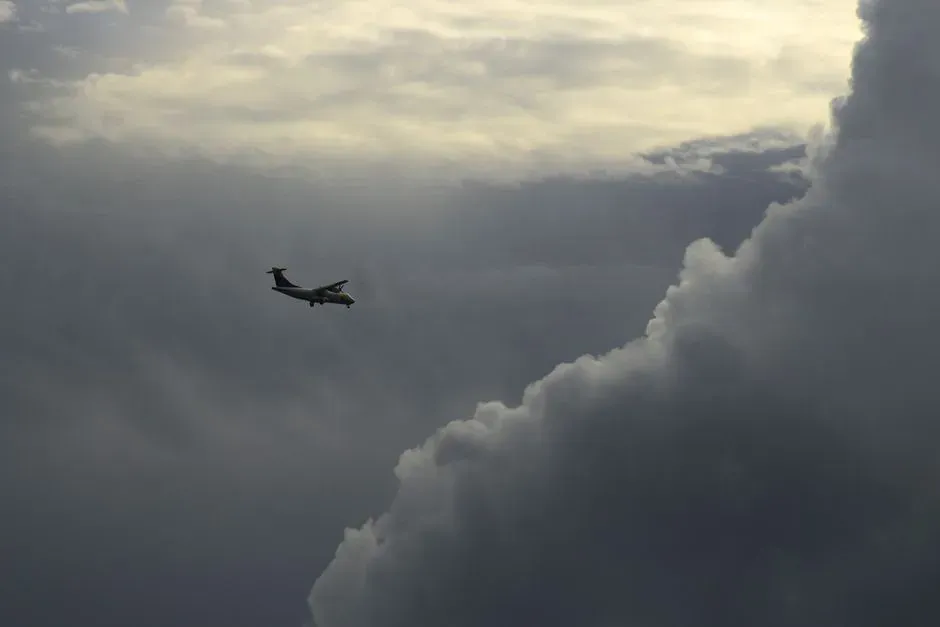
Think about driving through a sudden whiteout on a highway, where you can barely see the lines on the road. Now imagine doing that at hundreds of miles per hour, in three dimensions, over a featureless dark ocean, with storm clouds punching your instruments and your instincts at the same time. That is the kind of situation pilots in the Bermuda region have faced, especially before modern satellite tools and advanced weather radar were common. Even a small misreading of instruments or a misjudged turn can send a plane off course in a way that becomes catastrophic surprisingly fast.
On top of that, navigational technology in earlier decades simply was not where it is today. Radio direction finders, less precise radar coverage, and patchier communication meant that once a plane veered off track, controllers might not even realize it until it was too late. Some scientists believe that at least a portion of these disappearances, including flights with around 30 people onboard, can be explained by a chain reaction: a weather surprise, a navigation slip, confusion in the cockpit, and an ocean that erases evidence quickly and brutally.
Why No Wreckage (Or So Little) Feeds the Mystery
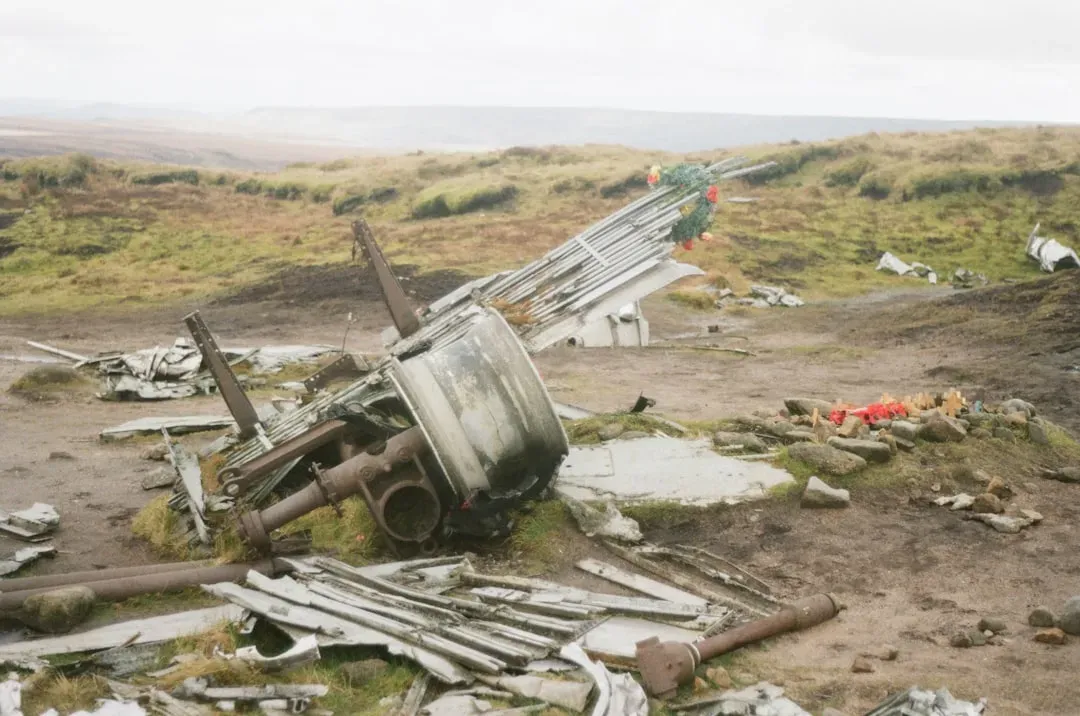
The most haunting detail for many people is the lack of obvious wreckage in some of these cases. Our brains do not like stories without physical proof; they feel unfinished, like a movie that cuts to black right before the final scene. When a plane carrying 31 people seems to vanish into the sea, and search teams report back with little or nothing to show, that vacuum pulls in speculation like gravity. Before long, theories grow that sound more like science fiction than accident reports.
Oceanographers, though, will tell you the sea is an expert at erasing our mistakes. Currents in the Atlantic can drag floating debris miles away from the crash site, and lighter materials can break apart or sink over time. If the impact was violent and the water deep, crucial parts of the aircraft may end up scattered across the seabed, far beyond what early search missions could realistically find. The absence of wreckage is not proof of the impossible; it is proof of how unforgiving and vast the ocean really is.
How Pop Culture Turned a Tragedy Into a Legend
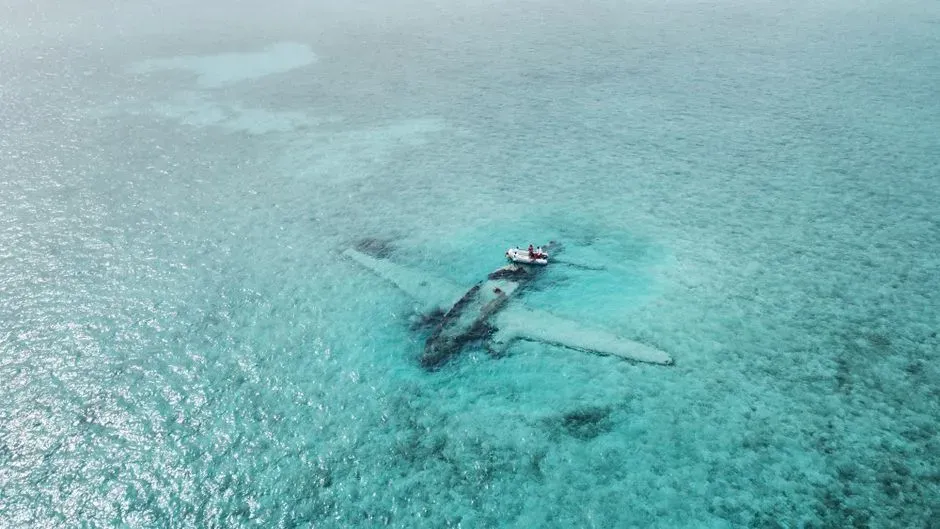
Once the basic facts of a disaster are known – plane, 31 passengers, gone without clear answers – the next phase often belongs to storytellers rather than scientists. Books, documentaries, and movies have leaned heavily on Bermuda‑area disappearances to sell an atmosphere of dread and wonder. The numbers get rounded, the rough edges sanded off, and pretty soon a real flight with real people has been transformed into a neat little mystery box for audiences to enjoy. It is gripping, but it is also a kind of theft from the truth.
I have always felt a bit conflicted about that. On one hand, mystery stories are fun, and there is something undeniably compelling about an unsolved case over dark waters. On the other hand, when you dig into the research, what you mostly find are hard‑working investigators and grieving families, not cursed coordinates or cosmic secrets. Pop culture tends to flatten all that into a spooky montage, and in the process, the 31 people onboard stop being individuals and become props in a ghost story. That might make for trending content, but it does not do justice to what really happened.
What We Should Take Away From a Plane That Vanished
For me, the most honest way to look at a plane vanishing with 31 people onboard near Bermuda is this: it is a brutal reminder that nature, technology, and human beings are always negotiating with one another, and sometimes that negotiation fails. Scientists, on the whole, do not see this case as evidence of something supernatural; they see it as part of a long, painful learning curve that has led to better navigation systems, more precise weather tracking, stricter maintenance, and more robust search‑and‑rescue methods. In a strange way, later passengers are riding on lessons carved out of those earlier losses.
At the same time, I think it is okay to admit that we are drawn to the gaps in the story – the missing minutes, the unanswered calls, the empty space on the map. Those gaps do not prove anything mystical, but they do reveal something about us: how badly we want closure, and how uncomfortable we are with the idea that some answers stay at the bottom of the sea. Maybe the real question is not whether the Bermuda Triangle is special, but why we keep hoping that somewhere out there, the ocean will finally give one of its secrets back. If you had been hearing this story since childhood, would you still prefer the mundane truth over the mesmerizing myth?