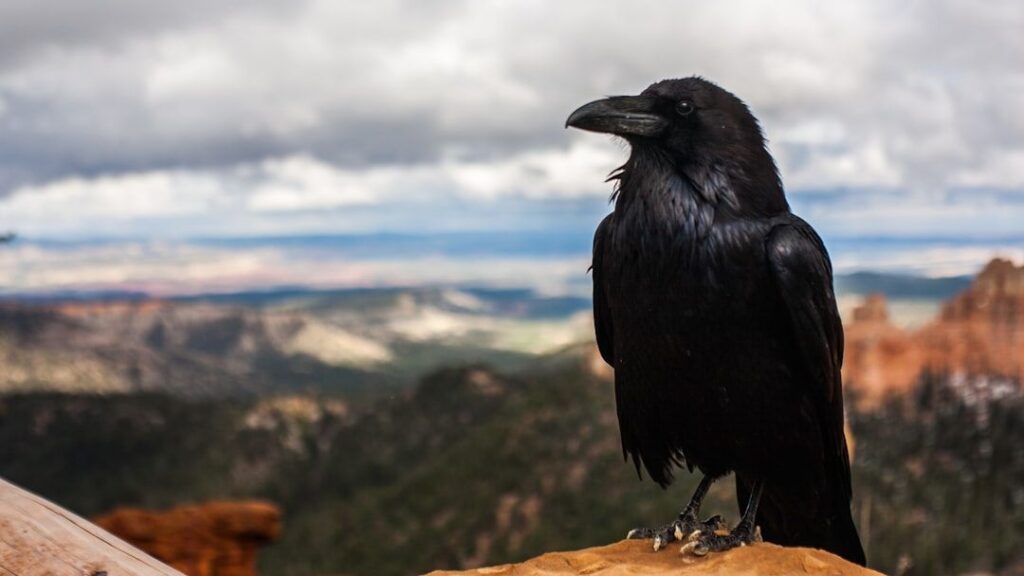
Have you ever wondered if your summer escape could actually help save the planet? Imagine waking up to the calls of sandhill cranes, hiking through ancient forests, or volunteering on protected lands—all while knowing your trip is directly making a difference for wildlife and wild places. Across the United States, a growing number of eco-getaways are inviting adventurers to immerse themselves in the natural world, not just as visitors, but as stewards. These experiences offer something far more valuable than a sunburned selfie: the chance to protect what you love, create unforgettable memories, and leave the world a little wilder than you found it. Let’s explore the most inspiring, science-driven, and heartwarming eco-getaways that support conservation—right here in the USA.
Yellowstone National Park: The Original Conservation Adventure
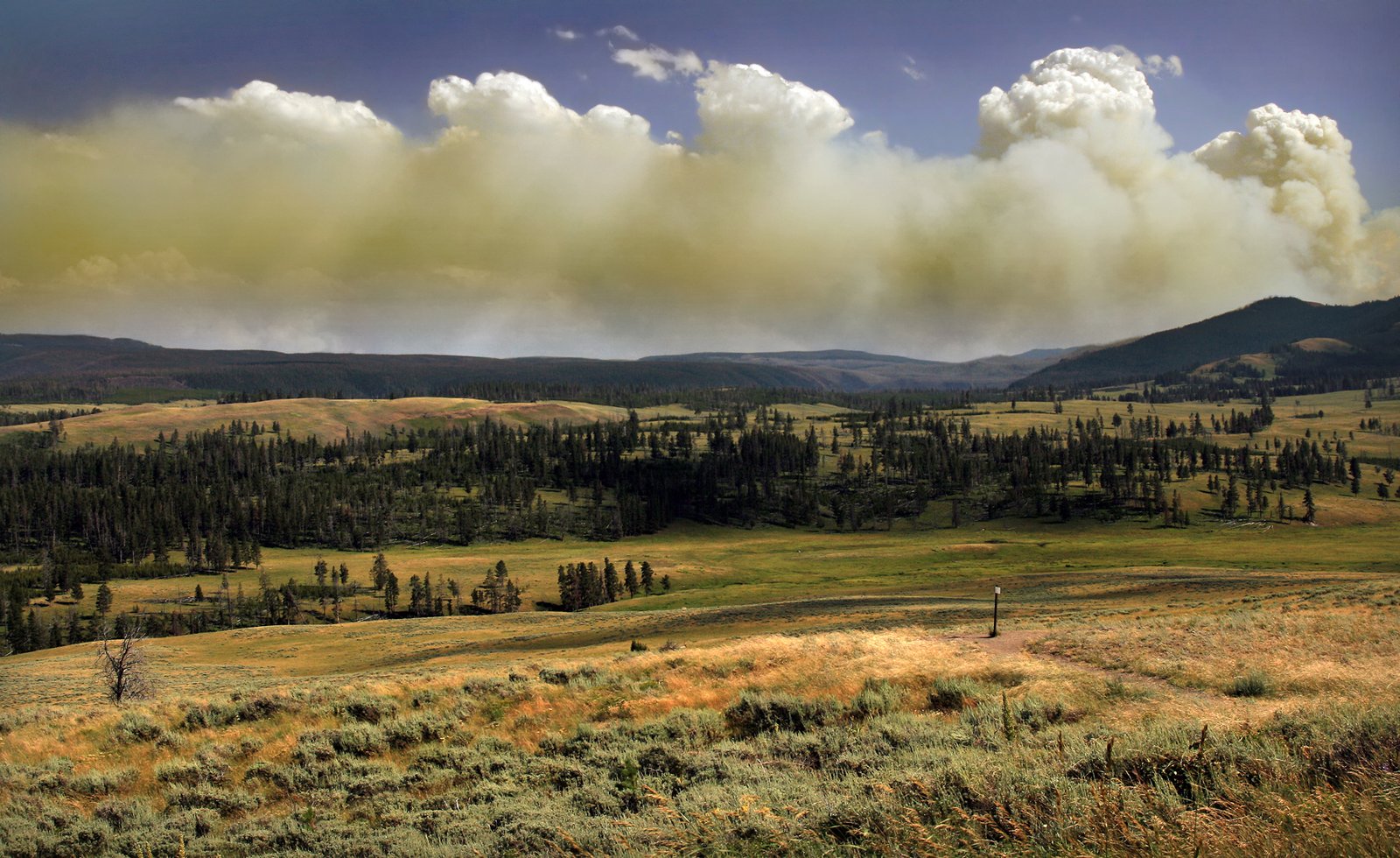
Yellowstone isn’t just America’s first national park—it’s the birthplace of the global conservation movement. Visiting Yellowstone is like stepping into a living laboratory where wolves, bears, and bison roam free. Park programs allow guests to join wildlife surveys, help restore native plants, and even track the elusive gray wolf. Each visit funds critical research and habitat protection, proving that responsible tourism can fuel the wild heart of the American West. Whether you’re camping on the rim of the Grand Canyon of the Yellowstone or joining a guided ranger walk, every moment in the park strengthens the link between humans and the wild.
Volunteering at The Nature Conservancy Preserves
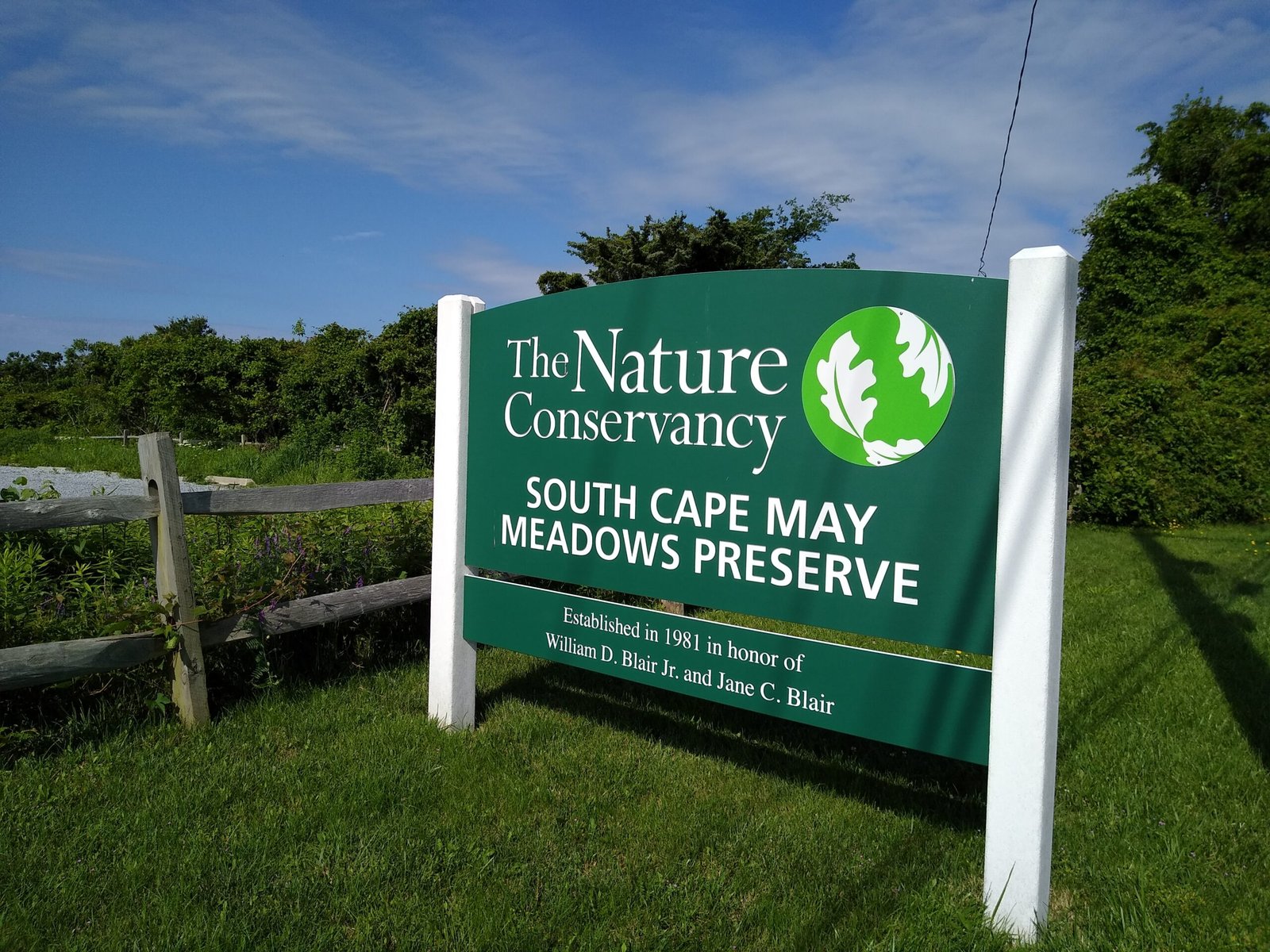
What if your vacation could be more than an escape—what if it was a hands-on mission? The Nature Conservancy manages preserves across the country where visitors can volunteer for habitat restoration, invasive species removal, and wildlife monitoring. In places like Idaho’s Silver Creek Preserve or Georgia’s Altamaha River, you’ll work side by side with scientists, learning how restoration projects heal entire ecosystems. Many preserves offer accommodations or camping, so you can wake up to the dawn chorus and fall asleep knowing your efforts are building a legacy for future generations.
Oregon Coast: Protecting Sea Life and Scenic Shores
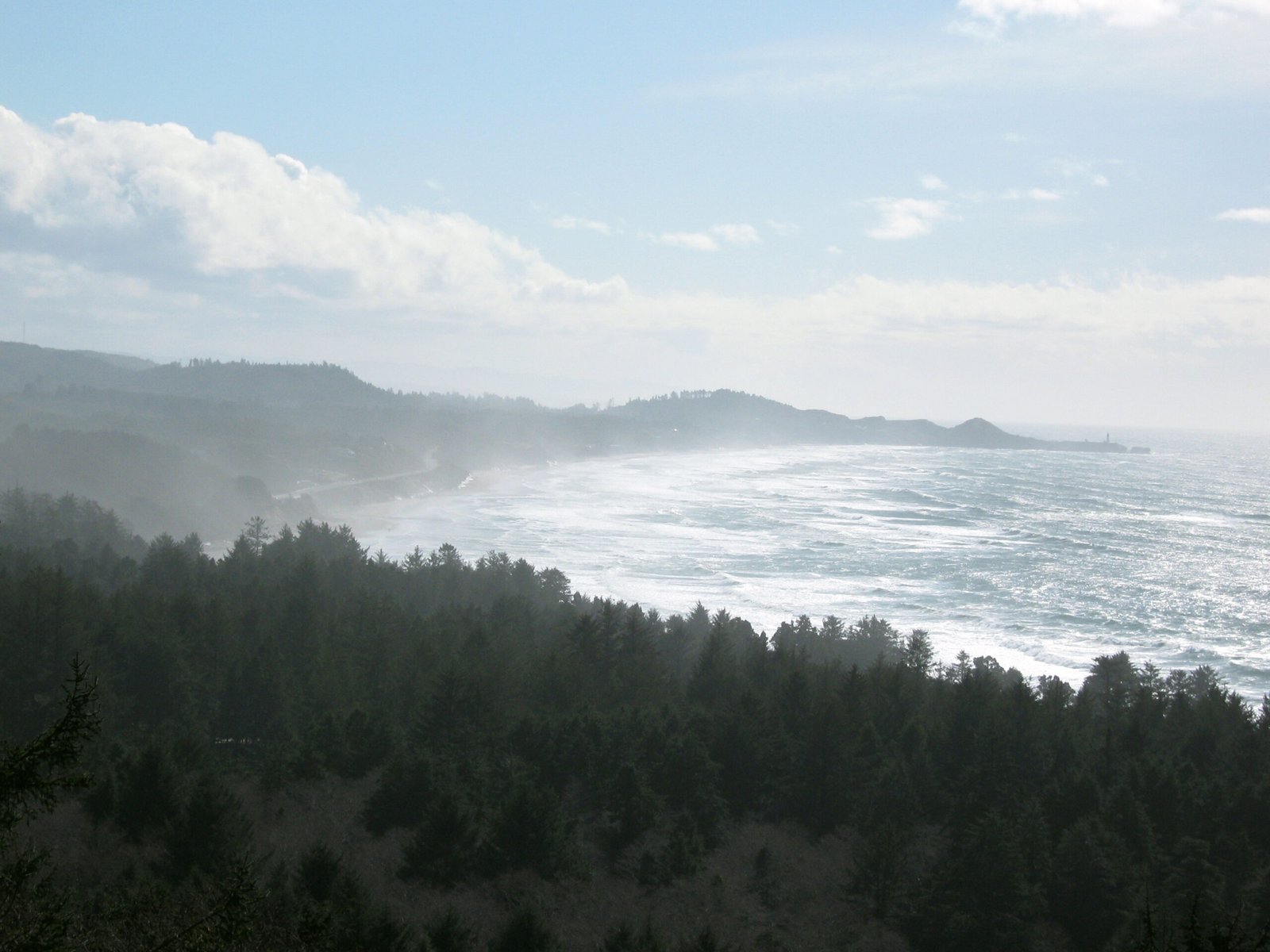
The wild Pacific coast of Oregon is a haven for eco-minded travelers. Here, organizations like the Surfrider Foundation and Oregon Shores Conservation Coalition empower visitors to participate in beach cleanups, dune restoration, and sea star monitoring. Eco-lodges and green-certified hotels line the coastline, offering sustainable stays that minimize your environmental footprint. Whale-watching tours led by marine biologists often include citizen science projects, turning a simple boat trip into a conservation crusade. By choosing these eco-friendly options, you directly support efforts to keep the coast alive for seabirds, seals, and surfers alike.
Texas Hill Country: Restoring Monarch Butterfly Habitats
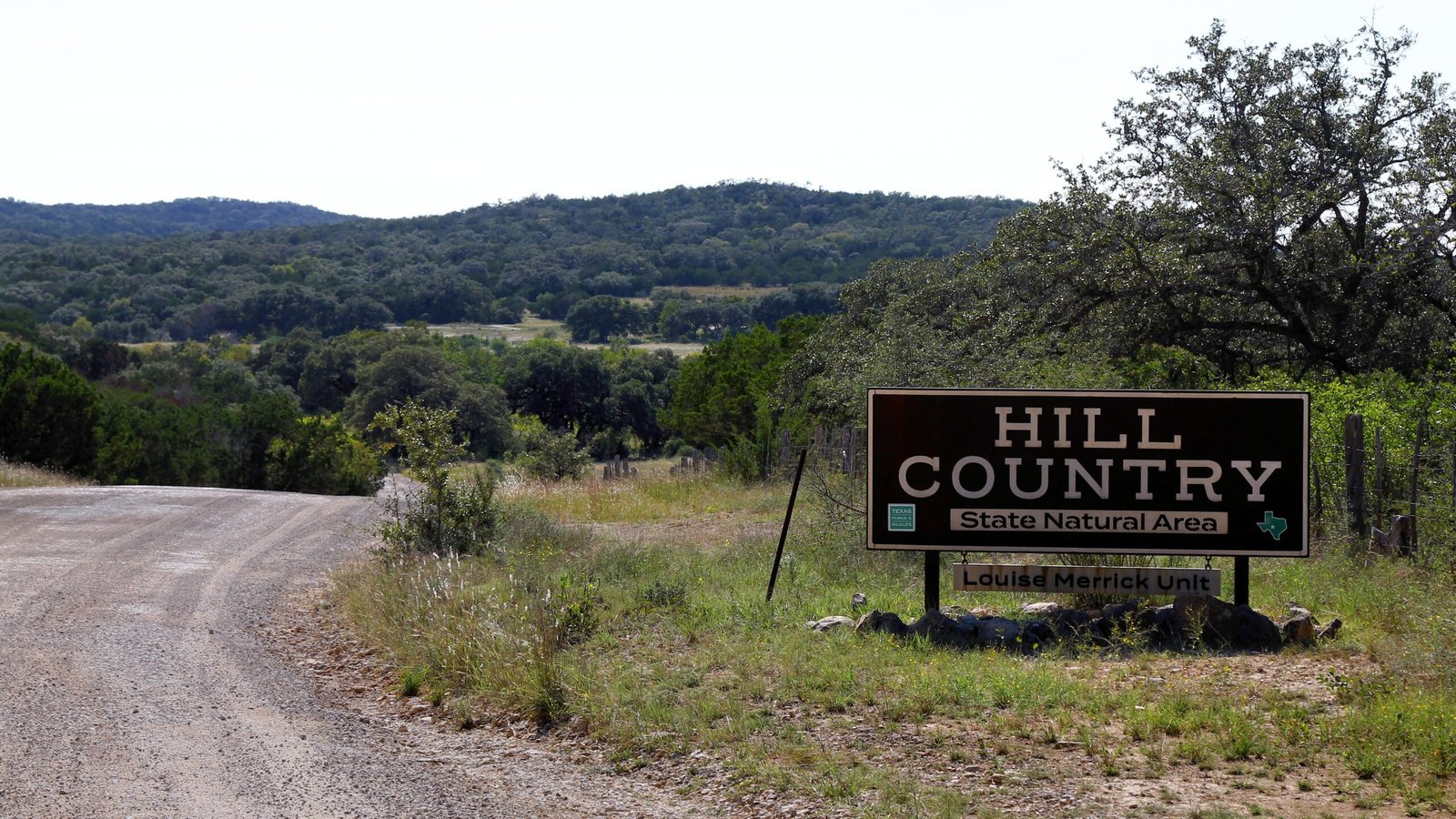
Every spring and fall, monarch butterflies transform the Texas Hill Country into a fluttering spectacle. Conservation ranches and eco-lodges in the region invite guests to plant milkweed, participate in butterfly tagging, and learn about the scientific efforts to track migration patterns. These programs not only give travelers a front-row seat to one of nature’s most astonishing phenomena but also help reverse the decline of monarch populations. Staying at a working conservation ranch means your dollars go toward preserving prairies, rivers, and the pollinators that sustain them.
Everglades National Park: Wetland Wonders and Citizen Science
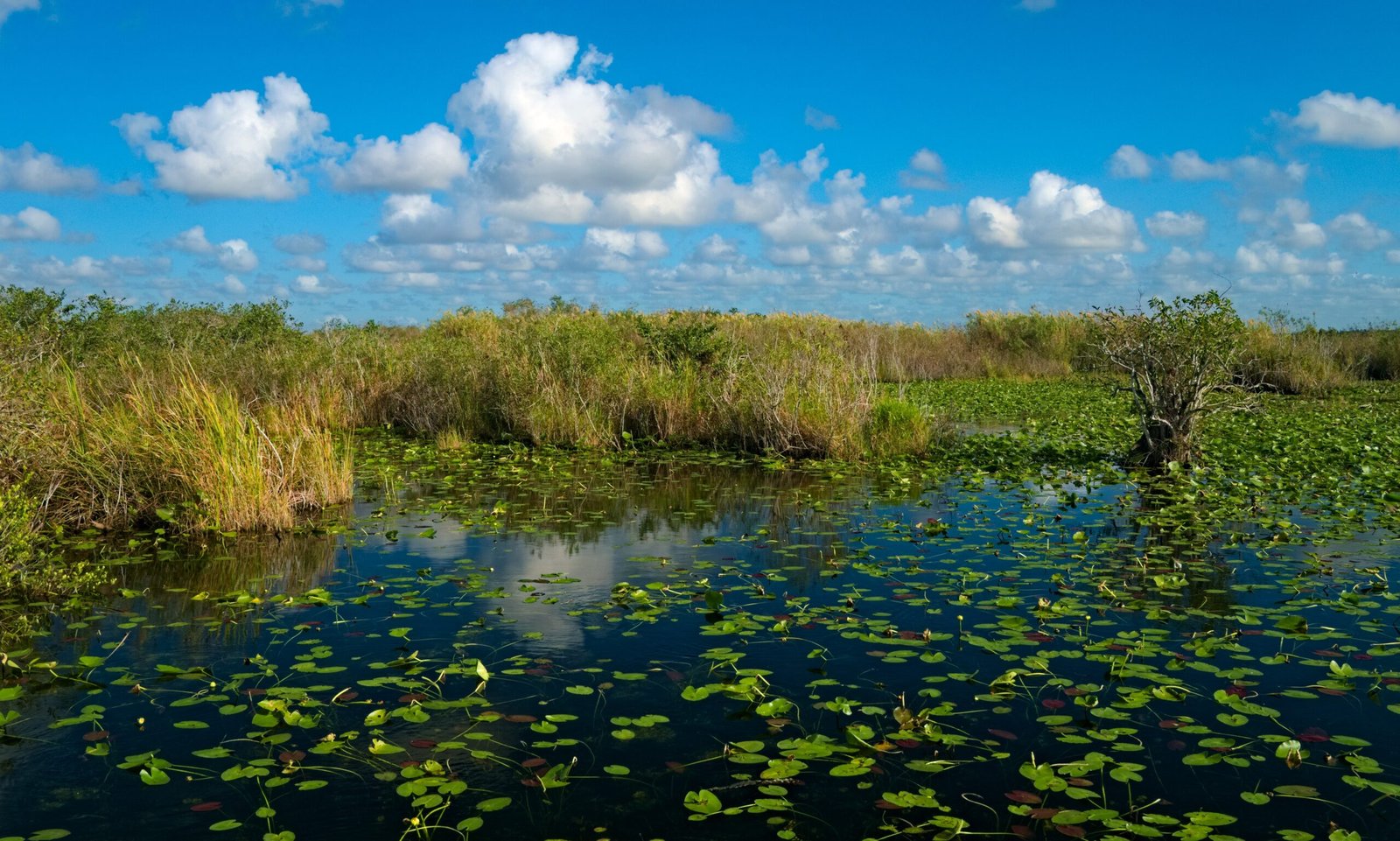
Few places in the world are as mysterious—or as vital—as the Everglades. Rangers and nonprofit partners offer eco-tours that combine adventure with education, teaching visitors about alligators, panthers, and the complex web of life that depends on the swamp. Special programs let guests join water quality testing, invasive species removal, and bird counts, directly contributing to the science that shapes restoration efforts. By choosing guided canoe trips or eco-lodges that support park projects, you help protect one of Earth’s most threatened—and fascinating—habitats.
Hawaii’s Big Island: Volcanic Landscapes and Native Forest Restoration
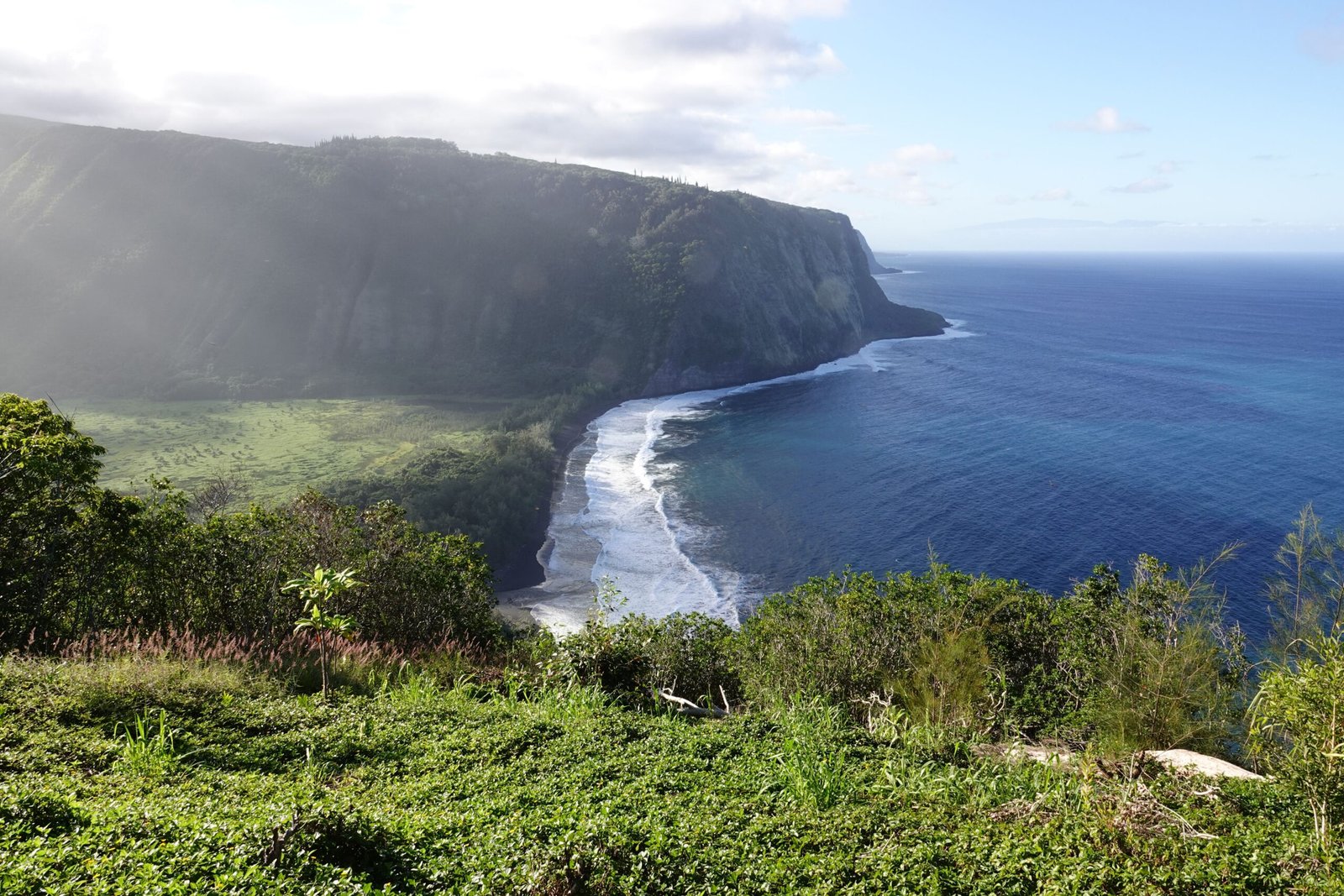
Hawaii’s Big Island is more than beaches and palm trees; it’s home to rare forests and endangered species found nowhere else on Earth. Conservation organizations offer immersive volunteer vacations where you can plant native trees, remove invasive species, and learn about the science of ecosystem recovery. Guided hikes with local biologists reveal the secrets of volcanic landscapes and the ancient wisdom of Hawaiian land stewardship. Eco-resorts on the island channel profits into ongoing conservation, ensuring your stay nurtures both land and culture.
Great Smoky Mountains: Citizen Science in America’s Most Visited Park
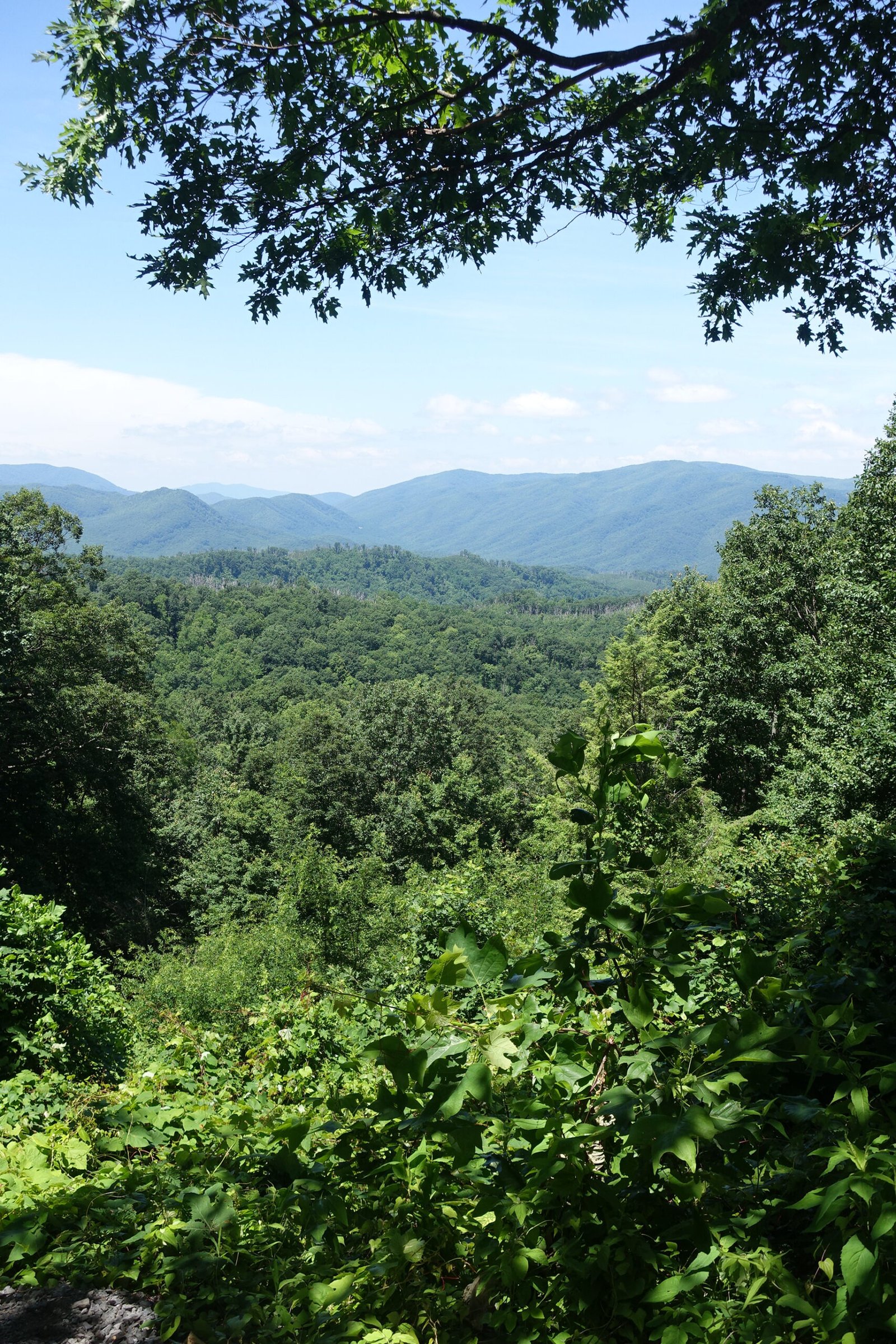
The Smokies are a biodiversity hotspot, teeming with wildflowers, salamanders, and black bears. Scientists frequently invite visitors to participate in “BioBlitz” events, where families and solo travelers join experts in cataloging everything from moths to mushrooms. Many eco-lodges and cabins support local conservation initiatives and offer programs on forest ecology and waterway restoration. By taking part in these efforts, you become a crucial part of the Smokies’ ongoing story—one where people and nature can thrive together.
California’s Channel Islands: Marine Sanctuaries and Wildlife Rehabilitation
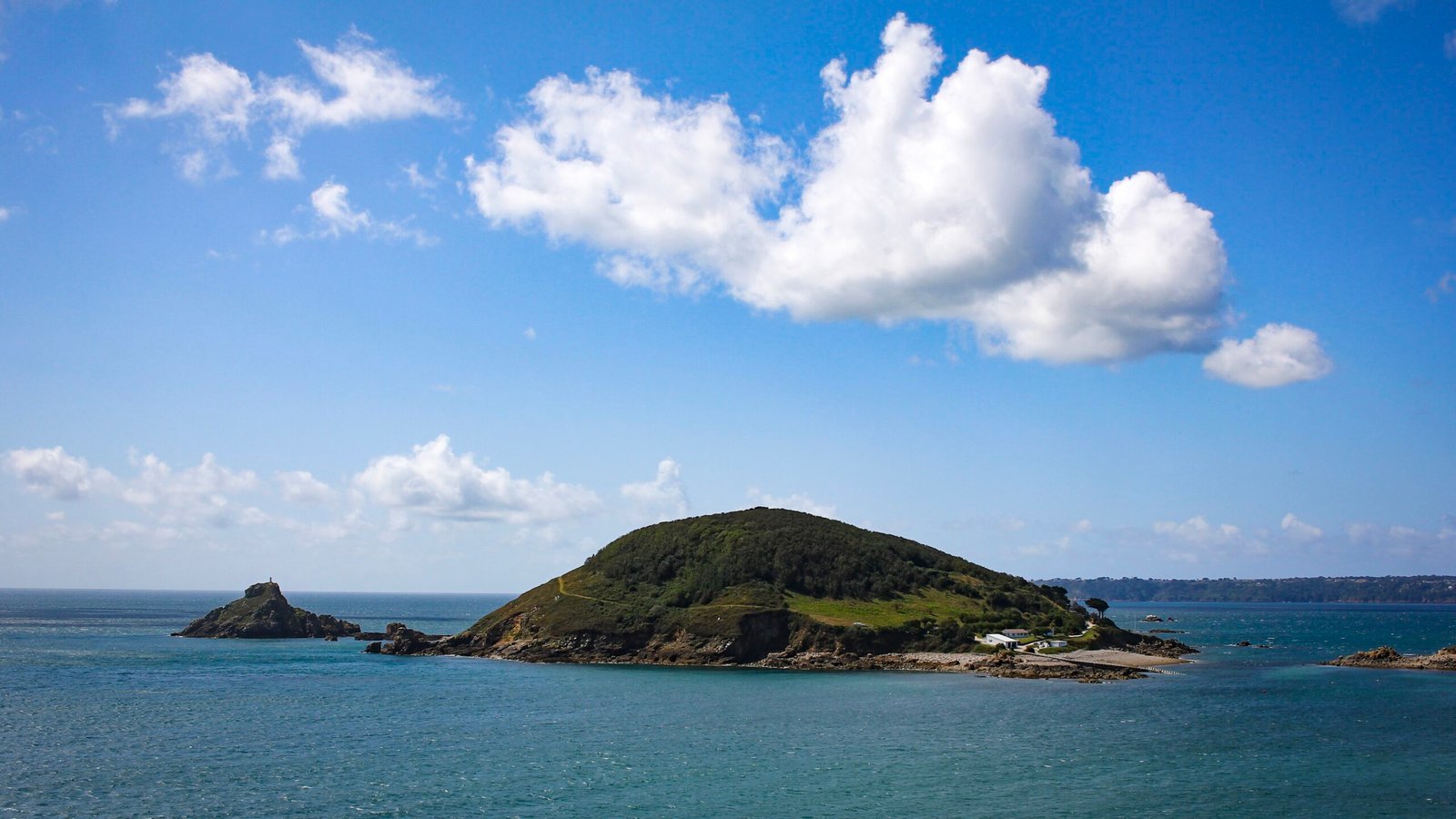
A short boat ride from Los Angeles, the Channel Islands feel like another planet. These protected islands are a sanctuary for rare foxes, seabirds, and kelp forests. Visitors can join beach cleanups, support native plant nurseries, or volunteer with organizations that rehabilitate injured marine animals. Eco-conscious outfitters offer snorkeling trips and wildlife tours that fund research and education, making your adventure a lifeline for some of California’s most imperiled species.
Colorado Rockies: Alpine Conservation Retreats
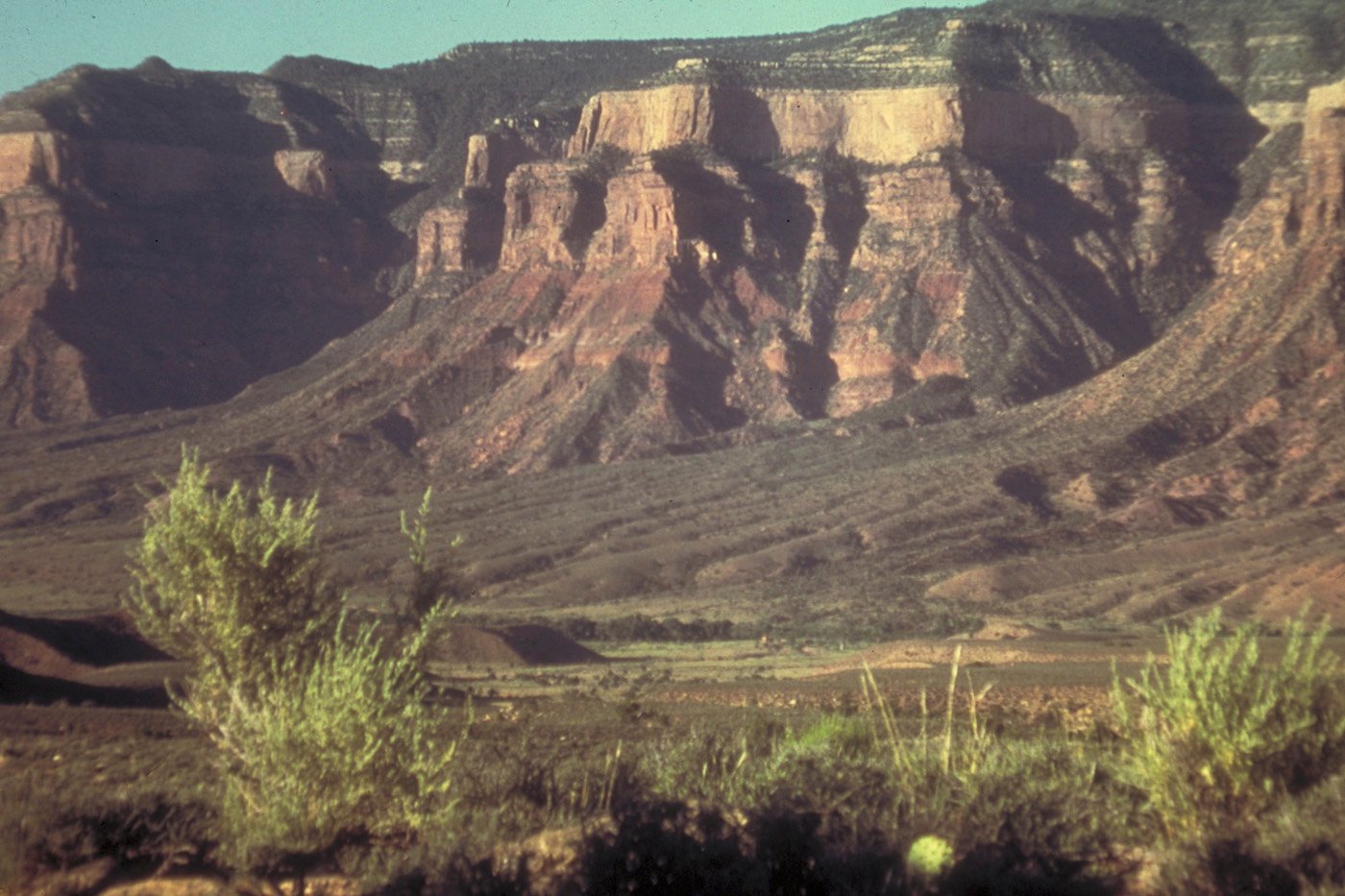
The high peaks of Colorado are more than a playground for hikers—they’re a frontline for climate change research and restoration. Conservation camps and eco-lodges offer immersive experiences where you can help collect data on alpine wildflowers, monitor snowpack levels, or restore trails damaged by erosion. Guided wildlife tours often include talks on the delicate balance of mountain ecosystems, inspiring visitors to become advocates for climate resilience. Staying in eco-friendly accommodations means every night’s rest supports the Rockies’ fragile beauty.
Florida Keys: Coral Reefs and Ocean Stewardship
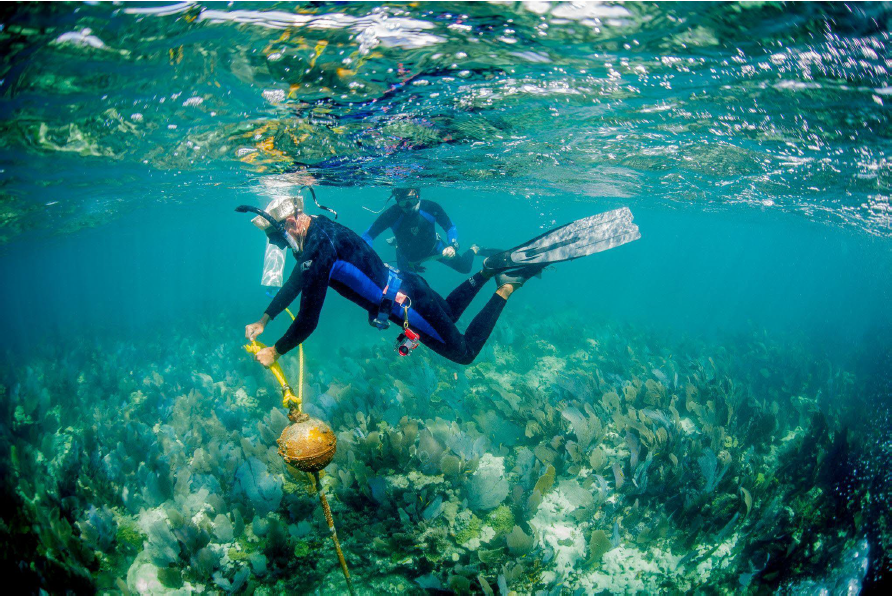
Beneath the turquoise waters of the Florida Keys lies one of North America’s most threatened treasures: coral reefs. Eco-tour operators and nonprofit groups offer “voluntourism” opportunities where you can help restore coral nurseries, assist in reef surveys, and learn about marine science firsthand. Snorkeling and diving trips that fund conservation work allow you to witness dazzling underwater life while playing a direct role in its survival. Local lodges and restaurants that support reef-friendly practices complete the circle, making every choice matter for the ocean.
Montana’s American Prairie Reserve: Rewilding the Great Plains
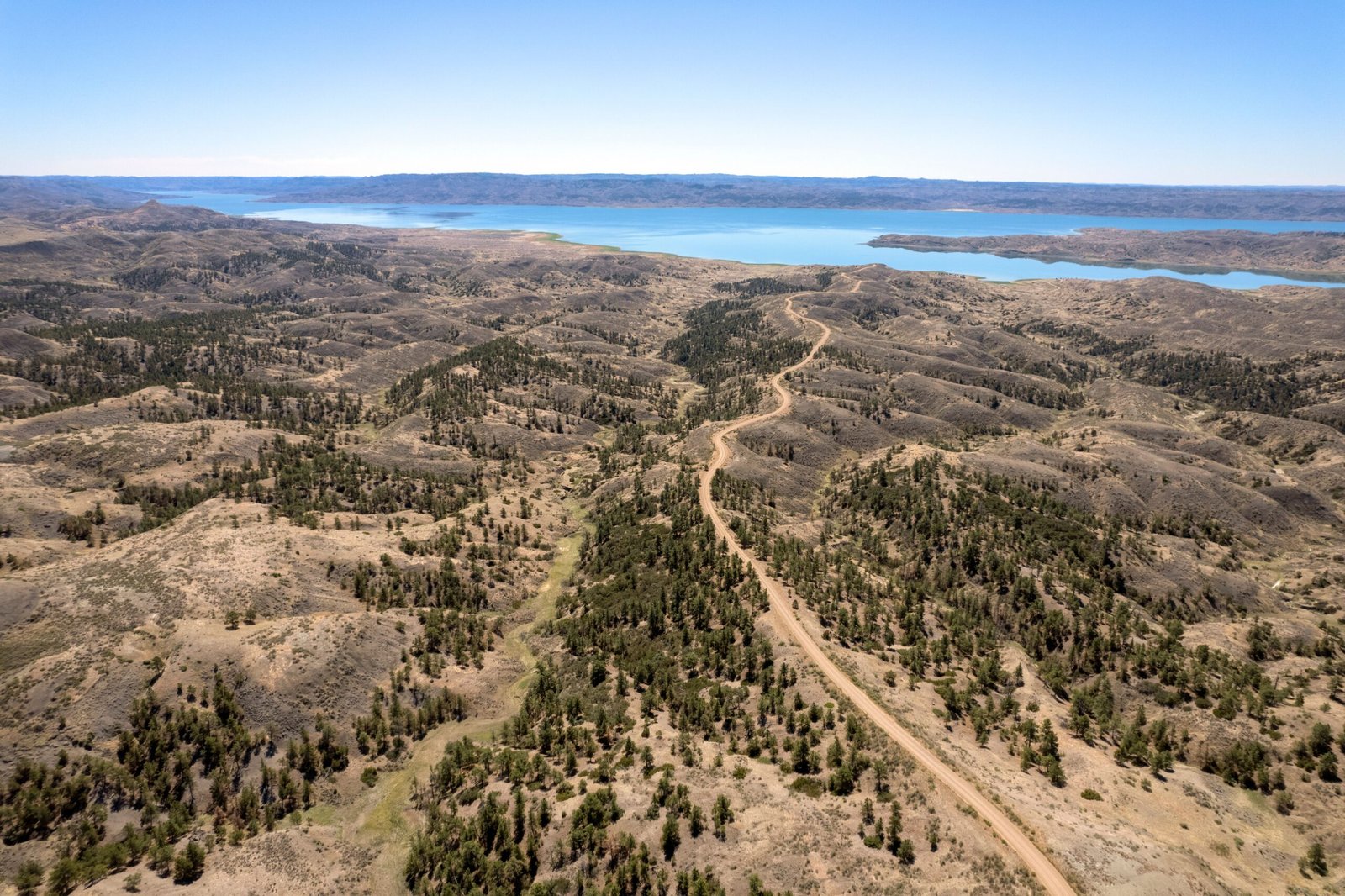
The American Prairie Reserve in Montana is one of the most ambitious conservation projects in the world. Here, visitors can stay in safari-style yurts or eco-cabins while joining restoration projects that reintroduce bison, protect grasslands, and monitor prairie dogs. The reserve’s citizen science initiatives turn travelers into wildlife researchers, gathering crucial data that shapes the future of the American West. By supporting this living experiment in rewilding, you help return the plains to their wild, historic grandeur.
Alaska’s Kenai Peninsula: Salmon and Wilderness Conservation

The Kenai Peninsula is a dream for anyone who loves wild rivers, towering mountains, and abundant wildlife. Conservation-focused lodges and outfitters offer programs that let guests help with salmon counts, river cleanups, and bear monitoring. These experiences are not only exhilarating but also essential for protecting Alaska’s fragile ecosystems. By choosing eco-friendly adventures, you help ensure that the salmon runs and wild landscapes remain for generations to come.
North Carolina’s Outer Banks: Protecting Sea Turtles
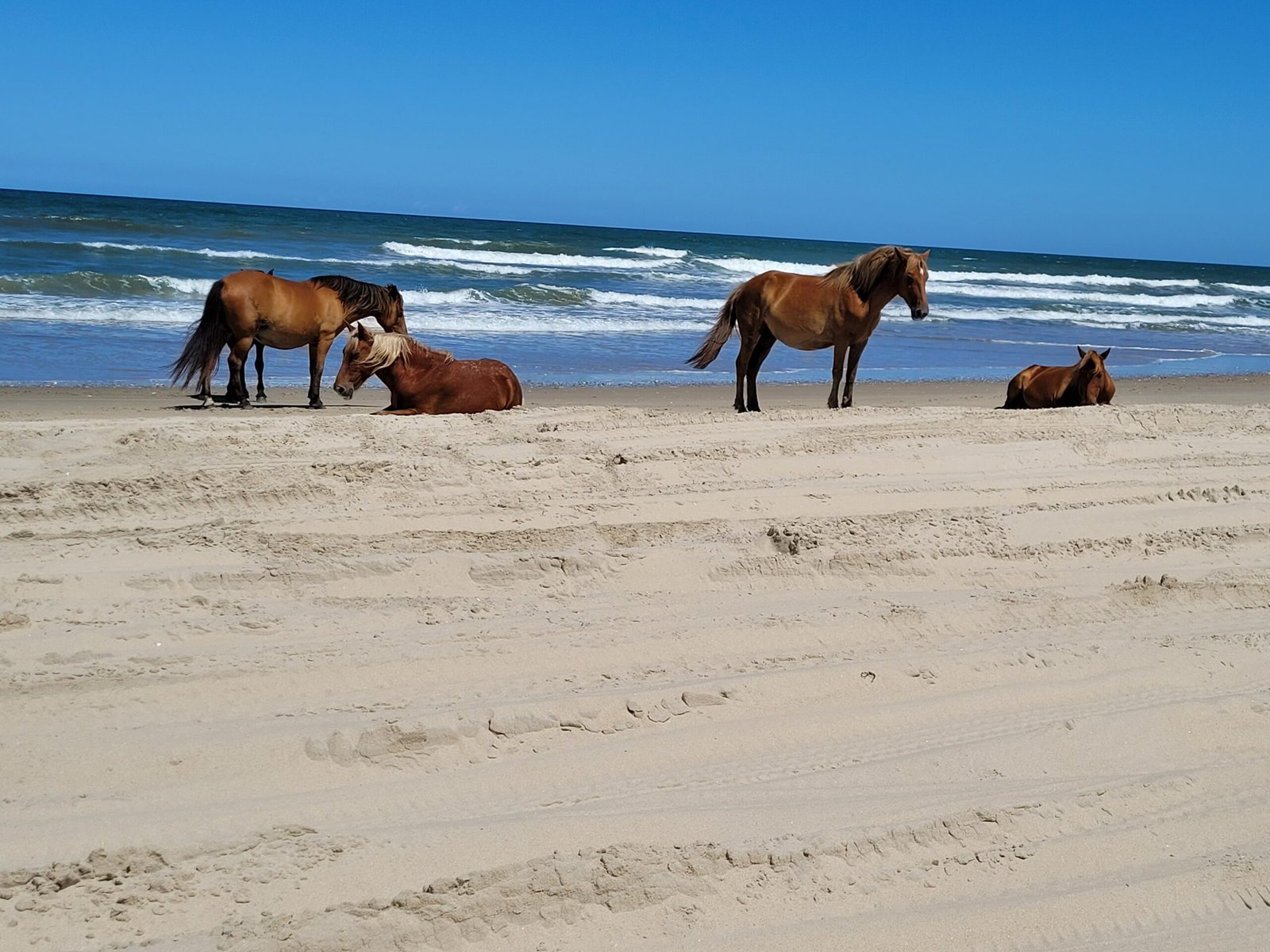
Each summer, the Outer Banks become a critical nesting ground for endangered sea turtles. Local conservation groups invite visitors to join nighttime “turtle watches,” where you might witness tiny hatchlings making their way to the ocean. Volunteer opportunities range from monitoring nests to educating beachgoers about wildlife-friendly practices. Eco-accommodations and green-certified tour operators make it easy to ensure your stay supports the turtles’ long journey from sand to sea.
Arizona’s Sonoran Desert: Cactus Conservation and Desert Ecology
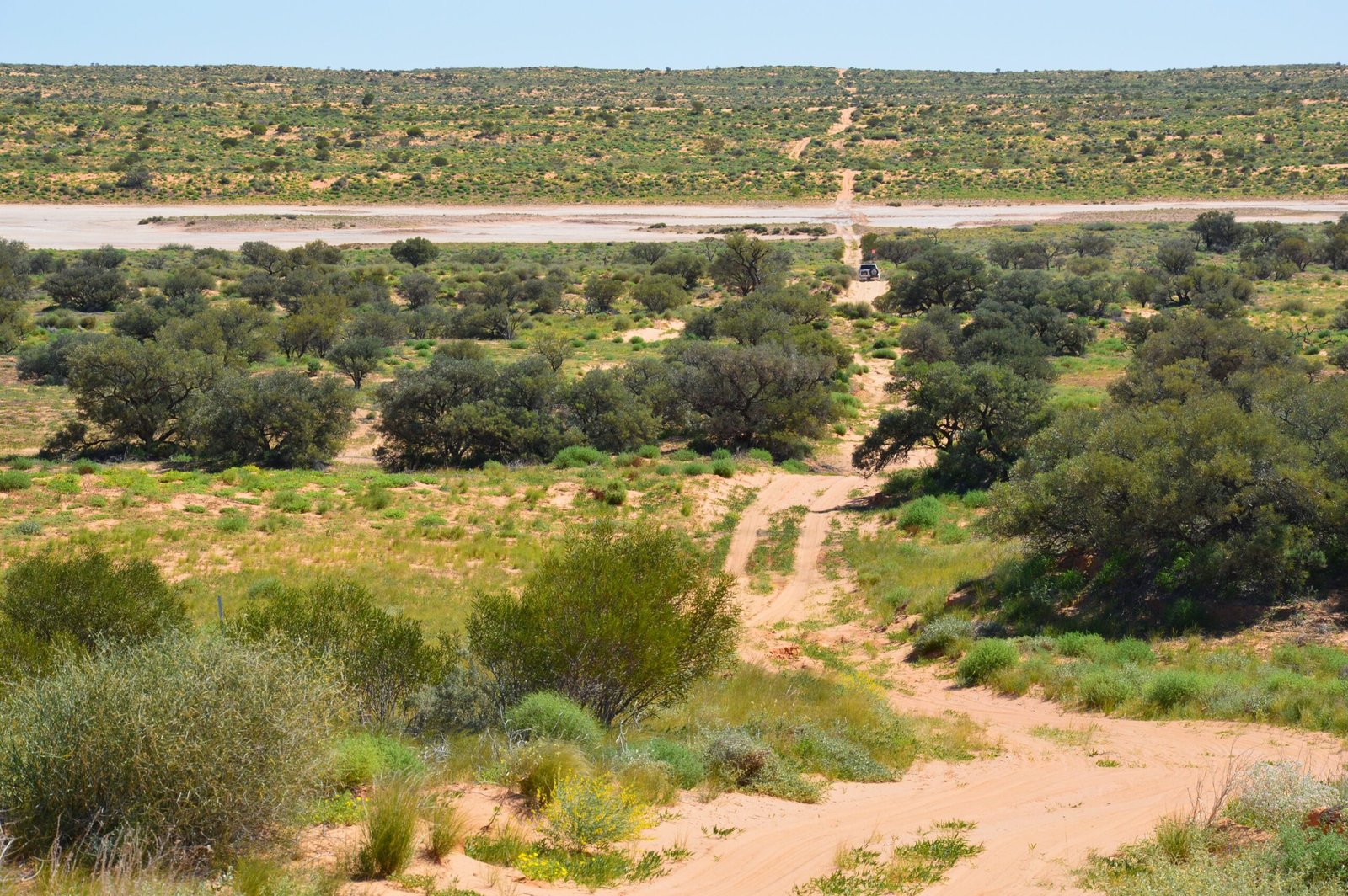
The Sonoran Desert is a land of extremes, where life adapts in the most surprising ways. Conservation organizations offer programs for visitors to help monitor saguaro cactus health, remove invasive plants, and participate in desert wildlife surveys. Guided eco-tours emphasize the scientific marvels of desert adaptation and the importance of water conservation. By staying in sustainable lodges that support local restoration, you become part of the solution for one of America’s most unique habitats.
Washington’s San Juan Islands: Orca Conservation and Marine Education
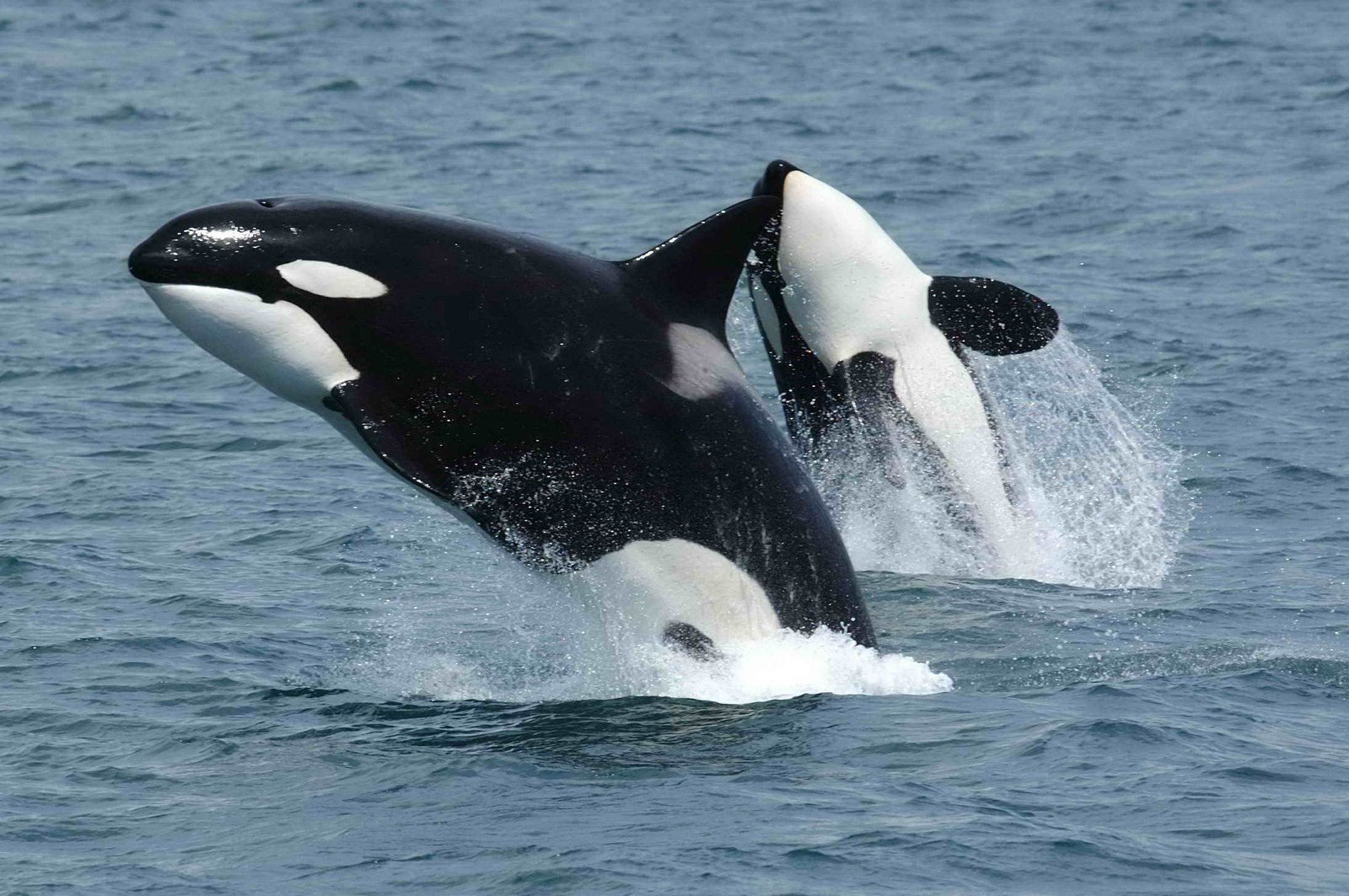
The San Juan Islands are famous for orca whales and dramatic seascapes. Whale-watching tours with conservation groups allow travelers to learn about orca biology, habitat preservation, and the urgent challenges facing local marine life. Opportunities to volunteer with beach cleanups or kelp forest monitoring add an extra layer of purpose to your adventure. Eco-lodges on the islands invest in renewable energy and wildlife research, ensuring your stay leaves the ocean a little healthier.
New England’s Appalachian Trail: Hiking with a Conservation Purpose

The Appalachian Trail is more than a scenic footpath—it’s a living, breathing conservation corridor. Trail stewardship programs allow hikers to give back by maintaining trails, removing invasive plants, and educating fellow travelers about Leave No Trace principles. Many hostels and eco-lodges along the route support conservation work and offer workshops on forest ecology. Every mile walked and every volunteer hour helps protect the trail’s wild heart for future generations.
Louisiana’s Wetlands: Rebuilding Vital Habitat
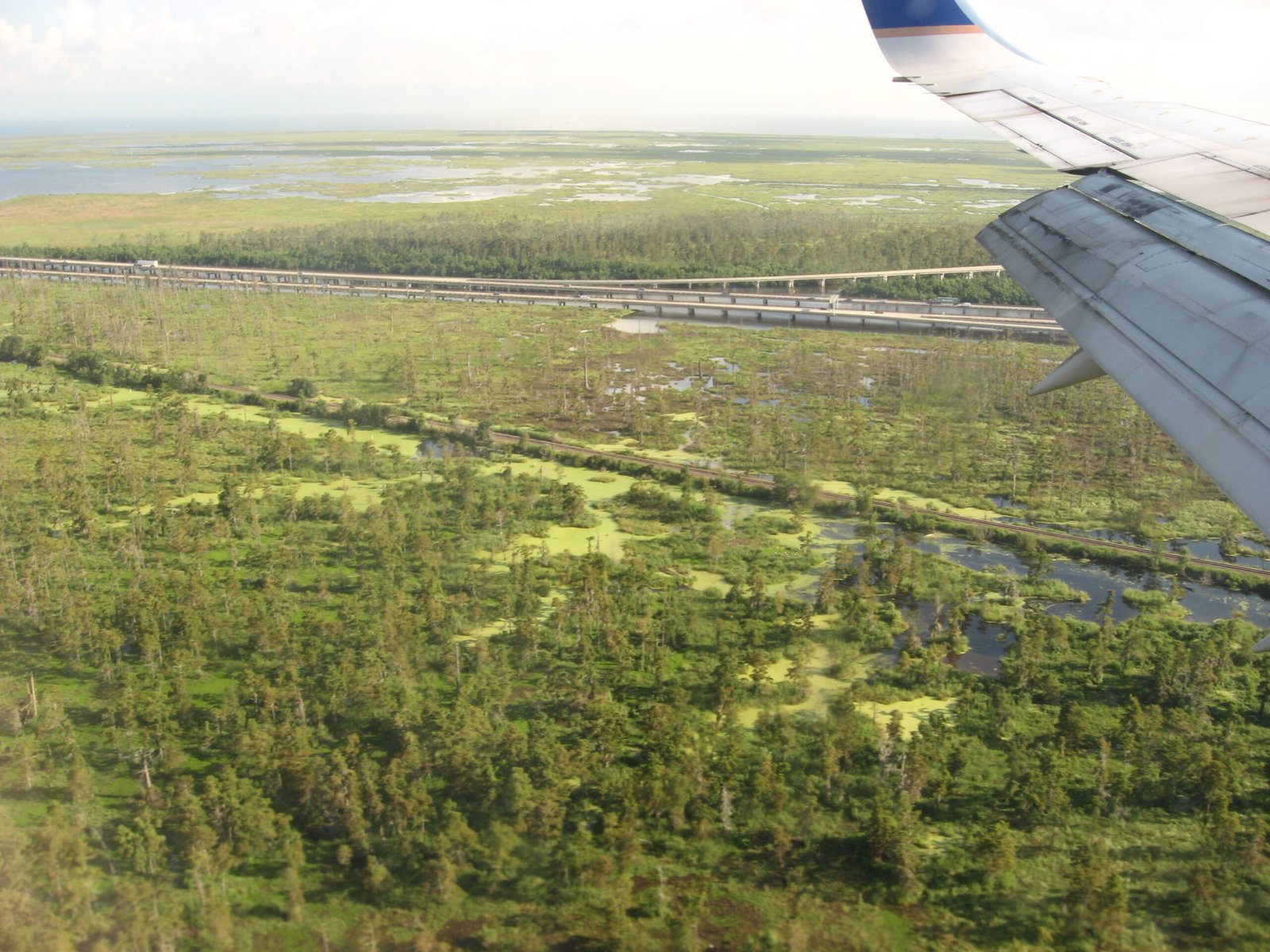
Louisiana’s wetlands are vanishing at an alarming rate, but eco-getaways here offer hope. Guided tours with conservation organizations let visitors witness restoration projects firsthand, from planting marsh grasses to rebuilding oyster reefs. These programs provide powerful lessons in resilience and the value of healthy wetlands for both wildlife and communities. Eco-lodges and sustainable seafood eateries close the loop, allowing every guest to contribute to the region’s recovery.
Vermont’s Green Mountains: Forest Conservation and Wildlife Tracking
The forests of Vermont are bursting with life, from moose to songbirds. Conservation centers and eco-lodges offer guided hikes focused on wildlife tracking, forest health, and the science of climate adaptation. Guests can join tree-planting projects or help monitor the impact of changing seasons on local species. Every stay in a green-certified inn supports the ongoing protection of Vermont’s emerald wilderness.
South Carolina’s Lowcountry: Salt Marshes and Bird Sanctuaries
The Lowcountry is a patchwork of salt marshes, barrier islands, and ancient forests. Conservation organizations offer volunteer vacations where you can monitor nesting birds, restore oyster reefs, and learn about the interconnectedness of land and sea. Eco-resorts and historic inns often partner with local nonprofits, giving guests a chance to support habitat conservation with every meal and overnight stay. The result is a deeper connection to the rhythms of tides, migration, and renewal.
Utah’s Canyonlands: Desert Conservation and Dark Sky Initiatives
Canyonlands National Park and its surrounding wilderness are famous for stunning red rock formations and star-filled skies. Conservation programs invite visitors to help with trail restoration, litter removal, and even dark sky initiatives that combat light pollution. Staying in eco-lodges or joining guided night hikes lets you experience the magic of the desert while supporting efforts to keep these wild places unspoiled.
Why Your Eco-Getaway Matters Now More Than Ever
Every eco-getaway is more than just a vacation—it’s a powerful way to stand up for nature when it needs us most. With climate change, habitat loss, and extinction threats growing, the choices we make as travelers truly matter. By seeking out eco-lodges, volunteering in the field, or simply learning from the land, you become part of a movement that values wildness and responsibility. Your adventure can be the spark that keeps America’s most precious places thriving. Isn’t it wild to think your summer escape could help save the world?