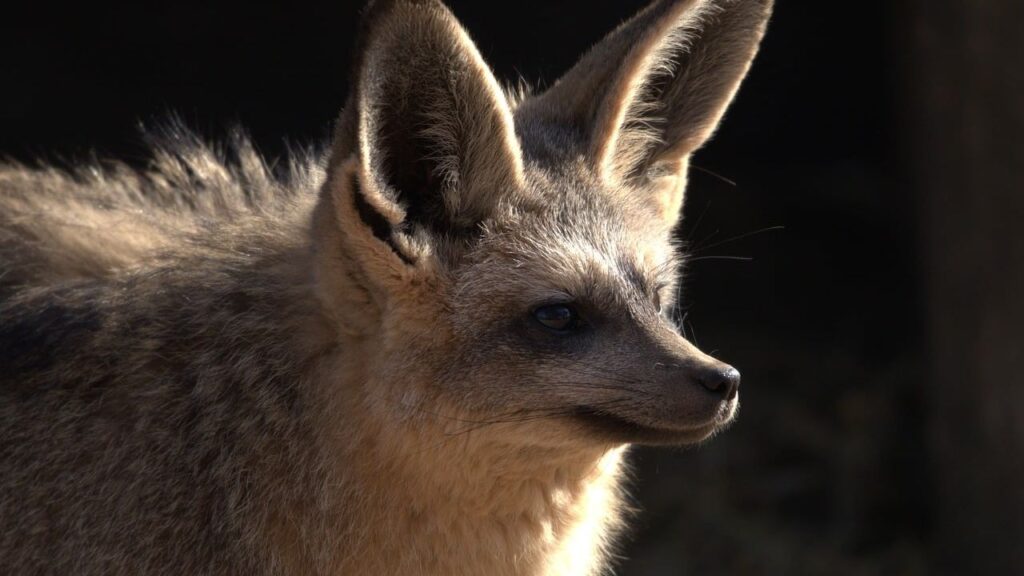

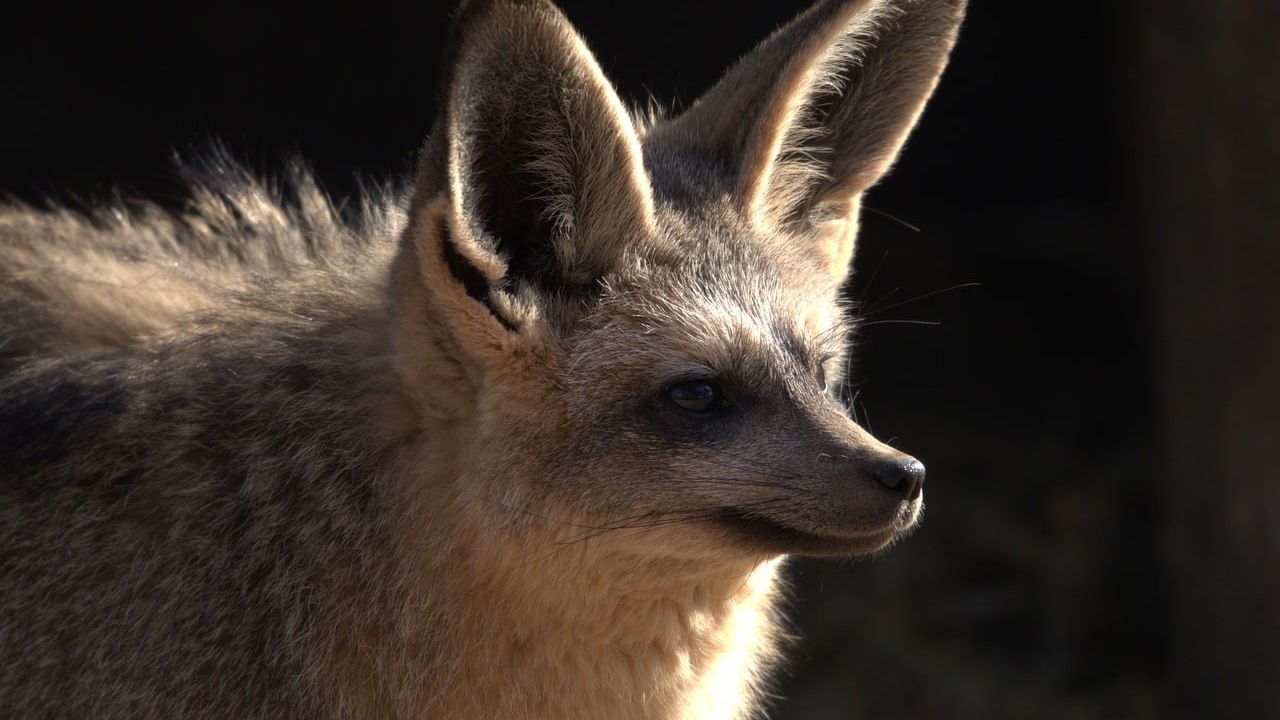
Why do brown bats stop feeding during fireworks? – Image for illustrative purposes only (Image credits: Pixabay)
Firework displays continue to draw crowds each summer, yet their effects on local wildlife remain a growing point of discussion among researchers and conservationists. Brown bats, which rely on precise nighttime routines to hunt insects, show clear signs of disturbance when these events occur. The sudden bursts of sound, light, and smoke appear to override their usual foraging behavior, leaving them less likely to feed until conditions return to normal.
The Nature of the Disturbance
Fireworks produce intense noise levels that travel far beyond the launch site. These sounds can echo across open fields and woodlands where bats typically hunt. At the same time, bright flashes illuminate the sky in ways that contrast sharply with the darkness bats depend on for navigation and prey detection.
Smoke from the explosions adds another layer of interference. Particles linger in the air and can alter the scent cues bats use to locate food sources. Together, these elements create an environment that feels unsafe to the animals, prompting them to pause activity rather than risk exposure.
How Brown Bats Respond
Observations indicate that brown bats often retreat to roosts or simply stop their aerial hunts once fireworks begin. This reaction aligns with their known sensitivity to sudden changes in their surroundings. Feeding requires steady focus and energy, both of which become difficult to maintain amid repeated explosions.
The pause in feeding can last for the duration of the show and sometimes longer. Bats may need time to assess whether the area has returned to a safe state before resuming their search for insects. Such interruptions matter because these animals play a key role in controlling insect populations during warm months.
Broader Effects on Wildlife and the Environment
While brown bats receive particular attention in this context, other species face similar challenges. Pets and additional wildlife experience stress from the same loud and smoky conditions. Fireworks also release chemical residues into the air and soil, raising separate questions about long-term habitat quality.
Communities continue to weigh the visual appeal of these events against documented impacts on nocturnal animals. Some areas have begun exploring quieter alternatives or adjusted timing to reduce overlap with peak wildlife activity periods. These steps reflect ongoing efforts to balance public enjoyment with ecological considerations.
What matters now
Continued monitoring of bat behavior around fireworks sites can help clarify how often and how long these disruptions occur. Local guidelines that limit displays near known roosting areas offer one practical path forward while preserving the tradition in modified form.