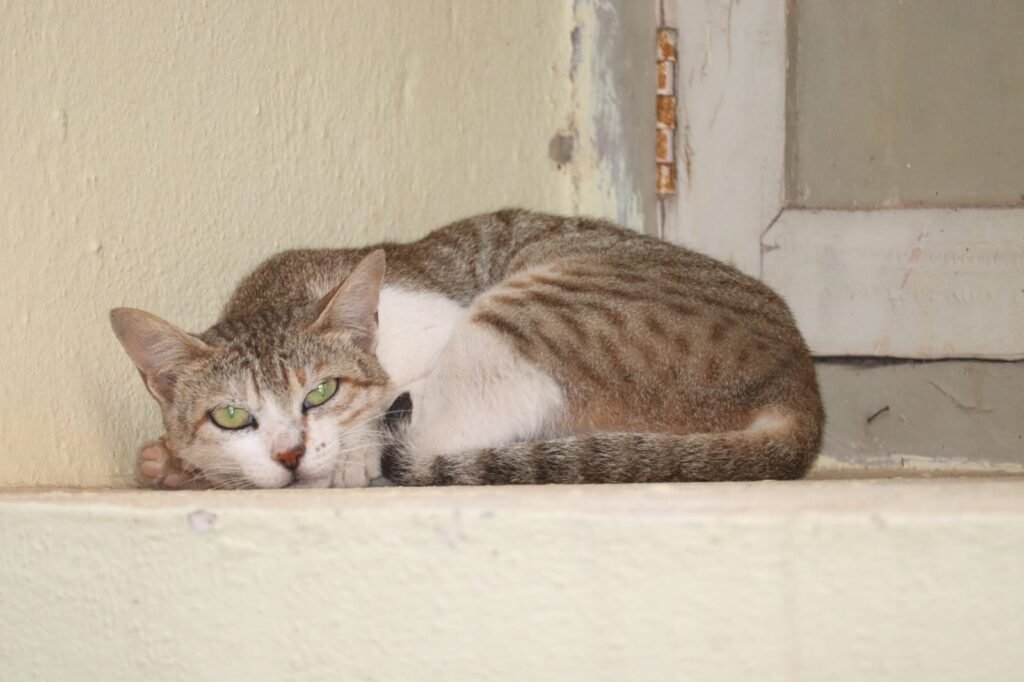

Every cat owner has experienced it: you call your feline friend’s name across the room, and they turn their head slightly, give you that unmistakable “I heard you, but I’m choosing not to care” look, then promptly return to whatever they were doing. For decades, this behavior led many to believe cats simply weren’t smart enough to recognize their names, unlike their canine counterparts who come running at the first syllable. But recent scientific breakthroughs have shattered this assumption entirely, revealing a truth that’s both fascinating and slightly infuriating for cat parents everywhere.
The Groundbreaking Japanese Study That Changed Everything

In 2019, researchers at Sophia University in Tokyo conducted a revolutionary study that finally put the age-old question to rest. Dr. Atsuko Saito and her team tested 78 cats from both households and cat cafés, playing recordings of their names mixed with other similar-sounding words. The results were nothing short of remarkable.
The cats consistently showed stronger responses to their own names compared to random words, even when the names were spoken by strangers. Their ears perked up, heads turned, and some even meowed back. This wasn’t just coincidence – it was clear evidence of recognition and understanding.
How Cat Brains Process Human Language

Unlike dogs, who have been selectively bred for thousands of years to respond to human commands, cats retained much of their wild instincts even after domestication. Their brains process human speech differently, focusing on tone, rhythm, and frequency rather than individual words. When you say your cat’s name, they’re analyzing multiple acoustic elements simultaneously.
The temporal cortex, responsible for processing sounds, lights up when cats hear familiar human voices. Neuroimaging studies reveal that cats can distinguish between different human speakers and associate specific vocal patterns with particular people. This explains why your cat might respond to your voice but completely ignore your neighbor calling the same name.
The Art of Selective Hearing in Felines
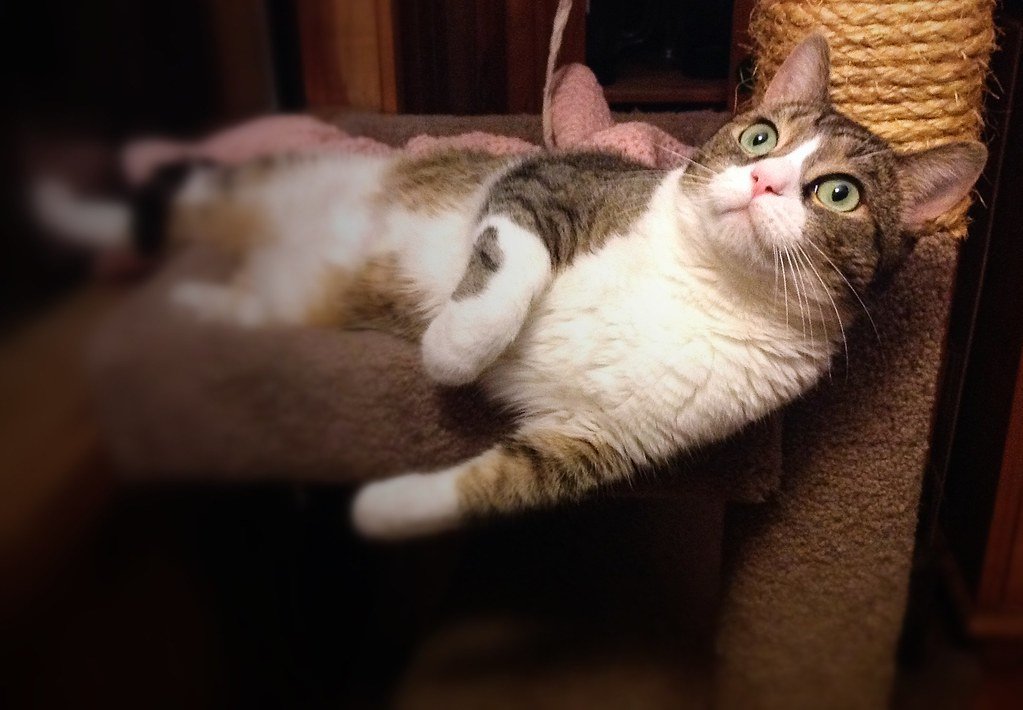
Here’s where things get interesting – and perhaps a bit frustrating for cat owners. Cats don’t just know their names; they make conscious decisions about whether to respond. This isn’t defiance in the human sense, but rather an evolutionary survival mechanism that served their ancestors well in the wild.
Think of it this way: a wild cat that responded to every sound would waste precious energy and potentially expose itself to predators. Modern house cats have inherited this selective attention system, which means they evaluate whether responding to their name serves any immediate purpose. If there’s no food, play, or obvious benefit involved, why bother?
Why Cats Respond Differently Than Dogs

The fundamental difference between cats and dogs lies in their evolutionary relationship with humans. Dogs were bred specifically to work alongside people, creating strong neural pathways that prioritize human communication. Their survival literally depended on understanding and obeying human commands.
Cats, on the other hand, formed a more casual partnership with humans. They were valued for pest control but maintained their independence. This means their brains developed to recognize human communication without the same urgency to respond. They understand you perfectly – they just don’t feel obligated to prove it every time.
The Role of Emotional Bonding in Name Recognition

Research has shown that cats who have stronger emotional bonds with their owners are more likely to respond to their names. This isn’t just about familiarity – it’s about genuine affection and attachment. Cats form complex emotional relationships with their humans, and these bonds directly influence their willingness to engage.
When cats feel secure and loved, they’re more inclined to acknowledge their names through subtle body language cues. A slight ear twitch, a slow blink, or a gentle tail movement might be their way of saying “I hear you, and I care enough to let you know I’m listening.”
Vocal Patterns That Cats Actually Respond To

Not all name-calling is created equal in the feline world. Cats respond best to higher-pitched voices, similar to the tones they use when communicating with each other. The rising intonation at the end of their name, like you’re asking a question, tends to grab their attention more effectively than a flat, commanding tone.
Interestingly, cats also respond more to shorter names with distinct consonant sounds. Names like “Max,” “Luna,” or “Milo” are easier for cats to distinguish from background noise than longer, more complex names. This might explain why some cats seem more responsive than others – it could simply be a matter of acoustic clarity.
The Science Behind Feline Selective Attention
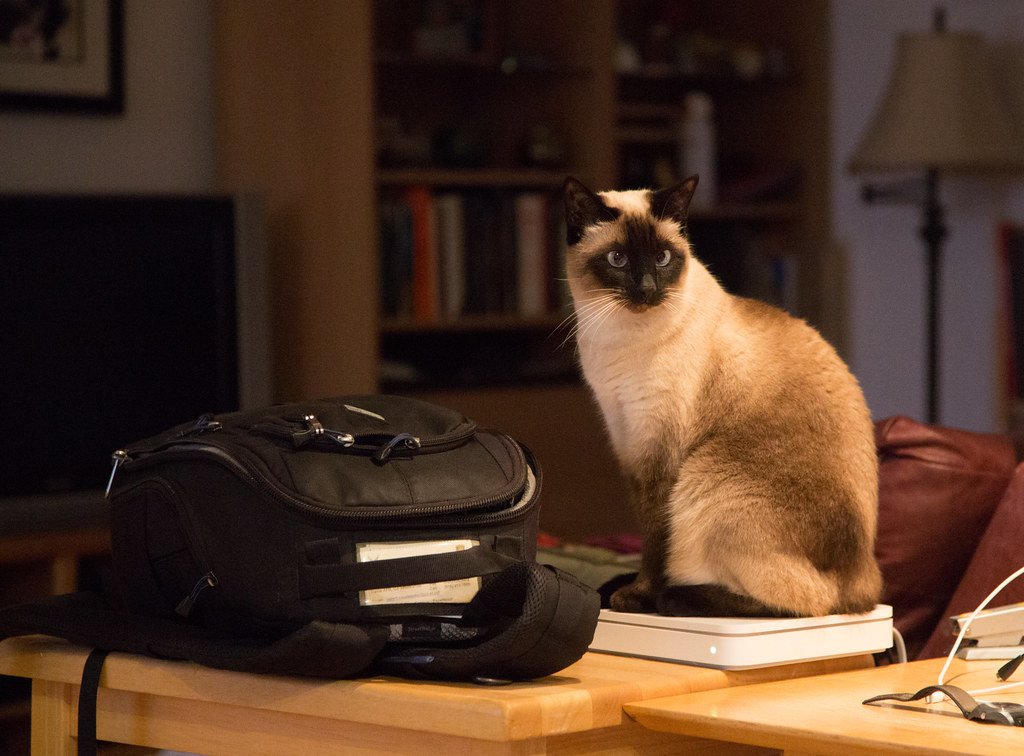
Cats possess what scientists call “cocktail party effect” – the ability to focus on specific sounds while filtering out background noise. This cognitive ability allows them to hear their name even in noisy environments, but their response depends on their current priorities and emotional state.
Brain scans reveal that cats’ auditory processing centers remain active even when they appear to be ignoring sounds. They’re constantly monitoring their environment, cataloging important information, and making split-second decisions about what deserves their attention. Your repeated calls aren’t falling on deaf ears – they’re being consciously deprioritized.
Multi-Cat Households and Name Discrimination

One of the most impressive findings from recent studies involves cats living in multi-pet households. These cats can distinguish not only their own names but also the names of their housemates. They understand the concept of individual identity and can differentiate between calls intended for them versus calls for other pets.
This level of cognitive sophistication suggests that cats have a more complex understanding of human language than previously thought. They’re not just recognizing sounds – they’re comprehending the concept of names as individual identifiers within a social group.
The Myth of Cat Intelligence Versus Independence

For too long, cats’ independent nature has been mistaken for lack of intelligence. The reality is quite the opposite – their selective responses demonstrate sophisticated decision-making abilities. They’re evaluating cost versus benefit, assessing their current needs, and choosing their responses accordingly.
This behavioral pattern actually indicates higher-level thinking rather than simple conditioning. Dogs might respond out of ingrained obedience, but cats respond (or don’t respond) based on complex internal calculations. In many ways, this makes their occasional responses even more meaningful because they represent genuine choice rather than automatic reaction.
Environmental Factors That Influence Response Rates

The setting plays a crucial role in whether cats acknowledge their names. Familiar environments where cats feel safe and comfortable generally produce higher response rates. Stressful situations, new locations, or the presence of strangers can significantly reduce a cat’s willingness to respond, even though they still recognize their name.
Time of day also matters. Cats are naturally more active during dawn and dusk hours, and they’re more likely to respond to their names during these periods. Calling a deeply sleeping cat during midday might result in recognition without visible response, simply because they’re conserving energy for their natural activity periods.
Training Methods That Actually Work With Cats

While you can’t force a cat to respond to their name like a dog, you can increase the likelihood of acknowledgment through positive reinforcement. Consistently pairing their name with pleasant experiences – meals, treats, playtime, or affection – strengthens the positive associations they have with the sound.
The key is patience and understanding that cats operate on their own terms. Forcing the issue or showing frustration when they don’t respond can actually weaken the bond and make them less likely to acknowledge their name in the future. Respecting their autonomy paradoxically makes them more responsive over time.
Cultural Differences in Cat Naming and Recognition

Fascinating research from different countries reveals that cats adapt to the linguistic patterns of their native languages. Japanese cats respond differently to name patterns compared to English-speaking cats, suggesting they tune into the specific phonetic structures of their cultural environment.
This adaptation goes beyond simple sound recognition – cats are actually learning the grammatical and tonal patterns of human speech in their region. They understand not just what their name sounds like, but how it fits into the broader communication patterns they hear daily.
The Evolutionary Advantage of Selective Response

From an evolutionary perspective, cats’ selective response to names makes perfect sense. In the wild, responding to every sound would be exhausting and dangerous. Cats developed the ability to distinguish between important and unimportant auditory stimuli as a survival mechanism.
This same system now helps house cats navigate the complex soundscape of modern homes. They can hear their name being called from another room while simultaneously monitoring for more pressing concerns like the sound of a can opener or the rustle of a treat bag. It’s not rudeness – it’s sophisticated priority management.
What Your Cat’s Response Style Says About Their Personality

Individual cats show distinct response patterns that reflect their unique personalities. Some cats are naturally more social and attention-seeking, making them more likely to acknowledge their names with obvious physical responses. Others are more introverted and prefer subtle acknowledgments like ear movements or eye contact.
These personality differences don’t indicate varying levels of intelligence or affection. They’re simply different communication styles, much like how some humans are naturally more expressive while others are more reserved. Understanding your cat’s personal response style helps you better interpret their communications and strengthen your bond.
The Future of Feline Cognition Research

Current research is exploring even more sophisticated aspects of feline communication, including their ability to learn new names and understand complex sentences. Scientists are investigating whether cats can differentiate between different types of name-calling – urgent versus casual, happy versus frustrated – and adjust their responses accordingly.
These ongoing studies continue to reveal the remarkable cognitive abilities hidden beneath cats’ seemingly aloof exterior. Each new discovery adds another layer to our understanding of just how much our feline companions truly comprehend about our attempts to communicate with them.
Practical Tips for Better Communication With Your Cat

Knowing that your cat recognizes their name but chooses when to respond can actually improve your relationship. Instead of feeling ignored, you can appreciate the moments when they do acknowledge you as genuine gestures of affection and attention.
Try varying your approach – sometimes whisper their name softly, other times use an excited, playful tone. Pay attention to what times of day and in what situations they’re most responsive. This isn’t about training them to obey, but about learning to communicate more effectively within their natural behavioral framework.
The Bond Between Understanding and Acceptance

Perhaps the most beautiful aspect of this research is how it reframes the relationship between cats and their humans. Your cat isn’t ignoring you out of disrespect or lack of intelligence – they’re making conscious choices about when and how to engage. This level of cognitive complexity should make their voluntary responses even more precious.
Every head turn, every slow blink, every gentle meow in response to their name represents a deliberate decision to connect with you. In a world where dogs offer unconditional responsiveness, cats offer something perhaps more valuable – the gift of chosen attention from an independent spirit who could easily ignore you but sometimes decides not to.
The next time your cat hears their name and gives you that knowing look before returning to their nap, remember: they heard you, they understood you, and they made a calculated decision about whether this particular moment warranted a response. And honestly, isn’t that exactly the kind of authentic relationship we’ve come to expect from our feline friends?