In the realm of humor, humans often consider themselves the sole proprietors of laughter and amusement. However, as we delve into the vibrant world of animals, the notion of humor extends beyond the human species. From giggling primates to playful dolphins, the animal kingdom is more than capable of delighting us with its sense of fun and humor. This article explores whether animals possess a sense of humor, examining the behaviors and playfulness of various species.
Understanding Humor in Animals: A Background

The possibility of humor in animals has intrigued scientists and animal behaviorists for years. While “humor” is a complex trait closely associated with human cognition and culture, play behavior across various animal species suggests they might experience something akin to humor. Observations show that many animals engage in activities purely for enjoyment, an element that parallels human laughter and fun.
Primate Playfulness and Laughter

Primates, our closest animal relatives, exhibit behaviors that suggest a sense of humor. Chimpanzees, for example, can be observed play-wrestling and tickling each other, often accompanied by a distinctive panting laugh. This laughter-like sound, akin to human laughter, indicates a social and possibly humorous interaction, reinforcing social bonds within groups.
Dolphins: Nature’s Comedians?

Dolphins are celebrated for their playful nature. Known to ride waves, leap acrobatically, and engage in complex social activities, dolphins use play as a tool for communication and social bonding. Their propensity to engage in playful antics with both humans and each other suggests a recognized capacity for humor, making them the amusing acrobats of the ocean.
Play Behavior in Dogs: More Than Just a Game

Dogs are notorious for their playful antics. Playful bowing, chasing tails, and fetching activities provide ample evidence that dogs enjoy fun for its own sake. This type of behavior may indicate elements of humor, as dogs often seek out play partners, be they human or canine, to engage in joyful, humorous activities that reinforce bonds and relieve stress.
Birds: The Jokers of the Sky

Birds, too, exhibit behaviors suggestive of humor. Parrots are particularly known for their mimicry and often mimic human laughter or playful phrases, sometimes in contextually amusing situations. Ravens and crows, on the other hand, indulge in aerial acrobatics and have been observed playing tricks on each other, showcasing a playful intelligence that borders on comedic.
Do Elephants Laugh?

Elephants are among the most intelligent land animals, capable of complex emotions and social behaviors. Their interactions sometimes include playful mock charges and water games. These activities, while serving as socialization and learning exercises, also seem to hint at an elephantine sense of humor. Researchers have even noted specific vocalizations that could correspond to laughter during play.
Social Cohesion and Play: The Role of Humor

One hypothesis is that humor and playfulness serve as essential social cohesion mechanisms in the animal kingdom. By engaging in play, animals not only solidify social structures and hierarchies but might also enhance group cooperation and mitigate conflict. This social play bears remarkable similarity to how humor functions in human societies, acting as a social glue that brings individuals together.
Learning Through Fun: Cognitive Benefits of Play

Play is crucial for cognitive development across many species. Through play, young animals learn vital survival skills like hunting, escaping predators, and navigating their environments. The joyous aspect of play makes these learning experiences more engaging, spurring the question: Could this enjoyment also be indicative of humor?
Humor in the Sea: Fish Playfulness
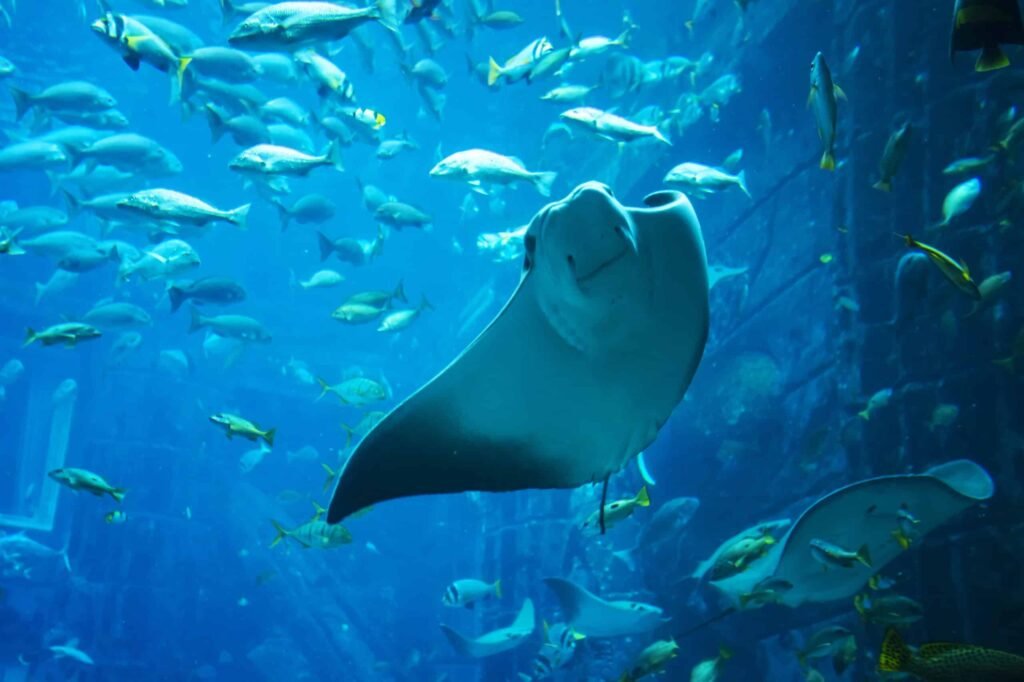
Even fish have been observed engaging in play. Certain species, like manta rays, exhibit behaviors that appear to have no other function than enjoyment, such as playing in bubbles or currents. These activities might suggest that play—and potentially a sense of humor—is not limited to traditionally higher mammals but spans a much broader section of the animal kingdom.
The Science of Animal Play: Tools and Techniques

Investigating humor in animals involves meticulous observation and innovative technological tools. Behavioral studies typically employ video analyses and ethograms, charts that categorize and quantify different behaviors. These methods help decipher the complex play patterns and potential humor in animal behaviors, offering insight into their emotional lives.
Recognizing Humor: A Human Perspective

While humans can project their interpretations onto animal behaviors, truly understanding animal humor or play requires recognizing that animals may experience joy and amusement differently from humans. Like the varied languages of different species, humor is likely nuanced and diverse, necessitating open-mindedness in research interpretations.
Bringing It Together: The Bigger Picture

The playfulness observed in the animal kingdom not only underscores the emotional and cognitive depth of various species but also enriches our understanding of their social structures and purposes. While definitive evidence of a sense of humor in animals may still be developing, the joy and amusement they express through play is undeniable.
Conclusion

As we unravel the complexities of play and humor in animals, we find that the gap between humans and other species isn’t as vast as once thought. Animals exhibit behaviors that suggest enjoyment, pleasure, and perhaps even humor. In embracing this playfulness, scientists and animal lovers alike can foster a deeper appreciation for our fellow inhabitants of Earth, acknowledging that joy and laughter may indeed be universal languages that bind us all.