
Have you ever looked at ancient inscriptions and wondered what stories they hold? Scattered across dusty museums and remote archaeological sites around the world lie thousands of clay tablets, weathered stone monuments, and crumbling manuscripts covered in mysterious symbols. These artifacts represent the thoughts, laws, dreams, and daily lives of civilizations that flourished millennia ago. Yet many of them remain stubbornly silent, their messages locked behind writing systems we still cannot fully comprehend.
Think about it. Entire chapters of human history sit just beyond our grasp, waiting for someone to crack the code. The challenge of deciphering lost languages is one of the most fascinating puzzles in modern scholarship, combining detective work, linguistic genius, cultural understanding, and increasingly, cutting-edge technology. So let’s dive into this captivating world where ancient voices are finally beginning to speak again.
The Monumental Challenge of Reading the Unreadable
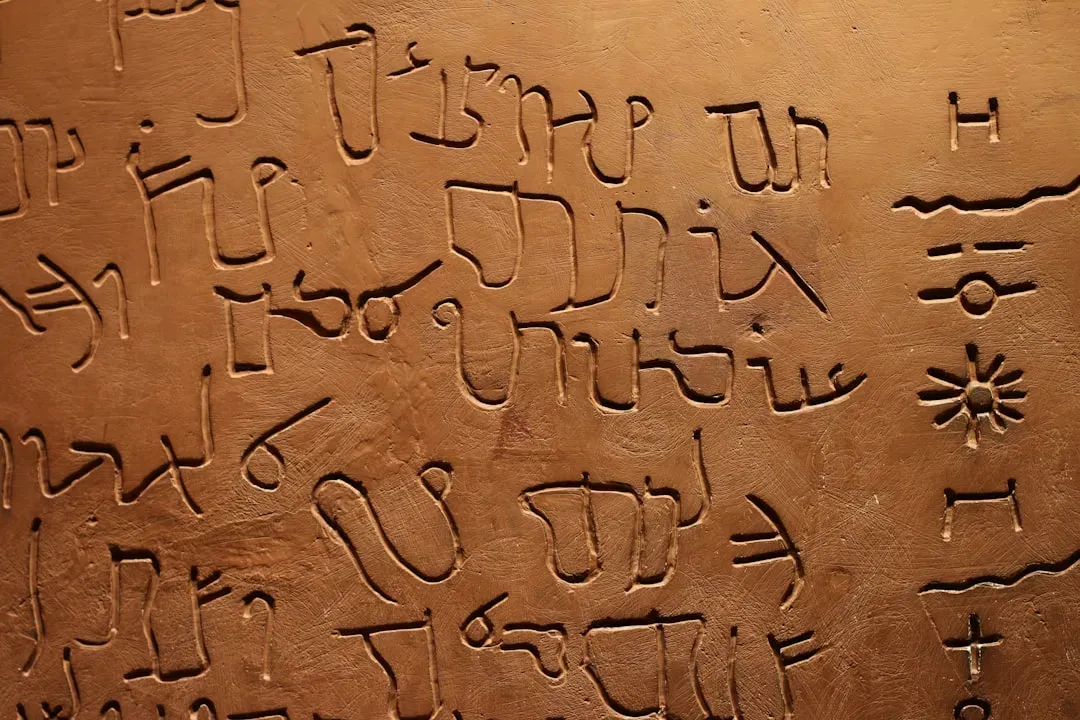
Despite advances in technology and artificial intelligence, mysterious undeciphered languages from ancient civilizations continue to puzzle scholars, with writing systems left behind on stone tablets, seals, and pottery shards offering glimpses into once-thriving cultures whose voices remain silent. Today roughly a dozen forms of writing remain undeciphered. The problem isn’t just that these languages are old or forgotten.
Scripts that remain undeciphered occupy that category for a reason: They present extraordinary challenges. One of the biggest obstacles is the absence of a bilingual key like the Rosetta Stone, which helped decode Egyptian hieroglyphs, and without such a reference, matching symbols with sounds or words becomes extremely difficult. Some scripts have only a handful of surviving examples, making pattern recognition nearly impossible. Others are written in languages that have no known descendants, leaving linguists without a linguistic family tree to guide them.
When Stones Finally Spoke: Historic Breakthroughs
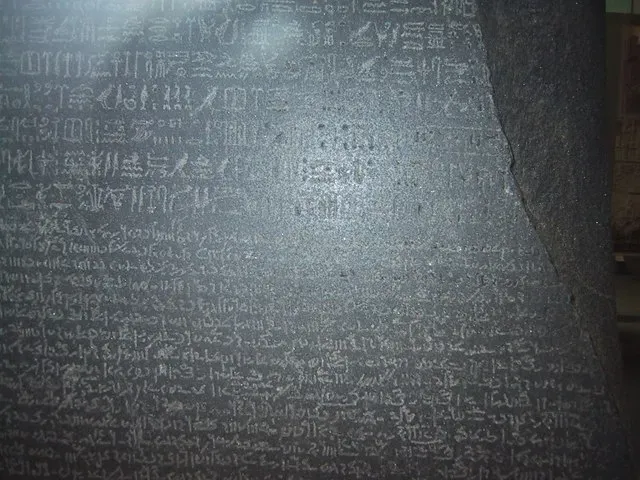
The history of decipherment is filled with remarkable human triumphs. French linguist Jean-François Champollion decoded Egyptian hieroglyphics in 1822. Dead languages are famously hard to decipher, with Egyptian hieroglyphics on the Rosetta Stone taking 23 years to crack, Mayan glyphs taking nearly two centuries to understand, and Linear B taking over 3,000 years to reveal as the earliest form of Greek.
These breakthroughs changed everything. Before hieroglyphics were understood, ancient Egypt was known only through its architectural remains and external historical accounts. After decipherment, the civilization started speaking directly to modern scholars, revealing not just the grand sweep of dynasties and pharaohs, but intimate details of ordinary people’s lives, their religious beliefs, their jokes, and their sorrows.
The process requires extraordinary patience. Linguists study symbol frequencies, look for recurring patterns, identify proper nouns that might appear in multiple languages, and analyze archaeological context. Sometimes a single insight can unlock an entire system.
The Digital Revolution: AI Enters the Ancient World
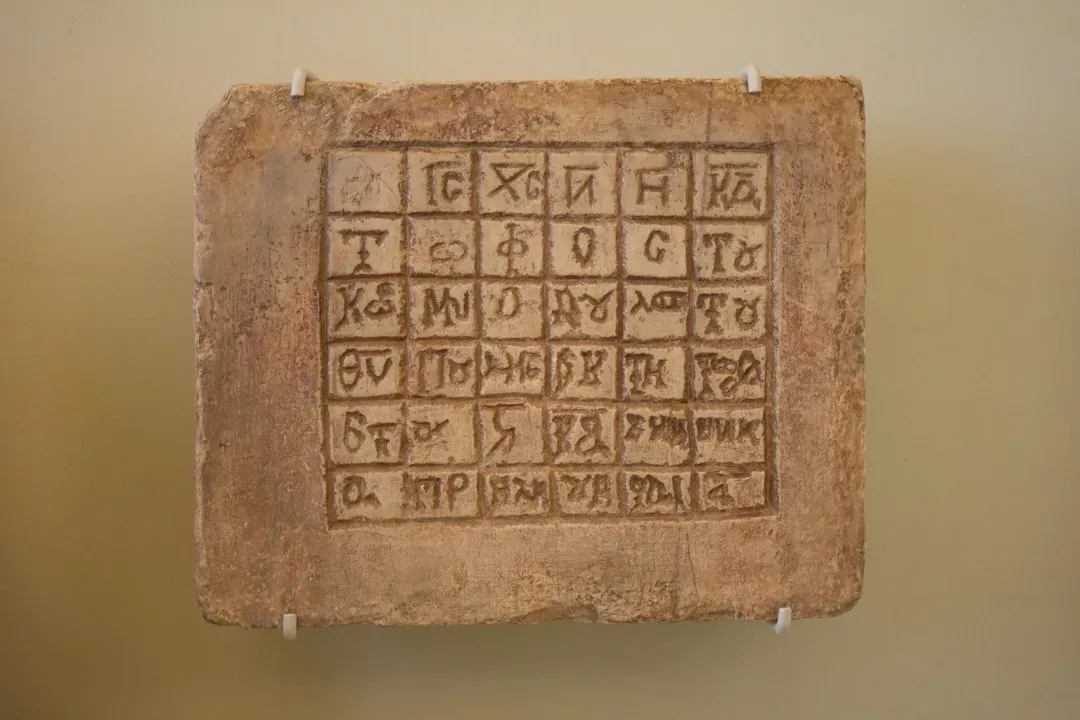
A new generation of scholars has set forth, often with the aid of new technology, to reveal the last secrets of the ancients, with decipherers using AI in recent years to locate archaeological sites, restore illegible texts, and analyze linguistic patterns. Here’s the thing though: artificial intelligence isn’t replacing human scholars. It’s supercharging their efforts in ways that would have seemed like science fiction just years ago.
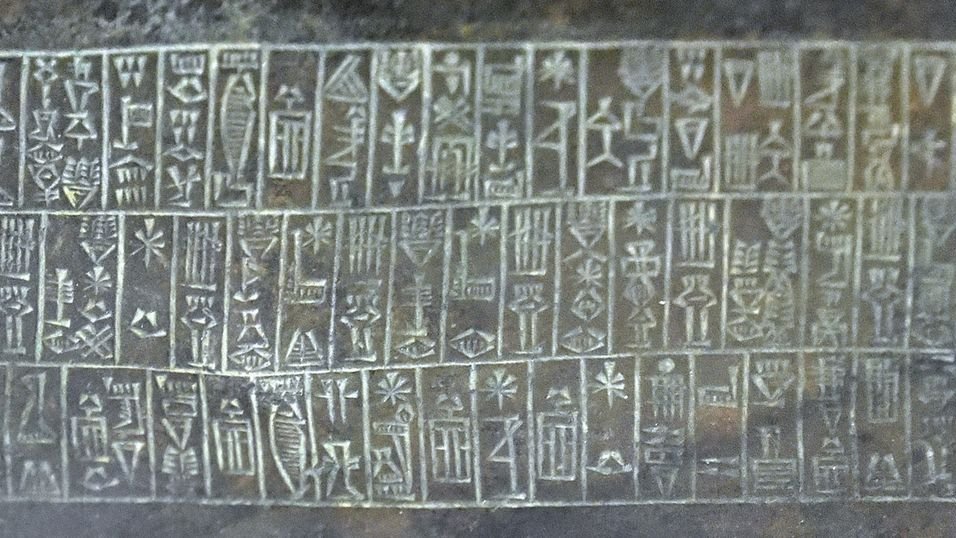
Tens of thousands of cuneiform tablets are sitting around waiting to be translated, which isn’t an easy job since the ancient language is based on wedge-shaped pictograms and includes more than 1,000 unique characters. There are so few people who can read the extinct language that nearly a million Akkadian texts still haven’t been translated to date, but now an A.I. tool can decode them within seconds. This is revolutionary. What once took trained experts years of painstaking work can now happen almost instantaneously, at least for the initial translation.
Teaching Machines to Think Like Ancient Scribes

How exactly does AI crack these ancient codes? Any language can change in only certain ways, with symbols in related languages appearing with similar distributions and related words having the same order of characters. Machine learning algorithms can process massive datasets, identifying patterns at speeds and scales impossible for human scholars.
Researchers trained a machine learning system called Deepscribe on 6,000 hand-annotated images from the Persepolis Fortification Archive identifying some 100,000 signs, with these texts written in the Elamite language from around 500 BC and researchers understanding the text well enough to create an accurate dataset. The model achieved roughly four-fifths accuracy. Similar systems have been developed for cuneiform, Egyptian hieroglyphics, and ancient Greek inscriptions, with varying degrees of success.
Still, there’s a crucial limitation. While AI has sped up the translations of languages and writings already known to a handful of scholars, the technology has yet to demonstrate the creativity needed to decode hitherto unknown scripts.
Akkadian Cuneiform: Bringing Mesopotamia Back to Life
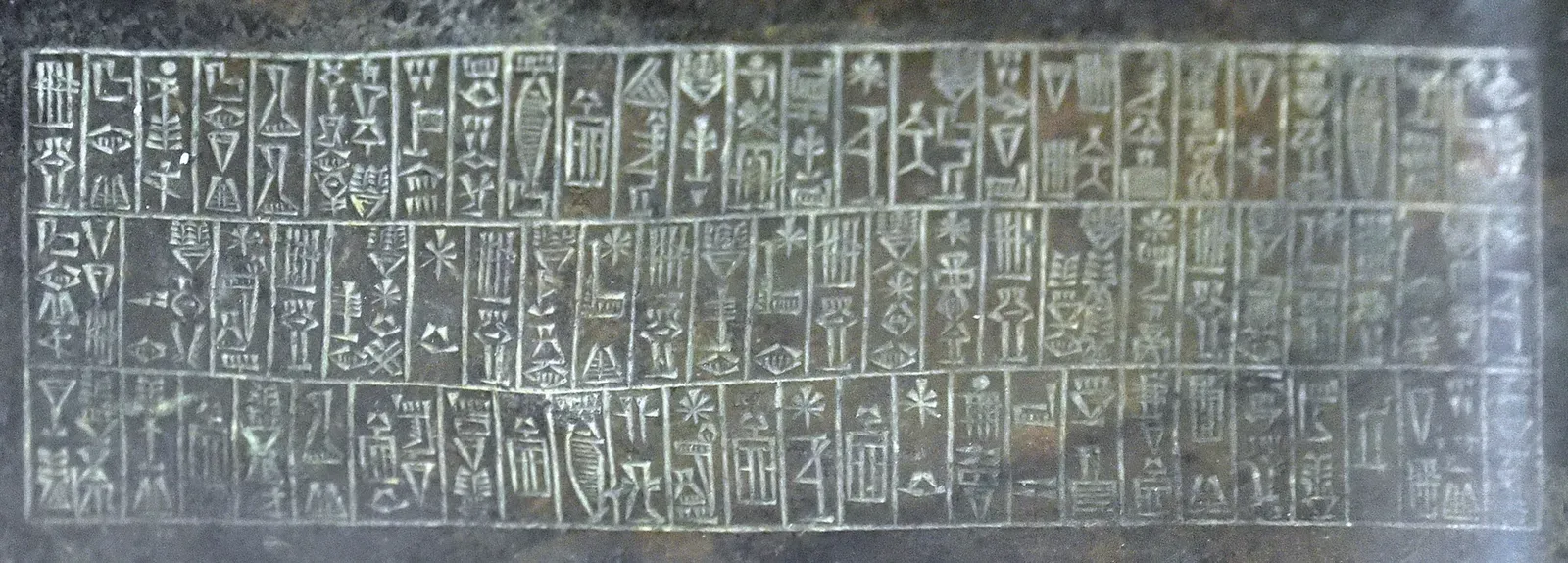
Akkadian cuneiform is one of the world’s oldest written languages, and there are so few people who can read the extinct language that nearly a million Akkadian texts still haven’t been translated, but now an A.I. tool can decode them within seconds. The significance of this cannot be overstated. Mesopotamia is sometimes considered the first empire in history, yet troves of knowledge about this foundational civilization remain completely untapped.
The research team developed a neural machine translation model for Akkadian cuneiform, training the AI model on a sample of cuneiform texts and teaching it to translate in two distinct ways: first, translating Akkadian from transliterations of the original texts, and second, translating cuneiform symbols directly. The AI had to handle nuances across various genres, from literary works to administrative letters, and manage changes in the script over millennia.
The results were impressive. In its transliteration to English test, the AI model scored 37.47, and in its cuneiform to English test it scored 36.52, with both scores above their target baseline and in the range of high-quality translation.
Greek and Latin: Even Deciphered Languages Need Help
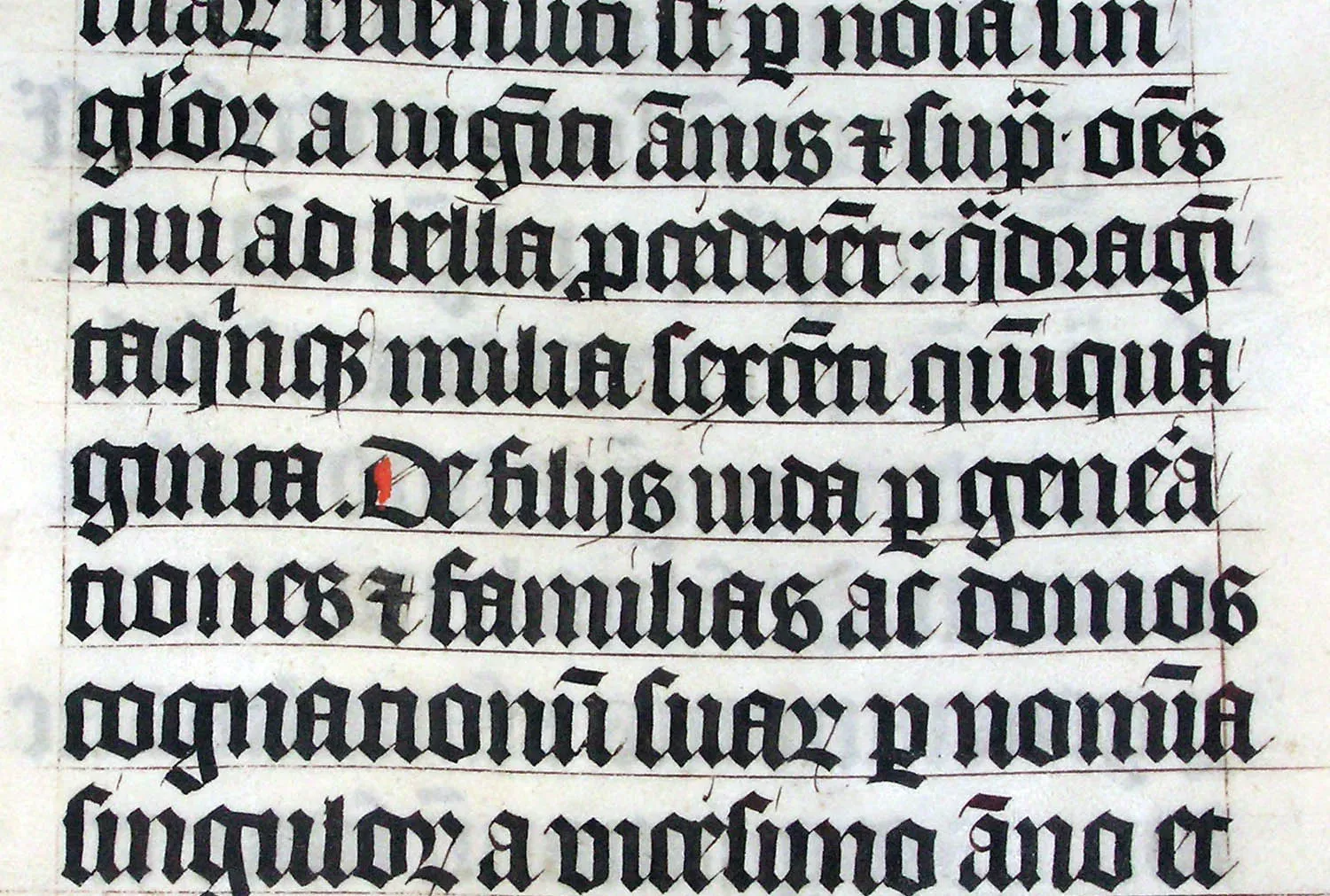
Let’s be real: even for languages we understand reasonably well, AI is transforming the field. Google DeepMind unveiled an artificial intelligence tool named Aeneas that can predict missing words in damaged Latin texts, determine where and when inscriptions were created, and identify historical connections between different texts across the Roman Empire. Named after the mythical Trojan hero, this system was trained on nearly 200,000 known Roman inscriptions.
Deepmind was trained to decipher damaged Ancient Greek tablets at scale, helping historians restore texts with 72% accuracy and predicting the date they were written within 30 years of their actual age, and even predicting the region where texts were written with 71% accuracy. These aren’t small improvements. They represent fundamental shifts in how quickly and accurately we can reconstruct the ancient world.
The Stubborn Mysteries That Won’t Yield
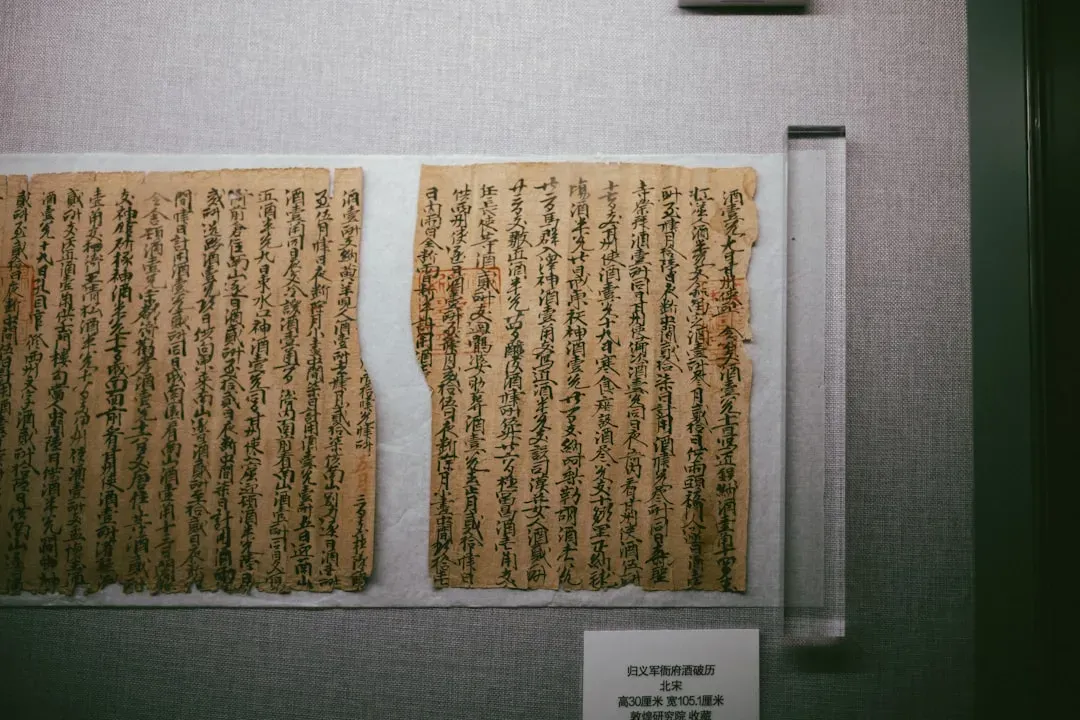
Not every story has a happy ending, though. Linguists have been working for a century to decipher Rongorongo, a collection of glyphs carved mostly into wood by the Rapa Nui people of Easter Island, but success has eluded the experts. The Indus script dates from around 3500 BC to 1900 BC. The Indus Valley script is found in what is now India and Pakistan, and despite appearing on hundreds of artifacts, the symbols are short and offer no clear sign of grammatical structure.
Linear A, used by the Minoan civilization of ancient Crete, remains another tantalizing puzzle. Nobody knows what language Linear A encodes, with attempts to decipher it into ancient Greek having all failed, and without the progenitor language, new translation techniques do not work. These mysteries may remain unsolved for generations, perhaps forever.
The Human Element: Why Machines Can’t Do It Alone

Artificial intelligence, though increasingly used in this field, struggles with small datasets, and AI mimics reasoning by rearranging known words rather than generating original insight, which can lead to misleading conclusions. I know it sounds crazy, but this limitation is actually critical to understand. Machines lack cultural intuition, the ability to understand metaphor, humor, and the subtle contextual clues that make language rich and meaningful.
The most promising approach to decoding ancient scripts merges machine learning technology with traditional linguistic expertise, with machine learning processing and analyzing data at unimaginable speeds and scales, but human linguists playing an irreplaceable role in interpreting findings and applying cultural, historical, and contextual knowledge that AI lacks. It’s truly a partnership. The computer identifies patterns; the human interprets meaning.
What These Voices Tell Us About Ourselves
Why does all this matter? AI is helping to decode not just the words but the emotions and intents behind ancient texts, with AI decipherment of Egyptian love poetry uncovering nuanced uses of metaphor and symbolism revealing profound human emotions like yearning and devotion resonating across millennia, showing that ancient people grappled with the same emotions and challenges as modern humans.
Think about that for a moment. Someone living thousands of years ago felt love, experienced heartbreak, worried about their children, laughed at jokes, feared death, hoped for better days. These tablets and inscriptions aren’t just historical artifacts. They’re windows into the universal human experience. Every deciphered text brings us closer to understanding not just ancient civilizations, but ourselves.
Beyond emotional resonance, there are practical insights too. Ancient texts contain knowledge about astronomy, medicine, agriculture, law, trade networks, and technological innovations. Some tablets are mundane records of livestock or grain shipments. Others contain epic poetry or religious wisdom that influenced entire cultures.
The Future of Decipherment: What Comes Next?
The scholarship under way now to recover and decipher some of the oldest and most mysterious writing is reshaping our view of how languages spread, and in some cases, how early writing itself might have begun. We’re standing at an exciting crossroads where traditional scholarship meets computational power. Projects around the world are digitizing ancient texts at unprecedented scales, creating databases that AI can analyze.
A comprehensive survey of published research using machine learning for ancient texts introduces a taxonomy of tasks including digitization, restoration, attribution, linguistic analysis, textual criticism, translation, and decipherment, with this work mapping the interdisciplinary field carved out by synergy between humanities and machine learning and highlighting how active collaboration between specialists from both fields is key to producing impactful scholarship.
The next frontier might involve using AI to tackle the truly unknown scripts with brute-force approaches, testing every possible language connection until patterns emerge. Some scholars are developing portable translation devices that could be pointed at ancient texts for instant analysis. Others are using hyperspectral imaging combined with AI to reveal erased or faded texts beneath visible writing.
What would you guess we’ll discover next? Perhaps a lost epic poem rivaling Gilgamesh. Maybe administrative records that rewrite our understanding of ancient economies. Possibly religious texts that illuminate belief systems we’ve only glimpsed through archaeology. The possibilities are genuinely thrilling.
Every deciphered symbol is a voice from the past finally being heard. Every translated tablet is a conversation across millennia. These aren’t just academic exercises for dusty scholars in ivory towers. They’re acts of remembering, of honoring the people who came before us, of preserving the full scope of human achievement and struggle. What stories do you think are still waiting to be told?