Record-Breaking Molecules in Ancient Rock (Image Credits: Unsplash)
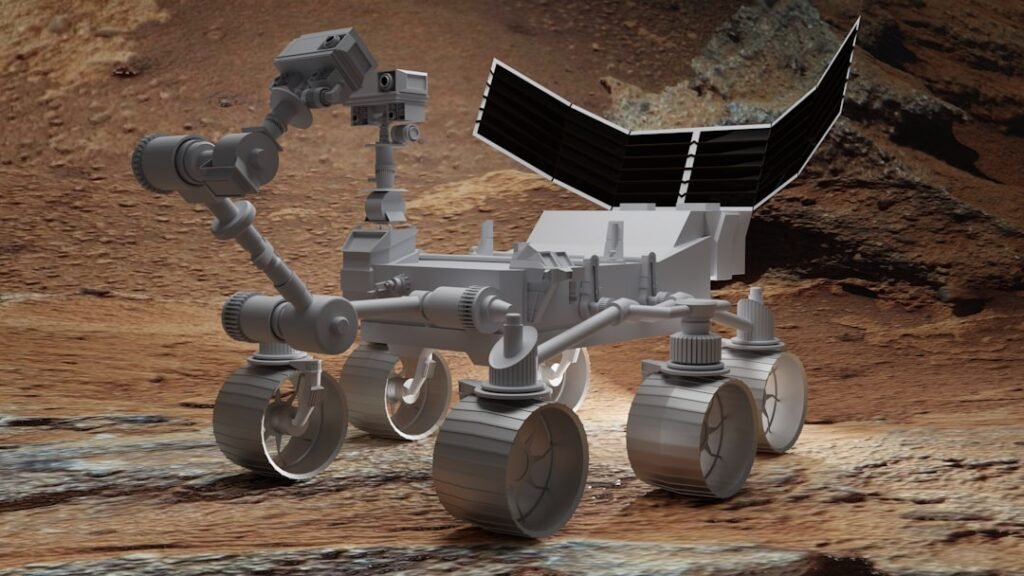
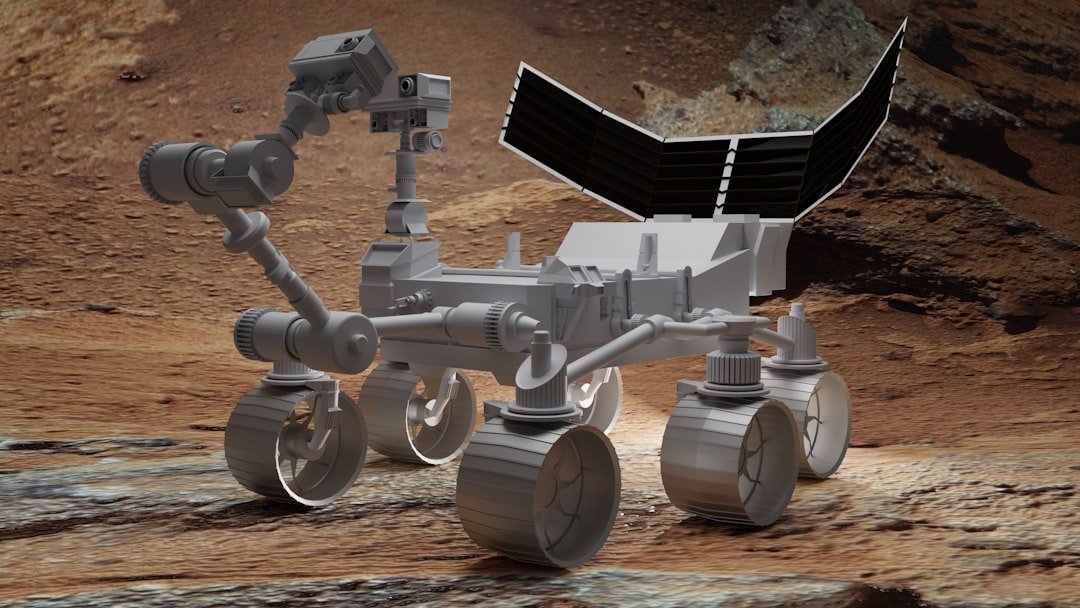
NASA’s Curiosity rover continues to rewrite our understanding of the Red Planet’s past. Since its landing in Gale Crater over a decade ago, the mission has uncovered organic molecules preserved in ancient sedimentary rocks billions of years old. These carbon-rich compounds mirror the chemical precursors that sparked life on Earth, yet their presence raises profound questions about Mars’ history.
Record-Breaking Molecules in Ancient Rock
Researchers examining pulverized samples from Curiosity’s Sample Analysis at Mars instrument struck gold with the largest organic compounds detected on Mars to date. Chains of up to 12 carbon atoms, including potential fragments of fatty acids, emerged from a 3.7-billion-year-old mudstone.[1][2] This find surpassed previous detections and hinted at complex chemistry in Mars’ wetter era.
The Cumberland rock sample, analyzed onboard, yielded long-chain hydrocarbons never seen in such scale before on the planet’s surface. Scientists processed the data over years, confirming the molecules’ persistence despite harsh radiation and oxidation. This discovery built on earlier evidence from the same region, amplifying excitement among planetary experts.
A Diverse Array of Carbon Compounds
Curiosity’s toolkit revealed a variety of organics, from aromatic and aliphatic types to sulfur-containing thiophenes. These molecules appeared in drill samples from layered bedrock formed when Gale Crater held a lake. The diversity suggested robust preservation mechanisms in Martian sediments.[3][4]
Earlier in the mission, the rover identified thiophenes and methane fluctuations, adding layers to the organic story. Recent experiments, including one from 2020 reanalyzed in 2026, detected over 20 compounds, some nitrogen-bearing and akin to proto-DNA structures. Such variety underscores Mars’ potential as a former habitable world.
Unraveling the Source: Meteorites Fall Short
Non-biological explanations, like meteorite delivery or geological processes, dominated initial theories. However, a 2026 study challenged this view, showing that extraterrestrial influx alone could not account for the organics’ abundance in Curiosity’s samples. Ordinary geology also failed to fully replicate the findings.[5][6]
Thiophenes, for instance, matched patterns seen in early Earth life remnants, prompting biotic hypotheses. While no direct life evidence exists, the molecules’ complexity fuels debate. Researchers emphasized that Mars’ ancient lakes provided ideal conditions for such chemistry billions of years ago.
- Thiophenes: Sulfur rings found in 2018 samples, linked to possible microbial activity.
- Long-chain alkanes: Up to 12 carbons, detected in 2025 Cumberland analysis.
- Methane variations: Seasonal changes hinting at ongoing processes.
- Nitrogen organics: Newly confirmed, resembling life’s genetic precursors.
- Aromatic compounds: Stable survivors of Mars’ harsh environment.
Pathway to Future Missions
These organics pave the way for advanced rovers like ESA’s Rosalind Franklin, set to drill deeper for pristine samples. Curiosity’s data equips upcoming missions with targets and techniques. The findings affirm Mars’ role in astrobiology, bridging Earth’s origins to extraterrestrial possibilities.[7]
Planetary scientists now prioritize return-sample missions to Earth labs for unambiguous analysis. The rover’s longevity, over 12 years and counting, delivers steady insights amid Perseverance’s parallel efforts. Each molecule strengthens the case for Mars’ habitable past.
Key Takeaways
- Curiosity confirmed diverse organics, including record-long chains, in billion-year-old rocks.
- Meteorites and geology cannot fully explain their presence, opening biotic doors.
- Discoveries bolster Mars’ habitability history and guide next-generation exploration.
Curiosity’s persistent quest reminds us that Mars holds secrets just beneath its dusty veil, challenging assumptions about life’s cosmic reach. As analysis continues, these molecules stand as tantalizing clues to a potentially living past. What do you think about these findings? Share in the comments below.