
Imagine a fully formed planet, the size of Earth or even Jupiter, hurtling alone through the galaxy with no sun in its sky. No sunrise, no seasons, just endless night and a faint glow of distant stars. At first glance, it feels like the last place you’d ever expect life to exist.
But the more astronomers learn about worlds beyond our solar system, the less special sunlight seems as the only ticket to habitability. Hidden oceans, internal heat, thick atmospheres, and exotic chemistry push us to ask a wild question: could worlds wandering in the dark actually be alive on the inside?
The Strange Reality of Planets Without Suns
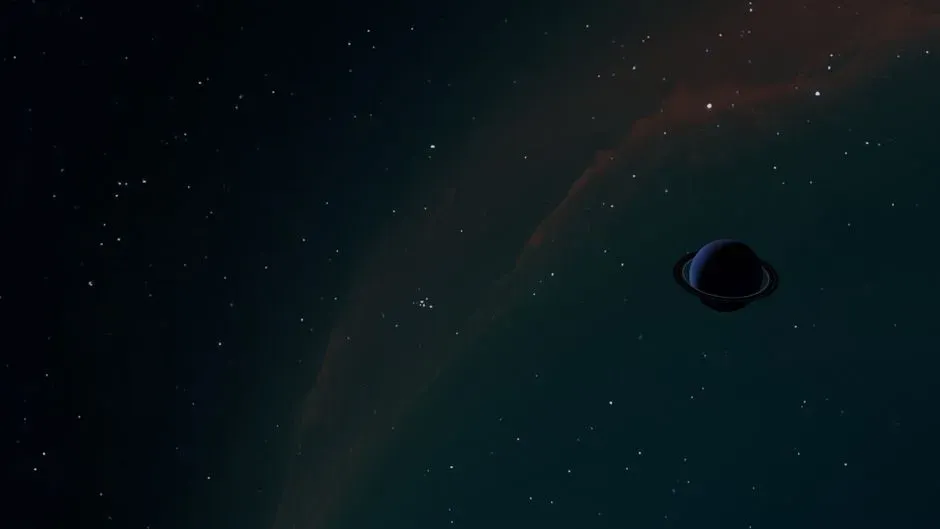
It sounds like science fiction, but rogue planets are very real. Instead of orbiting a star like Earth does, these planets drift freely through the galaxy, probably after being kicked out of their original planetary systems by gravitational chaos. Some are thought to be as massive as Jupiter or even larger, while others might be closer to Earth in size.
Because they do not orbit a star, rogue planets receive essentially no stellar light or warmth. From the surface, the sky would be black except for distant stars and maybe a faint glow from auroras or atmospheric effects. At face value, this seems like an instant death sentence for life, but that only holds if you assume life can only survive with a sun blazing overhead.
Internal Heat: A Hidden Energy Source in the Dark
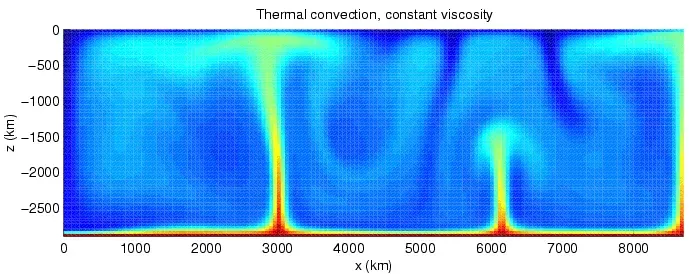
Even without a star, a planet is not completely cold and dead. Radioactive elements inside a planet’s interior constantly decay, releasing heat in the same way Earth’s core stays hot and powers volcanoes and plate tectonics. On massive planets, this internal heat can be significant, especially early in their history when they are still cooling from formation.
In addition to radioactivity, tidal heating and residual formation heat can keep the interior warm for billions of years. A thick insulating layer of rock, ice, or atmosphere can trap that heat, just like a blanket traps body warmth. In extreme cases, a big rogue planet might keep its interior hot enough to maintain liquid oceans beneath an icy crust, even while its surface is hundreds of degrees below freezing.
Atmospheres as Giant Thermal Blankets
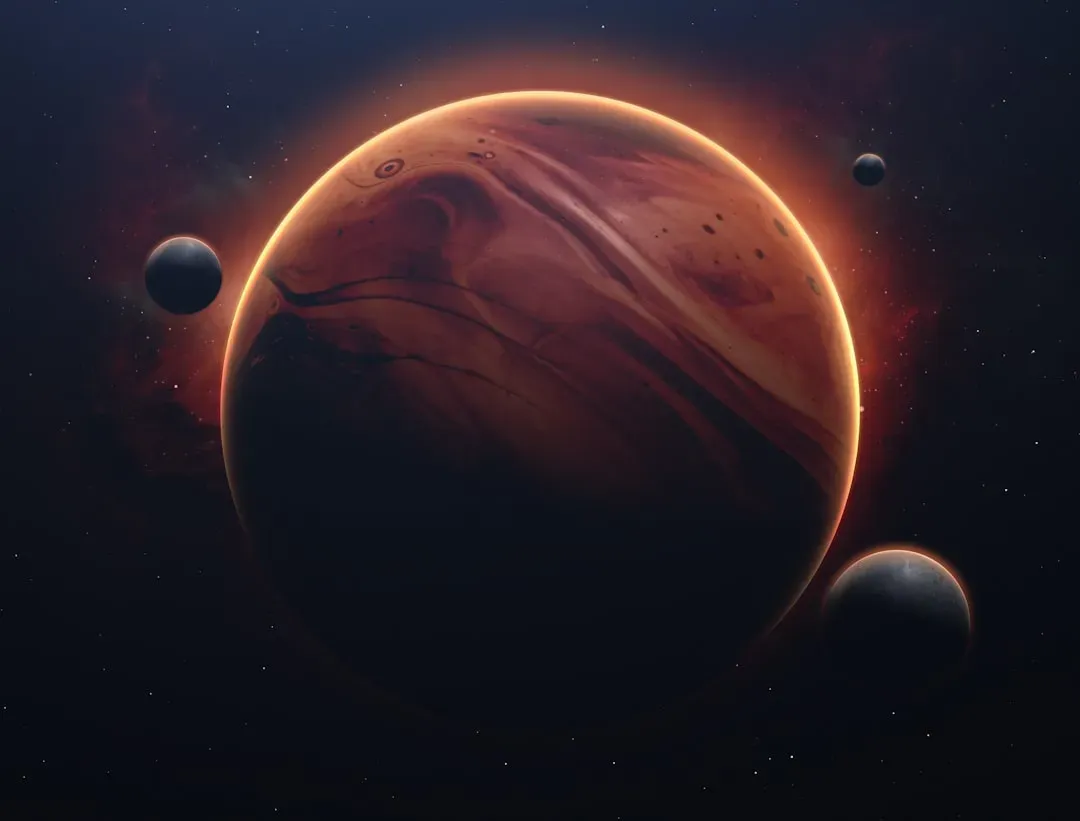
Here’s where things get really interesting: a rogue planet with a dense, hydrogen-rich atmosphere might not be as frozen as you’d expect. Hydrogen, especially when present in huge quantities, can act as a powerful insulating blanket, trapping the planet’s internal heat. Models suggest that a large planet wrapped in a thick atmosphere could maintain surface temperatures compatible with liquid water, even without a star.
That idea sounds almost unfair, like a cheat code for habitability. Instead of relying on distance from a star, such a world would rely on the thickness and composition of its air. It flips the usual notion of a “habitable zone” on its head and suggests that space is sprinkled not only with warm worlds near stars, but possibly with isolated, warm oases drifting alone between them.
Subsurface Oceans: Lessons From Europa and Enceladus
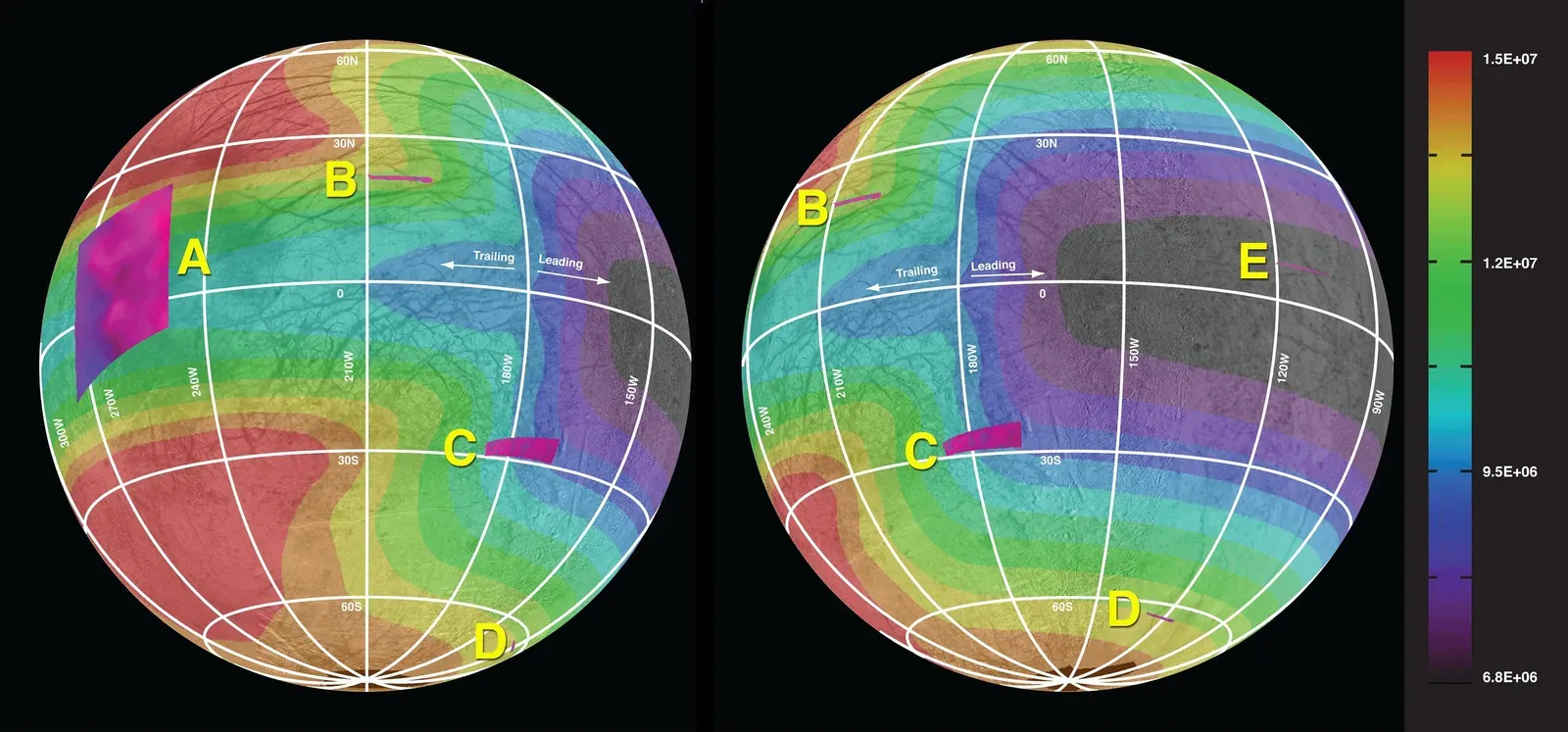
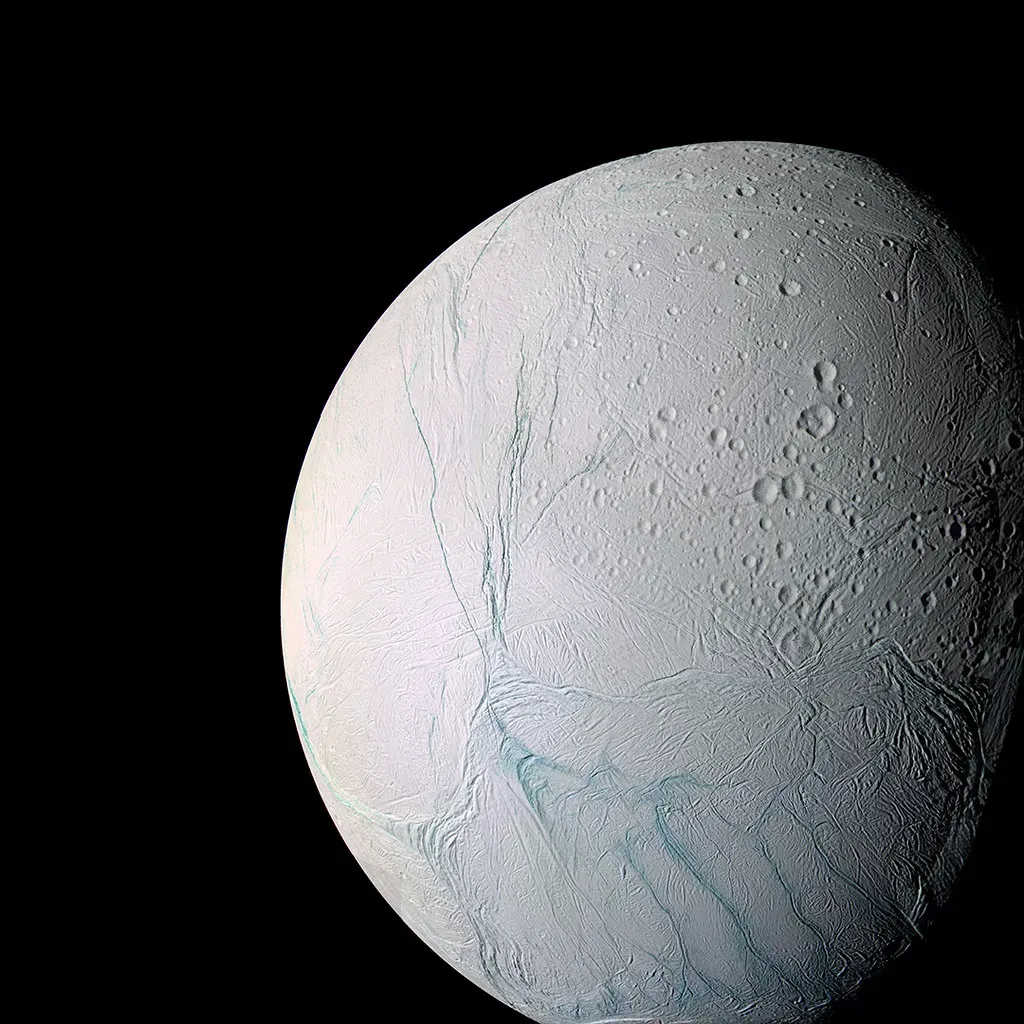
If rogue planets sound too exotic, we actually have local examples that hint at how they could work: the icy moons in our own solar system. Europa, Enceladus, and others appear to host liquid water oceans under thick shells of ice, warmed not by direct sunlight but by internal and tidal heating. Sunlight barely reaches those subsurface oceans, yet they remain liquid and dynamic.
Rogue planets could be like super-sized versions of these hidden ocean worlds. A frozen, pitch-black surface could hide a deep global ocean, warmed from below by a hot mantle or core. For life, that kind of environment might feel more like a deep-sea vent on Earth than a sunny beach – dark, pressurized, and hostile by our standards, but possibly stable and long-lived on geological timescales.
Could Life Actually Survive There, Not Just in Theory?
On Earth, life shows up in some wildly inhospitable places that never see sunlight. Microbes thrive around deep-sea hydrothermal vents, where chemical reactions fueled by the planet’s interior power entire ecosystems. Bacteria have been found kilometers underground, living off rock chemistry and tiny energy gradients that would seem laughably small to us.
Those examples matter because they show that life does not need sunlight if it has another energy source. On a rogue planet, hydrothermal vents at the bottom of a subsurface ocean could provide similar chemical energy. Even if the life there were simple and slow-growing, something like a deep, dark biosphere powered by geology instead of a star is not impossible in principle – it is just an extreme extension of what we already see on Earth.
The Harsh Limitations: Why We Should Stay Skeptical
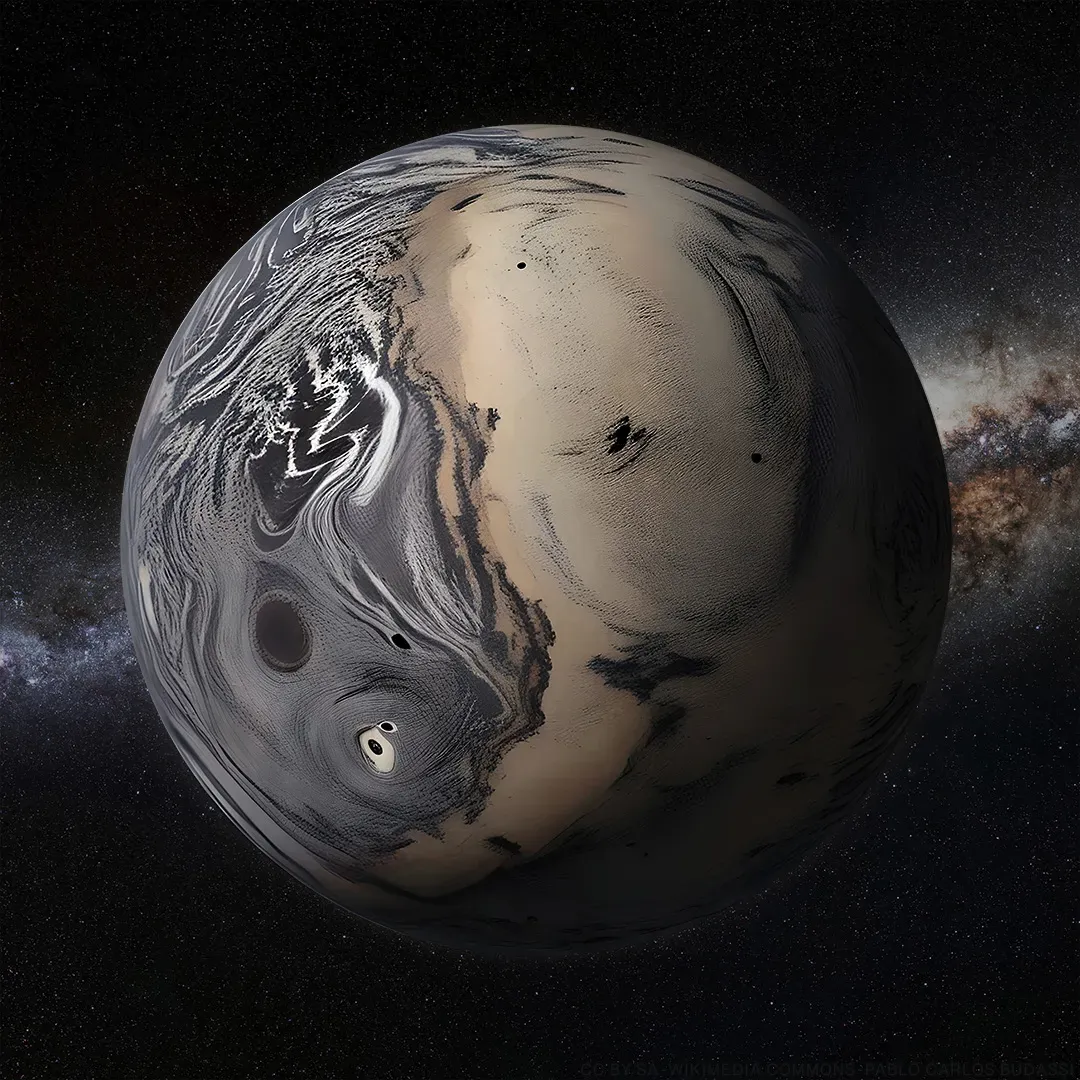
For all the exciting possibilities, it is important not to get carried away. Life needs more than just liquid water and some heat; it also needs stable conditions, useful chemistry, and enough energy to maintain complex molecules over long periods. Rogue planets face serious challenges: they may cool down over time, lose atmospheres to space, or never accumulate the right ingredients at the surface or in their oceans.
There is also the brutal problem of isolation. Without a nearby star, there is no easy way for us to detect subtle biosignatures like atmospheric gases produced by life. We cannot yet observe subsurface oceans on a distant, dark planet directly, so even if such worlds are teeming with microbes, they would be incredibly hard to confirm. From a scientific standpoint, rogue planet life remains a possibility that is hard to test and easy to overhype.
How We Might One Day Detect Life on a World With No Sun
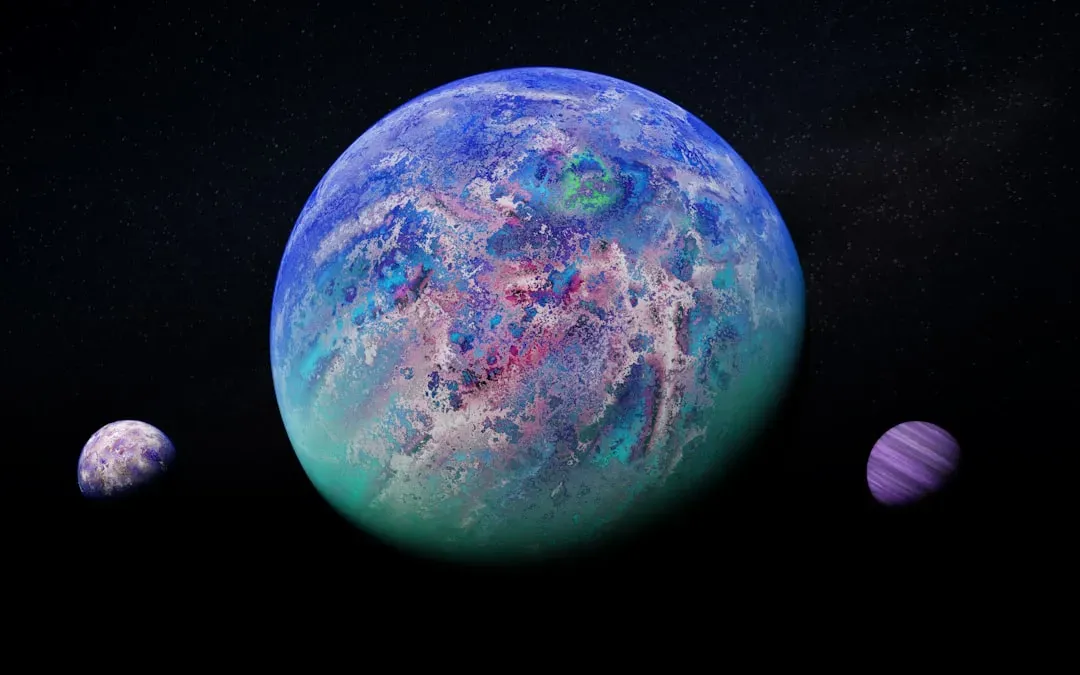
Despite the difficulties, astronomers are starting to get better at finding rogue planets themselves. Sensitive surveys and instruments can spot their faint infrared glow or detect their gravitational effects when they pass in front of distant stars. As technology improves, we may measure their atmospheres or temperatures more precisely and search for hints of thick insulating air or unexpected warmth.
In even more distant futures, some people imagine sending probes or starships to nearby rogue planets if any are close to our solar neighborhood. Up close, we could search for geysers like those on Enceladus, strange chemistry in any atmospheres, or temperature signatures that hint at subsurface oceans. Right now, that is speculation, but it shows how this question about life on rogue planets quietly pushes on the frontier of both astronomy and long-term space exploration dreams.
Why Rogue Planets Might Be Our Most Alien Yet Most Common Havens
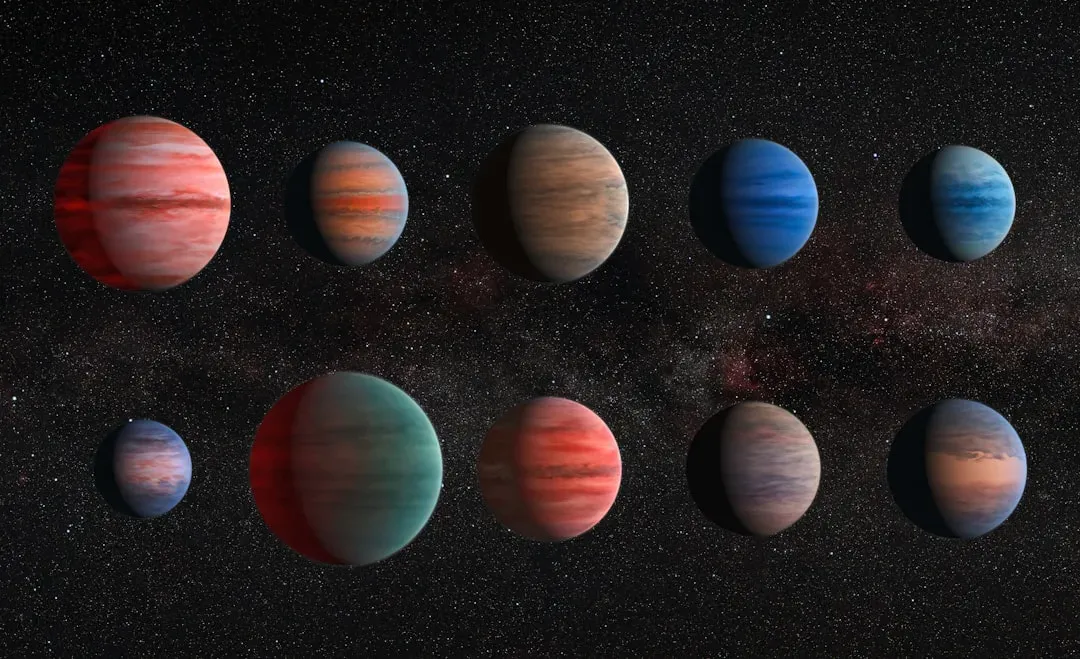
Here is my honest opinion: if life can exist on rogue planets, it is probably simple, hidden, and incredibly hard to detect – but also potentially very common. These planets might outnumber stars by a significant margin, which means that even if only a tiny fraction of them are habitable, the raw number of possible living worlds could still be enormous. Instead of a galaxy of bright, sunlit Earth-clones, we might be living in a galaxy where the majority of life hides in cold, dark, underwater caves on lonely worlds.
There is something quietly radical about that perspective. It suggests that life is not a delicate miracle that only appears in perfect springtime conditions, but a stubborn process that can adapt to darkness, pressure, and isolation as long as there is a little heat and a little chemistry to work with. To me, the real question is no longer whether rogue planets could support life, but whether we will ever be clever enough to find that life and recognize it for what it is. If the universe is full of dark, drifting biospheres, how many of them are we passing by right now without even noticing?