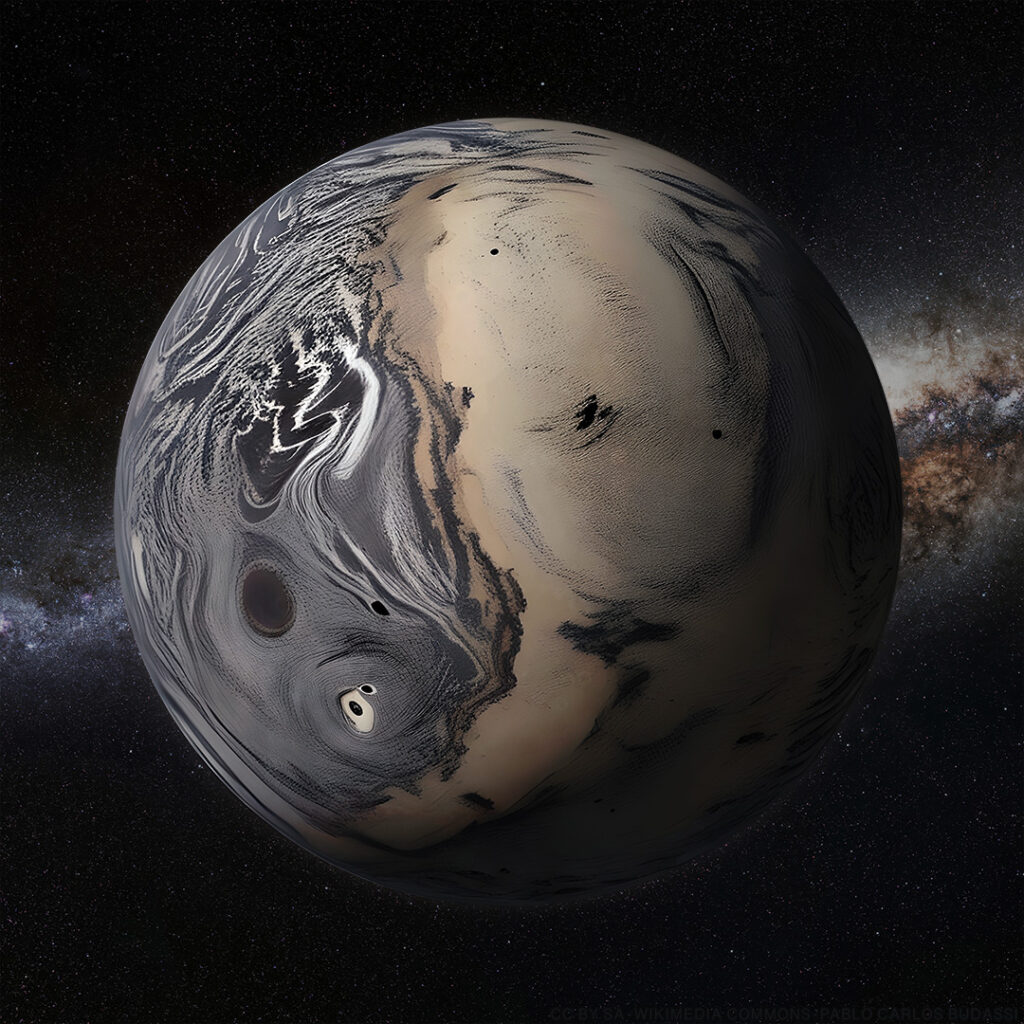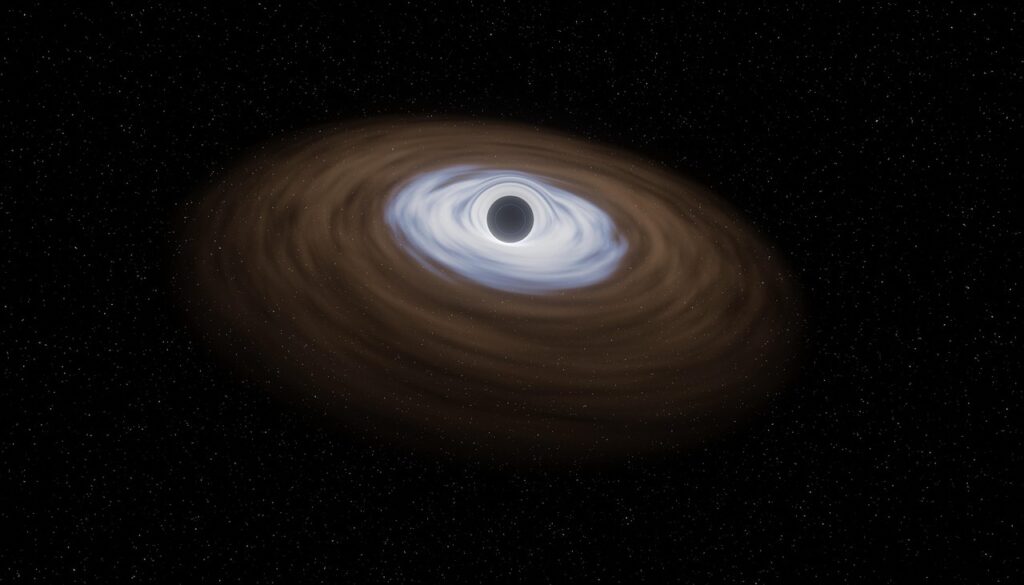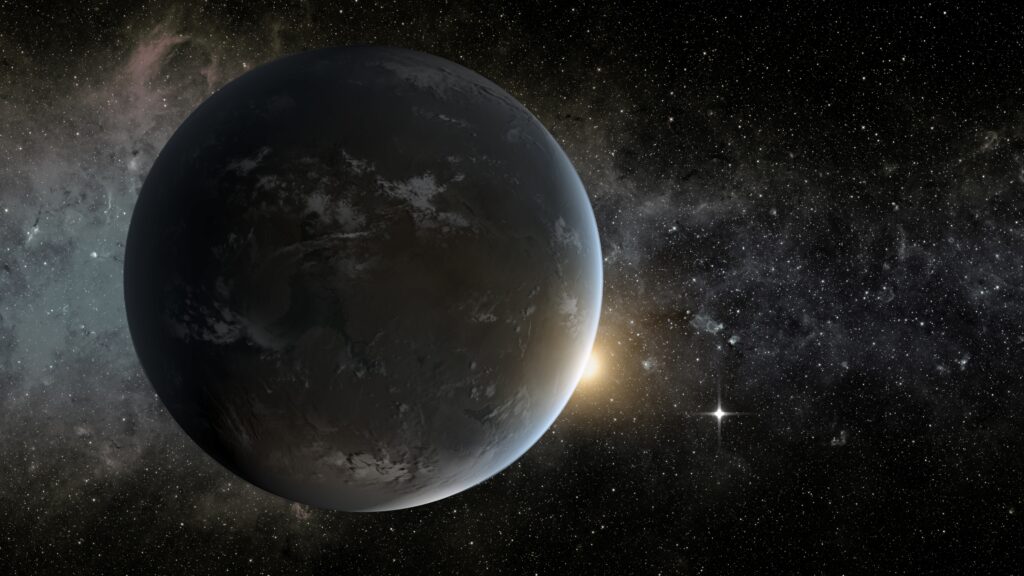

Every time astronomers think they’ve nailed down how planets are supposed to form, the universe casually rolls out a new world that looks like it was designed just to break the rules. For decades, textbooks promised neat stories: small rocky planets close in, gas giants far out, orbits mostly circular, compositions that more or less match their stars. Then exoplanet science exploded, and suddenly we were staring at planets that looked like cosmic pranks. Some are as puffy as cotton candy, some scorchingly close to their stars, some on bizarre orbits that make “stable system” sound like a joke.
The wildest part is that many of these planets were not predicted at all by the standard formation models built from our own Solar System. Instead of refining the theories, they’ve forced scientists to rip up their assumptions and start over, sometimes more than once. The eleven worlds below are not just oddities; they are the planets that keep theorists awake at night, because each one quietly says: maybe your entire picture of planet formation is still wrong.
1. 51 Pegasi b: The First Hot Jupiter That Broke the Textbooks
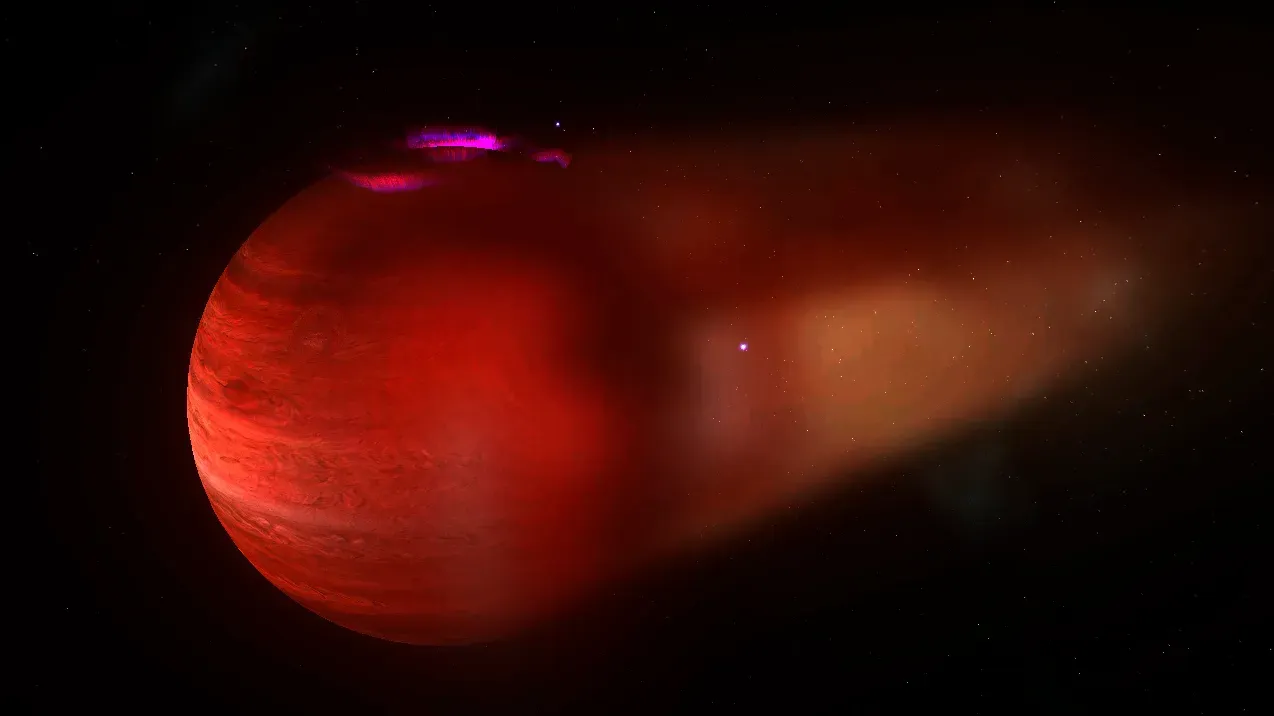
When 51 Pegasi b was discovered in the mid‑1990s, it landed like a bomb in planetary science. The standard model at the time said gas giants like Jupiter had to form far from their stars, beyond the so‑called snow line where ices can survive and help build massive cores. Yet here was a Jupiter‑mass planet whizzing around a Sun‑like star in only a handful of days, closer in than Mercury is to our Sun and heated to thousands of degrees.
Nothing in the neat, orderly Solar System prepared astronomers for something like this. To make sense of it, theorists had to invoke dramatic inward migration, where a giant planet forms far out and then spirals inward through the protoplanetary disk, somehow stopping before falling into the star. Even today, there’s still no consensus on exactly how such a large object moves that far without destroying the inner system. 51 Pegasi b did not just expand the catalog; it shattered the idea that our Solar System’s architecture was normal.
2. WASP‑12b: A Planet So Close It’s Being Torn Apart
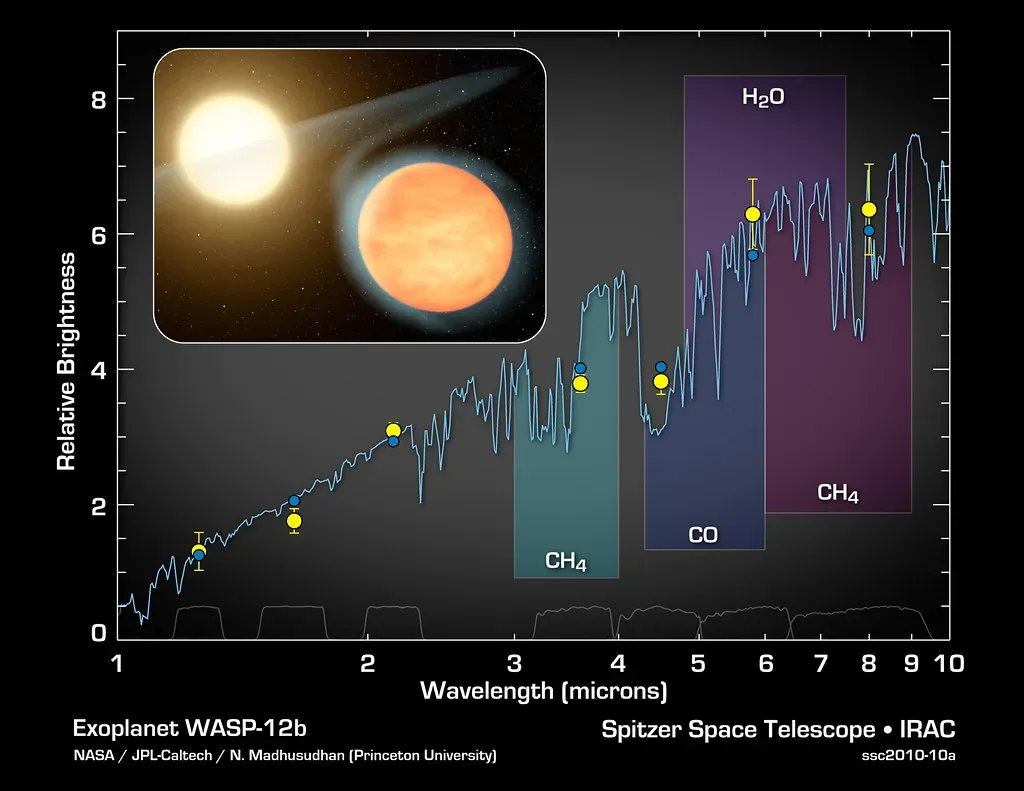
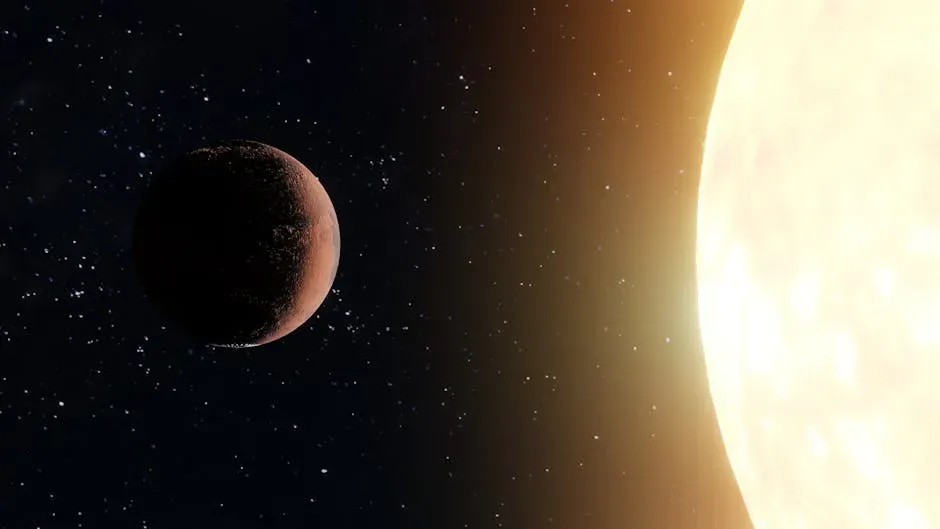
WASP‑12b is the kind of world that sounds like bad science fiction until you look at the data. It orbits its star so closely that its year is barely longer than a long weekend on Earth, and its atmosphere is heated to thousands of degrees. The star’s tidal forces are literally stretching the planet into an egg‑like shape and spiraling it toward destruction, with material being stripped away and forming a glowing shroud around the star–planet system.
From a formation perspective, WASP‑12b is a nightmare. A gas giant this close to its star could not have formed in place; the disk temperatures would have been far too high for gas to condense and stay bound. But simple migration models struggle to explain how it ended up on such an extreme orbit without being flung into the star or ejected entirely. The fact that we are catching this world in the act of being tidally shredded suggests that some systems go through short, violent phases that our long‑term formation models barely consider.
3. HD 209458 b (“Osiris”): The Planet With a Bleeding Atmosphere
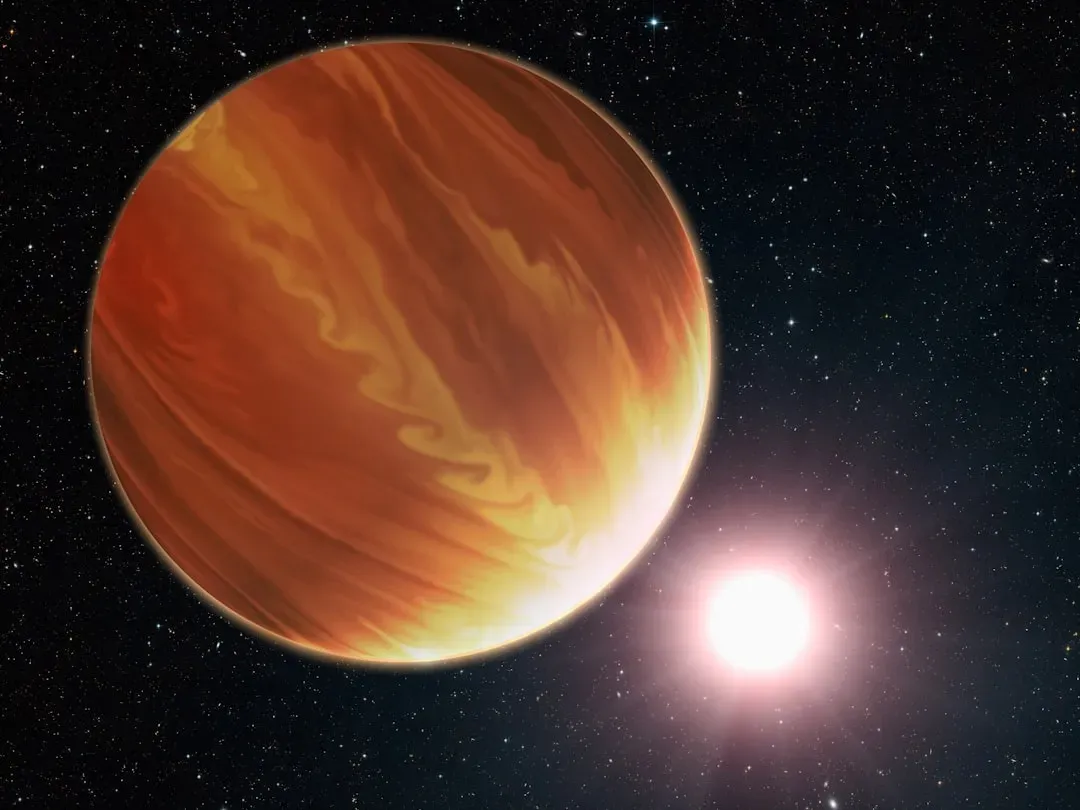
HD 209458 b, often nicknamed Osiris, was the first exoplanet whose atmosphere was observed evaporating into space in a dramatic comet‑like tail. Intense ultraviolet radiation from its star heats the upper atmosphere so strongly that hydrogen and other gases escape, forming a huge envelope that dwarfs the planet itself. This is not just a curiosity; it means close‑in gas giants can lose a significant fraction of their mass over time, reshaping the population of planets we see today.
Traditional formation models did not factor in long‑term, large‑scale atmospheric escape as a major sculptor of planetary systems. Osiris forced theorists to connect the dots between star type, radiation environment, magnetic fields, and planetary survival. It also raised a hard question: how many supposed “super‑Earths” and “mini‑Neptunes” are actually the stripped cores of once‑giant planets? If evaporation can carve a gas giant down over billions of years, then our categories for planet types may hide chaotic origin stories that our models have not fully captured.
4. Kepler‑36 b and c: Planets Packed Too Close for Comfort
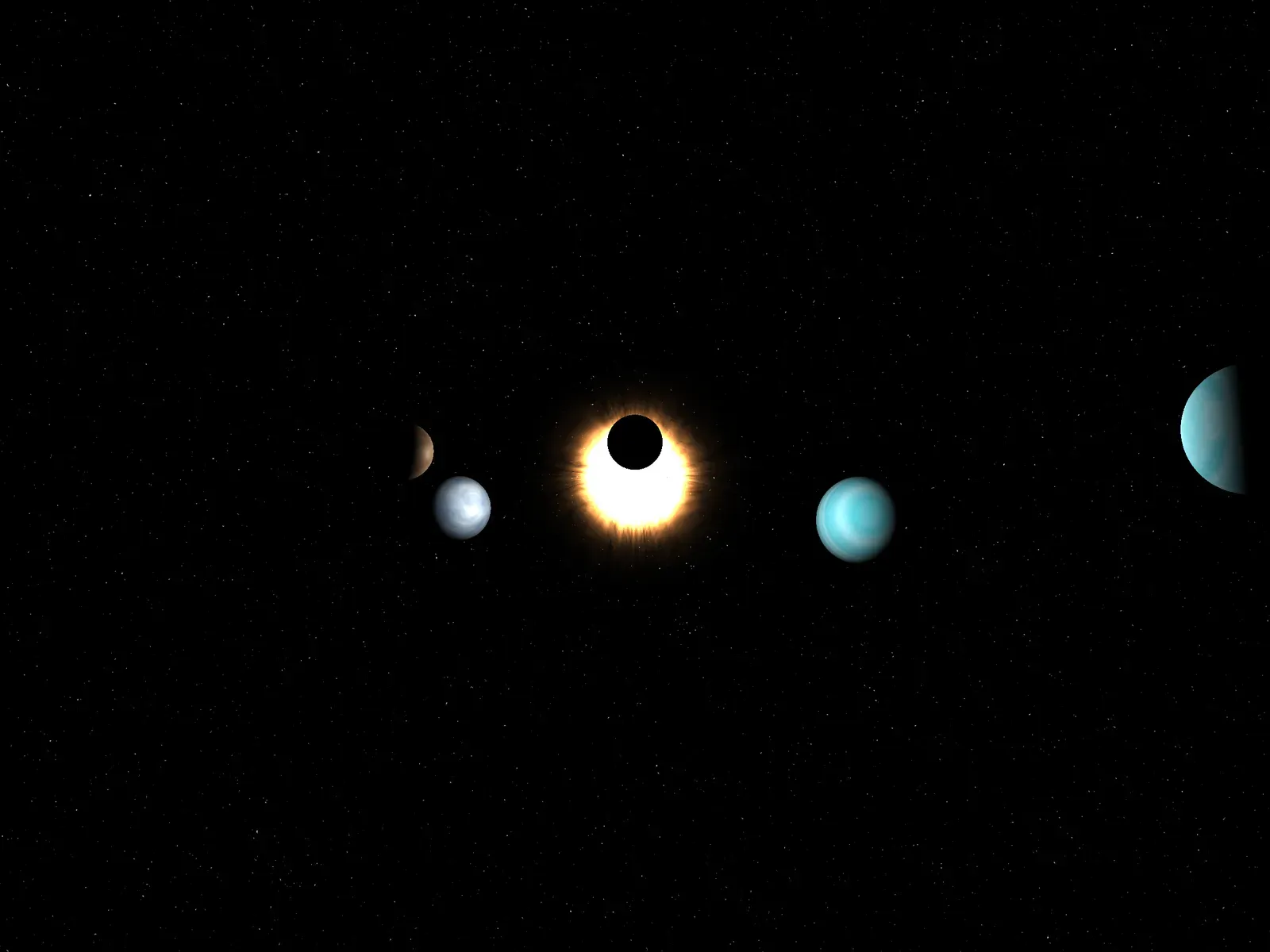
The Kepler‑36 system features two planets whose orbits are so close they defy the old idea of nicely spaced, stable configurations. One is a dense, rocky world; the other is a much puffier, Neptune‑like planet. Yet their orbital paths are only slightly separated, with conjunctions that bring them closer together than Earth and the Moon are apart in terms of orbital distance scales. This is the kind of arrangement that should be dynamically unstable in many simulations, yet it appears to have survived for a long time.
From a formation standpoint, this pairing is deeply uncomfortable. Standard models expect nearby planets to have somewhat similar compositions because they form from the same local material in the disk. Having a rocky world and a low‑density, gas‑rich neighbor sitting practically on top of each other suggests major migration, atmospheric loss, or violent scattering in the system’s past. To me, Kepler‑36 feels like the planetary equivalent of stacking a bowling ball and a beach ball on the same shelf and expecting them to stay put forever.
5. Kepler‑10c: The “Mega‑Earth” That Should Not Exist
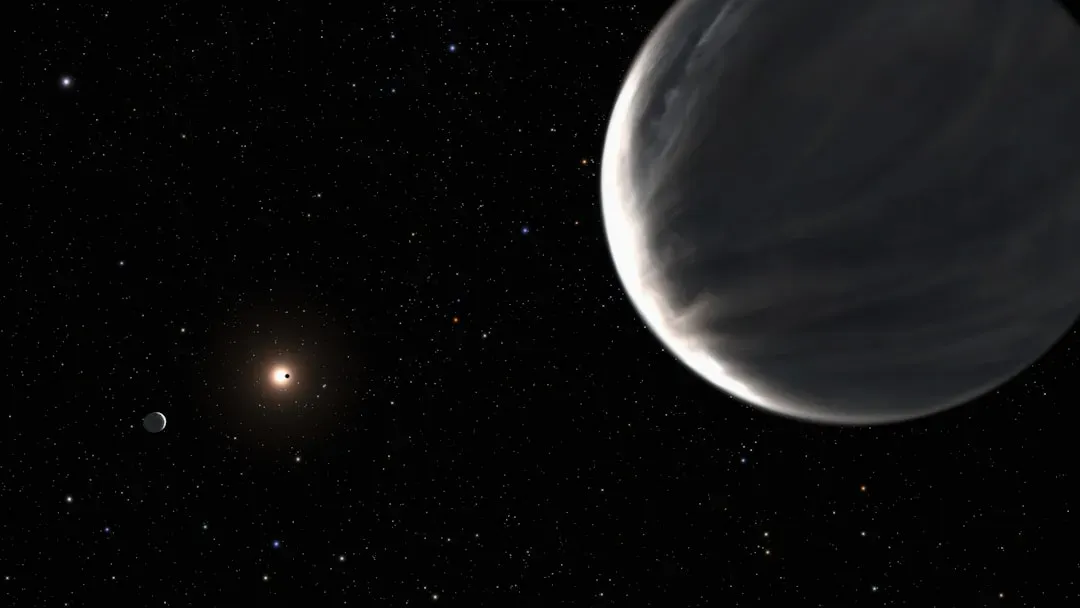
Kepler‑10c grabbed headlines because it appeared to be a massive, solid planet far larger than traditional models expected for a rocky world. This so‑called mega‑Earth or super‑massive terrestrial planet seemed to pack many times Earth’s mass into a relatively compact radius, implying a bulk composition dominated by rock instead of gas. The problem is that above a certain mass, most formation models predict that rocky cores should rapidly accrete thick gas envelopes and become mini‑Neptunes or gas giants instead of staying mostly solid.
Although later work refined the measurements and allowed for more nuance, the core puzzle remains: how can some planets grow so large without turning into gas‑rich worlds? Explanations range from extremely gas‑poor disks, to late formation after the gas has mostly vanished, to intense atmospheric stripping over time. None of those scenarios are fully satisfying across all cases. Kepler‑10c forced theorists to admit that planet formation may produce a broader range of rocky‑to‑gassy outcomes than their elegant, one‑size‑fits‑all curves suggested.
6. GJ 1214 b: The Murky “Water World” That Defies Simple Labels
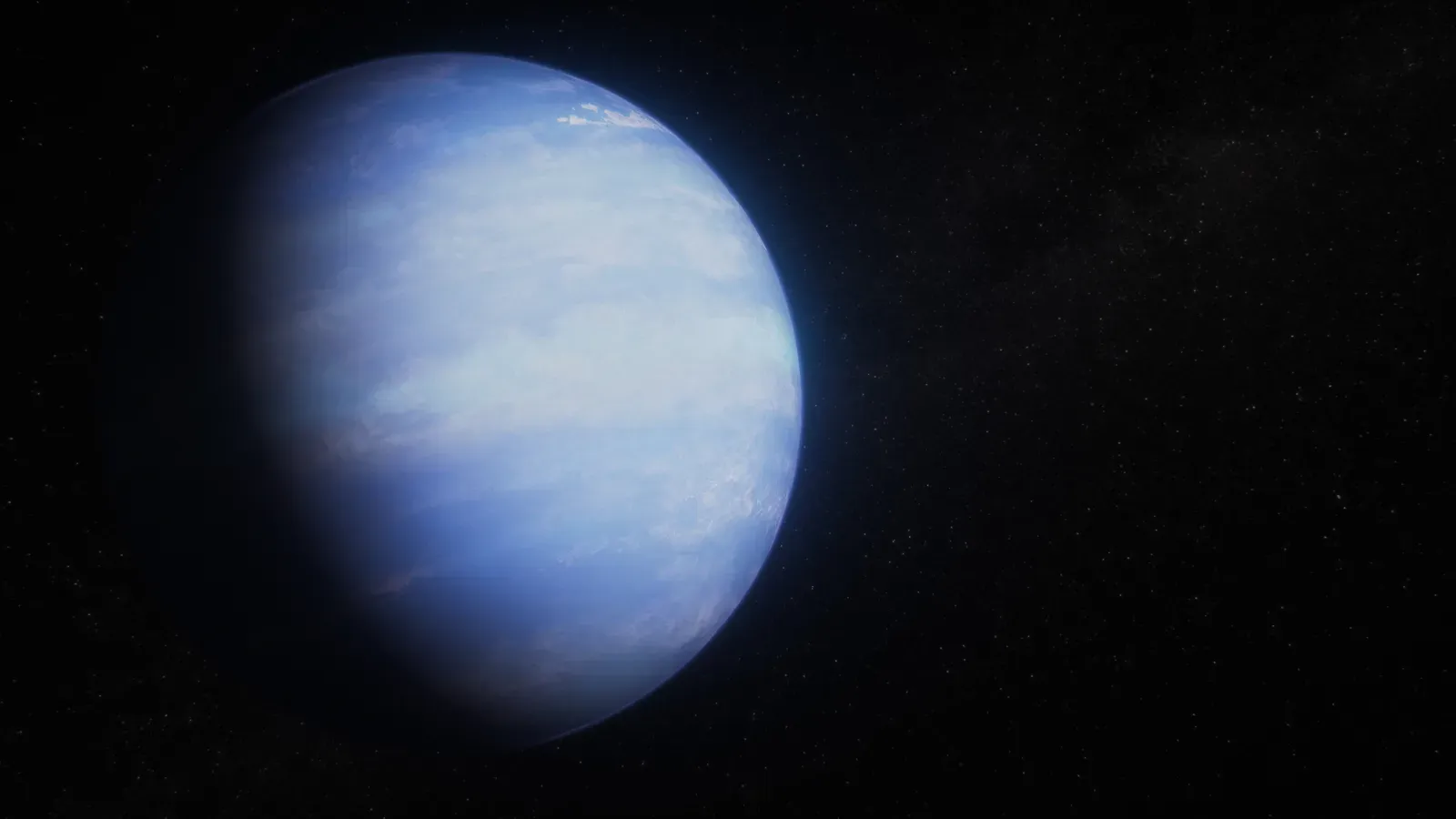
GJ 1214 b orbits a small red dwarf star and has a size and mass that fall between Earth and Neptune, but everything about its atmosphere has been maddeningly hard to pin down. Early on, many astronomers labeled it a potential water world, with a huge fraction of its mass in volatiles like water or exotic ices. Yet repeated observations showed a frustratingly featureless, hazy atmosphere, hiding its true composition behind thick clouds or photochemical smog.
This planet challenges the idea that we can cleanly separate small worlds into rocky super‑Earths and gas‑rich mini‑Neptunes based on simple radius and mass rules. Whatever GJ 1214 b is, it seems to sit in a grey zone where our models for disk chemistry, volatile delivery, and atmospheric evolution do not give unambiguous answers. To me, it is a warning that our categories are often more about our need for tidy boxes than about how planets actually form and live. When you cannot even agree whether a world is mostly rock, mostly water, or something in between, your formation theories are clearly incomplete.
7. TRAPPIST‑1 System: Packed Earth‑Sized Worlds Around a Cool Dwarf
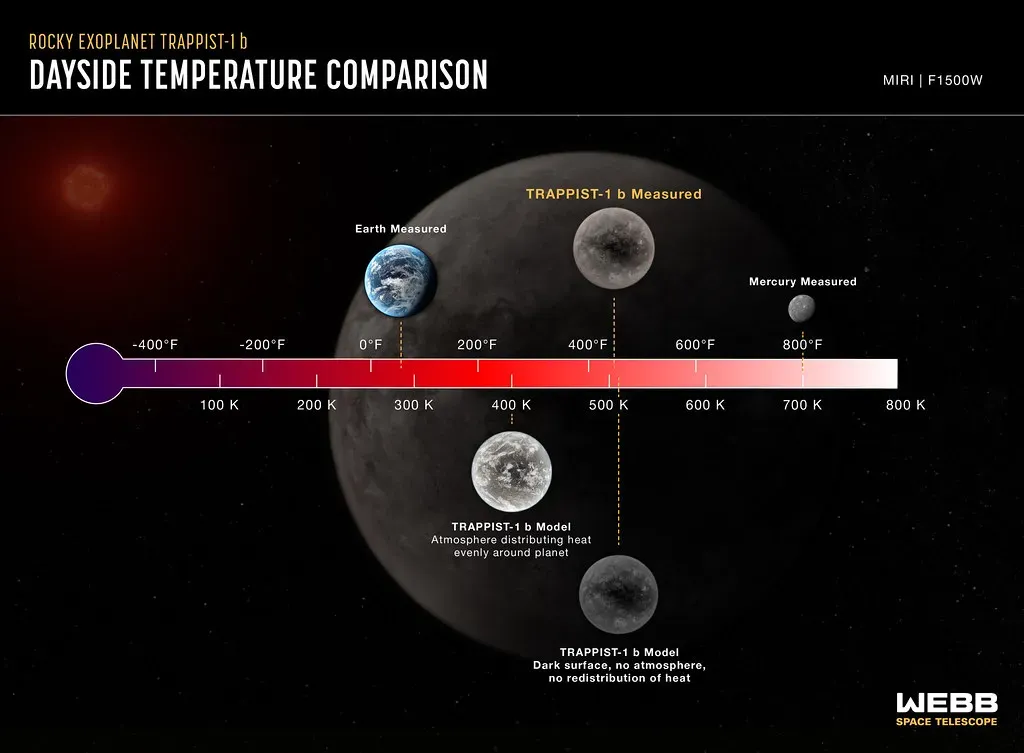
The TRAPPIST‑1 system is home to a chain of seven roughly Earth‑sized planets orbiting an ultra‑cool red dwarf star, many of them snugly placed near or within the star’s habitable zone. Their orbits are arranged in a complex resonant pattern, like a cosmic clockwork where the gravitational tugs keep everything locked in rhythm. The planets are tightly packed, closer to their star than Mercury is to our Sun, which would have seemed wildly unstable in older models.
Formation theories built around Sun‑like stars did not anticipate such a crowded system of nearly Earth‑sized worlds around a very low‑mass star. To explain TRAPPIST‑1, scientists have had to rethink how disks behave around small stars, how planets migrate inward while locking each other into resonances, and how intense early stellar activity interacts with fragile atmospheres. If anything, this system hints that small, tightly packed rocky planets might be common, forcing our Earth‑centered formation stories to shift toward a universe where red dwarfs and their wild youth dominate the narrative.
8. HD 106906 b: A Giant Planet on a Wild, Distant Orbit
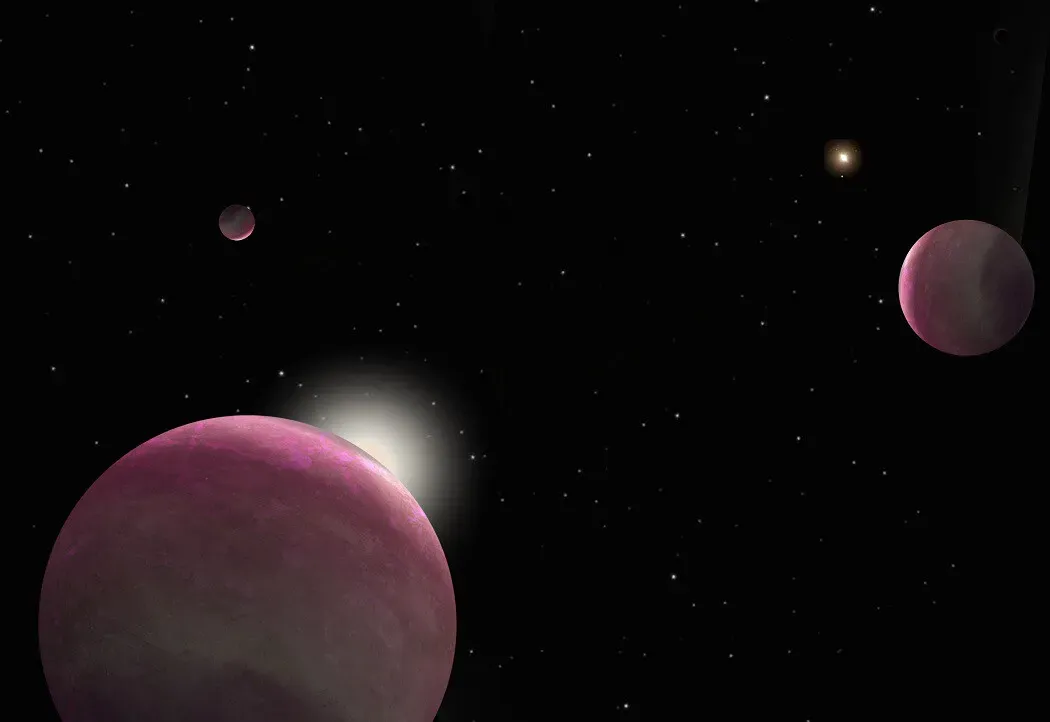
HD 106906 b is a giant planet or possibly a brown dwarf‑like object orbiting its star at an enormous distance, hundreds of astronomical units away. That is far beyond the typical region where standard core‑accretion models say planets should build up from solid material. At those distances, the disk is thin, cold, and sparse, making it incredibly hard to accumulate enough mass to form such a large object in any reasonable amount of time.
This oddball forces theorists to consider alternative formation channels, like direct gravitational collapse of parts of the disk, or even a past as a free‑floating object captured into a wide orbit. Neither option sits comfortably inside the classic textbook story where planets slowly grow from dust grains into pebbles, planetesimals, and then full‑blown worlds. HD 106906 b reminds me of a planet that never got the memo about staying close to the action, and in doing so, it exposes the cracks in our tidy, disk‑based formation scenarios.
9. Kepler‑16b: A Tatooine‑Like Planet in a Binary Star System
Kepler‑16b orbits not one but two stars, making it a real‑life analog to the cinematic image of a planet under double sunsets. In a binary system, the gravitational environment is far more complex than around a single star; the combined forces from the two suns can easily destabilize the orbits of forming planetesimals. Early models often assumed that such environments would be hostile to planet formation, especially near the region where a stable circumbinary orbit like Kepler‑16b’s would reside.
Yet despite all that, Kepler‑16b exists on a stable path around its dual suns. That means solids in the circumbinary disk must have found ways to stick, grow, and survive repeated gravitational kicks that earlier simulations treated as show‑stoppers. This discovery has pushed theorists to revisit how turbulence, gas drag, and resonances work in binary disks. Personally, I love that a world inspired by science fiction ended up challenging the supposedly serious, grounded models more than many single‑star systems ever did.
10. Proxima Centauri b: A Potentially Rocky World in a Hostile Neighborhood
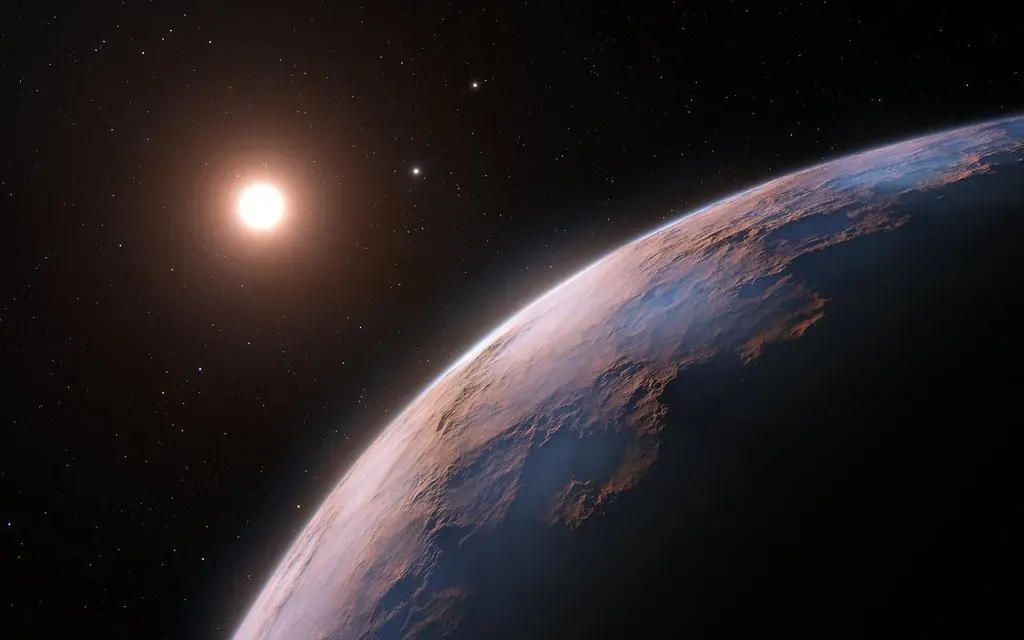
Proxima Centauri b orbits the closest star to our Sun, a small red dwarf that is notoriously active, with frequent flares and high‑energy radiation blasts. The planet itself is believed to be roughly Earth‑mass and orbits in the star’s habitable zone in terms of simple temperature balance. But the intense stellar activity, combined with the planet’s tight orbit, creates a brutal environment for any atmosphere that may have formed, challenging straightforward notions of what “habitable zone” really means.
From a formation and evolution perspective, Proxima b sits at the intersection of several poorly understood processes: how planets assemble in compact red dwarf disks, how they migrate inward, and how their atmospheres respond to billions of years of stellar tantrums. Many older models treated the habitable zone as a simple ring defined by distance and starlight, but systems like this make that look naive. To me, Proxima b is the poster child for how planetary science is being dragged, sometimes unwillingly, from simple diagrams toward messy, time‑dependent stories.
11. HR 5183 b: The “Whiplash” Planet on an Extreme Eccentric Orbit
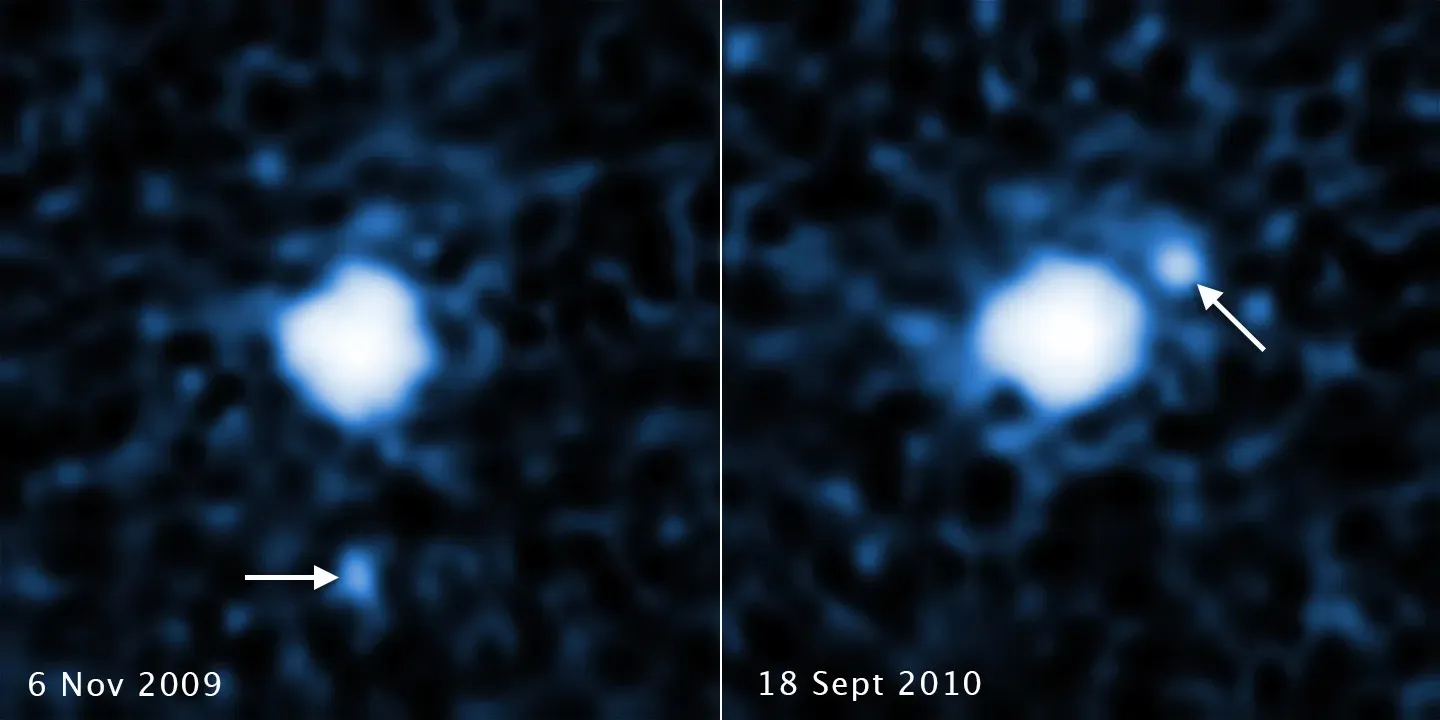
HR 5183 b is a massive planet on an orbit so elongated that it spends most of its time far from its star and then swings in on a tight, fast‑moving loop, like a wrecking ball passing through the inner system. Such a high eccentricity is hard to get from gentle disk migration alone; it usually points to violent dynamical interactions, like close encounters with other giant planets or even past ejections. This kind of orbit can destabilize smaller bodies and reshape the architecture of an entire system.
Standard formation models liked to assume that planets end up on mostly circular orbits after interacting with the protoplanetary disk, which damps down eccentricities over time. HR 5183 b laughs in the face of that assumption. Its existence suggests that late‑stage chaos, planet–planet scattering, and maybe even stellar flybys are not rare edge cases but central parts of the planetary story. If one giant planet can end up on a whiplash orbit, how many other systems hide similar scars that our current models have not fully reckoned with?
Conclusion: The Universe Is Telling Us Our Planet Theories Are Still Too Simple
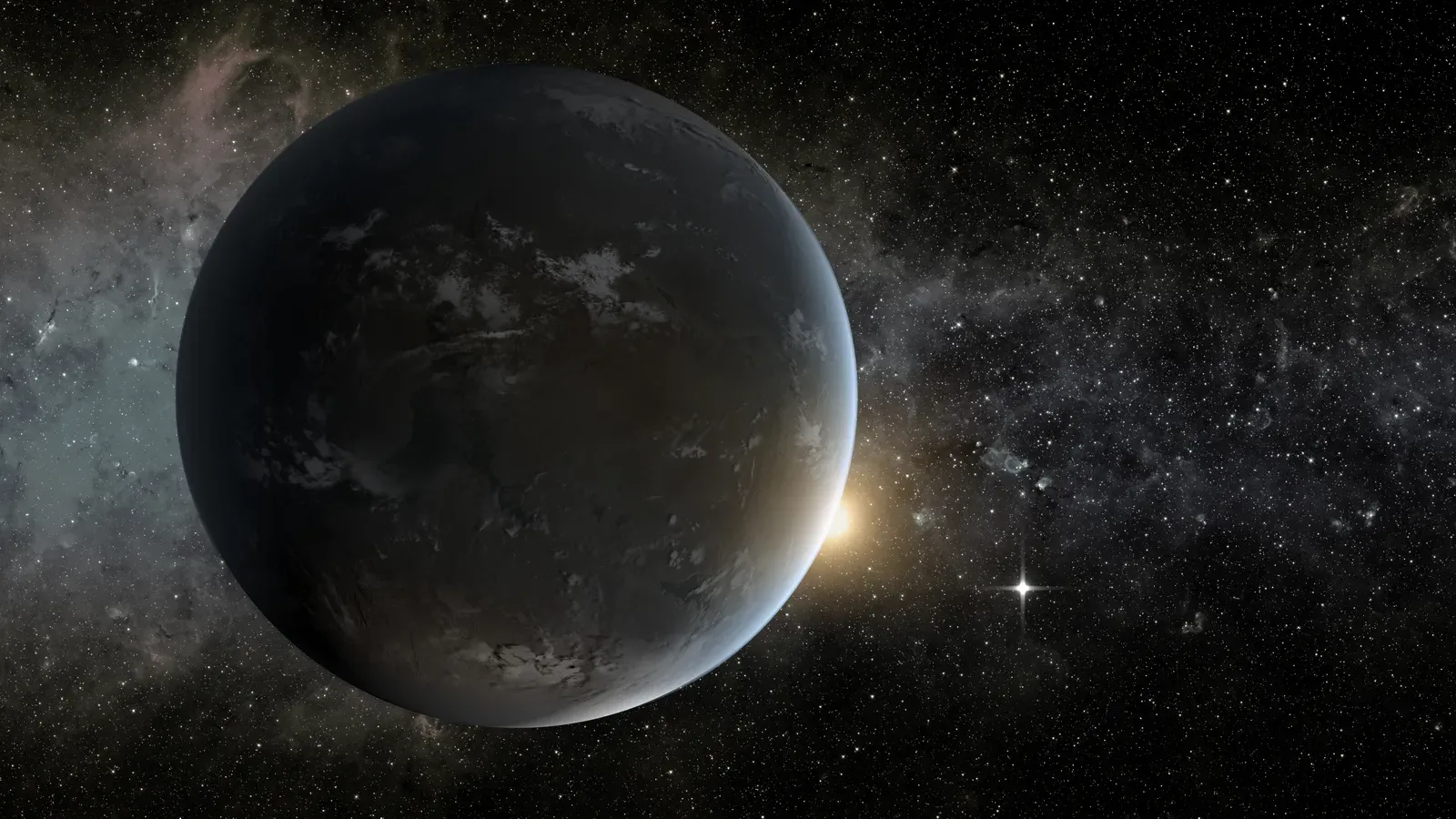
Looking across these eleven worlds, a pattern jumps out: the weird ones are not rare edge cases, they are everywhere we bother to look carefully. Hot Jupiters too close to survive, mega‑Earths that refuse to inflate, planets in impossible orbits around binary stars or far‑flung wide paths, hazy mini‑Neptunes we cannot classify, and worlds bathed in radiation that still somehow hang together. Each case chips away at the comfortable idea that we more or less understand how planets form and simply need to fill in details. The truth is harsher: many of our models were tuned to the Solar System, and the universe has been politely but firmly telling us that our home setup is only one oddball example among many.
My own view is that planetary formation is less like a smooth assembly line and more like a bar fight in slow motion: disks fragment, planets migrate and collide, atmospheres boil away, and nearby stars or distant giants can rewrite the script long after the opening act. The systems we see now are the survivors of billions of years of chaos, not the neat end points of a clean process. That is humbling, but also incredibly exciting, because every new “impossible” planet is really an invitation to upgrade our story about how worlds are born. When the next exoplanet shows up looking completely wrong, will we still be surprised, or finally admit that weird is the rule, not the exception?