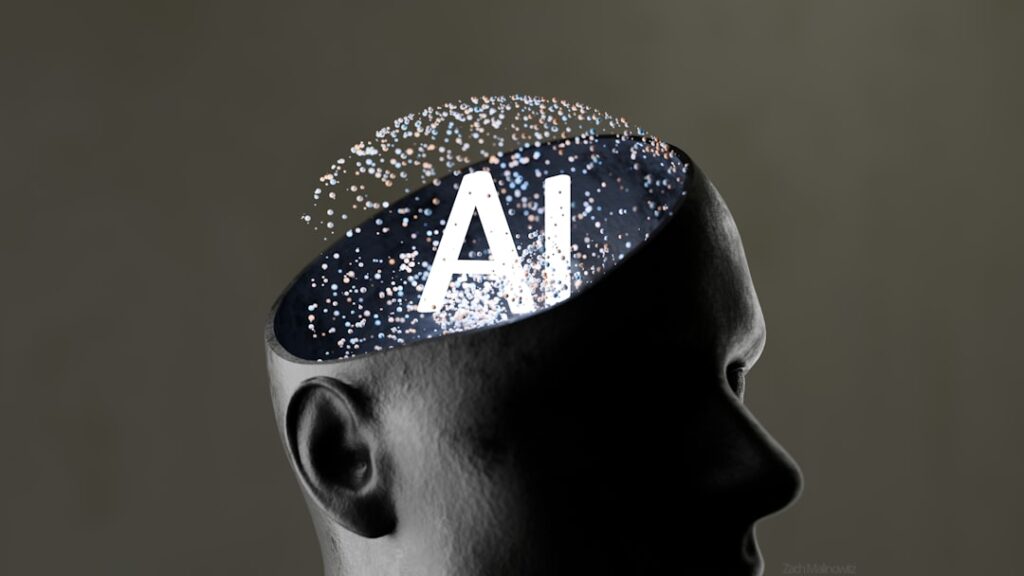
Some researchers seriously think the first person who will live to two hundred years old is already alive today. That sounds like science fiction, the kind of line you’d expect from a movie trailer, not from sober scientists and tech founders staring at spreadsheets of biological data. Yet here we are, with artificial intelligence quietly rearranging everything we know about medicine, aging, and what a human lifespan might mean.
I still remember the first time I watched an AI system design an entirely new molecule in seconds, something a team in a lab might have needed months to do. It felt a bit like watching a cheat code being entered into reality. That same pattern is now spreading into longevity research: AI sifting through oceans of biological data, spotting patterns we could never see on our own, and hinting at a future where “growing old” might become more optional than inevitable. But where does the hype end, and the science begin?
The Bold Promise: Longevity, Not Just Longer Survival
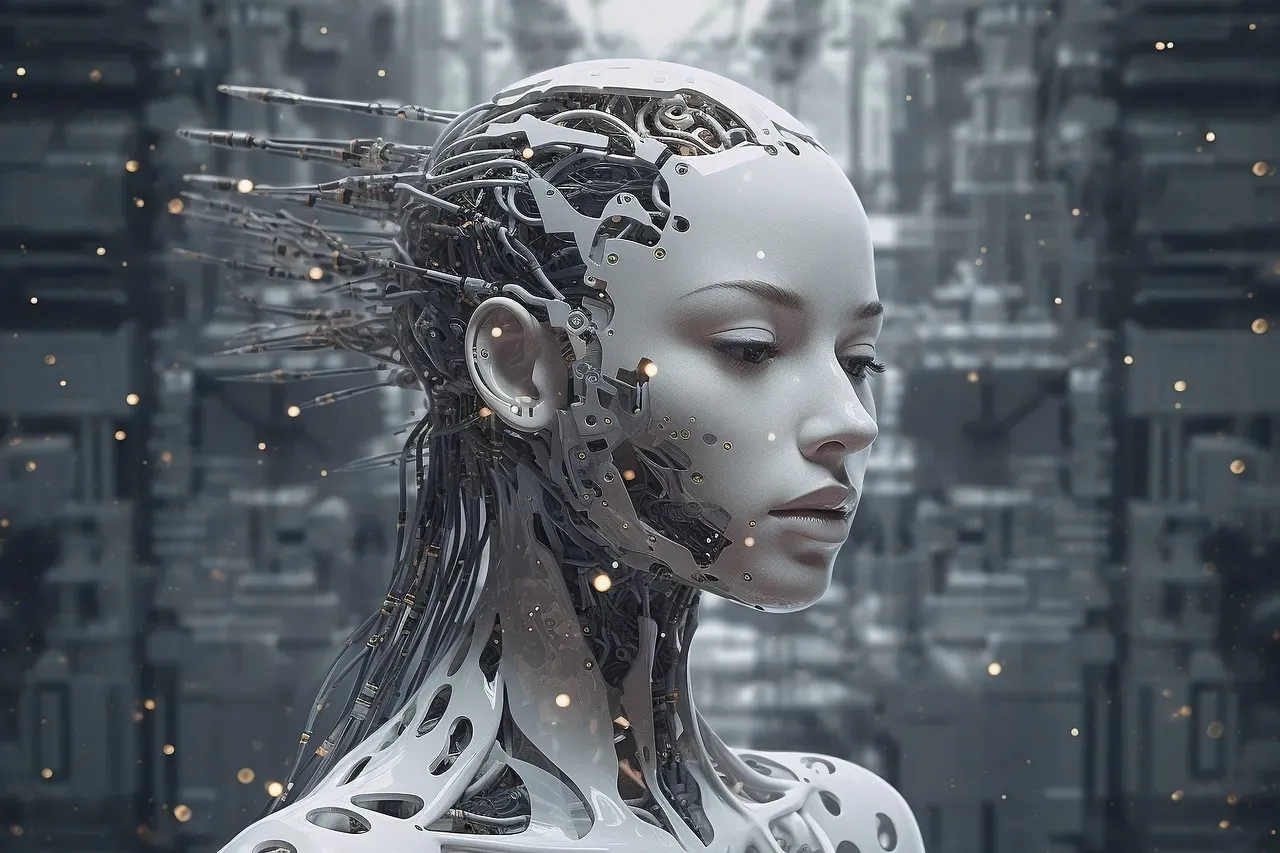
The most serious futurists are not talking about keeping people half-alive on machines forever; they are talking about extending the healthy, energetic part of life so that eighty feels like today’s forty. The term they use is “healthspan” rather than lifespan. The dream is not endless years of decline, but extra decades where you can still travel, start new projects, fall in love, and climb stairs without thinking about it. In that sense, AI is less about immortality and more about stretching the middle of life until it almost swallows the end.
AI fits into this because aging is incredibly complex: it touches every organ, every cell, every pathway in your body at once. Humans struggle with that kind of tangled mess; algorithms are built for it. By crunching medical records, genetic data, lifestyle patterns, and lab results, AI systems could tease out which combinations of factors let some people stay sharp at ninety while others are fragile at sixty. If we can decode that, we might be able to deliberately push more people into the “super-ager” category instead of treating early frailty as some sad lottery.
How AI Is Already Accelerating Anti-Aging Science
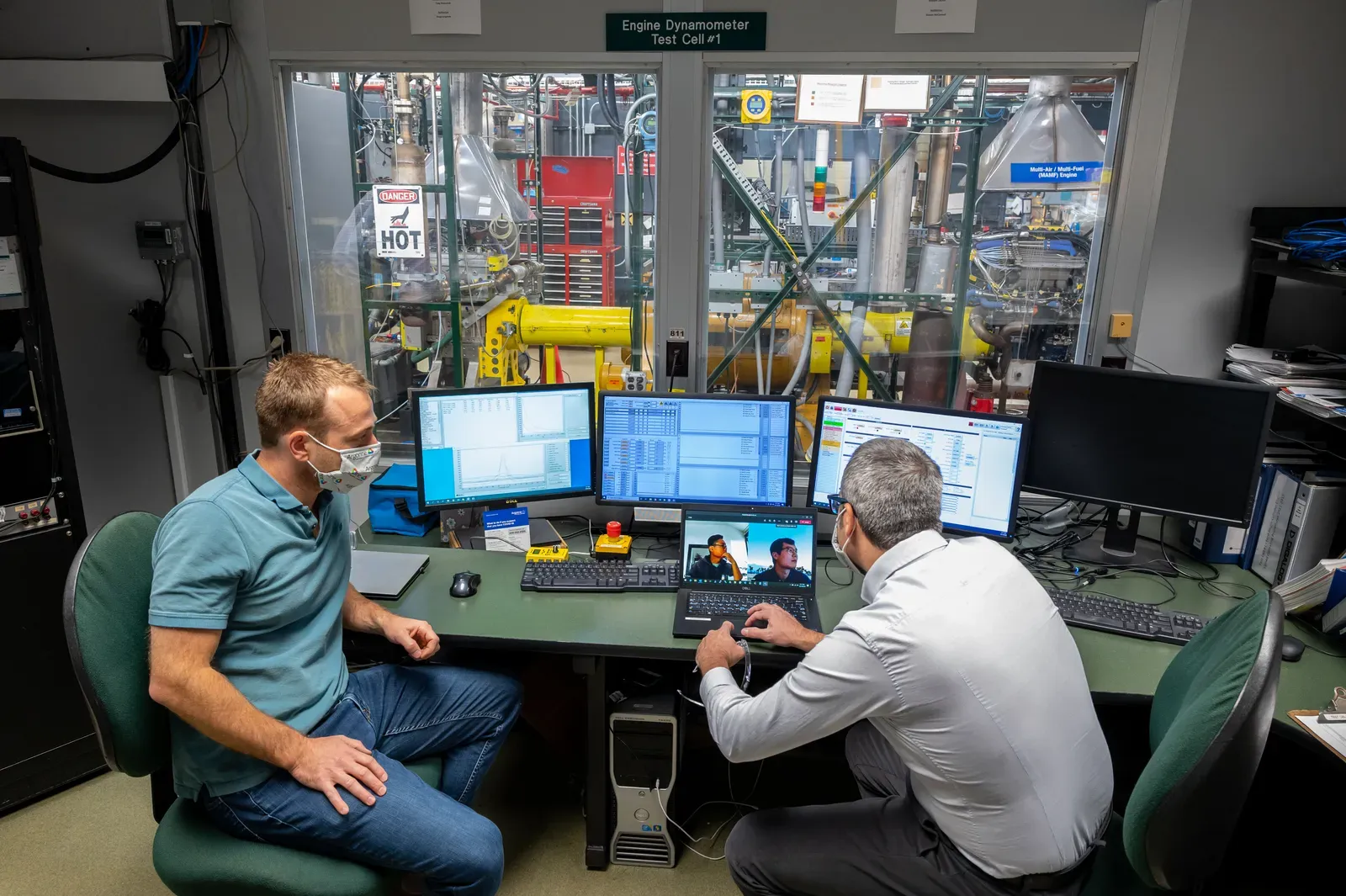
Even if “living forever” is still out of reach, AI is already speeding up the parts of science that might eventually get us there. Drug discovery used to look a bit like very expensive guesswork: try compound after compound in the lab and hope something works. Now, machine learning models can predict which molecules are most likely to hit a specific aging-related target, like a cellular pathway that controls inflammation or DNA repair. That dramatically reduces the number of failed experiments, which means more shots on goal against aging, cancer, and degenerative diseases.
On top of that, AI is helping researchers mine existing drugs for hidden longevity benefits. Instead of testing everything blindly, systems can scan the health records of millions of people to see whether people on certain medications tend to live longer, avoid dementia, or stay mobile for more years. It is like running massive natural experiments across an entire population, something humans could never track by hand. This is not the glossy sci‑fi version of immortality, but it is the gritty foundational work that has to happen before any big breakthroughs are even plausible.
Digital Twins and Predicting Your Future Health
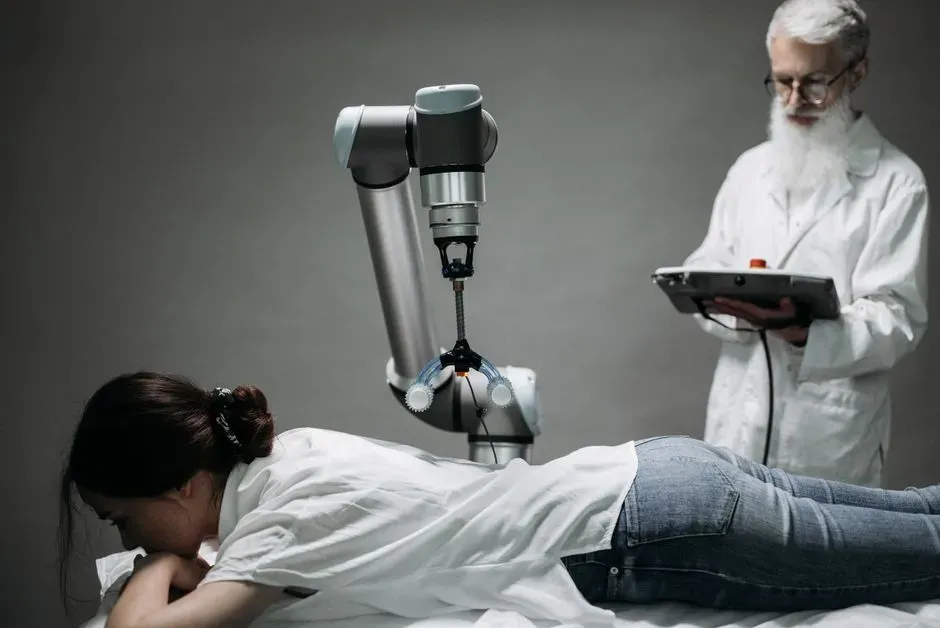
One of the most futuristic ideas that is actually starting to take shape is the “digital twin” of your body. Imagine a high‑fidelity virtual version of you, built out of your medical history, your genetics, your wearable data, even your sleep and exercise patterns. AI models could run simulations on that twin to see how you respond to different diets, medications, or exercise routines, before any risk touches your real body. It is like having a test-lab version of yourself to experiment on safely.
If that sounds wild, consider how we already do something similar with weather and climate models. We build simulations of Earth and ask what happens if temperatures rise by a certain amount, or if a storm shifts by a few miles. Digital twins apply the same logic to human biology. In theory, this could let doctors and longevity clinics figure out how to steer your health away from future heart disease or dementia years before the first symptom appears. No one is promising a literal fountain of youth, but if the twin keeps you ten, twenty, or thirty years healthier, that starts to look like a rough draft of practical immortality.
Can AI Reverse Aging, Or Just Slow It Down?

The spiciest claims you see online talk about “reversing aging,” as if you could just dial your body back to age twenty‑five. The reality is more nuanced. At the cellular level, some experiments in animals have shown partial reversal of age markers, like improving stem cell function or reprogramming cells to a more youthful state. AI helps here by spotting which genes and pathways shift most strongly with age and predicting which tweaks might push them back. But doing that in a living, breathing human without causing cancer or chaos is a much harder problem.
Right now, the safer bet is that AI will first help us slow aging more than reverse it. Think of it like slowing a moving car before you learn how to drive it backward. By identifying early warning signs of accelerated aging – say, subtle changes in blood markers or organ function – AI might let us intervene sooner with lifestyle changes or medications that preserve tissue health. That is less cinematic than the idea of getting younger every decade, but from a practical standpoint, turning seventy into the new fifty is already a revolution.
Mind Uploading and the Wildest Futurist Dreams
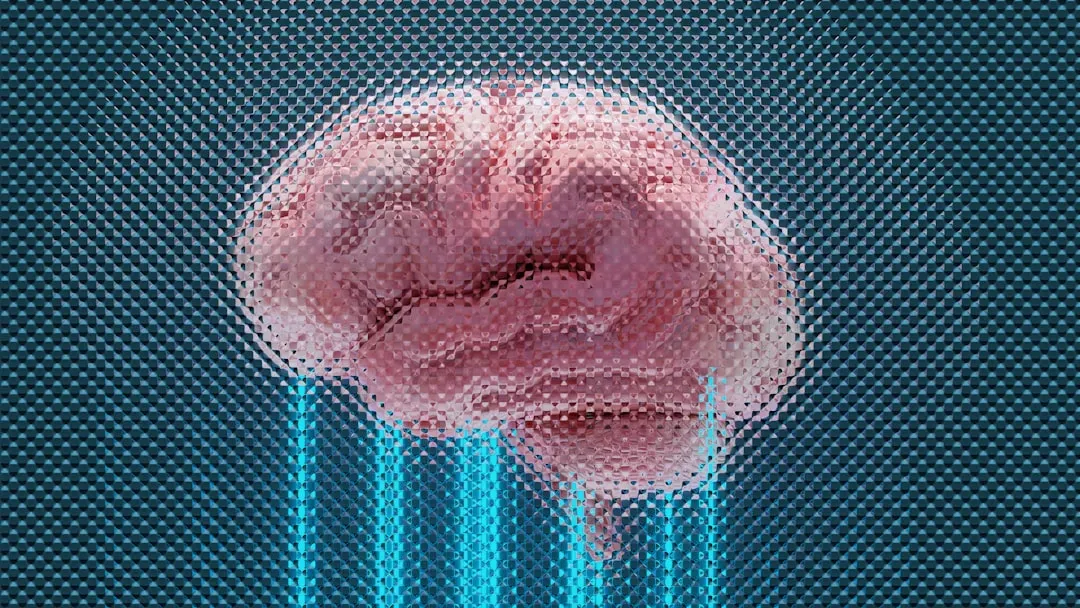
When people hear “live forever,” a lot of them immediately jump to mind uploading: scanning your brain in insane detail, turning it into code, and running it on a computer or in a robot body. Some futurists think advanced AI will be the only way to understand the mind deeply enough to do that. After all, the brain is the most complex object we know of, and decoding it neuron by neuron is beyond human comprehension. It is exactly the kind of pattern-recognition nightmare AI was built to tackle.
But here is the uncomfortable truth: we are nowhere near being able to upload a human mind, and we do not even fully agree on what it would mean to succeed. If a digital copy of you wakes up in a server and insists it is you, but your biological body is still here, who is the real one? Would that digital mind truly be conscious, or just extremely good at acting like you? I find this part of the conversation fascinating and slightly unsettling; it reveals how much “immortality” is as much a philosophical problem as a technological one. Even if AI makes the tech possible someday, we may still argue for decades about whether that counts as you living forever.
Ethical Nightmares: Who Gets To Live Longer?
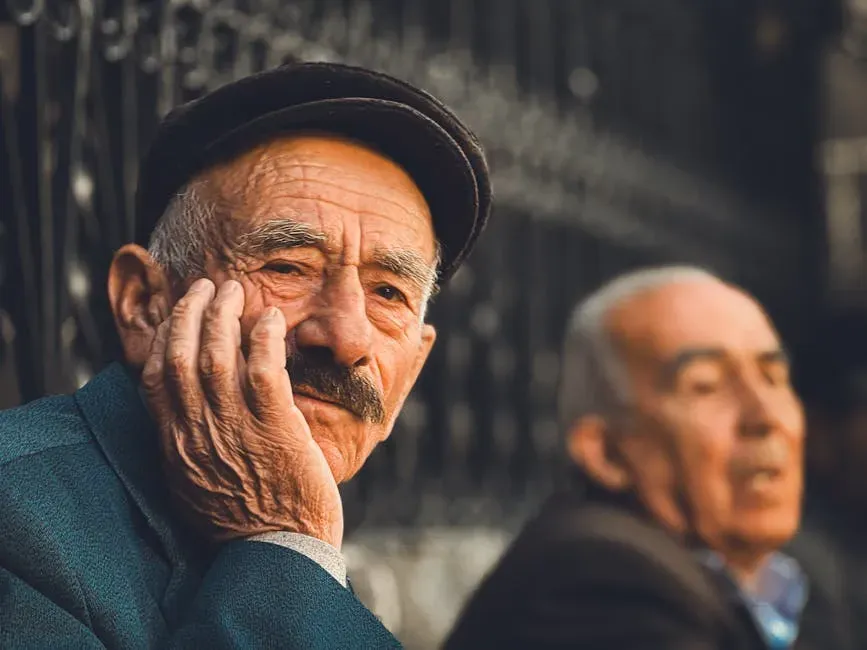
Let’s say AI delivers serious longevity advances – extra decades of healthy life, therapies that delay dementia, maybe even partial rejuvenation. Who gets access? Historically, cutting‑edge medicine starts as a luxury product for the wealthy and powerful, and only trickles down much later. If that pattern repeats with AI-driven longevity, you could end up with a world where rich people not only have more money and influence, but also more time. That kind of gap does not just feel unfair; it could harden social inequality into something close to permanent.
There is also the question of cultural and political power. If top decision‑makers can stay in charge for an extra fifty years, we might get less generational turnover in leadership and ideas. Some futurists are surprisingly casual about this, brushing it off as the inevitable price of progress. I think that is far too glib. If AI is going to help stretch human life, we need to be talking loudly, right now, about fair access, public funding, and global rules that stop immortality from becoming the ultimate elite membership card.
There is another, quieter ethical tension: what happens to meaning when life stops having a clear end point? A lot of philosophies, religions, and personal values are shaped by the fact that we know our time is limited. Deadlines force us to choose, commit, and prioritize. If AI-softened longevity makes it feel like there is always more time to start that company, write that book, or apologize to someone, we might drift. There is a real risk of a kind of spiritual procrastination on a grand scale.
On the other hand, more time could also mean deeper mastery, longer relationships, and second (or third) chances at reinvention. Imagine if you had the space to have several distinct careers, or to return to school at ninety and honestly not feel like the odd one out. Whether extended life becomes empty or rich might depend less on the technology and more on how we consciously redesign work, education, and community for a slower, longer arc. AI might handle the biology, but we will still have to handle the meaning.
The Planetary Problem: Can Earth Handle Immortals?

Whenever the idea of significantly longer lives comes up, someone rightly asks: could the planet cope? If people live much longer and keep having children at the same rate, population pressures could skyrocket. More people living longer means more resource use, more housing demand, and more strain on ecosystems already under stress from climate change and biodiversity loss. AI may help optimize energy use, agriculture, and urban planning, but even perfect efficiency cannot erase basic physical limits.
Some futurists counter that with longer lives, people will likely choose to have fewer children, as we already tend to see in wealthier, healthier societies today. Others imagine AI helping us expand outward, building off‑world habitats or mining resources from space. Personally, I think betting on space colonies as a fix for overpopulation is like not cleaning your room because one day you might move house. Before we talk about billions of near‑immortals, we need sober conversations about how many humans Earth can support gracefully, no matter how smart our machines become.
So, Will AI Make Us Immortal Or Not?
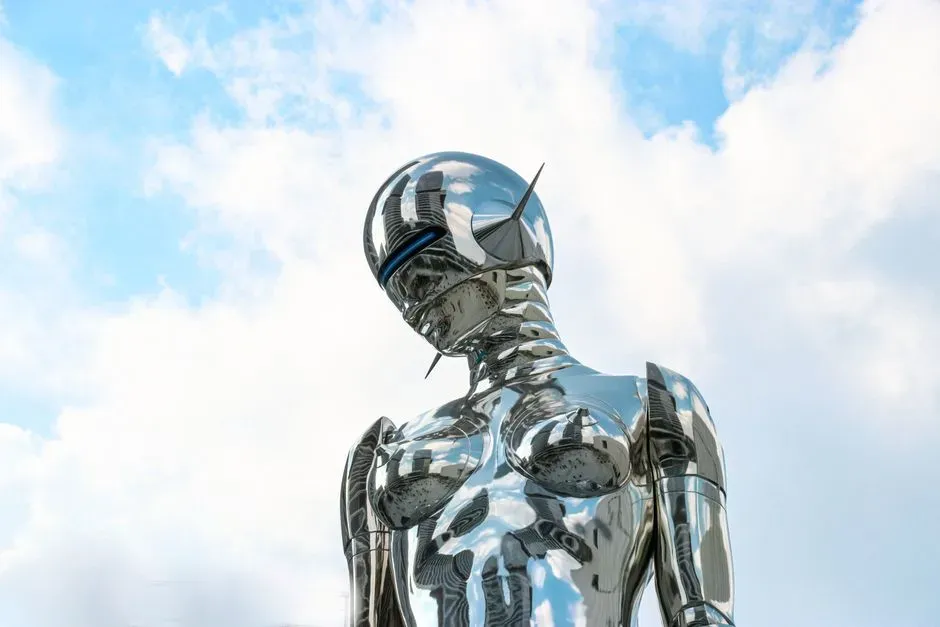
If you pin down most serious researchers, they will not promise literal immortality. Death by accident, disaster, or simple bad luck is probably impossible to eliminate entirely. What feels much more plausible is a world where dying of “old age” becomes rare, where most people can expect a long, mostly healthy life, and where AI quietly monitors and nudges your biology to keep you in that sweet spot for as long as possible. From a day‑to‑day human perspective, that might feel close enough to immortality that the distinction starts to blur.
At the same time, it is important to keep our expectations grounded. Biology is messy, evolution did not design us for endless maintenance, and every new intervention carries risks we do not fully see at first. I am cautiously optimistic: AI is clearly the most powerful tool we have ever pointed at the problem of aging, but it is still a tool, not magic. Whether it helps humans “live forever” will depend not just on what the algorithms can do, but on our ethics, our policies, and our appetite for trade‑offs. Personally, I think AI will dramatically extend healthy life, but true immortality will stay just out of reach – and maybe that is exactly how it should be.
Conclusion: The Real Question Behind Living Forever
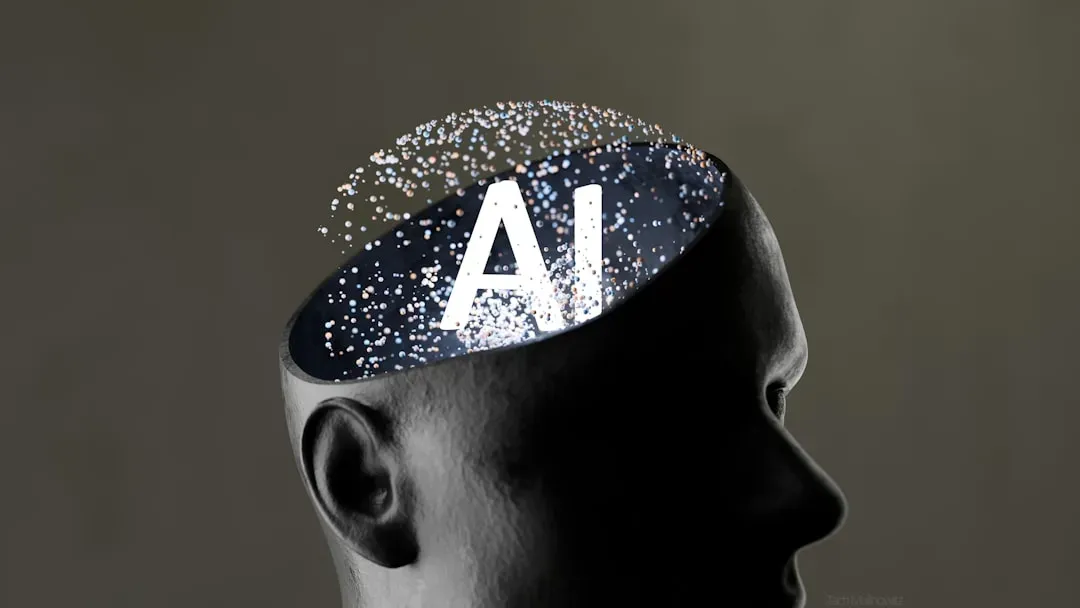
If I had to take a stand, I would say this: AI will probably not give us literal, unending life, but it will almost certainly smash the old assumptions about how long a good human life can be. The danger is that we get so intoxicated by the idea of “more years” that we forget to ask “more years for whom and for what?” A future where a lucky few float through centuries while others still struggle to reach retirement age would not be a triumph of progress; it would be a failure of courage and imagination.
Maybe the better ambition is not to chase immortality at all costs, but to use AI to secure long, healthy, meaningful lives for as many people as possible, then accept that an ending still has a role to play. Knowing we will die one day turns out to be a powerful engine for love, urgency, and depth; if we blunt that entirely, we might gain time but lose something harder to quantify. So yes, let AI help us age more slowly, suffer less, and stay curious for longer – but let’s also ask, very honestly, what we plan to do with the extra time we might get. If you could add fifty good years to your life, would you actually live differently, or just delay the things that matter most?