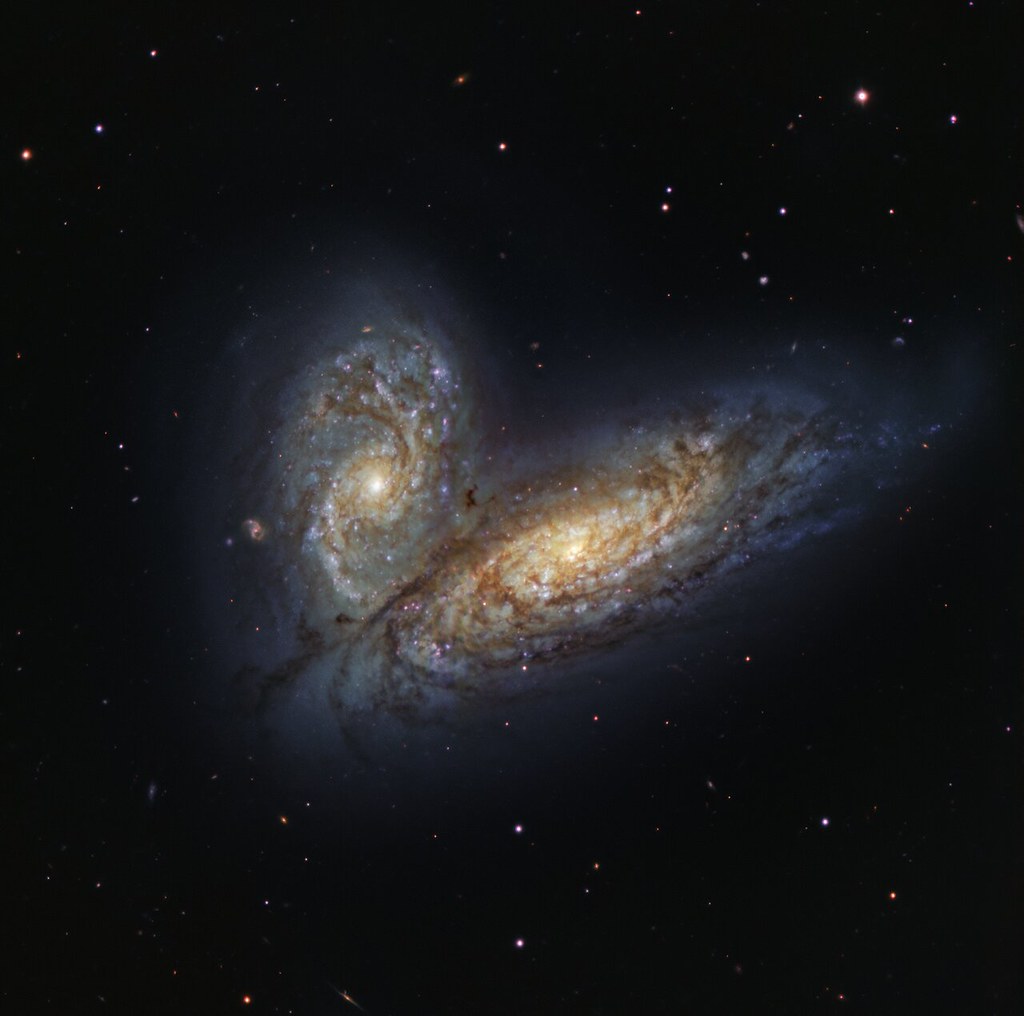

You live in a universe where something that sounds impossible is not just possible, it actually happens: entire galaxies can slam into each other and yet almost every star comes through untouched. When you first hear that, it feels like a magic trick with the laws of physics, the kind of thing that should tear everything apart but somehow… doesn’t. Instead, you get this eerie, graceful dance across cosmic time, more like two ghost cities drifting through each other than a fiery smash-up.
Once you zoom out to the scale of galaxies, you start to see why. Space is not just big; it is overwhelmingly, absurdly empty. The universe you live in is mostly nothing, sprinkled with islands of matter so tiny compared with the distances between them that even a galactic “collision” is more like two swarms of gnats passing through one another. As you unpack this, you’ll find that galaxy collisions reshape galaxies, trigger star birth, stir up dark matter, and hint at the ultimate fate of the cosmos – yet almost no individual star ever feels a direct hit.
The Shocking Reason Galaxies Can Collide Without Stars Smashing Together
When you picture two galaxies colliding, your mind probably jumps to stars crashing into stars, like cars on a crowded highway slamming into each other at high speed. But if you shrink a typical star down to the size of a grain of sand, the nearest star to it would be roughly several kilometers away. That means even inside a galaxy that looks densely packed in images, the stars are like dust floating in an enormous, mostly empty warehouse. So when two galaxies pass through each other, all that “stuff” you imagine is mostly just empty volume.
Because of that enormous emptiness, the chance that any two specific stars line up and collide during a galactic encounter is vanishingly small. The stars do feel each other’s gravity, so their orbits can be stretched, bent, or flung outward, but that happens without physical impact, like ships steering around each other in a vast, dark ocean. You end up with a dramatic rearrangement of orbits and structures, tidal tails and warped disks, but not a cosmic pileup of shattered suns. The word “collision” is almost misleading; it’s really more of a gravitational crossing of two ghostly, mostly empty swarms.
How Empty Is Space, Really? The Mind-Bending Scale Between Stars
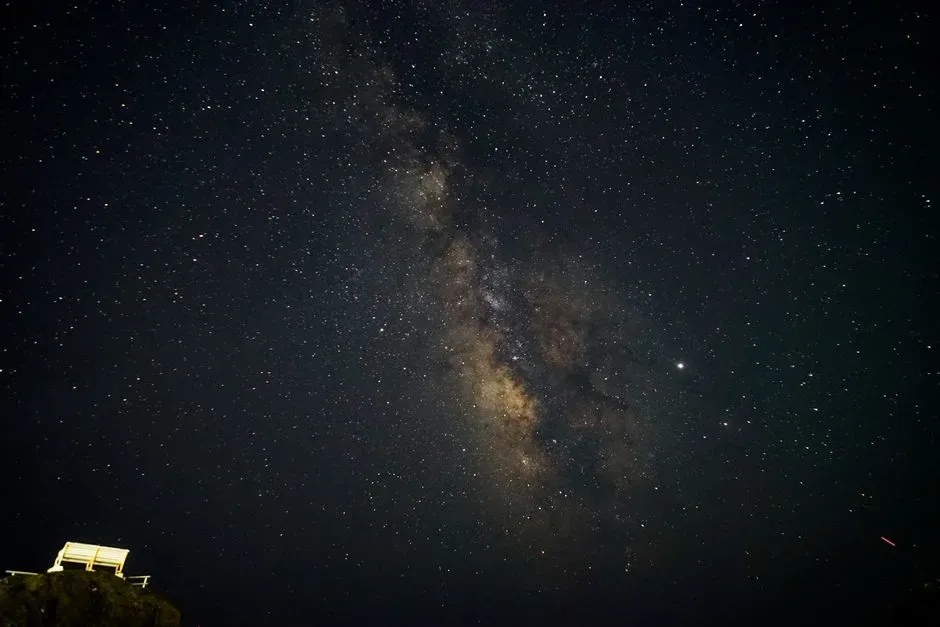
If you want to feel how empty your galaxy really is, imagine the Sun scaled down to the size of a small orange. On that same scale, Earth would be a tiny speck several meters away, and the next nearest star would be another orange located many hundreds of kilometers from you. Now take that one little model and copy it hundreds of billions of times, spread across a disk more than a hundred thousand light-years wide, but keep the distances between oranges just as huge. That’s roughly what your Milky Way is like: roomy beyond intuition.
On average, inside the disk of the Milky Way, the typical distance between neighboring stars is measured in light-years, not in anything like kilometers. A light-year itself is already a gigantic distance, the span light travels in an entire year, even though light moves at the ultimate speed limit of the universe. When two galaxies align and sweep through one another, the stars simply do what they always do at those scales: they miss. The collision is mostly an overlapping of gravitational fields, not a physical crash of solid bodies.
What Actually Happens During a Galaxy Collision If Stars Don’t Smash?
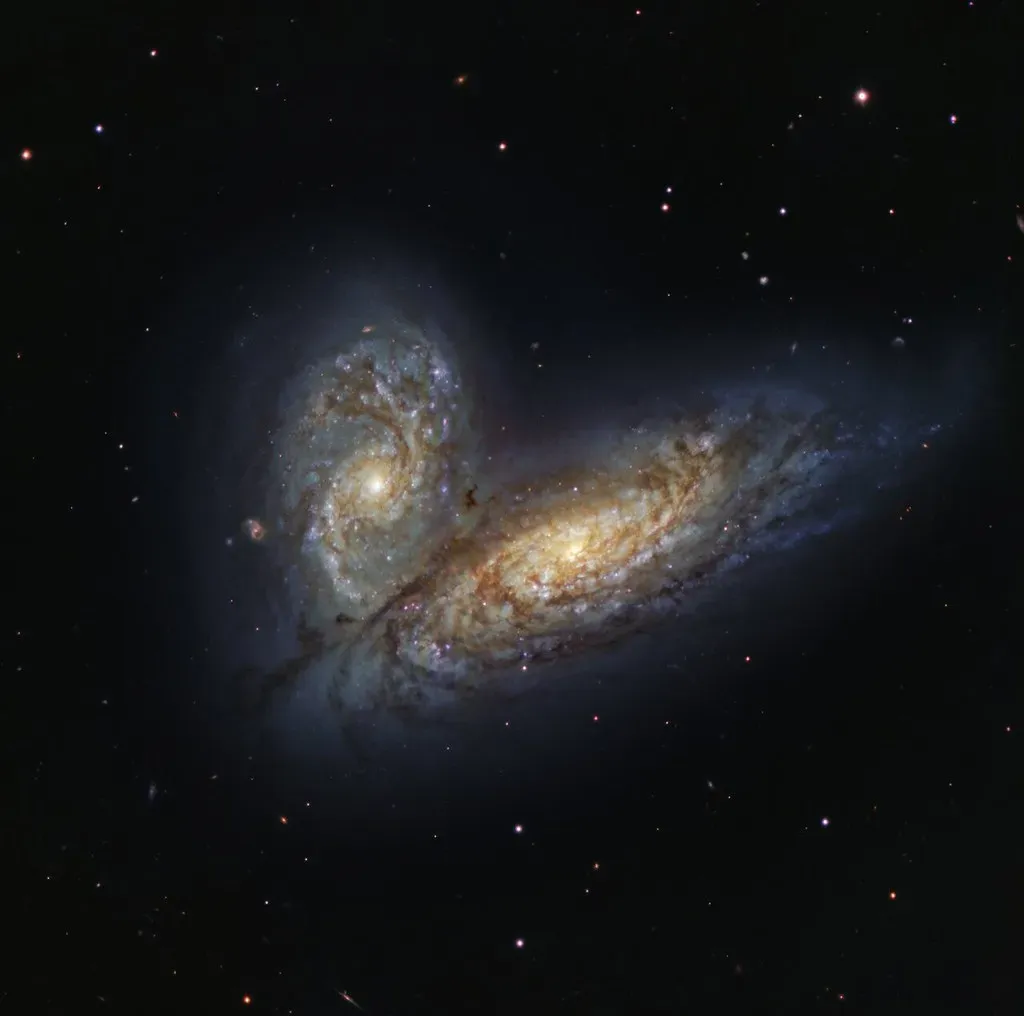
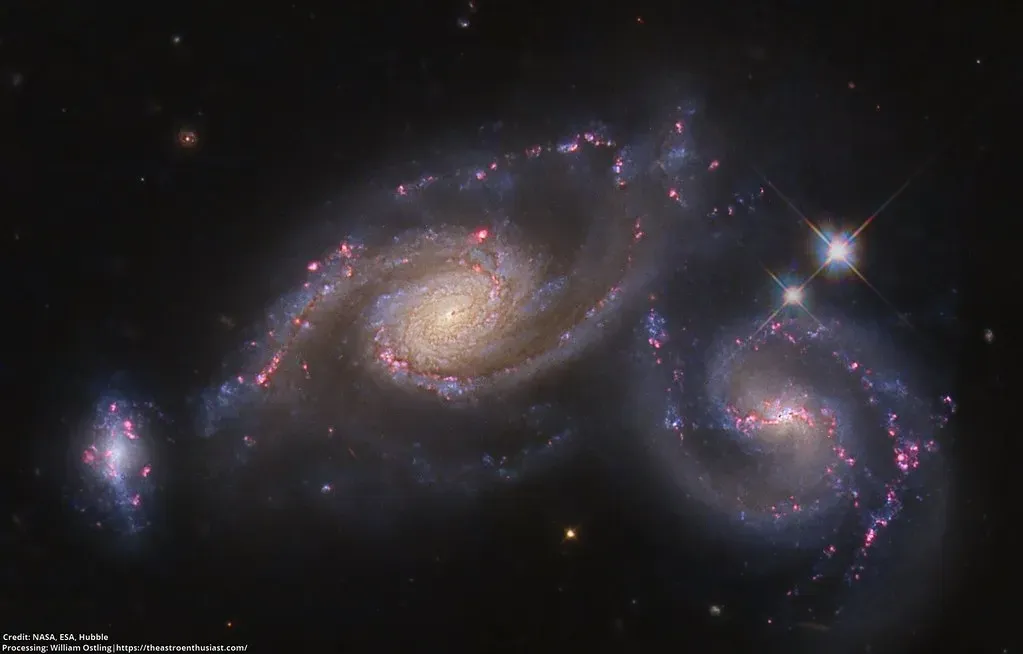
So if stars are not exploding into each other, what makes galactic collisions so dramatic in astronomy images? The real action happens in the diffuse material: the vast clouds of gas and dust drifting between the stars. When galaxies pass through each other, their gas can compress, pile up, and slow down because, unlike stars, this material can bump, drag, and interact. That compression acts like a cosmic trigger, igniting intense bursts of star formation where new stars light up like a wave of fireworks rippling through the system.
At the same time, the overall shapes of the galaxies get stretched and twisted by gravity. You can end up with long, delicate tidal tails – streams of stars flung outward like wisps of cotton – and bright knots where gas clumps together. Orbits that were once simple and circular can become chaotic and elongated. Over hundreds of millions or billions of years, those distortions can settle into a completely new galaxy: maybe a larger, more rounded elliptical, formed from the graceful ruins of the original pair. The “collision” is really a slow-motion transformation rather than a single explosive event.
Gravity: The Invisible Sculptor Behind These Ghostly Encounters
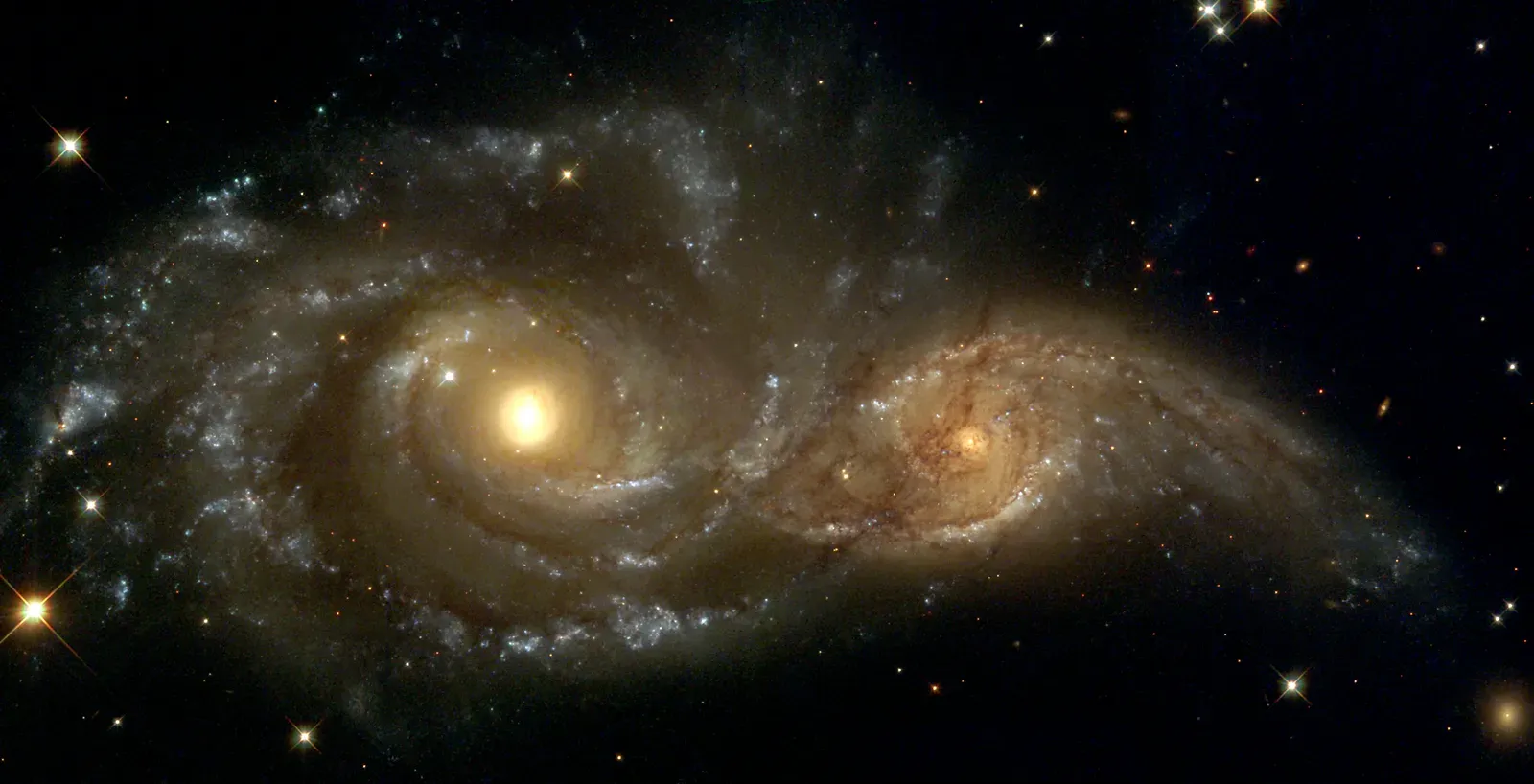
Gravity is the main character in this story, even though you cannot see it directly. Every star, gas cloud, and dark matter clump pulls on every other piece, and those countless tiny tugs add up to a powerful, system-wide reshaping. When two galaxies approach each other, their combined gravitational pull can stretch them like taffy, stripping stars and gas from their outer regions. You end up with bridge-like structures of material connecting them, as if the galaxies are reaching out to grab each other.
If the galaxies pass close enough, their centers can begin to spiral inward, looping around one another like dancers circling closer with each step. Over time, friction in the gas and the emission of radiation can help the system lose energy, letting the cores finally sink together. The result is a merger where two once-separated star systems end up as a single, heavier galaxy. Gravity never stops acting through this whole process, constantly adjusting orbits and redistributing matter, but it rarely forces a direct star-on-star crash; instead, it quietly reorganizes the architecture of the cosmos.
Star Birth in the Chaos: How Collisions Light Up the Universe
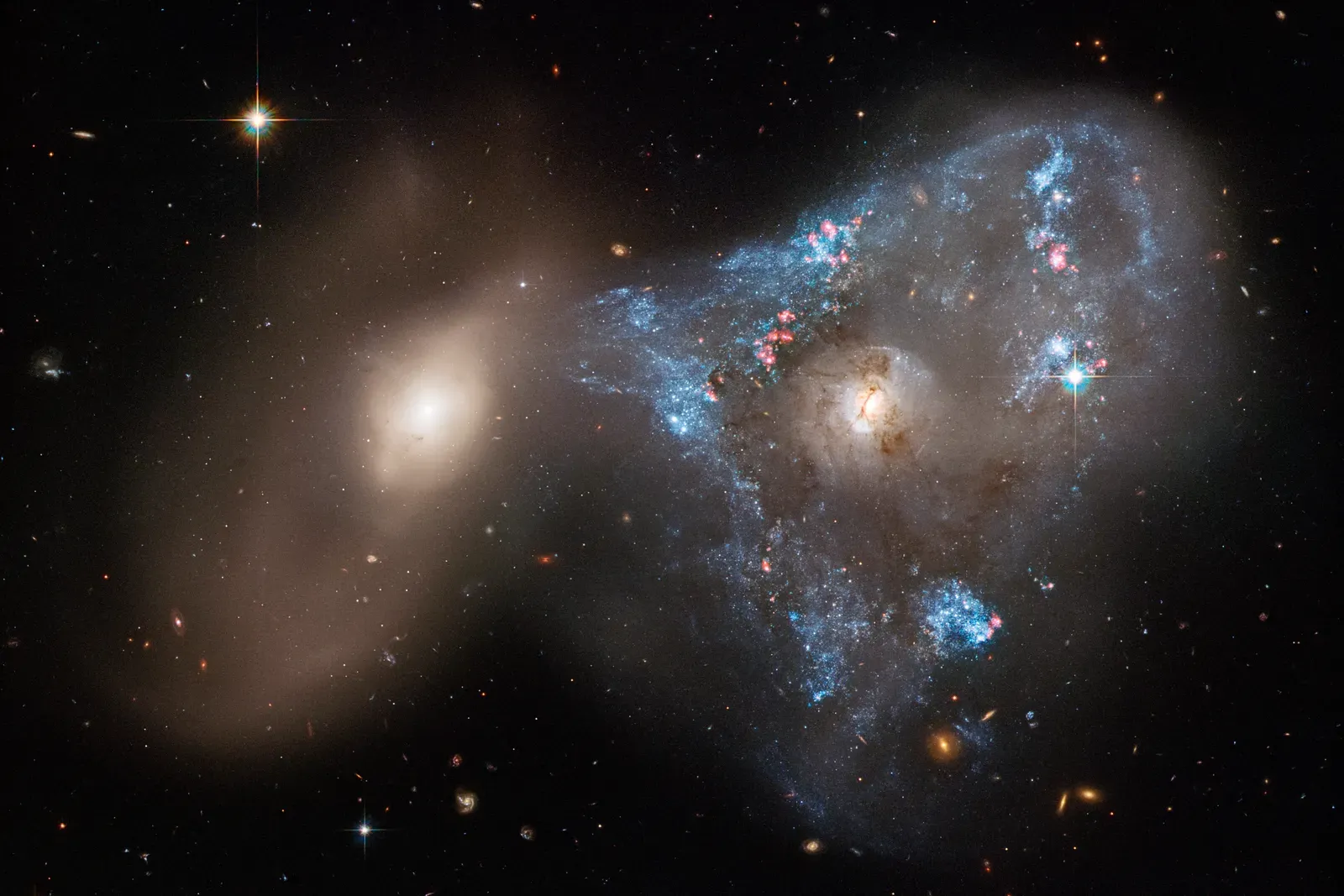
One of the most surprising outcomes of these almost-empty collisions is that they can actually create more stars. When two galaxies interpenetrate, their gas clouds can slam into each other in ways the stars do not. That gas gets compressed, cooled, and clumped, and those dense clumps are exactly where gravity can take over and collapse material into newborn stars. From your perspective, a collision that looks violent and messy is also a kind of cosmic construction project, building fresh stars from old, drifting gas.
These starbursts can be so intense that, for a time, the merged system becomes much more luminous than either parent galaxy was on its own. You are seeing thousands or even millions of new stars turning on across huge regions, particularly in the central parts where gas is crowded. Over millions of years, that furious activity will slow down as the gas supply is used up or heated. Still, the final galaxy will carry the imprint of that era in its stellar populations: many older stars from the original galaxies mixed with younger ones born in the aftermath of the encounter.
The Quiet Role of Dark Matter When Galaxies Pass Through Each Other
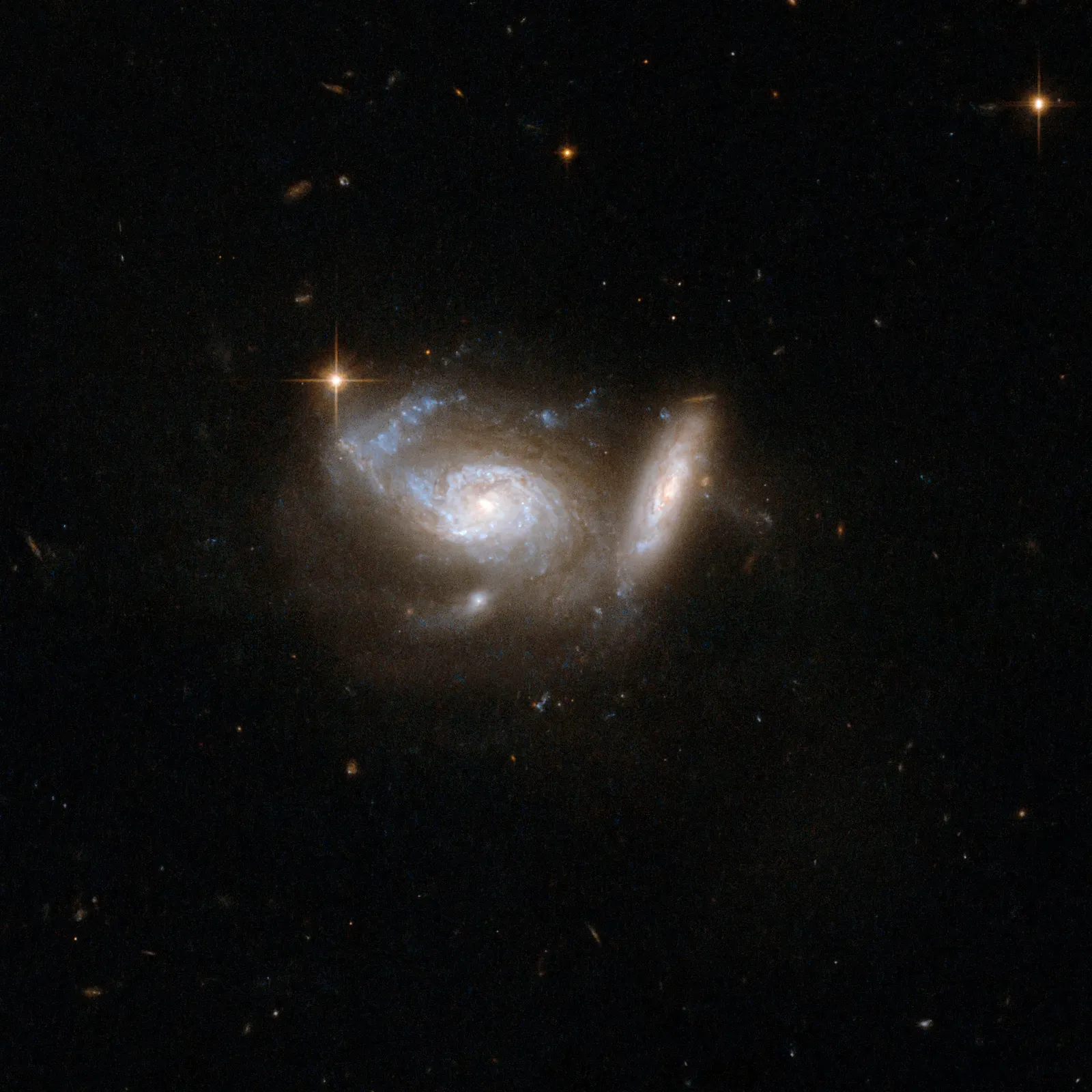
There is another major player in these events that you cannot see at all: dark matter. Galaxies seem to be wrapped in enormous halos of this invisible material, which outweighs the normal stuff – stars, gas, dust – by many times. Even though you cannot detect dark matter directly with your eyes or telescopes in the traditional way, its gravity is powerful and shapes how galaxies move and merge. When two galaxies pass through one another, their dark matter halos interpenetrate too, gently guiding the overall motion of the system.
Dark matter does not collide, clump, or radiate like normal matter; it mostly just passes through and carries on, influencing things only through gravity. That makes it yet another reason why galaxy collisions are so clean at the level of individual stars. The visible chaos you see in gas and dust is layered on top of a quieter, smoother gravitational ballet dominated by dark matter halos. If you could strip away the light of the stars entirely and only track the dark matter, you would still see the outlines of these encounters drawn as overlapping, ghostly cocoons of mass moving through each other.
The Milky Way’s Future: Your Galaxy Is Headed for a Collision Too
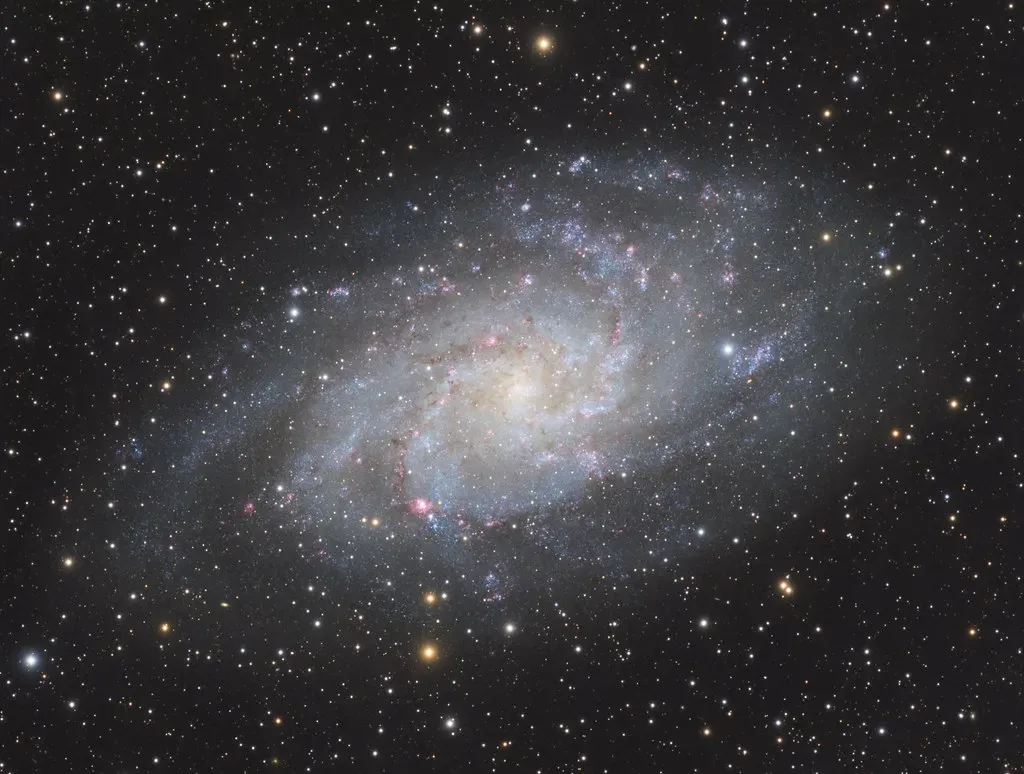
This whole topic gets more personal when you remember that your own Milky Way is not just floating peacefully forever. It is on a slow but steady course toward the neighboring Andromeda galaxy, and the two are expected to collide and eventually merge in the far future on cosmic timescales. You might intuitively imagine entire constellations smashing together in a bright, end-of-the-world event, but what will really happen is far more subtle from any one star’s point of view. Your Sun, for example, is extremely unlikely to collide with another star during this vast encounter.
Instead, the sky would gradually change over millions of years, with Andromeda growing larger and more distorted, and long streams of stars winding across the heavens. Orbits inside both galaxies would be tugged and twisted, and huge waves of star formation would flare up as gas gets compressed. Ultimately, after a long series of passes and interactions, the Milky Way and Andromeda are expected to settle into a single, larger galaxy. From the perspective of a hypothetical observer living on a planet like Earth at the right time, it would be an astonishing show – but not a fiery apocalypse of colliding suns.
Why Your Intuition About Collisions Fails at Cosmic Scales
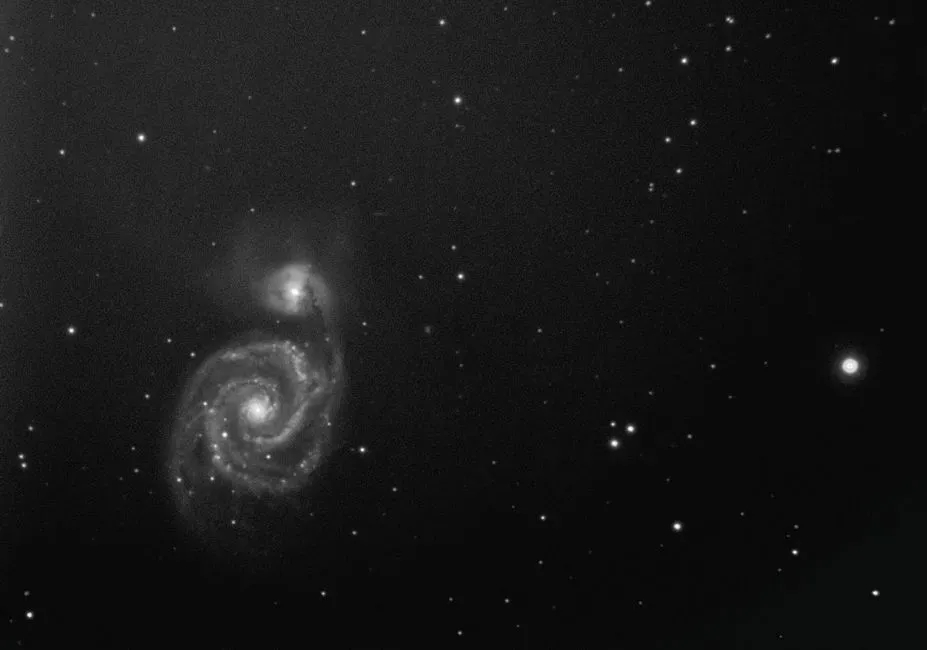
One of the reasons this topic feels so counterintuitive is that your everyday experience is built at the human scale, where objects are relatively dense and close together. If two cars drive into each other, they crash. If two crowds of people run into each other, they collide. You naturally carry that intuition upward and assume that if two huge, star-filled galaxies collide, everything inside them must smash together as well. But at cosmic distances, those intuitive rules break down, because the ratio of size to separation is entirely different.
At the galactic level, stars are so tiny compared with their separation that thinking about collisions the way you do on Earth is almost like worrying that two flocks of birds flying through the same huge valley will all hit each other. The probability of a direct hit is just incredibly small. What matters most is not the physical size of each star but how their combined gravity shapes their paths. Once you mentally flip the situation and start imagining galaxies as mostly empty frameworks with tiny, distant points inside, the idea of passing through without a single collision starts to feel less bizarre and more like the natural expectation.
What Galaxy Collisions Reveal About the Nature of the Universe
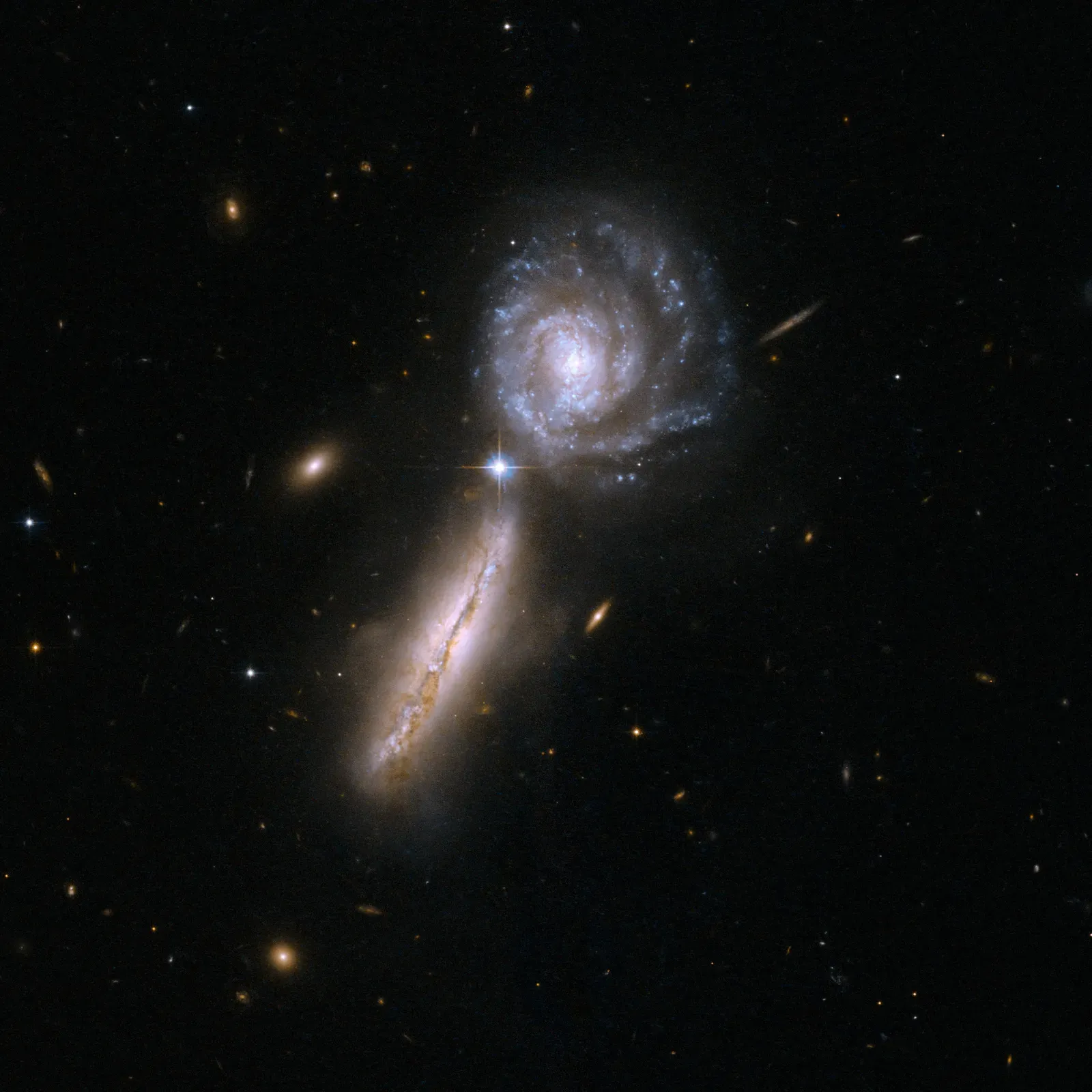
When you step back and think about it, the fact that two galaxies can pass through each other with almost no direct star-on-star collisions tells you something profound about the universe you live in: it is mostly emptiness. Matter, even on galactic scales, is a thin web stretched across an otherwise enormous void. That huge emptiness is not a bug or a flaw; it is what allows gravity to orchestrate these vast, slow, intricate interactions without tearing everything to pieces in a storm of impacts.
These collisions also give you clues about how structures in the universe grow and evolve. Galaxies are not static, isolated objects; they merge, accrete, and reshape themselves over billions of years. Star orbits are rewritten, gas is recycled into new generations of stars, and dark matter halos quietly fuse in the background. By studying these events, you get a better sense of how your own galaxy came to be and how it will change. In a universe where matter is mostly absence, the rare places where it gathers tell a long, ongoing story – one that is written more in the language of gravity and empty space than in the simple idea of things crashing together.
In the end, when you hear that two galaxies can pass directly through each other without a single star colliding, you are really being reminded of how alien the cosmic scale is compared with your daily life. The universe is huge, quiet, and mostly empty, yet out of that emptiness come collisions that create new stars, reshape entire galaxies, and hint at the far future of the cosmos. The next time you look up at the night sky, you might see it differently – not as a crowded scene of lights, but as a thin sprinkling of islands in a vast, dark sea, gliding past each other almost entirely untouched. Did you ever imagine that so much apparent substance could be built on so much nothing?