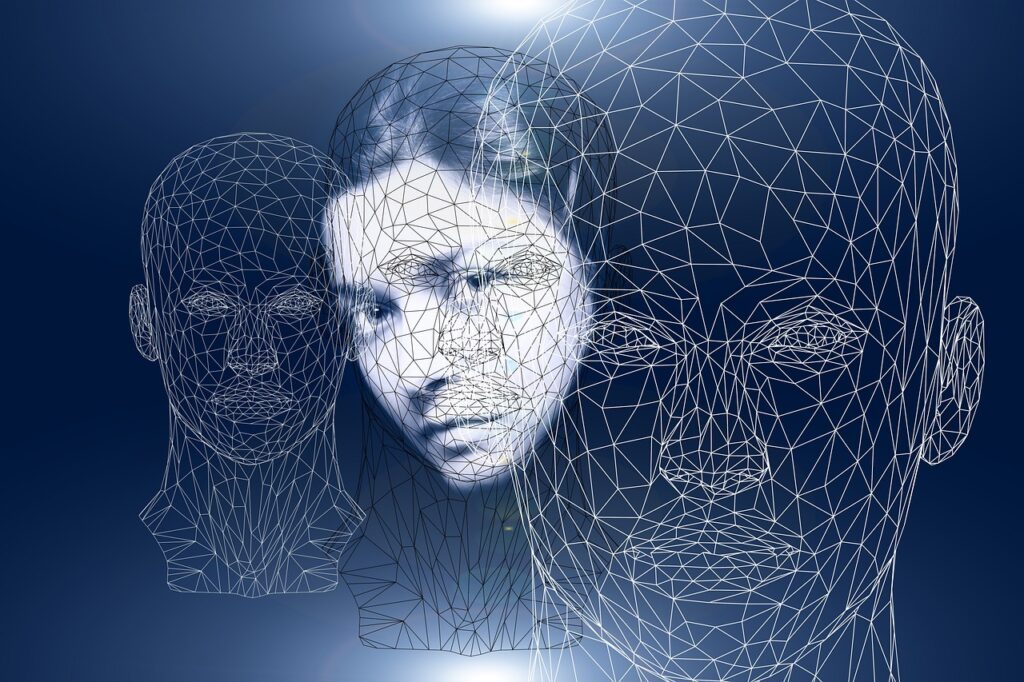
Every morning you wake up and, without thinking twice, you just assume you are the same person you were yesterday. Same name, same memories, same story. It feels so obvious, so automatic, that it hardly seems worth questioning. Yet modern consciousness research is quietly saying something wild: that everyday feeling of being one continuous “you” is not a given, but one of the brain’s most impressive ongoing creations.
Under the hood, your brain is less like a camera recording a stable self and more like a movie studio continuously rewriting, editing, and projecting a character called “you” in real time. What feels like a single, solid identity is more like a constantly refreshed feed: new experiences woven into old memories, stitched together so smoothly that the seams vanish. Once you see how constructed that sense of sameness really is, ordinary life starts to look strangely magical – and a bit more fragile – than it did before.
The Brain Is More of a Storyteller Than a Mirror
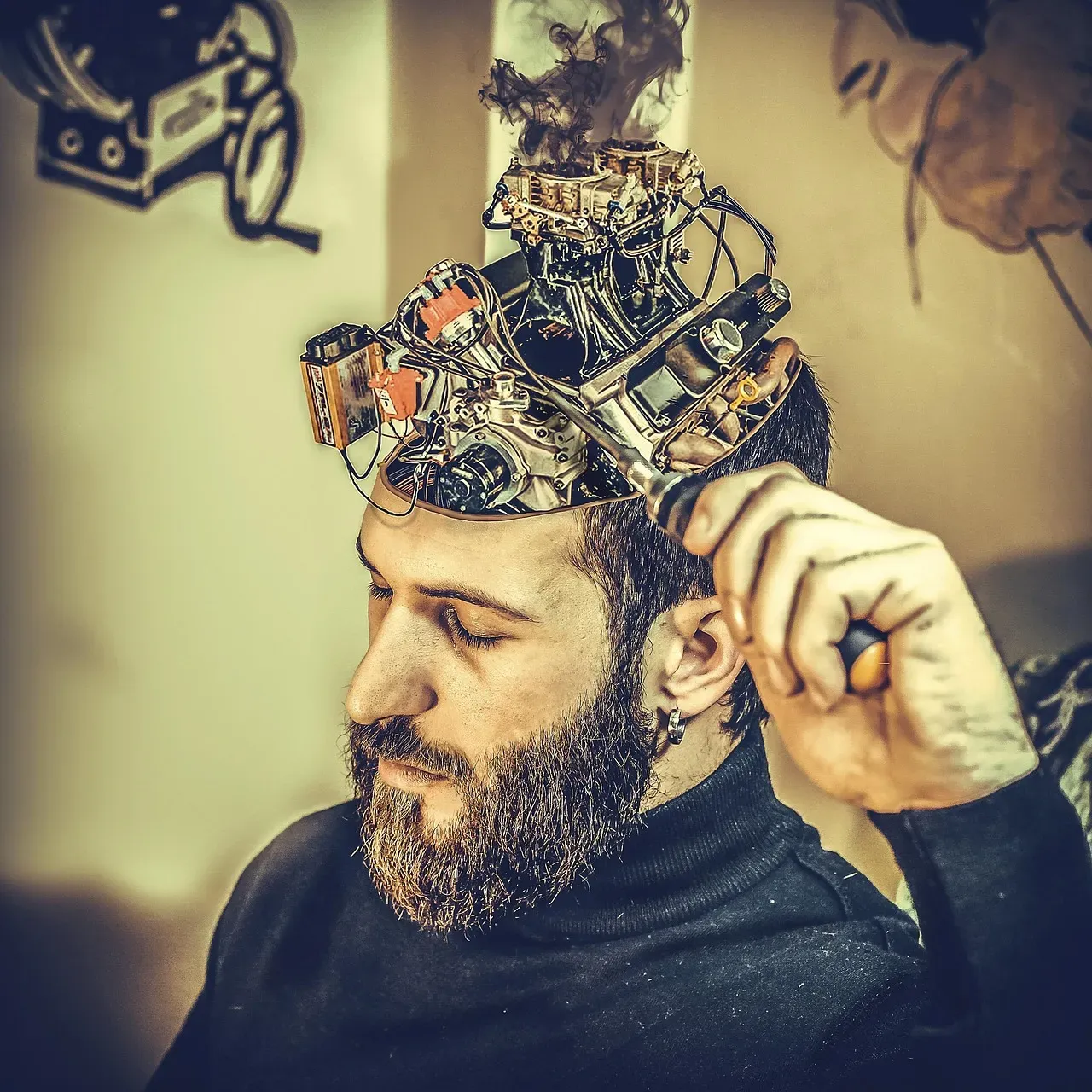
One of the most surprising lessons from neuroscience is that the brain is not a passive mirror reflecting reality. It is an active storyteller, forever predicting, filling in gaps, and editing. Instead of faithfully playing back a fixed “self,” your brain is more like a novelist, taking scattered fragments – sensations, memories, emotions – and weaving them into a coherent narrative that feels like who you are.
This narrative is not lying, but it is not a neutral report either. It simplifies, smooths over contradictions, and quietly ignores countless details that do not fit the story. You may think of yourself as “not a morning person” or “always anxious,” even though there are mornings where you are fine and moments when you are brave. The storyteller inside your head tends to highlight certain patterns and downplay exceptions, giving you a stable sense of self even when your actual behavior – if recorded like raw data – is much more uneven.
Memory Is Not a Hard Drive, It Is a Reconstruction Engine
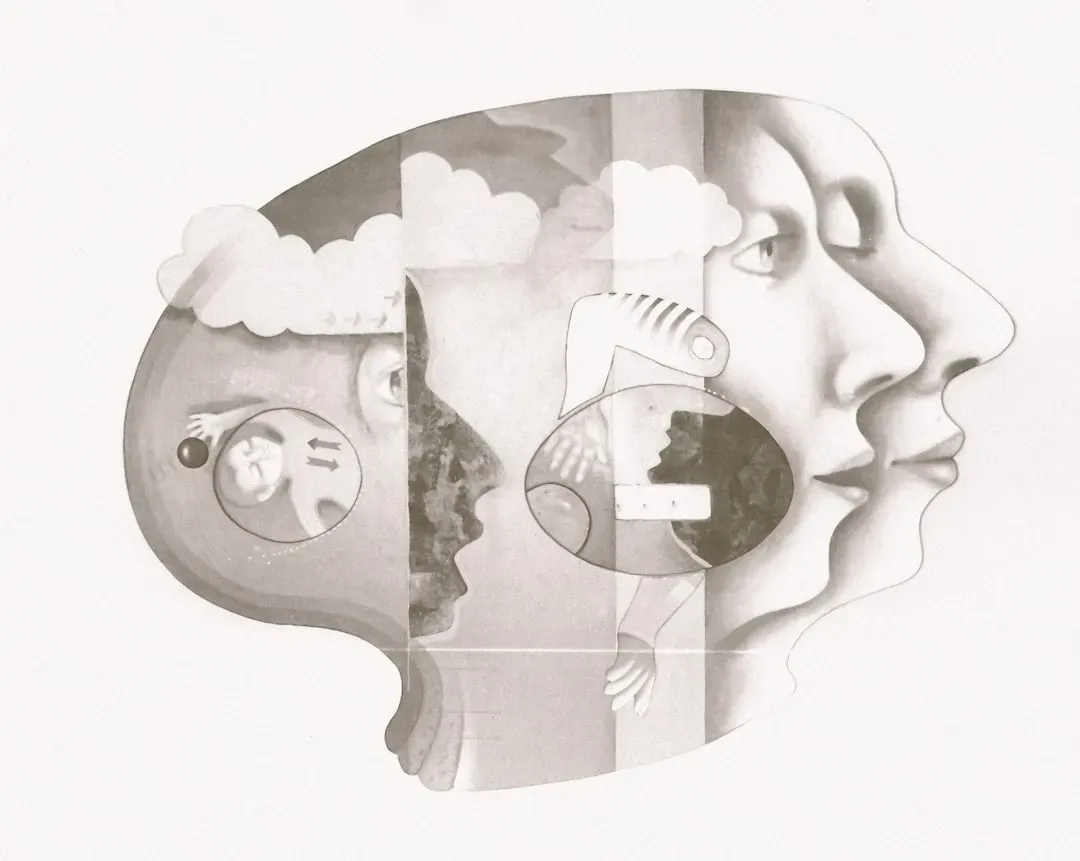
Our feeling of being the same person depends heavily on memory, so it is easy to imagine memories as files stored somewhere in the brain, like photos on a phone. Consciousness research keeps showing that this metaphor is badly wrong. When you recall an event, you are not pulling up a perfect recording; you are rebuilding it on the fly, using bits of original information plus newer beliefs, emotions, and context.
That reconstruction process is shockingly flexible. Details can shift, lines can blur, and over time, old memories can quietly evolve. Yet subjectively, they still feel like stable anchors of who you are. The brain’s trick is that it makes these reconstructed memories feel authentic and continuous, so the story of “me” stretches smoothly from past to present. Your identity uses this flexible, constantly edited archive as if it were rock solid, even though under scientific scrutiny it looks more like a living document than a locked vault.
The “Self” Comes from Many Brain Systems, Not One
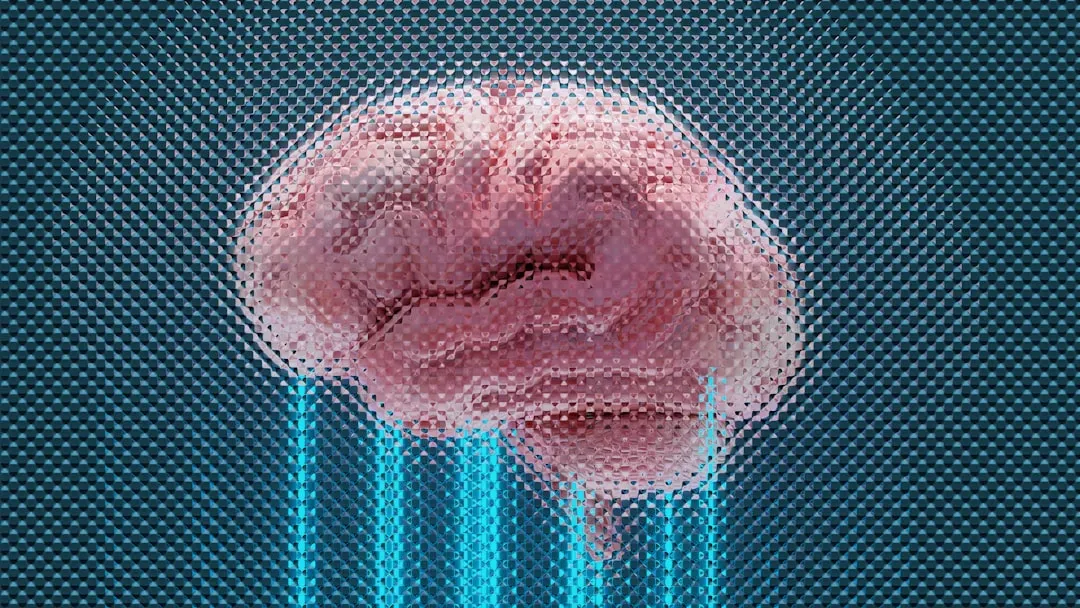
It is tempting to imagine a single “self center” somewhere in the brain, a master control room where the real you sits. Decades of research have failed to find such a spot. Instead, scientists see many different networks contributing to the sense of self: regions involved in memory, in tracking the body, in social thinking, in emotion, in decision-making. Your feeling of being a unified person emerges from their joint activity, not from a single seat of the soul.
This patchwork origin explains why the sense of self can change when certain areas are damaged, overactive, or shut down. Injuries, dementia, psychiatric conditions, and even some forms of meditation or psychedelic experience can all reshape how people experience who they are. The fact that your normal identity can be altered by tweaking brain function is not a cheap party trick; it is strong evidence that “you” is an ongoing construction, built out of many moving parts cooperating in real time.
Continuity Is a Feeling, Not a Fact

We talk as if identity continuity is an objective fact: you were you last year; you are you today. What consciousness science suggests is that continuity is first and foremost a feeling. It is the sense that your current experiences relate meaningfully to what came before, that your past and future belong to the same ongoing narrative. The brain works hard to protect this feeling and treats disruptions as problems to solve.
Think about what happens after a major life change – moving to a new country, switching careers, ending a long relationship. You might look back on your earlier self and feel strangely distant, maybe even say it feels like a different lifetime. Objectively, you are the same organism, but your subjective sense of continuity has stretched and warped. The self-system is scrambling to tie the “old you” to the “new you” in a way that still feels like one story. The fact that this can be easier or harder depending on circumstances shows how much continuity lives in experience, not just in physical facts.
The Default Mode Network and the Voice in Your Head

There is a particular set of brain regions that consistently light up when you are not focused on an external task, often called the default mode network. When your mind wanders to your past, your future, your reputation, your plans, this network hums along. Researchers see it as deeply involved in constructing your inner narrative and sense of self across time.
That familiar inner voice – ruminating about what happened yesterday, rehearsing what you will say tomorrow, replaying embarrassing moments from years ago – is not just background noise. It is one of the main mechanisms by which your brain maintains a continuous character. By constantly stitching your memories, goals, and social roles together in thought, it keeps updating the ongoing profile of “me.” When this network’s activity is altered, whether through injury, certain disorders, or particular states of consciousness, people often report radical changes in how solid or separate they feel as an individual.
Body, Emotion, and the Feeling of Being Someone

Identity is not only a story in your head; it is also anchored in the raw feeling of having a body. Neuroscience has identified brain systems dedicated to mapping the internal state of the body – things like heartbeat, breathing, tension in muscles, gut sensations. These bodily signals feed into emotional life and give a kind of background “tone” to being you at any given moment. Feeling like the same person each day partly depends on how stable that internal bodily sense is.
When those signals shift dramatically, the sense of self can wobble. High anxiety can make you feel like a stranger to yourself, as if your own reactions no longer match who you thought you were. Chronic pain can reshape identity over time, forcing people to rebuild their story around the constant presence of discomfort. On the flip side, practices that tune body awareness – like breathing exercises or mindfulness – can sometimes soften rigid self-stories, showing how physical sensations and mental narratives constantly feed into each other to create the lived experience of being someone.
What Happens When the Self-System Glitches

The idea that identity is constructed is not just theoretical; you see its edges when things go wrong. In certain conditions, people report feeling detached from themselves, as if watching life from the outside. Others may experience gaps in memory that split their sense of continuity. These experiences can be deeply unsettling precisely because they threaten that usually reliable feeling of being the same “me” through time.
These glitches, while difficult, are also revealing. They show that the feeling of a stable self can weaken, fracture, or temporarily vanish, even while the brain and body remain intact. That should make all of us a bit more humble about how “solid” our identity really is. What we normally treat as an unquestionable given turns out to depend on a finely balanced set of processes that can be stressed, stretched, or temporarily switched into unfamiliar modes.
Why This Matters for Everyday Life
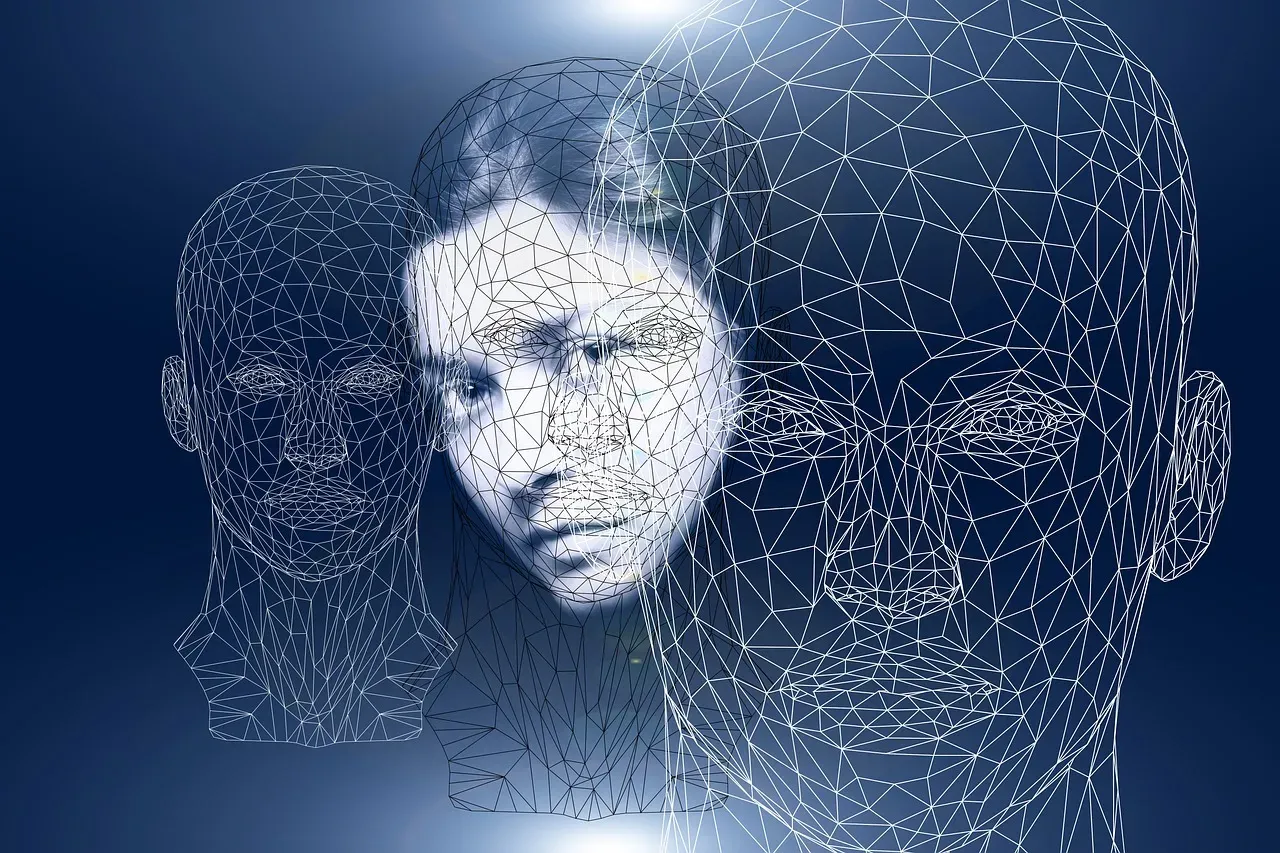
At first, learning that your sense of self is a construction might feel threatening, as if it makes you less real. In my own life, when I first dove into this research, I worried it would make everything feel fake – like the “me” I knew was just a clever illusion. But over time, that shifted into something more hopeful: if the brain is actively building this identity, then there is at least some room to participate in the process instead of being trapped by it.
Seeing the self as constructed can soften the grip of harsh self-judgments and rigid labels. If your brain is constantly updating your story anyway, then “I am just this way” loses some of its power. Your past remains real, but it does not have to be a cage. You can experiment at the edges of your identity, change patterns, adopt new roles, and know that the sense of one continuous you can stretch to include those changes. That is not a guarantee that change is easy, but it is a reminder that the machinery of identity is more flexible than it feels from the inside.
Conclusion: A Fragile, Flexible Self Is Not a Weak One
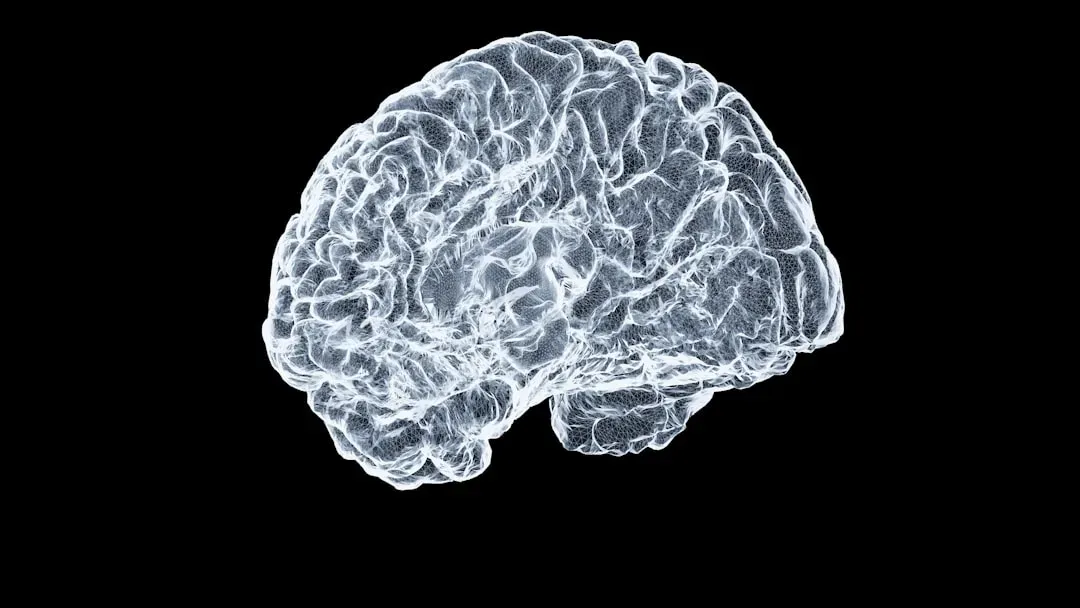
When you strip away the comforting myth of a fixed, unchanging core, what remains is actually more impressive: a brain that tirelessly assembles your past, present, and imagined future into a sense of self that feels stable enough to live by. I think we underestimate how astonishing that is, precisely because it happens so quietly, every single day, even when we are just scrolling on our phones or brushing our teeth. The everyday feeling of “still being me” is not proof of a permanent essence; it is evidence of a powerful, ongoing construction project.
In my opinion, clinging to the idea of a rigid, eternal self holds us back more than it protects us. A self that can change, be questioned, and be rebuilt is not a fragile fake; it is a living system, capable of growth. Consciousness research is not telling you that you are an illusion; it is saying that you are a process. The real question is not whether you are the same person every day, but how you want this remarkable, continuously updated “you” to evolve from here. If your identity is a story your brain keeps writing, what kind of next chapter would you dare to imagine?