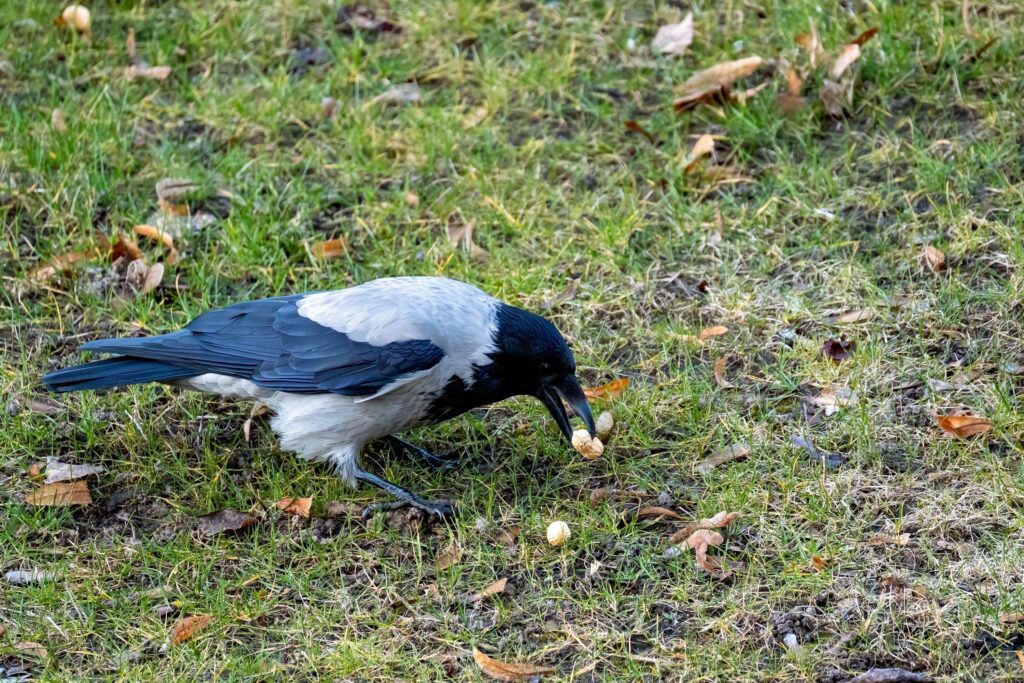
If you have ever watched a crow hop around a parking lot, you probably did not think you were looking at a strategist. Yet research over the last couple of decades keeps pushing us toward a slightly uncomfortable conclusion: these birds are not just smart, they are mentally playing chess while we are still setting up the board. When crows stash food in multiple hiding places, scientists now argue they are not just being messy or cautious. They may actually be anticipating theft from other crows and planning around that risk ahead of time.
This idea sounds almost too human: future planning, social paranoia, decoy stashes. But it fits into a growing body of work in animal cognition that suggests at least some birds can think about tomorrow, imagine what others might do, and take action now to protect themselves. The evidence is not perfect, and scientists are careful not to overhype it, yet the pattern is hard to ignore. Once you see it, that scruffy crow at the edge of the parking lot stops being background noise and starts to look unnervingly like a neighbor who is very good at hiding spare keys.
The Strange Intelligence Hiding in Plain Sight
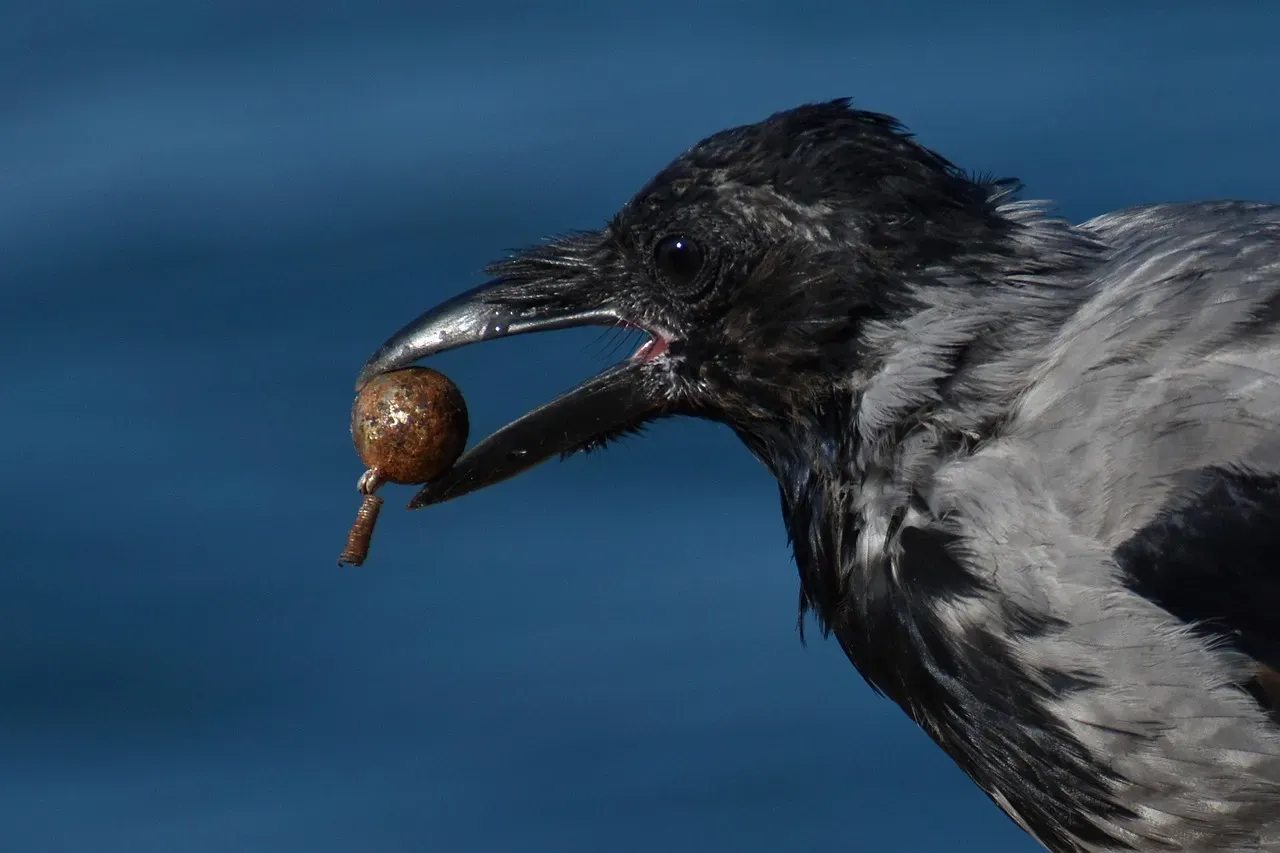
It is easy to underestimate birds because of their size and because we grow up hearing that brains and intelligence scale together. Crows, rooks, ravens and their corvid cousins blow that assumption to pieces. They pack a dense, efficient brain into a small skull, and despite the lack of a mammal-style cortex, they manage many of the same cognitive tricks primates do.
Researchers have shown corvids using tools, recognizing individual human faces, remembering who treated them badly, and even solving multi‑step puzzles that stump young children. When food caching enters the picture, this intelligence suddenly becomes practical. Now, the question is not whether they are clever in a lab game, but whether they use that cleverness to make real‑world decisions about who might steal their next meal.
Why Crows Hide Food in the First Place
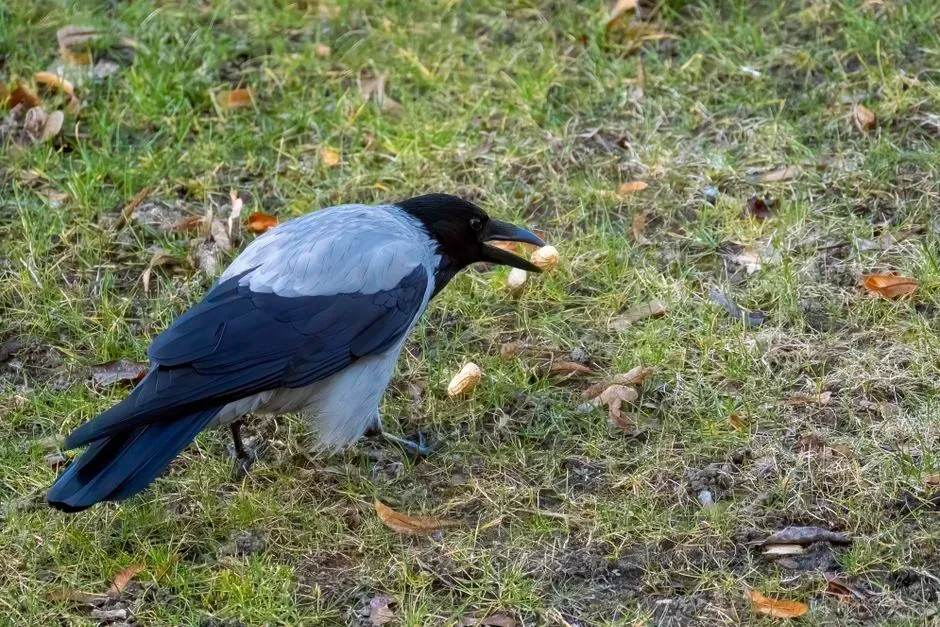
Food caching is basic survival strategy in many species, especially when resources come in short bursts. If you are a crow and you find a feast today but lean times are coming tomorrow, hiding surplus food buys you a second chance. Instead of overeating in the moment or leaving it all behind, you turn the landscape into a kind of living pantry.
Crows bury bits of food in soil, wedge items into crevices, or hide them under leaves and debris. These caches are often spread out over a wide area, and the birds can remember their locations over surprisingly long periods. On the surface, this sounds like nothing more than extreme tidiness. But when scientists started paying attention to when and how crows choose specific spots, social risk suddenly looked just as important as hunger or habit.
Multiple Hiding Spots as a Social Insurance Policy
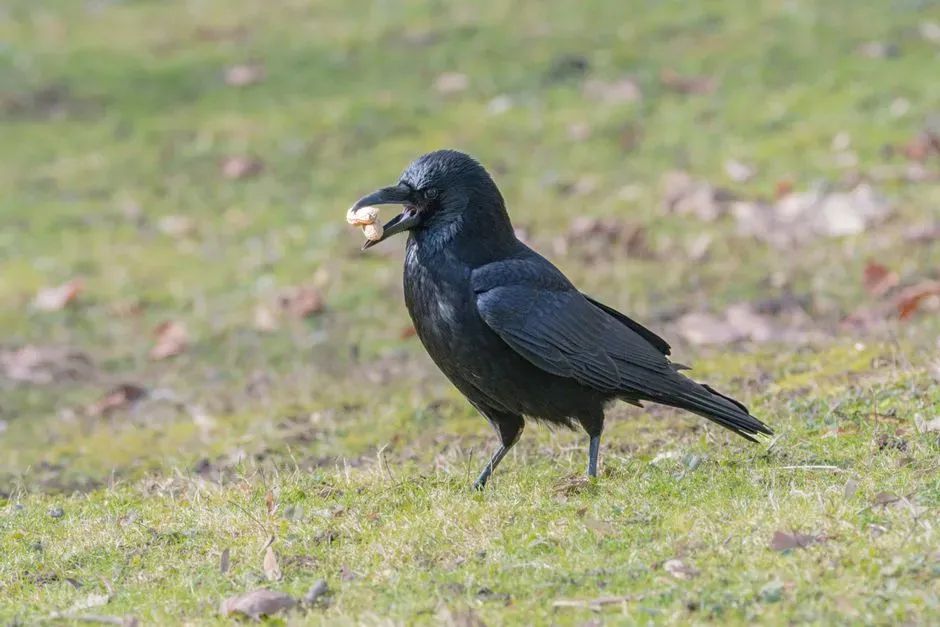
When researchers compare caching in private versus caching while other birds are watching, an interesting pattern emerges: crows tend to create more hiding spots, move items more often, and spread food across a wider area when there are potential thieves around. In other words, the social context shifts the strategy. One big stash becomes a network of smaller, safer stashes when the neighborhood does not look trustworthy.
This multi‑cache approach works like diversifying investments. If you put everything into one place and someone robs you, you lose it all. If you spread resources across different locations, any single theft hurts less. That kind of trade‑off is exactly what human planners think about. In crows, seeing such a pattern at least suggests something deeper than a simple automatic response and hints at a flexible, risk‑aware style of thinking.
Are Crows Really Anticipating Theft?
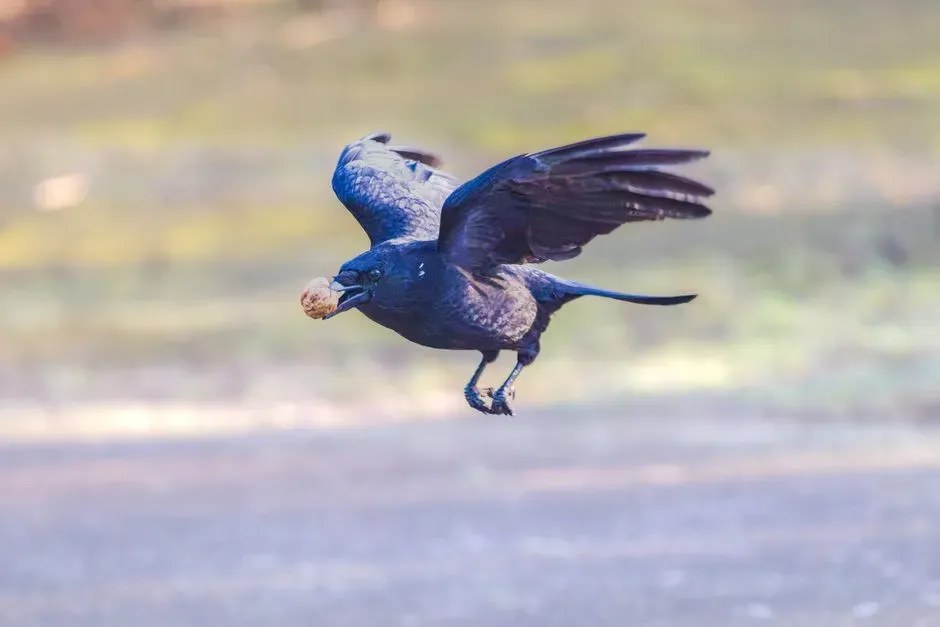
The bold claim in the headline hinges on one word: anticipating. It is one thing for a crow to react when another bird is right in front of it. It is another thing to change behavior now because of what might happen later. Researchers try to tease this apart by comparing conditions: is a crow hiding more broadly even when competitors are briefly present and then gone, or only when harassment is happening in real time?
Studies with corvids have shown that birds with prior experience of being robbed behave differently when they cache in front of observers versus in private. They are more cautious, they re‑cache food after the watcher leaves, and they choose more concealed spots. The cautious interpretation is that this is learned, flexible behavior based on past thefts and current social cues, not a vague automatic reaction. Whether we label that as genuine anticipation or something slightly simpler is still debated, but the behavior itself is real and repeatable.
Planning for the Future: Beyond Simple Instinct
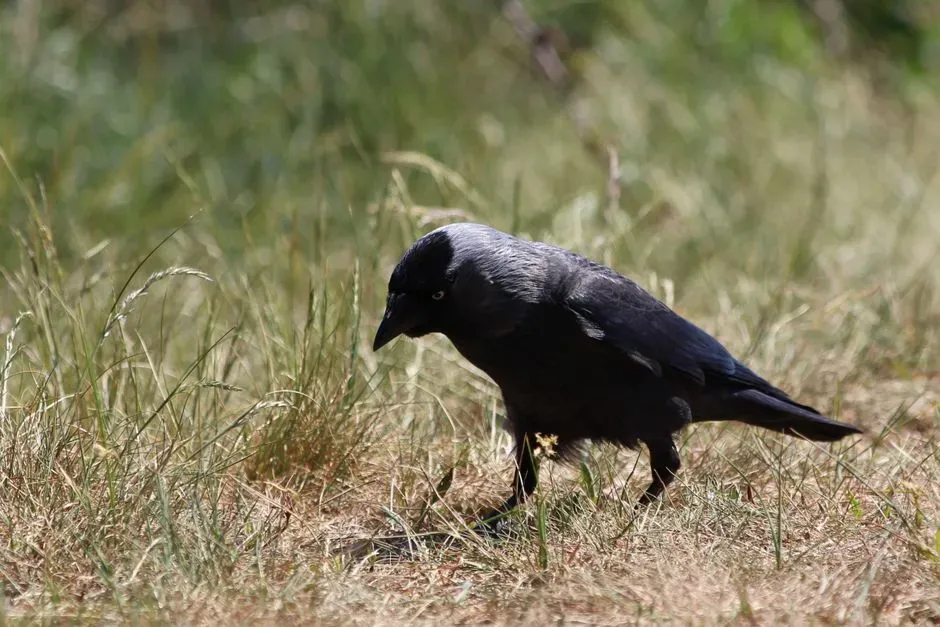
Planning is a heavy word in animal cognition. To count as planning in the strict scientific sense, behavior should be aimed at a future problem, flexible across situations, and not just a hard‑wired seasonal instinct. Some corvid experiments, especially with related birds like scrub‑jays, have shown individuals storing food in places where they will later be hungry, even when their immediate needs are already met. That suggests they are not just driven by present appetite.
When crows hide food in multiple locations after having been robbed before, they look like they are doing something similar: optimizing for a future risk they will not face in the next minute, but possibly in the next hour or day. The conservative view is that they have built an internal rule of thumb along the lines of “when others are around, spread the food.” A more daring interpretation is that they imagine the later theft and act now to reduce it. Reality probably sits somewhere between those two, but either way it is much richer than simple reflex.
How Scientists Try to Read a Crow’s Mind
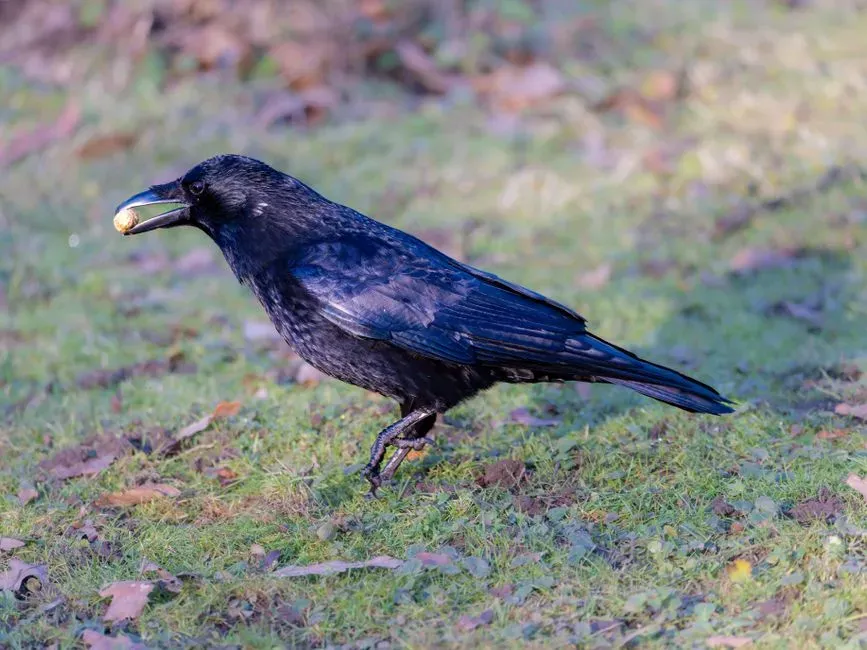
Because we cannot ask a crow what it is thinking, scientists have to get creative. They design experiments where the only thing that changes is the information the crow has or the presence of other birds. For example, a bird might cache food while another crow watches. Later, the observer either has access to the caching area or does not. Researchers then look at whether the cacher adjusts where and how it hides food based on who can potentially return.
Another approach is to manipulate what the caching bird itself has experienced. Birds that have been thieves in the past may become more paranoid when they are the ones hiding food, as if they know exactly how someone else might behave because they have done it themselves. When those experienced thieves scatter their caches more widely or re‑hide items after being watched, it suggests they are using their own history to guide future‑oriented strategies. That is not proof of human‑style imagination, but it is strong evidence of socially informed planning.
Cognitive scientists use these patterns to test ideas like perspective‑taking and episodic‑like memory. If a crow behaves differently depending on whether a rival could see, could hear, or could access a cache, that nuance starts to look like a rough form of understanding another’s point of view. It is not philosophical introspection, but it also is not blind habit.
What This Says About “Bird Brains” and Ourselves
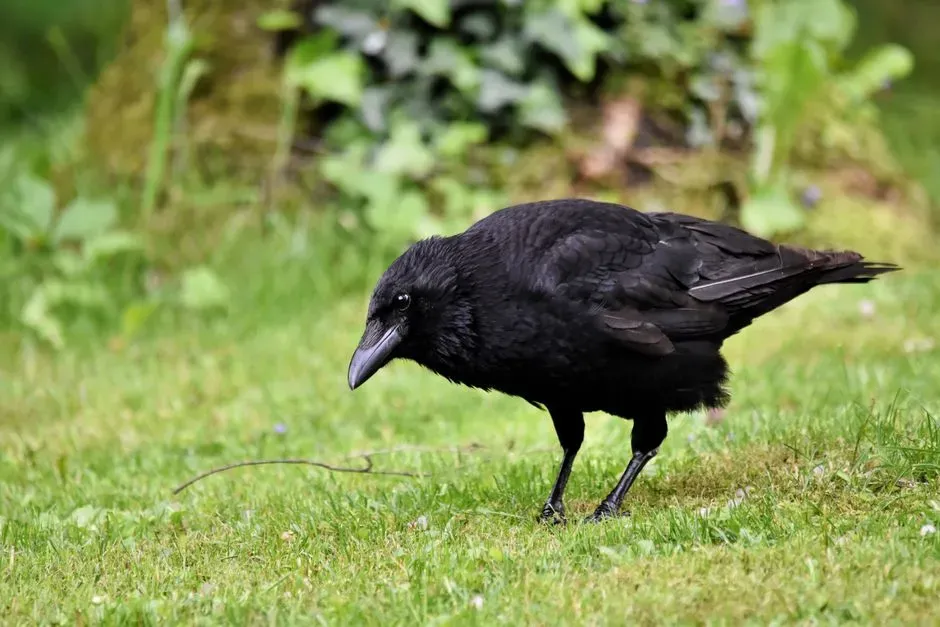
For a long time, calling someone a bird brain was a casual insult. Now, that joke is aging badly. Crows and their relatives force us to rethink what brains need to look like in order to support things like planning, strategic deception, and memory for specific events. Their neural hardware is very different from ours, yet the behavior sometimes converges on similar solutions.
This has a humbling edge. If a crow can spread caches to hedge against theft, move food after being watched, and change tactics based on who is nearby, then complex cognition may be less exclusive to big‑brained mammals than many people want to believe. The mental gap between us and other animals looks more like a slope than a cliff. From a personal standpoint, once you take that seriously, it gets harder to treat wildlife as background props in our story, and easier to see them as other minds sharing the same world with different tools.
My Take: Give Crows More Credit, But Not Magical Powers
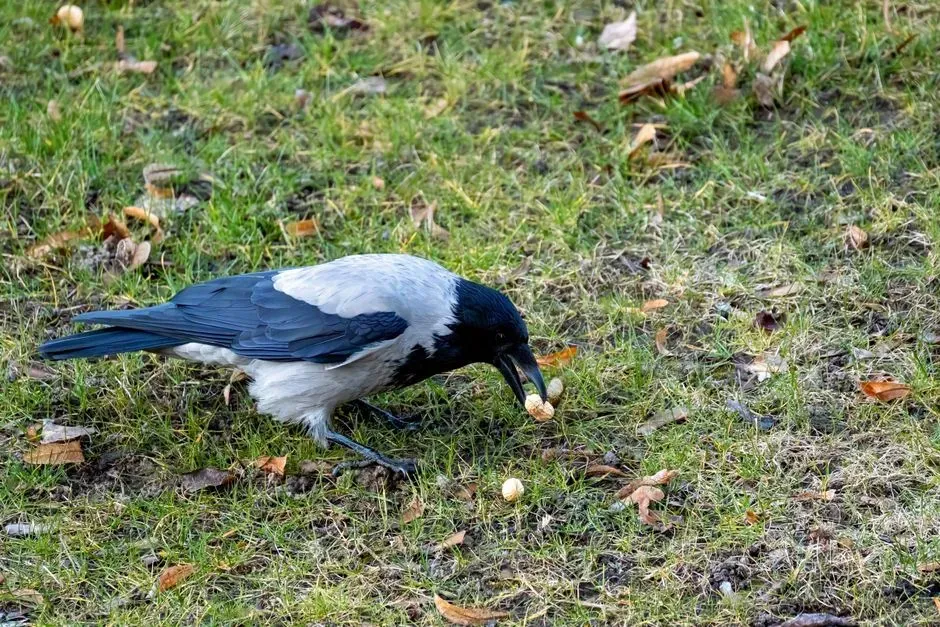
So, are crows explicitly thinking something like, “That guy will probably steal my stash tomorrow, so I’d better split it into five spots”? We do not have clean, direct evidence for thoughts phrased that way, and we should be honest about that. At the same time, brushing their behavior off as mere instinct feels like wishful shrinking. When the pattern of caching shifts with experience, social context, and specific risks, calling it pure reflex does not really match the data.
My own view lands in the middle: crows are engaging in genuine, future‑oriented, socially aware strategies, even if their inner experience is not a carbon copy of ours. They anticipate theft because their history and current information tell them that theft is a real possibility, and they plan around it using flexible rules that can adapt to new situations. We should resist the urge to romanticize them into tiny feathered humans, but we should also resist the equally strong urge to downplay what they are clearly doing. The real story is more interesting than either extreme: we share this planet with creatures whose quiet, everyday decisions are smarter and more forward‑thinking than most of us ever noticed. Next time you see a crow tuck something away and glance around, ask yourself honestly: who is really watching whom?