
There is something quietly astonishing about the fact that you can wake up, look in the mirror, and feel, without question, that you are still you. Not a similar copy, not a fresh instance, but the very same person who went to sleep last night, made mistakes five years ago, and had strange dreams as a child. Modern consciousness research is increasingly clear on one uncomfortable point: that feeling of being the same self over time is not a given, it is a highly active construction your brain keeps stitching together moment after moment.
Once you see it this way, ordinary life starts to look a bit like a magic trick that never switches off. Memory, emotion, bodily signals, social feedback, even your phone’s photo gallery are constantly recruited to maintain a sense of personal continuity. And like any good illusion, it works so well that you forget it is an illusion at all. The more we learn about how fragile and patchworked this sense of self really is, the more impressive it becomes that it holds together at all.
The Shocking Fragility Behind Your “Solid” Sense of Self
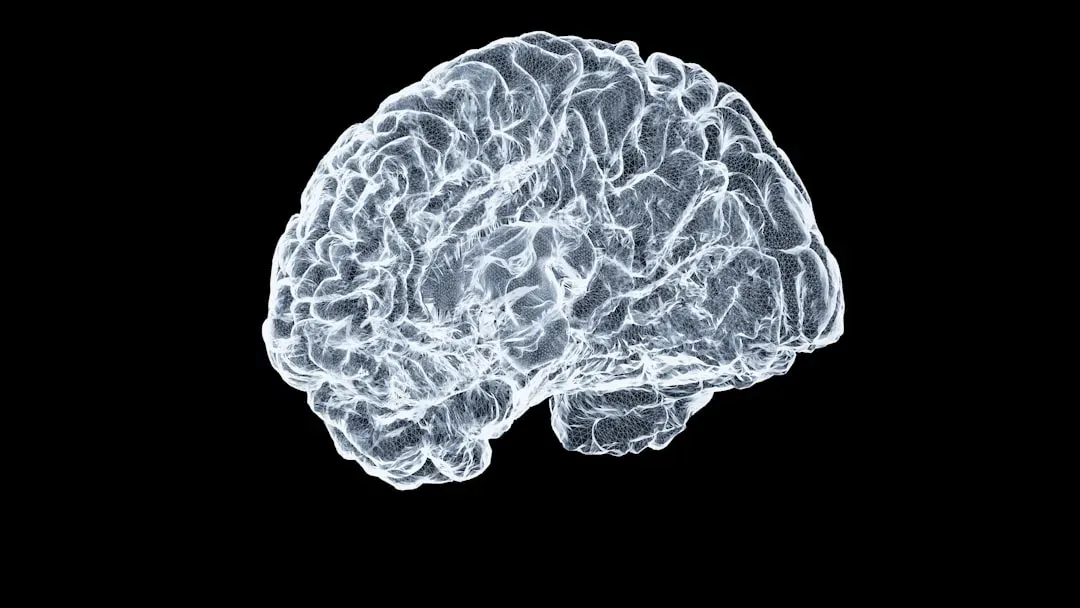
It feels obvious that you are a single, continuous person, but the scientific evidence is surprisingly brutal about how fragile that continuity really is. Patients with certain kinds of brain damage can lose huge swaths of autobiographical memory yet still insist they are the same person, while others retain their memories but radically shift their personality, values, and emotional responses. In some rare cases, neurological injury or disease can leave someone acting in ways their family describes as almost like a complete stranger wearing a familiar face.
Even in healthy brains, the sense of a unified, stable self can wobble. Strong dissociative states, extreme stress, sleep deprivation, or psychedelic experiences can temporarily disrupt the feeling that there is a single “me” in charge. These cracks do not prove there is no self at all, but they show how much work the brain is doing, behind the scenes, to smooth over discontinuities and present a stable identity to consciousness. The very fact that it can fail tells you there is a delicate mechanism there in the first place.
Memory: The Brain’s Ongoing Autobiography Project
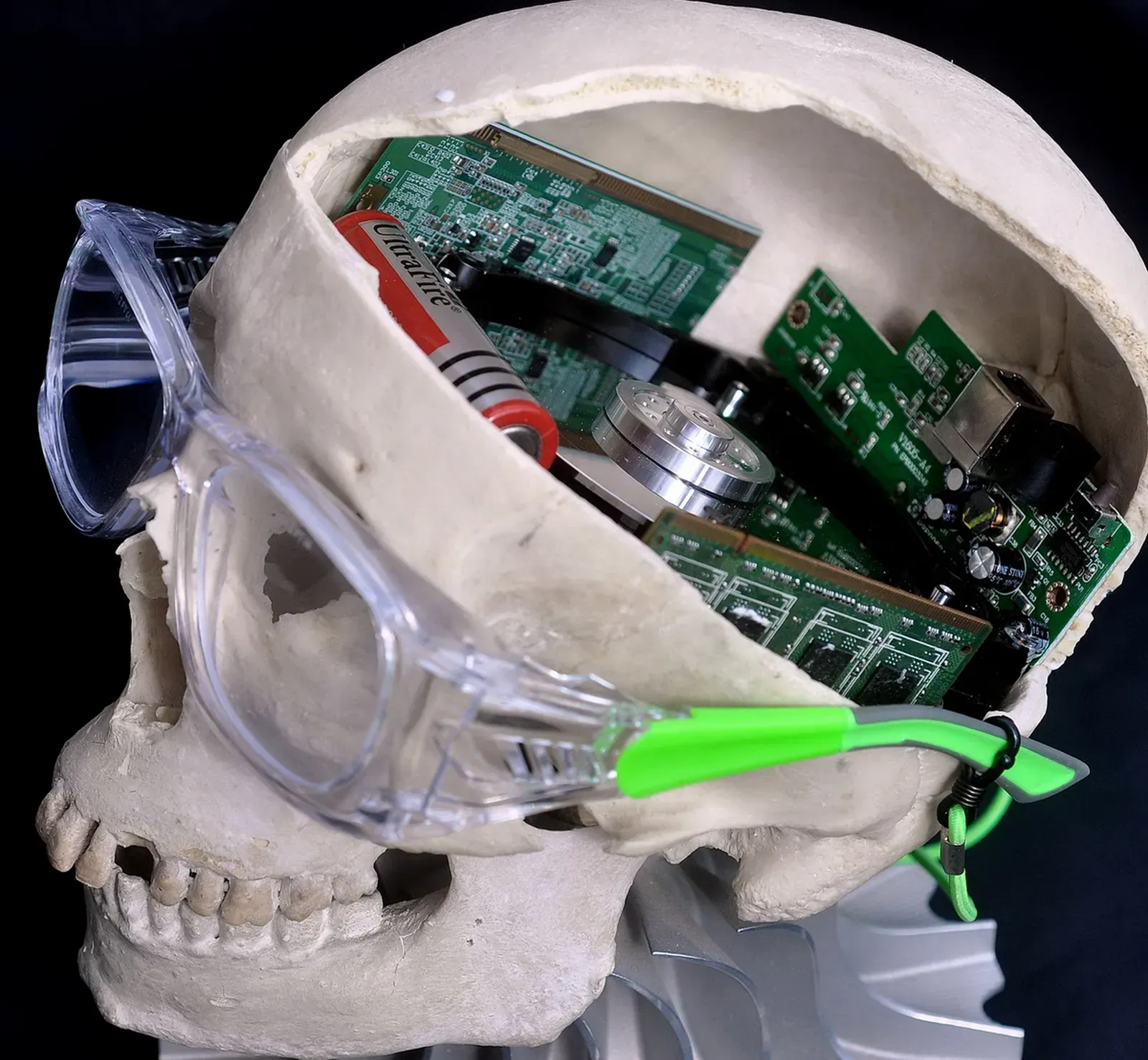
If the feeling of being the same person is a story, memory is the main writing room. The brain is not a passive recorder; it is a ruthless editor that compresses, reshapes, and sometimes simply invents details to keep the narrative of your life coherent. Neuroscience and psychology experiments have shown, again and again, that people can be confidently wrong about details of past events, yet the self-narrative still feels seamless and true from the inside.
What matters for your sense of identity is not perfect accuracy, but consistency and emotional meaning. The brain tends to highlight experiences that reinforce the story you already tell about yourself, whether that is “I am independent,” “I always mess up,” or “I am the resilient one in the family.” In that way, your memories are less like security camera footage and more like a long-running series with recurring themes and character arcs, rewritten over time to make sure the main character – you – stays recognizable.
The Body as a Moving Anchor for the Self

Underneath all the stories and memories, your body is constantly feeding your brain a stream of signals: heartbeat, breathing, gut sensations, temperature, posture, muscle tension. Researchers have found that this internal sense of the body, sometimes called interoception, is tightly linked to how stable and grounded your sense of self feels. When that bodily feedback becomes noisy or unreliable, people often report feeling unreal, detached, or as if they are watching themselves from the outside.
This is why grounding techniques that focus on breathing, touch, or posture can sometimes help pull people back when they feel dissociated or overwhelmed. The brain appears to use the body like a reference frame: no matter how wild your thoughts and emotions get, there is this ongoing thread of being located in a particular organism, with a particular heartbeat and weight in the world. The continuity of your physical body becomes one of the main props that supports the continuity of your psychological identity.
The Brain as a Prediction Machine, Guessing Who “You” Are
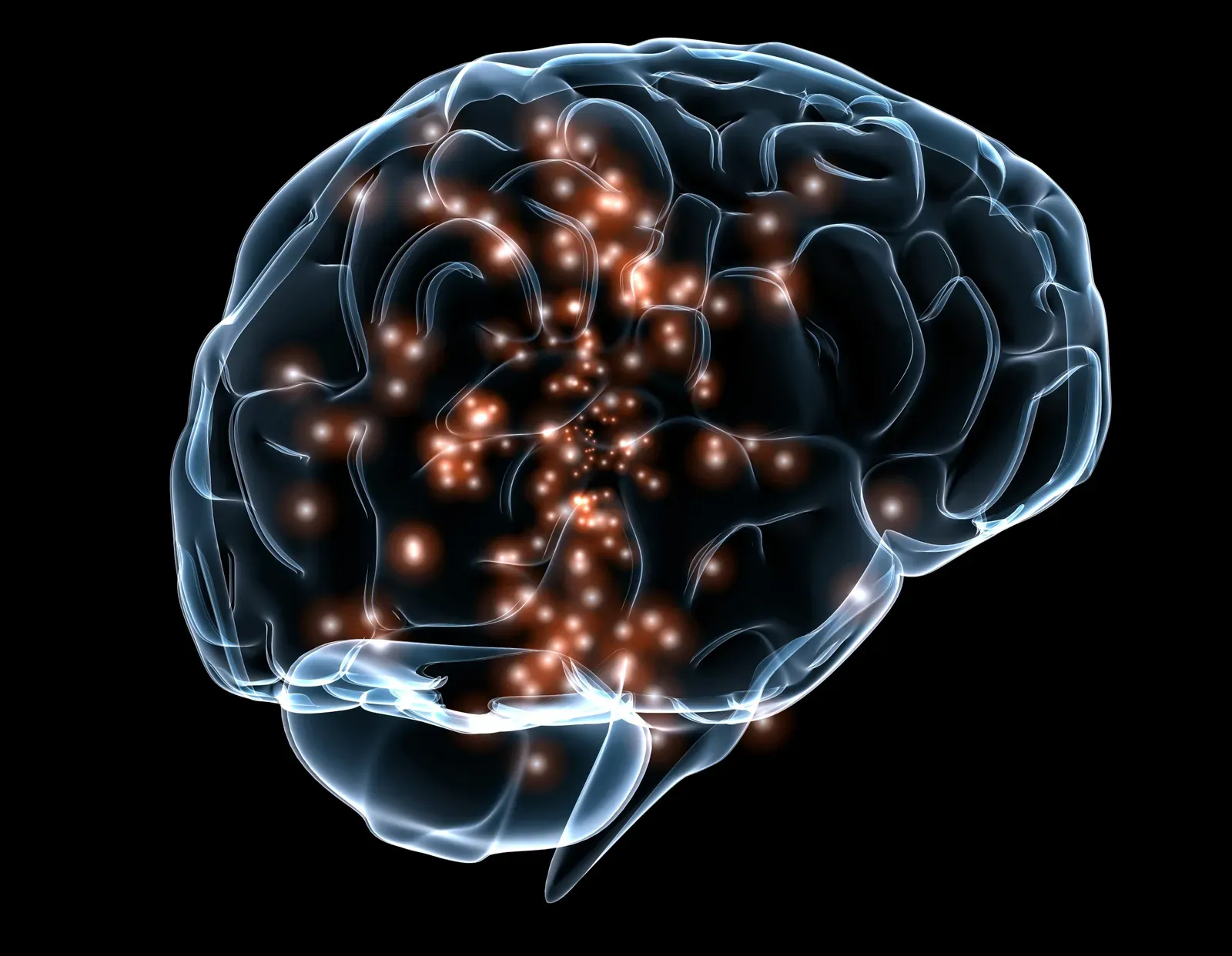
Modern neuroscience increasingly describes the brain as a prediction engine: instead of just reacting to incoming information, it is constantly guessing what will happen next and updating when those guesses are wrong. That predictive principle applies not just to the outside world, but also to the self. Your brain is continuously predicting how “you” typically think, feel, move, and respond, and then compares ongoing experience against that internal model.
This means your sense of being the same person is partly your brain’s best guess, moment by moment, about what kind of agent you are. When your current emotions or actions are unusual enough, people often say things like “I don’t recognize myself” or “I wasn’t myself back then.” That is the predictive model of self wobbling a little. Most of the time, though, your habits and reactions fall close enough to the model that the brain can say, with unconscious confidence, yes, this is still me, just continuing.
When Continuity Breaks: Amnesia, Dissociation, and Multiple Selves

The rare cases where self-continuity breaks down are some of the most revealing. People with certain forms of amnesia may wake up every day believing it is the same date, or may be unable to store new long-term memories, living in a sort of looping present. Others with dissociative disorders describe feeling like they switch between different self-states, each with its own patterns of emotion, behavior, and sometimes memory access.
These conditions are complex and often misunderstood, but they make one thing uncomfortably clear: the feeling of being one continuous individual can be pulled apart. In my own life, the closest I have come to this was waking from surgery under anesthesia, with a blank gap in my timeline that felt deeper than normal sleep. For a moment, there was a strange sense that the current “me” had just popped into existence. Cases on the extreme end of the spectrum are like that moment stretched and multiplied, showing us that the usual glue of memory, bodily feeling, and narrative can, in fact, come unstuck.
Culture, Language, and the Collective Story of “You”

We like to imagine the self as a purely private thing, but it is heavily social. The way you think about being a person at all depends on the language and culture you grew up in. Some cultures emphasize individual uniqueness and personal achievement; others focus more on roles, relationships, and obligations. Those differences shape what counts, in your mind, as the important features of “who I am,” and therefore what needs to feel continuous across time.
On top of that, there is all the feedback you get from other people. Childhood nicknames, repeated family stories, performance reviews, compliments, and criticisms all become part of the scaffolding for your identity. When old friends say you have changed, or when a new community treats you as someone totally different from who you used to be, it can shake your sense of being the same person. In a way, your identity is a co-authored document, constantly edited by you and everyone who knows you.
Digital Life: How Photos, Feeds, and Old Posts Reinforce (or Distort) Identity
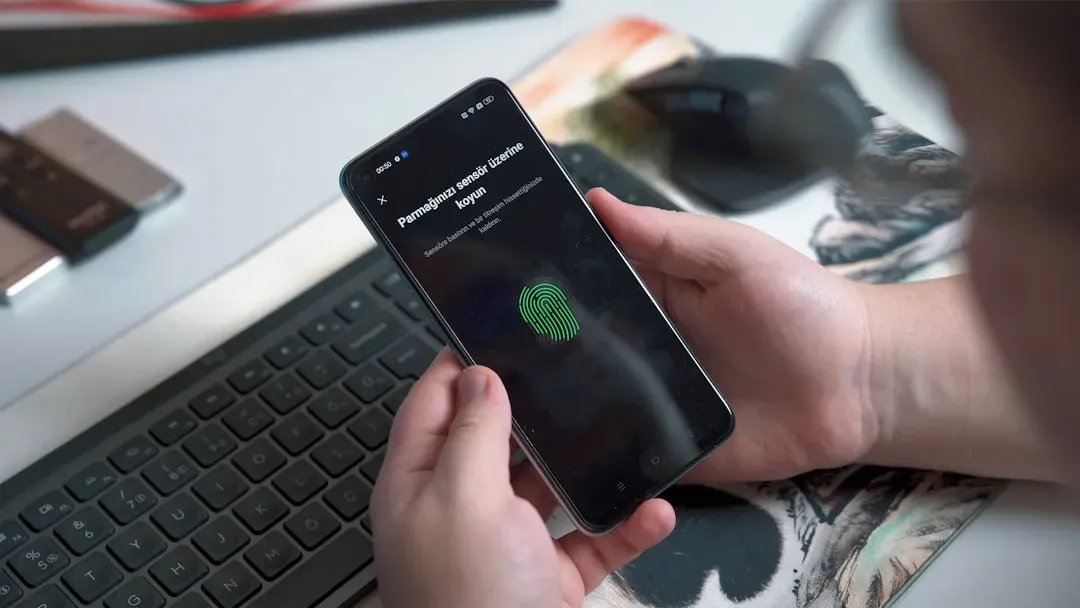
In earlier eras, you mostly had to rely on memory, a few physical photos, and other people’s stories to track who you were. Now there is a sprawling digital trail: social media posts, chat logs, cloud photo backups, old emails, location histories. On one hand, this can powerfully reinforce the sense of continuity. Scrolling back through years of images and messages can make your life feel like a documented journey, not just a blurry mental collage.
On the other hand, digital traces can also freeze old versions of you in place. An old post or photo can resurface and feel alien, like something done by a stranger you only vaguely remember being. I have had that jolt myself, rereading messages from a decade ago and feeling both connected to and distant from that earlier self. Our devices have turned the brain’s identity construction project into a team effort with algorithms, memories, and sometimes embarrassing archives all contributing to the script of who we believe we are.
Why the Ongoing Construction of Self Is Not Just an Illusion, but a Skill

It is tempting to hear that the self is a construction and jump to the idea that it is therefore fake, like a movie set with nothing behind the walls. That goes too far. The construction is not arbitrary; it rests on real continuity in your body, your brain’s physical wiring, and recurring patterns of behavior and relationship. The fact that it is actively maintained does not make it unreal any more than the fact that a city is constantly repaired and renovated makes the city imaginary.
In fact, you can think of a stable sense of self as a psychological skill that brains develop, maintain, and sometimes lose. Most of us learn, over years, to integrate our conflicting urges, painful memories, and shifting roles into something that feels reasonably coherent. When that skill is disrupted – by trauma, illness, or massive life upheaval – the result can be deeply destabilizing. Seen this way, practices like therapy, journaling, or meditation are not fluffy extras; they are ways of deliberately participating in and sometimes upgrading the brain’s construction of self.
Conclusion: You Are More of a Story Than a Statue, and That Is Good News

To me, the most striking lesson from consciousness research is that you are less like a carved stone monument and more like a novel that is still being written. The sense that you are the same person every day is not a static fact, it is a living process, stitched together by prediction, memory, the body, other people, and even your apps. That might sound unsettling at first, as if it means there is no “real you,” but I think that reaction misses the point. A story can be real without being frozen, and a self can be authentic while still changing.
My opinion is that embracing this constructed, ongoing nature of identity is actually empowering. If your self is a dynamic project rather than a fixed object, then growth is not a betrayal of who you are – it is literally how being you continues to work. You are responsible, yes, but not trapped. The brain will keep doing its remarkable construction job either way; the real question is how consciously you want to participate in the editing. Knowing that, what kind of person do you want tomorrow’s brain to remember you as today?