You know that tiny jolt of relief when you spot a friend in a crowded airport, or recognize your partner’s face instantly across a busy street? It feels automatic, almost trivial. But under the surface, your brain is running a seriously high‑end recognition system that most computers still struggle to match. Neuroscientists now know that this ability is so specialized that if a specific part of the brain is damaged, people can look at their own child, their spouse, or their best friend and feel… nothing. The face is there. The emotion is not.
That sounds dramatic, but it is real. There are people living today who can describe every detail of a face in front of them yet have no idea who it belongs to unless they hear the person speak or see a name written down. The same brain that can store thousands of faces across decades can also fail in oddly precise ways, creating a strange world where loved ones look like total strangers. Understanding how this circuit works is not just a cool science story; it forces us to rethink what it means to know someone at all.
The Brain’s “Face Radar”: Why Recognition Feels Instant
Think about the last time you walked into a party, scanned the room, and zeroed in on someone you knew in less than a second. You did not consciously compare every chin, nose, and hairstyle; your brain just snapped to the right face like it was magnetized. This speed is not an accident. The human visual system has evolved dedicated pathways that prioritize faces above almost everything else in a scene. Your attention is subtly pulled toward faces first, then toward whether those faces are familiar or not.
In simple terms, your brain runs a constant, automatic “who is this?” check on the people around you. It is like having a background app always matching faces you see against a huge internal database of stored identities. Most of the time, you only notice it when it fails for a split second – like when someone you know gets a radically different haircut and your brain stutters before catching up. The fact that this mostly works so seamlessly is a sign of just how specialized and efficient that circuit is.
The Fusiform Face Area: A Tiny Patch With a Huge Job

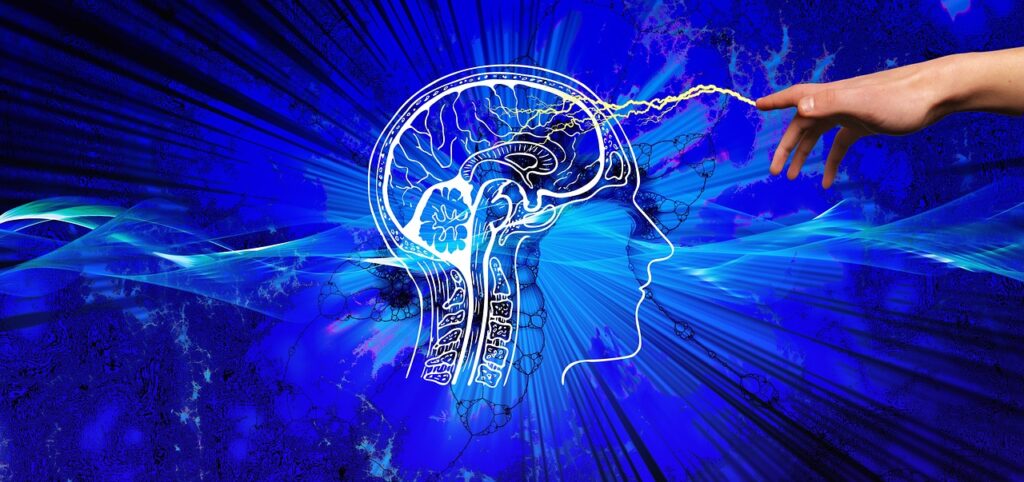
Deep in the underside of your temporal lobe sits a region that has become famous in neuroscience circles: the fusiform face area, often shortened to the FFA. This patch of brain tissue consistently lights up in brain scans when people look at faces, especially familiar ones. It is not the only piece of the puzzle, but it is one of the central hubs for putting together the features of a face into a single, recognizable identity. Think of it as the core processor in a larger recognition network.
What makes the FFA so striking is how selectively it responds. It is much more active for faces than for objects, words, or scenes, even when those other things are equally important in daily life. When this region is damaged – by stroke, head trauma, or a neurodegenerative disease – people can lose the ability to recognize even the most important faces in their lives. Their eyes still work, and their visual cortex still sees edges, colors, and shapes, but the specific “this is a person you know” signal collapses.
Prosopagnosia: When Loved Ones Look Like Strangers
There is a name for the condition where someone can see faces perfectly clearly but cannot recognize who they belong to: prosopagnosia, often called face blindness. For someone with prosopagnosia, facial recognition is not automatic at all. They may rely on clues like voice, hairstyle, posture, or context to figure out who they are talking to, and a small change in any of those can completely throw them off. Imagine the social anxiety of knowing you could greet your own neighbor like a stranger because you cannot reliably identify them by sight.
What is especially unsettling is that prosopagnosia can affect recognition of even the most emotionally important faces. Someone can see their partner every day and still feel like they are looking at a new person each time unless there are extra cues, like a familiar jacket or the sound of their laugh. The emotional bond is still there, the memories are intact, but the visual shortcut that usually links “this face” to “this person I love” is broken. It is a harsh reminder that recognition is not just about memory; it depends on a very specific visual mechanism.
How the Brain Builds a Face: Beyond Eyes, Nose, and Mouth
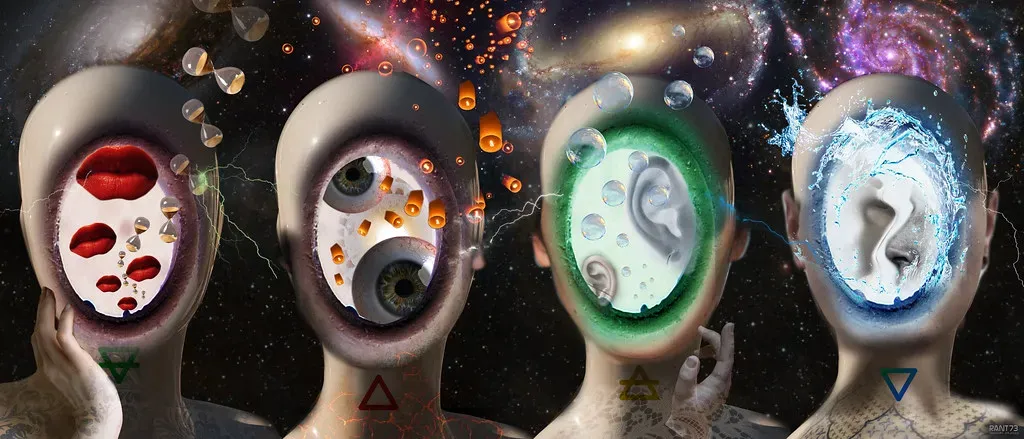
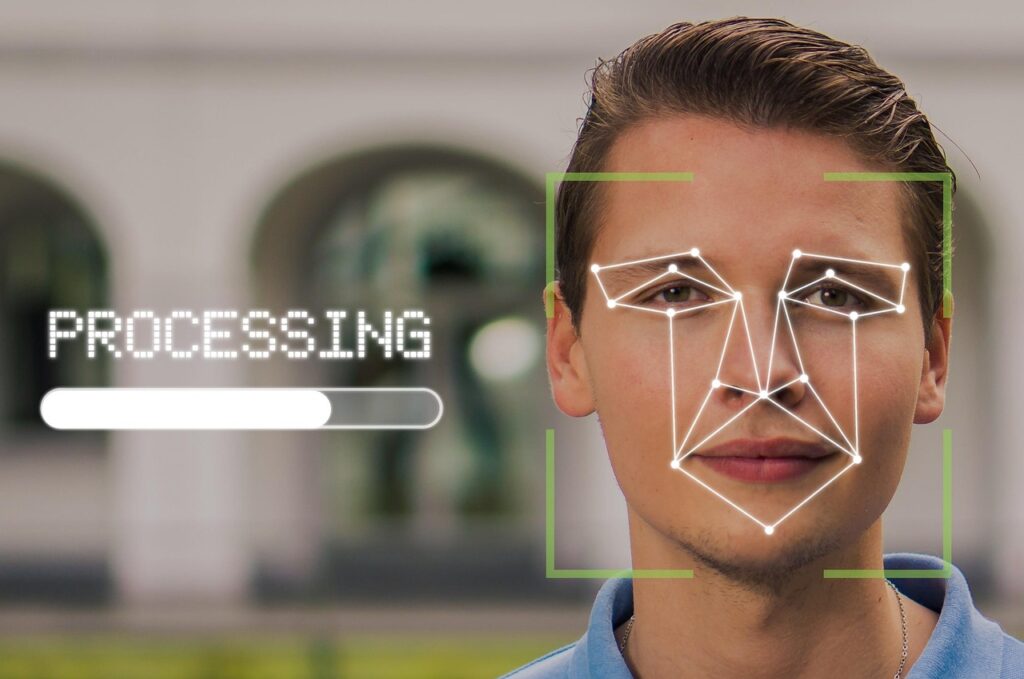
It is tempting to think that the brain identifies faces by adding up individual features: two eyes, one nose, one mouth. But research suggests that the system is far more sophisticated. The brain is incredibly tuned to the relationships between those features – the exact distances, proportions, and subtle configurations that make your best friend look like your best friend and not like a slightly altered copy. This holistic processing is part of what makes face recognition so robust in everyday life.
That is also why we can still recognize people when they change their hairstyle, grow a beard, or put on makeup. The face circuit leans heavily on the overall structure rather than any single detail. When this style of processing is disrupted, people may still notice every feature but struggle with the big picture. It is like knowing all the individual notes in a song but being unable to hear the melody. You see the parts, but you lose the person.
Familiar Faces vs. New Faces: Why Some Stick Instantly
Not all faces are equal in your brain. Familiar faces – family members, close friends, celebrities you have seen a thousand times – are stored with richer, denser connections across multiple memory systems. When you see them, your brain does not just say “face detected”; it jumps straight to a cascade of information: name, personality, past interactions, emotional history. That is why you can recognize someone you care about from a blurry photo or a quick glimpse from the side.
New faces, on the other hand, start out as fragile entries in your mental database. Without repeated exposure, your brain will happily overwrite or forget them. This is why you can meet someone three times and still mess up their name at the office, but you spot a close friend instantly in the most chaotic crowd. The specialized face circuit becomes more efficient the more it works with the same “data,” so familiar faces become almost impossible to ignore, while unfamiliar ones can fade into the background.
When Recognition and Emotion Split Apart

There is another strange twist: in some rare cases, people can consciously recognize a face but feel emotionally convinced that the person is an impostor. This is often linked to damage not to the fusiform face area itself, but to the connections between visual recognition areas and emotional processing hubs deeper in the brain. The result is a weird mismatch – “I know this face belongs to my mother, but it does not feel like my mother.” The visual ID is intact; the emotional tag is missing or scrambled.
This split shows that recognizing a face is actually at least two things at once: identifying who the person is and feeling what that person means to you. Normally, those two responses are fused so tightly that we take them for granted. When connections between these systems are disrupted, the brain starts building odd explanations for the mismatch, like assuming the person must be a look‑alike. It is unsettling, but it also underlines just how many layers of processing go into that single instant of “Oh, it’s you.”
Why Some People Have a “Superpower” for Faces
At the opposite end of face blindness are so‑called super-recognizers – people who are exceptionally good at identifying faces, sometimes after only a brief or distant encounter. They can pick someone they saw once in passing out of a crowd years later. Studies suggest that these individuals have especially efficient or strongly tuned versions of the same face circuits everyone uses. Their brains are just unusually good at encoding and distinguishing subtle differences between faces.
Most of us fall somewhere in the middle, with a mix of strengths and weaknesses. You might be great at recognizing actors across different roles but terrible at remembering people you met at networking events. The existence of both face blindness and super-recognition suggests that our brain’s face circuitry varies more from person to person than we like to admit. It is not simply that some people “try harder”; their brains really are wired differently for this very specific skill.
Social Life, Identity, and the Hidden Cost of a Broken Circuit
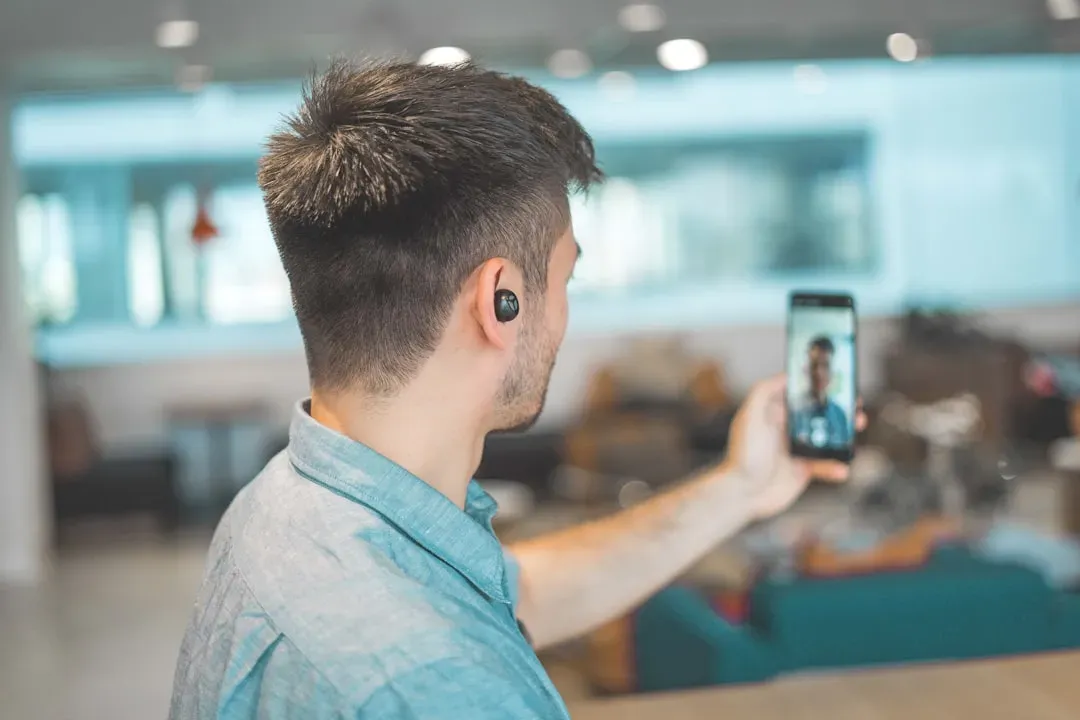
Face recognition is not just a neat party trick; it is a social survival tool. When it works well, it creates a sense of continuity in your world – these are my people, this is my group, this is where I belong. When it breaks down, even partially, everyday life gets exhausting. People with face blindness often describe feeling constantly on edge in social situations, afraid they will snub someone important or fail to recognize a loved one in a new context.
I think this is the part that hits hardest: our sense of knowing someone is tied to a fragile, physical system that can be damaged by a small lesion in the wrong place. That does not make relationships any less real, but it does reveal how dependent they are on the brain’s machinery. To me, it is a humbling reminder that what feels like pure emotion is often riding on top of very precise neural wiring. If a tiny patch of cortex can make your own family seem like strangers, how much of what we call identity is really just the brain doing its quiet, specialized work?
Conclusion: Recognizing Faces, Remembering What Matters
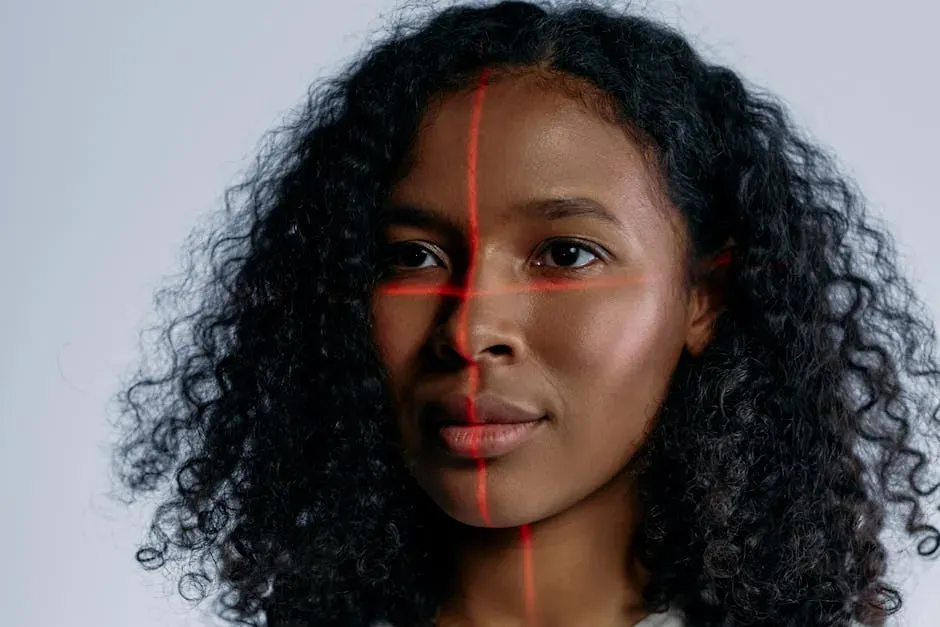
The more we learn about the brain’s face circuit, the more extreme it looks: an ability so tuned and so automatic that it feels invisible, yet so vulnerable that a bit of damage can pull the rug out from under your social world. On one side, you have super-recognizers who can pick a face out of a crowd years later; on the other, people who cannot reliably identify their closest friends without extra clues. Most of us coast along in the comfortable middle, unaware that every instant of recognition is the result of a delicate, highly specialized system doing its job.
My opinion is that we have massively underestimated how central this circuit is to the feeling of being grounded in our own lives. Recognizing faces is not just about naming people; it is about anchoring your memories, emotions, and loyalties to real, living humans in front of you. When that link falters, so does the sense of familiarity that makes the world feel like home. Next time you spot someone you love from across the room and feel that tiny surge of warmth, it might be worth pausing for a second and asking yourself: what would your life look like if that moment never came?