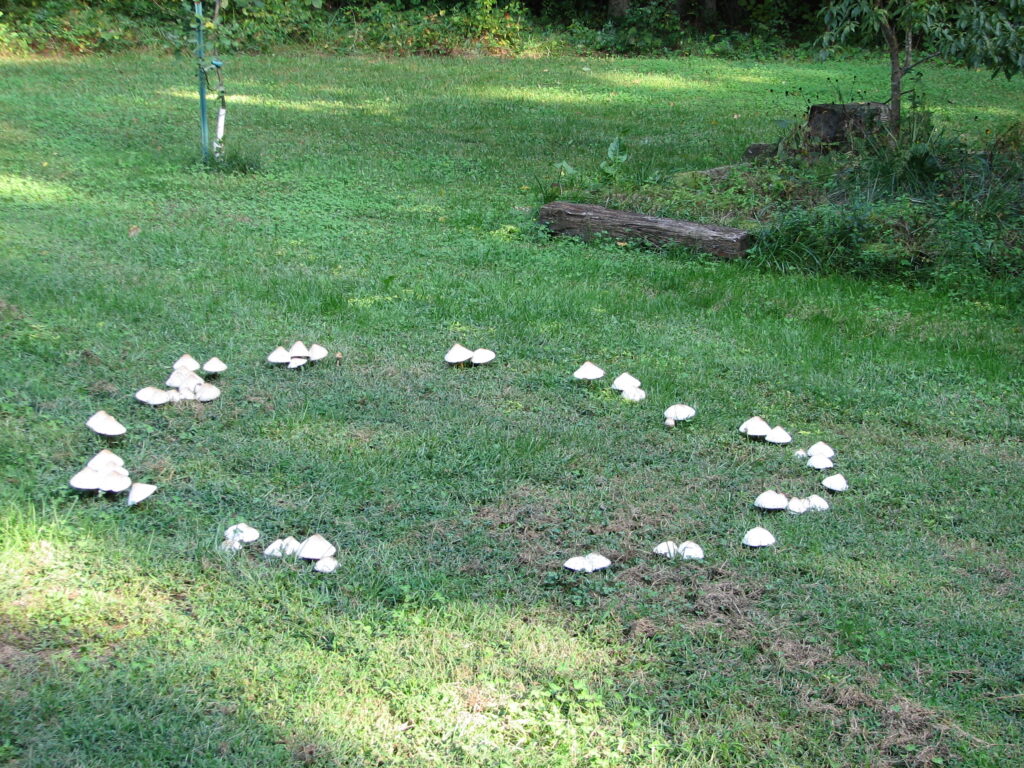
You step outside, coffee in hand, and there it is: a perfect ring of mushrooms stamped into your lawn like some secret symbol. Your first instinct might be wonder, or maybe a little unease. Is it bad luck? A fairy ring? A sign of something wrong with your yard… or something magical you probably should not disturb? Before you reach for a rake or call the first lawn service you can find, it helps to know what that circle actually is, what it says about your soil, how it affects your plants and pets, and why people swear that animals like deer will not cross it. Once you understand what is really going on under your feet, those little mushrooms feel a lot less spooky – and a lot more fascinating.
Why Mushrooms Form an Almost Perfect Circle in the First Place
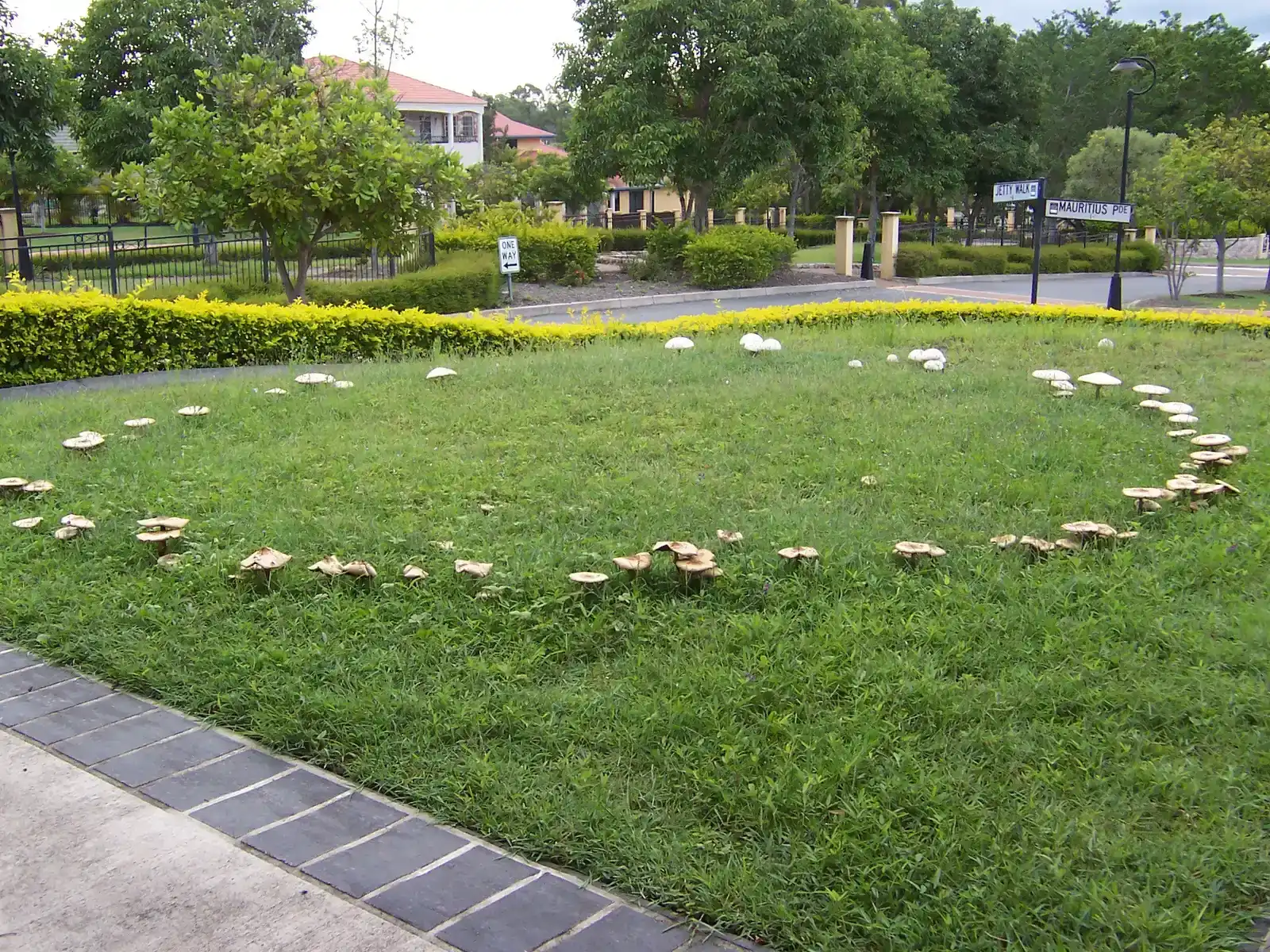
The circle you see on the surface is just the tip of a much bigger organism that lives underground. When you find a ring of mushrooms, what you are really seeing is the fruiting edge of a fungus that has been quietly growing outward in the soil, like ripples from a stone thrown into a pond. Each year, the underground network – called mycelium – slowly spreads in all directions, feeding on organic matter as it goes. Because that growth tends to be fairly even, the mushrooms pop up right along the advancing edge, creating a ring. Inside the circle, the fungus may have already exhausted its easy food sources, so you see fewer mushrooms in the middle. It looks deliberate and mystical, but it is really just slow, steady biology playing out in a perfect geometric pattern.
Fairy Rings, Folklore, and That Eerie Feeling You Get
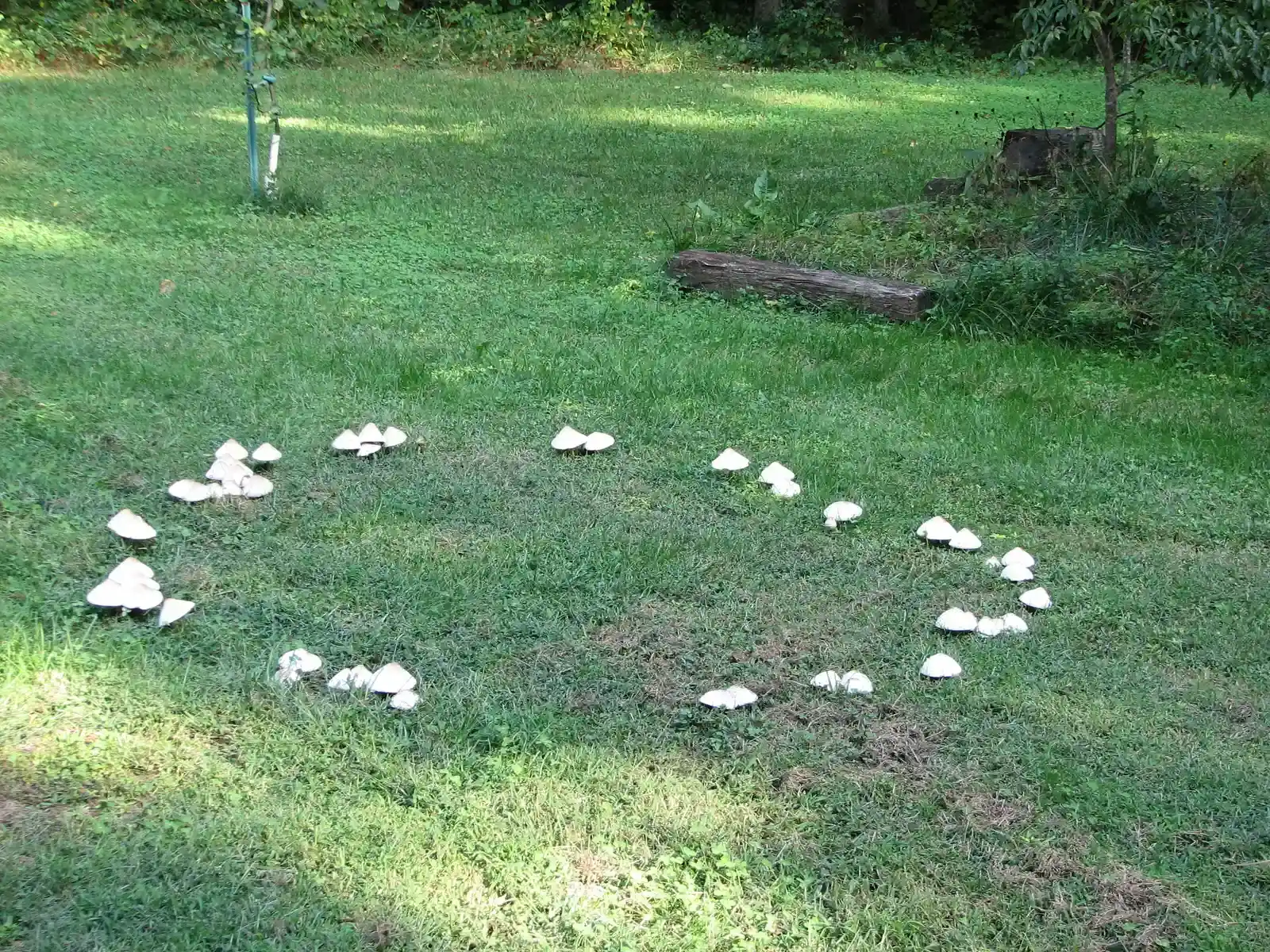
If your first thought was that you had discovered a fairy ring, you are not alone. For centuries, people have told stories that these circles were places where fairies, elves, or spirits danced at night, leaving behind a mark in the grass by morning. Other tales warn you not to step inside or you might be trapped, lose time, or attract bad luck. It is wild how a simple natural pattern can pull so much superstition out of us. Even today, a perfect mushroom circle can make you pause in a way that a random patch of mushrooms never would. You might find yourself giving it a wide berth without really knowing why. That reaction is part cultural memory and part instinct: humans are wired to notice patterns, especially ones that seem oddly perfect in nature. Whether you lean into the magic or side with the science, you are standing in the middle of a long human tradition of being both amazed and unsettled by these rings.
What the Ring Really Says About Your Soil and Lawn Health
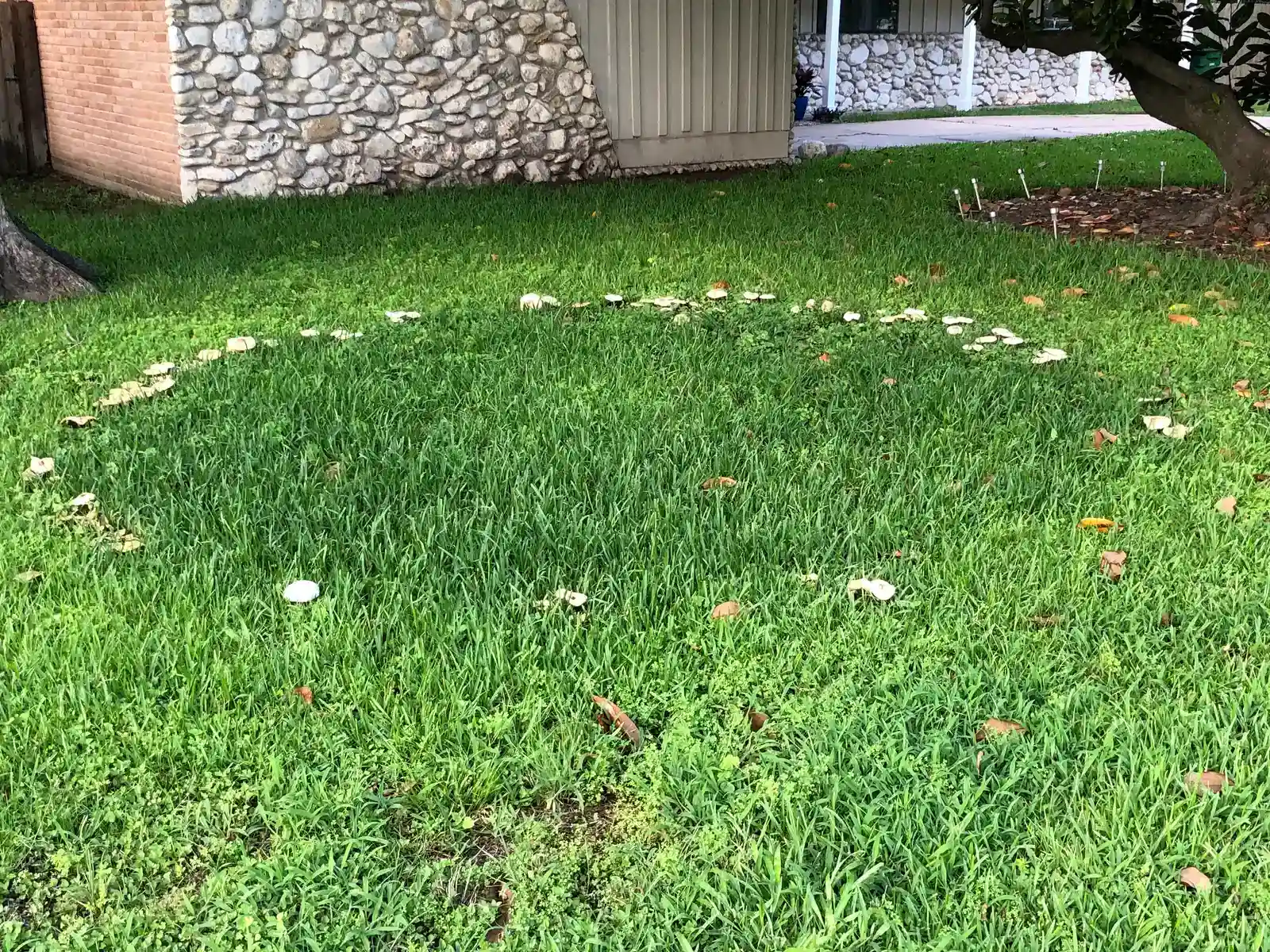
When you see that circle, it is a sign that your yard has enough organic material in the soil – old roots, buried wood, thatch – for the fungus to feast on. In a strange way, it means your soil is alive and busy, not sterile. The fungus is breaking down old plant matter and recycling nutrients, which is something every healthy ecosystem needs. You might think of it as your lawn’s underground compost crew doing its thing. That said, fairy ring fungi can sometimes cause problems. In certain cases, the ring may show up as a darker green band of grass, which means the fungus is releasing extra nutrients and your turf is loving it. Other times, the ring can turn into a dry, dead-looking band where grass struggles, because the dense fungal mat below repels water. So the circle is not a random curse on your lawn, but a clear message: something is changing down there, and you have a chance to respond if you want to.
Are These Mushrooms Dangerous to You, Kids, or Pets?
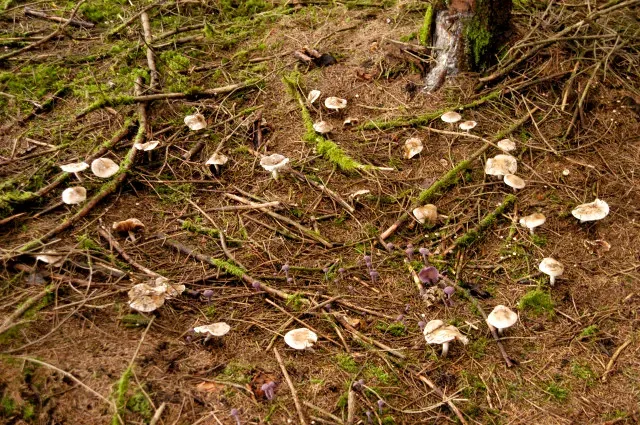
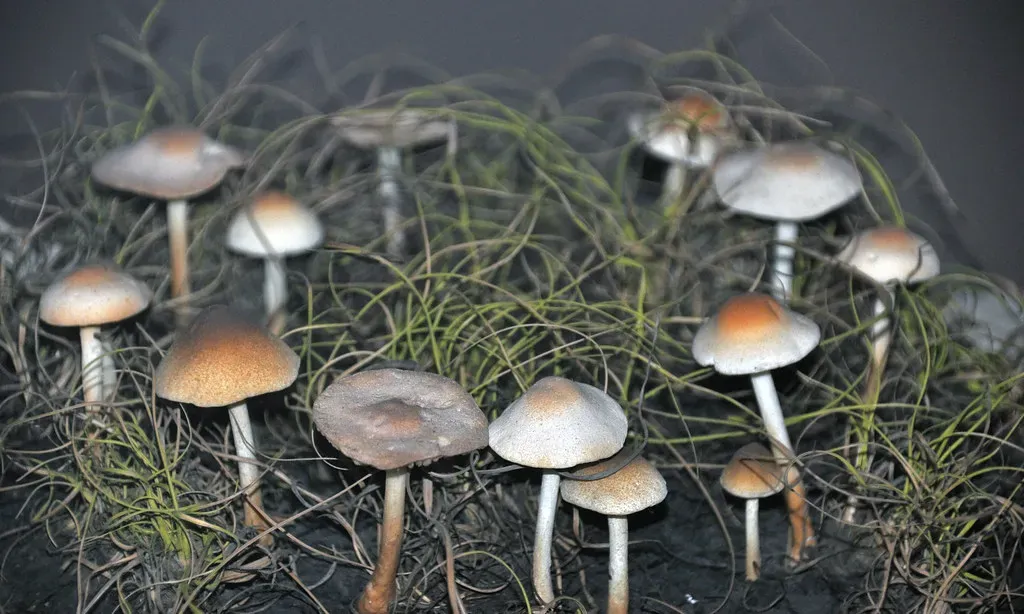
Here is where things get serious: not all mushrooms in a ring are safe, and you should never assume you can eat any wild mushroom just because it grows in your own yard. Some fairy ring species are harmless or even edible if identified correctly by an expert, while others can make you sick. The problem is that many mushrooms look similar to each other, and misidentifying one even once can have real consequences. If you have small children or pets that like to taste everything, your safest move is to remove the mushrooms promptly rather than letting them linger. Wearing gloves or using a small trowel, you can pick or mow them down and dispose of them in the trash. You will not get rid of the fungus underground that way, but you will reduce the temptation for curious mouths. You treat it the same way you treat household cleaners: you respect what you do not fully know and minimize the risk.
Why People Say Deer Will Not Cross a Mushroom Ring
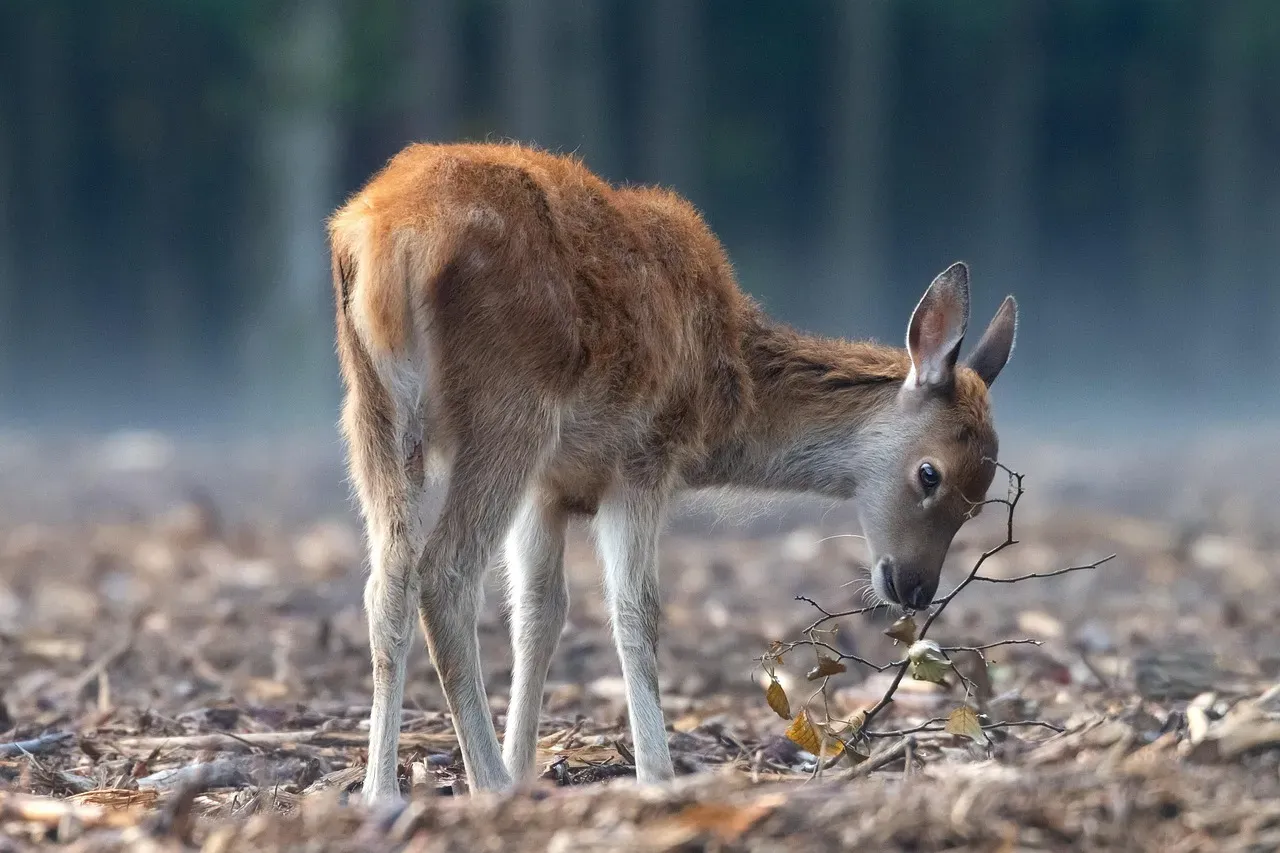
You might have heard the claim that deer will not step across a ring of mushrooms, as if they can sense some invisible barrier. In folklore, the idea is that animals recognize the ring as a boundary between worlds and refuse to cross. It is a gripping image: a deer, frozen at the edge of that circle, refusing to set one hoof inside while everything in you wants to know what it sees that you do not. In reality, there is no solid scientific evidence that deer consistently avoid fairy rings. Deer are opportunistic and usually go where the food and cover are, mushrooms or not. Could certain smells, textures, or moisture differences in the ring make them hesitate sometimes? Possibly. Could coincidence and human storytelling have turned a few hesitations into a whole belief? Very likely. So while it is a great story to tell around a fire, you should not rely on mushroom rings as a deer fence for your garden.
How to Deal With a Fairy Ring If You Do Not Want It There
If the ring does not bother you and your grass still looks fine, you can honestly just leave it alone. The mushrooms come and go with moisture and temperature, and the fungus has probably been there longer than you have. Simply mowing over the mushrooms or removing them as they appear is enough if your main concern is appearance or safety for kids and pets. You treat it like a seasonal visitor rather than an invader. If the ring is causing dry, dead patches or driving you up the wall, managing it is possible, but it takes patience. Deep watering can help soften the soil where the fungal mat has made it water-resistant, and aerating the area improves air flow and moisture movement. In some cases, people remove and replace soil in the worst spots, but that can be a lot of work and does not always fully stop the fungus from returning. You are not really fighting a handful of mushrooms; you are negotiating with an entire underground network.
What a Fairy Ring Can Teach You About the Hidden Life Under Your Feet
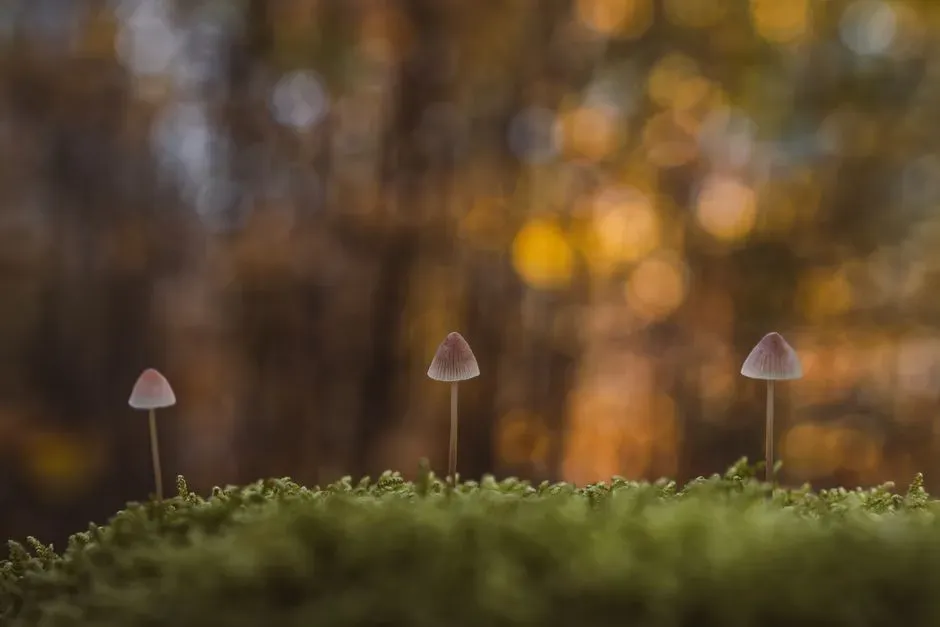
When you see that perfect circle, you are getting a rare visible clue about the invisible web beneath your lawn. Most of the time, the life in your soil stays hidden: tiny roots, microscopic organisms, and fungal threads all interacting in ways you never see. A mushroom ring is like someone turning on the lights for a moment and letting you glimpse the architecture of that hidden world. You are witnessing years of growth revealed in a single morning. You might start to look at your yard differently after that. Instead of seeing just grass and dirt, you may begin to picture tunnels of roots, fans of mycelium, and countless tiny exchanges happening every second. That shift in perspective can change how you care for your landscape. Suddenly, you are not just managing a surface; you are tending a living community that includes fungi as much as it includes your favorite plants.
When to Worry – and When to Just Enjoy the Weird Beauty
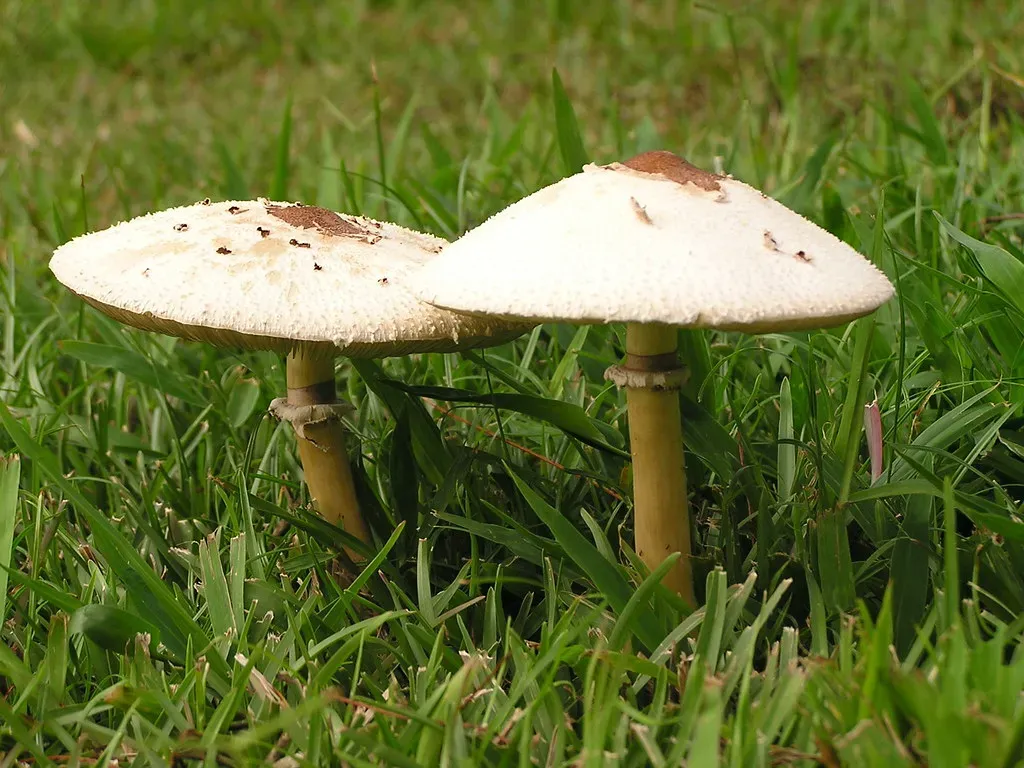
You should worry if the ring coincides with large areas of dying turf that do not respond to watering, if you see mushrooms you cannot identify and have curious animals around, or if the circle is expanding into a space that really matters to you, like a play area or ornamental bed. Those are moments to take action: remove mushrooms, adjust watering, maybe consult a local extension service or turf professional if the damage seems severe. Listening to those early signs usually makes things easier to handle. On the other hand, if the ring is not hurting anything and you feel more intrigue than annoyance, you can give yourself permission to simply appreciate it. You have a naturally occurring, slowly expanding circle drawn by an organism you rarely get to see. It is like having a living diagram of time and growth appear overnight in your own yard. How many people rush past that without ever realizing what a strange little gift it is?
Conclusion: Standing at the Edge of the Circle
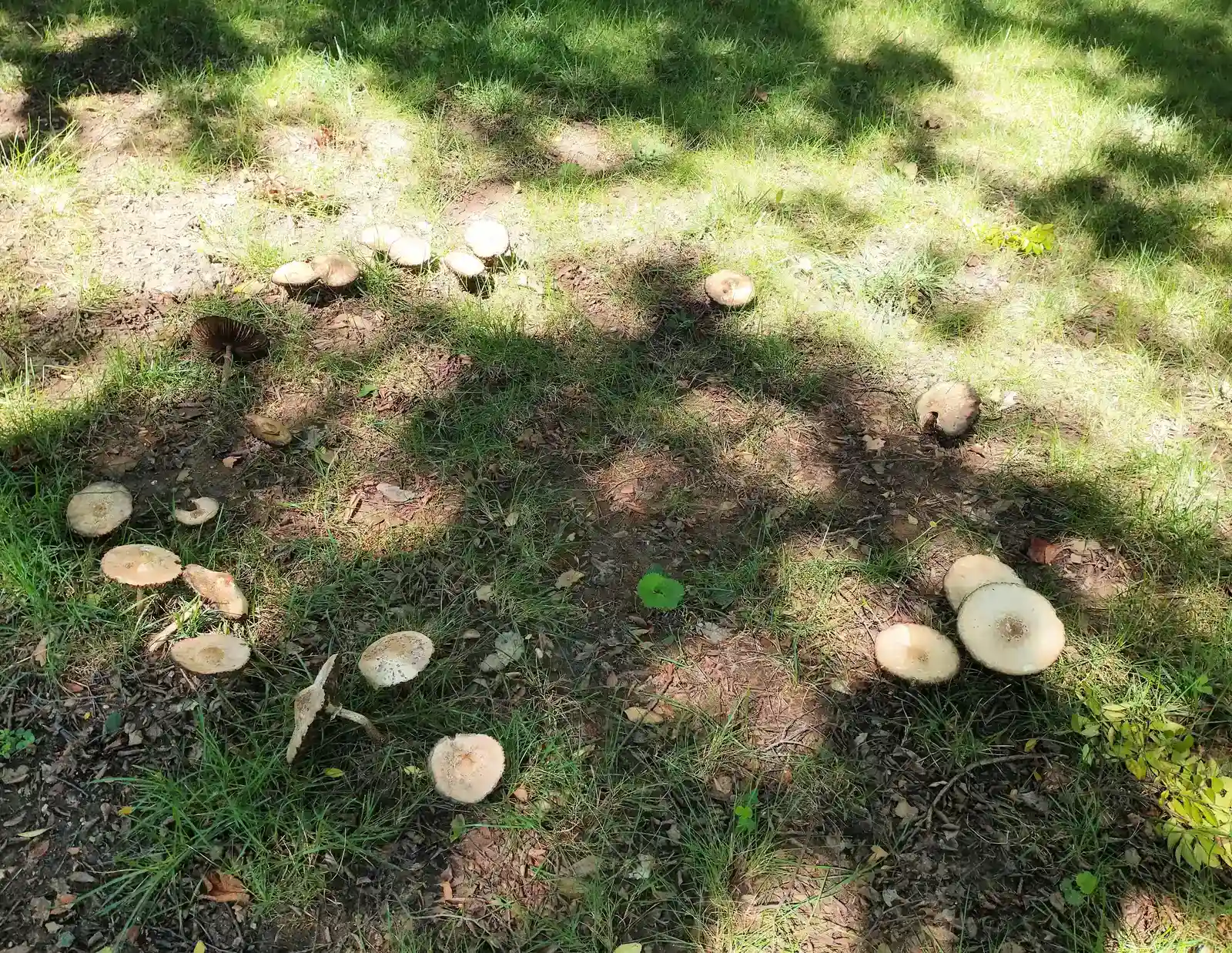
Next time you step out and find a perfect ring of mushrooms in your yard, you will know you are not looking at a random accident. You are seeing the boundary of an underground life form, a piece of folklore made real, and a snapshot of what your soil is quietly doing every day. The myth about deer refusing to cross might not hold up under hard science, but the sense of mystery the ring inspires is absolutely real – and it is yours to lean into or not. You do not have to fear the circle, but you also do not have to ignore it. You can manage it if it harms your lawn, remove the mushrooms to protect kids and pets, or just nod at it like an old neighbor and let it be. In the end, that ring is a reminder that your yard is more than turf to be tamed; it is an ecosystem you share with creatures you rarely see. Now that you know what it means, what will you do the next time a perfect circle appears at your feet?