

You know that moment when you are trying to focus, and a tiny snippet of a song starts looping in your mind like a broken record? It can feel random, annoying, even a bit glitchy, as if your brain has crashed and rebooted straight into a pop chorus. But cognitive science sees something very different: not a bug, but a feature. That persistent musical loop is your brain doing background work, not misfiring.
What feels like an irritating earworm is often your auditory system quietly trying to complete a pattern it did not finish when you first heard it. Instead of thinking of it as a useless mental echo, it is more accurate to see it as an auditory worm hijacking a specific memory system in your mind called the phonological loop. Once you see it this way, getting a song stuck in your head suddenly becomes less of a glitch and more like a fascinating window into how your working memory really operates.
The Phonological Loop: Your Brain’s Internal Audio Player
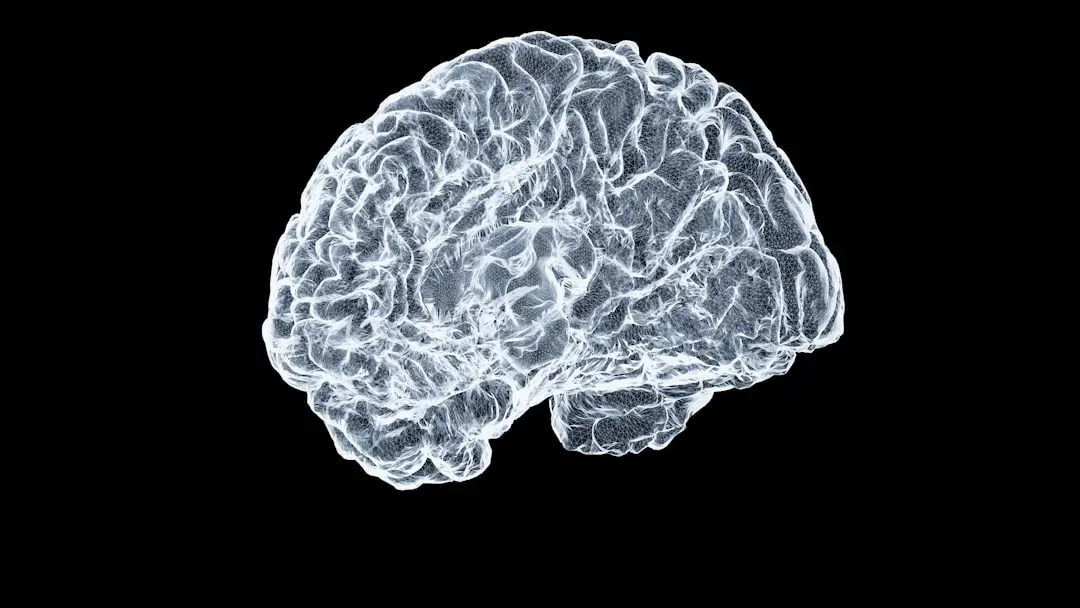
At the core of this story is the phonological loop, a key part of working memory that specializes in holding and rehearsing sounds. You can think of it like a tiny, temporary audio scratchpad that lets you remember a phone number long enough to dial it or replay a sentence in your head after someone speaks. It is not designed to store things forever but to keep sound patterns active just long enough for you to make sense of them or act on them.
When a song gets stuck, that same scratchpad is being used in a way that goes beyond its normal short-term job. Instead of repeating a few spoken words you just heard, it is now looping melodic phrases, rhythms, and lyrics. From a cognitive science perspective, the fact that a short musical fragment can sit there and replay itself over and over is a sign of how powerful and automatic this phonological system really is. It wakes up, grabs the sound pattern, and refuses to let go easily.
Why Earworms Target Hooks, Choruses, and Catchy Lines

Most people do not get an entire four-minute song stuck in their heads; they get a hook, chorus, or short line on repeat. That is not random. The brain is drawn to segments of music that are easy to encode, highly repetitive, and emotionally or socially meaningful. A catchy chorus, a distinctive melodic jump, or a clever rhythmic twist checks all of those boxes and slides almost perfectly into the phonological loop’s capacity limits.
In other words, the loop is optimized for compact, rhythmically structured pieces of sound, and pop music is practically engineered to exploit that. A chorus with simple lyrics, stable rhythm, and a memorable melody lines up neatly with the kind of material your working memory likes to refresh. When that fragment latches on, it can replay far more stubbornly than more complex or subtle material, which is why some songs feel almost engineered to haunt you all day.
Unfinished Business: The Brain Hates Incomplete Patterns
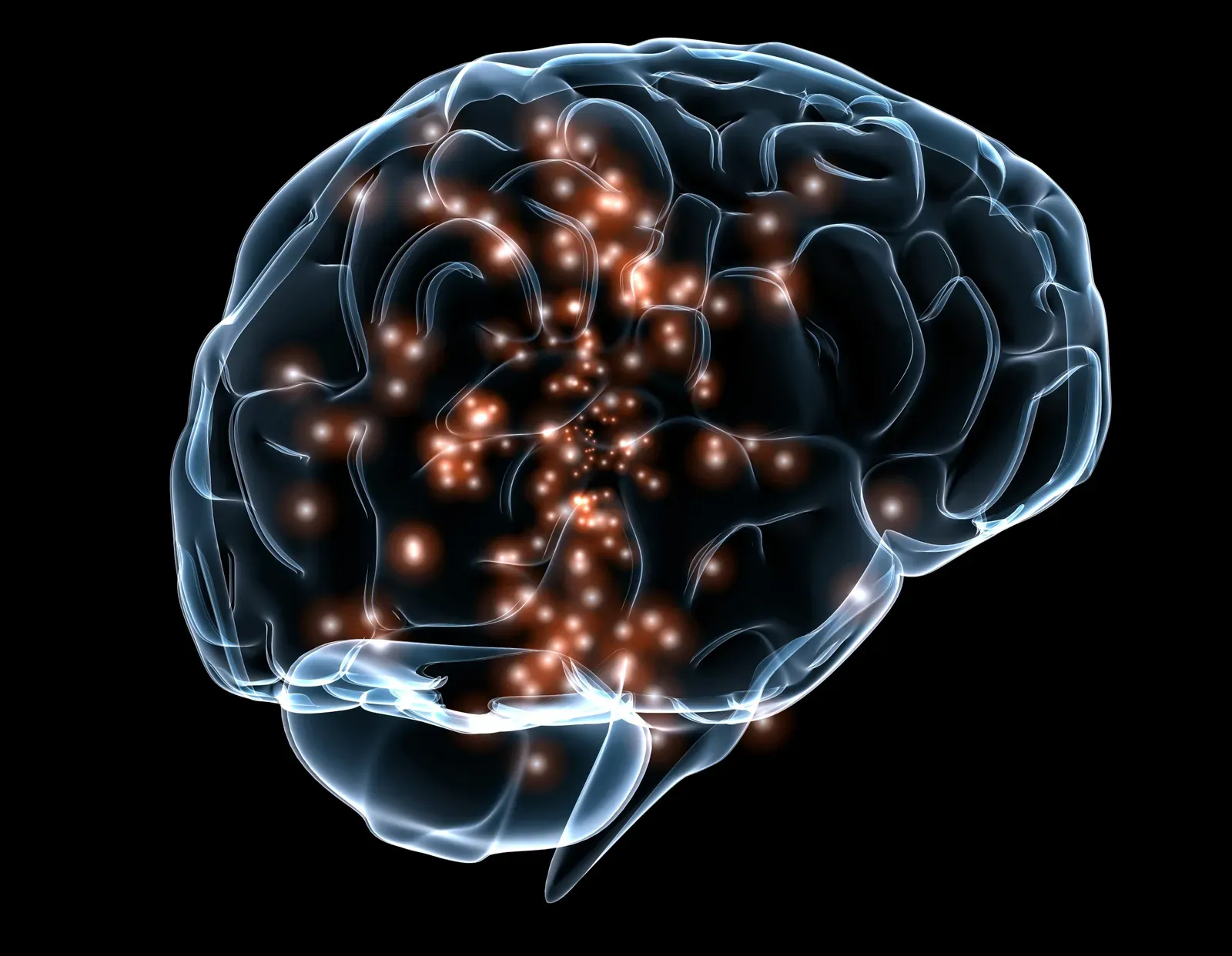
One of the most powerful forces keeping a song stuck on loop is your brain’s dislike of incomplete patterns. When your mind detects a sequence that starts but does not quite resolve, it tries to mentally “close the loop.” This can happen if you only hear part of a song, get interrupted during listening, or just barely attend to the music while you are doing something else. The pattern gets in, but your brain never quite gets to process it cleanly from start to finish.
That unfinished state is like an open tab in a web browser you have not closed yet. The auditory worm – this fragment of music – uses the phonological loop to keep calling attention back to it, nudging your system to complete, solidify, or make sense of it. You experience that as the same line or melody restarting in your mind again and again. Far from meaningless, the repetition is your brain persistently trying to solve an internal puzzle it has not fully worked through.
How the Auditory Worm Exploits Working Memory

The phonological loop has two main components: a short-lived storage buffer and a rehearsal mechanism that refreshes what is stored there. Earworms piggyback on this architecture. The musical fragment sits in the buffer, and the rehearsal process keeps involuntarily replaying it, as if your brain were silently “re-speaking” or “re-singing” it to avoid it fading away. Instead of you actively deciding to keep it alive, the system auto-refreshes it because the pattern is so easy and so primed.
From this angle, the auditory worm is not an error; it is a clever exploit of machinery that normally helps you keep track of speech and language. Music, especially vocal music, taps into similar encoding channels as spoken language, so the same neural pathway that helps you remember a sentence can be hijacked by a chorus. The result is a loop that feels intrusive but is actually powered by your own built-in rehearsal system doing exactly what it evolved to do: maintain sound patterns long enough to process them.
Emotion, Mood, and Why Certain Songs Will Not Let Go

Emotional intensity dramatically changes how sticky a song becomes. If a track is tied to a strong memory – like a breakup, a late-night drive, or a big win at a game – it has a better chance of resurfacing later as an earworm. Your brain tags emotionally loaded experiences with stronger associative links, which makes those songs easier to reactivate, even when you are not consciously thinking about them. Later, a small cue can bring them back into the phonological loop almost instantly.
Mood also plays a role in which songs latch on. When you are anxious, tired, stressed, or mentally overloaded, your control over what occupies working memory can weaken a bit, making intrusions like musical loops more frequent. On the other hand, familiar, predictable songs can occasionally act like emotional background noise, providing a weird sense of comfort or stability. It is as if your brain is saying: here is a pattern we know well, let us sit with this for a while instead of tackling the messier, more unpredictable thoughts.
Attention, Boredom, and Idle Mental Bandwidth

Ever notice that earworms seem especially loud when you are bored, doing mindless tasks, or trying to fall asleep? When your main tasks do not fully occupy working memory, your brain has spare processing capacity. The phonological loop does not like being idle, and so it becomes a perfect playground for stray musical fragments to take over. That is when the auditory worm really stretches out, repeating the same bit again and again because nothing else is pushing it out.
In contrast, when you are deeply focused on something that demands language, logic, or heavy cognitive effort, there is less room for intrusive tunes. The loop is busy rehearsing task-relevant material instead. This is why fully absorbing activities – reading, intense conversations, complex problem-solving – can temporarily quiet the song in your head. The more your attentional spotlight is occupied, the less space the earworm has to exploit your working memory.
Can You Hack the Loop? Practical Ways to Break the Cycle

Because earworms exploit the phonological loop, many of the most effective strategies for getting rid of them are about either completing the pattern or crowding it out. One simple approach is to actually listen to the full song all the way through, giving your brain the closure it was missing. Another is to switch to a different, more neutral audio pattern, like a less catchy song, spoken audio, or deliberate verbal rehearsal of something else, such as a poem or a sequence of numbers.
Engaging in demanding cognitive tasks that use language can also help. Reading dense text, holding a focused conversation, or writing something that requires real attention uses the same mental space the earworm was living in. Personally, I have noticed that when a song will not let go, the fastest fixes are either listening consciously from beginning to end or diving into an activity that forces my inner voice to speak louder than the music. It is not magic; it is just working with the architecture of the phonological loop instead of fighting it blindly.
Conclusion: Earworms Are a Feature, Not a Failure

When you look at earworms through the lens of cognitive science, it becomes hard to see them as mere glitches. They are the side effect of a powerful system built to hold and rehearse sound, one that music has learned to charm and manipulate. The auditory worm is not breaking your brain; it is revealing how strongly your phonological loop responds to pattern, repetition, emotion, and unfinished business. That annoying chorus lodged in your mind is proof that your working memory is active, sensitive, and deeply tuned to sound.
My own opinion is that we underestimate how much these tiny, everyday experiences expose the machinery of the mind. Instead of brushing off a stuck song as pointless irritation, it is more honest to admit that your brain is still chewing on something it did not quite finish. That can be inconvenient, but it is also strangely impressive. The next time a track loops in your head for hours, you might ask yourself: is this just noise, or is my mind still trying to complete a pattern I did not even realize I started?