
For a long time, some of the most powerful empires humanity ever built lived only in rumors, religious texts, and half-remembered legends. Many scholars treated them as exaggerations, metaphors, or outright myths. Then archaeologists put shovels into the ground – and the earth quietly said: they were real. In the last century and a half, forgotten capitals have resurfaced, undeciphered scripts have started speaking again, and whole political systems have been reconstructed from broken pottery and scorched city walls. What fascinates me is how confidently earlier generations dismissed these empires, only to be forced into a complete U‑turn once the first cuneiform tablet or royal inscription came out of the soil. Below are seven historical “ghost empires” whose very existence was argued about in lecture halls and bookshelves, right up until archaeology pinned them down with hard evidence.
The Hittite Empire: From Biblical Footnote To Superpower
For centuries, the Hittites were almost a running joke in biblical studies: a mysterious people mentioned in scripture but invisible in Greek and Roman histories. Many nineteenth‑century scholars relegated them to the margins – if they existed at all, they assumed, they must have been a small tribal group, nothing like an empire. Without inscriptions, monuments, or clear references in classical authors, the idea of a vast Hittite power in Anatolia sounded like wishful thinking.
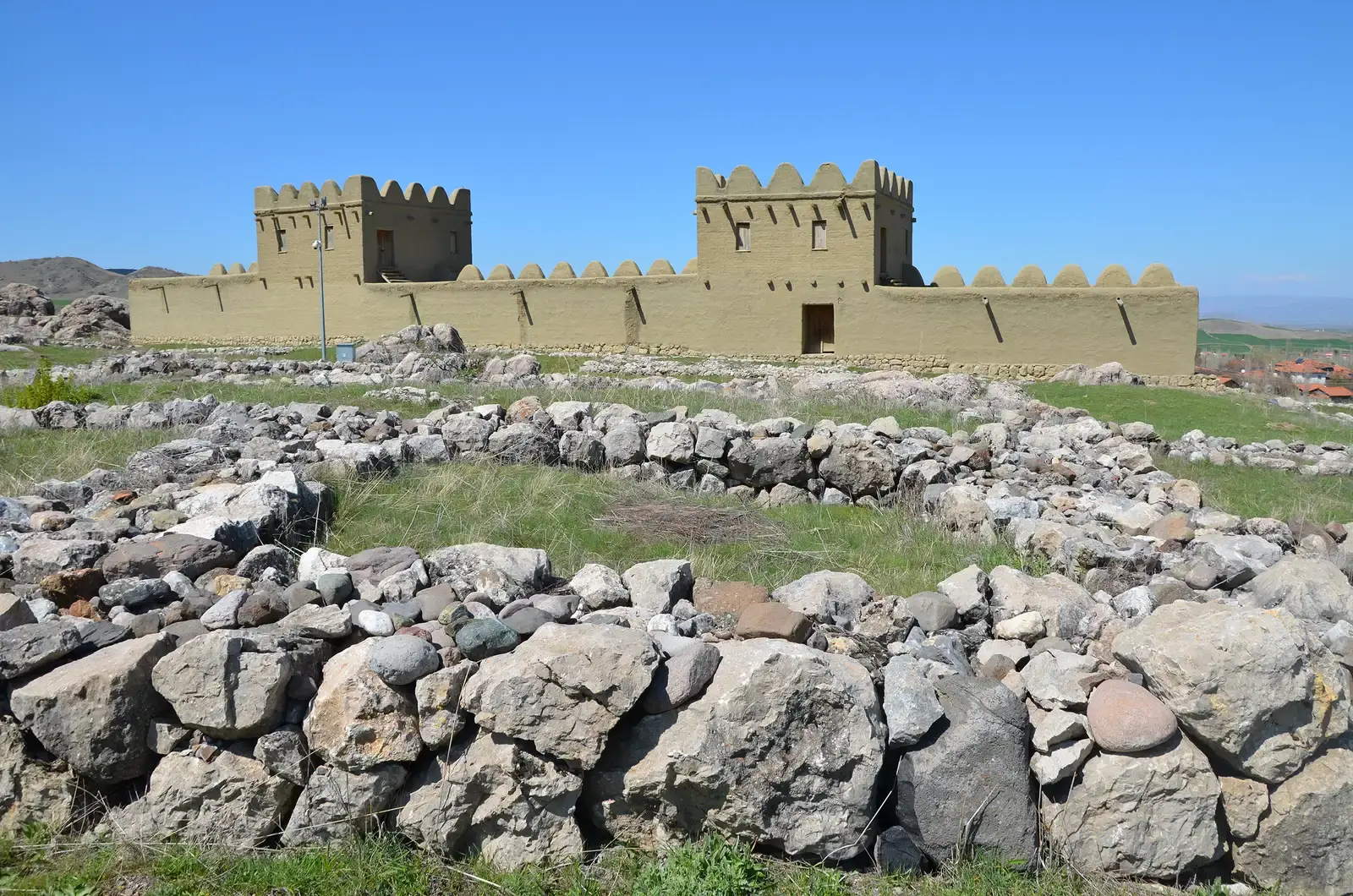
That dismissive mood collapsed once archaeologists started digging at Boğazköy in central Turkey in the late nineteenth century and recognized the sprawling ruins of Hattusa, a capital complete with city walls, temples, archives, and royal quarters. Thousands of cuneiform tablets emerged, and in the early twentieth century scholars like Bedřich Hrozný cracked the language, revealing treaties, royal annals, and diplomatic correspondence with Egypt and Mesopotamia. Suddenly, the “hypothetical Hittites” turned into a documented Late Bronze Age empire that rivaled New Kingdom Egypt and negotiated peace after the famous Battle of Kadesh. The shift from “probably fictional” to “major world power” is one of the most dramatic reversals in the history of archaeology.
Urartu: The Vanished Kingdom Behind The Mountains Of Ararat
Before the nineteenth century, most people who heard the word Ararat thought of a mountain and a flood story, not a complex Iron Age kingdom. Urartu, the polity behind those biblical references to “the land of Ararat,” was so thoroughly forgotten that even specialists debated whether it had been anything more than a vague regional label. Without visible cities or deciphered inscriptions, it was easy to treat Urartu as a minor side note in Assyrian royal propaganda rather than a full‑blown state in its own right.
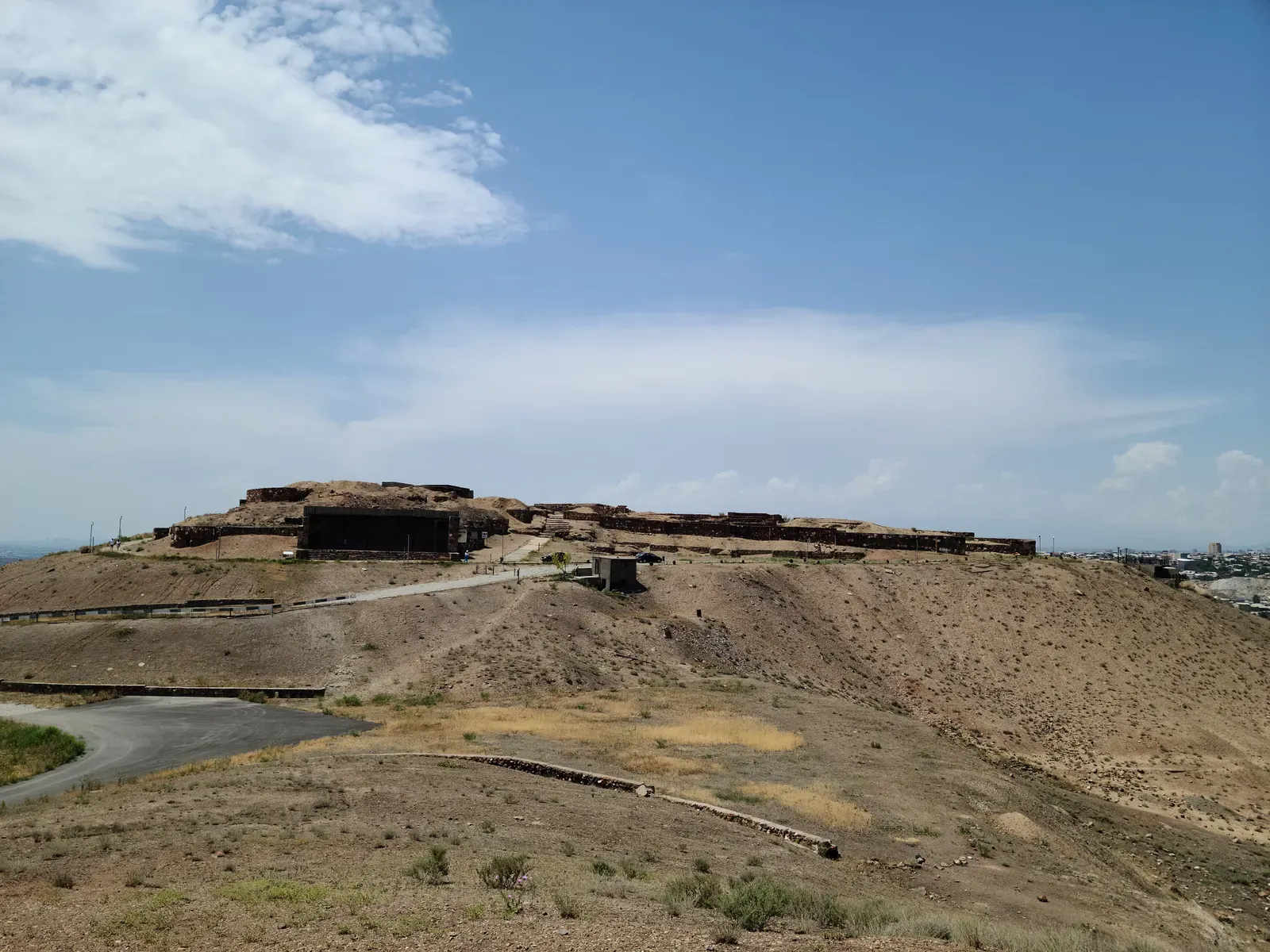
Everything changed when explorers and early archaeologists around Lake Van began finding fortresses with ashlar masonry, rock‑cut inscriptions, and distinctive bronze objects that did not match Assyrian or Persian styles. Over the twentieth century, systematic excavations at sites like Toprakkale, Karmir Blur, and Ayanis uncovered citadels, palaces, sophisticated irrigation systems, and a consistent royal titulature. Urartian inscriptions carved in stone and written on bronze belts finally tied the material culture to the name. What had been a ghost in Assyrian texts turned into a mapped highland kingdom, controlling swaths of eastern Anatolia and the South Caucasus before being violently destroyed in the seventh century BCE. The degree of erasure was so complete that modern scholarship is still playing catch‑up, piecing together its political story from scattered ruins.
The Median “Empire”: From Scholarly Mirage To Archaeological Reality Check
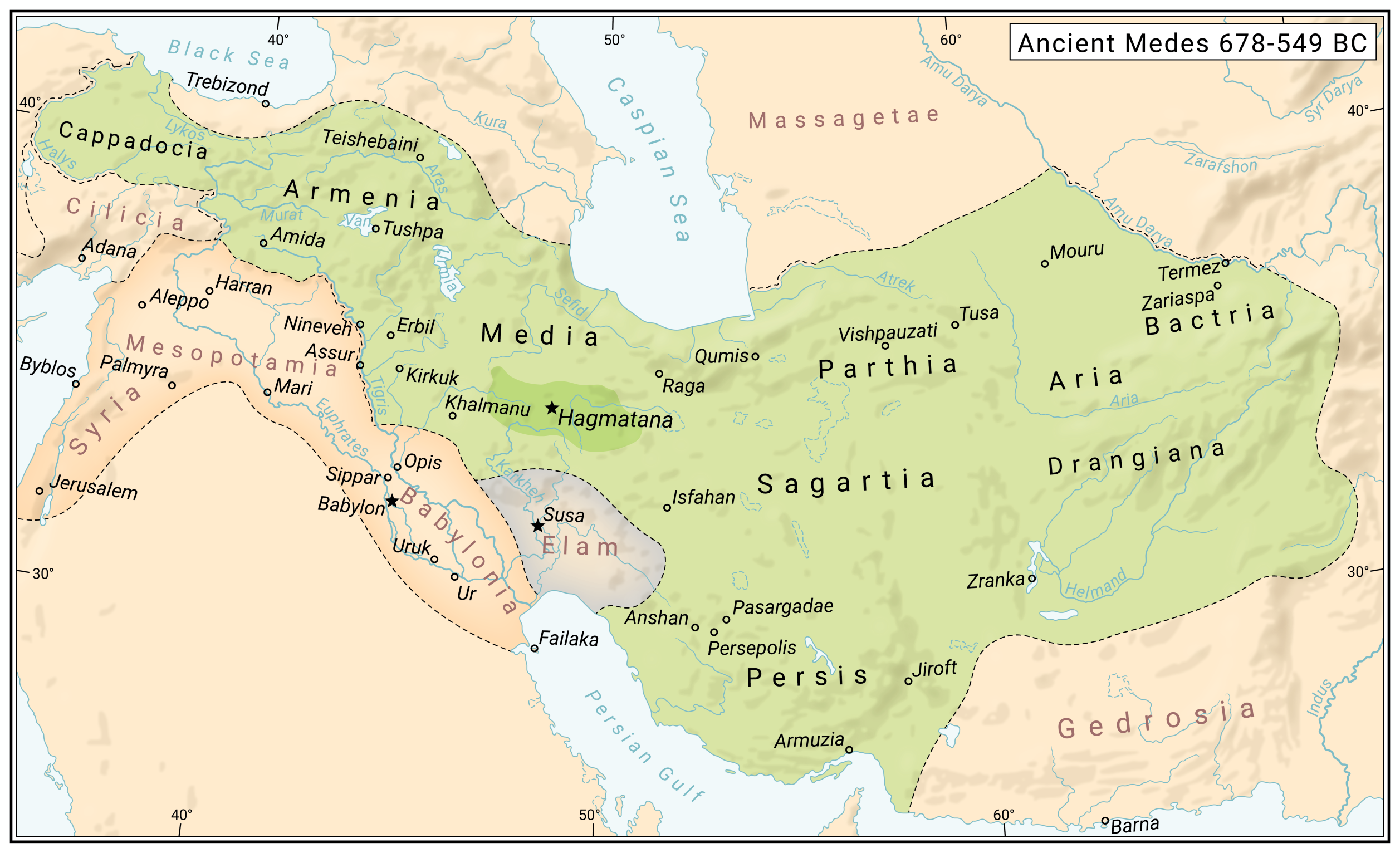
For a long time, the Medes were treated as the great missing empire between Assyria and Persia. Classical authors, especially Herodotus, seemed to describe a powerful Median state that overthrew Assyria and ruled a vast domain before Cyrus of Persia rose to power. Many nineteenth‑ and early twentieth‑century historians took that narrative at face value, sketching maps of a sprawling Median Empire that neatly filled a historical gap – even though direct evidence on the ground was almost nonexistent.
Archaeology has been far more ruthless than the old textbooks. Excavations in western Iran have revealed highland centers, elite architecture, and material cultures that look like serious regional powers – but nothing like the centralized, bureaucratic giant imagined from the classical accounts. As a result, some modern scholars have gone so far as to question whether a unified Median Empire, in the strict sense, ever existed at all, arguing instead for a network of allied kingdoms and tribal confederations. Ironically, this is almost the reverse of the other cases on this list: here, texts seemed to promise a huge empire, while the soil keeps insisting on something smaller, looser, and more complicated. The “Median Empire” is a reminder that sometimes archaeology does not just confirm or deny an existence; it forces us to downgrade an empire from textbook certainty to open question.
The Kingdom Of Saba (Sheba): From Legend To Stones And Inscriptions
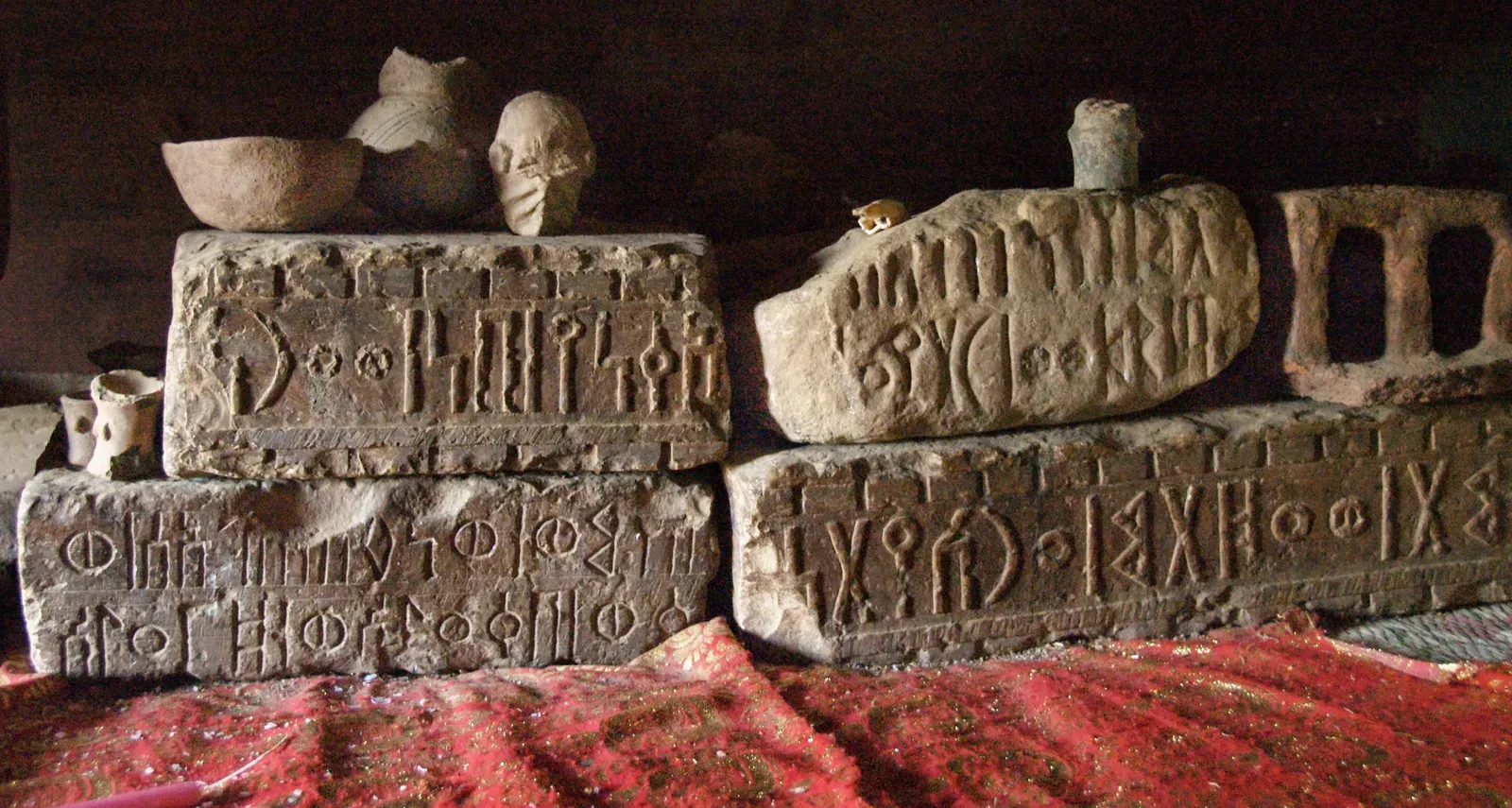
The story of a wealthy queen from Sheba visiting King Solomon became so saturated with legend that many scholars quietly placed it in the myth basket. For a long stretch, Saba – or Sheba – was more a literary backdrop than a historical kingdom: a place of incense, gold, and wisdom rather than a concrete political entity. Debate raged over where Sheba even was, with some arguing for Yemen, others for Ethiopia, and others suggesting the entire story was little more than narrative embroidery.
Starting in the twentieth century, extensive excavations and epigraphic work in Yemen have fundamentally changed that conversation. At Marib and other sites, archaeologists uncovered monumental temples, massive irrigation works like the famous dam, and thousands of inscriptions in the South Arabian script mentioning Sabaean rulers, titles, and alliances. These finds leave no doubt that there was a powerful incense‑trading kingdom of Saba active during the early first millennium BCE, integrated into long‑distance networks that reached up toward the Levant. Whether or not the biblical queen maps neatly onto any one individual remains controversial, but the old habit of treating Sheba as pure myth is no longer tenable. Here, the ground did not just confirm that “something” existed; it showed that the historical kingdom was important on its own terms, not just as scenery for a religious story.
The Wari Empire: A Forgotten Andean Power Hiding Under Later Inca Glory
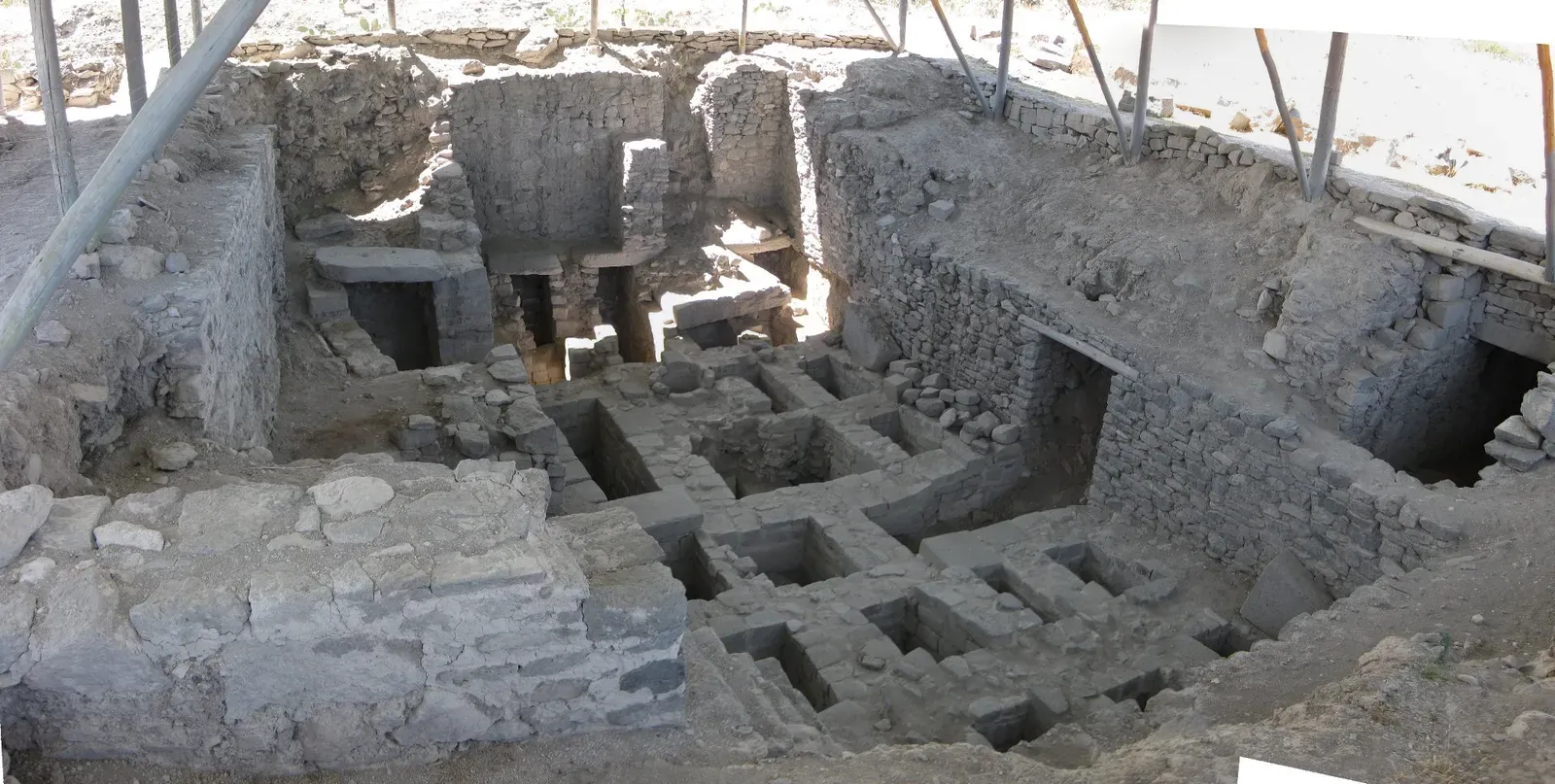
In the Andes, the Inca once held almost all the attention. For generations, the standard story was simple: scattered highland cultures evolved, and then the Incas burst onto the scene as the region’s first real empire. The Wari, whose ruins dot large parts of Peru, were often brushed off as a loose cultural horizon or a kind of warm‑up act. Without clear written records and overshadowed by Spanish chronicles about the Inca, it was easy to underplay Wari political reach.
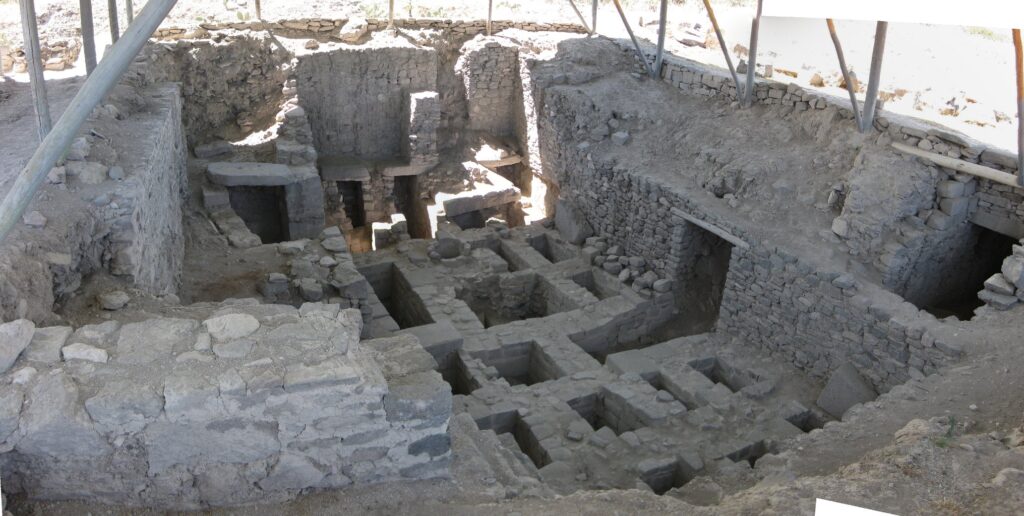
Over the last few decades, sustained excavations at Huari (the capital), Pikillaqta, and other sites have pushed scholars to rethink that narrative. Archaeologists have uncovered planned urban layouts, administrative compounds, road systems, and standardized storage facilities that look suspiciously like imperial infrastructure. Isotopic and ceramic studies show that Wari influence stretched over huge distances, with colonies and enclaves integrated into a wider system. Many researchers now argue that Wari built a genuine Andean empire centuries before the Inca, with its heyday roughly from the seventh to the eleventh century CE. What had once been described as a hazy cultural sphere is increasingly viewed as a state so thoroughly forgotten that, until the late twentieth century, its imperial nature was barely on the radar.
Northern Israel’s Omride Dynasty: From Literary Villains To Builders Of A Regional State
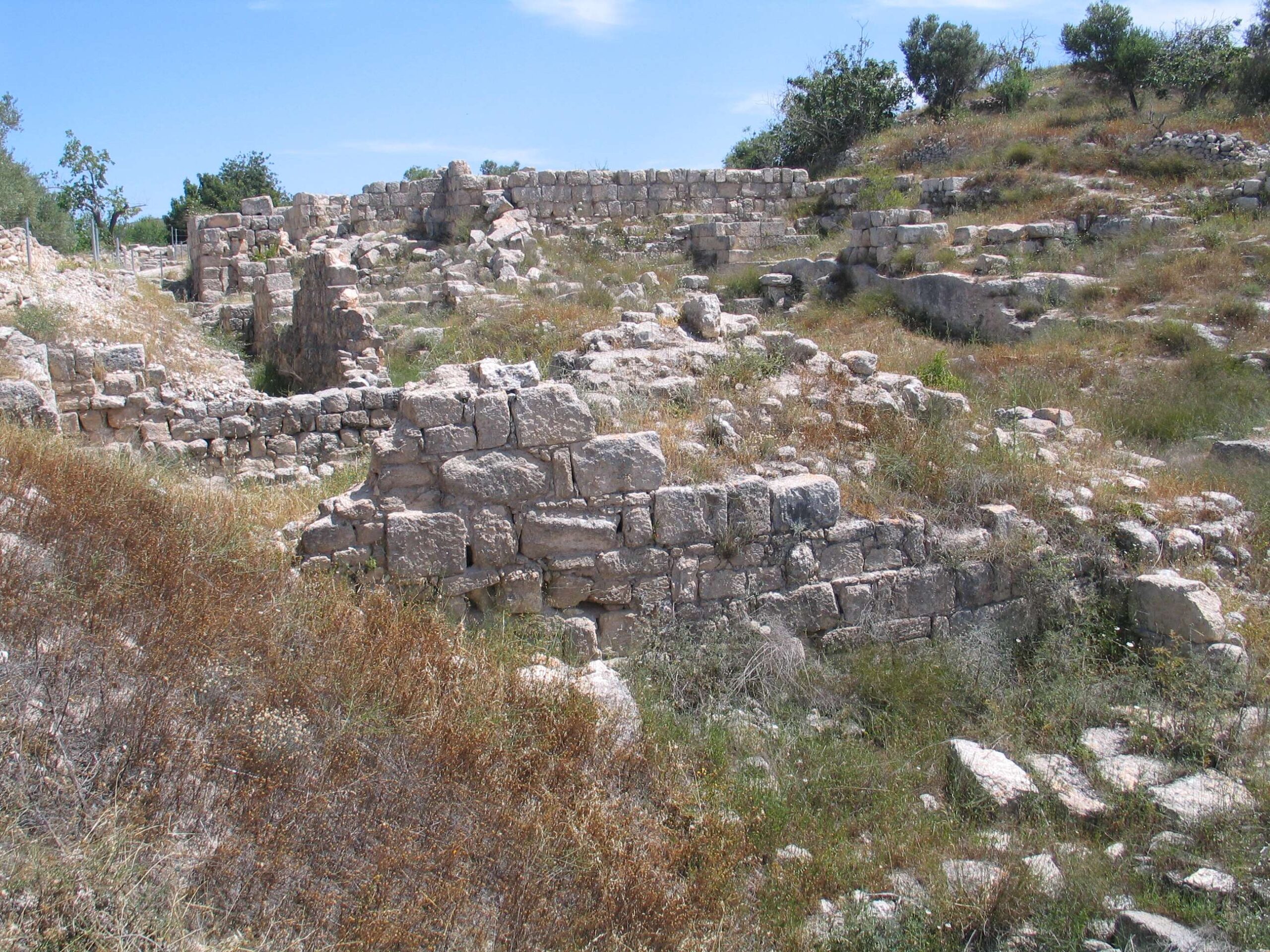
The northern kingdom of Israel, especially under the Omride dynasty (think Ahab and his line), long suffered from a reputation problem. In religious texts they appear mainly as villains, and for a time many scholars treated their grandeur as narrative exaggeration. Without clear archaeological anchors, the idea that the Omrides ruled a powerful, well‑organized kingdom was debatable; some minimalists in biblical studies even argued that the northern state was a small, fragile entity retroactively aggrandized by later writers.
Archaeology has steadily chipped away at that skepticism. Excavations at sites like Samaria, Jezreel, Megiddo, and Hazor have revealed monumental palaces, casemate walls, administrative buildings, and luxury goods dating to the ninth century BCE, aligning strikingly with the period of the Omrides. Regional surveys indicate a dense settlement network and a level of state organization that is hard to reconcile with the idea of a minor backwater. While debates continue about exact borders and chronology, the physical remains have pushed many scholars to recognize the Omride kingdom as a serious regional power in the Iron Age Levant. It is a nice example of how a dynasty once dismissed as mostly literary has gradually been fleshed out into a real political player by pickaxes and pottery typologies.
The Early Phrygian Kingdom: Between The Myth Of Midas And The Reality Of Gordion
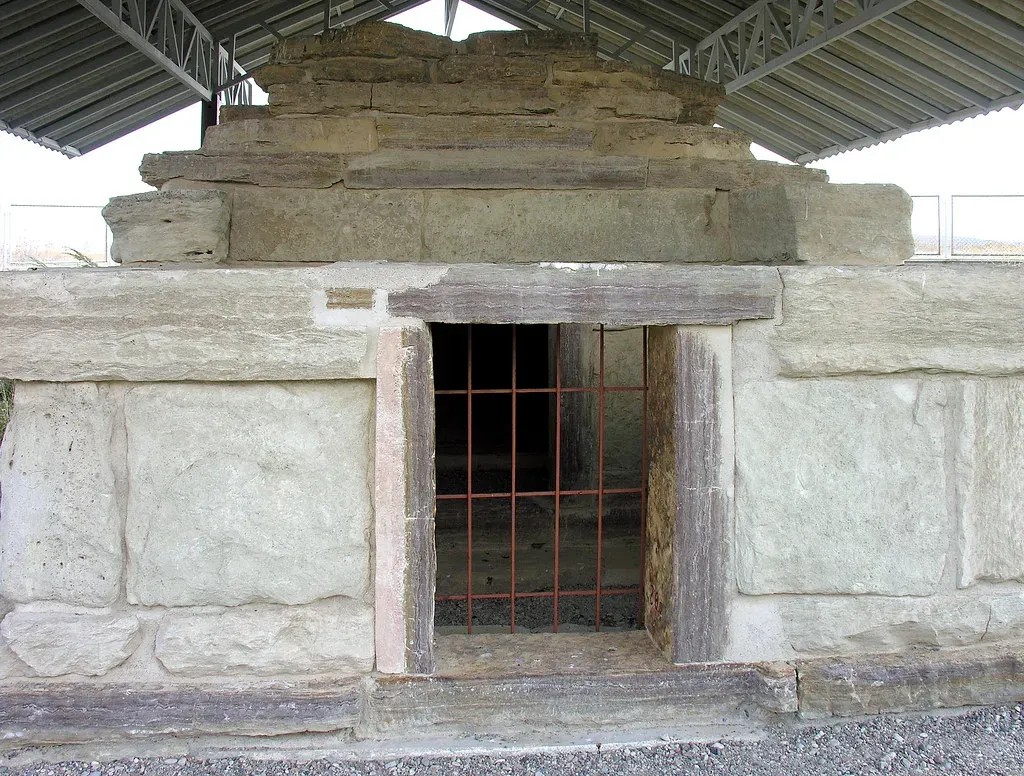
The Phrygians occupied an awkward place between myth and history for a long time. People knew Greek stories about King Midas and his “golden touch,” but the historical kingdom behind the legend was poorly understood. Because our main written references were literary and often late, some scholars treated Phrygia as a somewhat nebulous highland realm, more a backdrop for moral tales than a robust Iron Age state. Without solid archaeological anchors, it was tempting to keep the Phrygians in the “semi‑mythical” category.
Excavations at Gordion and other central Anatolian sites have transformed that picture. Archaeologists uncovered massive citadel walls, carefully planned architecture, rich elite tombs packed with metalwork and fine textiles, and evidence of wide‑ranging trade contacts. Recent discoveries of monumental tumuli far from Gordion suggest a network of regional elites and a political system more complex than a simple hill kingdom. While the myths about turning everything to gold remain stories, the material evidence points to a wealthy and sophisticated Phrygian monarchy, active from around the early first millennium BCE. The kingdom did not so much leap from nonexistence into being as climb slowly out of the shadow of its own legend, proving that there was a real empire‑builder hiding behind the fairy tale.
Conclusion: When The Ground Argues Back Against Our Certainties
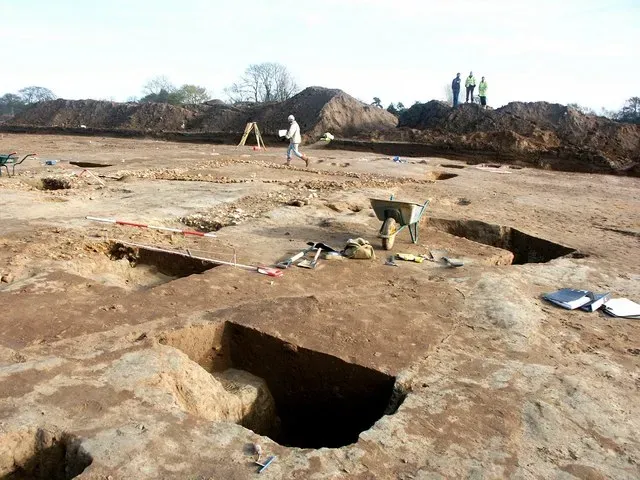
What ties these seven cases together is not just that they were forgotten, but that smart people were confident they either did not exist as empires, or were too minor to matter. Then excavations forced everyone to reconsider. Personally, I find this deeply humbling: it shows how much of our grand historical narrative still hangs on what happens to have survived, and on where we have bothered to dig. An empire can dominate its region for centuries and still end up so thoroughly erased that later scholars debate whether it was ever real.
At the same time, these stories are strangely hopeful. They suggest that history is not a closed book but an active investigation, with the ground itself occasionally voting against our tidy theories. If the Hittites, Urartu, Wari, and others could come roaring back from oblivion thanks to a few ruined archives and weathered inscriptions, what else is still hiding under farmers’ fields and city streets, waiting to overturn our assumptions? When you think about it that way, every anonymous mound on the horizon becomes a quiet challenge: how many more “nonexistent” empires are we still wrong about today?