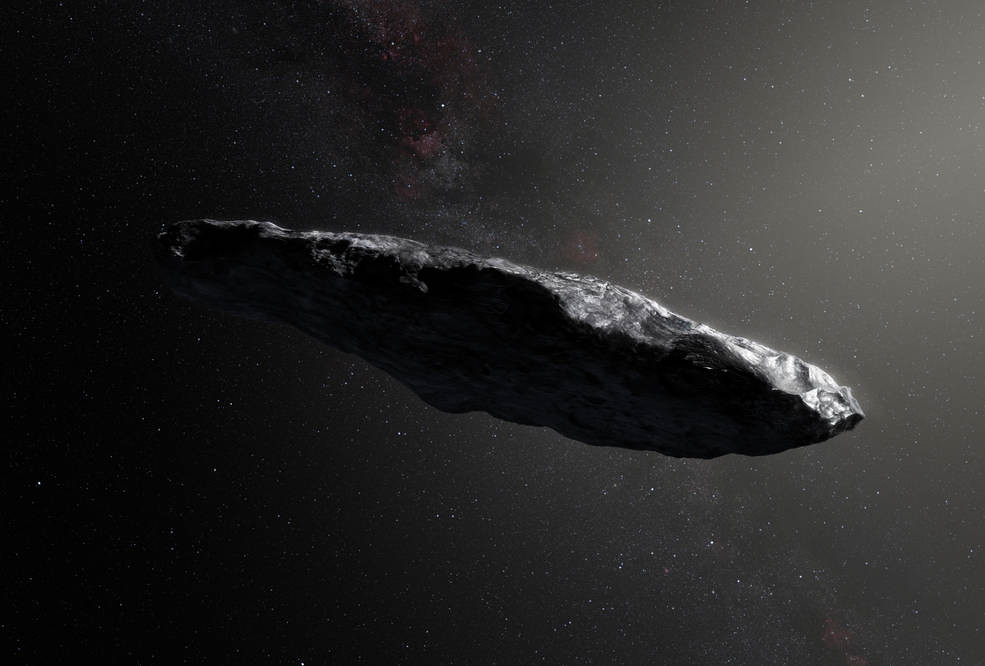

If you thought space was mostly predictable orbits and neat textbook diagrams, the last decade or so has been quietly tearing that idea apart. A small handful of bizarre visitors and misbehaving objects have forced astronomers to ask uncomfortable questions about what really counts as a “normal” asteroid, comet, or planetesimal.
Some of these oddballs streaked through the solar system and never came back. Others were found hiding in plain sight and only later reclassified when someone went, wait a second, that’s not right. Each one triggered a wave of papers: careful orbital analyses, hand-wringing over formation models, and sometimes wildly different interpretations of the same data. Let’s walk through seven of the strangest, how they broke the rules, and what scientists actually wrote about them afterward.
1. ʻOumuamua: The First Confirmed Interstellar Interloper
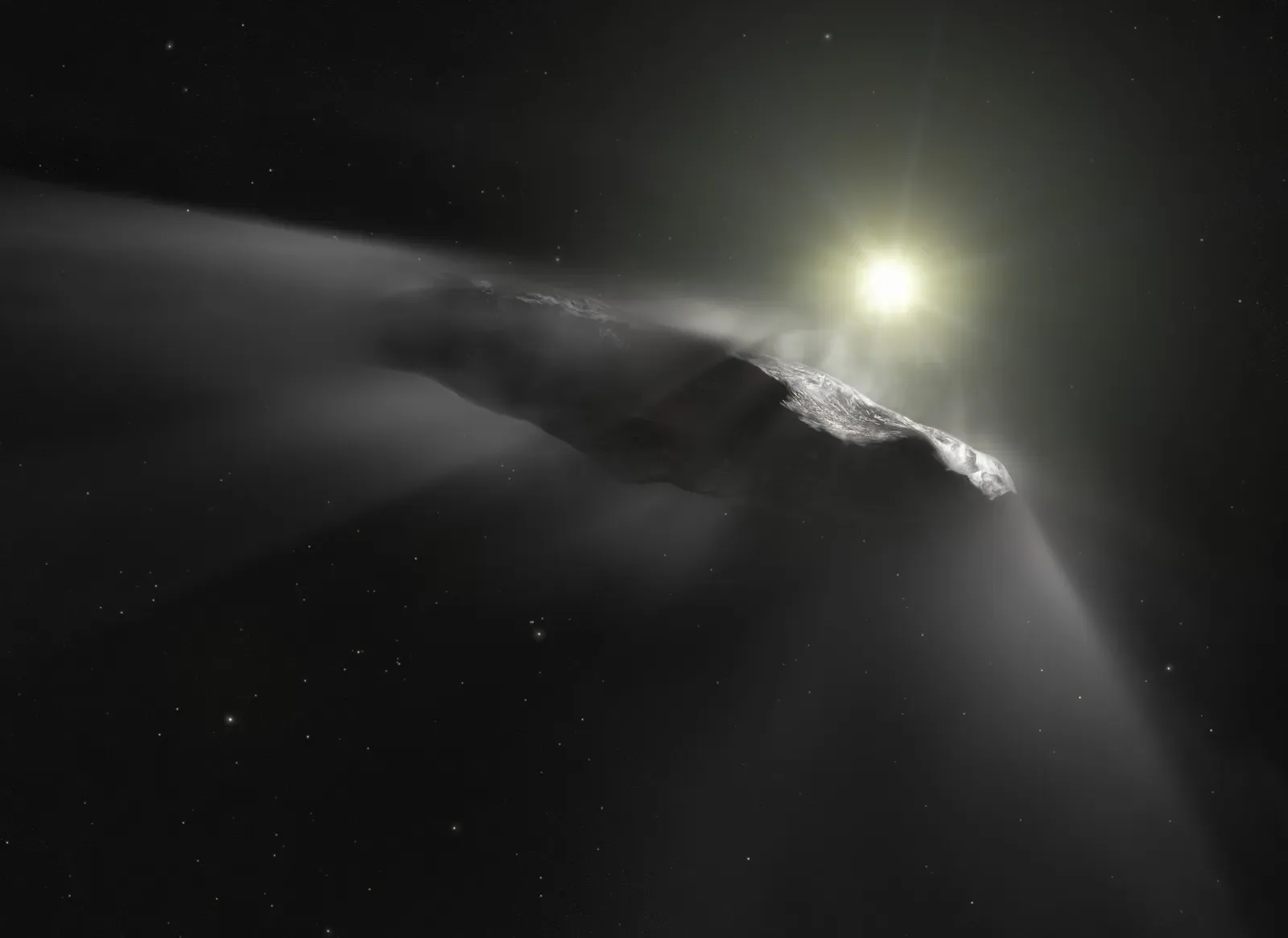
When ʻOumuamua was announced in 2017, the shocking part wasn’t just that it came from outside the solar system. It was the way it stubbornly refused to behave like anything astronomers already knew. Its orbit was clearly hyperbolic, meaning it was not gravitationally bound to the Sun at all, and its path could only be explained as coming from deep interstellar space rather than the distant fringes of our own system.
Then came the weirdness: its brightness changed dramatically as it rotated, suggesting an extremely elongated shape or something like a flattened shard rather than a chunky, potato-like asteroid. Even stranger, its trajectory showed a tiny but measurable push away from the Sun that could not be explained by gravity alone. Papers proposed different mechanisms, from invisible outgassing like a comet without a visible coma, to exotic explanations such as a fragment of a disrupted planetesimal, or even an ultra-thin object experiencing a gentle shove from sunlight. Follow-up studies leaned toward natural explanations, but there’s still no universal agreement on exactly what kind of body it was.
2. Borisov: A “Normal” Comet From a Completely Different Star System
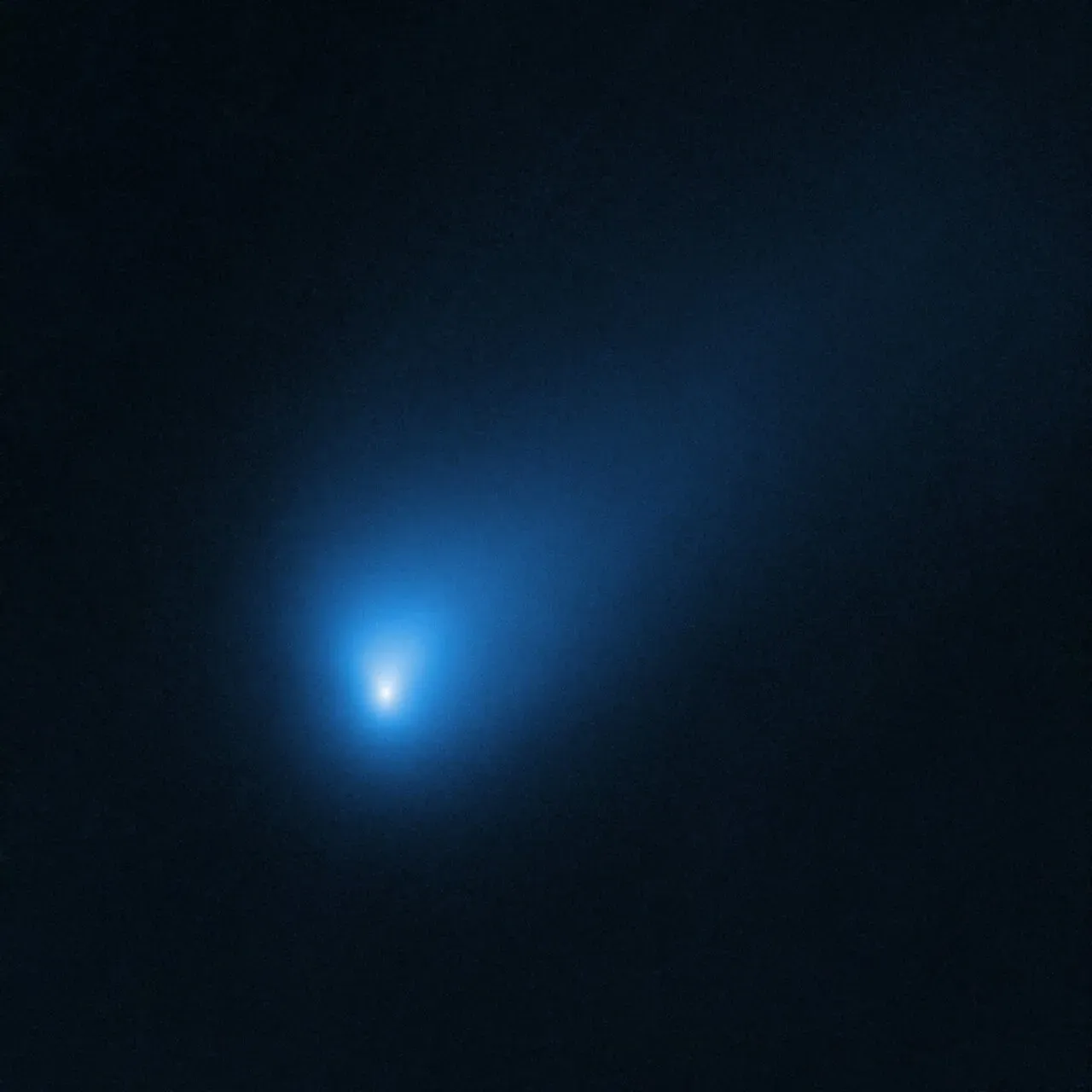
Just two years after ʻOumuamua, astronomers spotted 2I/Borisov, another object on a hyperbolic path, but this time it looked… almost boring. Unlike ʻOumuamua, Borisov quickly grew a clear coma and tail, behaving like a classic comet that just happened to originate around another star. Its chemistry and dust seemed broadly familiar, which was both comforting and unsettling at the same time.
Several papers dug into its composition and compared it to comets from our own Oort Cloud. The general takeaway was that it looked oddly ordinary, hinting that planet-forming disks around other stars might produce broadly similar icy bodies. At the same time, some analyses pointed out subtle differences in gas ratios and dust properties, suggesting that even “typical” interstellar comets carry fingerprints of their home systems. That made Borisov both less spectacular at first glance and far more important scientifically than its brief media spotlight might suggest.
3. The Weird Accelerations: Non-Gravitational Forces That Do Not Add Up
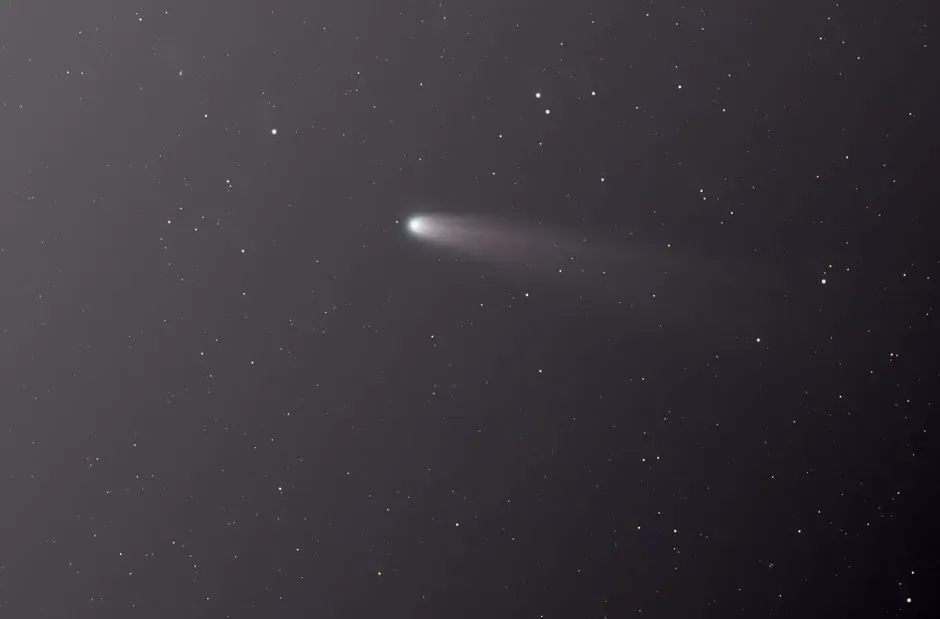
Non-gravitational accelerations are nothing new for comets, because jets of sublimating ice can gently nudge them off a purely gravitational orbit. What made several recent cases remarkable, especially with interstellar bodies, is how the observed accelerations did not behave exactly the way standard comet models would predict. With ʻOumuamua in particular, the magnitude and pattern of the extra push raised eyebrows, because there were no obvious signatures of dust or gas being ejected at the levels required.
This mismatch triggered a cascade of technical papers re-examining how we model outgassing, thermal properties, and surface physics. Some teams proposed that more exotic ices could sublimate without producing much visible dust, while others suggested that extremely high porosity or fracturing could change how forces averaged out. A few authors went further, exploring more speculative ideas, but the broader community pushed back and emphasized consistency with known physics. The ongoing debate around these accelerations is less about sensational claims and more about whether our standard comet toolkits are flexible enough for extreme, edge-of-parameter-space objects.
4. Pan-STARRS Oddballs: Hyperbolic-Looking Objects That Might Not Be Visitors
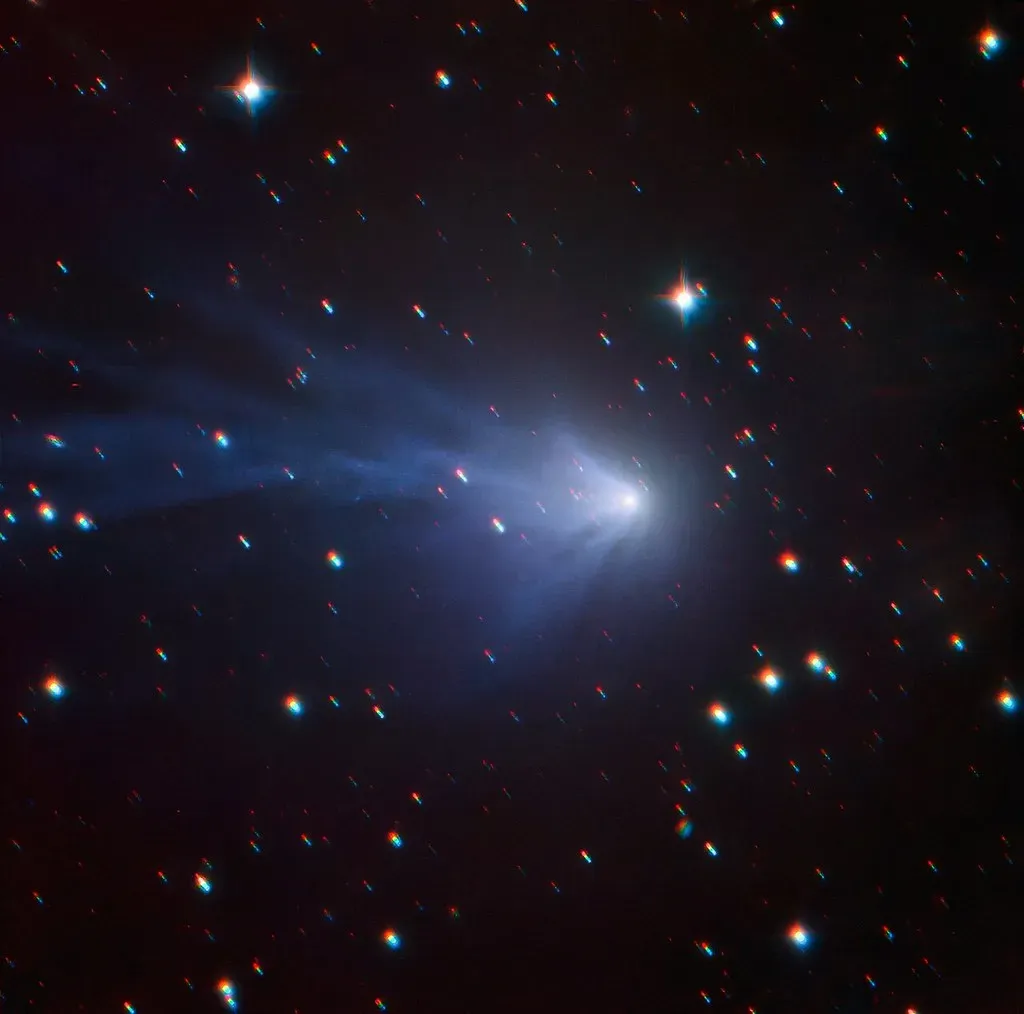
Before and after the discovery of true interstellar objects, surveys such as Pan-STARRS turned up a small collection of bodies that looked like they might be on hyperbolic or near-hyperbolic orbits. For a while, that raised the tantalizing possibility that interstellar passersby had been hiding in archival data all along, masquerading as slightly unusual comets or asteroids. But the deeper researchers dug into the uncertainties, the more complicated it got.
Several papers re-analyzed these candidate orbits, accounting more carefully for observational errors, planetary perturbations, and non-gravitational forces. In many cases, what looked hyperbolic at first turned out to be just barely unbound within the margin of error or even fully bound once better data were included. These objects behaved differently from classic, tidy ellipses by sitting right on the edge between bound and unbound, reminding everyone that measurement noise and small forces can easily blur categories. That led to a more cautious tone in the literature about claiming interstellar status without robust, multi-opposition tracking.
5. Extreme Trans-Neptunian Objects and the “Something Else Is Tugging” Problem
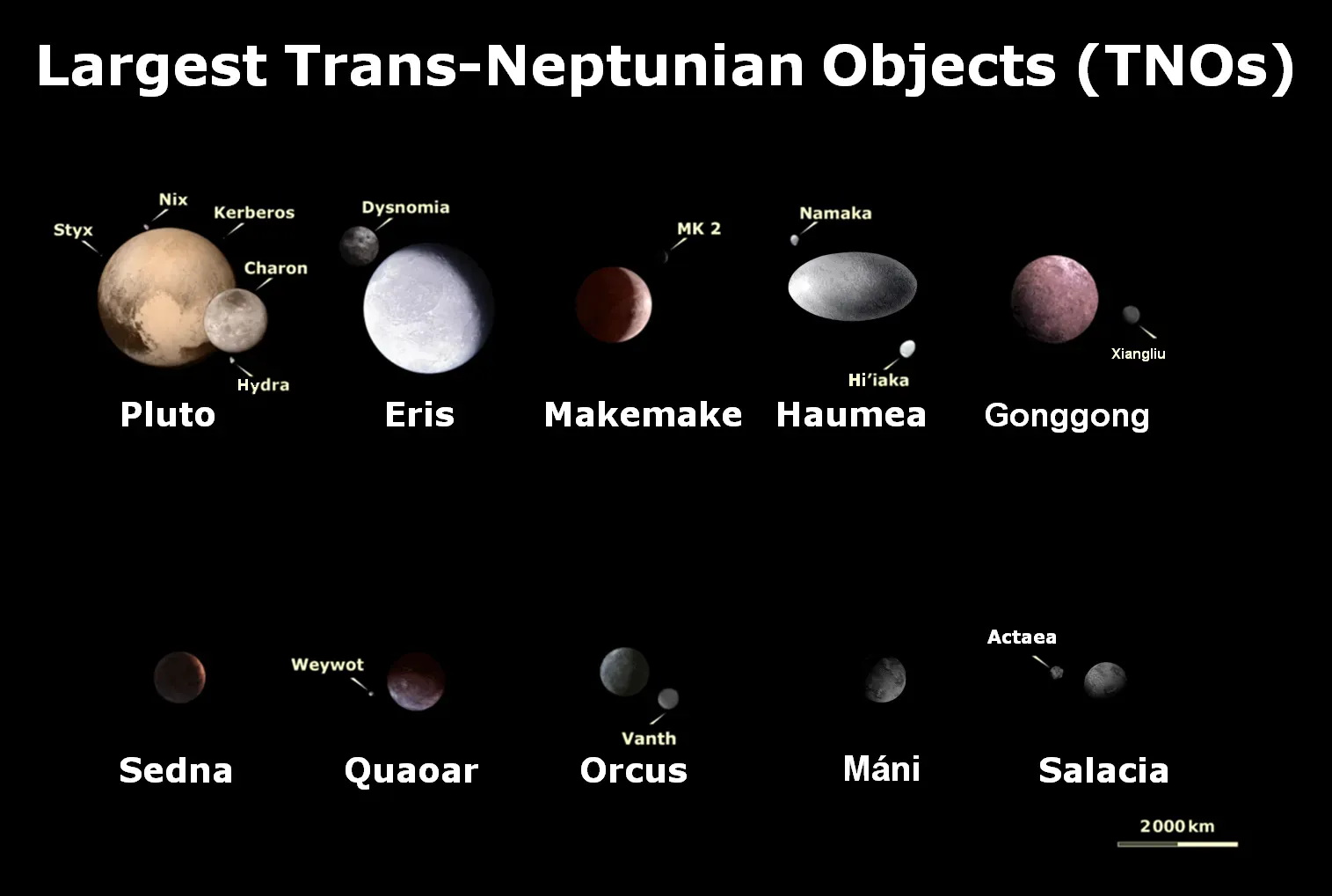
Not all strange behavior comes from visitors just passing through; some comes from residents in the outer solar system whose orbits whisper that something is off. A handful of extreme trans-Neptunian objects, with very distant and elongated orbits, appear clustered in ways that are hard to explain with only the known giant planets. Their paths through space seem to hint at an unseen gravitational sculptor far beyond Neptune.
Over the past decade or so, a small army of papers has modeled these orbits and asked whether a yet-undetected massive planet, sometimes nicknamed Planet Nine, could be shaping them. Some simulations show that a distant, heavy body could naturally group these objects, while other work suggests that observational bias or the combined effects of many smaller bodies might reproduce the patterns without a new planet. These objects stretch conventional solar system dynamics to an uncomfortable place, and even though they are bound to the Sun, their behavior sparked entire research lines about what might be lurking unseen in the outer dark.
6. Suspiciously Clean Comets and the “Invisible Activity” Question
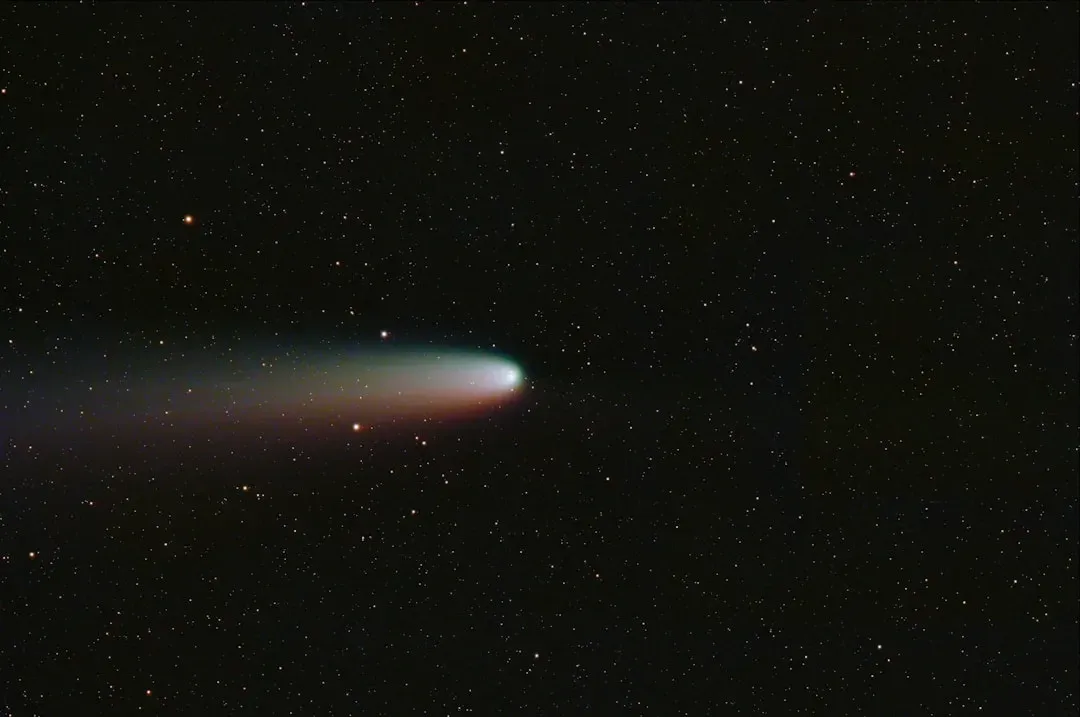
Most people imagine comets as bright, tailed showpieces, but a growing set of objects refuses to play along. Some bodies on comet-like orbits never display a clear coma and instead look like dead, inert asteroids even when they pass relatively close to the Sun. Others show just the faintest hint of activity, too weak to explain subtle non-gravitational nudges or thermal anomalies inferred from detailed measurements.
Papers investigating these “quiet” or “transition” comets propose a range of possibilities: heavy mantles of dust choking off vents, exhausted surfaces hiding volatile-rich interiors, or outgassing that is mostly gas with very little dust, making it nearly invisible. In some cases, authors argue that invisible or extremely localized activity might still be enough to alter the orbit over time, even if telescopes barely see a thing. These stubbornly dull-looking objects behave differently from the textbook comet picture, reminding researchers that a body’s orbit can betray activity that the eye cannot see.
7. Interstellar Meteoroid Candidates: Tiny Visitors Hiding in Fireball Data
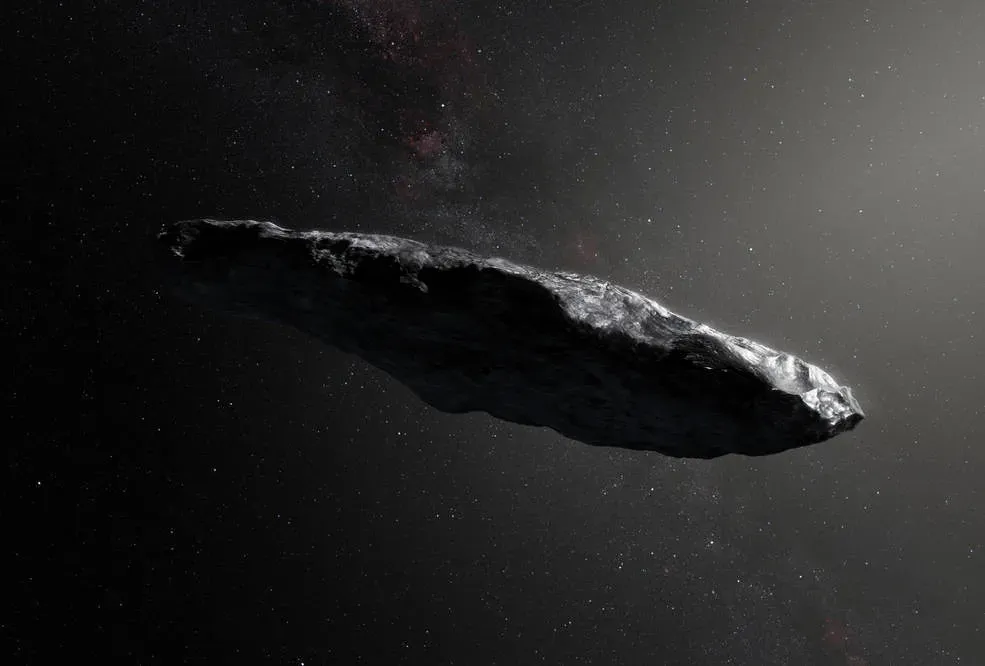
While the big, headline-grabbing interstellar objects are rare, there is a parallel, more subtle story in the realm of meteors and fireballs. A few recorded events show entry speeds and trajectories that seem too high or oddly oriented to belong comfortably to the family of solar system debris. These are tiny objects that blaze and vaporize in the atmosphere in seconds, leaving only instrumental records and long debates behind.
Researchers have combed through fireball catalogs and satellite detections looking for statistically solid candidates that might originate from interstellar space. Papers then wrestle with uncertainties in speed measurements, atmospheric drag, and instrumental calibration, trying to separate genuine outliers from mundane noise. Some analyses suggest that at least a small fraction of high-speed meteoroids could be true interstellar grains or pebbles, constantly seeding the inner solar system. If that holds up, it would mean that the solar system is quietly intersected by a thin, persistent drizzle of material from other stars, behaving differently from the bound populations that dominate most meteor showers.
Conclusion: When “Weird” Objects Force Us to Rewrite the Rules
Put all of these cases together and you get a clear message: the solar system is not an isolated, neatly cataloged museum. It is more like a train station with rare, unannounced visitors, awkward regulars on strange orbits, and a constant trickle of foreign dust. Every time astronomers think they have a clean set of categories – asteroid, comet, bound, unbound – some object shows up with a trajectory, brightness, or acceleration that does not quite fit.
My own take is that the genuinely exciting part is not whether any one object is more dramatic than the others, but how they collectively chip away at our comfortable models. Each new paper is a reminder that the universe does not care about our definitions, and that the most honest answer to many questions is still that we do not fully know yet. The next strange visitor might look mundane at first and only later reveal its oddities, or it might be obviously bizarre from day one. When that happens, will you be surprised, or are you already expecting the solar system to keep misbehaving in ways we have not imagined yet?