Articles for category: Physics, Space

Some Planets in Our Solar System Have Rains of Diamonds and Glass

Some Planets in Our Solar System Have Rains of Diamonds and Glass

Sumi

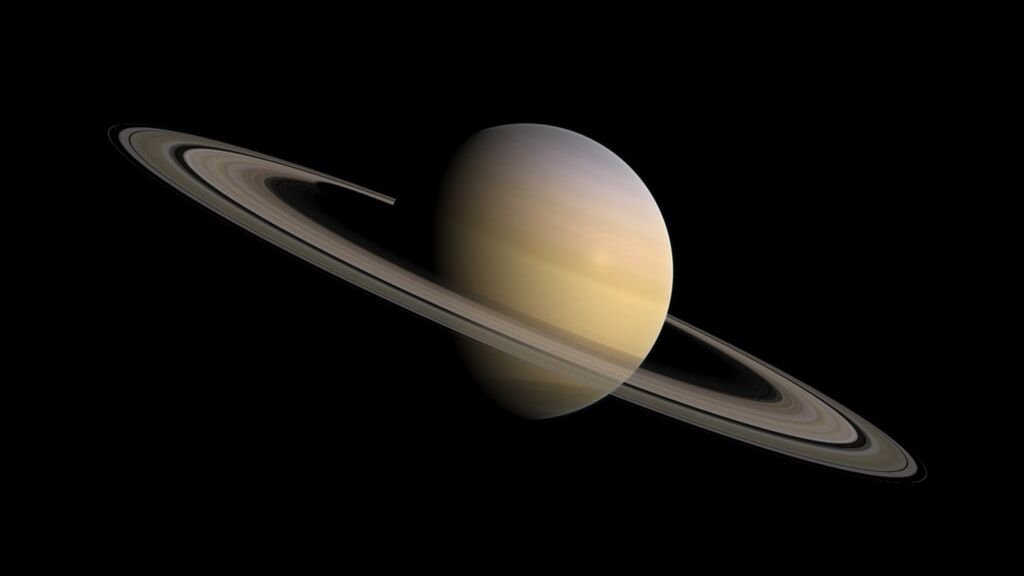
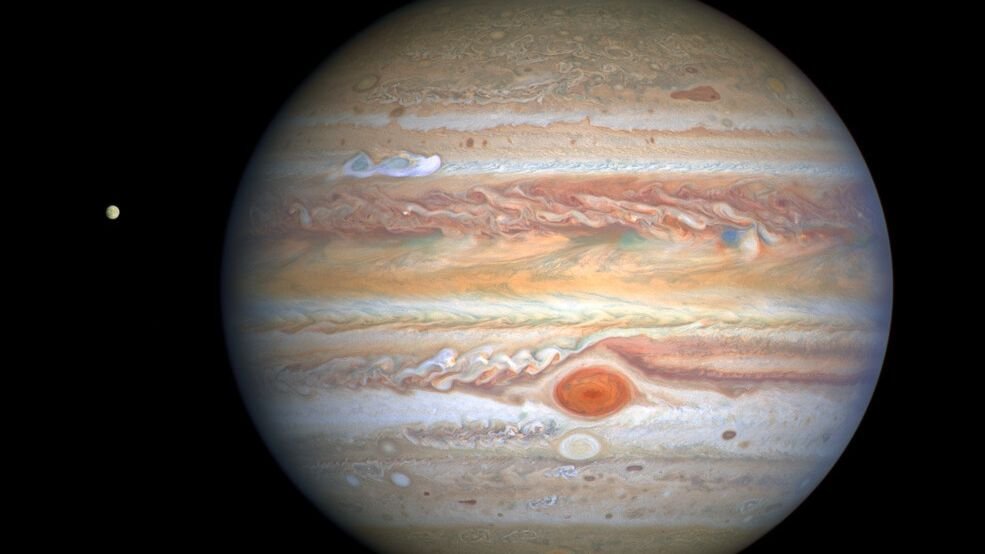
Imagine standing under a storm where the raindrops are not water, but glittering diamonds or sharp shards of glass. It sounds like something out of a sci‑fi movie, but for some worlds in our solar system, this kind of weather may be completely normal. The deeper astronomers look into the atmospheres of giant planets and ...

Hidden Lake Beneath Antarctica Reveals Strange Microbes

Andrew Alpin

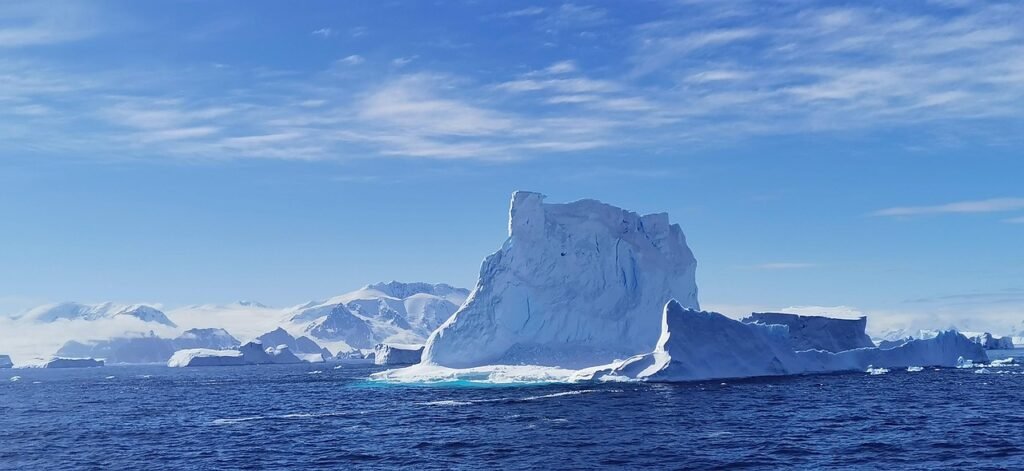
Deep beneath the frozen expanse of Antarctica lies a world that challenges everything we thought we knew about life on Earth. Scientists have recently uncovered thriving microbial communities in subglacial lakes that have been sealed off from sunlight and the outside world for thousands, if not millions, of years. These discoveries aren’t just reshaping our ...

The Lengthening Day: How the Moon Affects Our Time

The Moon Has No Atmosphere — So Why Does It Have Weathering?

Trizzy Orozco

If you’ve ever gazed up at the Moon on a clear night, you might think of it as a silent, unchanging world—a place frozen in time, untouched by wind, rain, or storms. Shockingly, though, even without an atmosphere, the Moon is far from immune to the relentless forces that break down rocks and carve its ...

Dark Matter Might Be Alive

Dark Matter Might Be Alive

Gargi Chakravorty

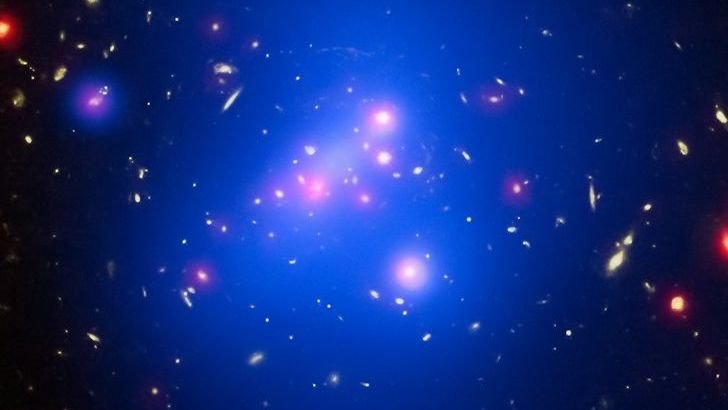
The cosmos is full of mysteries that challenge our understanding of reality, but few are as captivating as dark matter. This invisible substance makes up about eighty-five percent of all matter in the universe, yet it remains stubbornly hidden from our direct observation. But what if scientists are looking at this cosmic enigma all wrong? ...

The Space Between Worlds: Could Microbial Life Drift Between Planets?

Annette Uy

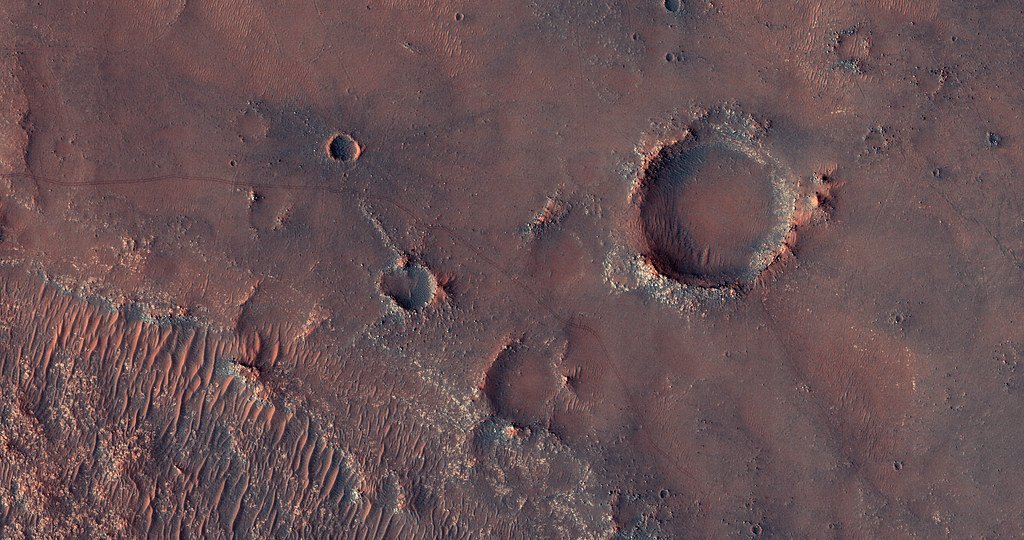
Picture yourself standing under a blanket of stars, gazing up at that mysterious red dot we call Mars. You might wonder if somewhere out there, tiny life forms are riding cosmic currents between worlds, perhaps even landing on our own planet. It’s not science fiction—it’s one of the most intriguing questions keeping astrobiologists up at ...