Articles for category: Biology & Genetics, Ecology, Paleontology, Physics, Space

Preservation and Documentation: Protecting Your Discovery

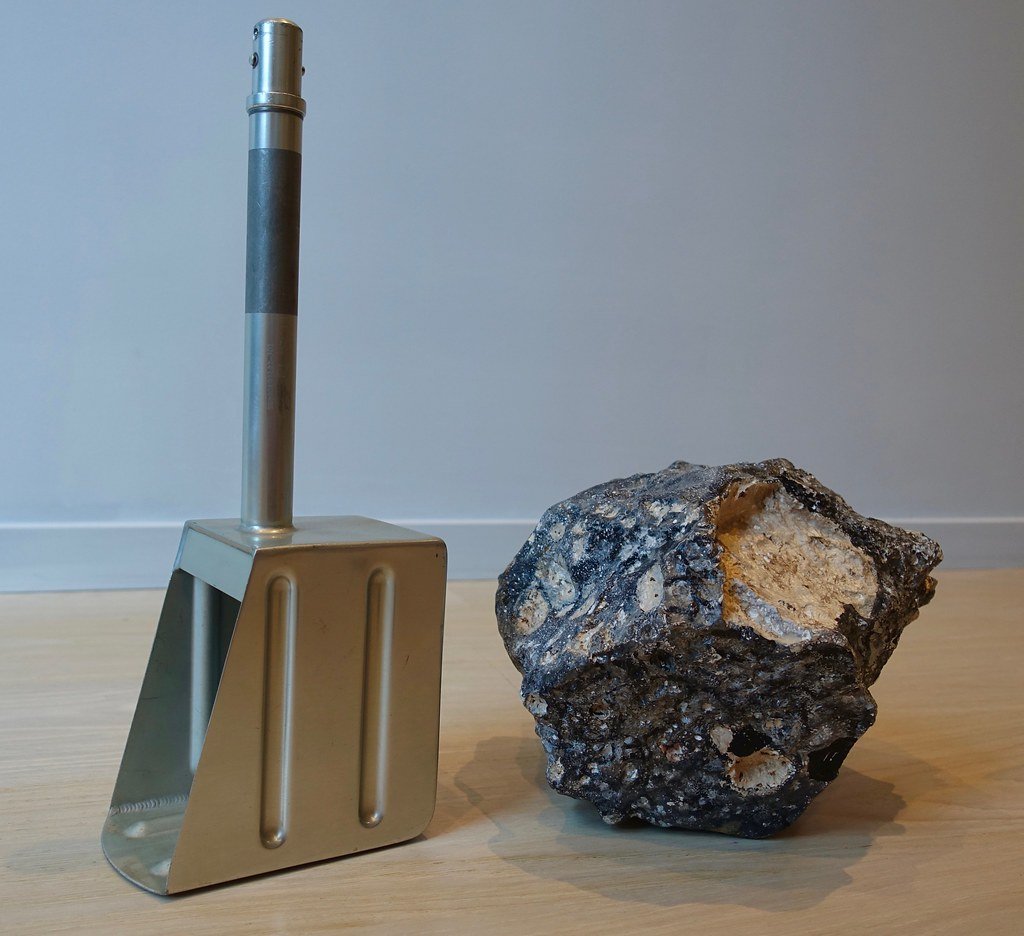
How Can You Tell a Meteorite From a Regular Rock?

Annette Uy

Picture this: you’re hiking through a desert landscape when something catches your eye—a dark, oddly shaped rock that seems completely out of place among the surrounding terrain. Your heart races as you wonder if you’ve just stumbled upon a piece of space debris worth thousands of dollars. But here’s the thing that might surprise you: ...

Gravity's True Power Reshapes Our Understanding of the Cosmos

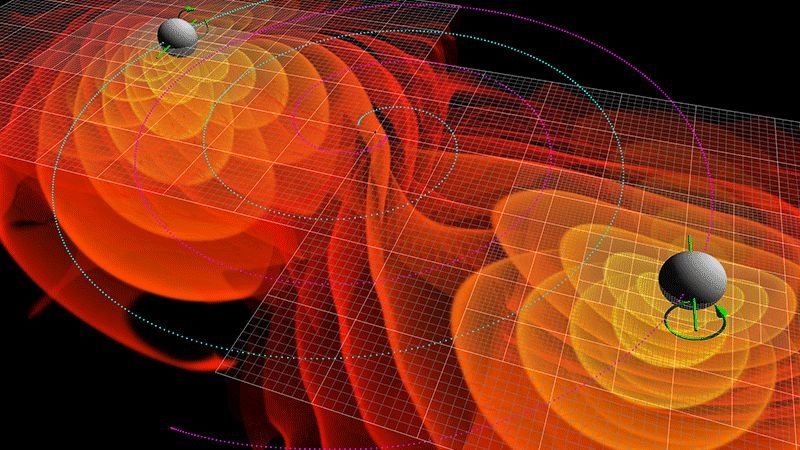
Gravity’s True Power Reshapes Our Understanding of the Cosmos

Andrew Alpin

You probably think you know gravity. It holds your feet on the ground, keeps the moon in orbit, and made Isaac Newton pause under a famous apple tree. Simple enough, right? Well, here is the thing – what physicists now understand about gravity goes so far beyond any of that, it is almost disorienting. The ...

The Universe Has a Secret Language You Never Knew Existed

The Universe Has a Secret Language You Never Knew Existed

Kristina

You have stared at the night sky and felt something stir in your chest. Something beyond wonder. A quiet, almost unsettling feeling that the cosmos is not just a backdrop for your life – but a participant in it. That feeling? Honestly, it might not be as irrational as you think. The universe, it turns ...

Blue-gloved hands hold a petri dish with bacterial colonies, showcasing a microbiology lab setting.

Are Space Samples Contaminated? How NASA Keeps Alien Material Sterile

Maria Faith Saligumba

Picture this: you’ve just spent seven years traveling through space, navigating through cosmic radiation, solar winds, and the vacuum of nothingness, all to collect a handful of ancient asteroid dust. Now imagine one tiny microbe from Earth sneaking aboard your spacecraft and contaminating that precious cargo. It’s the stuff of scientific nightmares, but it’s also ...

Our Sun Isn't Forever: What Happens When Our Star Dies?

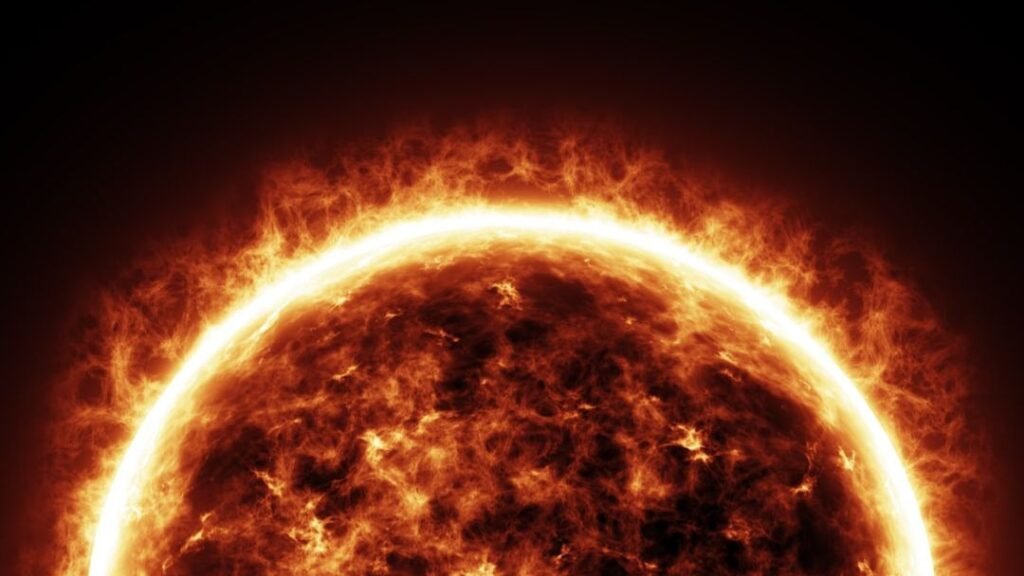
Our Sun Isn’t Forever: What Happens When Our Star Dies?

Sumi

It’s strangely unsettling to realize that the blazing ball of light we trust every single day is living on borrowed time. The Sun feels permanent, like the sky or the oceans, yet it’s a star with a life cycle, a beginning and an end, just like everything else in the universe. One day, far in ...

The Universe’s Edge: What Lies Beyond Our Observable Cosmos?

The Universe’s Edge: What Lies Beyond Our Observable Cosmos?

Sumi

Stand outside on a clear night, look up, and you’re staring into a mystery that cuts right to the bone of what it means to exist: does the universe just keep going forever, or is there some kind of edge, a last frontier where “space” simply runs out? Our telescopes can see astonishingly far, but ...

The Influence of Aboriginal Astronomy on Modern Science

The Forgotten Sky: What Ancient Astronomy Might Tell Us About Lost Civilizations

Trizzy Orozco

Look up at tonight’s stars, and you’re seeing the same celestial tapestry that guided our ancestors thousands of years ago. But did you know that scattered across our planet are mysterious stone circles, carved monuments, and ancient observatories that might hold secrets about civilizations we never knew existed? These aren’t just simple arrangements of rocks—they’re ...

6 Cosmic Phenomena That Are Still a Mystery to Astronomers

6 Cosmic Phenomena That Are Still a Mystery to Astronomers

Kristina

Space has a way of humbling even the most brilliant minds on Earth. You’d think that with the James Webb Space Telescope, gravitational wave detectors, and a global army of astronomers staring into the sky around the clock, we’d have the universe mostly figured out by now. Spoiler alert: we don’t. Not even close. In ...

What Is Dark Matter? Scientists Are Closing In on the Invisible Universe

What Is Dark Matter? Scientists Are Closing In on the Invisible Universe

Sumi

If you could turn off every star, every planet, and every glowing galaxy in the night sky, the universe would look almost completely empty. Yet, strangely, most of the universe is still there, silently shaping everything. That hidden majority is what scientists call dark matter, and it’s one of the most gripping mysteries in modern ...