Articles for category: Microbiology

Close up of a DNA double helix structure

The Hidden World of Microorganisms How Tiny Life Forms Shape Our Planet

Maria Faith Saligumba

Microorganisms are an unseen yet powerful presence that influences every aspect of life on Earth. Despite their minuscule size, these tiny life forms play critical roles that keep our planet functioning. From the air we breathe to the food we eat, microorganisms are integral to maintaining ecosystems and supporting life. This hidden world teems with ...

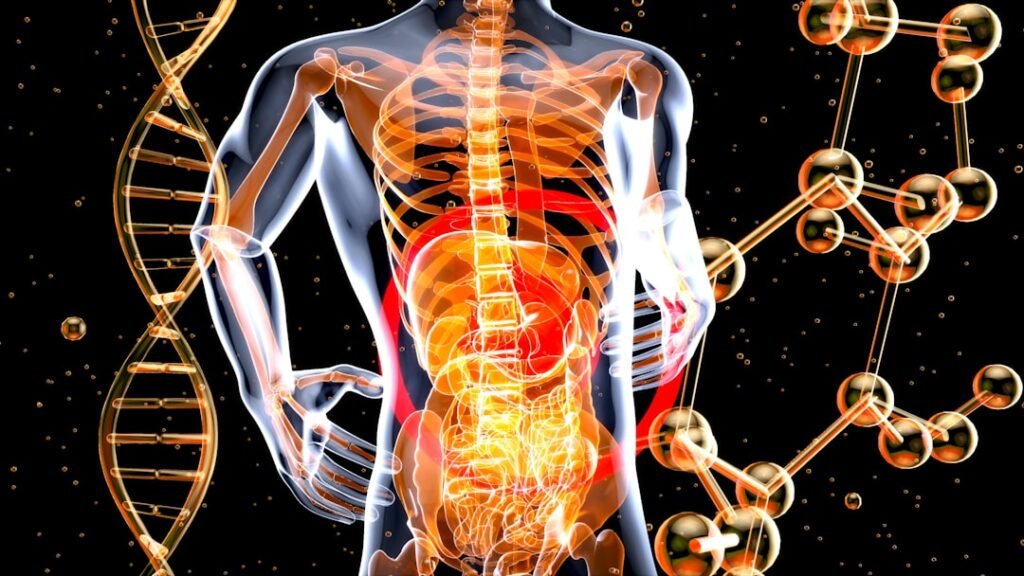
Intestinal bacteria. Microbiome.

Microbes in Space Can Life Survive Beyond Earth

Maria Faith Saligumba

When thinking about space exploration, we often envision advanced spacecraft, groundbreaking technology, and heroic astronauts embarking on perilous missions to the stars. However, one of the most important factors in the search for extraterrestrial life and the possibility of sustaining human life beyond Earth lies in the microscopic realm of microbes. These tiny organisms, which ...

The Question About Consciousness That Keeps Returning After Every Explanation

The Question About Consciousness That Keeps Returning After Every Explanation

Gargi Chakravorty

We’ve all been there. You’re reading about some new neuroscience finding, a fresh theory about how the brain generates awareness, and at first it seems promising. Exciting, even. The researchers are confident. Then you finish the article and feel it. That persistent, nagging sense that something essential is still missing. The explanation tells you how ...

How Quantum Physics Quietly Undermines Our Assumptions About the Mind

How Quantum Physics Quietly Undermines Our Assumptions About the Mind

Andrew Alpin

We like to think we understand the basics. Brains fire electrical signals, neurons connect, and somehow consciousness emerges from that tangle of cells and chemistry. It seems straightforward enough. Yet beneath this comforting narrative, something strange is happening in physics labs around the world. Researchers are finding patterns that don’t quite fit our classical models, ...

What Neuroscience Can Measure - And What It Can Never Touch

What Neuroscience Can Measure – And What It Can Never Touch

Gargi Chakravorty

We live in a remarkable age of brain science. Scanners can map our neural activity down to millimeters. Researchers can trace neurotransmitter pathways with stunning precision. Scientists are even engineering proteins to watch neurons communicate in real time, like eavesdropping on whispered conversations between billions of cells. It’s extraordinary, honestly. These technologies have peeled back ...

A palm holding three antibiotic medicines.

The Future of Microbial Therapy: Can We Replace Antibiotics with Good Bacteria?

Trizzy Orozco

Antibiotics have long been hailed as miracle drugs of modern medicine, combating bacterial infections that once led to severe health complications and even death. However, with the rise of antibiotic resistance, there’s a growing need to explore alternative treatments. One promising avenue is microbial therapy, specifically the use of beneficial or ‘good’ bacteria to replace ...

A surfer in the ocean amidst oil spill at the bottom.

The Potential of Bioremediation: How Microbes Can Help Clean Up Oil Spills and Other Pollution

Trizzy Orozco

The Promise of Bioremediation In recent years, environmental disasters like oil spills have illuminated the critical need for effective and sustainable clean-up methods. Among these, bioremediation has emerged as a promising technique that leverages the natural capabilities of microbes to detoxify environments polluted by hazardous substances. This method not only offers an eco-friendly approach to ...

Colorized electron micrograph of Human Papillomavirus (HPV) particles (magenta) harvested and purified from cell culture supernatant.

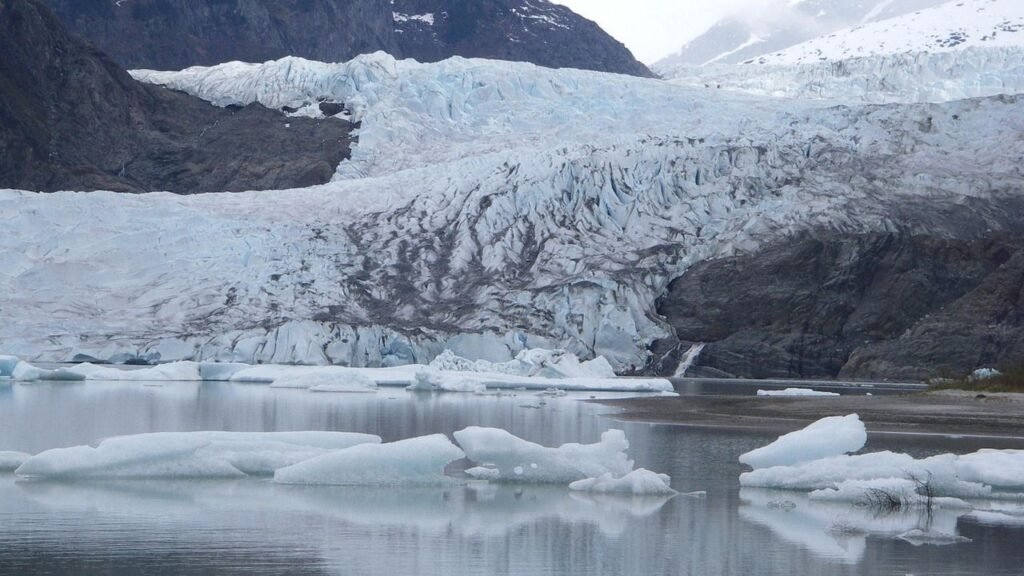
How Microbial Life Thrives in the Most Extreme Environments on Earth

Trizzy Orozco

Microbial life thrives in some of the harshest environments on Earth, displaying remarkable adaptations that allow it to survive where other forms of life would perish. From the scorching heat of hydrothermal vents to the icy expanse of polar regions, these microorganisms demonstrate a resilience that has fascinated scientists for decades. This article explores the ...