Articles for category: Climate & Environment, Microbiology

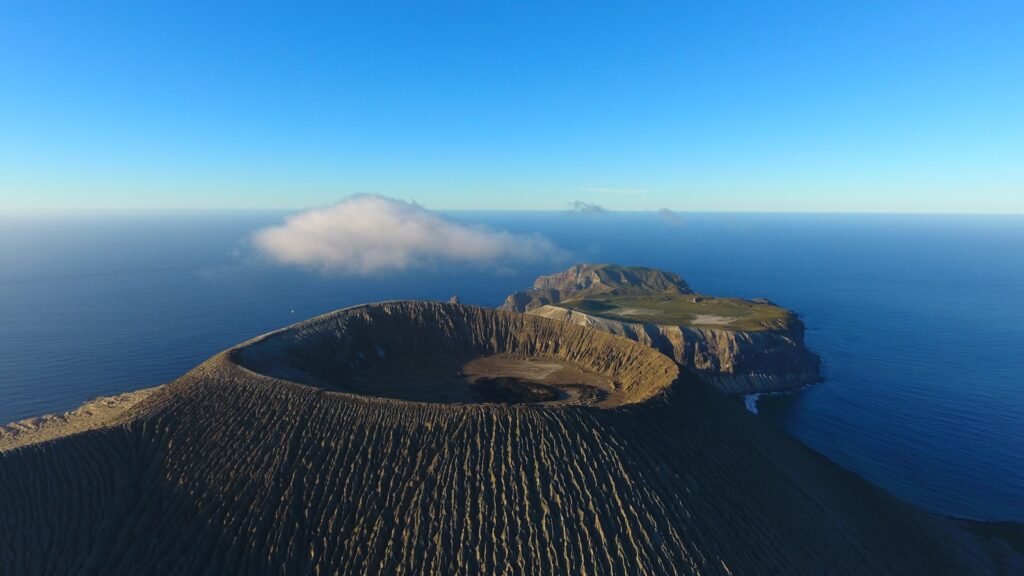
Mexican mountain under blue sky.

Lakes of Fire: The Extremophile Bacteria Living in Mexico’s Volcanic Waters

Trizzy Orozco

Have you ever wondered what kind of life could possibly survive inside the bubbling, acidic, and scalding-hot waters of volcanic lakes? Imagine peering into a steaming crater lake, the air thick with sulfur, the water bright with strange colors, and realizing—life thrives here. The lakes of Mexico’s volcanic landscapes are not barren wastelands but teeming, ...

Survival in the Acidic Waters of Sulfur Lakes

The Deadly Beauty of Sulfur Caves: Toxic but Teeming With Life

Trizzy Orozco

Imagine stepping into a world where the air bites at your lungs, the rocks glow with ghostly yellows, and every breath could be your last. Yet, in this dangerous darkness, life not only survives—it thrives. Sulfur caves, with their toxic fumes and striking landscapes, are some of the most hostile places on Earth. But, like ...

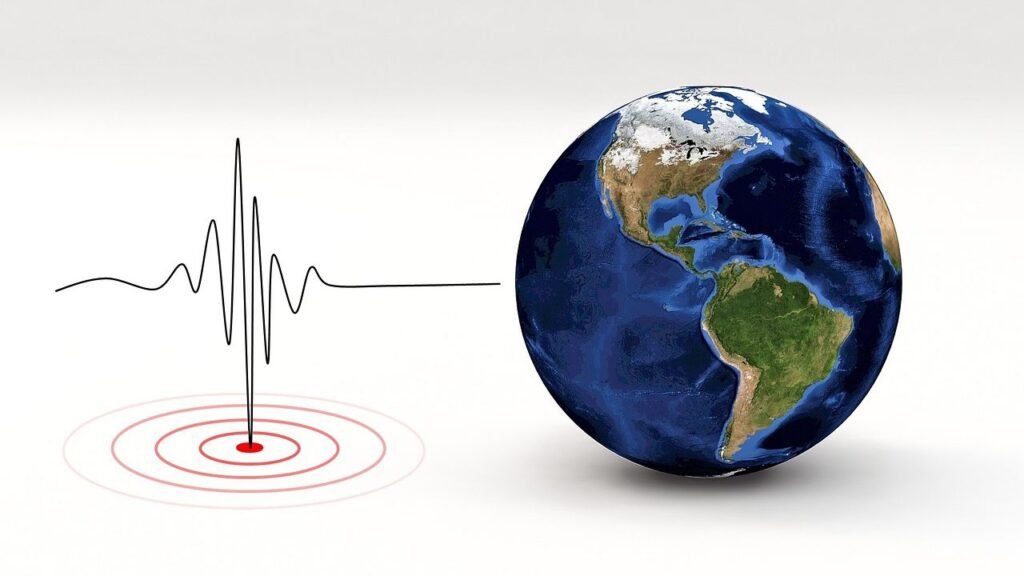
Could There Be Undiscovered Elements Hiding Deep Within Earth's Core?

Could There Be Undiscovered Elements Hiding Deep Within Earth’s Core?

Sumi

Imagine if the periodic table hanging in every classroom was quietly incomplete. Not because scientists forgot something, but because nature is hiding a few secrets almost three thousand kilometers beneath our feet, in a place no human will ever visit. The idea that Earth’s core might conceal unknown elements sounds like pure science fiction, yet ...

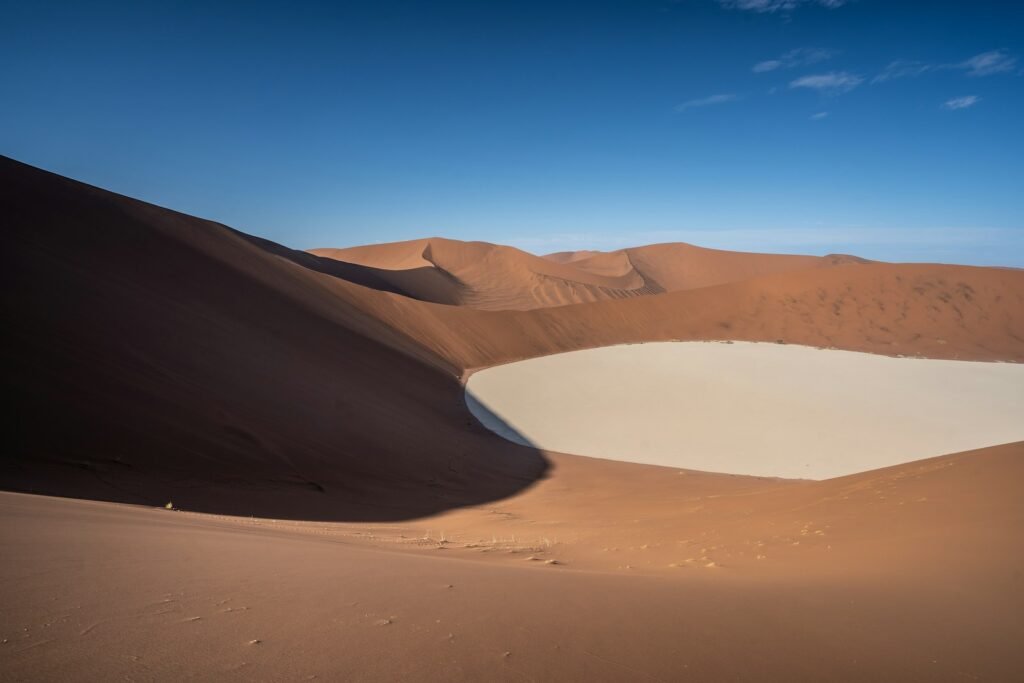
Dry lakebed in the desert under blue sky during daytime.

Ghost Lakes of the Desert: When the Southwest Was Underwater

Trizzy Orozco

Imagine standing in the blazing heart of the American Southwest, dry wind whipping dust across endless stretches of sand and stone. Now, close your eyes and picture this same place as a vast, glittering sea, water stretching horizon to horizon, ancient waves lapping at the feet of mountains. It sounds impossible, almost dreamlike, but it’s ...

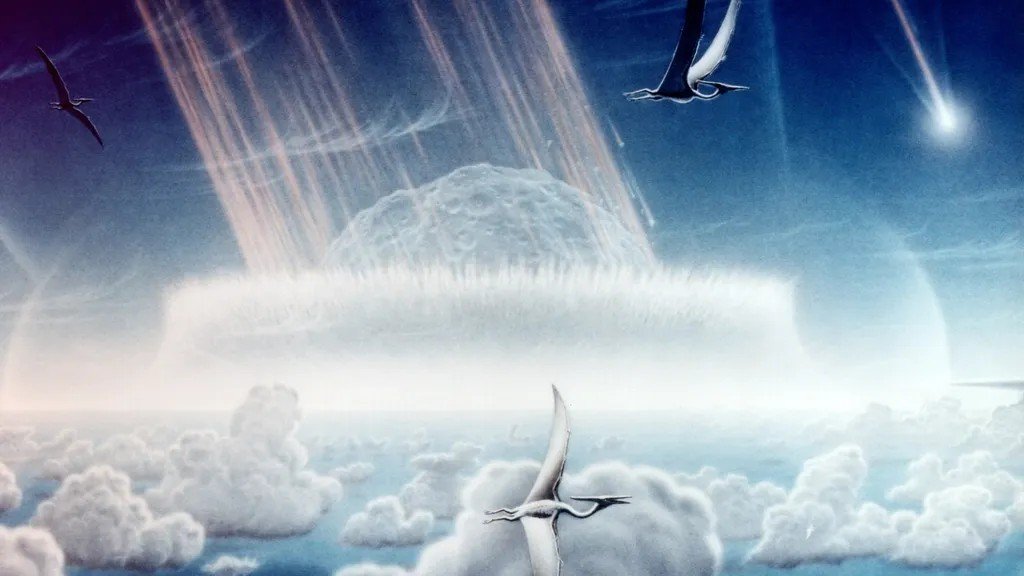
Life on Earth Has Survived Cataclysms Far Worse Than We Can Conceive

Life on Earth Has Survived Cataclysms Far Worse Than We Can Conceive

Kristina

You probably think you have a rough idea of how fragile life is. A warming climate here, a crumbling habitat there, and suddenly the headlines scream about mass extinction. Terrifying, sure. Yet here’s the thing – life on Earth has already stared into the abyss not once, not twice, but at least five times on ...

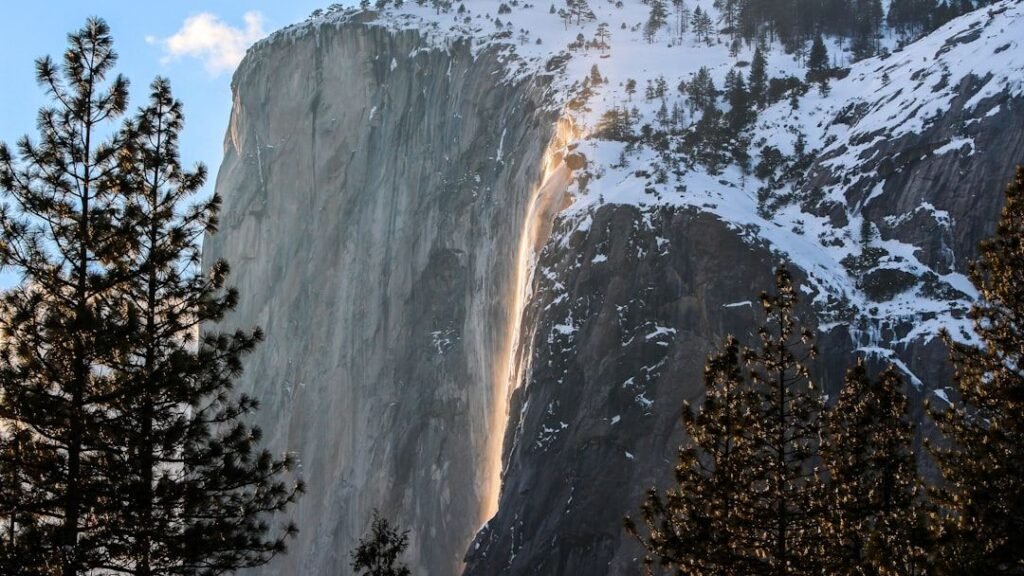
10 Natural Wonders So Rare They Only Appear Once in a Lifetime

10 Natural Wonders So Rare They Only Appear Once in a Lifetime

Sumi

Every so often, the planet does something so strange and beautiful that it almost feels like a glitch in reality. These rare natural wonders are the kinds of things people wait decades to see, planning entire travels around a moment that might last only minutes or days. You can’t order them, you can’t schedule them, ...

Our Planet's Core Is a Dynamic World Scientists Are Still Exploring

Our Planet’s Core Is a Dynamic World Scientists Are Still Exploring

Sumi

Deep beneath your feet, far below the oceans, mountains, and even the deepest mines, there’s a place you’ll never see and never feel directly – yet it controls the length of our days, our magnetic shield, and even the future of our technology. That hidden realm is Earth’s core, a metal heart roughly the size ...

Conclusion: Nature's Electric Blue Masterpiece

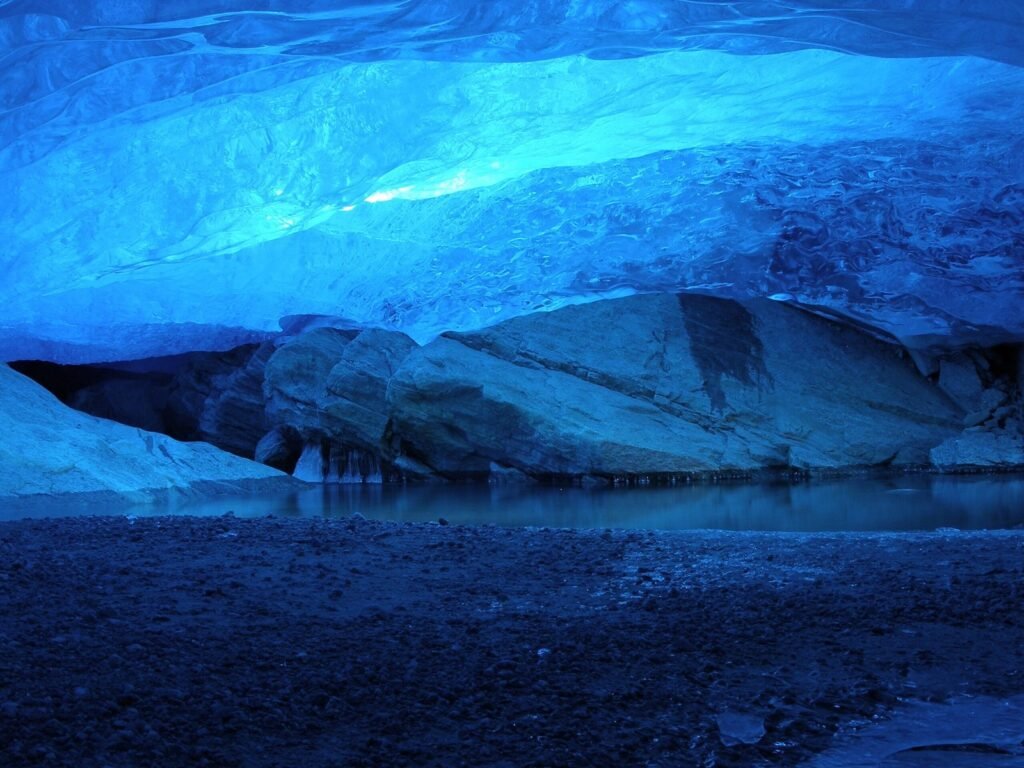
Alaska Glacier Caves Glow Electric Blue

Jan Otte

Deep beneath Alaska’s frozen giants lies one of nature’s most mesmerizing spectacles. Picture stepping into a cathedral made entirely of ice, where the walls shimmer with an otherworldly blue light that seems to pulse with life. This isn’t science fiction – it’s the real-world wonder of Alaska’s glacier caves, where ice transforms into something almost ...

Permafrost Thawing: Implications for Infrastructure and Ecology in Siberia

Could Climate Change Awaken Ancient Pathogens Frozen for Millennia?

Trizzy Orozco

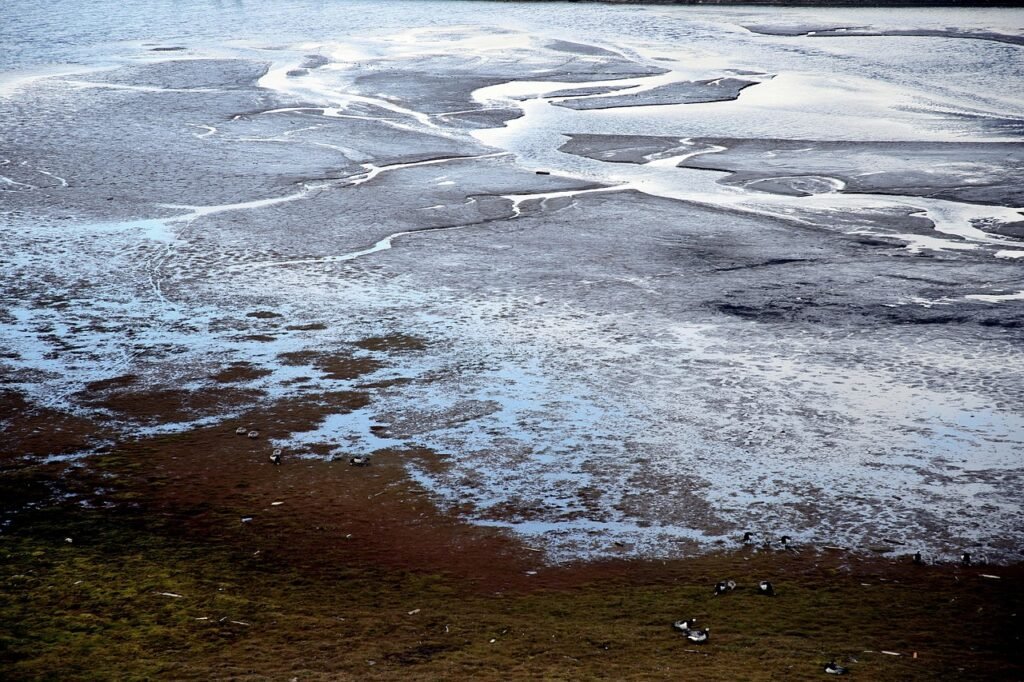
Imagine a world where the melting ice doesn’t just mean rising seas and vanishing polar bears. Picture, instead, the slow, silent thaw of secrets locked away for tens of thousands of years—microbes, viruses, and bacteria that last saw sunlight when mammoths walked the earth. As climate change accelerates, a new, unnerving question emerges: could the ...