Articles for category: Biology & Genetics, Biotechnology

Close-up of sea anemone underwater.

The Microbiome of Marine Animals: A Hidden Key to Ocean Health

Trizzy Orozco

The ocean is a vast and intricate ecosystem, home to countless marine animals that coexist in harmony with an even more numerous array of microorganisms. These microorganisms, collectively known as the marine microbiome, are an essential, yet often overlooked, component of ocean health. They play vital roles in marine animal digestion, immune systems, and even ...

Armadillo sleeping in its burrow.

The Role of Evolution in Shaping Animal Defense Mechanisms

Anna Lee

Throughout the intricacies of the natural world, animals have evolved a fascinating array of defense mechanisms to deter predators, ensure their survival, and facilitate reproductive success. These defense strategies are a testament to the profound influence of evolution in shaping life on Earth. From physical adaptations like armor to behavioral tactics like mimicry, the diversity ...

brown antelope and zebra on field at daytime

The Importance of Genetic Diversity for the Survival of Species

Maria Faith Saligumba

Genetic diversity refers to the variety of genes within a species. It encompasses the differences in DNA sequences among individuals, which can lead to variations in traits such as morphology, physiology, and behavior. This diversity is crucial for the survival and adaptability of species in ever-changing environments. The wider the genetic pool within a species, ...

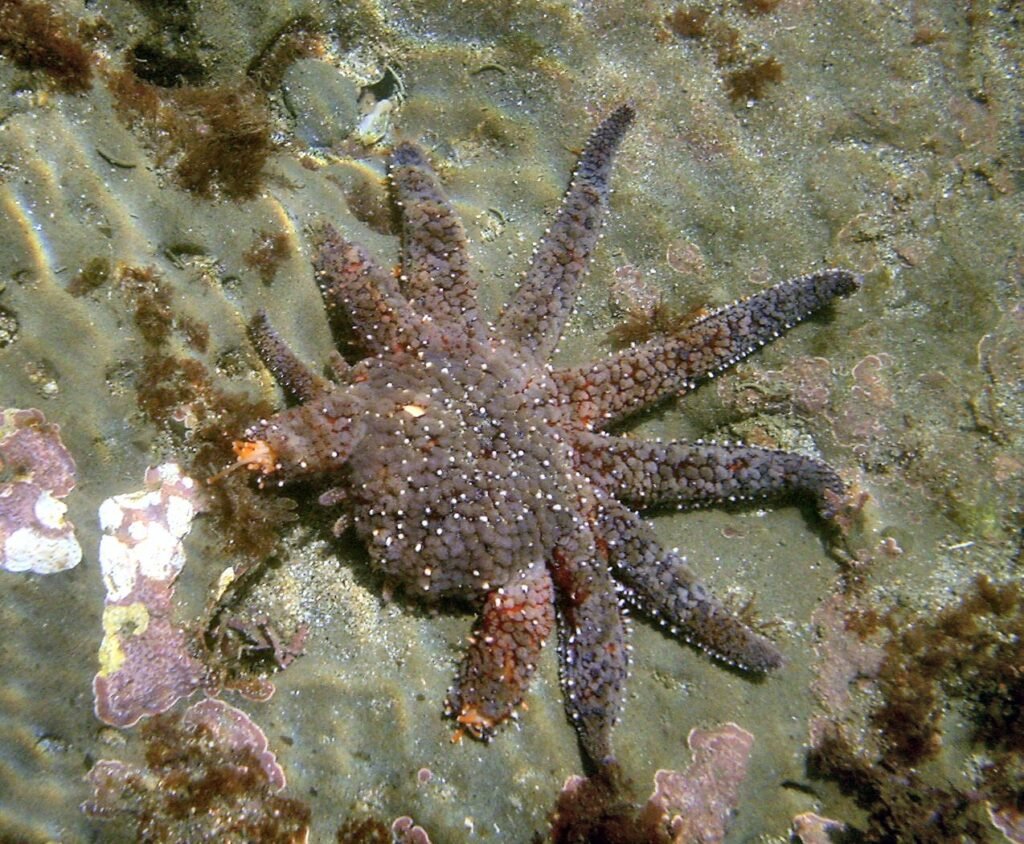
The Sea Creature That Can Rip Itself Apart — and Live

The Sea Creature That Can Rip Itself Apart — and Live

Maria Faith Saligumba

Imagine a creature so astonishing, so seemingly magical, that it can tear itself into pieces and not only survive but thrive. In the dark mysteries of the ocean, where the rules of life often seem to twist and bend, this isn’t a fantasy—it’s reality. Some sea creatures have mastered the art of self-destruction and resurrection, ...

Deer being camouflaged by its surroundings.

How CRISPR Is Changing the Future of Wildlife Conservation

Trizzy Orozco

CRISPR, a revolutionary gene-editing technology, has emerged as a powerful tool with the potential to transform numerous fields, including wildlife conservation. Initially developed for medical research, CRISPR (short for Clustered Regularly Interspaced Short Palindromic Repeats) allows scientists to precisely edit DNA sequences. This ability to manipulate genetic material offers innovative solutions for preserving endangered species, ...

The Freeze-Drying Effect: Mummification Among the Stars

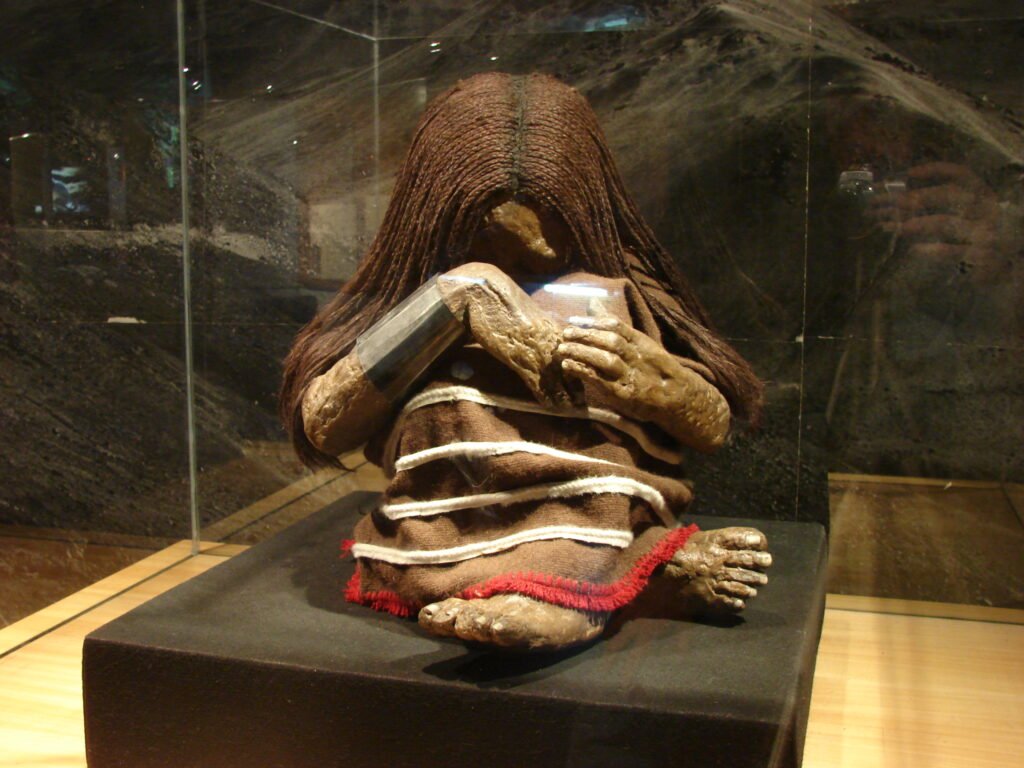
When the Dead Don’t Decompose: The Science of Natural Mummification

Trizzy Orozco

It’s a haunting thought: a lifeless body, untouched by time, skin stretched taut over bone, hair still clinging to a centuries-old scalp. All around, nature works tirelessly to break down the living into dust, yet here, the dead persist—silent witnesses to ages past. What strange alchemy allows some bodies to resist decay, lying eerily preserved ...

Photo of a monkey. A primate which means it's part of the human family tree.

The Genetic Connection Between Humans and Other Primates

Annette Uy

The genetic connection between humans and other primates has long been a subject of fascination and study. By examining the DNA of humans and their primate relatives, scientists can trace the evolutionary steps that bind us together. This article explores how genetic research sheds light on our link to primates, highlighting shared traits, evolutionary history, ...

Woman in white tank top.

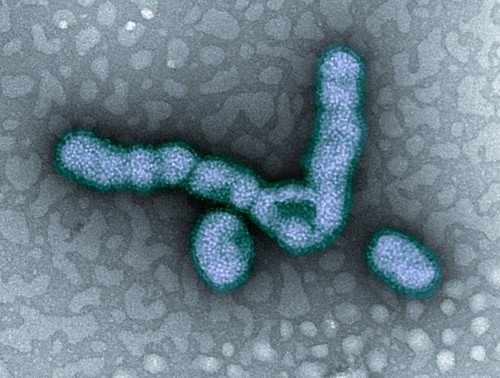
Why Your Dead Skin Is Still Full of Life — Microscopic Life, That Is

Trizzy Orozco

Imagine this: every time you glance at the tiny flakes of skin dusting your pillow, your sweater, or the pages of your favorite book, you’re actually looking at a bustling metropolis—teeming with invisible creatures, all living their best microscopic lives. It’s almost unbelievable, but that “dead” skin you shed every day is anything but lifeless. ...