
The cosmos has always held mysteries that challenge our understanding of reality, but a bold new perspective is emerging from the intersection of astrophysics and artificial intelligence research. Scientists are discovering remarkable parallels between the most extreme objects in the universe and the neural networks that power our . These cosmic behemoths, once considered simple destroyers of matter and light, might actually operate like massive information processors, reshaping everything we thought we knew about intelligence, consciousness, and the universe itself.
The patterns appear somewhat similar to the neural networks imaged in the of humans and other animals. As researchers delve deeper into the cosmic web’s structure and black hole behavior, they’re uncovering connections that blur the lines between physics and neuroscience. These findings could revolutionize our approach to artificial intelligence and offer profound insights into the nature of cosmic intelligence.
The Holographic Brain Connection
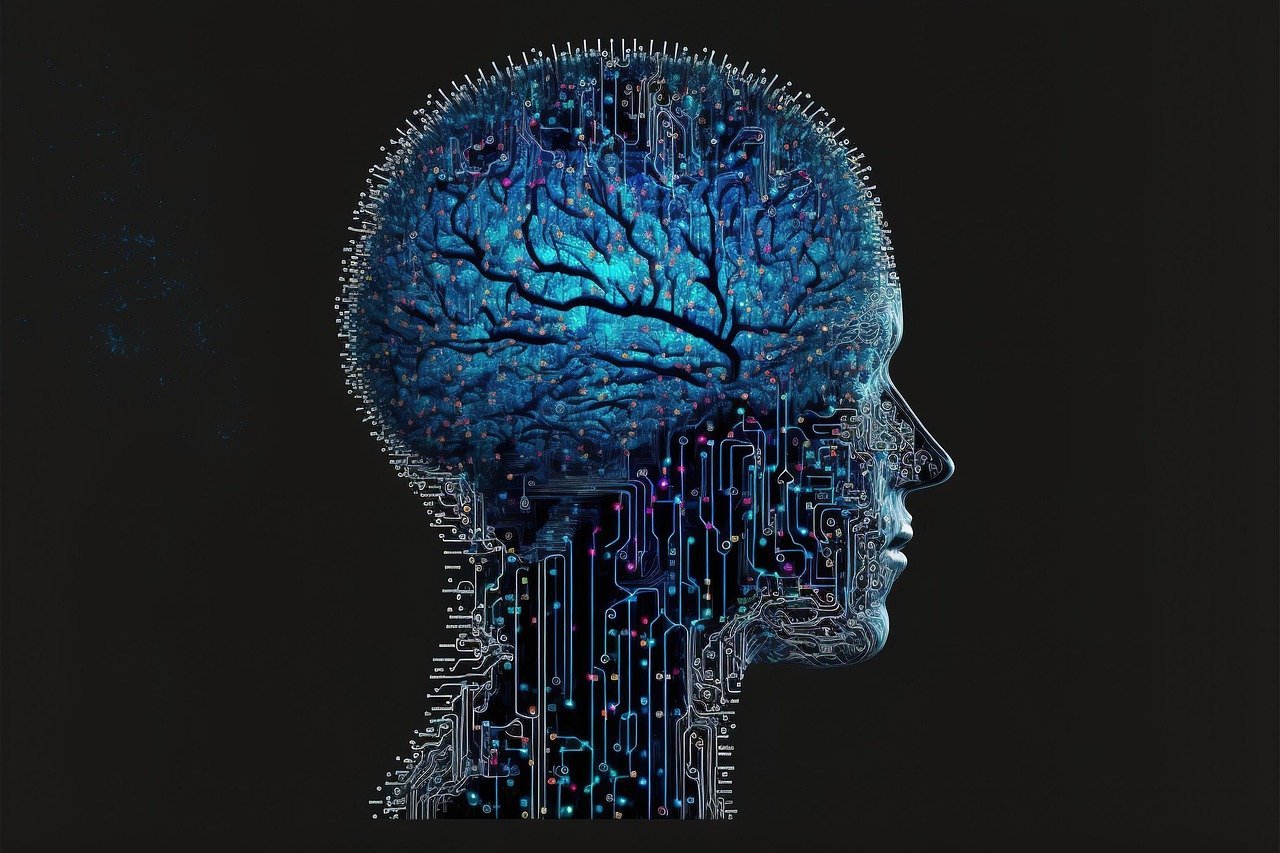
In the case of a black hole, the insight was that the information content of all the objects that have fallen into the hole might be entirely contained in surface fluctuations of the event horizon. This holographic principle suggests something absolutely mind-bending about black holes. Just like a hologram stores three-dimensional information on a two-dimensional surface, black holes might encode vast amounts of data on their event horizons.
The Holographic Principle is a theory that explains how quantum theory and gravity interact to construct the reality that we are in. The motivations for this theory comes from the paradox that Hawking created when he theorized that black holes would emanate energy. The fundamental concept that had been violated by Hawking’s theory was that information was destroyed. This information paradox led physicists to develop theories that would preserve all cosmic information, creating a framework where black holes function as cosmic storage devices rather than information destroyers.
Neural Networks in Space
Recent advances in machine learning have provided unexpected tools for understanding black holes. A team of astronomers led by Michael Janssen (Radboud University, The Netherlands) has trained a neural network with millions of synthetic black hole data sets. Based on the network and data from the Event Horizon Telescope, they now predict, among other things, that the black hole at the center of our Milky Way is spinning at near top speed.
This time, the astronomers fed millions of such data files into a so-called Bayesian neural network that can quantify uncertainties. This allowed the researchers to make a much better comparison between the EHT data and the models. These neural networks aren’t just analyzing black holes – they’re revealing how cosmic objects might process information in ways remarkably similar to biological brains.
The Cosmic Web’s Brain-Like Architecture
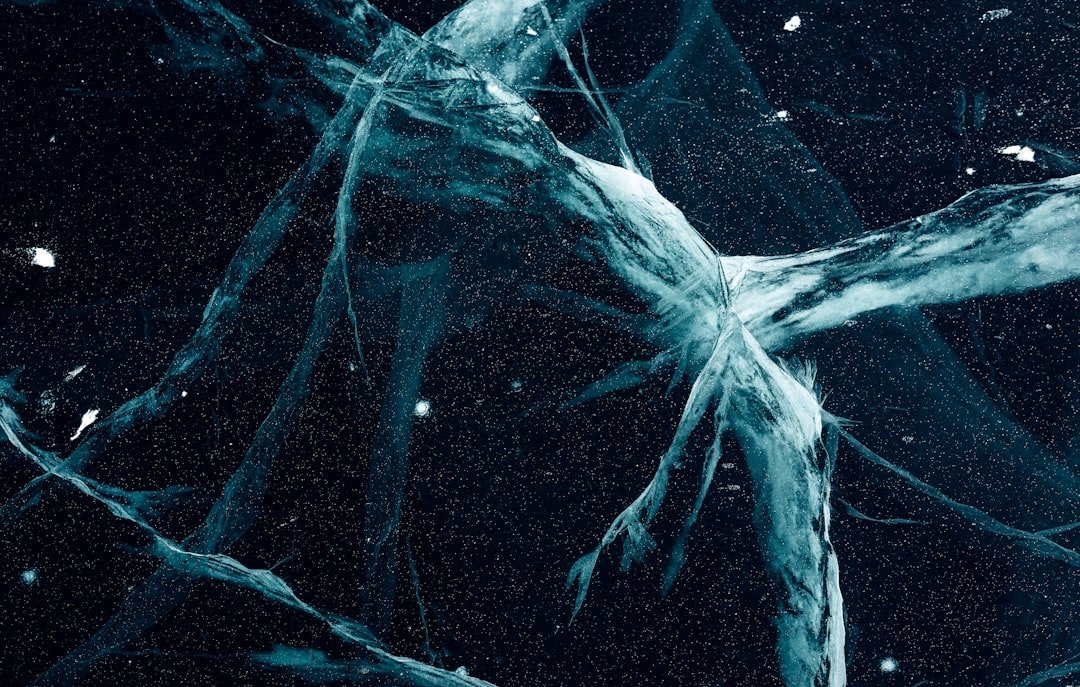
Perhaps the most stunning discovery comes from comparing the largest structures in the universe to the most complex object we know. In a paper published this week in the journal Frontiers of Physics, a duo of researchers from Italy investigated the similarities between the network of neurons in the human brain and the cosmic network of galaxies. This comparison goes far beyond simple visual similarities.
Despite the substantial difference in scale between the two networks (more than 27 orders of magnitude), their quantitative analysis, which sits at the crossroads of cosmology and neurosurgery, suggests that diverse physical processes can build structures characterized by similar levels of complexity and self-organization. The human brain functions thanks to its wide neuronal network that is deemed to contain approximately 86 billion neurons. On the other hand, the observable universe is composed of a cosmic web of at least 100 billion galaxies.
Information Processing at Cosmic Scales
The similarities extend beyond mere structure to actual information processing capabilities. A second fascinating similarity is that the amount of computer data required to map the simulated Universe models is comparable to the theoretical memory storage limits of the human brain. Between 1-10 Petabyes (1 Petabyte = 1000 Terrabytes) of data is needed to simulate the evolution of the observable Universe at scales where the Cosmic Web becomes apparent. Estimates on the total storage capacity of the human brain is about 2.5 Petabytes. A human could then theoretically store a good portion of the observable Universe’s structure…inside their brain.
This remarkable correspondence suggests that cosmic structures might not just look like brains – they might actually process information in similar ways. The memory capacity of the human brain is around 2.5 petabytes. In other words, “the entire life experience of a person can also be encoded into the distribution of galaxies in our universe,” write the researchers.
Black Holes as Neural Nodes
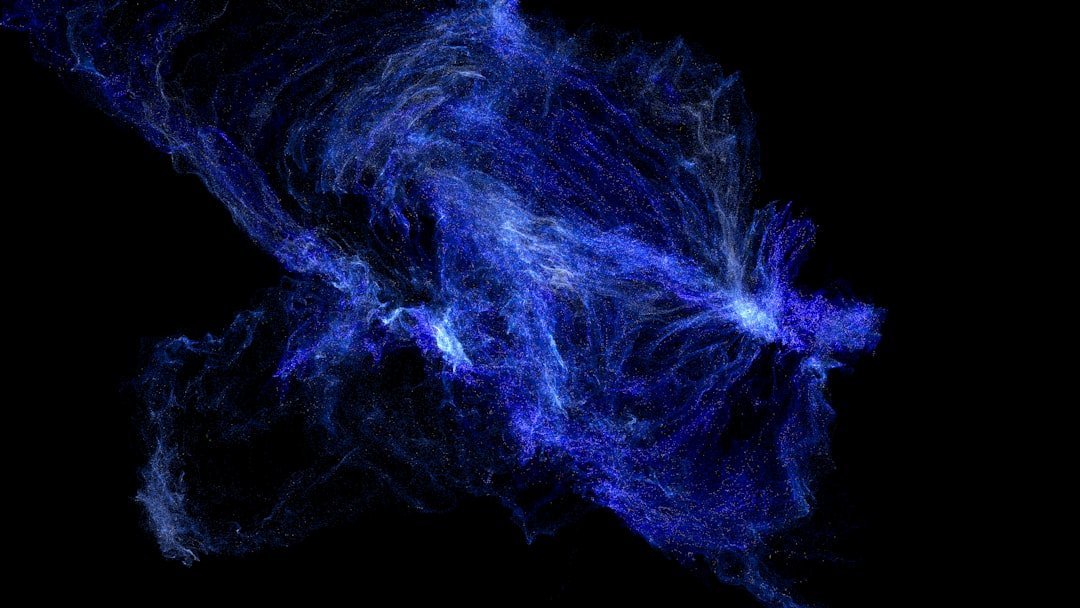
Within this cosmic neural network, black holes might function as the ultimate processing nodes. The information processing that corresponds to thinking is made possible by neuronal signaling, in which electrical messages are passed from one area of the brain to another. What signals could the Universe be transmitting along these galactic filaments, and could they allow for some type of cosmic intelligence?
While the vast distances between cosmic objects might seem to preclude real-time information processing, recent theories suggest otherwise. Where Hossenfelder described the structural organization of the Universe to be brain-like, Vanchurin argues that the world is literally a neural network, with an interconnected network of “nodes” existing at the microscopic scale that is equivalent to the network of neurons inside our skulls. The cosmos looks remarkably similar to the complete wiring diagram of the brain – and “non-local connections” could enable computation.
Artificial Intelligence Meets Astrophysics

The convergence of AI and astrophysics research is producing groundbreaking insights. Gravitational wave data analysis (GWDA) faces significant challenges due to high-dimensional parameter spaces and non-Gaussian, non-stationary artifacts in the interferometer background, which traditional methods have made significant progress in handling, but AI approaches are revolutionizing the field.
There’s a virtuous cycle where AI is helping solve physics problems and physics concepts improve AI. A great example is the AI decoder for holographic duality developed by researchers at UC San Diego. They created a machine learning algorithm that takes a known quantum theory on a 2D boundary and learns to generate the corresponding bulk spacetime theory, essentially teaching machines to think about higher-dimensional spaces.
The Information Universe Theory
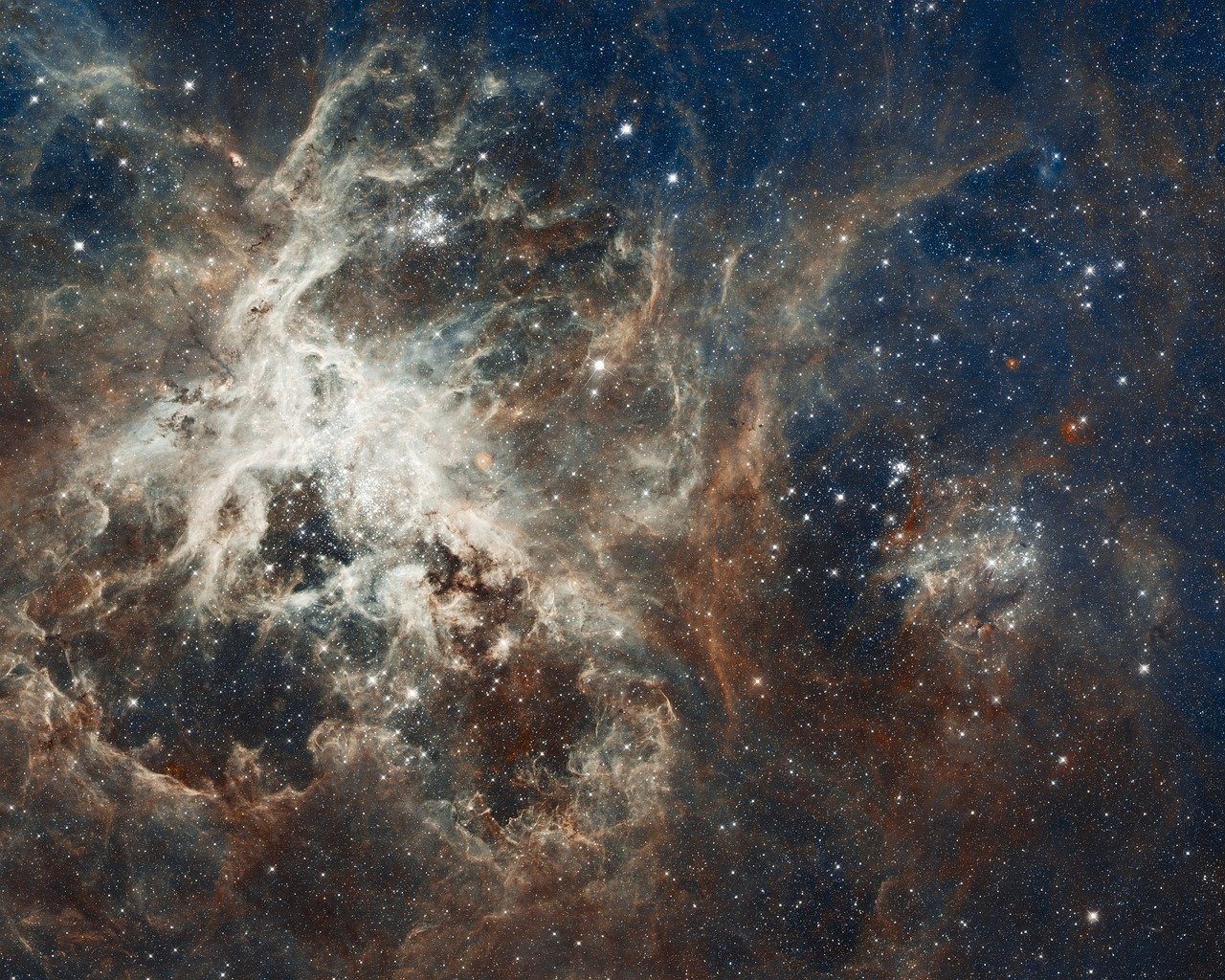
These discoveries are reshaping our fundamental understanding of reality itself. From the study of black holes, Physicists have proposed space may not exist independently of an observer but as a holographic projection. The study of black holes has led physicists to propose the idea that space may not exist independently of an observer but instead emerge as a holographic projection, challenging traditional notions of reality and suggesting that information, rather than physical matter, may be the fundamental building block of the universe.
A new scientific paradigm is emerging that presents us with a radically different cosmic narrative. The big idea is that the Universe is not just an arbitrary physical system, but something more like an evolving computational or biological system – with properties strikingly similar to a complex neural network spanning cosmic scales.
Implications for Consciousness Research
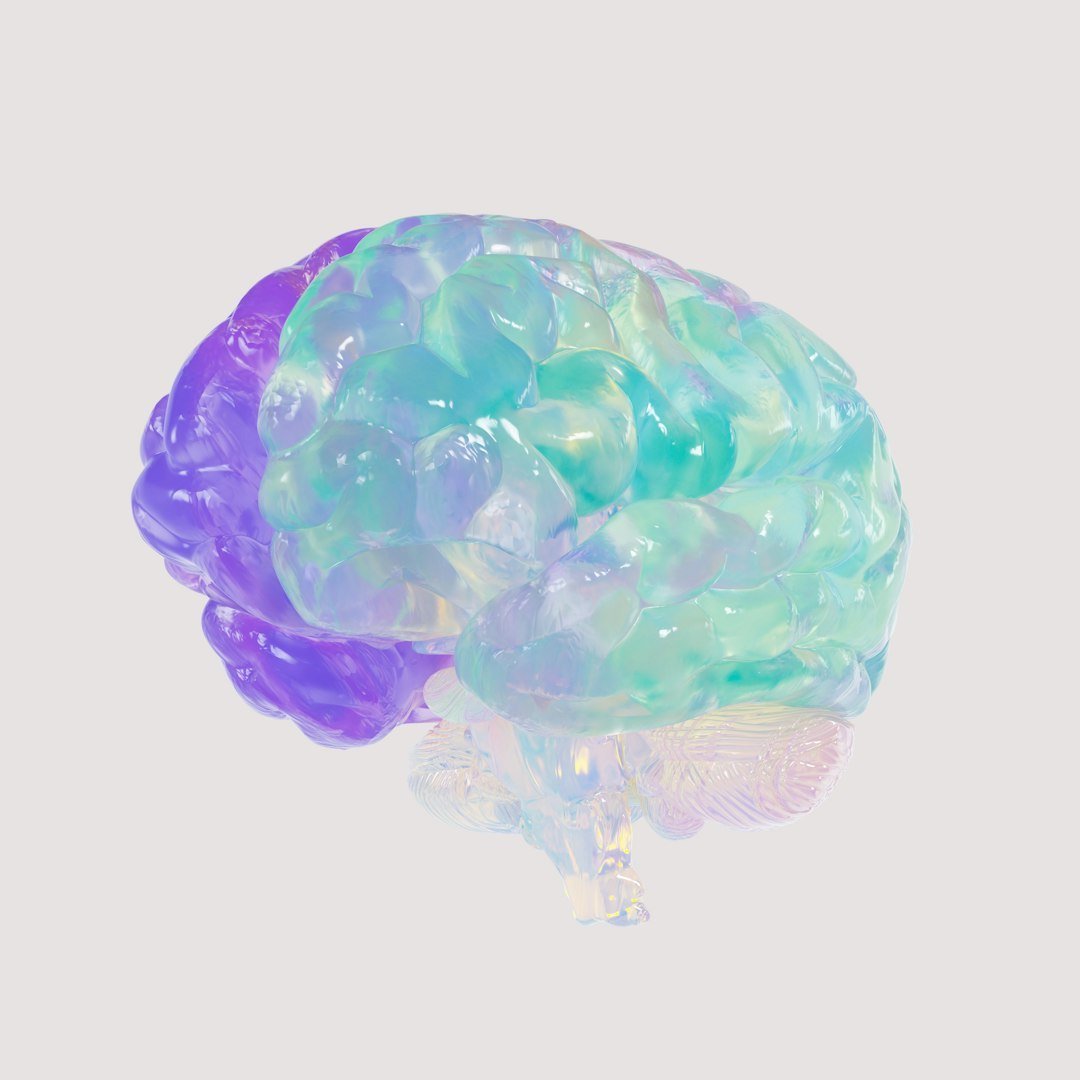
Perhaps most profoundly, these findings suggest that consciousness and intelligence might be fundamental features of the universe rather than rare accidents of biological evolution. The echoes of complexity, structure, and information processing observed in supergalactic clusters mirror those in the human brain. This connection hints at the idea that “form recapitulates function.” In essence, the level of complexity and information processing found within our brains may manifest at both the grandest and most minuscule scales of the universe. It notably lends credence to the hypothesis of panpsychism, suggesting that elements of consciousness are embedded at every level, within every subsystem, and throughout the cosmos.
The research opens fascinating questions about whether our own consciousness might be connected to these cosmic neural networks. If the universe processes information like a vast brain, our individual minds might represent local nodes in a much larger cosmic intelligence.
Conclusion
The idea that represents more than just an intriguing scientific analogy – it points toward a fundamental reconceptualization of the universe itself. From the holographic principle encoded on black hole event horizons to the neural-network-like structure of the cosmic web, we’re discovering that information processing might be the universe’s most basic activity. The tantalizing degree of similarity that our analysis exposes seems to suggest that the self-organization of both complex systems is likely being shaped by similar principles of network dynamics, despite the radically different scales and processes at play.
As artificial intelligence continues to evolve and our understanding of cosmic structures deepens, we may find that the boundary between mind and cosmos is far more fluid than we ever imagined. The universe might not just contain brains – it might be one vast, interconnected thinking system of which we are all part.
What do you think about the possibility that our entire universe operates like a giant brain? Tell us in the comments.