Articles for author: Jan Otte

Ghosts, sharks and Norse mythology: US Space Force unveils new names for satellites and space weapons

Norse Gods, Ghost Sharks, and Spectral Guardians: US Space Force’s Innovative Naming for Space Systems

Jan Otte

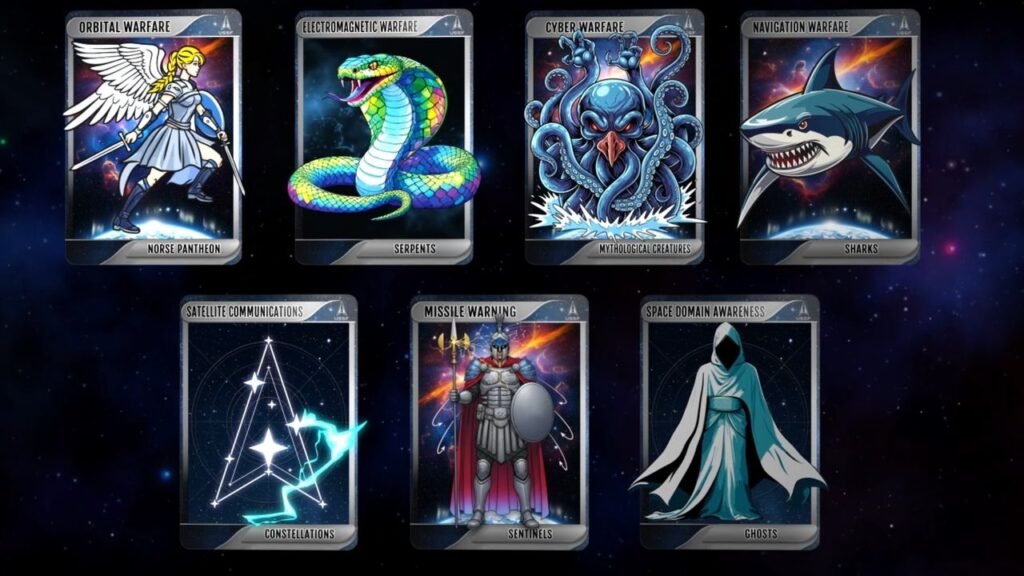
The United States Space Force has introduced a distinctive naming convention for its satellites and space weaponry, blending elements of ancient myths and oceanic mysteries to foster a stronger sense of identity among its ranks. A Shift Toward Symbolic Identity in Space Operations Long overshadowed by alphanumeric designations, the Space Force’s assets now carry evocative ...

Lioness and her cubs

Parental Behaviors in the Animal Kingdom: How Species Raise Their Young

Jan Otte

In the animal kingdom, the strategies for raising young are as diverse as the species themselves. From the nurturing instincts of elephants to the seemingly indifferent behavior of sea turtles, parental care is an intriguing subject that showcases the adaptability and survival mechanisms of different species. This article explores the various parental behaviors found across ...

White rhino with her calf.

8 Groundbreaking Wildlife Cloning Projects

Jan Otte

Wildlife cloning has emerged as a vital tool in efforts to conserve biodiversity and ensure the survival of endangered species. By replicating the genetic makeup of animals, scientists hope to bolster dwindling populations and potentially revive extinct species. This article explores eight groundbreaking wildlife cloning projects that have paved the way for future innovations in ...

Australia’s Largest Intertidal Oyster Reefs Found in the Tropical North

Jan Otte

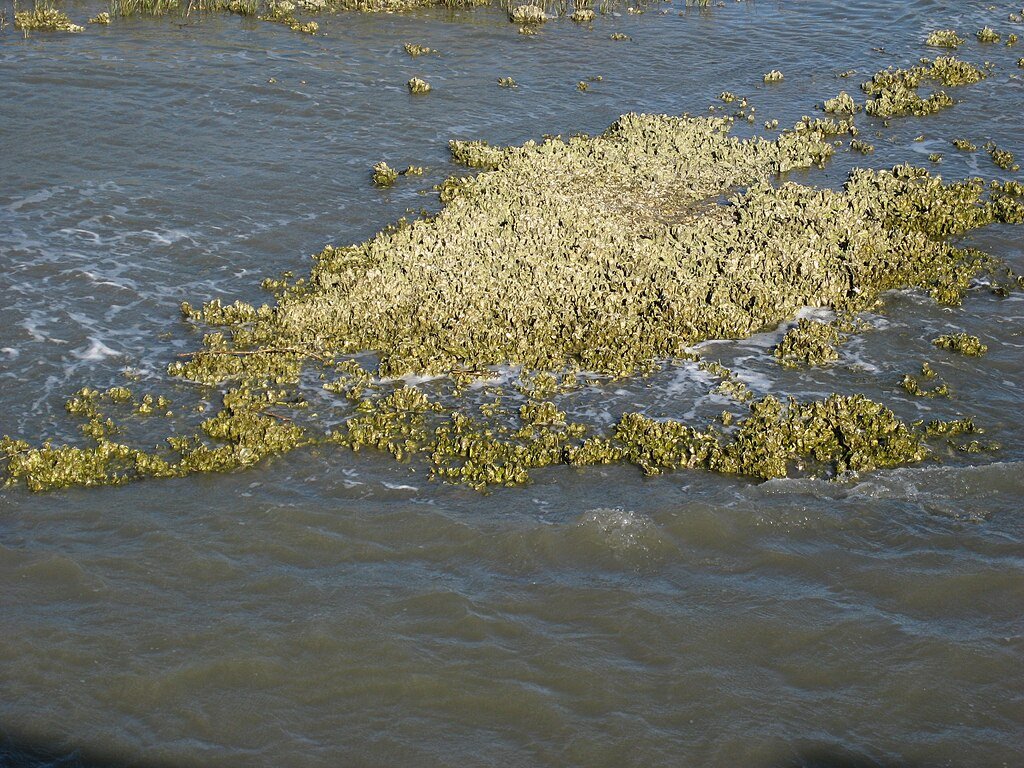
For decades, oyster reefs were considered relics of the past lost victims of overharvesting, pollution, and coastal development. But in a breathtaking find, scientists have revealed extensive, living oyster reefs running along Australia’s tropical north, some covering as much as five hectares and comparable to football fields in size. These reefs, concealed in plain sight, ...

Beaverton Creek Wetlands

The Importance of Wetlands for Wildlife and Humans

Jan Otte

Wetlands are unique ecosystems that exist at the interface of terrestrial and aquatic environments. Comprised of marshes, swamps, bogs, and fens, they are often characterized by saturated soils and standing water. Wetlands cover only about 6% of the Earth’s land surface, yet they play vital roles in both ecological and human contexts. Their significance goes ...

The Black Seminoles: A History of Escape, Alliance, and Erasure

The Black Seminoles: A History of Escape, Alliance, and Erasure

Jan Otte

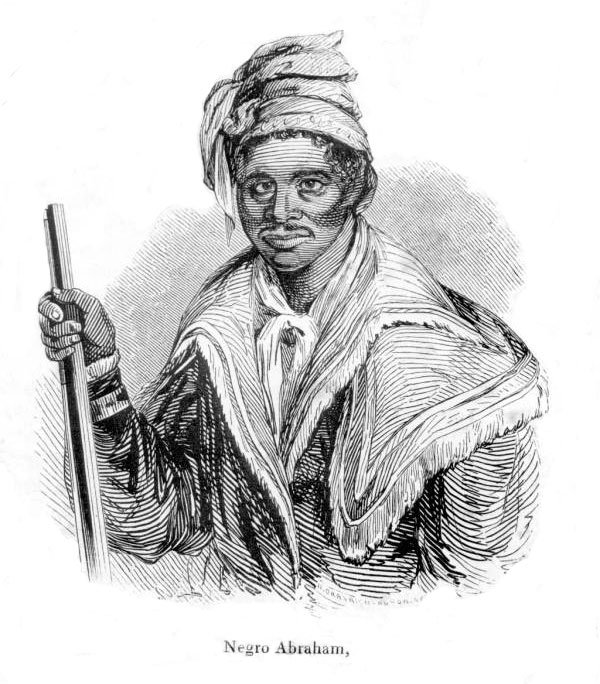
Imagine a people who defied the odds, blending cultures, surviving against overwhelming forces, and shaping the very land beneath their feet. The story of the Black Seminoles is one of breathtaking escape, unlikely alliances, and heartbreaking erasure—a saga that echoes through the swamps of Florida, the arid plains of Texas, and even the wild frontiers ...

No More Implants? Lab-Grown Teeth Could Transform Dentistry Forever

Jan Otte

Humans have been using dentures, fillings, and implants to replace missing teeth for centuries as imperfect solutions to a problem nature never meant for us to possess. Sharks regrow teeth their whole lives, and mice grow new molars all the time. Humans receive only two sets: baby teeth and permanent teeth. Once they’re lost, they’re ...

Leopard up in a tree.

How Quantum Computing Could Revolutionize Wildlife Conservation

Jan Otte

Wildlife conservation is a critical global concern, as species around the world face threats from habitat loss, climate change, and human activity. As the need for more effective conservation strategies intensifies, emerging technologies like quantum computing offer innovative solutions. This article explores how quantum computing, a field that leverages the laws of quantum mechanics, could ...

Drone with high resolution digital camera

8 Ways Technology Is Revolutionizing Wildlife Conservation

Jan Otte

In recent years, the rapid advancement of technology has permeated nearly every field, including wildlife conservation. With species around the globe facing unprecedented threats from climate change, habitat destruction, and poaching, the integration of innovative technologies provides new hope. Let’s explore eight ways technology is revolutionizing wildlife conservation efforts, ensuring a brighter future for our ...

A dog sitting on the grass looks up straight into the camera.

The Genetics Behind Domestication

Jan Otte

Domestication represents a significant evolutionary shift from wild to tame, where human influence has shaped animals over generations. The process involves selecting animals for specific traits such as reduced aggression, increased sociability, and adaptability to living with humans. But what genetic factors underpin this transformation? Understanding the genetics behind domestication provides insights into how wild ...