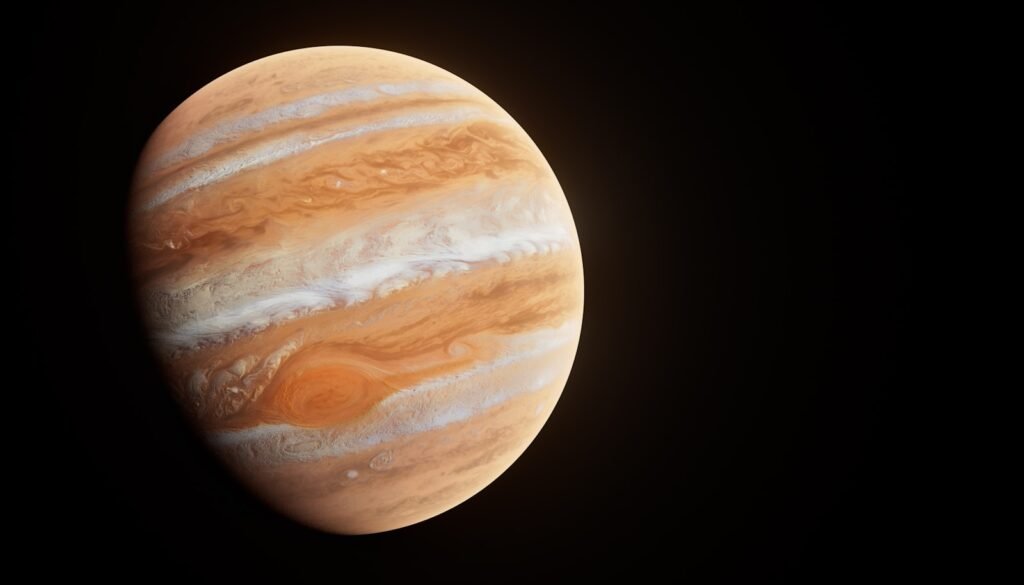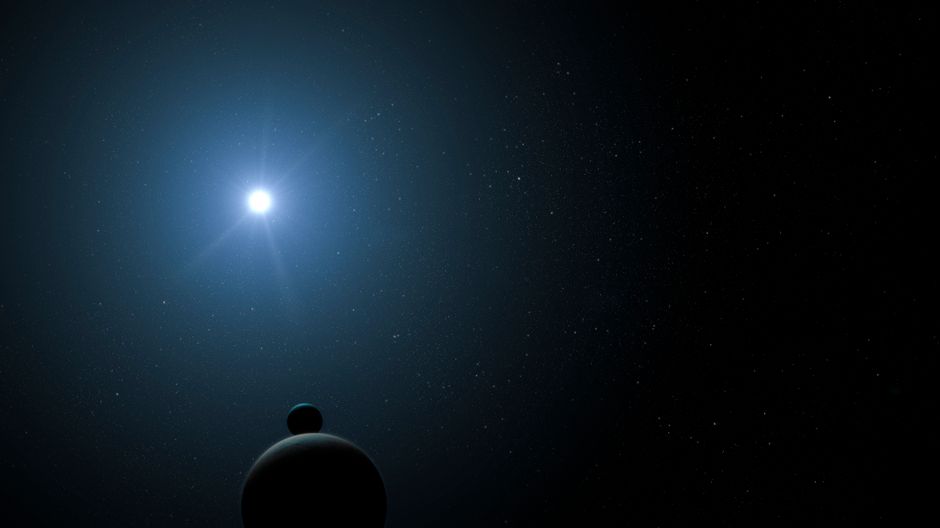

Walk outside on a clear night, look up, and let this thought hit you: some of the stars you see might not even exist anymore. Their light has been crossing space for so long that by the time it reaches your eyes, the star itself could already be gone. It feels almost like cosmic ghost-hunting – you are watching the afterglow of something that has already ended.
That idea sounds dramatic, almost cinematic, and it gets repeated everywhere from science YouTube to late-night conversations. But how true is it, really? Is the night sky full of dead stars, or is that more myth than reality? To answer that, we have to unpack how starlight travels, how long stars live, and what actually happens when a star dies – and the truth turns out to be both less sensational and more mind-bending than the myth.
The Strange Idea of Seeing the Past When You Look Up
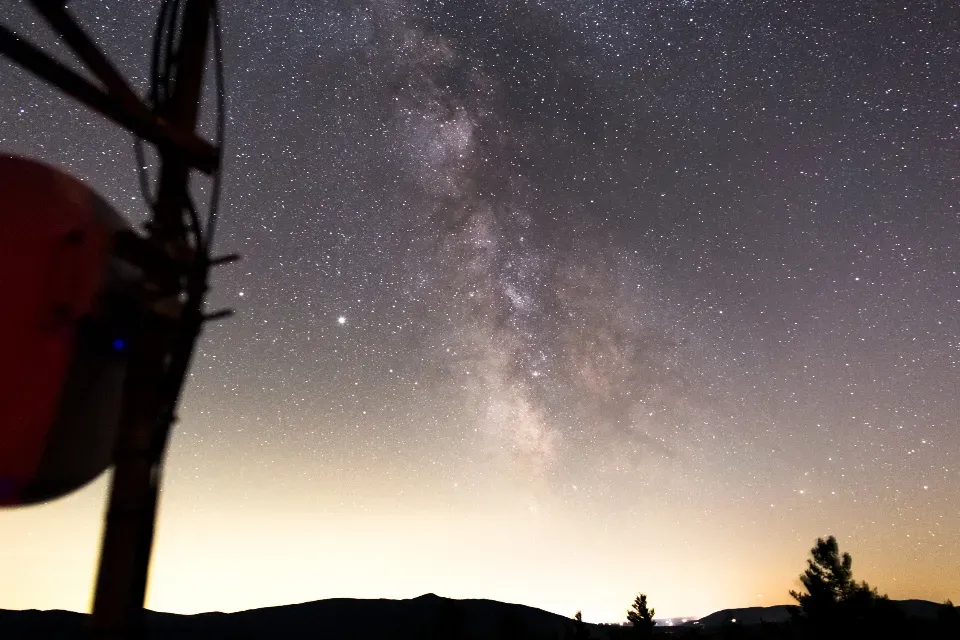
The most shocking part of this whole topic is simple: when you look into the night sky, you are not seeing the universe as it is right now; you are seeing the universe as it used to be. Light takes time to travel, and space is huge, so what reaches your eyes is always out of date. Even the light from the Sun is old news, leaving the solar surface roughly eight minutes before it warms your face.
Now stretch that idea outward. The brightest stars you see with the naked eye are usually tens, hundreds, or even thousands of light‑years away. That means the light left those stars tens, hundreds, or thousands of years ago. You are literally looking back through time, like scrolling through ancient posts on the universe’s social feed. The farther away the object, the older the snapshot, and the night sky becomes a layered museum of moments long gone.
How Far Away Are the Stars You Can See Tonight?
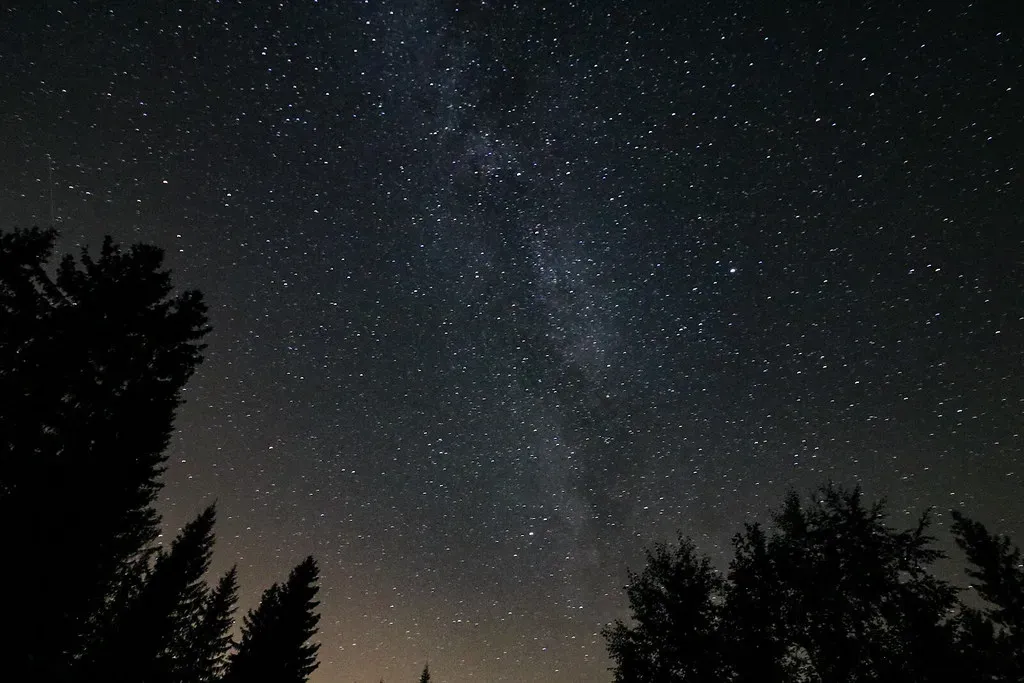
If you have ever heard someone claim that most of the visible stars are thousands of light‑years away and long dead, that part is already off the mark. The majority of stars visible to the naked eye from a dark location are relatively close by on galactic scales, often within a few hundred light‑years, and quite a few within just tens of light‑years. That still means you are seeing old light, but it is more like historical gossip than ancient myth.
There are some famous exceptions: a handful of very bright or massive stars are indeed hundreds or thousands of light‑years away, and those are the ones most often dragged into the “dead by now” conversation. Still, distance alone does not decide their fate; you have to compare how long their light took to get here with how long such stars typically live. Once you do that, the picture becomes a lot less spooky and a lot more grounded in cold, careful statistics.
Star Lifetimes: Why Most of Them Outlive Their Light Travel Time
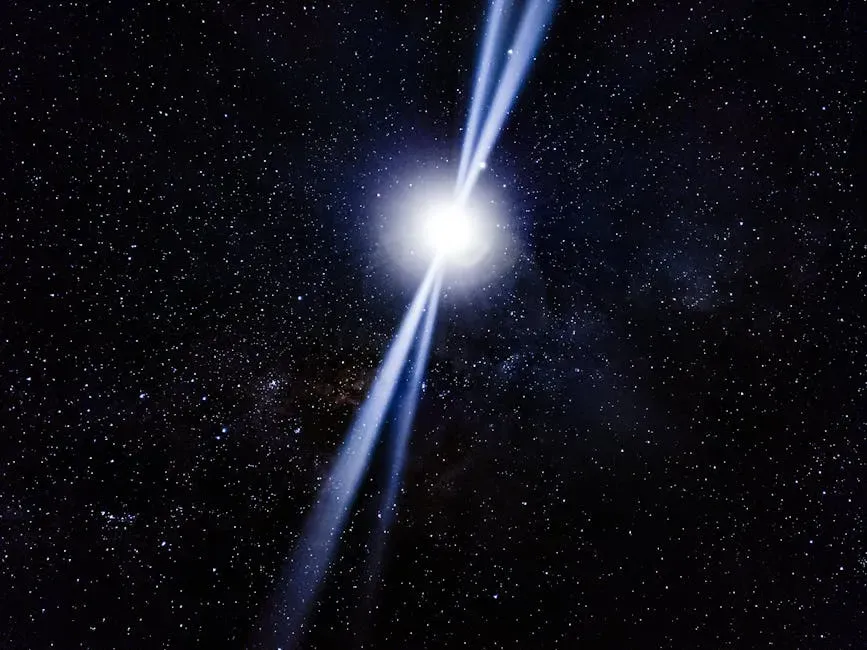
The crucial detail most people miss is that stars, especially ordinary ones, live for an incredibly long time compared with the time it takes their light to reach us. A star like our Sun burns steadily for around ten billion years, so the few hundred or few thousand years it takes its light to travel to us is basically nothing in comparison. It is like checking your friend’s social profile five seconds late and wondering if they have moved to another country since posting.
Even many brighter stars in our sky are not racing toward an imminent death on human timescales. Yes, the most massive stars do burn through their fuel dramatically faster, sometimes in only a few million years, which is short by cosmic standards. But you would still need a remarkably unlucky overlap of timing for one of those relatively nearby, short‑lived stars to die in the small window between the moment its light left and the moment we see it. That combo is possible, but not as common as the popular “everything you see is already gone” myth suggests.
Can Any Stars We See with the Naked Eye Already Be Dead?
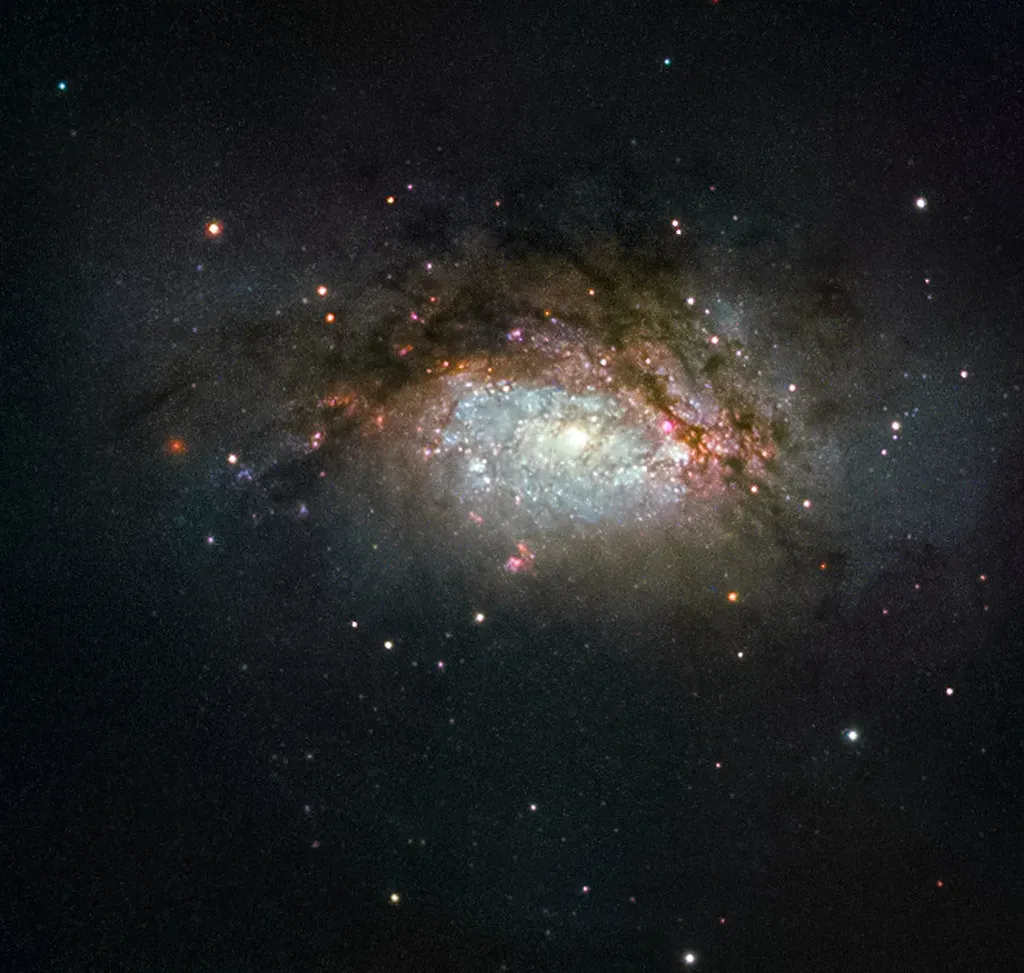
Here is the honest answer: yes, it is entirely possible that a tiny number of the stars visible to the naked eye have already ended their lives, and we are still seeing their old light. The math does not forbid it; in fact, given enough stars and enough time, it would be surprising if none of them fell into that category. Massive, short‑lived stars that are hundreds or thousands of light‑years away are the leading candidates for this kind of cosmic time‑lag illusion.
However, the key word here is “tiny.” The vast majority of naked‑eye stars are either long‑lived or close enough that their life expectancy far exceeds the light travel time. So the romantic image of a sky full of dead suns is exaggerated. Think of it more like a giant city skyline where almost every light is still on, but somewhere out there one or two windows might already be dark even though the glow has not faded from your view yet.
What Actually Happens When a Star “Dies”?
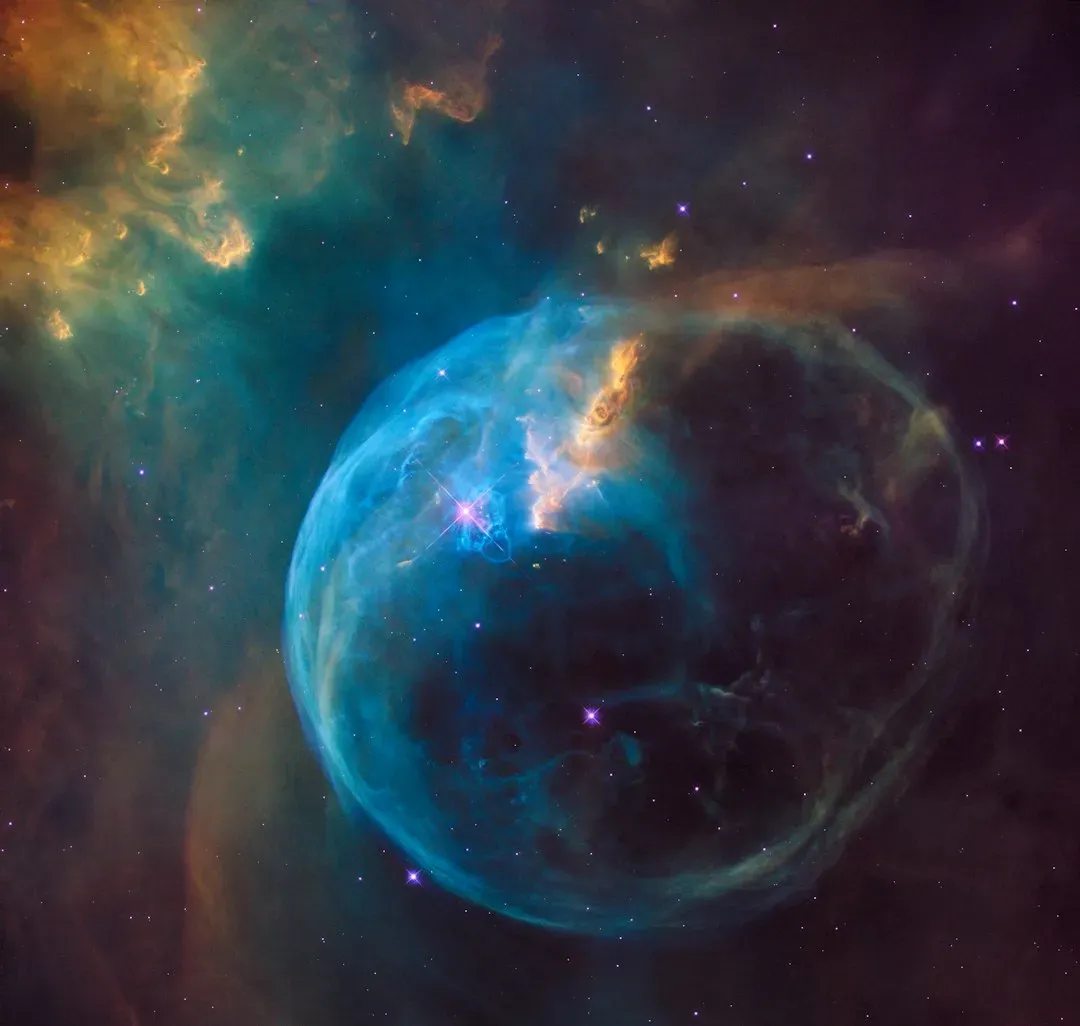
Another hidden twist is that “dead” is a messy word when it comes to stars. When a star exhausts the hydrogen in its core, it does not just blink out like a light bulb. Instead, it changes phase, swelling into a red giant, shedding outer layers, and leaving behind a dense core such as a white dwarf, neutron star, or, in the most extreme cases, a black hole. In many cases the star’s remains are still luminous, sometimes brilliantly so, for a very long time afterward.
So even if a star has technically finished its main fuel‑burning stage, it might still be visible in some form, glowing softly or exploding in a dramatic supernova that outshines an entire galaxy for a brief period. When people say you might be seeing a star that no longer exists, they are usually imagining a complete, sudden disappearance. Reality is messier and more interesting: stars die in stages, and their “afterlives” can be just as spectacular as their prime.
Light as a Time Machine: Why This Idea Still Matters
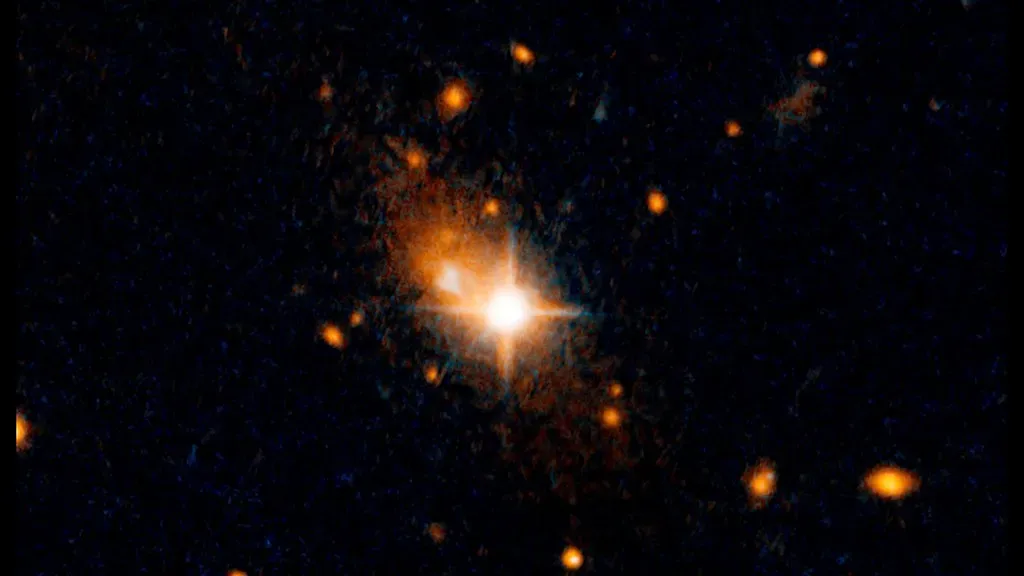
Even if the specific claim that many visible stars are already dead is overblown, the basic concept behind it is powerful and true: starlight is a time machine. Every photon that hits your eye carries a timestamp, a little record of when and where it left. When telescopes look at distant galaxies, they are not just looking far away; they are looking back billions of years, watching the universe when it was younger and wildly different from today.
On a more personal level, there is something quietly moving about knowing that your casual glance at the night sky is also a kind of time travel. You are sharing a moment with ancient events, long before your life began and long after it will end. To me, that perspective shrinks everyday worries down to size and, at the same time, makes our short human time here feel strangely precious, like a brief spark that gets to witness an almost eternal show.
Why the “Dead Star” Myth Is So Sticky (and Still Kind of Beautiful)
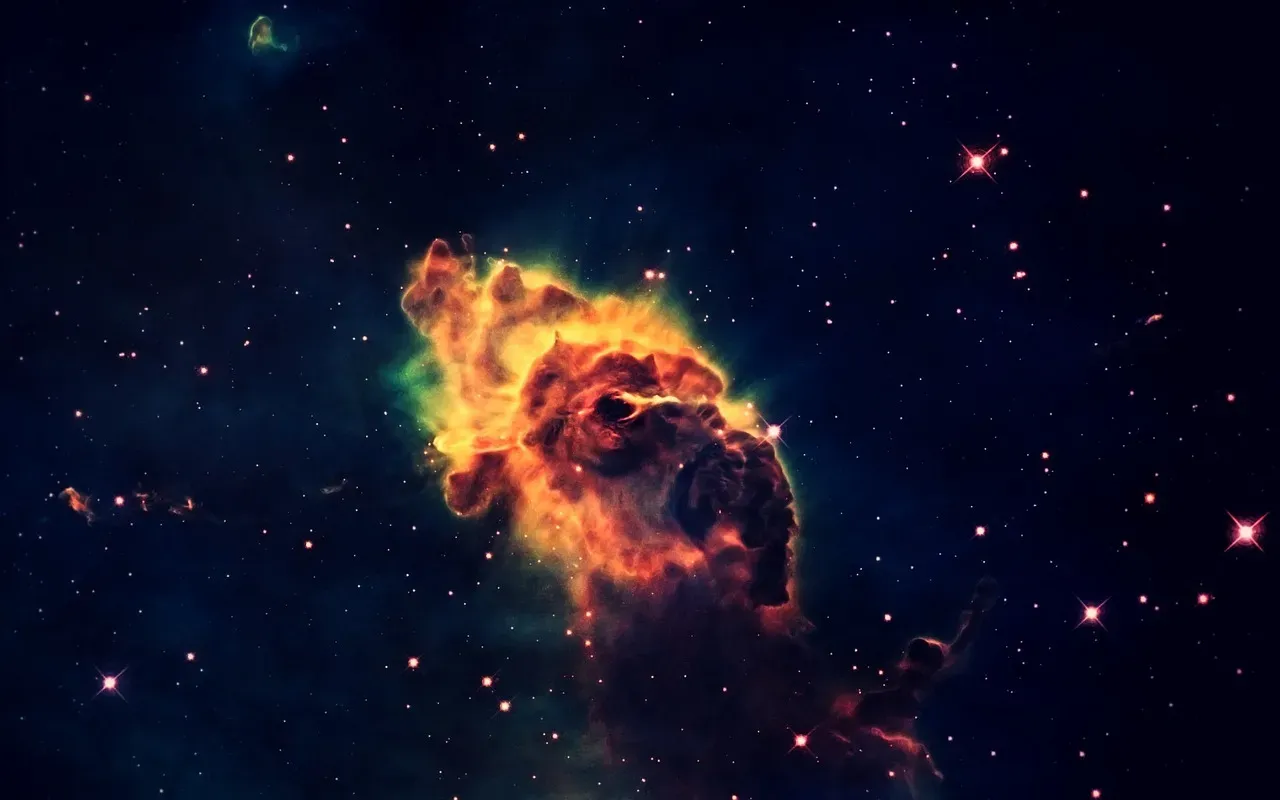
So why does the line about stars being already dead spread so easily, even among people who love science? Part of it is that it tells a compact, dramatic story in one sentence, and our brains adore that. Another part is that it taps into something emotional: the idea that what we see and what is real are slightly out of sync, that beauty can linger even after the source has faded. It is the same feeling you might get looking at an old photograph of someone who is no longer here.
The myth also offers a poetic way to grapple with loss and change. Even if it overshoots the technical truth, it points at a deeper reality: in a universe built on finite lives and delayed signals, everything we experience is a little bit ghostly. Personally, I think the more accurate story is actually richer. The stars are not mostly dead; they are mostly stubbornly, gloriously alive, but seen through a soft delay that reminds us nothing is ever fully present, and nothing we love lasts forever in its original form.
How This Cosmic Time Delay Changes the Way We See Ourselves
Once you really absorb the idea that everything you see in the sky is from the past, it is hard not to turn that lens back on Earth. Our own signals – radio waves, TV broadcasts, stray radar pulses – are streaming out into space, forming a weak, expanding bubble of human activity. Someday, somewhere very far away, someone or something might pick up those faint echoes and get a snapshot of who we were, long after we have changed or vanished.
There is a humbling symmetry in knowing that while we are busy wondering whether distant stars are already gone, we ourselves are leaving traces that will outlive us in their own small way. That does not mean we are cosmic celebrities; our signals fade quickly against the background noise. But it does mean that on some level, the universe keeps a messy, overlapping archive of everything that ever happens. We are contributors to that archive, and that realization makes our choices, our culture, and our tiny moment in time feel more consequential.
Conclusion: The Night Sky Is Not a Graveyard, It Is a Time‑Layered Tapestry
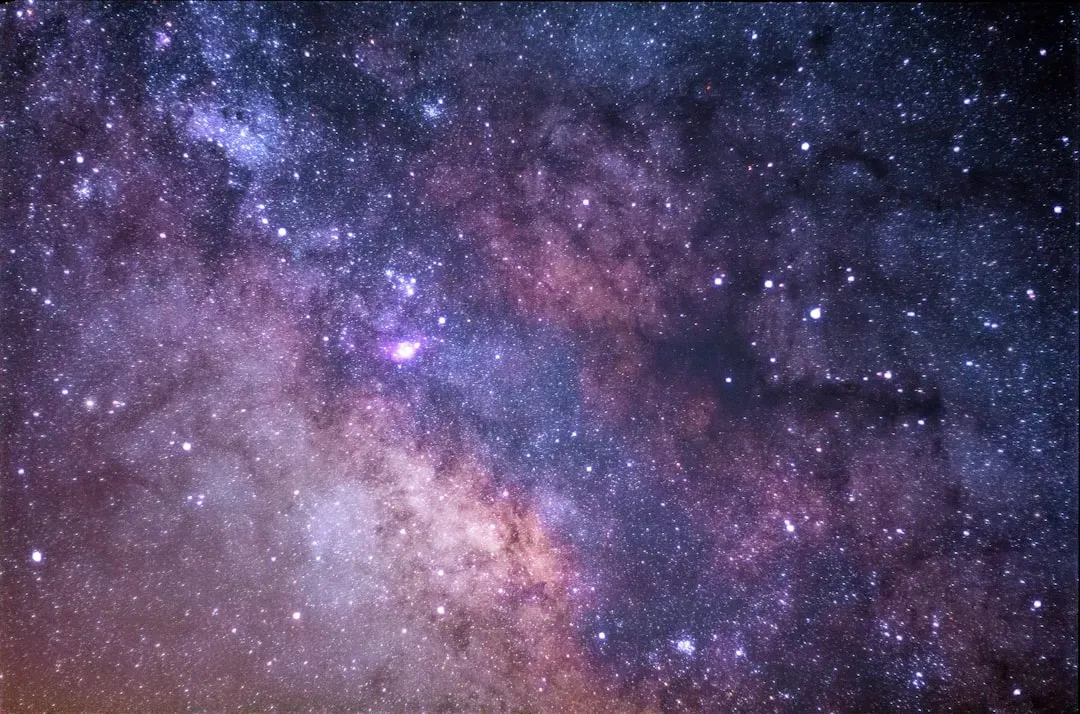
When you put all the pieces together, the popular claim that many of the stars you see tonight are already dead is more dramatic than accurate. A small number might fit that description, especially distant, massive stars near the ends of their short lives, but the majority of visible stars are very likely still burning. To me, the real wonder is not the imagined graveyard overhead, but the fact that we can read time itself in the light that reaches us, turning the sky into a layered record of ongoing cosmic stories.
My own opinion is that the plain, careful truth is far more beautiful than the exaggerated version. The stars are not just ghost lights; they are living beacons whose messages arrive a little late, reminding us that reality is always slightly out of date and that every glimpse we get of the universe is a mix of now and before. Next time you step outside at night, maybe you will feel less like you are staring into a field of tombstones and more like you are leafing through an ancient, still‑being‑written family album. Knowing that, what will you think about the next time you catch yourself making a wish on a star?