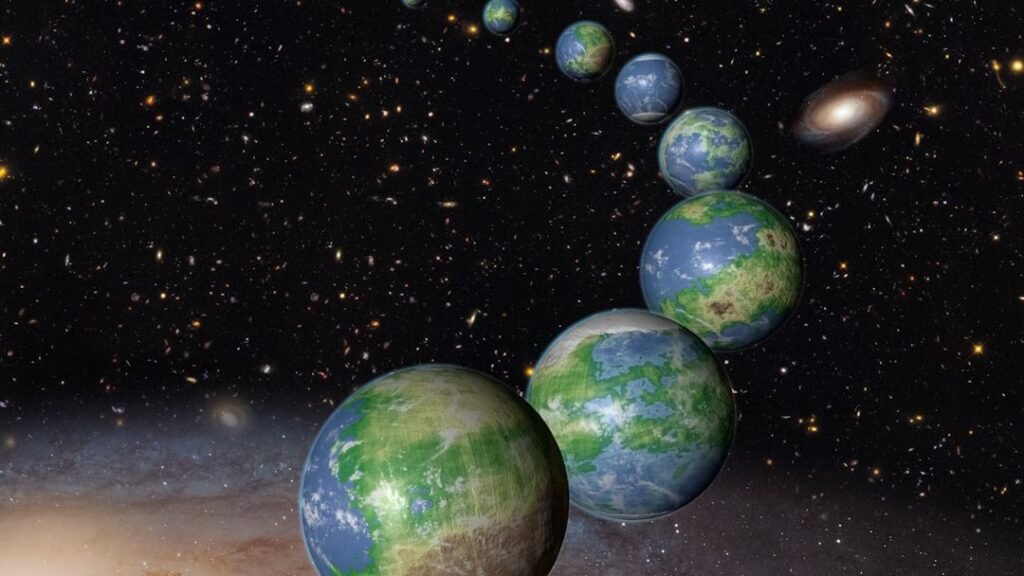
If you have ever stared at the night sky and felt tiny, you are already halfway to the multiverse question. It is one thing to feel small compared to your galaxy, and something else entirely to ask whether your entire universe might be just one bubble in a vast cosmic foam. That idea sounds wild, almost like science fiction, yet serious scientists spend real careers exploring it.
In this article, you will walk through the main ideas behind multiverse theories in plain language. You will see where these ideas come from, what kinds of evidence could support or challenge them, and how they might change the way you think about reality itself. You will not get hype or empty promises, just a grounded tour of one of the strangest, most mind-bending questions in modern physics.
What You Actually Mean When You Ask About “Other Universes”
When you ask whether there are other universes, you may not realize how many different things that could mean. You might imagine parallel Earths where another version of you made different choices, or you might picture countless bubble-like universes floating in some bigger cosmic space. In physics, the word “multiverse” is more of an umbrella term than a single, clean idea.
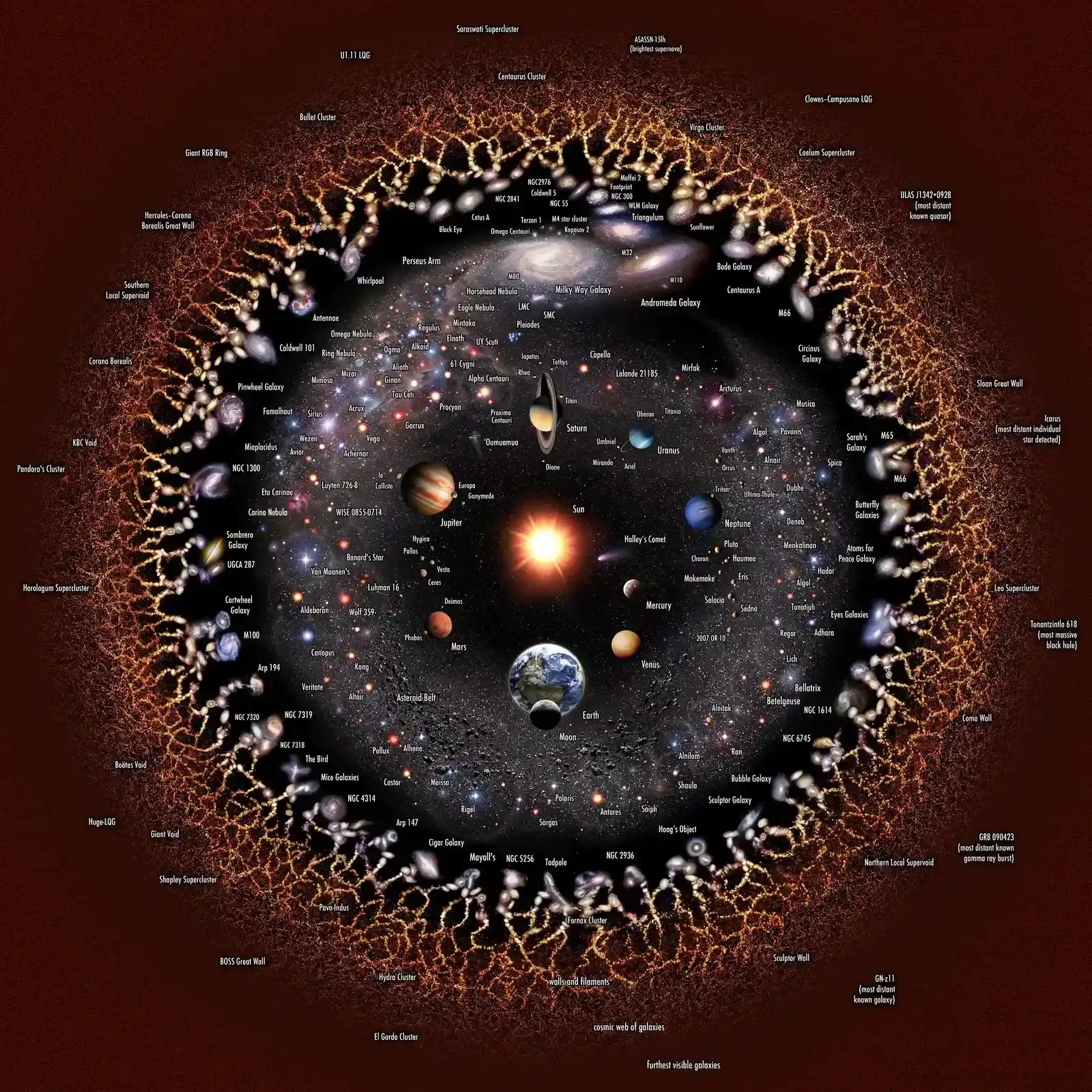
At its core, your “universe” usually means everything you can ever, even in principle, observe: all the galaxies whose light can reach you, given the age of cosmic expansion. A multiverse, then, is anything beyond that: regions of space you can never see, branches of reality you can never visit, or separate cosmic “islands” with different laws of physics. Once you see that, you realize you are not asking a simple yes-or-no question, but which kind of “other universes,” if any, might be real.
Cosmic Inflation and the Idea of Endless Bubble Universes
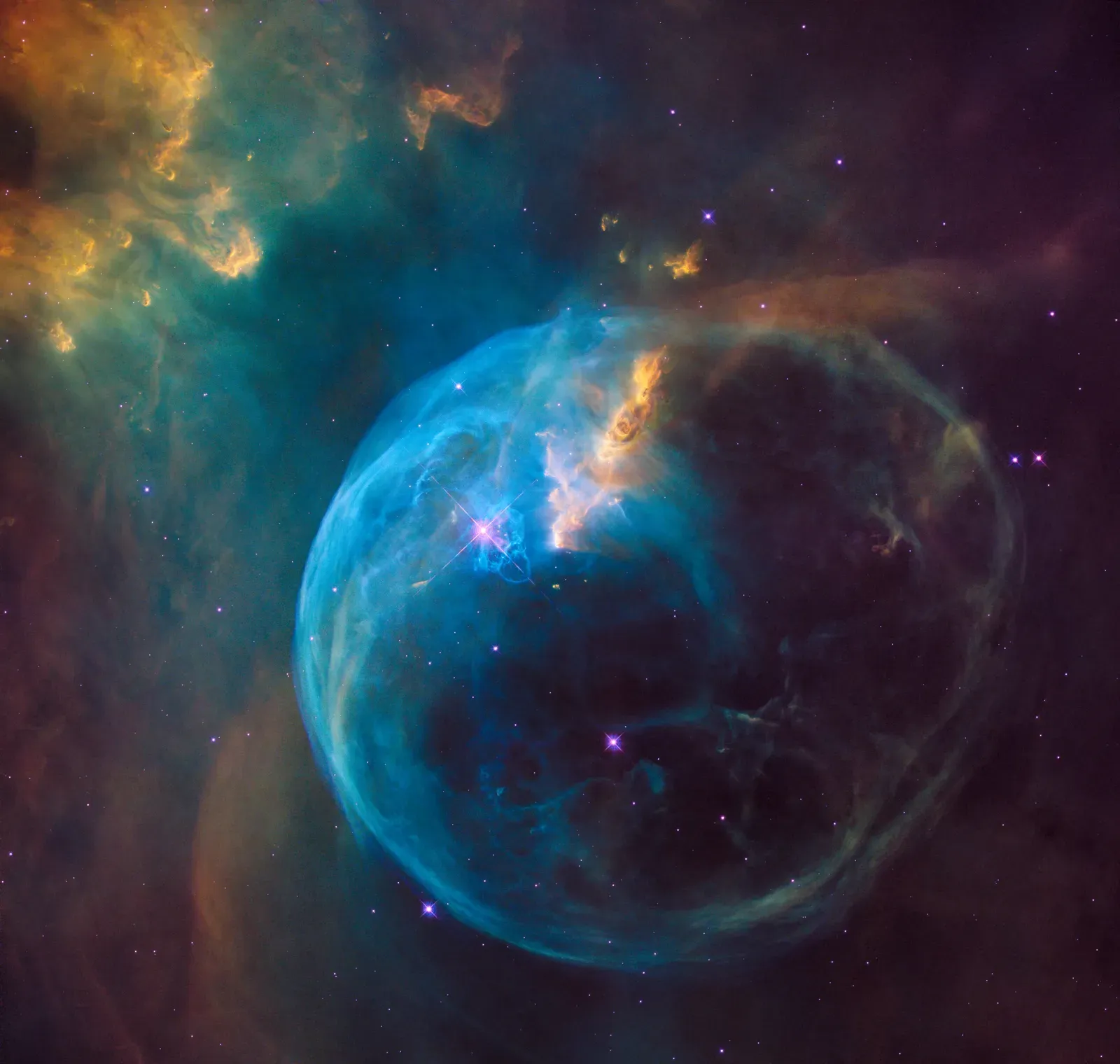
One of the most influential multiverse ideas comes from a theory called cosmic inflation. According to it, in the earliest split second after the Big Bang, space itself expanded at an almost unimaginably rapid rate. You can picture it like a balloon inflating so fast that tiny quantum wiggles get stretched into the seeds of galaxies. Inflation was invented to explain some puzzles about our universe, such as why it looks so uniform in every direction.
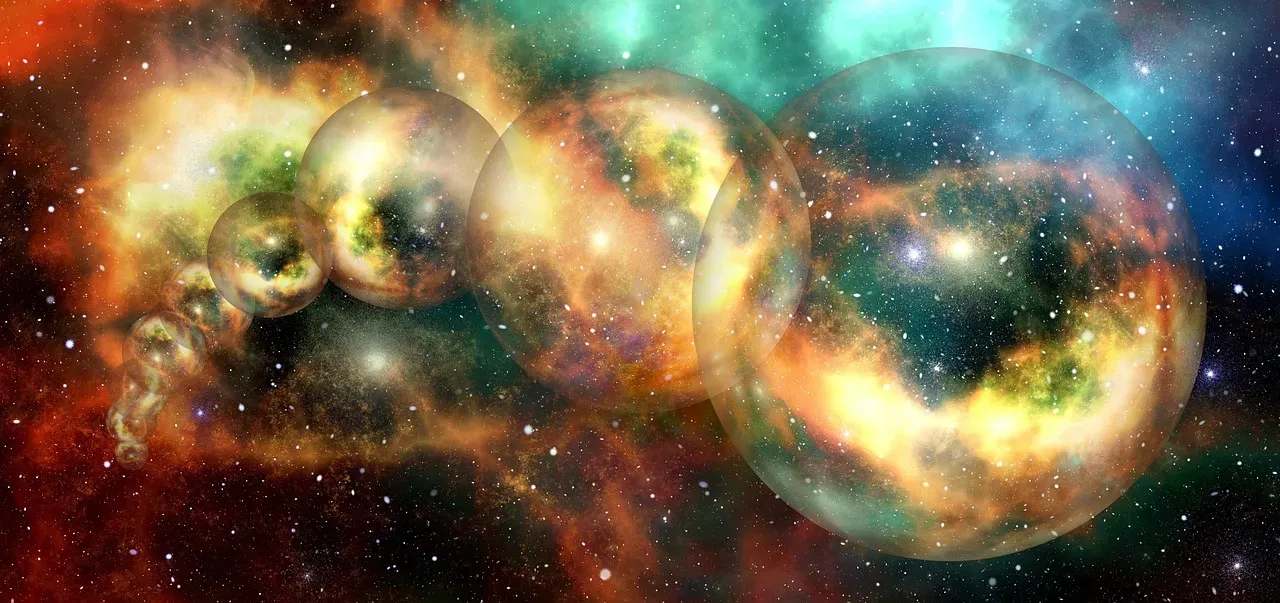
In many versions of inflation, the expansion does not stop everywhere at once. Some regions “finish” inflating and cool down, becoming bubble universes like yours, while inflation continues elsewhere, creating more bubbles endlessly. If that is right, you are living inside just one bubble in a vast inflating sea. Each bubble universe could have slightly different initial conditions, and maybe even different physical constants, like a cosmic lottery of possible realities.
Quantum Mechanics and the Many-Worlds Picture
Another route to a multiverse comes from quantum mechanics, the theory that describes the tiniest building blocks of reality. In quantum physics, particles do not simply have a definite position or path until they are measured; instead, they are described by a wave of possibilities. When you measure something, you see just one outcome, but the equations themselves never single out one result as the chosen one.
The “many-worlds” interpretation takes this very literally. It suggests that every time a quantum event could have multiple outcomes, reality splits, and all outcomes happen in different branches. In that picture, there is a version of you that saw heads when you flipped a coin and another that saw tails, and both are equally real in separate branches of the overall quantum state. You never feel those branches because, from your perspective, you only follow one thread of outcomes, but in principle the full quantum story includes them all.
Different Levels of Multiverse: From Just-Beyond-Here to Truly Exotic

To keep things straight, it helps to think in terms of “levels” of multiverses, from modest to radical. At the most down-to-earth level, there are regions of space so far away that their light will never reach you, thanks to cosmic expansion. Those regions are part of the same overall space, obeying the same laws of physics, but are forever beyond your observational reach. In a loose sense, those are already “other universes,” because they are causally disconnected from you.
Higher levels get stranger. The bubble universes from inflation represent one such level: separate expanding regions born from different patches of the early inflating space. Going further, some theoretical ideas in string theory suggest a vast “landscape” of possible vacuum states, each with its own set of physical constants, where different universes realize different options. Even more radical concepts involve mathematical universes where every consistent set of mathematical rules might correspond to some kind of reality. By the time you get that far, you are almost redefining what you mean by existence.
What Evidence Could You Ever Have for a Multiverse?
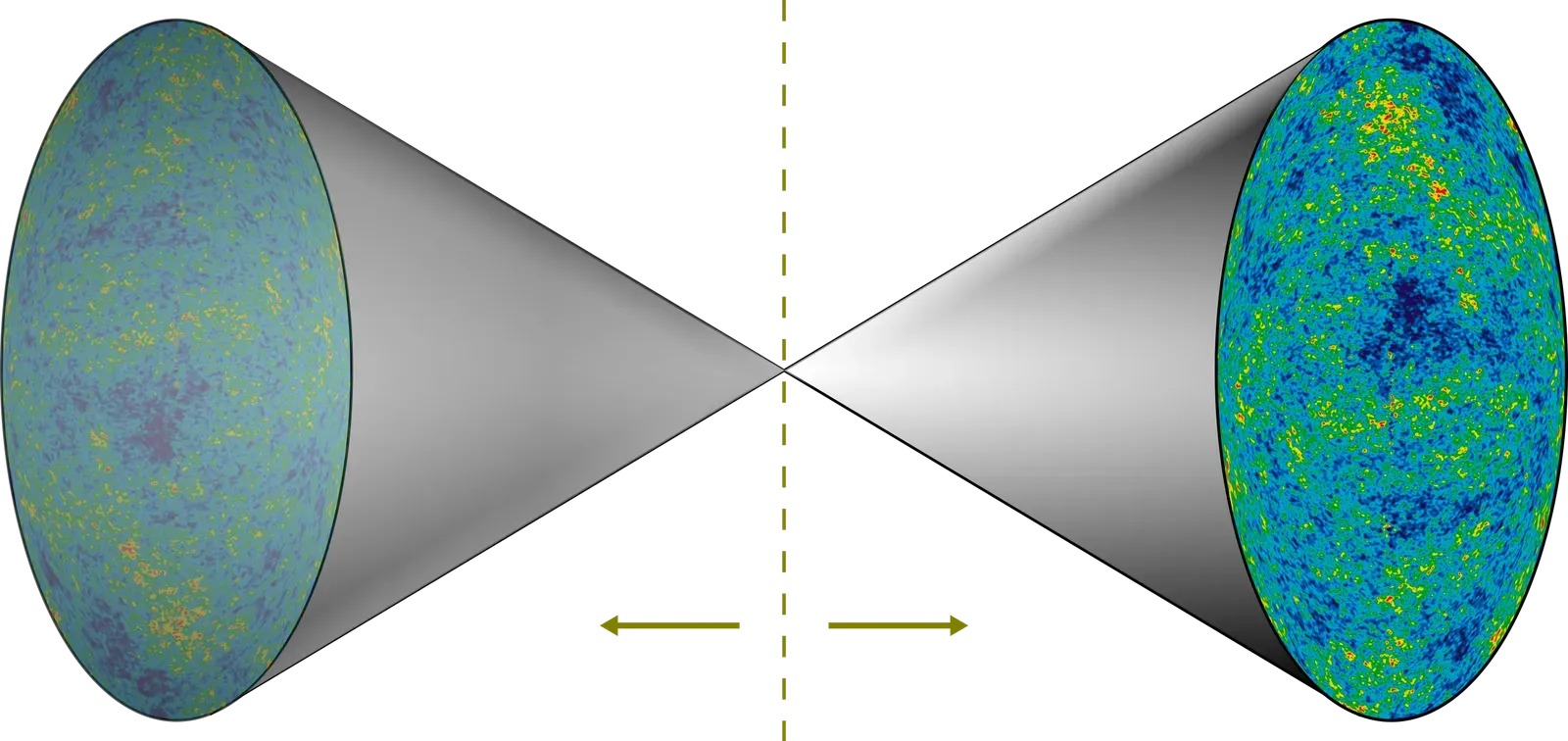
You might reasonably ask how any of this could count as science if you can never travel to another universe. The key point is that you do not need to see something directly to have evidence for it; you only need testable consequences. For example, cosmic inflation was not proposed to create a multiverse, but to solve specific problems and make predictions about the pattern of tiny temperature variations in the cosmic microwave background, the afterglow of the Big Bang. Observations of that afterglow match many of inflation’s predictions, which makes inflation as a whole more plausible.
If a particular inflation model naturally produces bubble universes and also correctly predicts what you measure in this universe, you have indirect support for the multiverse picture that comes with it. Some researchers have even searched for subtle scars in the cosmic microwave background that might come from collisions between bubble universes, though so far nothing convincing has turned up. In quantum mechanics, many-worlds does not currently make different numerical predictions from some other interpretations, so evidence there is more about internal consistency and simplicity than new experiments. You are left with an uncomfortable in-between: ideas that are rooted in successful theories, but that stretch your usual notion of observability.
Why the Multiverse Both Solves Problems and Creates New Ones
Supporters of multiverse ideas often point out that they can help explain puzzling features of your universe. One famous puzzle is why certain physical constants seem finely tuned for life. If gravity, for example, had been much stronger or weaker, stars and planets as you know them might never have formed, and you would not be here wondering about anything. In a multiverse with many different possible values of these constants realized somewhere, it becomes less surprising that you find yourself in a universe where life is possible, because only such universes ever get observers asking the question.
However, this kind of explanation makes many people uneasy, including physicists. Some worry that if you can always say “there are many universes and you just live in this one,” you risk giving up on finding deeper, predictive laws. Others point out that a multiverse can make it hard to define probabilities: if there are infinitely many universes with all sorts of conditions, what does it even mean to say something is likely? So while the multiverse can make some mysteries feel less coincidental, it also opens a new mess of conceptual and philosophical challenges you cannot ignore.
How Multiverse Talk Intersects With Philosophy, Religion, and Everyday Meaning

Once you start thinking about other universes, the questions stop being purely scientific and start reaching into how you see yourself. If there are countless versions of you making different choices in different branches, it can feel like your decisions matter less, as if every possible path is taken somewhere. On the other hand, you might feel the opposite: that your lived path still matters deeply because it is the one you are consciously experiencing, like one unique thread through an unimaginably rich tapestry.
For some religious or spiritual views, a multiverse can be either threatening or oddly compatible. It can sound as if it pushes you toward a picture of reality that is cold and random, where your universe is just one accident among many. Yet others see it as expanding the scale of creation, suggesting a reality even grander and more layered than earlier traditions imagined. Even if you are not religious, multiverse ideas can change how you think about luck, identity, and meaning, nudging you to see your own life as part of a story that may be wider than your instincts suggest.
Where Scientists Stand Today: Curious, Divided, and Cautious
Right now, you live in a time when multiverse discussions are active, serious, and controversial. Some physicists argue that if your best, well-tested theories naturally lead to multiverse-like pictures, you should take those consequences seriously rather than dismiss them because they feel strange. Others push back, saying that without clear, distinct predictions that you can at least in principle test, a theory slides away from science toward speculation. That tension is healthy, because it forces careful thinking about what counts as evidence and explanation.
From your perspective, the most honest answer is that the multiverse is not settled science, but also not mere fantasy. Pieces of it are grounded in respected frameworks like inflation and quantum mechanics, while many details remain highly uncertain. You should treat confident claims, whether strongly for or strongly against the multiverse, with some skepticism, especially when they reach beyond what current data can support. Instead, you can see the multiverse debate as a snapshot of science in motion: ideas being stretched, tested, challenged, and refined in real time.
In the end, you are left with a question that is both humbling and strangely empowering. Humbling, because your entire visible universe might be one tiny patch in a far larger reality. Empowering, because you have the tools of reason, observation, and imagination to probe even questions this vast. Whether or not other universes actually exist, the fact that you can meaningfully ask about them says something remarkable about the kind of creature you are. So as you look up at the night sky, maybe let a quiet question linger in the back of your mind: if this is just one universe, how many more stories are still out there, forever beyond your horizon?