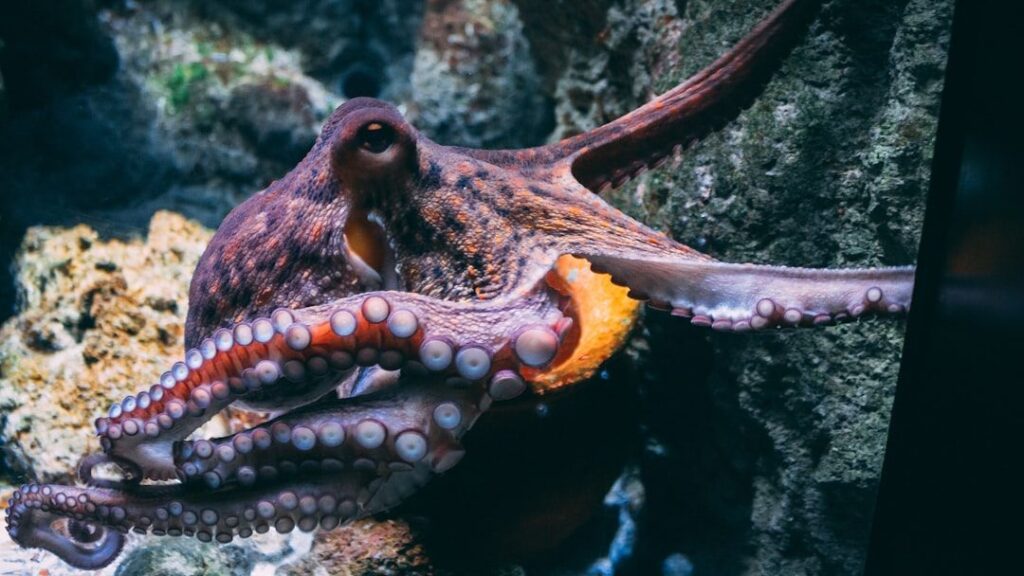

You probably do not think of an octopus as the kind of animal that sits alone and quietly “daydreams.” Yet when you watch one work through a puzzle in a tank, especially when no obvious trial-and-error is happening, you start to get the eerie feeling that something is unfolding behind those eyes. Animal science is cautiously circling a bold idea: when an octopus solves problems in isolation, it may be running inner simulations that work in a way similar to how your own imagination does. Not identical, not human-like in content, but perhaps comparable in function.
You are living in a time when scientists are willing to ask questions that would have sounded wild a few decades ago: Can a solitary, soft-bodied creature with a completely different kind of brain picture possible futures? Can it test actions in its mind before acting in the real world? In this article, you will walk through what researchers actually know, what remains speculative, and why octopus problem-solving might force you to rethink what “having an inner world” even means.
Why Scientists Think Octopus Problem-Solving Hints at Inner Simulations
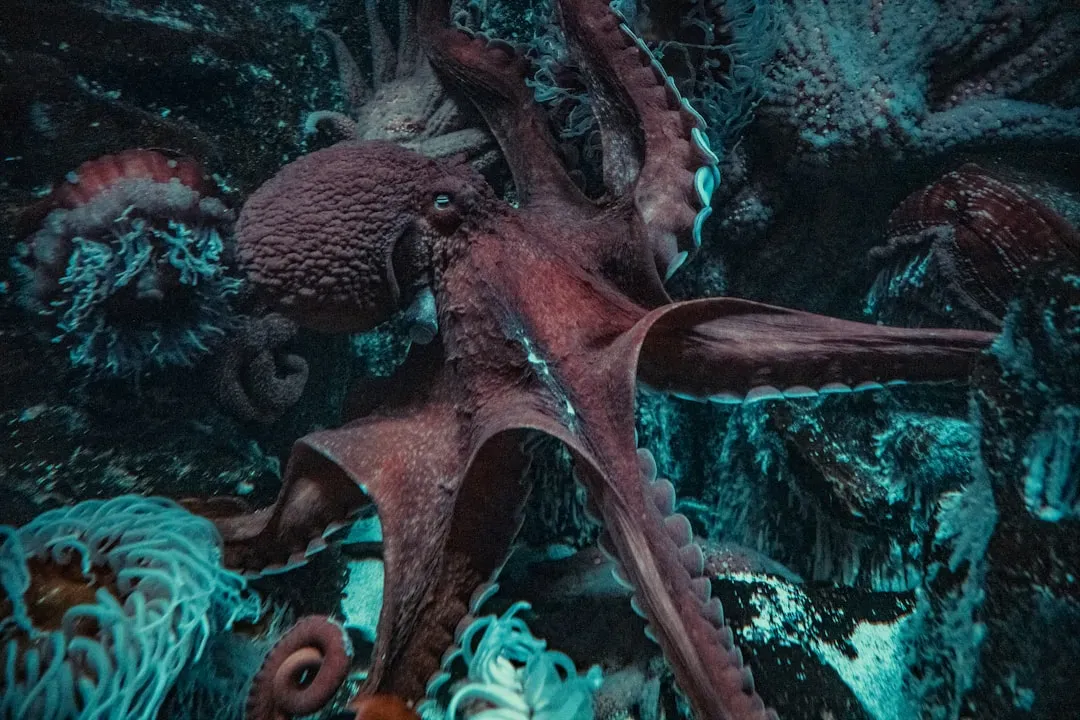
When you solve a tricky problem, you often do a dry run in your head: you imagine different moves, picture what might go wrong, and only then reach out and act. With octopuses, you obviously cannot ask what they are visualizing, but you can watch what they do. In several lab setups, octopuses have been seen approaching unfamiliar puzzles, pausing, inspecting them from multiple angles, and then going straight to an efficient solution instead of randomly tugging and yanking on everything. That pattern is interesting because it looks more like planned action than blind trial-and-error.
Researchers working with locked containers, screw-top jars, sliding doors, and multi-step food puzzles have described octopuses that seem to hesitate, withdraw, and then return with a more targeted attempt. You can imagine what might be happening: instead of flailing, the animal may be running different action sequences “offline” before committing. That is where the idea of an inner simulation comes from. No one is claiming these animals are imagining in the same rich, story-like way you do, but their behavior suggests a kind of internal modeling, where possible moves and outcomes get evaluated before the first arm even stretches out.
What Makes the Octopus Brain So Weird Compared to Yours
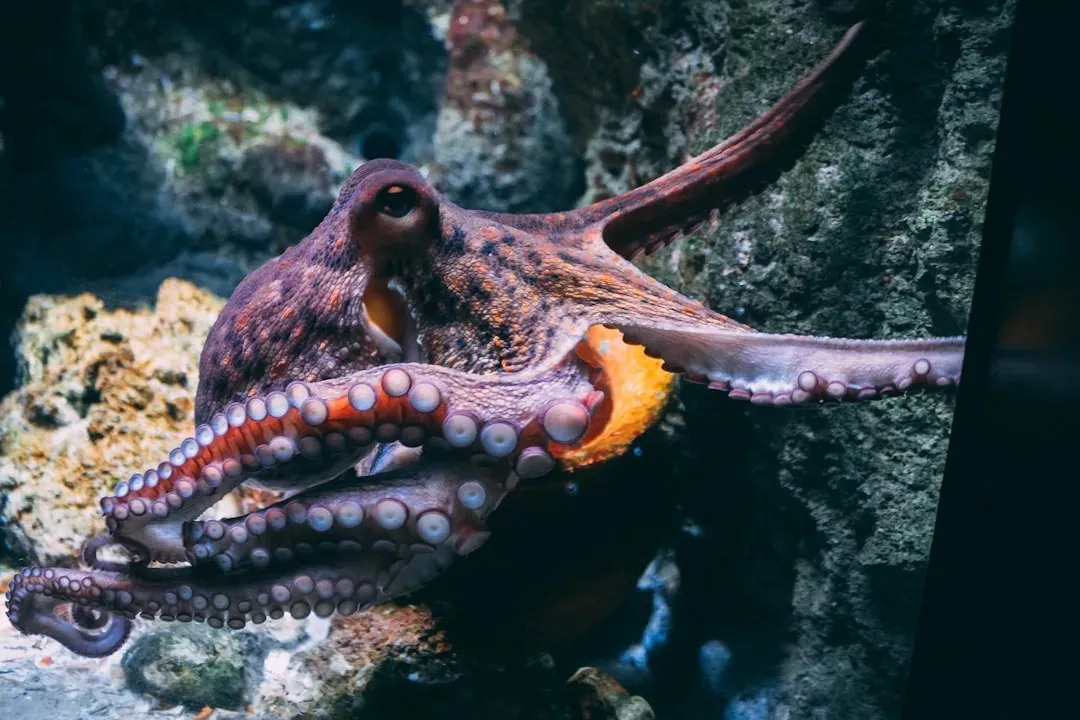
If you want to understand why this is so fascinating, you have to look at the octopus nervous system. You carry most of your neurons in your skull; an octopus distributes a large share of its neurons throughout its arms. Each arm can perform semi-independent processing, almost like having eight small computers wired into a central one. That means the animal may not “think” with a single unified mental movie the way you tend to imagine your own experience, yet it still coordinates complex, purposeful behavior.
From your perspective, this is almost like discovering that a completely different style of hardware can run something functionally similar to imagination. The octopus brain has regions that seem to support learning, memory, and flexible behavior, but they evolved separately from your own and are organized in a very different layout. When this kind of alien architecture produces planning-like behavior, it suggests that internal simulation might be a general solution that intelligent nervous systems converge on, even when they take radically different evolutionary paths.
Evidence from Puzzle Boxes, Jars, and Lab Experiments
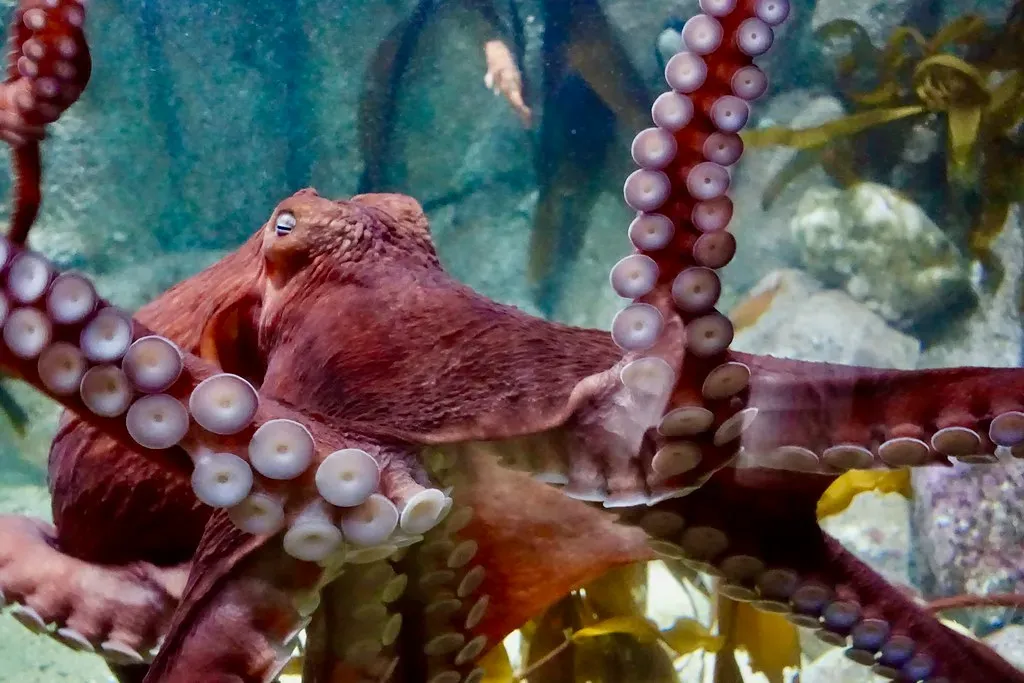
So what do you actually see in the lab that pushes scientists to talk about inner simulations at all? Picture an octopus presented with a transparent box that has a crab inside and a latch it has never seen before. Instead of frantically attacking the entire structure, some individuals will explore the outside with careful, sweeping touches, then pause, retreat a little, and finally target the latch directly. It is as if the animal has moved through an internal rehearsal of what might work and then commits to the best candidate.
You also find cases where an octopus that has solved a certain jar or container in the past can face a new one with a different mechanism and still home in surprisingly quickly on the relevant feature. That kind of transfer suggests more than just memorizing motor patterns; it hints that the animal holds an abstract representation of “things that open” and can mentally test how that might apply to a new shape. When you watch slow-motion recordings of the arms creeping, withdrawing, and then making a decisive move, it is hard not to see the outline of something like an internal problem space being explored before the final answer appears.
How This Compares to Human Imagination Without Overhyping It
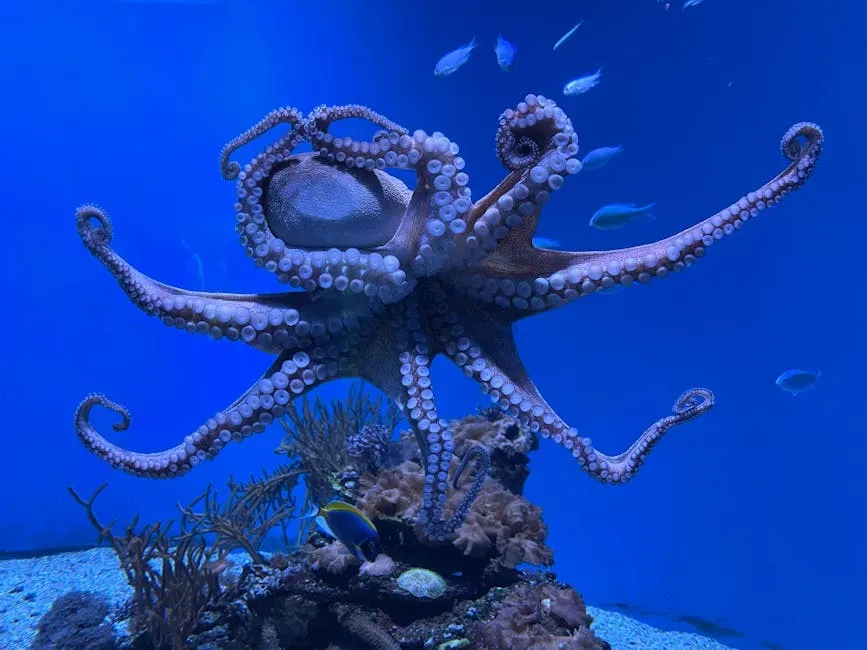
To keep your thinking clear, it helps to separate content from function. Your imagination is full of rich details, memories, language, and social stories; you can picture next weekend, replay last year, or invent a completely new scene. An octopus, as far as anyone knows, is not spinning up narrative daydreams about distant oceans or gossiping with imaginary cephalopod friends. Where the comparison comes in is the function: both you and the octopus may use internal, offline simulations to preview actions and outcomes before acting.
In cognitive science, people talk about mental models and forward modeling, where your brain predicts how the world will respond to a possible move. When researchers see octopuses avoiding wasteful actions and apparently “jumping” to efficient strategies, it is natural to wonder if something similar is going on inside them. The careful, scientifically honest position for you to hold is this: there is growing behavioral evidence that octopuses use internal representations to guide flexible, anticipatory behavior, and that looks similar in function to how your imagination helps you test futures. But you should not leap from that to assuming they experience a human-like inner movie.
When you imagine an outcome, you can also feel emotions about it, learn from it, and even change your plans without leaving your chair. The working hypothesis for octopuses is more modest. Their inner simulations, if they exist, might be mostly sensorimotor: running through possible arm movements, evaluating how objects could respond, and suppressing moves that look unpromising. Yet even that simpler version is powerful. It means you are not the only kind of animal that can prepare for the future without first stumbling through every possible mistake in real life.
Why Solitary Problem-Solving Matters More Than You Think
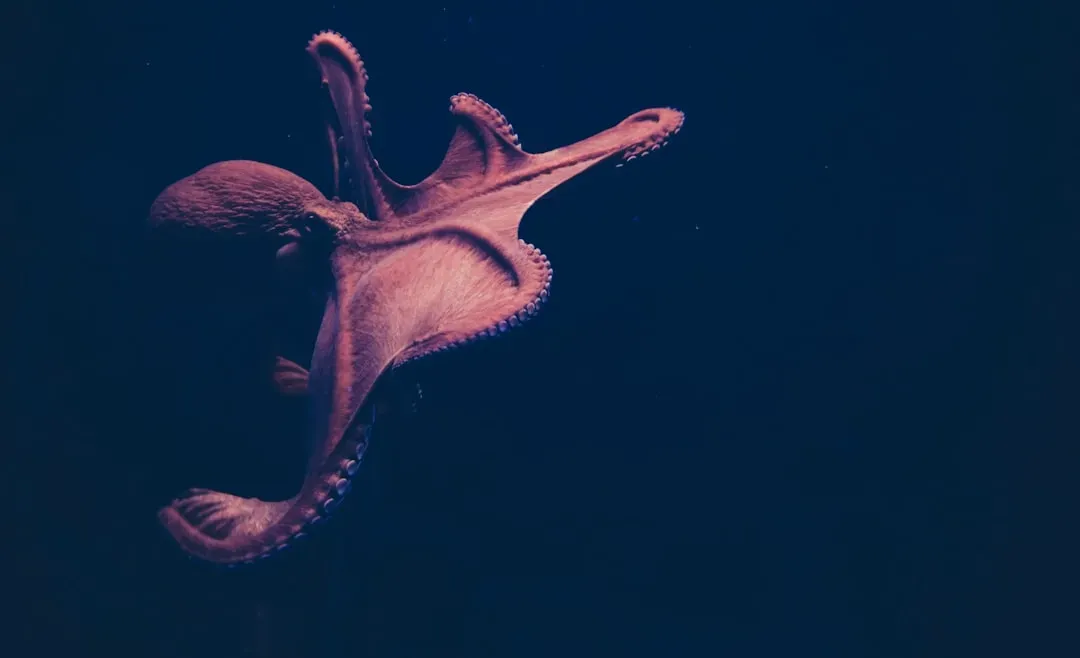
One reason isolation is so important in these studies is that it strips away social cues. You often learn by watching others and copying what works, so it is hard to tell where your ideas end and imitation begins. Octopuses, especially many of the species studied in labs, are not deeply social learners in the way primates are. When you see one alone in a tank invent a new way to open a device, you can be more confident that the behavior comes from its own internal processing rather than from copying a neighbor.
In those solitary moments, the animal faces a problem with nothing but its prior experience and its current perception. That is the perfect setup for internal modeling to shine: the octopus can combine fragments of what it has done before with what it senses now, then generate a fresh solution. For you, this is familiar; you do it every time you improvise in the kitchen or fix something in your home with whatever tools are at hand. Seeing a solitary octopus behave in a parallel way is what convinces many researchers that something imagination-like could be operating, at least at the level of recombining and testing stored action patterns to solve new challenges.
Limits, Unknowns, and How to Stay Skeptical but Open
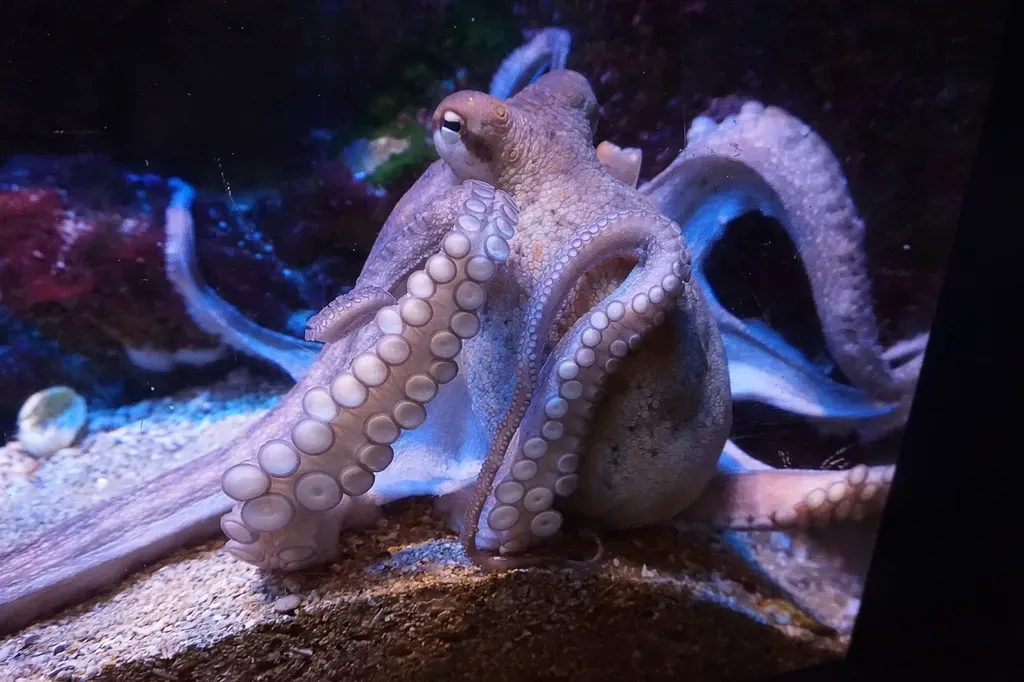
It is tempting to run away with this idea and start projecting human-like inner lives wholesale onto octopuses, but the evidence does not justify that. You cannot peer into their subjective experience, you cannot ask them to describe their thoughts, and you have to infer everything from behavior and brain activity. That means you need to keep a healthy skepticism: inner simulations are one possible explanation for what you see, but clever pattern recognition and finely tuned reflexes could also account for part of the story.
At the same time, you should not swing too far in the other direction and assume that if something is hard to measure, it must not exist. Science has slowly uncovered forms of memory, planning, and even something close to counting in animals that were once written off as simple. With octopuses, the truth will likely be nuanced. Their inner simulations, if confirmed, might be very grounded in physical interaction rather than abstract thought, more like mentally rehearsing a reach than imagining a whole scene. Holding that middle view lets you stay curious and respectful of the data without either romanticizing or dismissing their minds.
What This Means for How You Think About Consciousness and Animal Minds
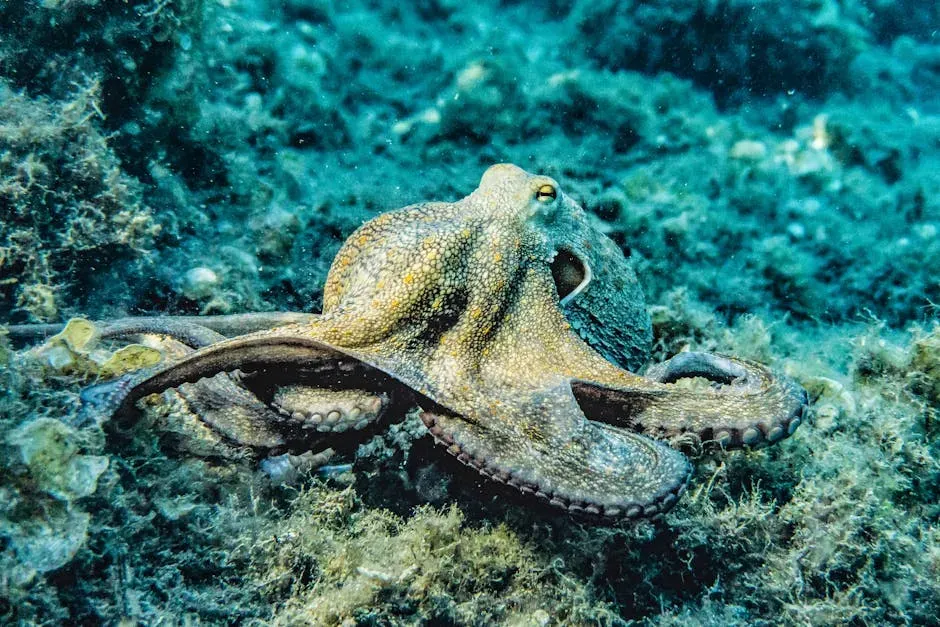
Once you accept that an octopus might run internal models of possible actions, you are forced to widen your map of what minds can be. Human consciousness often gets treated as the gold standard, but here you have a very different nervous system potentially converging on a similar trick: using offline simulations to navigate a complex, unpredictable world. That makes imagination look less like a fragile, uniquely human ornament and more like a robust strategy that biology reaches for whenever it builds flexible intelligence.
For you personally, this can be oddly humbling. When you stare into an octopus tank knowing that it might be quietly rehearsing its next move, you are not just looking at a curiosity; you are looking at a cousin in cognitive strategy. You still have language, culture, and a thousand extra layers on top, but at the core, both of you may be running inner trial runs before committing to reality. It suggests that the line between your inner life and that of other creatures is blurrier than you were taught, not because they are exactly like you, but because the basic tools of thinking might be shared more widely than you imagined.
Practical Takeaways: How Octopus Research Can Change Your Own Thinking
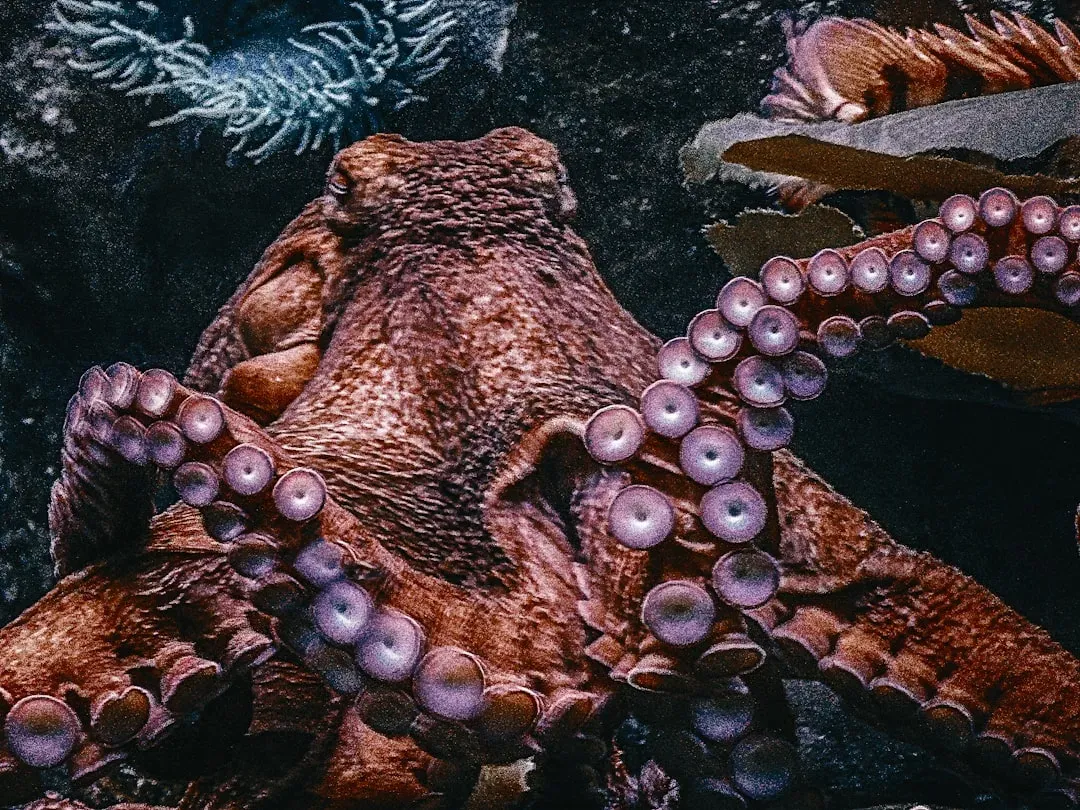
You might wonder what any of this has to do with your daily life, beyond being a cool story about an ocean animal. One lesson is that internal simulation is not a luxury; it is a survival tool. When you deliberately imagine different futures, rehearse conversations, or mentally test a risky decision, you are doing something that appears to emerge whenever a brain has to deal with uncertain environments. Taking that seriously can push you to cultivate your own imagination as a practical skill, not just a source of entertainment.
Another takeaway is about respect and restraint. As you learn how octopuses and other animals might internally model their world, it becomes harder to treat them as simple objects or decorations. If they are running even basic inner simulations, they are not just reacting; they are anticipating. That should make you more thoughtful about how you use, display, or consume them. In a way, octopus research reflects a broader shift: you are being asked to see other creatures as fellow problem-solvers, each with their own style of inner life, even when it remains partly mysterious to you.
In the end, the idea that an octopus solving a puzzle alone in a tank might be running inner simulations similar in function to your own imagination is both startling and grounding. It is startling because it expands the circle of minds that may practice a form of offline thinking, and grounding because it reminds you that imagination is deeply tied to the practical work of staying alive and solving problems. As the science slowly sharpens, you are likely to see this picture become more detailed, but the core insight is already powerful: your way of thinking is not the only way to think.
Next time you picture possibilities in your own head – before you speak, before you act, before you leap – consider that somewhere in the ocean, an octopus may be doing its own version of that same mental rehearsal. Does it change how you see yourself, knowing that imagination might not be uniquely human but one of nature’s favorite tricks for dealing with the unknown?