
If you have a dog, you’ve probably had that strange feeling that they just “know” what’s about to happen. You might only touch your walking shoes and your dog is already at the door, tail going like a metronome on fast-forward. Yet when you call them away from the trash can just once, they seem to forget the lesson the very next day. That isn’t you imagining things; it reflects something deep about how dogs think and remember.
Across studies in animal cognition, a consistent picture is emerging: dogs are especially good at learning patterns and routines, and much less reliable when it comes to isolated, one‑off events. When you understand that, a lot of their “stubbornness” suddenly looks like simple, logical behavior. You stop expecting your dog to be a small furry human, and you start working with the kind of memory their brain is actually built to use.
Why Your Dog’s Brain Loves Routines More Than Moments
When you live with a dog, you’re really living with a pattern‑detecting machine. Your dog links repeated sequences of events into expectations: you get up, shuffle to the kitchen, open the cupboard, and suddenly they’re there because they’ve connected that chain with breakfast. It isn’t that they remember one specific morning; they remember the structure that mornings usually follow.
Single, isolated events – like the one time you dropped a plate or the one time a friend brought over a strange suitcase – tend to fade quickly for them unless they become part of a repeated pattern. Their brain is tuned to invest memory resources in what happens again and again, because that’s what matters for survival: when food appears, when people come home, when walks happen, when scary noises usually occur. For your dog, the routine is the story, and a one‑off is just background noise.
Episodic Memory vs. “What Usually Happens” in a Dog’s World

Humans lean heavily on what psychologists call episodic memory: you remember that one birthday party, that one awkward meeting, that one time your phone fell in the toilet. Dogs, in contrast, seem to lean more on what you could call “semantic‑like” or “procedural‑like” memory – knowledge of how things generally work, rather than rich snapshots of each unique moment. They still form specific memories, but those memories aren’t the main engine driving their expectations.
That’s why your dog might not remember that exact Tuesday when you came home early two months ago, but they absolutely know the usual time your car pulls up. They may struggle to recall a single time they were corrected for bolting out the door, yet they instantly notice if you start repeating the same pre‑walk ritual every day. To your dog, patterns are trustworthy, and isolated moments are far more forgettable unless they’re very intense, very emotional, or repeated enough to become their own mini‑routine.
How Dogs Quietly Track Your Daily Patterns
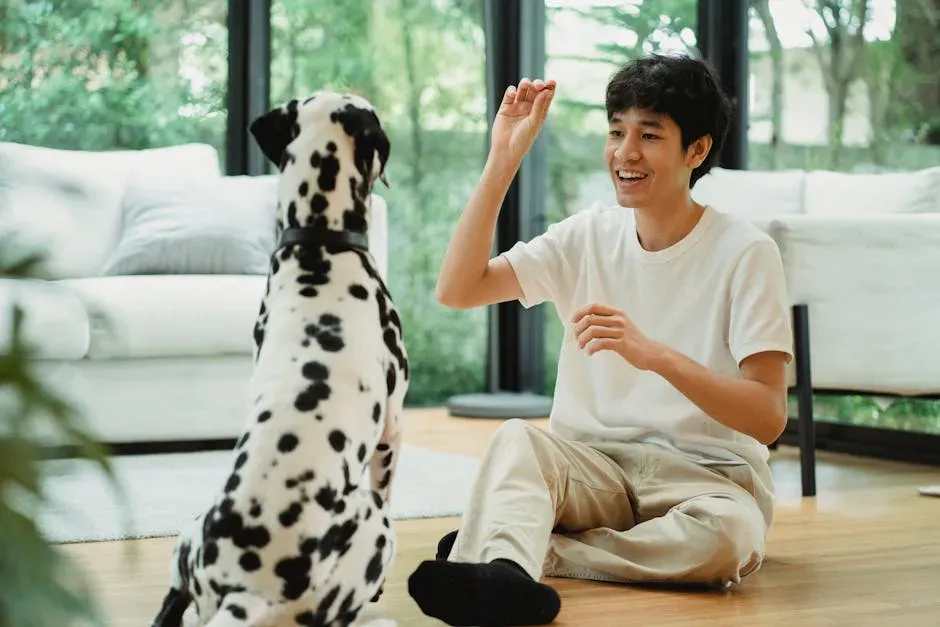
You might not realize how closely your dog is tracking you, like a quiet little scientist running experiments on your schedule. Without checking a clock, they learn that after the room gets darker and the TV turns on, there’s a good chance you’ll head to the kitchen. They learn that when you close the laptop and stretch, a walk might be coming. Over days and weeks, those repeated sequences settle into their memory as dependable signals.
What fascinates you once you start noticing it is their ability to connect these signals into chains. It isn’t just the leash that means “walk” to your dog; it might be the socks, the shoes, the particular way you sigh as you stand up. Change enough of that pattern, and they might not react at all. Keep it consistent, and they’ll anticipate the next step with an accuracy that feels almost eerie, even though it’s just solid pattern learning doing its thing.
Why One‑Off Lessons Don’t Stick (and What You Can Do Instead)
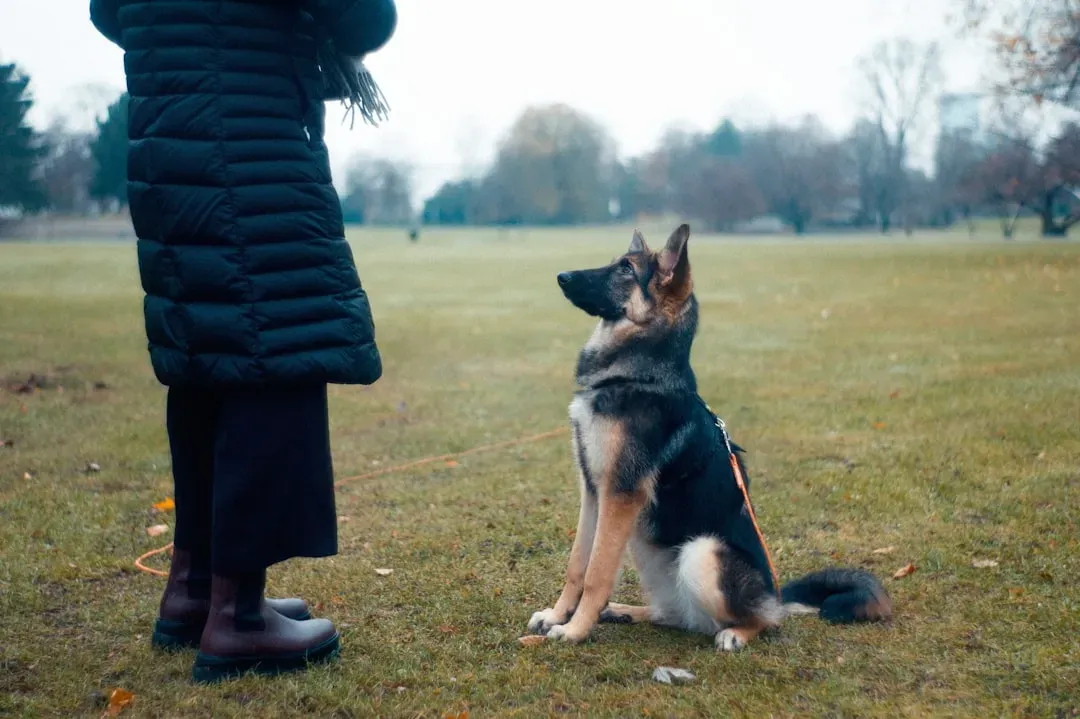
If you’ve ever corrected your dog once and thought, “They know better; I told them already,” you’ve bumped straight into their bias toward patterns. A single scolding after they jumped on the counter is simply one isolated event tossed into a noisy world of smells, sounds, and impulses. Unless that correction is extremely intense or repeated, it’s unlikely to shape their long‑term behavior on its own.
What actually works is transforming what you want into a stable pattern your dog can latch onto. Instead of hoping one dramatic “No!” will teach them to stop jumping, you create a routine: every time they approach the counter, you calmly interrupt, redirect to a sit, and reward that sit. Over dozens of repetitions, your dog is no longer guessing – they’ve learned a clear rule. In their mind, the repeating sequence “go to counter → hear cue → sit → get reward” is far easier to remember than that single day you raised your voice and then never followed through again.
Designing Training Around Patterns, Not Isolated Commands
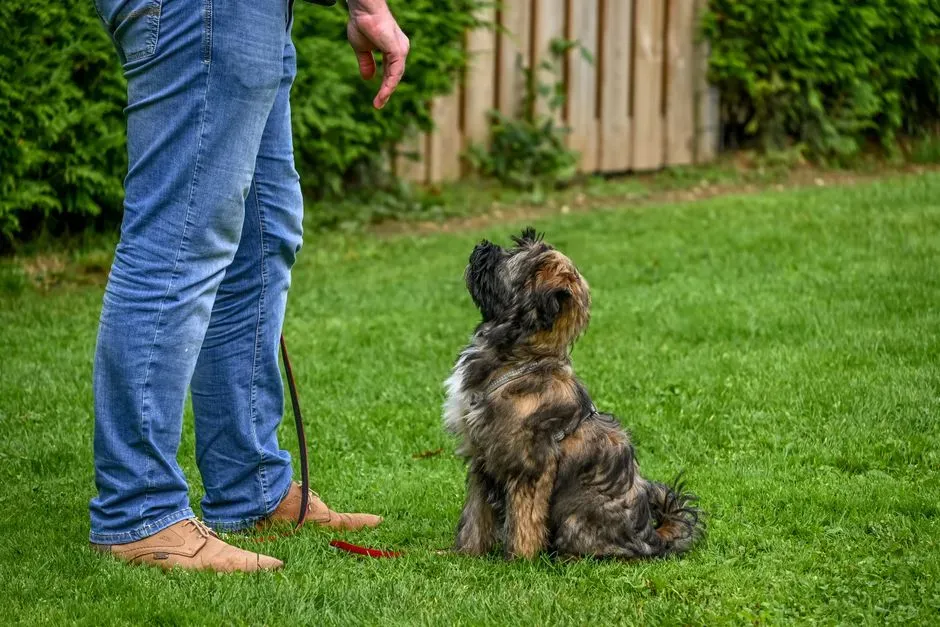
Once you accept that your dog remembers patterns more easily than one‑off events, you start designing training like architecture instead of fireworks. You stop asking, “How do I make this moment intense enough to stick?” and you start asking, “How do I make this behavior appear predictably in a consistent context?” That means you use the same word, the same hand signal, and the same type of reward in the same kinds of situations until your dog sees it all as one familiar pattern.
For example, if you want a rock‑solid recall, you do not only call your dog when you’re mildly annoyed and want them to stop having fun. You call them in many different settings, reward them richly, and build a pattern where hearing their name plus the recall cue almost always leads to something good. Over time, that web of repeated experiences becomes a powerful memory: “When I hear this, I run toward my person.” The magic isn’t in one amazing training session; it’s in the pattern you weave across dozens of ordinary ones.
How Pattern Memory Shapes Your Dog’s Emotions and Fears

Patterns do not just affect what your dog does; they also color how your dog feels. If thunderstorms often come with raised voices, rushing around, and tension in the house, your dog may start bracing emotionally whenever clouds roll in, because they’ve learned a pattern in the atmosphere of your home, not just the sound of thunder. Similarly, if visitors almost always bring excitement, treats, and attention, your dog may react with joyful anticipation long before anyone rings the bell.
This is why gentle, predictable routines help anxious dogs so much. When meals, walks, play, and rest all follow somewhat consistent patterns, your dog starts to feel the world is understandable and safe. On the flip side, if scary things happen randomly with no clear pattern, your dog can stay on edge, because their brain desperately looks for a rhythm that just isn’t there. By choosing stable, calm, positive patterns, you’re literally teaching your dog’s nervous system that life with you follows a reassuring script.
Building Better Habits by Leaning Into Your Dog’s Pattern Bias

Instead of fighting your dog’s bias toward patterns, you can turn it into your greatest ally. Want fewer accidents inside? Feed, walk, and offer bathroom breaks on a tight routine, so your dog’s body and brain sync up with predictable chances to go. Want calmer greetings? Rehearse the same short sequence every time someone walks in: cue a sit away from the door, reward calm behavior, and only then allow a polite hello if they stay settled.
Over time, those consistent sequences become mental shortcuts for your dog. They no longer have to analyze every second of every situation; they simply follow the path they’ve walked many times before. That is why you often feel like a habit suddenly “clicks” after a few weeks – it isn’t that your dog randomly matured overnight, it’s that the pattern finally became strong enough in their memory to beat chaos and temptation. You’re not just teaching tricks; you’re writing simple, repeatable stories into your dog’s daily life.
When One‑Time Events Do Matter to Your Dog
Even though patterns dominate, you should not underestimate powerful single events. A sudden, painful encounter – like being startled by a loud crash right beside them – can carve a deep groove in your dog’s memory. If that one event is intense or frightening enough, it can feel to your dog like a super‑pattern all on its own, and they may react fearfully to anything that even vaguely resembles it later on.
That is why you need to handle first experiences with some care: the first time at the vet, the first car ride, the first time alone in a new home. When you keep those early events as calm, safe, and positive as possible, you reduce the chance that one bad moment overshadows the gentler patterns you’re trying to build. You cannot protect your dog from every surprise, but you can stack the deck so that most of their powerful memories are of comfort, not panic.
Conclusion: Living With the Dog You Actually Have
When you stop treating your dog like a tiny human with a perfect memory for single conversations, and you start seeing them as a pattern‑driven learner, everything about your relationship changes. You get less frustrated by the fact that yesterday’s lecture did not transform their behavior, and more focused on the quiet power of what you do every day. You realize your routines are not just background noise; they’re the scripts your dog uses to predict and survive their world.
The real gift is that once you embrace this, you gain both empathy and control: empathy, because you understand why your dog repeats what “always works” from their point of view, and control, because you can now reshape those patterns deliberately. Every cue, every reaction, every small ritual becomes a brushstroke on the canvas of your dog’s mind. Knowing that, what pattern will you decide to start writing with your dog today?