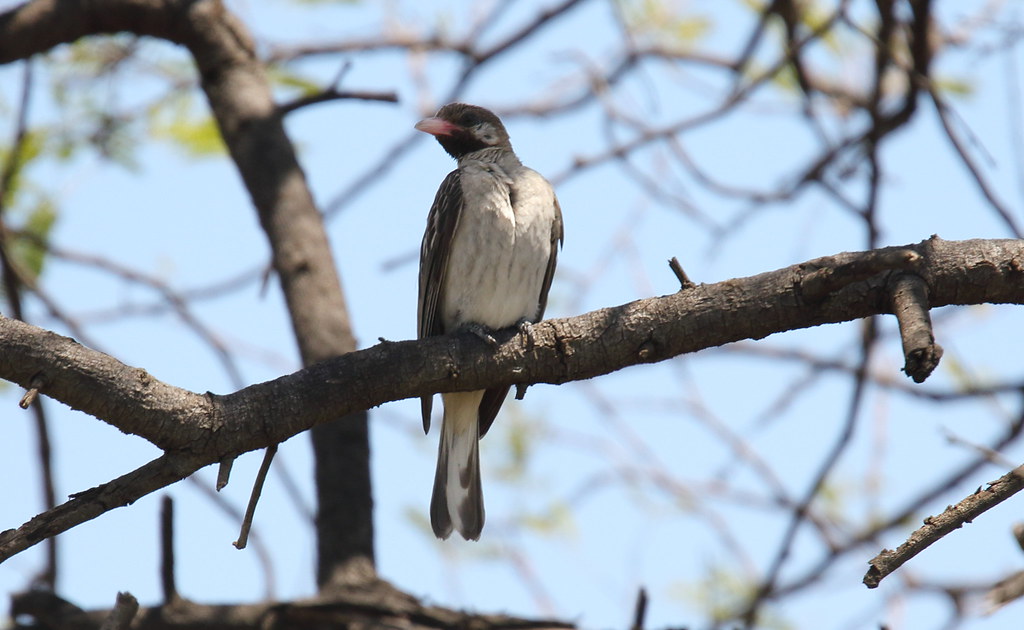
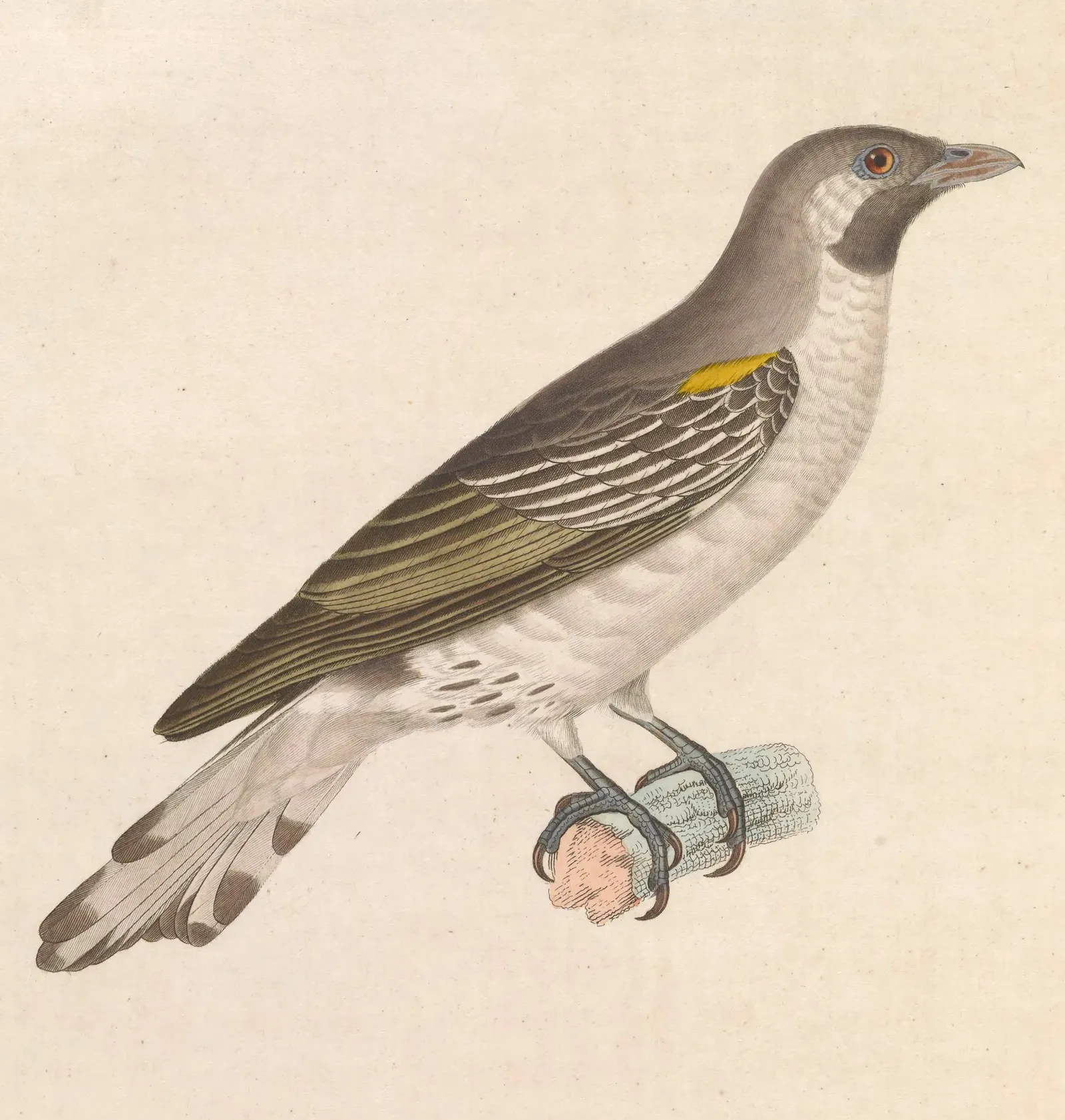
You might not expect that a small, drab-looking African bird could completely upend how you think about animal intelligence, language, and even your relationship with wildlife. Yet that is exactly what the greater honeyguide does. This bird does something so unusual that it sounds like folklore until you see the data: it not only guides people to wild bee nests, it also responds selectively to particular human calls that mean, in effect, “let’s work together.” When you dig into the research, you discover an almost eerie level of fine‑tuned communication between people and these wild birds. You are not looking at a tame pet or a trained falcon, but a free‑living, unmarked bird that decides, moment by moment, whether you are worth helping. And astonishingly, it makes that decision based partly on the specific sounds you make with your voice.
When a Wild Bird Understands That You’re Asking for Help
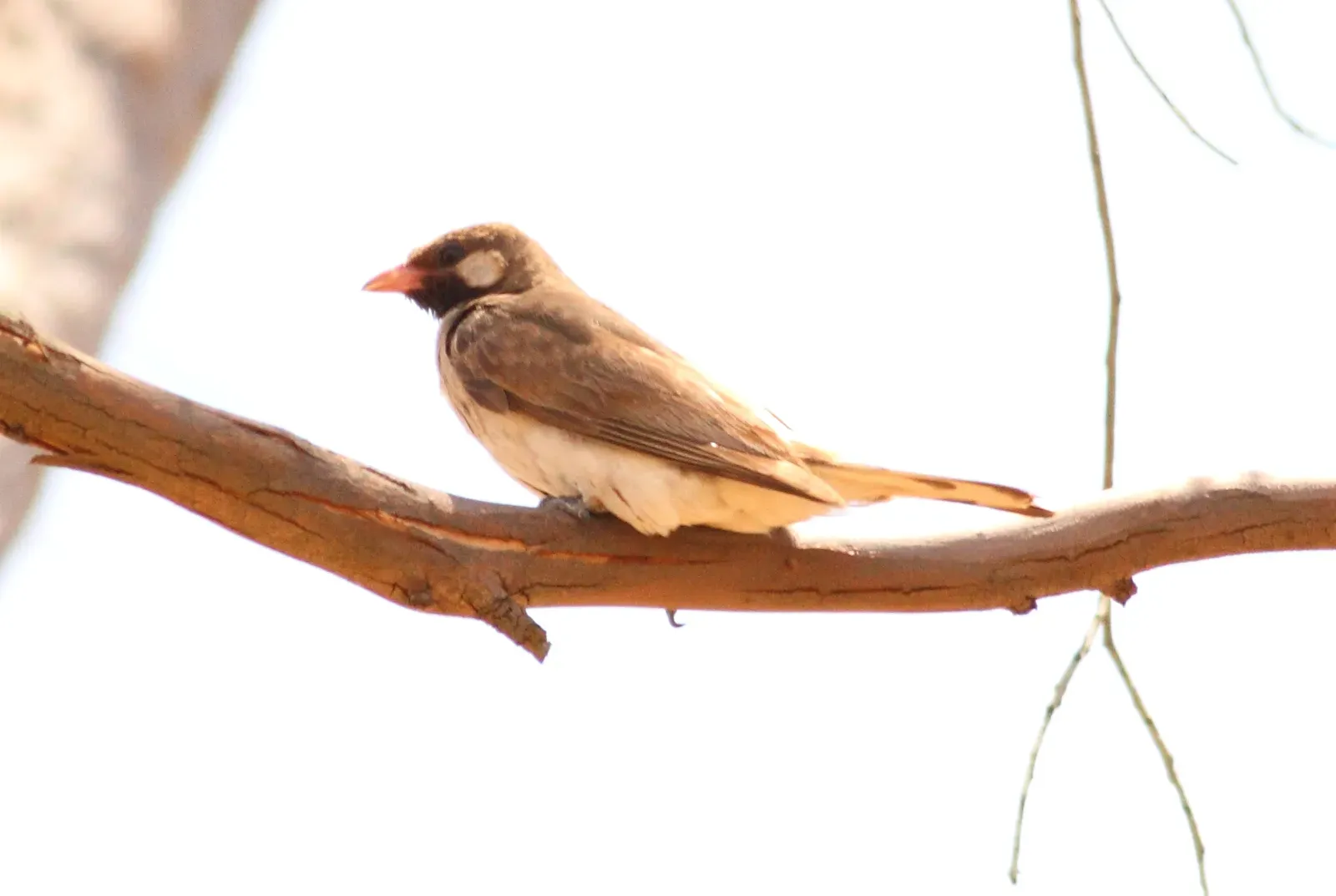
Imagine walking through a hot, dry Miombo woodland in Mozambique or Tanzania, calling out into the trees, and having a wild bird answer you with an excited chattering call that basically says, “Okay, follow me.” That is the everyday reality for honey‑hunters in several African communities, and you can see how this pushes you to rethink what “communication” even means. You are not giving a command to a trained animal; you are sending an invitation to cooperate that any wild honeyguide in earshot can choose to accept or ignore. Experiments have shown that when people use their traditional honey-hunting call, their chances of being picked up by a honeyguide roughly double compared with when they produce other random human or animal sounds of similar loudness. In practice, that means if you walk silently or use the wrong noise, you are far less likely to get a bird partner and far less likely to end the day with honey. The bird is clearly treating one particular vocal signal from you as loaded with meaning and acting on it in a way that improves both your foraging success and its own.
How Cooperative Foraging Between You and a Bird Actually Works
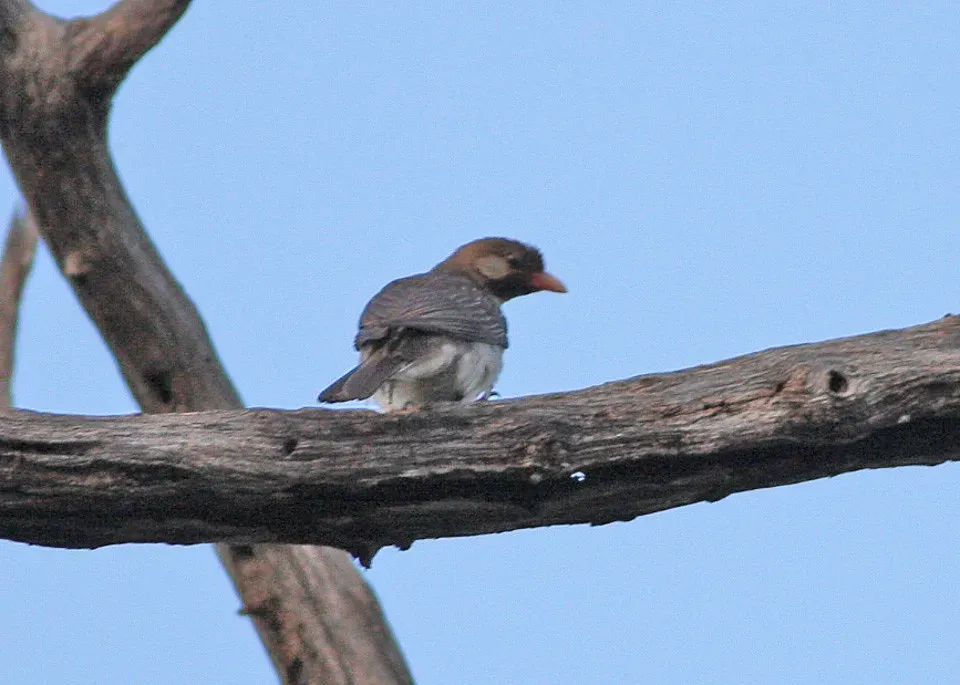
If you picture cooperation with animals, you might think of a dog fetching a stick or a horse pulling a cart, but with honeyguides the script is flipped. You do the dangerous, sweaty job, and the bird acts more like an information broker. You advertise that you are searching for honey using your special call; if a honeyguide hears you and wants to play, it approaches and responds with its own distinctive guiding call, then flies off in a purposeful zig‑zag, pausing frequently to make sure you are still behind it. Your role is to stay with the bird, interpret its movements, and eventually locate the bees’ nest it is pointing out. Then you use tools, fire, and experience to subdue or smoke out the bees, break open the nest, and harvest the precious honey and brood. You take the honey and much of the brood, and you deliberately or unavoidably leave behind plenty of wax and scraps. For the honeyguide, which specializes in eating wax, that leftover feast is the payoff for taking the risk of approaching you and revealing the nest’s location. The two of you are essentially business partners, each specializing in what you do best.
Distinct Human Calls: Your “Password” into the Partnership
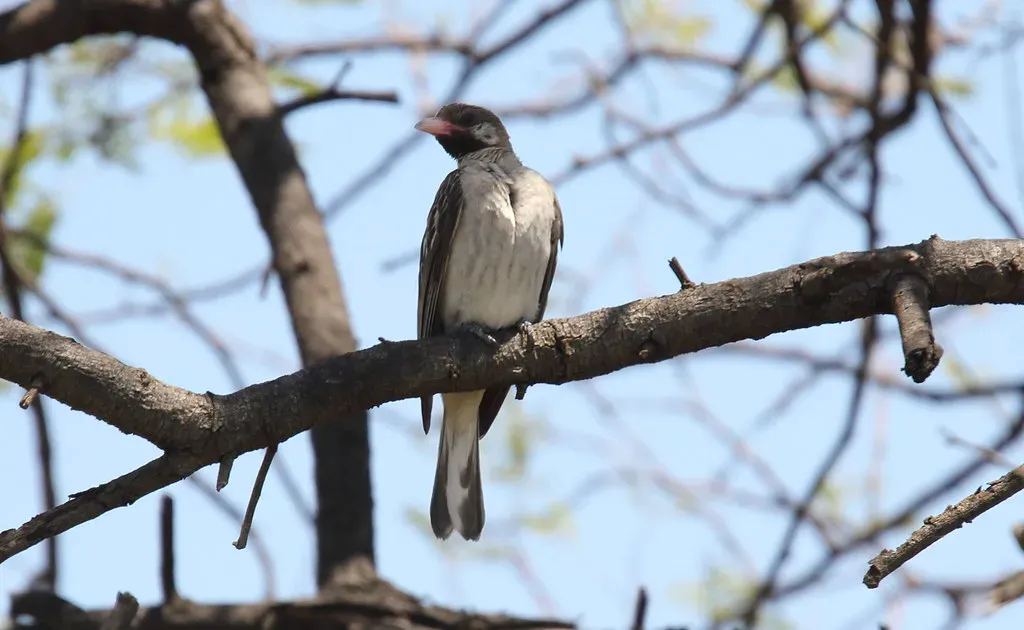
What makes this system so remarkable is not just that honeyguides respond to human calls, but that they respond specifically to certain calls and mostly ignore others. In some areas of Mozambique, honey‑hunters use a rolling trill followed by a grunt; in parts of Tanzania, people use a melodious whistle. To your ears, these noises might sound arbitrary, a bit like nonsense syllables or a quirky whistle you could easily invent yourself. But to the birds, they function like a password that signals you are a reliable partner worth following. Field experiments where researchers played recordings of local calls versus “foreign” calls from distant communities showed that honeyguides strongly preferred their home dialect. Birds in Tanzania were several times more likely to cooperate with the whistled call used by local Hadza honey‑hunters than with the trill-and-grunt used by Yao hunters from far away, and the reverse pattern appeared in Mozambique. In other words, the birds are not reacting to some generic “human shouting” sound; they are reacting to a learned, community‑specific cue that tells them which humans in their environment typically share wax and therefore deserve their help.
What This Tells You About Animal Cognition and Learning

If you care about animal cognition, honeyguides are a gift, because they show you learning and decision‑making in real time out in the wild, not just in a lab maze. Juvenile honeyguides are not raised by their own parents; they are brood parasites, leaving their eggs in nests of other bird species. That means young honeyguides grow up without adult honeyguides around to “teach” them the calls humans use. Yet adults still manage to respond correctly to the right sounds, which strongly suggests that they learn these human calls during their own foraging adventures. From your perspective, that is a big deal. It means these birds are tracking which kinds of human sounds reliably lead to food, building associations between specific vocal patterns and profitable outcomes, and then acting on those associations in a flexible way. You are seeing something more sophisticated than a simple reflex. A honeyguide hears your call, evaluates whether it matches the local “cooperative” pattern it has learned, and then either initiates guiding or stays silent. That kind of selective responsiveness is exactly the sort of behavior that cognitive scientists point to when they talk about animals forming mental representations of signals and their consequences.
Local Dialects: When Your Call Becomes Part of a Shared Culture
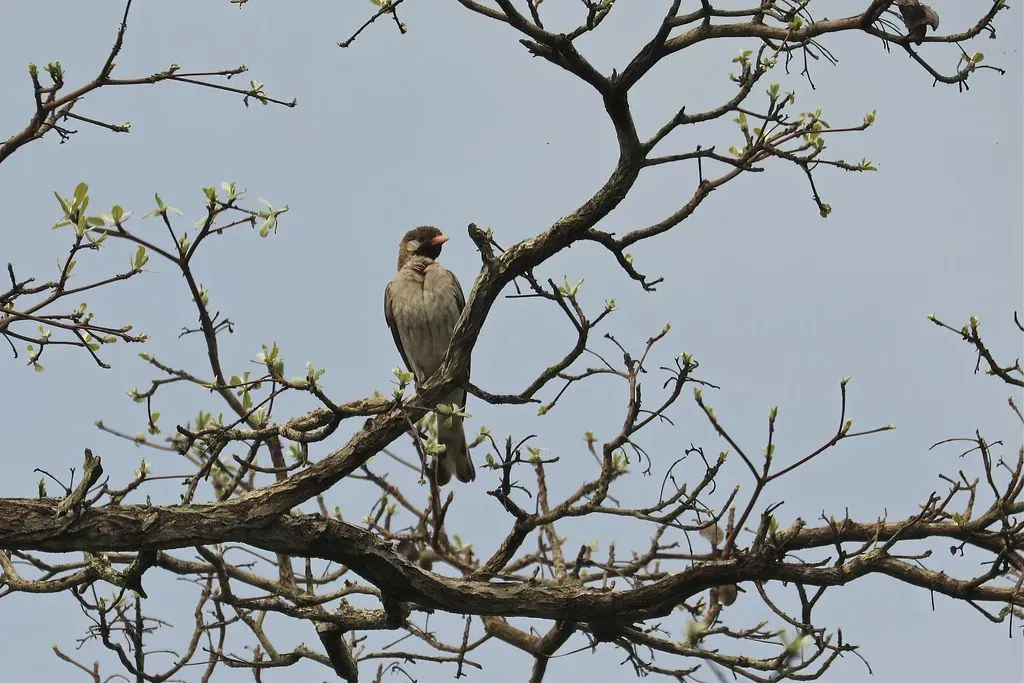
Here is the twist that really brings you into the story: your calls to honeyguides are not fixed or biologically hard‑wired. They are cultural traditions passed between people, just like songs, recipes, or stories. Recent work shows that these human recruitment calls do not just differ between countries; they form clusters and dialects even between neighboring regions and villages. You and your neighbors might share a particular pattern, while communities just a few days’ walk away use a noticeably different rhythm or melody. The birds, amazingly, seem to keep up with this cultural patchwork. Because honeyguides respond more strongly to the calls that local people use successfully, they in effect reward consistency. If you were to start using your own improvised melody, you would probably attract fewer honeyguides, which would push you back toward the community norm. Over time, this creates a feedback loop: you shape the birds’ expectations by the calls you use, and the birds shape your behavior by selectively cooperating with the most familiar calls. It is a subtle, real‑world example of cultural coevolution playing out between your species and another.
Why This Partnership Matters Beyond Just Finding Honey
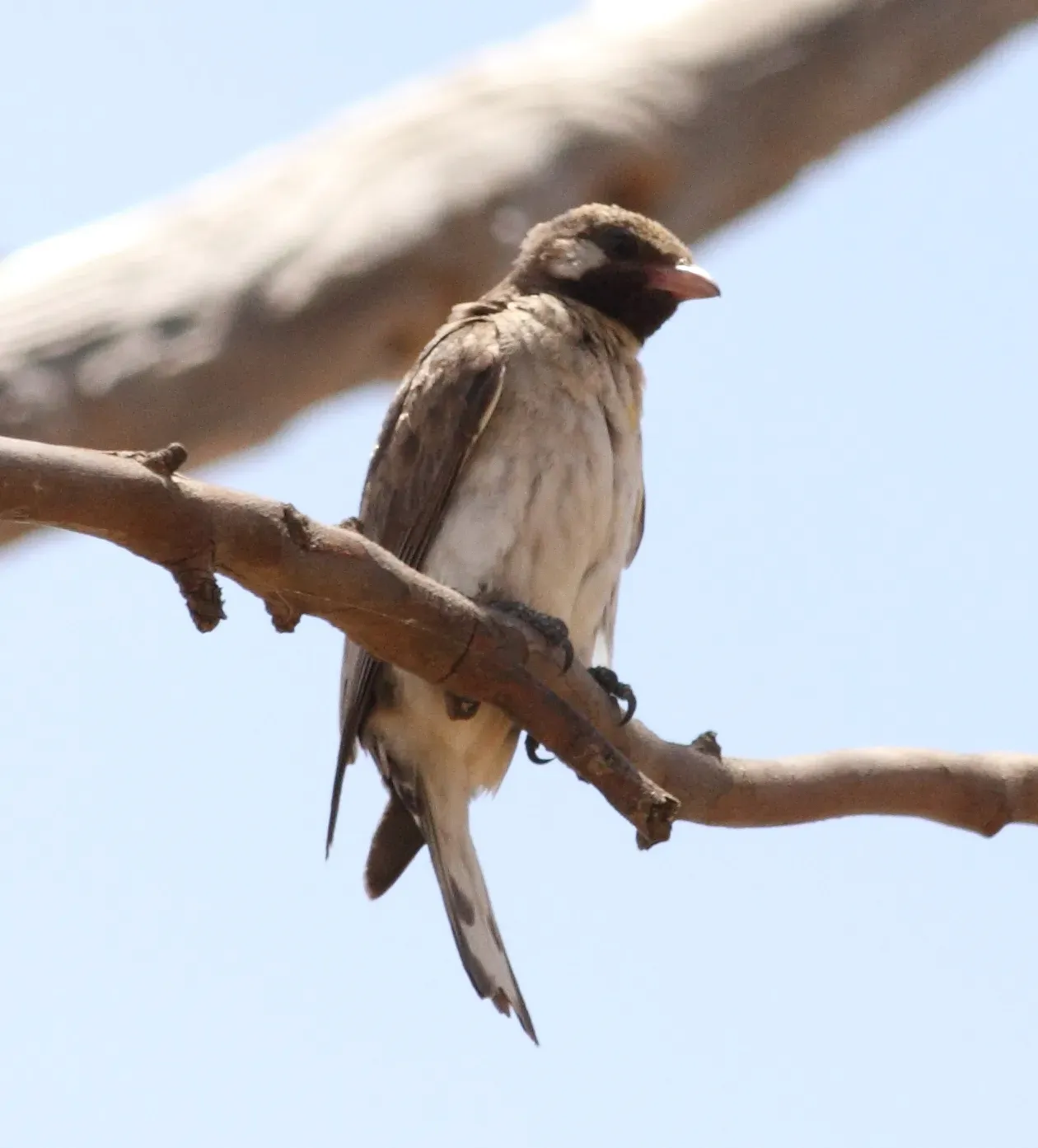
You might be tempted to file this away as a charming curiosity, but the honeyguide–human partnership forces you to reconsider some big questions about how humans live with wildlife. Most of the human–animal cooperation you hear about involves domestication, training, or at least direct control: dogs, horses, falcons, even captive dolphins. Honeyguides blow that model up. Here, a wild animal with no domesticated history maintains a voluntary, mutualistic relationship with humans based entirely on learned communication and a shared interest in food. That should make you rethink conservation and coexistence. If a free‑living bird can learn to interpret your calls and decide that working with you is profitable, then other wild species might also be more flexible and cognitively capable than you usually give them credit for. It hints that under the right conditions, you might build new cooperative relationships with wildlife that support both local livelihoods and ecosystem health. At the same time, it warns you that if cultural knowledge about hunting calls or traditional honey‑harvesting practices declines, the whole system could unravel, because the birds’ learning depends on people continuing to call in recognizable ways.
What This Means for You and the Future of Human–Wildlife Cooperation
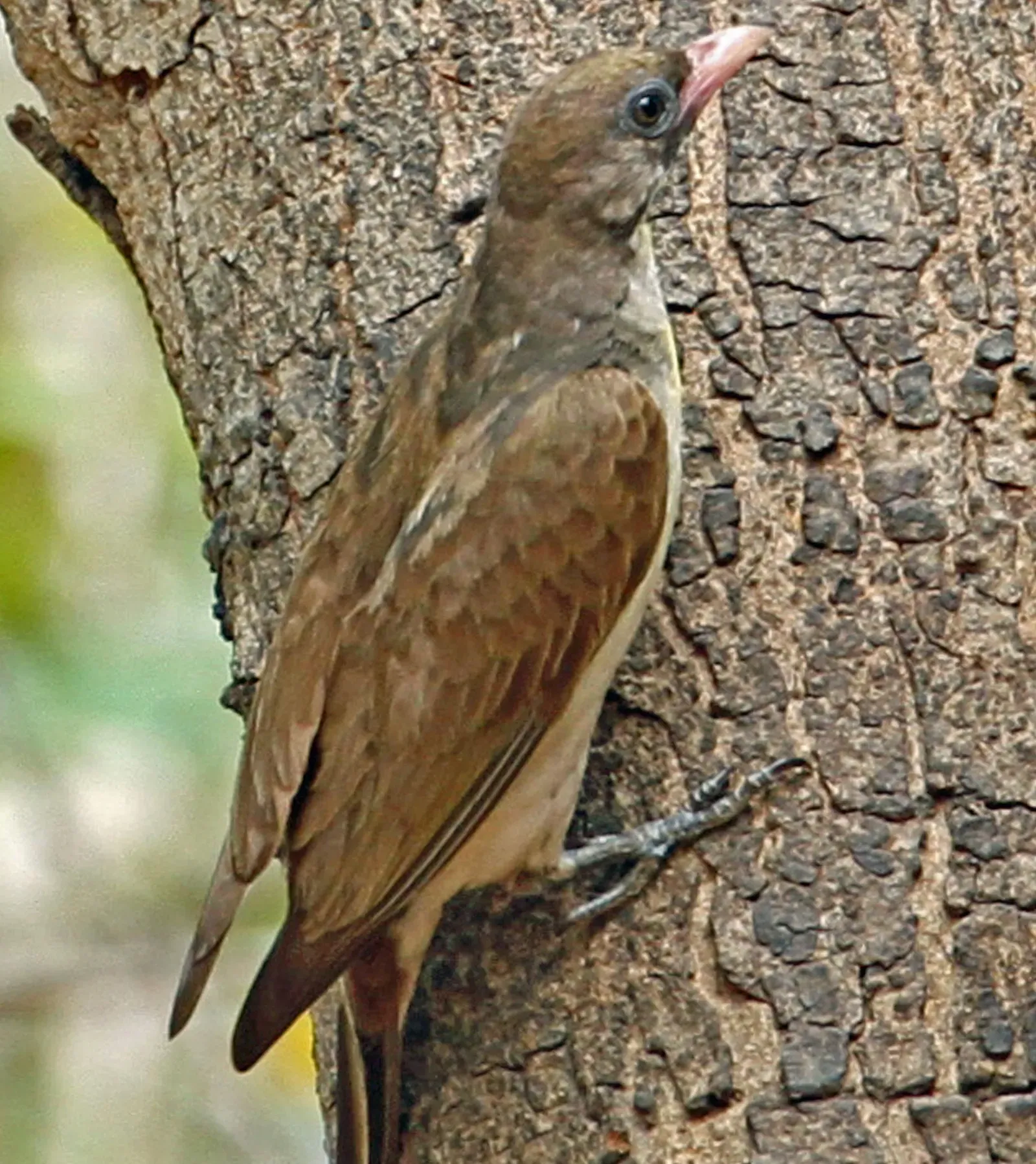
Once you see honeyguides this way, you start to realize that your species is not the only one with something like language, memory for signals, and the ability to adapt to new partners. You are participating in a conversation, even if it is a very simple one: you produce your recruitment call, the bird answers with its guiding chatter, and together you move through the landscape toward a shared goal. That is not fantasy; it is measured in increased success rates for both you and the honeyguide when you use the right sounds. Looking ahead, the honeyguide story gives you a powerful lens for thinking about how to live with wildlife in a changing world. It suggests that instead of seeing animals only as problems to solve or resources to exploit, you can also see them as potential collaborators with their own learning abilities and preferences. Protecting forests where honeyguides live, supporting the cultural knowledge of honey‑hunting communities, and valuing this subtle interspecies dialogue could all help keep this ancient partnership alive. And if one small bird can learn your dialect and meet you halfway, what else might be possible when you start listening as carefully as you expect animals to listen to you?
Conclusion: A Quiet Call, a Radical Idea
The next time you hear about “dumb animals” or assume that communication is your species’ exclusive superpower, you can remember the honeyguide flying ahead of a human, chattering insistently, leading the way to hidden honey. In that simple scene, you are seeing cognition, culture, learning, and mutual benefit all braided together. A wild bird has learned to treat a particular human sound as a reliable sign of cooperation, and you, in turn, have shaped your culture’s calls to fit what works best with the bird. In a world where so many human–animal encounters are built on fear, exploitation, or indifference, this partnership offers you a quieter, more hopeful model: one where you speak, another species listens, and both of you walk away better off. Maybe that is the most striking lesson of all from honeyguides and their human allies: when you treat other animals as minds to communicate with, not just bodies to control, they sometimes answer back. Does it change how you see the birds outside your window, knowing that somewhere, a wild one is already fluent in a language shared with us?