Dogs don’t complain much. They don’t file grievances when the walk gets cut short or when you’re too tired to play tug for the tenth time in a day. Yet underneath that easy companionship, there’s a quieter story playing out, one where your dog is constantly adjusting, compromising, and giving up small comforts just to remain near you. Most of it goes unnoticed, tucked into ordinary moments that seem too small to matter. Once you start looking closely, though, you realize how much of a dog’s daily life is shaped around one goal: staying close to their person, even when it costs them something.
1. They ignore their own discomfort to keep watch over you

Dogs are remarkably good at pushing through physical discomfort when they sense their person needs them nearby. A dog with achy joints will still climb onto the couch beside you, or a dog recovering from a minor injury will hobble over rather than stay curled up in a warm bed across the room. Veterinary behaviorists have long noted that dogs often mask pain, partly due to instinct, but also because proximity to their owner seems to matter more than momentary relief.
This tendency can make it tricky for owners to notice when something is actually wrong. A dog wincing quietly while still trying to follow you room to room isn’t showing off resilience for its own sake. It’s simply prioritizing closeness, even when their body is telling them to rest.
2. They give up prime napping spots without protest
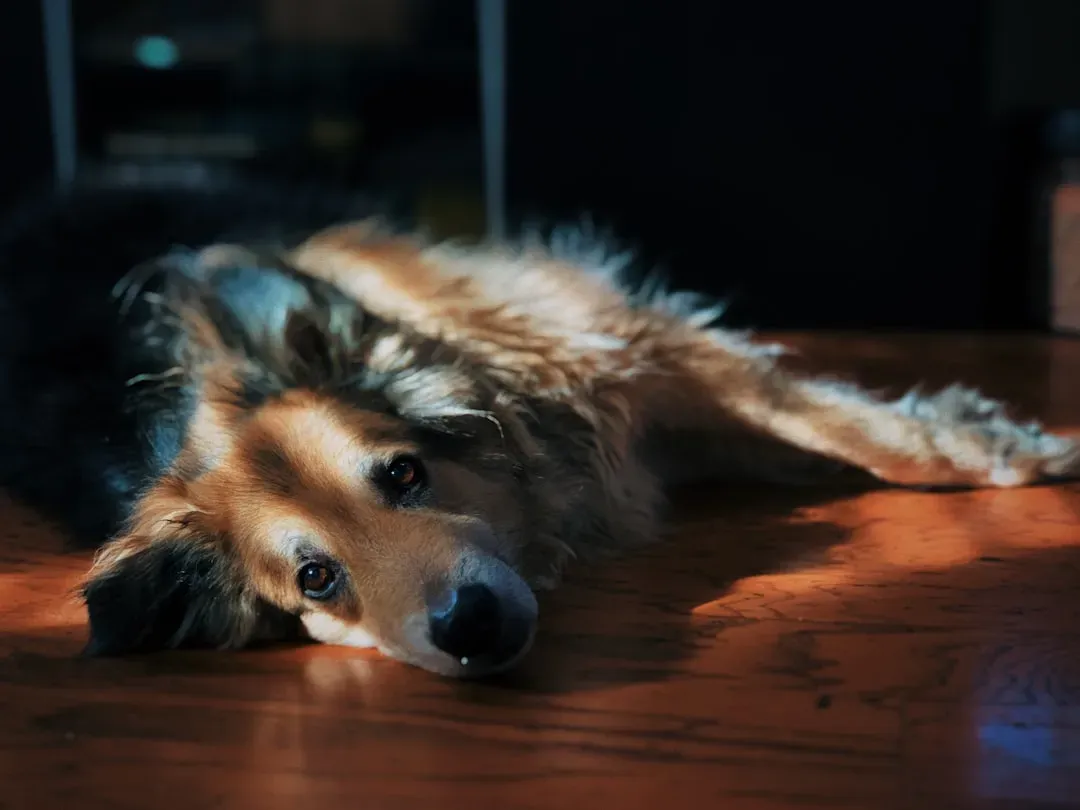
Anyone who’s shared a home with a dog knows the scene: the dog is sprawled comfortably in a sunbeam, fast asleep, and the moment you get up to move to another room, they groan, stretch, and follow. That warm, perfectly positioned spot gets abandoned in seconds, often without any real deliberation. It’s not about the sunlight or the softness of the rug. It’s about not letting the pack member responsible for meals, walks, and affection wander off unsupervised.
This happens dozens of times a day in most households, though it rarely gets acknowledged. The dog isn’t just being clingy. Research into canine social bonding suggests dogs experience a mild stress response when separated even briefly from a trusted person, which may explain why comfort takes a back seat so easily.
3. They tolerate weather they clearly dislike
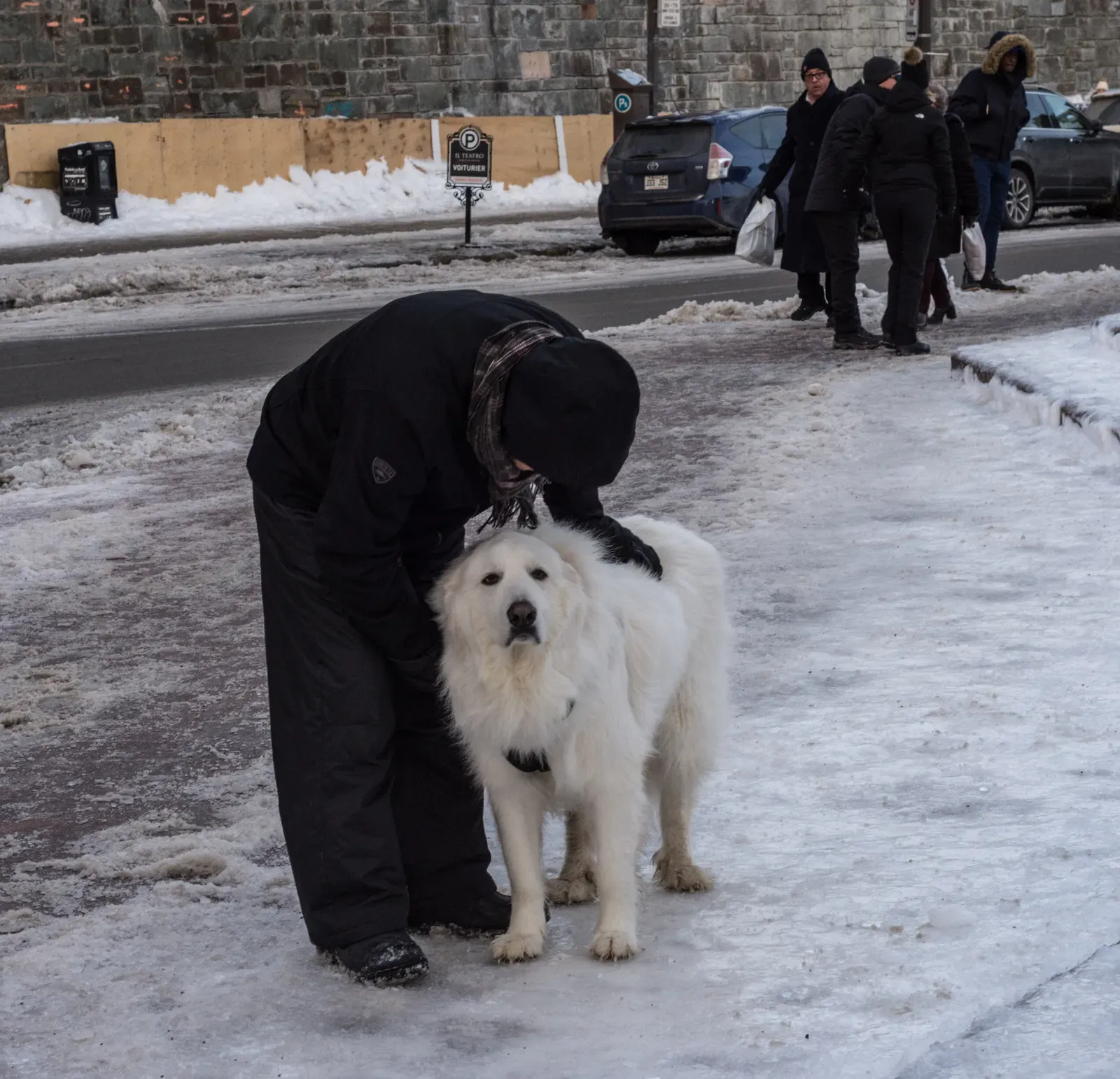
Plenty of dogs despise rain, wind, or bitter cold, yet they’ll still trot out into it if it means being with you rather than staying inside alone. You can often see the reluctance in their body language, the low tail, the hesitant paw testing wet pavement, but they go anyway. For a dog, being separated from their person can feel like a bigger discomfort than the weather itself.
This isn’t blind obedience. It’s closer to prioritization. Dogs are highly attuned to routine and social contact, and many will choose an unpleasant walk over an hour spent alone indoors, even if a heated house is right there waiting for them.
4. They adjust their sleep schedule to match yours
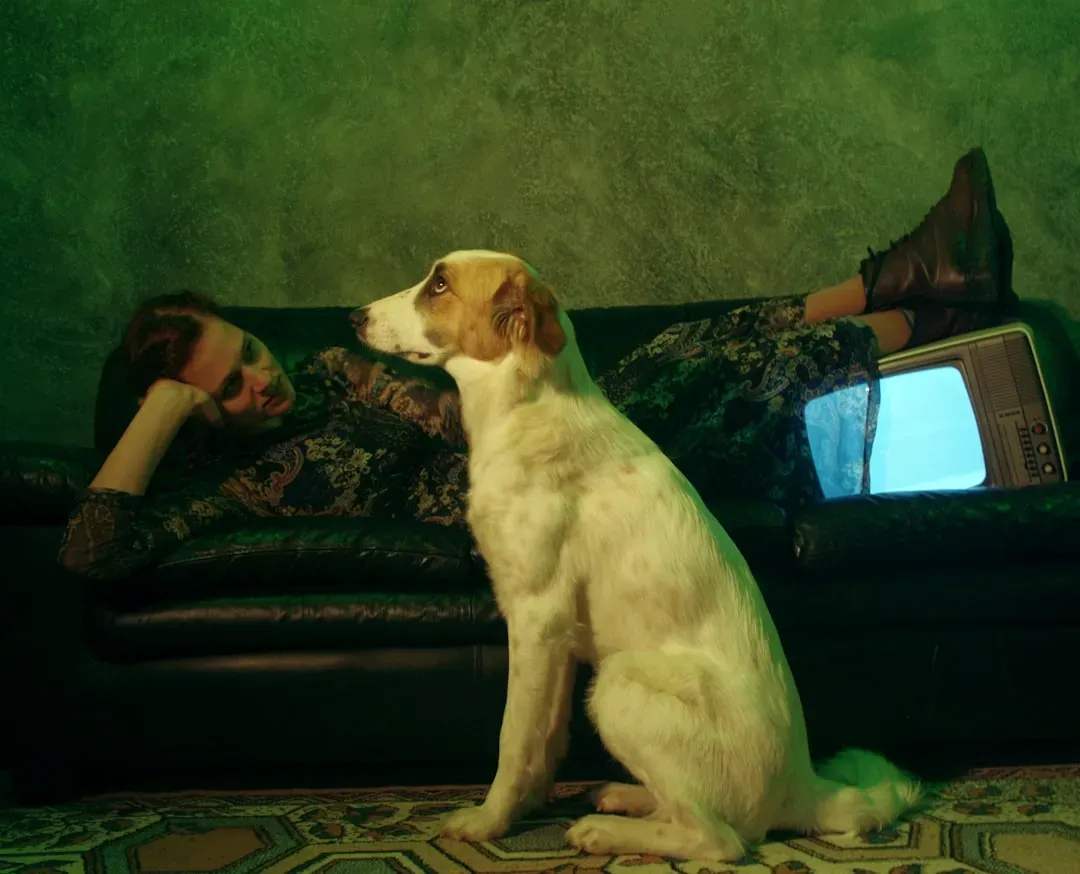
Dogs are naturally polyphasic sleepers, meaning they’re wired to nap on and off throughout the day rather than commit to one long stretch like humans do. Despite that, most dogs sync their rest patterns surprisingly closely to their owner’s schedule. If you’re a night owl, your dog often becomes one too, staying alert well past when their body might prefer to wind down.
This adaptability isn’t just convenient, it’s a small but real sacrifice. Dogs are essentially reshaping their natural rhythm around a human schedule that doesn’t always suit their biology, simply because being awake and present with you matters more than optimal rest.
5. They mute their own needs during your busy moments
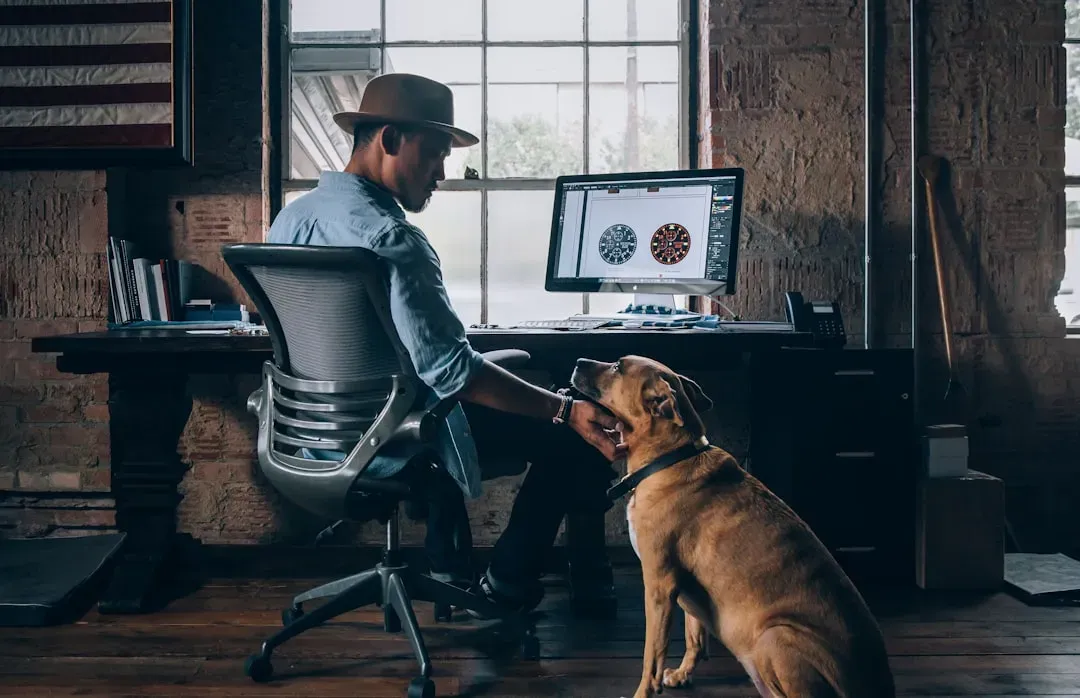
There are days when a dog clearly wants a walk, a game, or a little more attention, but instead sits quietly nearby, watching you work through a stressful afternoon. Many dogs seem to sense tension or busyness and pull back their own demands accordingly. Instead of pawing persistently or barking for attention, they settle for simply being present.
This restraint is easy to overlook because it looks like nothing at all. Yet it takes a certain kind of emotional attunement for a dog to recognize that now isn’t the moment to ask for more, and to choose closeness over insistence.
6. They share food-related patience they don’t naturally have
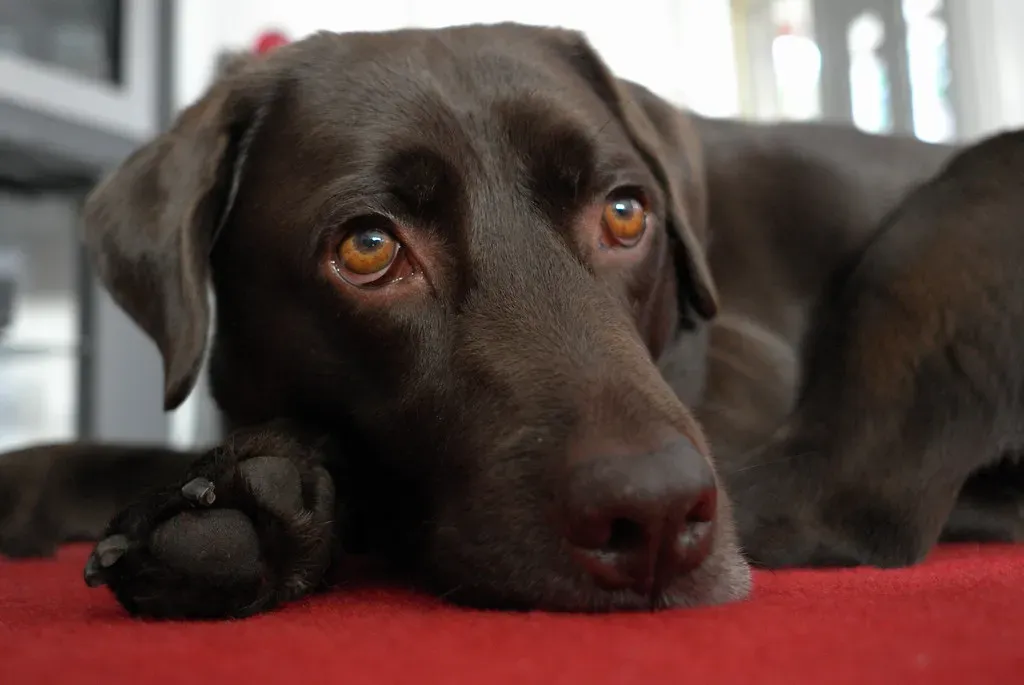
Dogs are opportunistic eaters by nature, a trait inherited from their scavenging ancestors. Despite that instinct, most dogs learn to wait patiently while their owner eats, rather than begging aggressively or attempting to steal food outright. That patience isn’t effortless. It’s a learned behavior built on the desire to stay in good standing and remain close, rather than risk being sent away from the table or the room.
Some dogs take this further, resisting the urge to sniff at grocery bags or counters even when left alone with tempting smells nearby. It’s a small daily exercise in self control, motivated less by training alone and more by the underlying wish to stay in the good graces of their person.
7. They endure boredom rather than seek stimulation elsewhere
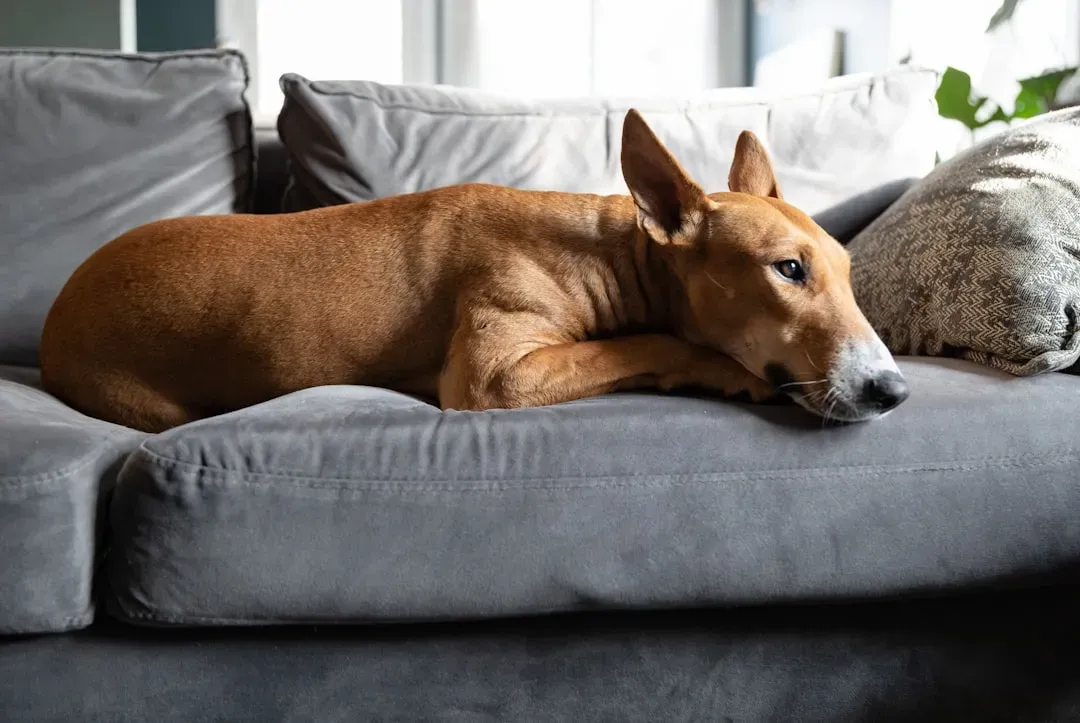
Dogs are intelligent, curious animals that thrive on mental stimulation, yet many will choose to lie quietly near their owner rather than actively seek out something more engaging. A dog left with a pile of toys might still opt to simply watch you cook dinner instead. That choice isn’t about a lack of interest in play, it reflects a preference for proximity over entertainment.
This becomes especially clear in single-dog households, where the owner is often the primary source of social interaction. Boredom, in these moments, is quietly tolerated because being near you outweighs the temporary excitement of a squeaky toy.
8. They hold back their fear in unfamiliar situations
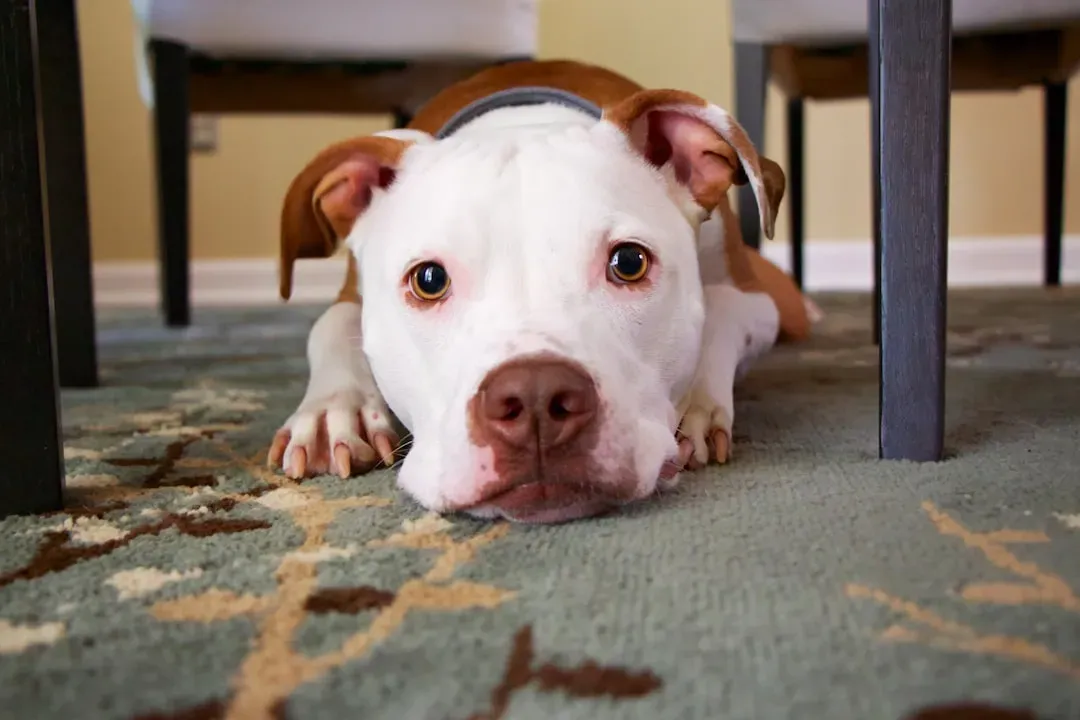
New environments, unfamiliar dogs, or loud settings can be genuinely stressful for many dogs, yet plenty will stay remarkably composed as long as they’re close to their person. Some dogs visibly suppress signs of anxiety, keeping their body language calmer than their actual stress level might suggest, simply because the presence of a trusted human provides a sense of security. This is sometimes referred to as the “secure base effect,” a concept borrowed from human attachment theory that researchers have also observed in dogs.
That composure comes at a cost. Masking fear takes energy, and dogs that consistently suppress anxious responses may experience more internal stress than their outward behavior reveals. Still, many choose to stay steady rather than react, because bolting or panicking might mean losing contact with the one person who makes the unfamiliar feel survivable.
9. They give up personal space when you need comfort
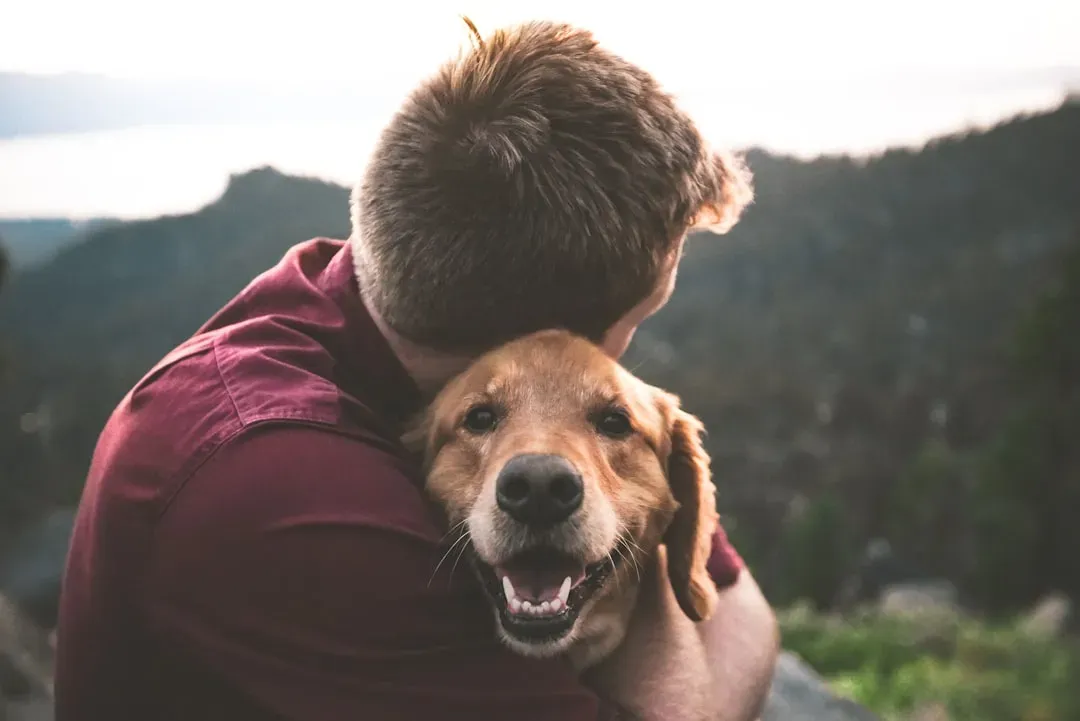
Dogs are surprisingly perceptive when it comes to human emotions. Many will squeeze into small spaces, climb into laps far too small for them, or press their body weight against you during moments of sadness or stress, even if that’s not their usual preferred way to rest. Comfort-seeking behavior in dogs often mirrors comfort-giving, and studies on canine empathy suggest dogs respond to human distress with physical closeness rather than avoidance.
This kind of accommodation isn’t always physically comfortable for the dog. Larger breeds especially may contort themselves into awkward positions just to maintain contact. It’s a small, quiet form of sacrifice, trading their own comfort for the reassurance their presence seems to offer you.
10. They stay loyal even after being scolded unfairly
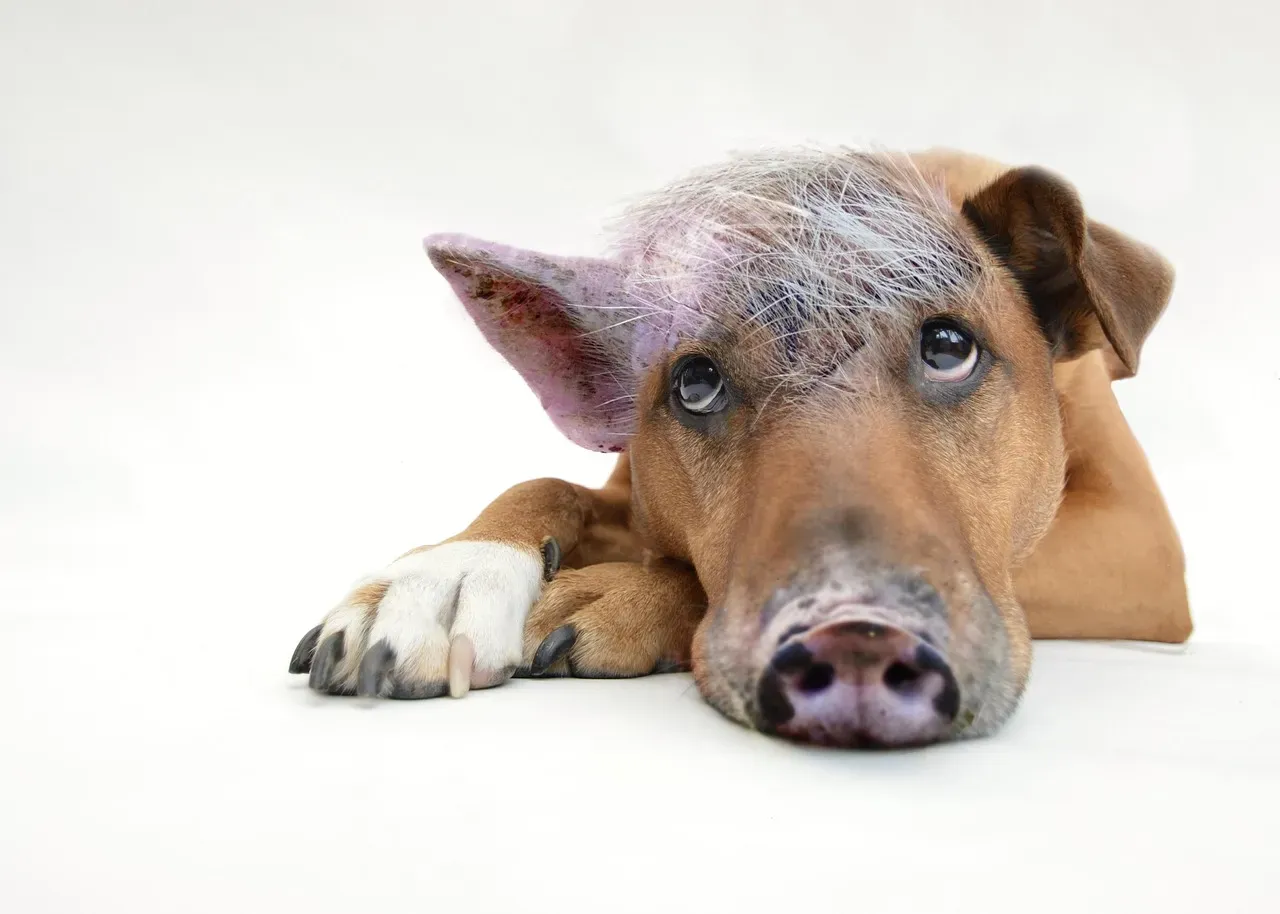
Every dog owner has, at some point, snapped at their dog out of frustration that had nothing to do with the animal itself. Despite this, most dogs recover quickly, often returning for affection within minutes rather than holding onto resentment. This isn’t simply short memory, it reflects a deep social investment in maintaining the relationship, even when it isn’t perfectly fair.
Dogs don’t seem to weigh scoldings the way humans weigh conflict. Instead of withdrawing to protect themselves emotionally, they tend to re-engage, choosing renewed closeness over lingering distance. It’s one of the more humbling sacrifices they make, forgiving quickly so the bond doesn’t have to suffer for long.
Final Thoughts
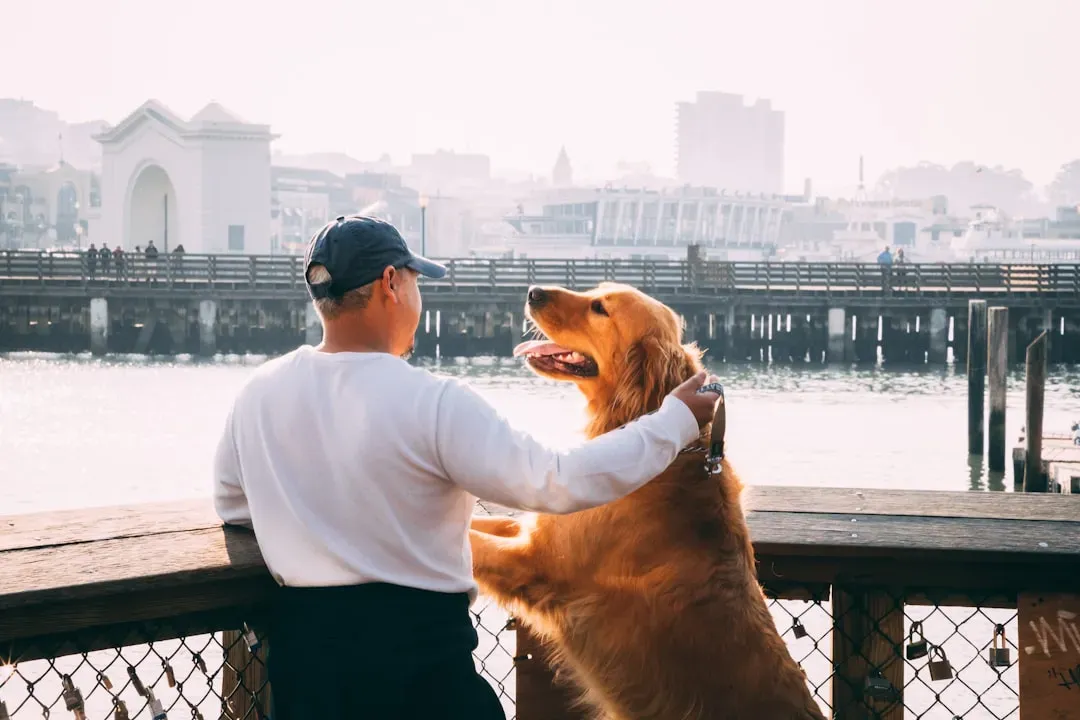
None of these sacrifices are dramatic. They’re not the kind of thing that ends up in a highlight reel or a heartwarming video clip. Yet taken together, they paint a picture of just how much dogs quietly give up, comfort, independence, even honest expressions of pain or fear, simply to remain close to the people they’ve chosen to trust.
If there’s an opinion worth stating plainly, it’s this: dogs deserve more credit for these unspoken compromises than they usually get. We tend to celebrate the obvious signs of loyalty, the tail wags, the excited greetings, while overlooking the subtler ways dogs adjust their entire nature around us. Paying attention to those quieter sacrifices might be the simplest way to return the favor.