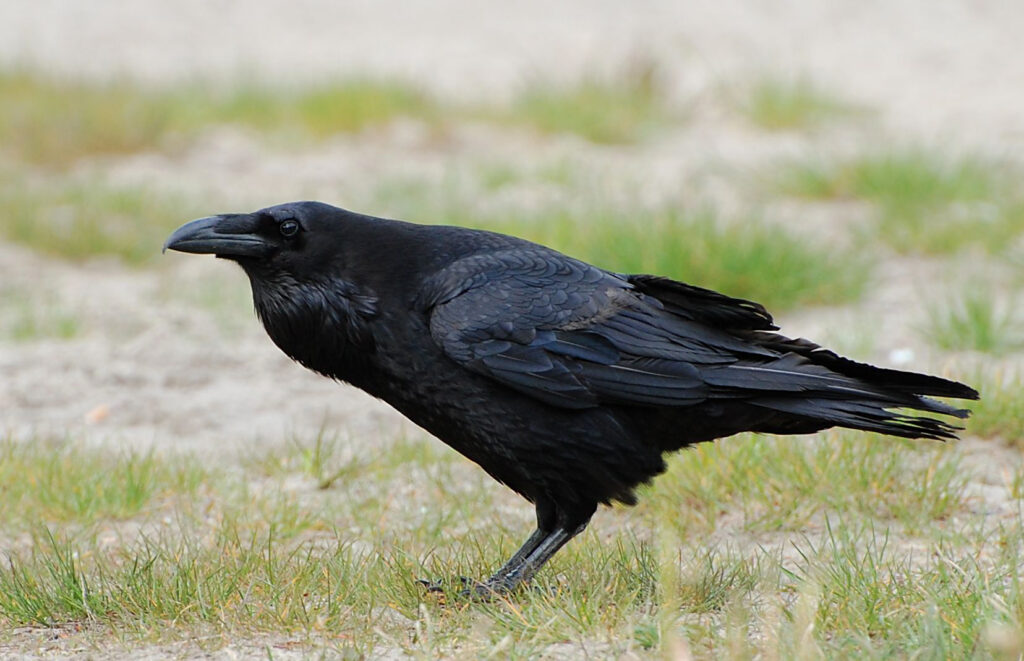
Imagine facing a problem tomorrow and calmly setting aside the right tool for it today. That kind of forward planning feels deeply human – something we associate with packing a suitcase, saving for retirement, or charging a phone before a trip. Yet experiments in animal cognition are quietly revealing that ravens, those dark, sharp-eyed birds of myth and city streets, can do something strikingly similar: they can save useful tools for challenges they expect to face later.
This discovery has rattled long‑held assumptions about what separates human minds from animal minds. If a raven can plan for a future problem and resist tempting distractions in the present, then the mental line we once drew between ourselves and “mere animals” suddenly looks a lot more blurred. Let’s dig into what scientists actually found, why it matters, and how these birds might be forcing us to rethink what intelligence really is.
Ravens Are Not Just “Smart Birds” – They Are Cognitive Heavyweights
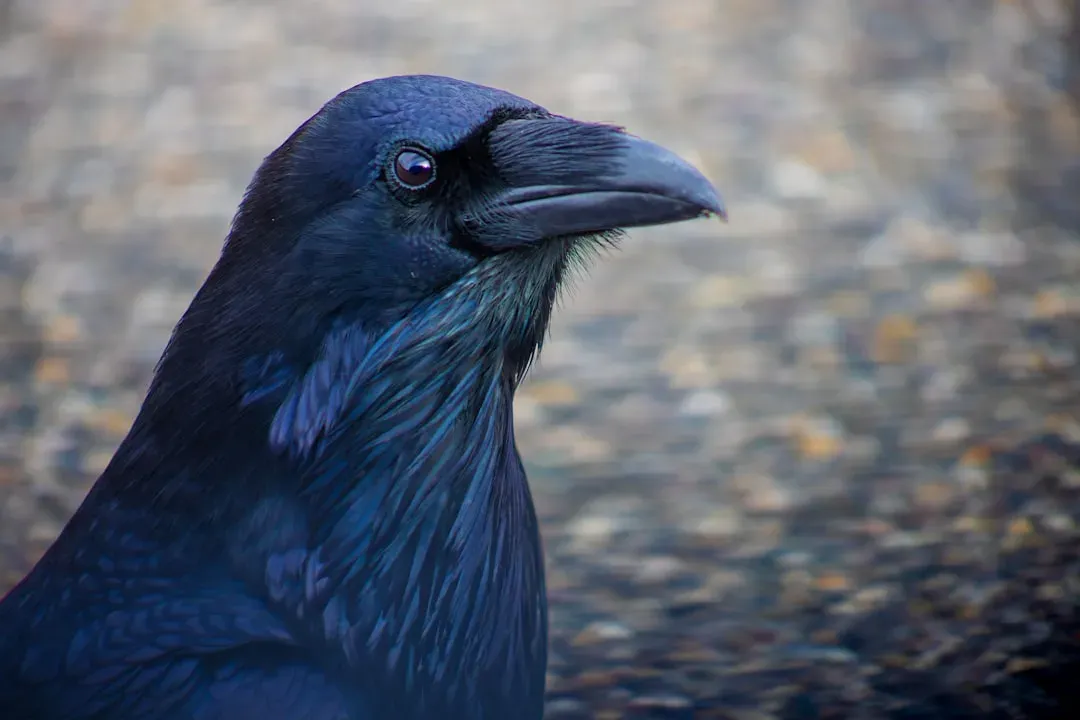
It is easy to think of ravens as just big, noisy cousins of crows that happen to look great in moody photos. In reality, they sit alongside great apes and some parrots in the elite club of animals that repeatedly surprise scientists with problem‑solving skills. Studies over the last years have shown ravens can use tools, solve multi‑step puzzles, recognize individual humans, and even remember who treated them fairly or unfairly.
What makes this so important is that ravens have bird brains in the literal sense: compact, smooth, and very different in anatomy from mammal brains. Yet they still manage complex reasoning, suggesting that high intelligence can evolve along completely different hardware paths. It is like discovering that another species built the mental equivalent of a smartphone, but using an entirely different operating system and processor design.
Saving Tools For Later: How the Key Experiments Worked
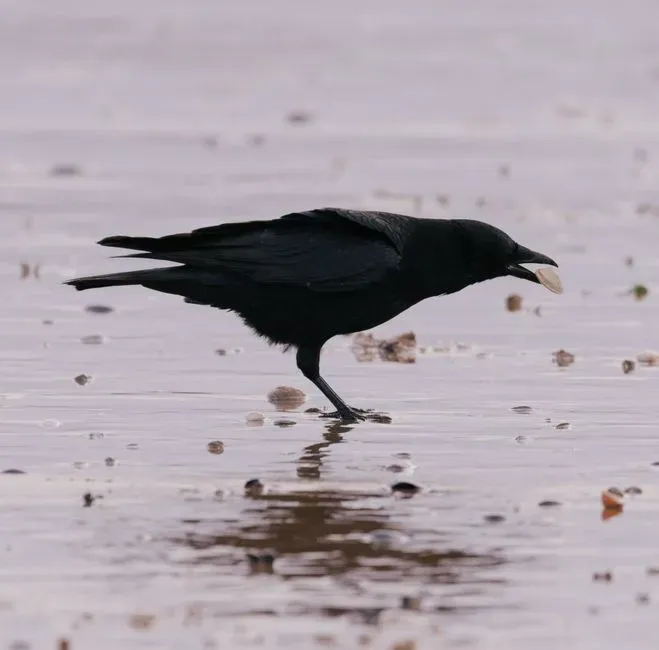
So what does it actually mean to say ravens can save useful tools for future problems? In controlled lab experiments, researchers trained ravens to use specific objects as tools – like a particular shaped item that could open a box containing a food reward. Once the birds learned the trick, the tool and the box were separated in time, sometimes with delays of many minutes or even much longer.
During tests, ravens were presented with a selection of objects, including the useful tool and other, more immediately tempting items like food or toys. The catch: the reward box was not available yet. The ravens had to choose and keep the correct tool now, wait through the delay with nothing fun happening, and only later get access to the box where that tool would pay off. The birds that selected and saved the right tool were not just reacting to the present; they were behaving as if they were preparing for a future challenge.
Planning Ahead: Why This Looks A Lot Like Human Foresight
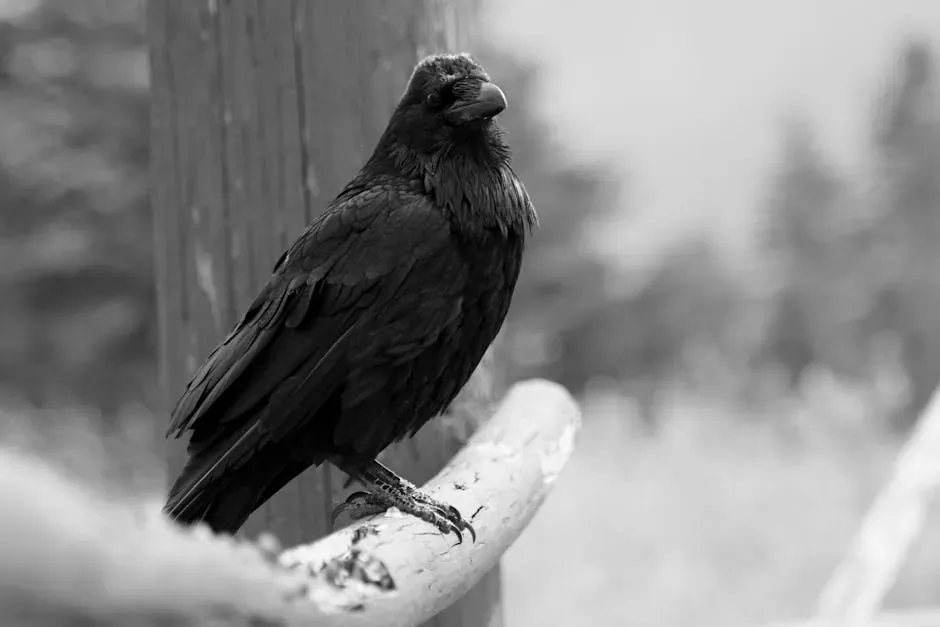
For a long time, many scientists believed that genuine planning for the future – what is sometimes called mental time travel – was uniquely human. We can imagine tomorrow’s problems, simulate possible scenarios, and make choices today that will not pay off until much later. When a raven passes up an immediate treat to hold on to a tool it will need later, it starts to look like a simpler but real version of that same skill.
Of course, ravens are not sketching five‑year plans or writing to‑do lists, and we should not romanticize them into tiny feathered humans. But at a smaller scale, they are showing the same kind of trade‑off we face when we save money instead of spending it or choose to study instead of scroll on a phone. They tolerate a small cost now – no instant reward – to secure a bigger payoff in the future. That basic logic lies at the heart of what we call intelligent decision‑making.
Self‑Control vs Impulse: Ravens Pass a Tough Temptation Test
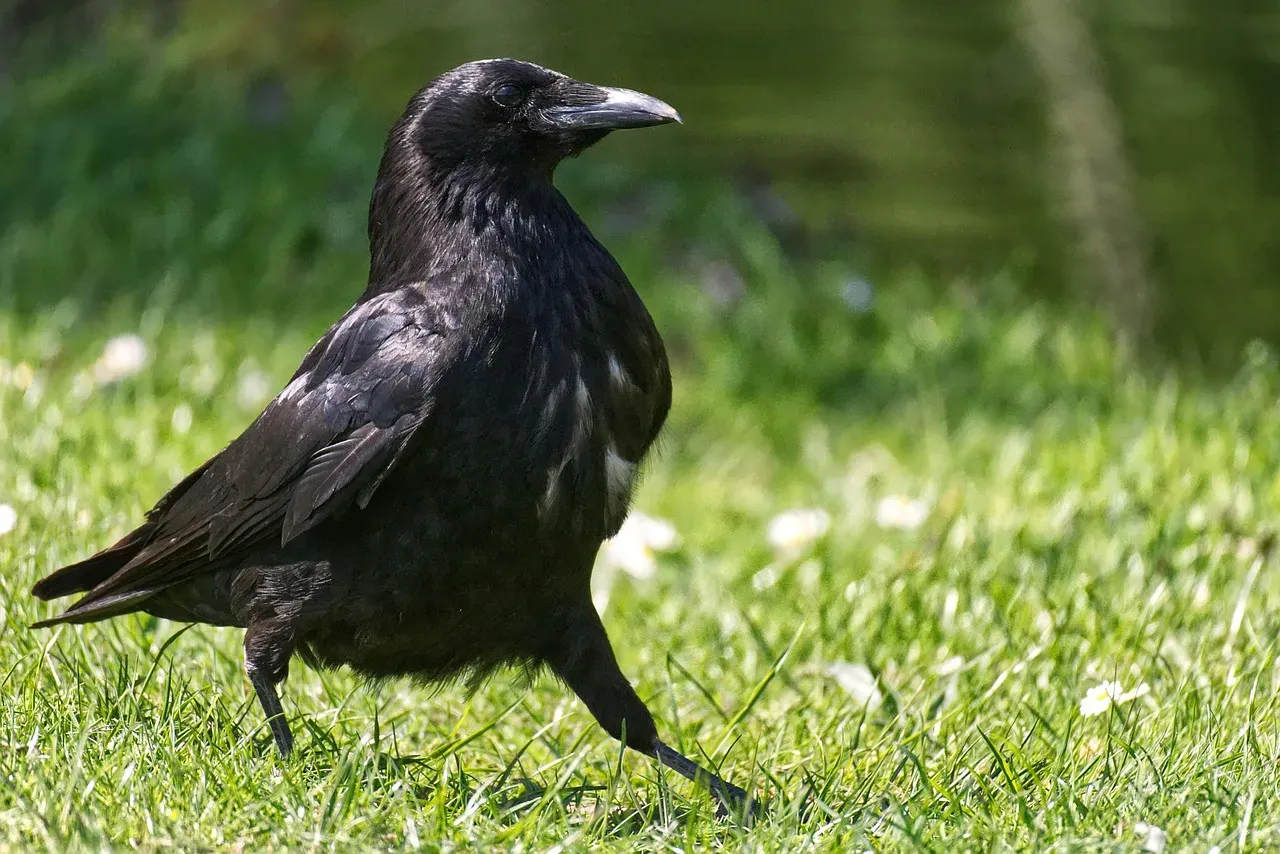
One of the most impressive parts of these findings is not just that ravens handled tools, but that they could resist temptation. In many experiments, the birds had to choose between the tool they would need later and a direct, edible reward right in front of them. Picking the tool meant giving up the instant snack and trusting that a better outcome was still coming.
This is striking because self‑control is hard even for humans. Think of the classic image of a child staring at a marshmallow, trying not to eat it to earn more later. The ravens’ performance suggests they can hold a representation of the future in mind strongly enough to overrule their present impulses. That blend of memory, attention, and restraint is not simple reflex – it is the kind of mental juggling we normally reserve for “higher” cognition.
How Ravens Compare to Apes, Parrots, and Other Brainy Animals
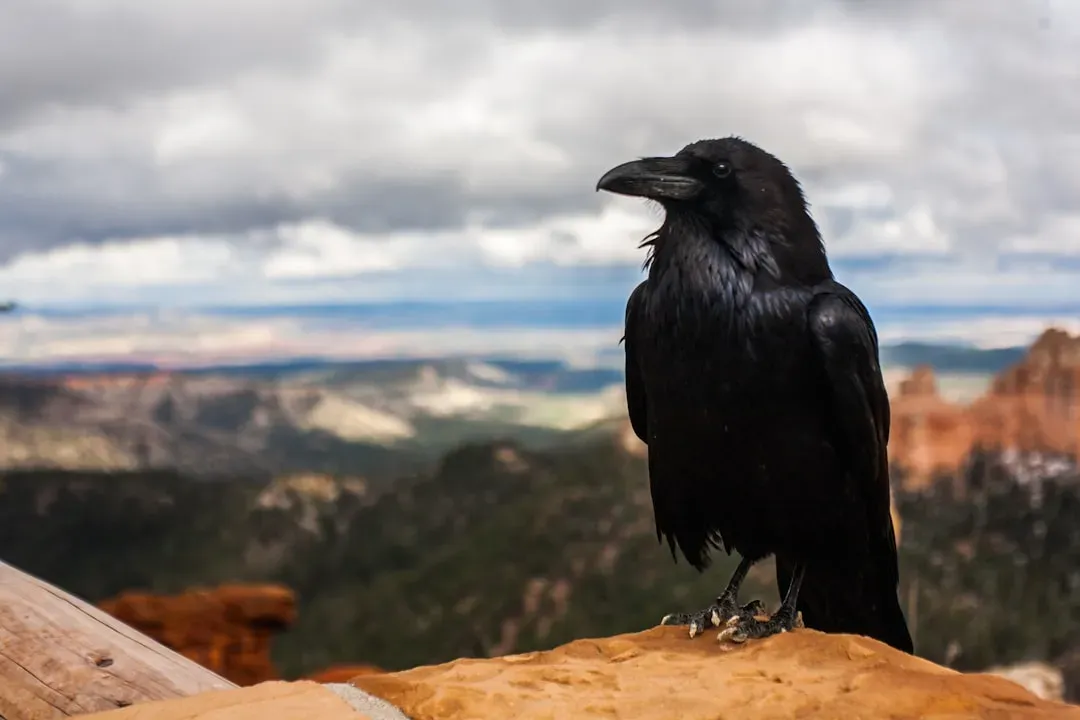
When you put ravens side by side with great apes like chimpanzees and orangutans, the parallels are frankly wild. Apes have long been known to store tools, carry them to future locations, and use them in clever ways, especially in the wild where they crack nuts, dig, or fish for termites. Seeing ravens hit similar milestones, but with a very different evolutionary history and brain structure, hints that nature has discovered multiple routes to something like foresight.
Parrots and some corvid relatives, like scrub jays, also show future‑oriented behaviors such as caching food in places they will revisit. Ravens extend this theme beyond food hiding into tool use and deliberate selection under delayed conditions. Instead of a single ladder of intelligence with humans at the top and everyone else scattered below, it is starting to look more like a forest of overlapping branches. Different animals converge on similar mental solutions for different reasons and in different ways.
What This Says About the Evolution of Intelligence
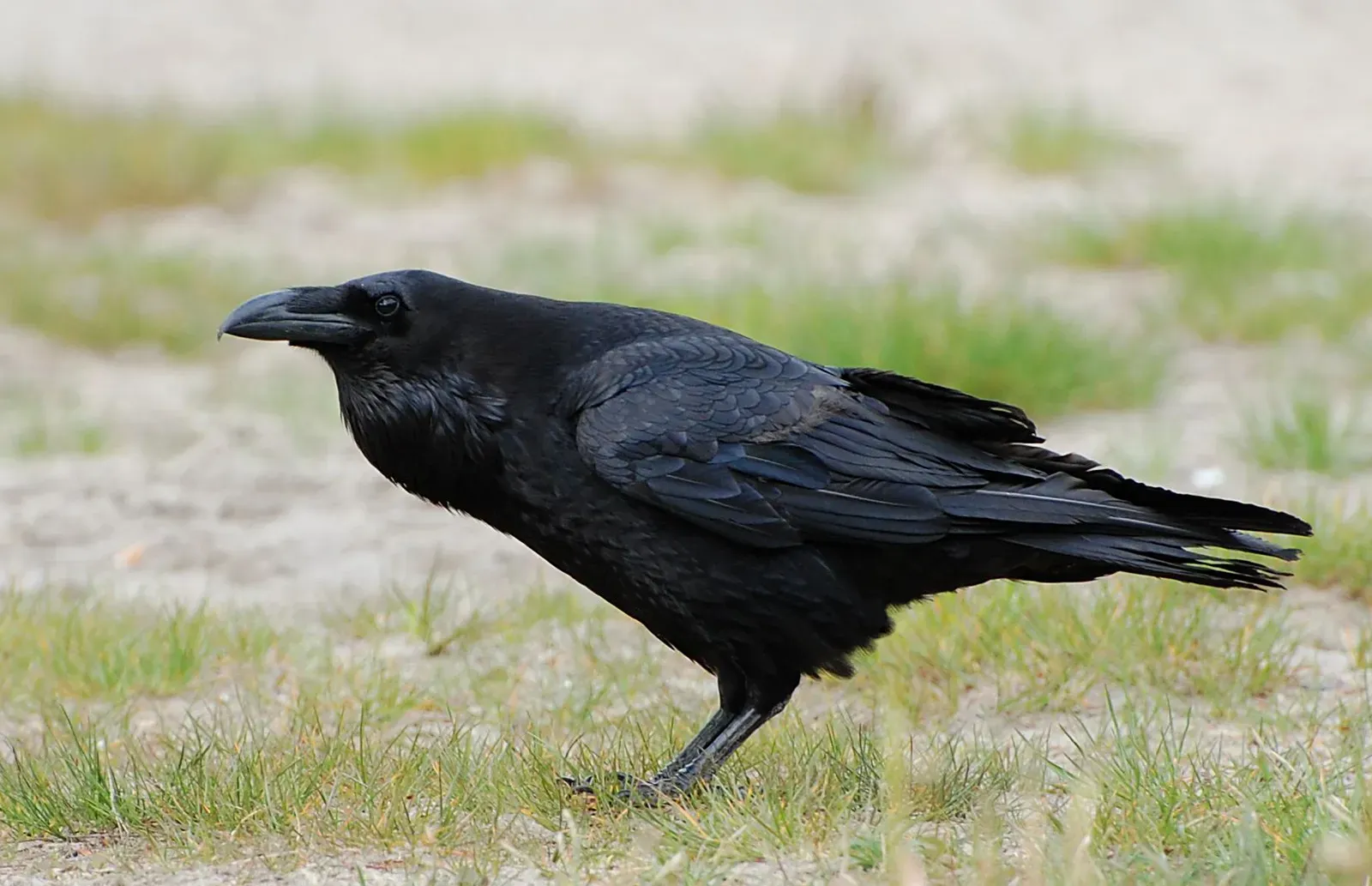
The fact that ravens can save tools for later challenges is more than a quirky bird fact; it is a data point in the bigger story of how intelligence evolves. If future‑oriented planning shows up in both primates and birds, it suggests that certain ecological pressures – like unpredictable food sources or complex social lives – might repeatedly push species toward similar cognitive tricks. Planning ahead is a powerful way to smooth out the chaos of the world.
In my view, the most humbling part is that this kind of intelligence did not require a primate brain. Ravens evolved it with feathers, wings, and flight, living lives that look nothing like ours. That strongly hints that our own ability to plan, save, and prepare is not some magical exception, but one version of a general solution evolution keeps rediscovering when surviving tomorrow depends on what you do today.
Beyond the Lab: Why Raven Planning Matters for Everyday Life and Ethics
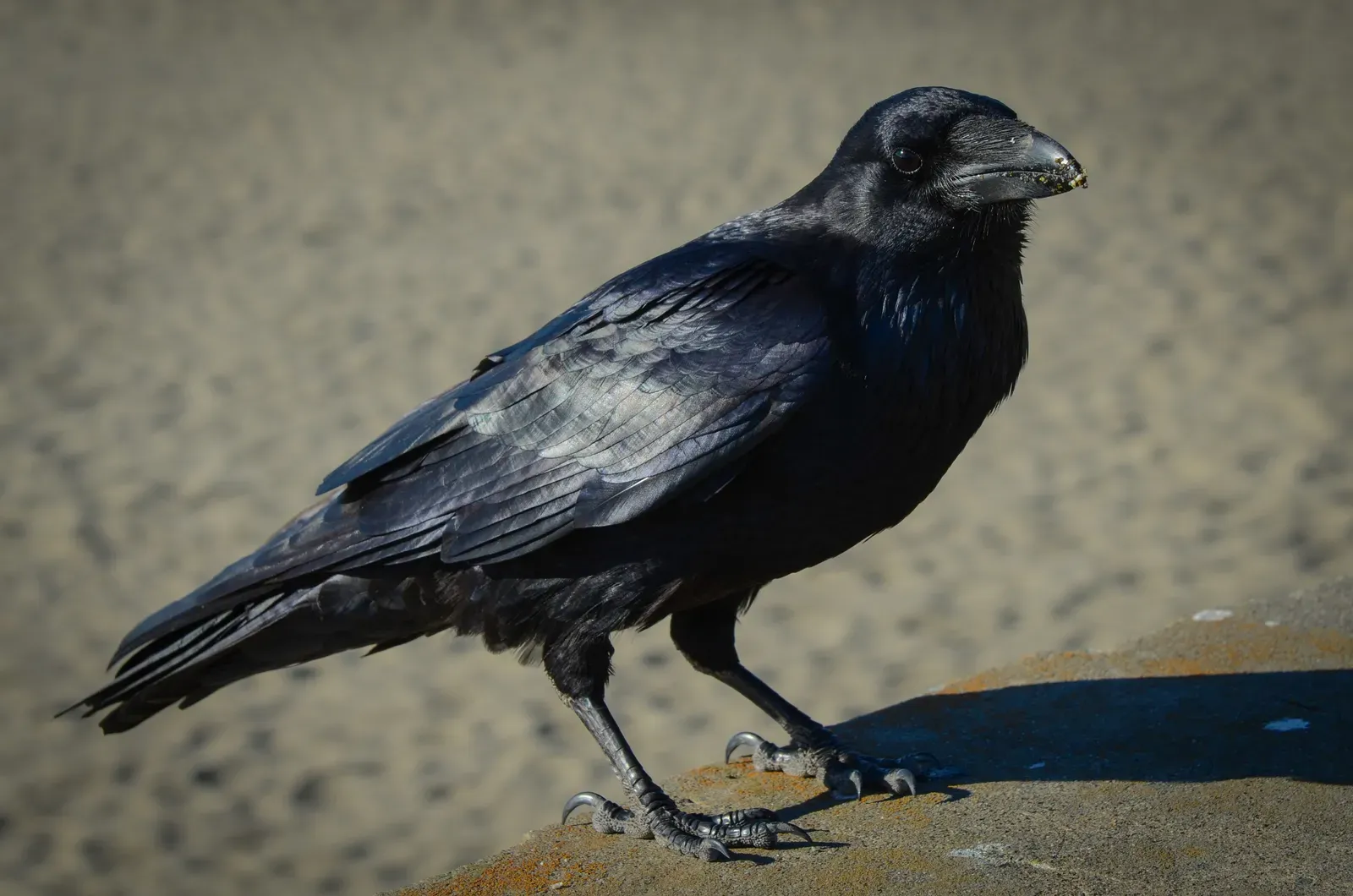
It might be tempting to treat all of this as just entertaining science trivia, something you remember for a bar conversation and then forget. But if ravens can think about future problems and manage their impulses to solve them, that has serious implications for how we treat them. A mind capable of future planning is not just reacting like a machine; it is experiencing the world in a richer, more layered way.
That should make us at least a little uncomfortable about how casually we dismiss or exploit animals with demonstrable mental sophistication. The more evidence we gather that some birds, mammals, and even fish can plan, learn, cooperate, and perhaps suffer in more complex ways, the harder it becomes to justify treating them as mindless background objects. Respecting a raven’s mind might start as a scientific conclusion, but it quickly becomes a moral question too.
Rethinking “Human Uniqueness” in the Age of Clever Birds
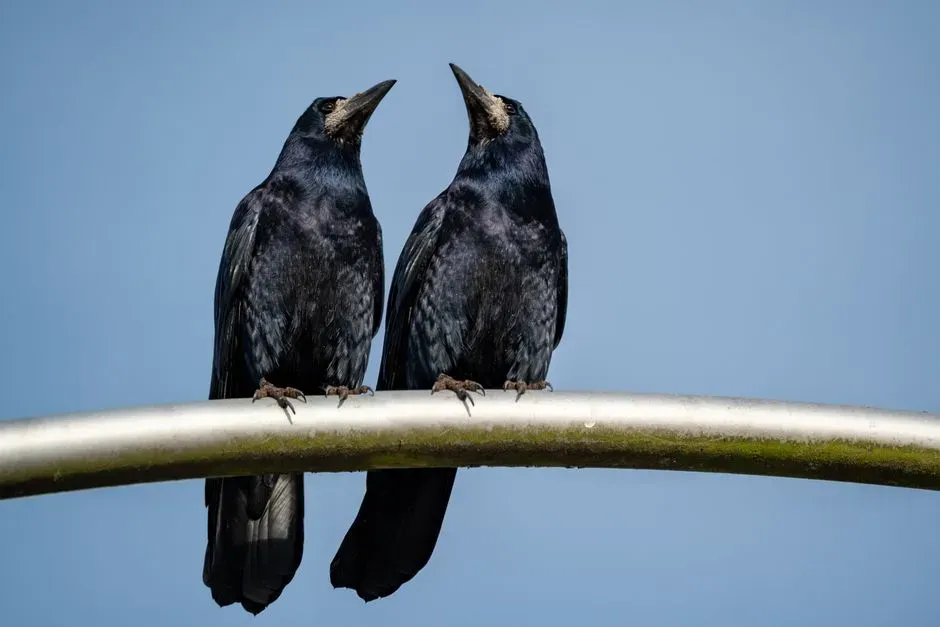
For centuries, humans have consoled themselves with the belief that certain abilities – language, tools, planning, culture – belonged only to us. Each decade of careful animal research seems to take another slice out of that comforting story. Ravens that stash tools for later problems are part of that slow erosion, alongside apes who fashion tools, dolphins who coordinate hunts, and elephants who seem to mourn their dead.
To me, that does not diminish humanity; it reframes it. Instead of sitting alone on a mental throne, we look more like the flashiest member of a surprisingly talented extended family. Our planning might be more elaborate and symbolic, but ravens remind us that the roots of foresight run deep in the tree of life. The question is no longer whether animals can think ahead, but how many ways evolution has found to make that possible – and whether we are ready to accept the answers.
Conclusion: If Ravens Can Plan for Tomorrow, What Excuse Do We Have?
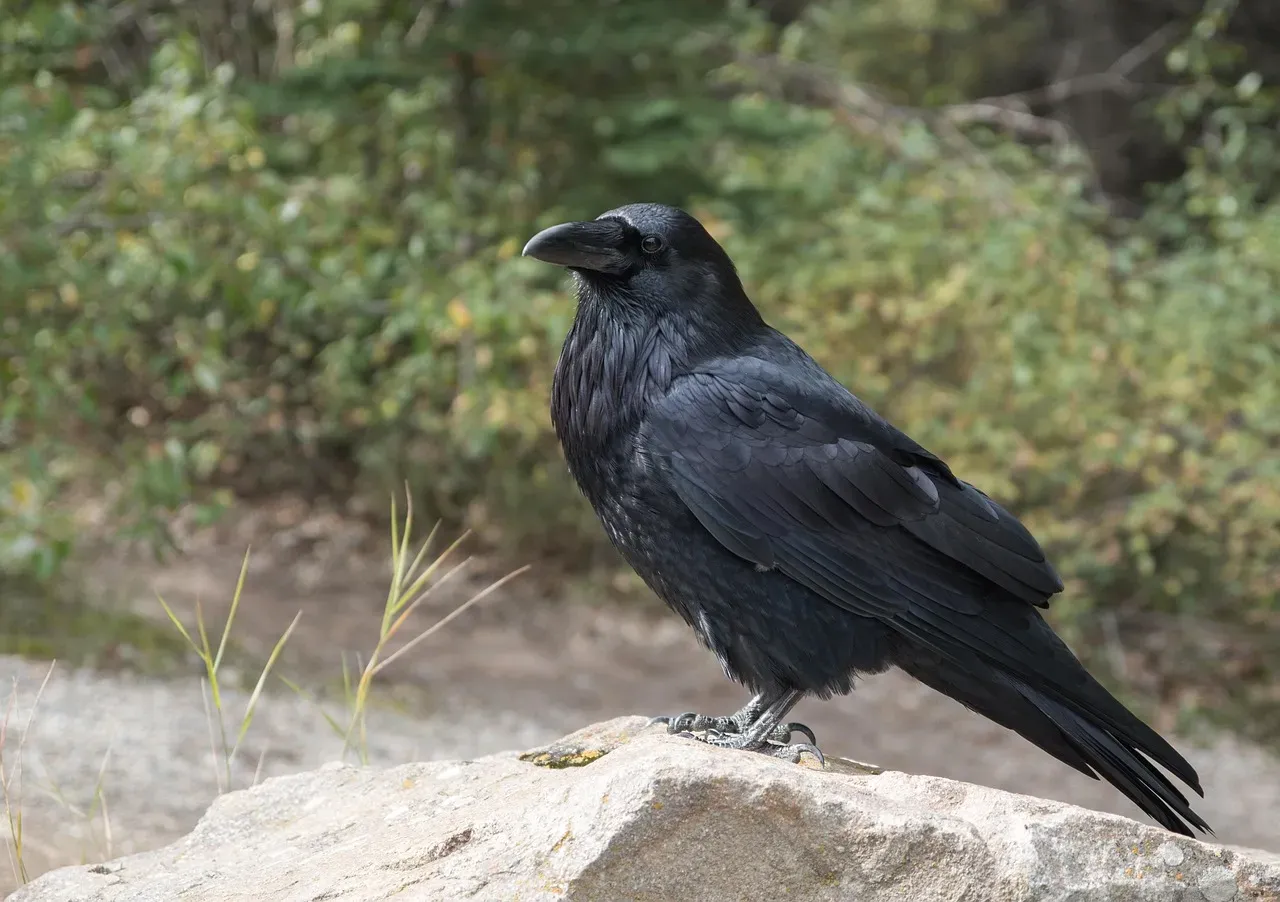
When I first read about ravens saving tools for future challenges, it felt like a quiet rebuke to human arrogance. These birds, often dismissed as noisy scavengers, are out there making future‑oriented decisions that many of us struggle with every day, from putting off unhealthy habits to saving money instead of spending it instantly. If a raven can delay gratification and prepare for a later payoff, our bar for what counts as “just an animal” has to rise, and quickly.
My opinion is blunt: discoveries like these should push us to treat certain animals less like moving scenery and more like fellow problem‑solvers navigating the same uncertain world. They force us to admit that planning, patience, and even a kind of hope for tomorrow are not our private property as a species. The real challenge now is not proving that ravens can think ahead – it is deciding how we, as supposedly the wisest animals around, plan to change our behavior in light of that fact. Did you expect a bird to be part of that conversation?