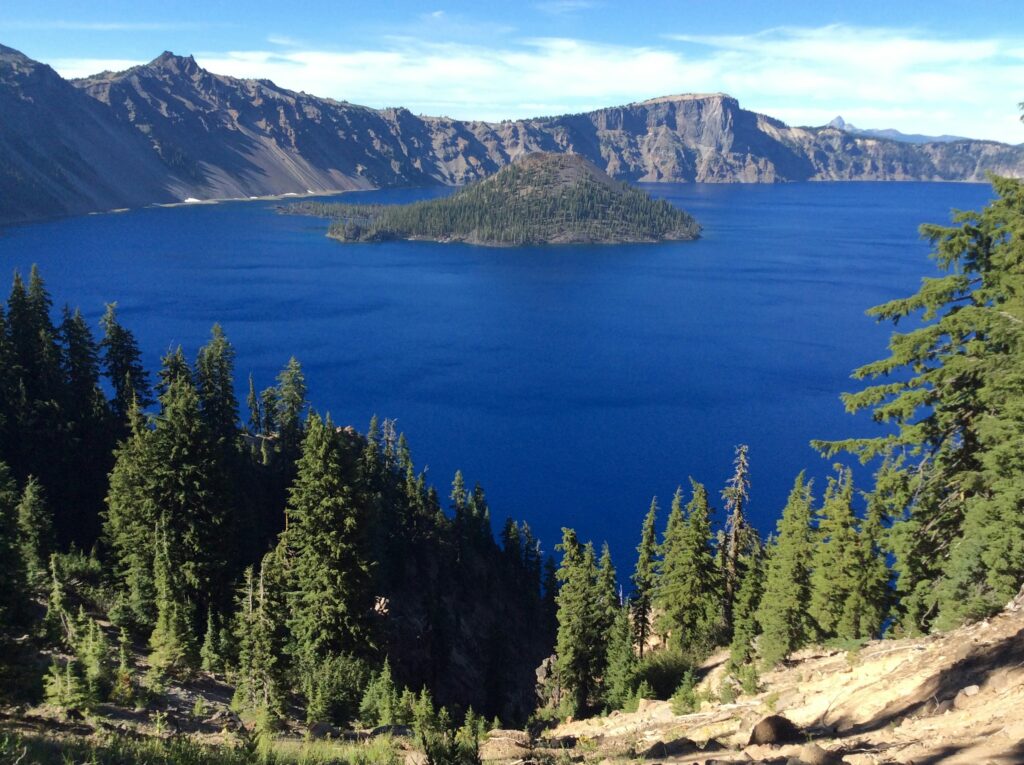
If you have ever stared into a deep blue lake and felt like it was looking back, Crater Lake will stay with you forever. It is beautiful in a way that feels unreal, like a portal sitting quietly on top of a broken mountain. The more you learn about it, the stranger and more dramatic its story becomes.
Hidden behind those calm waters is the violent history of a volcano that tore itself apart. What we see today is only the afterimage of an eruption so massive it erased a mountain from the map. Once you understand what happened under that clear blue surface, it is almost impossible to look at Crater Lake as “just a pretty place” again.
1. Crater Lake Sits Inside the Ruins of Mount Mazama
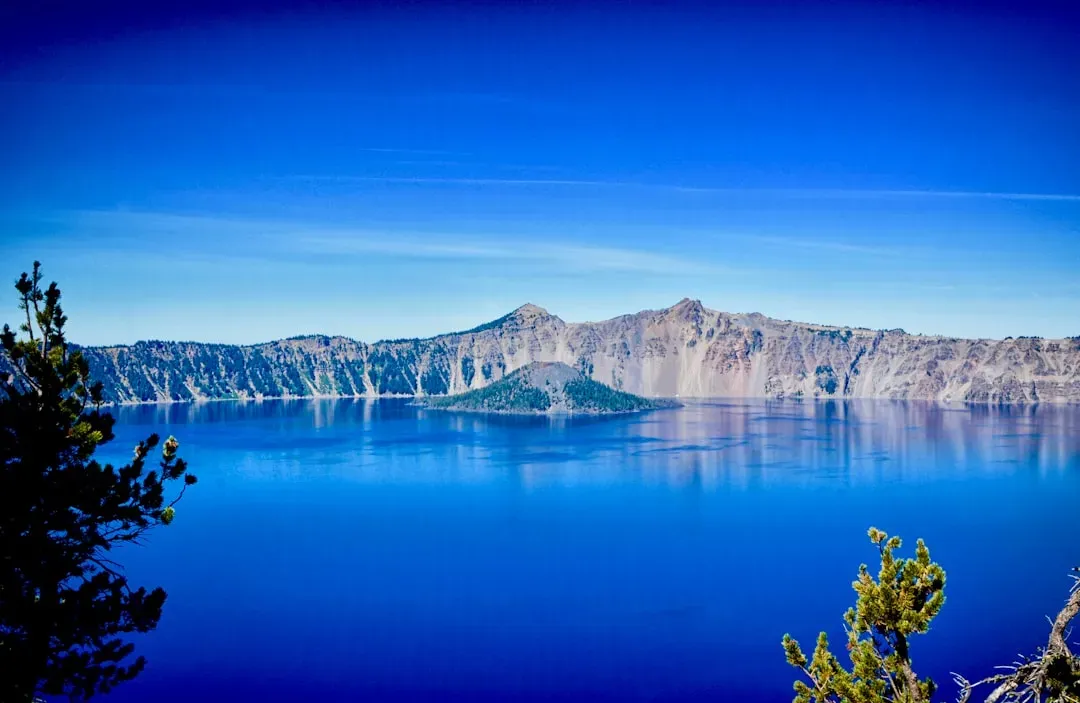
It surprises a lot of people to learn that Crater Lake is not just a lake in the mountains; it is literally the water-filled scar of a destroyed volcano. The basin it fills is called a caldera, the collapsed remnant of Mount Mazama, a huge stratovolcano that once towered far higher than anything you see there now. Imagine a mountain that may have rivaled the size of the biggest Cascade peaks, then picture its center suddenly caving in.
Mount Mazama used to stand where the lake now lies, built up slowly by layers of lava and ash over hundreds of thousands of years. When its internal magma system destabilized, part of the volcano emptied in a catastrophic eruption and the weight of the top could no longer be supported. Instead of a typical cone with a crater, you were left with a giant hole in the Earth, later filled by snow and rain. So when you stand at the rim, you are not just “by a lake,” you are literally on the broken edge of an ancient volcano’s missing summit.
2. The Mountain’s Collapse Was Triggered by a Colossal Eruption
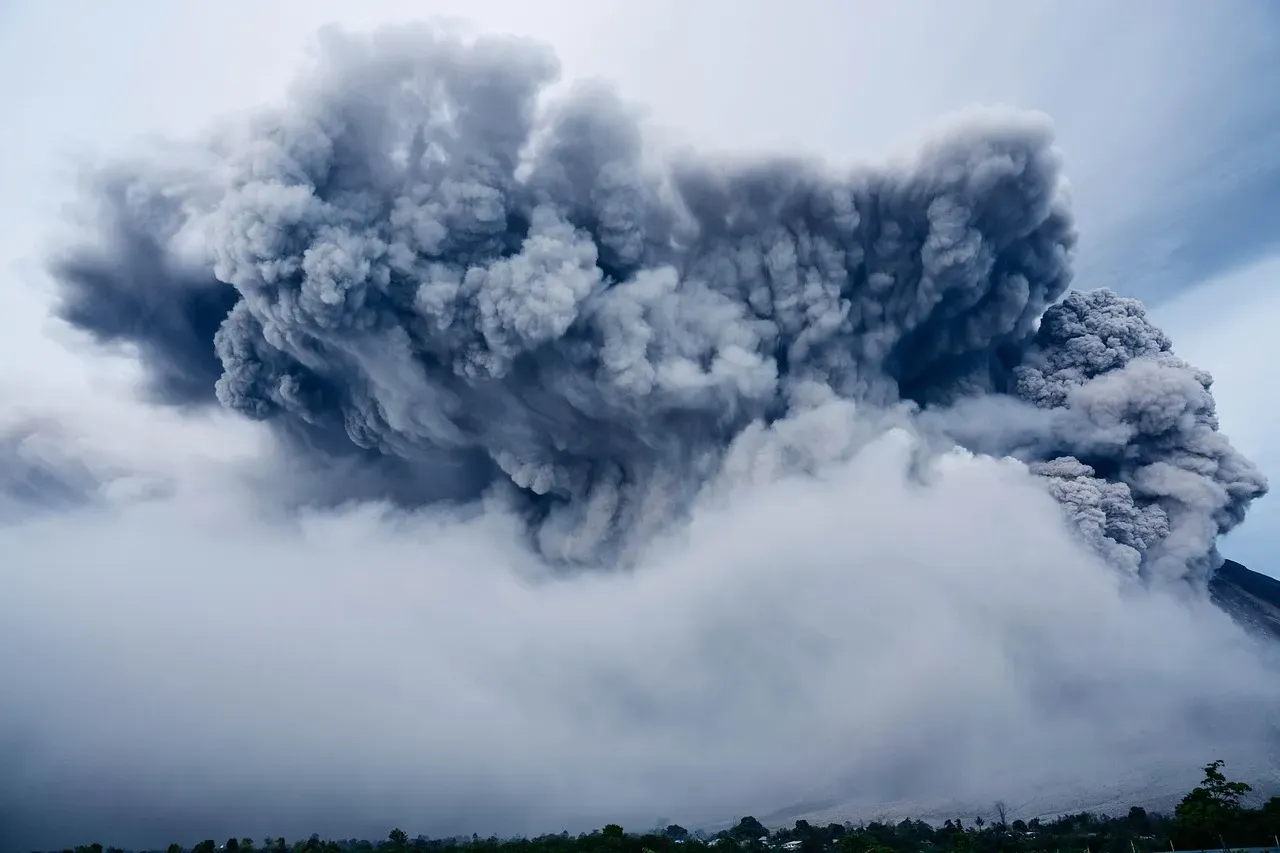
The story of Mount Mazama did not end with a gentle fade-out; it ended with an explosive collapse that was anything but subtle. Roughly around seven and a half thousand years ago, the volcano unleashed a massive eruption that blasted out an enormous volume of magma in a relatively short period. As that magma left the underground reservoir, the roof of the volcano lost support and began to sag, crack, and finally drop.
Instead of a single clean explosion, the volcano effectively hollowed itself out from the inside while continuing to erupt, and then gave way under its own weight. Mountains feel solid and permanent, but Mazama reminds us they are more like slowly breathing beasts made of rock and magma. The collapse did not just create a depression; it reshaped the surrounding landscape, burying valleys in ash and rock and sending pyroclastic flows racing across what is now the Pacific Northwest. Crater Lake is the quiet, blue echo of that wild, destructive event.
3. Crater Lake Is One of the Deepest Lakes in the World
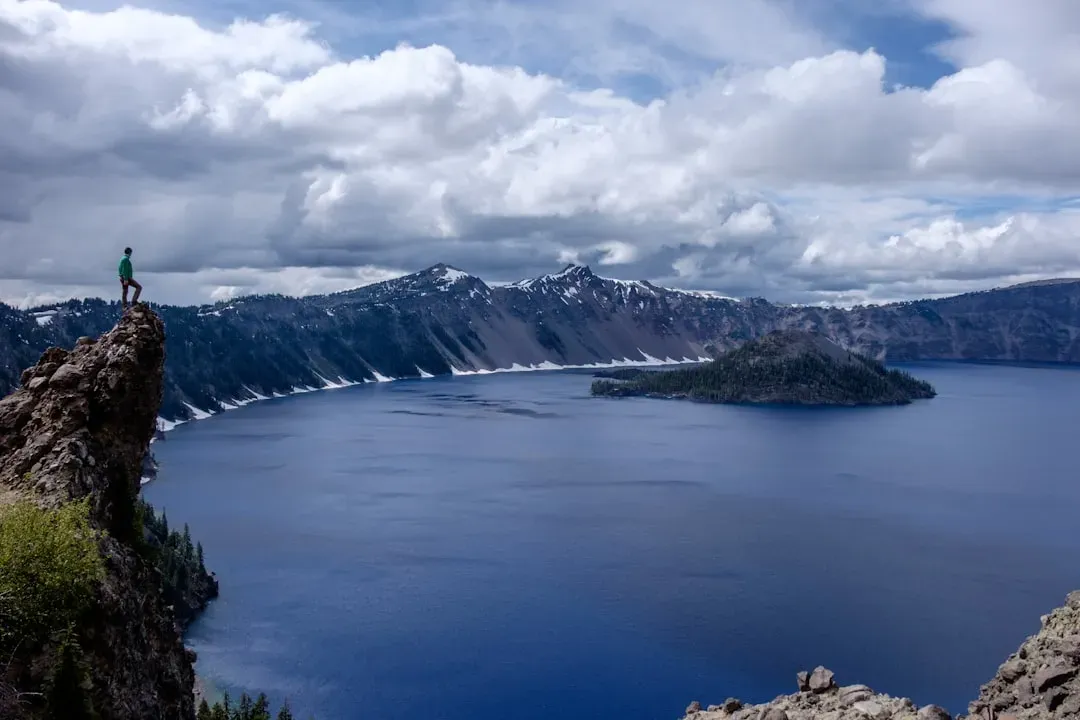
One of the numbers that really sticks with people is just how deep Crater Lake actually is. It is the deepest lake in the United States and ranks among the deepest on the planet, plunging nearly two thousand feet from surface to floor. If you dropped a skyscraper or a city block in there, entire sections would disappear beneath the water without a trace from above.
That depth is a direct result of the caldera’s violent birth rather than slow erosion like many other lakes. Instead of being carved by ice or rivers, the basin was dropped into place almost all at once when the volcano collapsed. Over time, snowmelt and rain filled this massive bowl from the inside, making what looks like a placid mountain lake but is more like a flooded geological wound. The incredible depth is also one reason the water has that intense, almost shocking shade of blue you see in photos.
4. Its Astonishing Blue Color Comes from Extreme Clarity
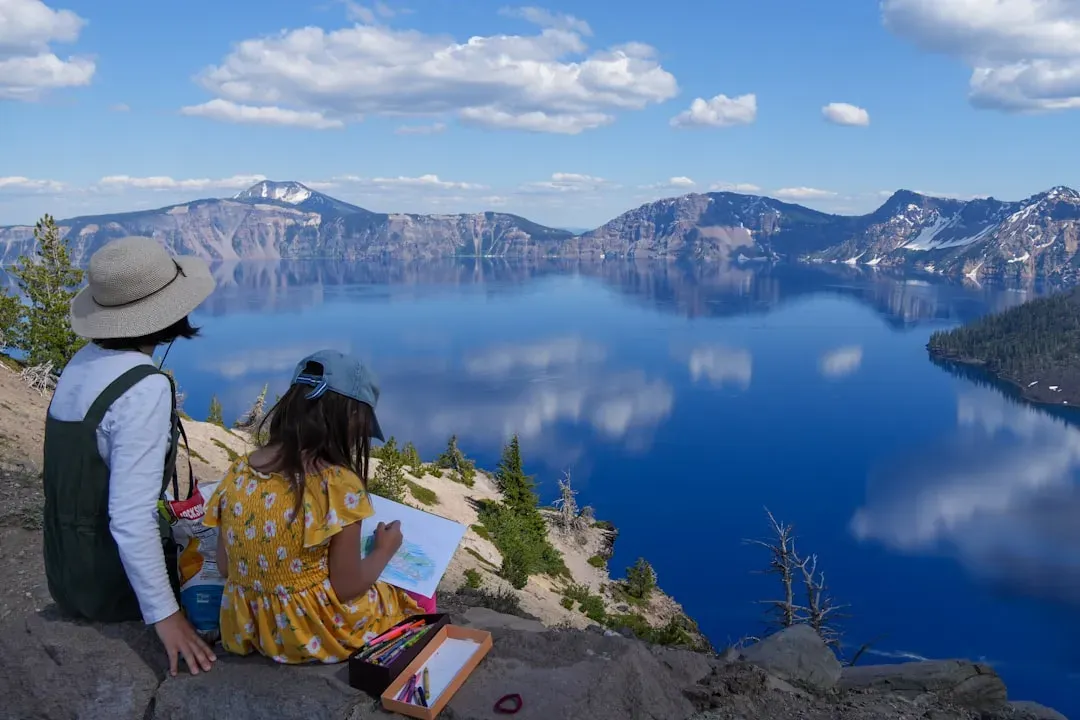
Almost everyone who visits Crater Lake ends up saying some version of the same thing: the color does not look real. That deep, luminescent blue is not a filter or a camera trick; it comes from how pure and clear the water is. Because the lake has no major rivers flowing into it, there is very little sediment, pollution, or organic material clouding the water, so sunlight can penetrate deeply.
As sunlight travels through that clear water, the red and yellow parts of the spectrum are absorbed more strongly, leaving the shorter blue wavelengths to be scattered back to your eyes. The result is that striking, almost electric blue that feels like staring into a gemstone rather than a body of water. On calm days, when the sky is clear and the wind is low, the lake becomes an immense natural mirror, reflecting the crater walls and sky in a way that feels almost cinematic. It is one of those places where basic physics quietly puts on a world-class art show.
5. The Lake Is Fed Almost Entirely by Snow and Rain
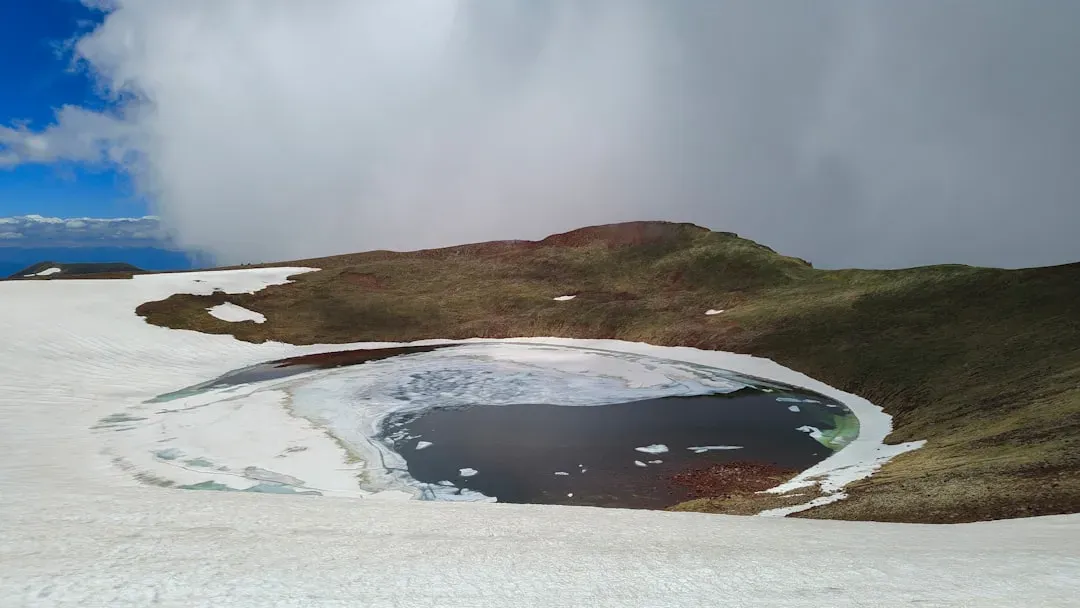
One of the most underrated facts about Crater Lake is how isolated it is from the usual plumbing of rivers and streams. There are no big rivers flowing in or out; the lake is sustained almost completely by precipitation falling directly into the caldera and running off the inner walls. That might sound fragile, but it creates an incredibly self-contained system that is surprisingly stable over long periods.
Because there is no major inflowing river bringing in mud, silt, and pollutants, the lake stays exceptionally clear and relatively unpolluted. At the same time, water leaks slowly out through underground seepage and evaporation, balancing the incoming snow and rain so that the water level does not just keep rising forever. It is a bit like a huge mountain-scale bathtub filled from the sky, with hidden drains in the rock keeping it from overflowing. That water cycle makes Crater Lake feel both wild and strangely pristine, even in a world where so many lakes and rivers are clearly impacted by human activity.
6. Wizard Island Is a Newer Volcano Growing Inside the Old One
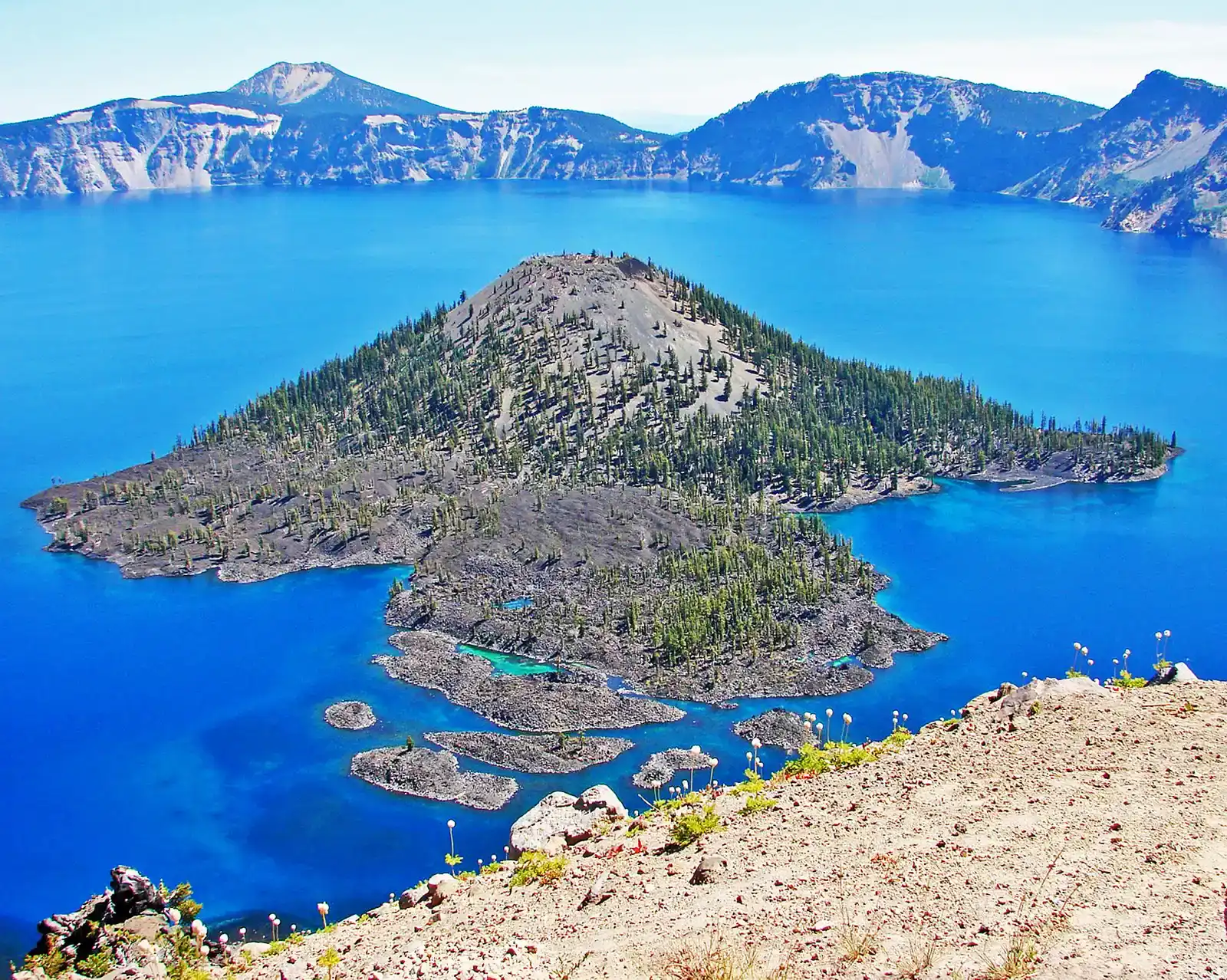
If you have ever seen photos of Crater Lake, you have probably noticed the rugged, tree-covered island that looks like a little volcano in the middle of the water. That is Wizard Island, and it is not just a random chunk of rock; it is a cinder cone, basically a younger volcanic feature that erupted after the main caldera had already formed. In a way, it is the “child” of Mount Mazama, growing up inside the ruins of its parent.
After the massive eruption and collapse, magma did not simply disappear forever; it continued to move and find paths toward the surface. Over time, smaller eruptions built Wizard Island, as well as other submerged cones that never quite breached the water’s surface. That means Crater Lake is not a fossil frozen in time but part of a continuing volcanic story. You are literally looking at a place where destruction and renewal are both written into the landscape: a drowned volcano with a younger, smaller volcano rising from within.
7. The Area Still Shows Signs of an Active Volcanic System
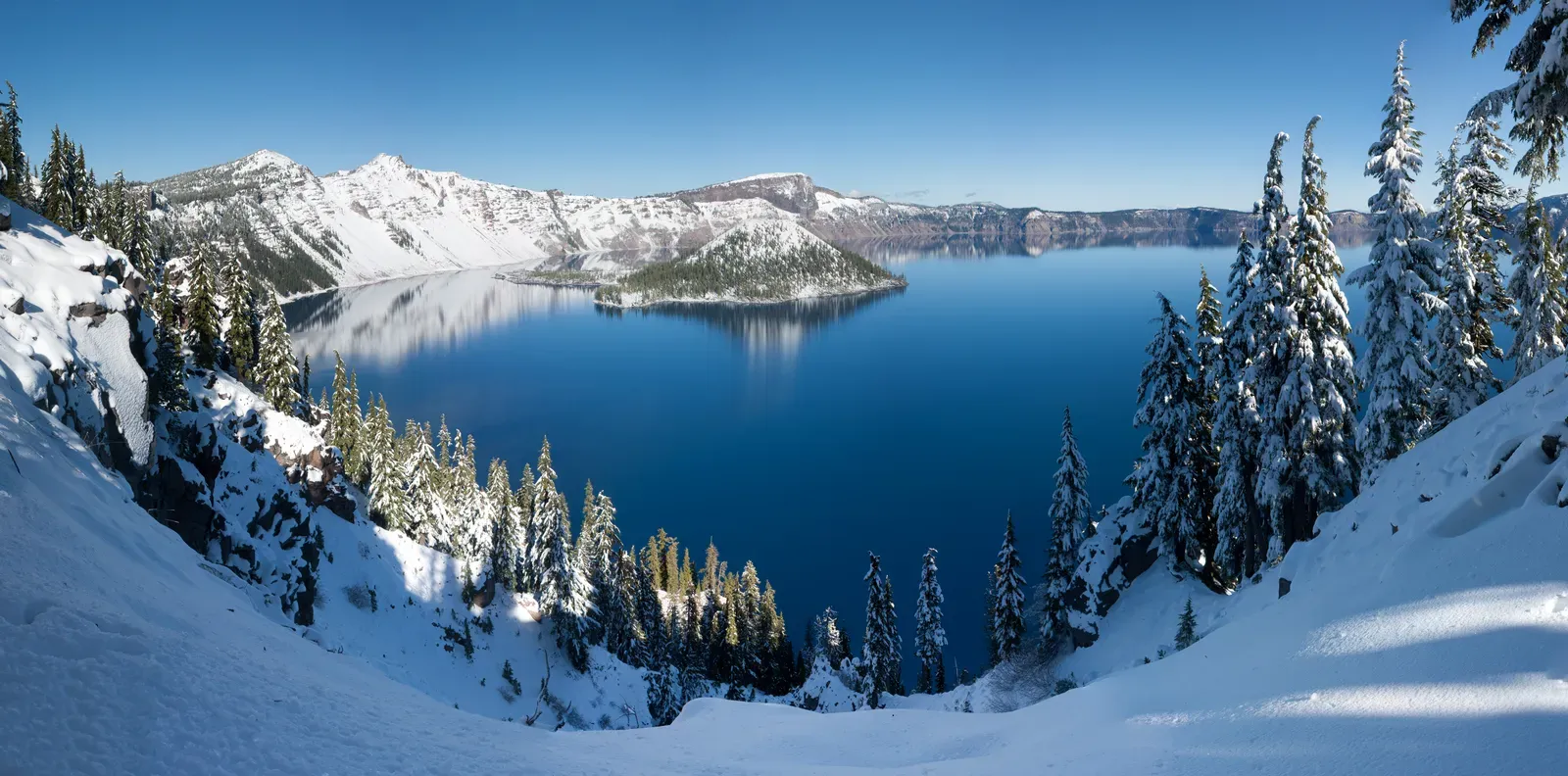
It is tempting to think of Crater Lake as something finished and safely in the past: the big eruption happened, the mountain collapsed, and now we just have a scenic lake. The reality is more interesting and a little more unsettling. Mount Mazama may be gone as a towering peak, but the volcanic system beneath it is not dead, only quiet. Scientists have recorded subtle earth movements and thermal activity that suggest magma still resides deep below.
That does not mean Crater Lake is on the edge of disaster, but it does mean it is an active volcanic area in a long geological sense. The crust under the caldera can still shift and heat underground water, and in theory, future eruptions, likely smaller ones, could occur. The place you hike, photograph, and kayak is not just a pretty backdrop; it is an exposed part of the Earth’s restless engine. I find that strangely thrilling rather than frightening: the idea that beneath that calm blue surface, the planet is still very much alive and thinking about its next move.
8. Indigenous Stories Preserve a Human Memory of the Eruption
Crater Lake is not only a geological story; it is a human story that stretches back long before modern science. Indigenous peoples of the region, including the Klamath, have oral traditions that describe a great volcanic event and a mountain that was destroyed in a violent battle of powerful beings. When you realize these stories likely refer to the actual eruption and collapse of Mount Mazama, they take on a stunning depth and weight.
These traditions are not lab reports or satellite data, but they represent observations, memories, and meaning carried forward over countless generations. They tell us that people were living in the region when the volcano erupted and tried to make sense of the terror and wonder they witnessed. Standing at the rim today, it is worth pausing to imagine what it felt like to see the sky darken, the mountain vanish, and the world remake itself. For me, that human link makes Crater Lake feel less like a remote natural spectacle and more like a shared historical event we are still learning to understand.
9. The Caldera Walls Reveal Layers of Volcanic History
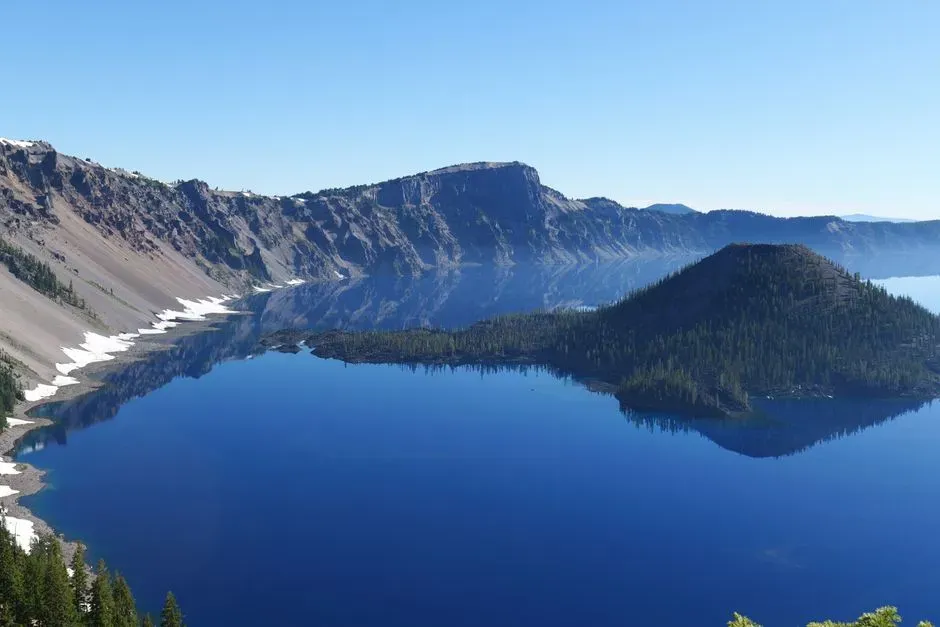
When you look down into Crater Lake, your eye is naturally drawn to the water, but the real story is written in the walls of the caldera. Those steep inner slopes are like a cutaway diagram of a volcano, exposing layers of lava, ash, and fragmented rock laid down by earlier eruptions. Each band and color change represents a chapter in Mount Mazama’s long, complicated life before its final collapse.
Geologists can study those layers to reconstruct the volcano’s behavior over time: which eruptions were gentle and effusive, which were explosive, how the chemistry of the magma evolved, and how the structure of the mountain changed. It is a bit like reading a biography etched in stone instead of words. For curious visitors, simply knowing that those striped cliffs are a time machine in cross-section changes how you see them. They are not just scenery; they are evidence, like a stack of ancient journals the volcano accidentally left open for us to read.
10. Crater Lake Proves That Catastrophe Can Create Beauty
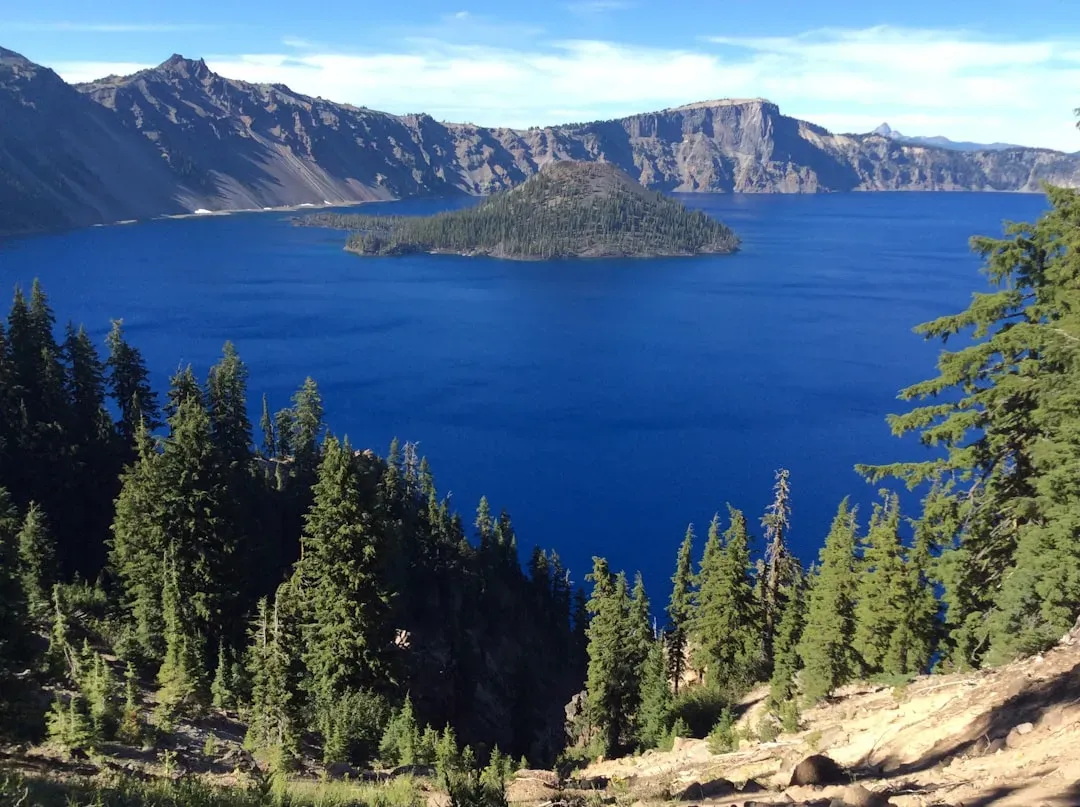
Maybe the most striking thing about Crater Lake is the contrast between its origin and its appearance. A place born from ash clouds, collapsing rock, and searing flows of superheated gas is now one of the calmest, most visually soothing landscapes you can visit. It is a reminder that Earth’s most frightening moments can, over long stretches of time, give rise to extraordinary forms of beauty. The same eruption that destroyed Mount Mazama also cleared the way for this unexpectedly peaceful, blue jewel.
To me, that is the deeper lesson buried under all the measurements and scientific terms: landscapes, like lives, can be shaped by violence and upheaval and still end up astonishingly beautiful. Crater Lake is not beautiful despite its catastrophic past; it is beautiful because of it. The next time you see a photo of that impossibly blue water, you will know there is a vanished volcano, a living magma system, and thousands of years of human memory hiding underneath the surface. In a world that often feels fragile and chaotic, does it not feel strangely comforting to know that even the collapse of a mountain can, eventually, become a place of wonder?