Every so often, archaeology pulls something out of the sand that feels almost impossible. The 3,000-year-old “Lost Golden City” of Aten, buried near Luxor, is one of those finds. Streets, workshops, houses, pottery, even leftover food seemed to reappear almost overnight, as if someone had simply hit pause on daily life in the age of pharaohs and walked away.
When I first read about Aten, I remember stopping mid-article and thinking: this is the closest we may ever get to walking through a New Kingdom neighborhood at rush hour. Yet beneath the headlines and the dramatic photos, there is a quieter, more intriguing question: how does a thriving, industrial royal city like this simply disappear? The science is still catching up to the mystery, but what we already know is compelling enough to feel both haunting and strangely intimate.
The Day a Golden City Stepped Out of the Sand
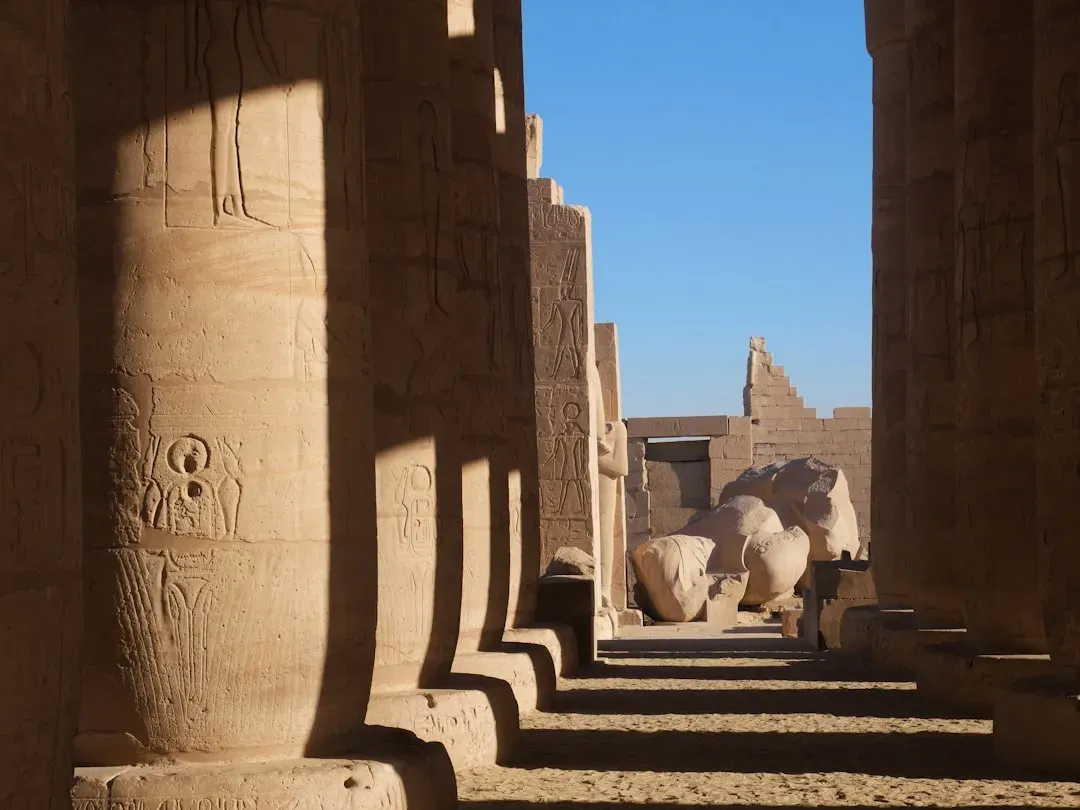
Imagine expecting to find a mortuary temple and instead hitting the corner of a city wall. That is essentially what happened in 2020, when excavations between the temples of Amenhotep III and Ramses III near Luxor uncovered mudbrick formations stretching in every direction. Within weeks, streets, courtyards, storage rooms, and homes emerged in a state of preservation that stunned even seasoned Egyptologists. Tools lay where they were last used, storage jars still lined up like someone might wander back for them after lunch.
The city, formally called The Rise of Aten, dates to the reign of Amenhotep III in the Eighteenth Dynasty, roughly the fourteenth century BCE. It sits on the west bank of the Nile at ancient Thebes, not far from the Valley of the Kings. Archaeologists quickly realized they were not looking at a tiny workmen’s settlement but a sprawling urban and industrial complex connected to the royal court. The sheer speed of the discovery, and the completeness of everyday life frozen in place, led some to call it Egypt’s answer to Pompeii.
Life in the Shadow of Amenhotep III’s Golden Age
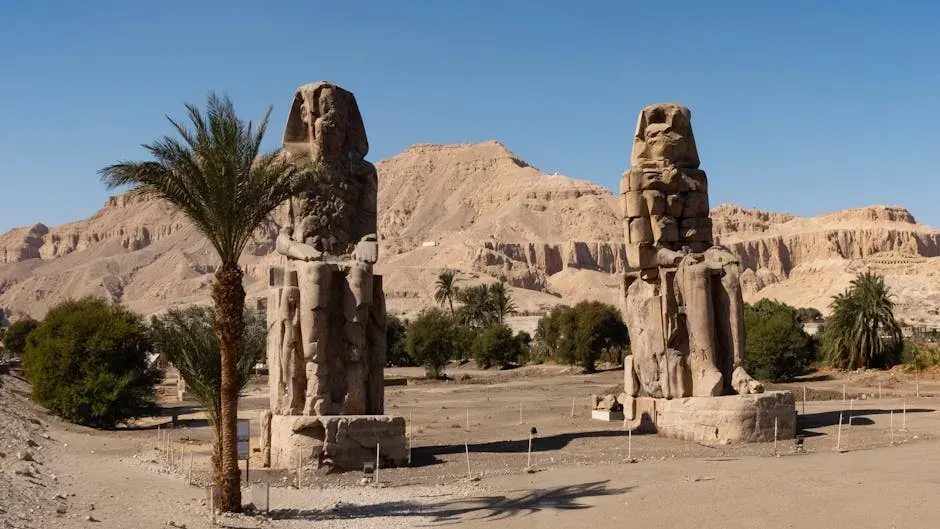
To understand why Aten mattered, you have to picture the world of Amenhotep III. His reign is often described as a high point of wealth and stability in pharaonic history, when Egypt controlled vast territories and extracted tribute from as far away as the Levant and Nubia. That flow of resources fueled a building boom and a dazzling court culture centered at Thebes. Aten appears to have been one of the main engines behind that splendor: a place where raw materials were turned into the objects that filled palaces and temples.
Excavations have revealed distinct neighborhoods: residential zones with houses and courtyards, industrial quarters with kilns and work platforms, and administrative areas marked off with walls and sealed entrances. Evidence from tools and debris points to activities like metalworking, glassmaking, meat processing, textile production, and the crafting of jewelry and amulets. In simple terms, this was not a sleepy village but a humming, specialized production hub that helped sustain the image of royal power the outside world saw.
Streets, Workshops, and the Archaeology of Daily Life
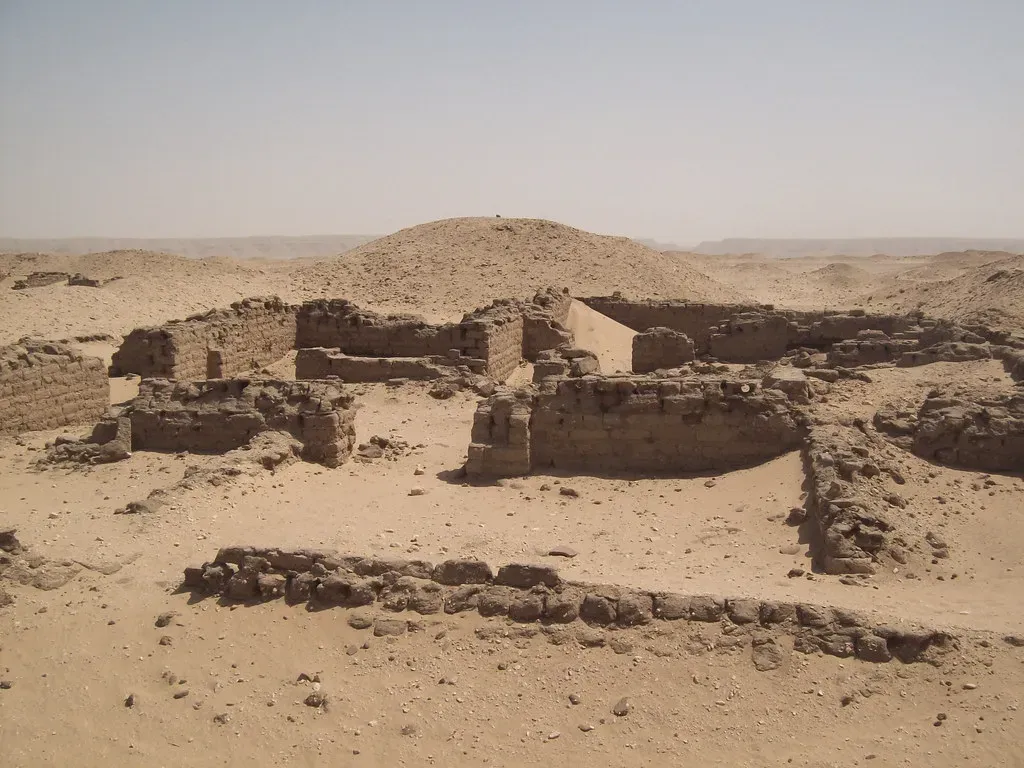
One of the most surprising things about Aten is how familiar it feels when you strip away the three thousand years. Archaeologists have identified streets running between rows of houses built from standardized mudbricks, some bearing seals of Amenhotep III. Doorways open onto small courtyards where cooking took place, with bread ovens and storage jars still in position. In several rooms, sets of pottery were found just as they had been left, suggesting a sudden or at least orderly departure rather than slow decay and looting.
Workshops tell an even richer story. There are spaces clearly used for large-scale food preparation, including areas for drying or curing meat. Other zones show evidence of textile work, leatherworking, and the manufacture of sandals and clothing. Traces of glass and metal production hint at more advanced crafts, the kind that produced luxury items for temples and elite households. When you imagine the noise – grinding stones, hammering, voices shouting orders – it feels less like a ruin and more like a snapshot of a living factory town abruptly silenced.
Why Was It Called the “Lost Golden City” of Aten?
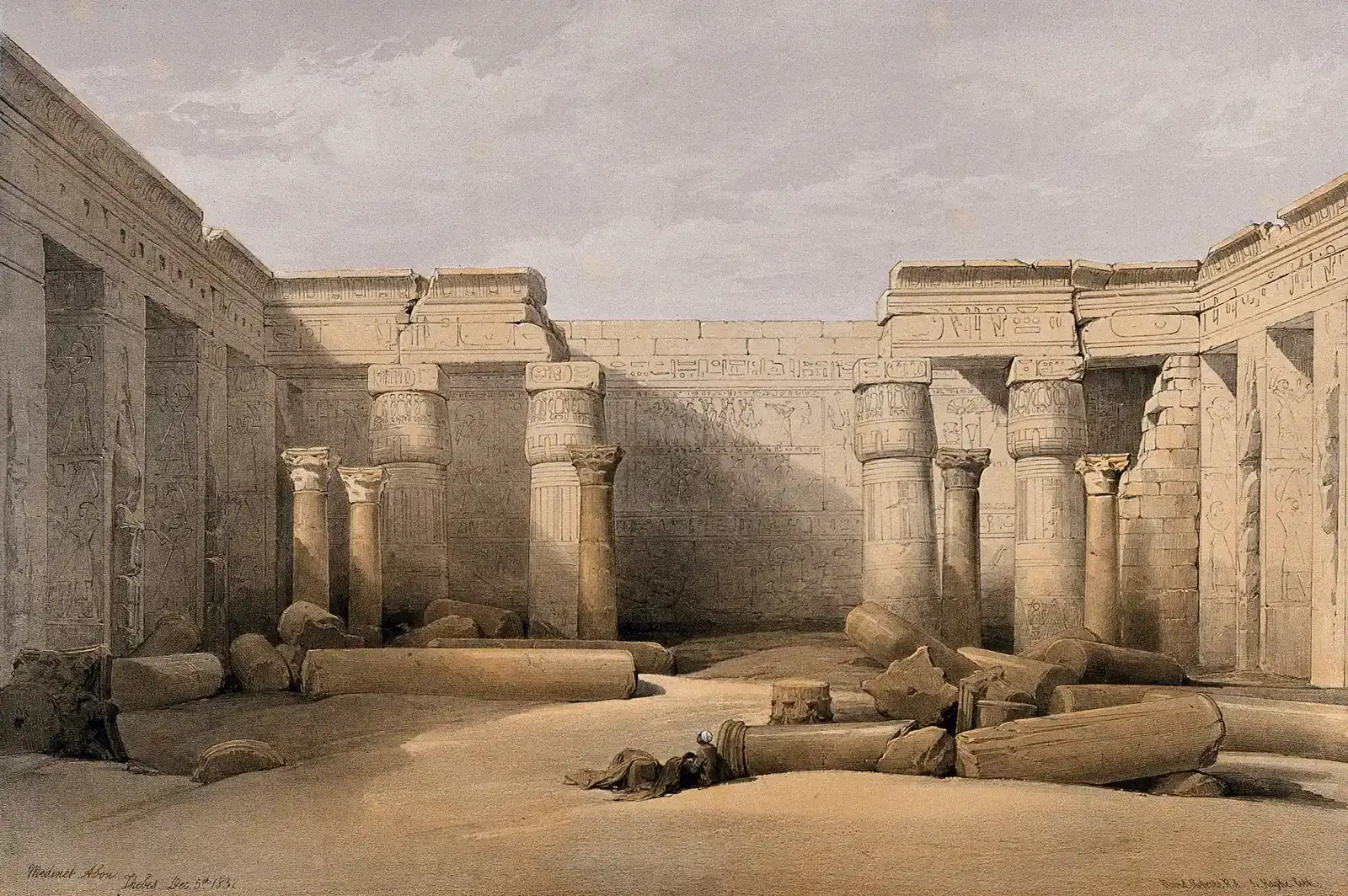
The name itself can be confusing if you are used to thinking of Aten purely as the sun disk worshipped under Akhenaten. In this case, the “golden” part refers to the city’s flourishing during what some scholars call the golden age of the New Kingdom, and also to the wealth and craftsmanship evident in the finds. The “lost” part is brutally literal: this extensive city was completely buried under desert sands for roughly three millennia, despite lying in one of the most heavily explored parts of Egypt.
Inscriptions found on artifacts reveal that the site’s ancient name linked it to Aten, and the modern excavation team adopted The Rise of Aten as its working title. The label “Lost Golden City” quickly caught on in global media, partly because it evokes both splendor and disappearance. There is also an uncomfortable undertone to that name: it reminds us how much of Egypt’s urban world has simply vanished from view, leaving temples and tombs to dominate our picture of the past until sites like this change the story.
Clues Frozen in Time: Pottery, Jewelry, and Animal Bones
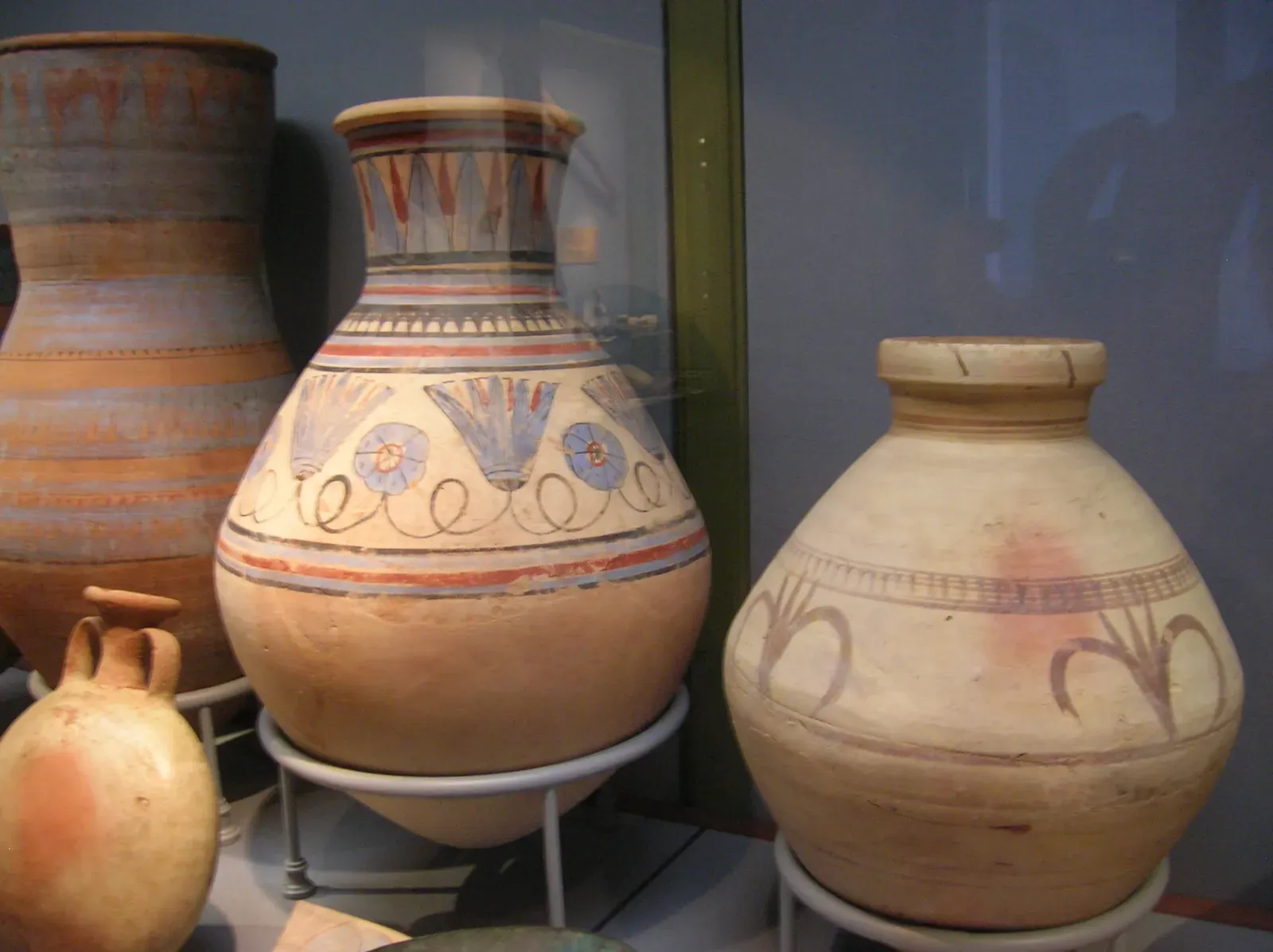
Archaeologists love Aten not only because it is big, but because it is messy in exactly the right way. Rooms turned up with storage jars still sealed, sometimes with residue inside, allowing specialists to study what people were eating and storing. Pottery styles help pin down dates and trade links, especially when scientists can match clays or shapes to known production centers. Scarab amulets, rings, and decorative pieces surface from houses and workshops, shedding light on personal taste and religious practices that rarely get recorded in official inscriptions.
Animal bones lying in middens and work areas help reconstruct diet, ritual, and industry. Some bones show marks from butchery, others from industrial use, such as leather or glue production. Combined with botanical remains like seeds and charcoal, these finds let researchers sketch out supply chains, from herds and fields to kitchen and temple. It is one thing to know in theory that the New Kingdom economy was complex; it is another to see fingerprints of that complexity in the trash heaps of an abandoned city.
Aten in the Middle of Egypt’s Religious Upheaval
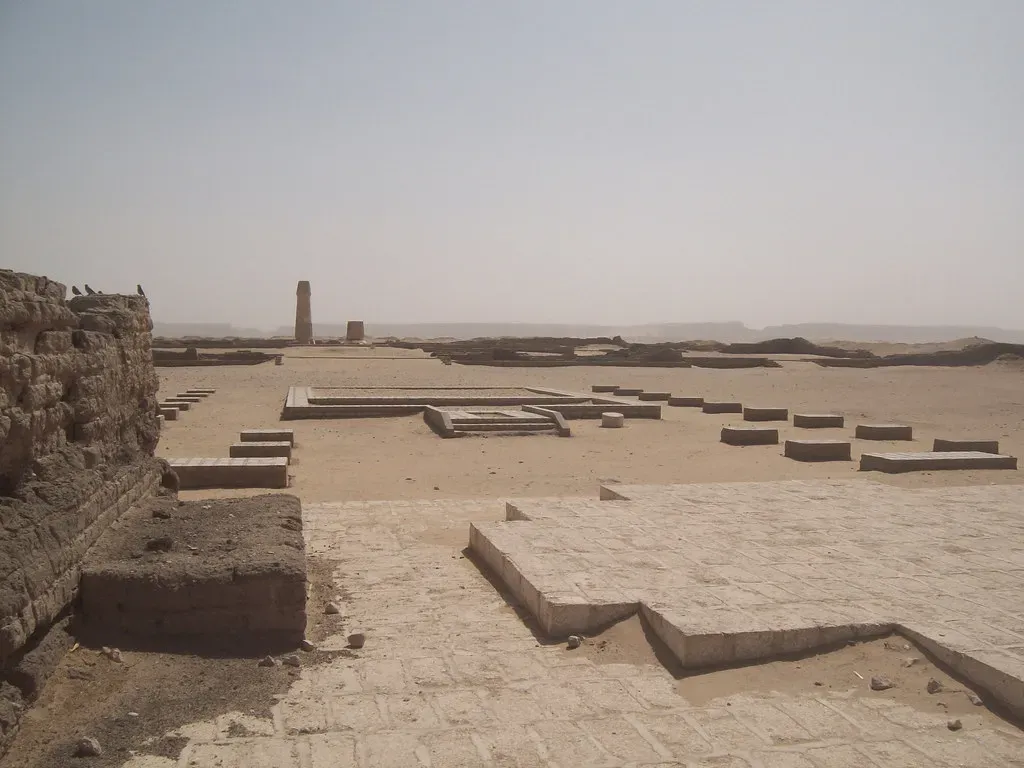
The timing of Aten’s occupation throws it right into one of the most dramatic religious shifts in Egyptian history. Amenhotep III’s son, the future Akhenaten, would later promote an exclusive focus on the sun disk Aten and move the royal capital to a brand new site at Amarna. Evidence from the lost city suggests it continued in use into Akhenaten’s time and possibly under later rulers like Tutankhamun and Ay. That means this place lived through the transition from traditional polytheism to Aten-centered worship and back again.
Some scholars hope Aten will provide ground-level evidence of how those changes affected real people beyond the royal court. Did artisans in the city suddenly start producing different images, altars, or religious objects? Do layers of building and rebuilding reflect the tug-of-war between old and new cults? The answers are still unfolding, and it is important to be honest: so far, the picture is fragmentary. But the very fact that a major production center linked to Amenhotep III and Akhenaten survived in such good condition makes it a unique laboratory for testing big ideas about ideology and everyday life.
How Does a Thriving City Vanish? The Scientific Approach
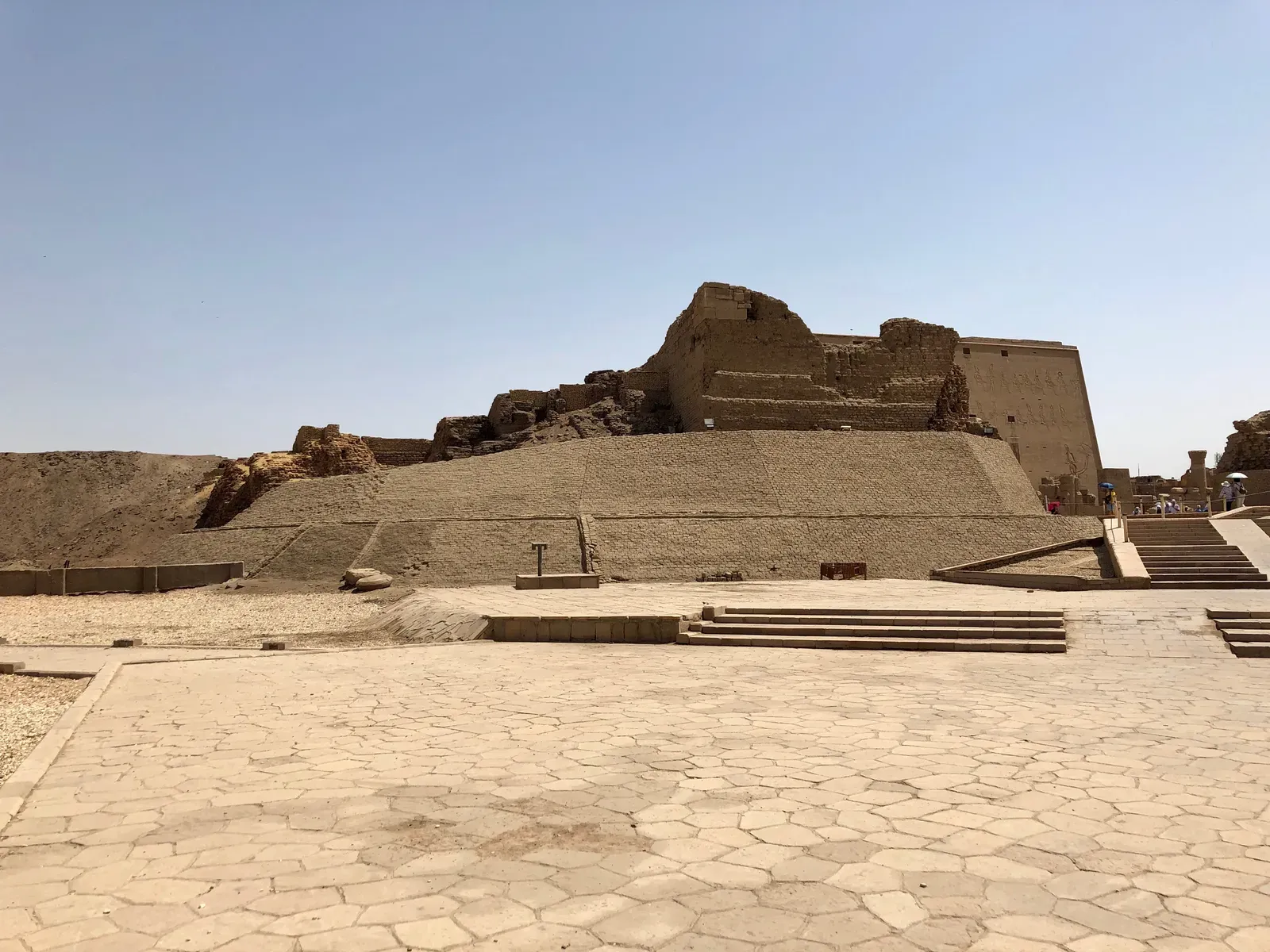
Here is the heart of the mystery: Aten clearly bustled with activity, then at some point, people stopped using it. So how does science tackle that question without slipping into romantic stories? First, archaeologists look for signs of violent destruction – burn layers, collapsed walls, skeletons caught in sudden catastrophe. So far, Aten does not scream disaster. Instead, what we see looks more like controlled abandonment: valuables removed, some tools and equipment left in place, structures gradually reclaimed by windblown sand.
Researchers also layer in other data sets. Radiocarbon dating of organic material can refine the time range of occupation and abandonment. Ceramic sequences tell whether certain areas phase out earlier than others. Soil analysis might reveal episodes of flooding or environmental stress, while satellite imagery and geomorphological studies can track shifts in the Nile’s course or local water tables. None of this gives a dramatic single answer, but together it builds a sober, evidence-based story of how a functioning city can fade without fanfare.
The Capital Moves: Political Decisions and Urban Ghosts
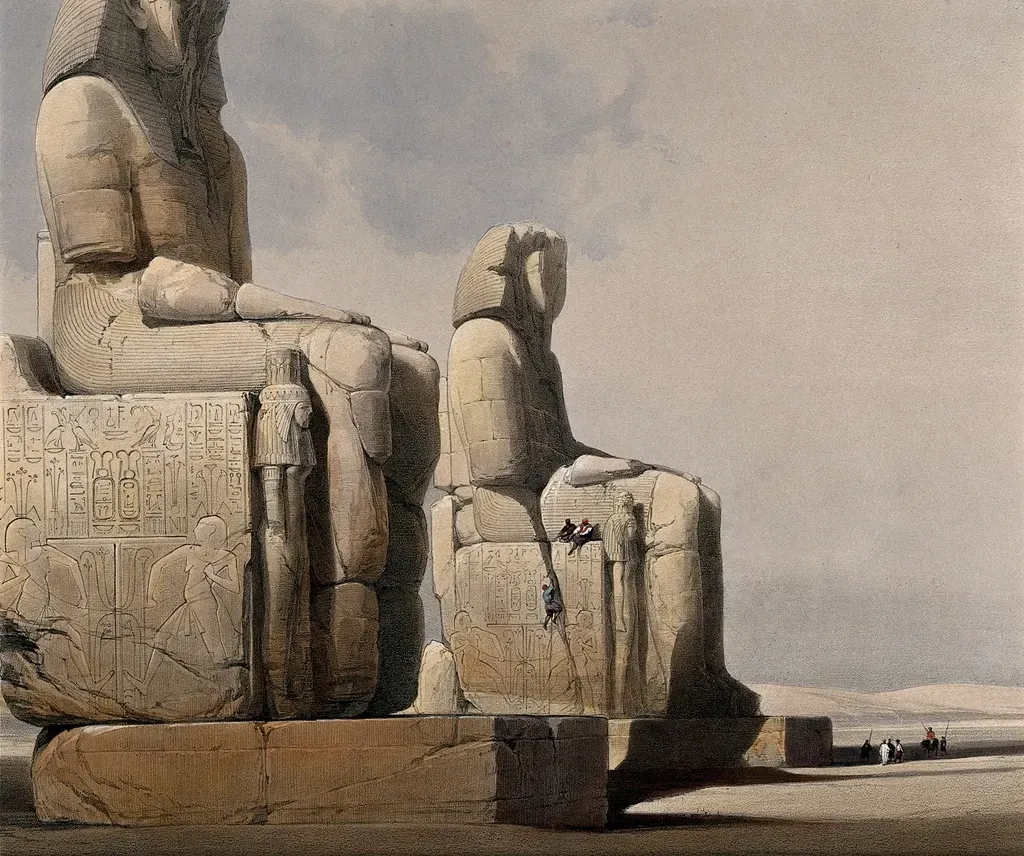
One of the simplest, and most likely, explanations for Aten’s disappearance is political choice. When Akhenaten decided to found his new capital at Amarna, he pulled royal attention, resources, and personnel away from Thebes. Cities orbiting the court would have felt that gravitational shift immediately. Workshops that once served Amenhotep III’s building projects may have seen orders dry up, while elite households relocated to follow power and favor. In that scenario, Aten’s decline would be an economic and administrative story rather than a natural disaster.
Later, when the religious experiment at Amarna was reversed and royal focus tilted back to Amun cults and traditional centers, the pattern shifted again. But by then, not every former site necessarily sprang back to life. Some urban quarters, especially those tied closely to a specific phase of royal policy, could be left behind in favor of newer projects or more strategic locations. Viewed this way, Aten becomes an urban casualty of Egypt’s internal politics, a ghost city created by shifting royal priorities rather than an earthquake or invasion.
Environment, Nile Shifts, and the Slow Drift into Sand

Political stories are only part of the equation. Any city on the Nile’s west bank lived and died by water, arable land, and the behavior of the river itself. Over centuries, even modest changes in the Nile’s course, silting patterns, or flood levels could turn a once-prime site into a less attractive location. Archaeologists working in the Theban region have long documented how settlements climbed, shrank, and migrated in response to shifting environmental conditions. Aten would not be an exception to those broader patterns.
What we can say cautiously is that once a place like Aten loses its economic and political function, the desert does the rest. Abandoned mudbrick walls erode, roofs collapse, and drifting sand begins to fill rooms from the ground up. In a dry climate with little later building on top, that process can actually be protective, sealing layers in place. Over time, the city does not so much explode as exhale, leaving behind a faint rise in the landscape. From the road, it looks like emptiness. Underfoot, as excavations show, it can be the condensed memory of an entire community.
What Aten Reveals About Ordinary Ancient Egyptians
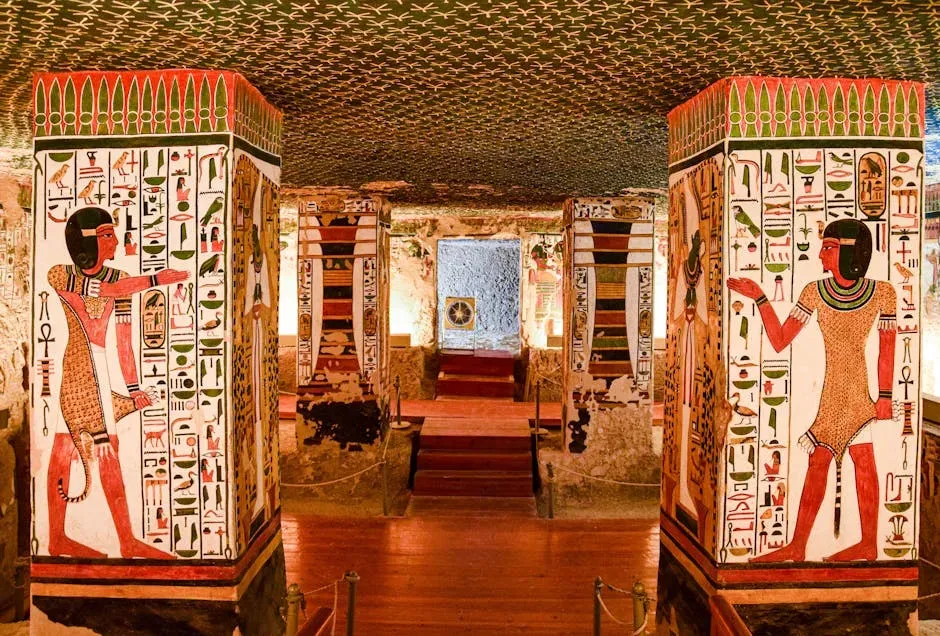
Because Aten was not primarily a temple or tomb complex, it gives us a badly needed counterweight to the glamorous but skewed image of pharaonic life. Inside its houses, archaeologists have found everyday items that rarely make it into museum labels: simple cooking pots, loom weights, tools that fit comfortably in a worker’s hand. Layouts of living spaces show how rooms may have doubled as work, sleep, and family areas, with storage tucked into corners and courtyards doing double duty as kitchens and social hubs.
There is an emotional jolt in realizing how recognizable that pattern is. Most of us live in some version of the same compromise between work and home, public and private space, just with different materials and technologies. A city like Aten shrinks the distance between us and people whose names are mostly lost. When you stand in a doorway there – at least in your imagination – and picture someone stepping through with an armful of newly fired pots or a bundle of reeds for weaving, the past stops feeling like a grand legend and starts feeling like a neighborhood you could map.
Ongoing Excavations and the Limits of What We Know
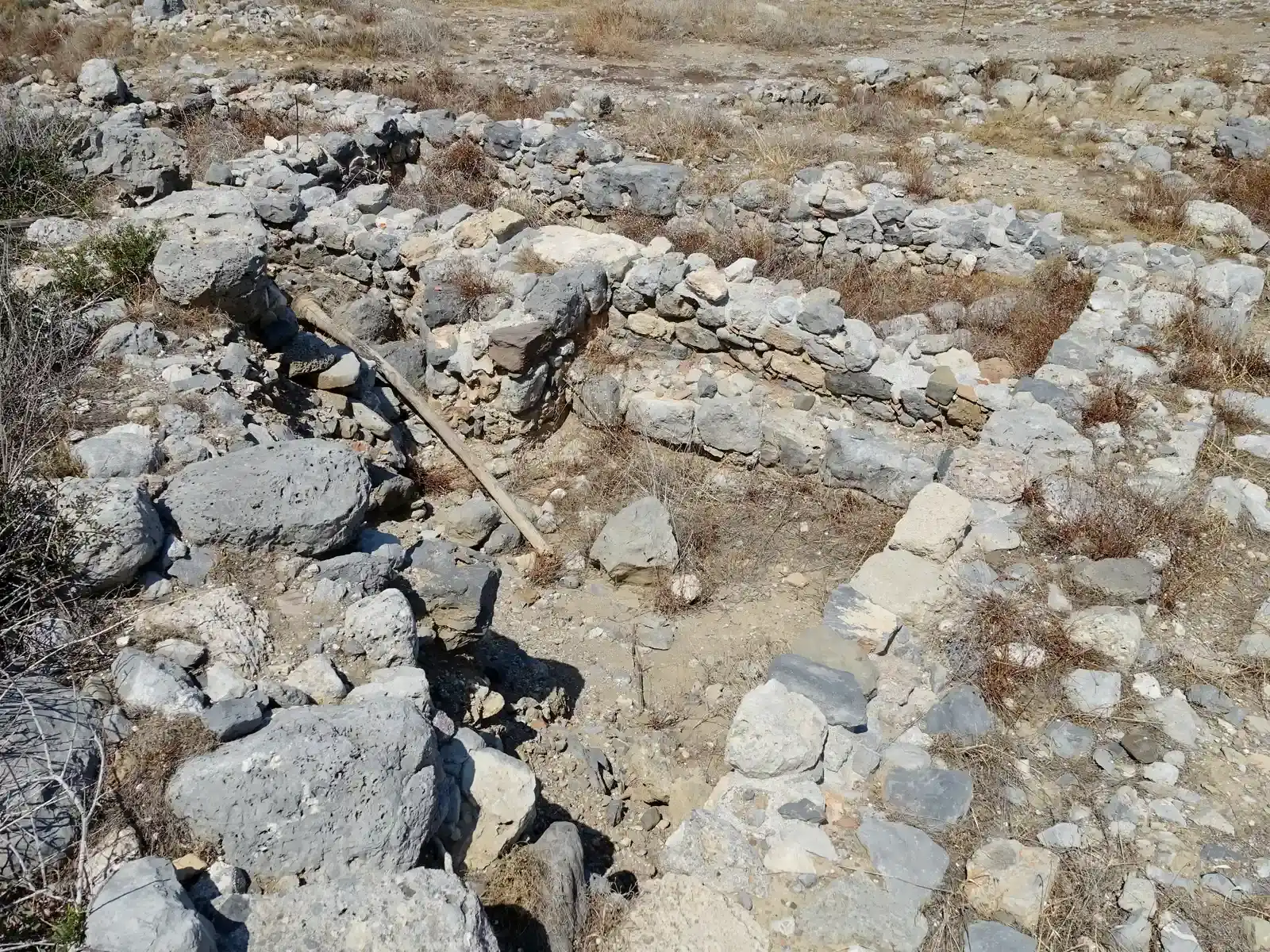
As spectacular as the first announcements were in 2021, it is important to remember that much of Aten is still being explored and documented. Teams are working methodically, mapping walls, cataloging artifacts, and sampling soils and organic remains. Each season adds new data but also new questions: who exactly lived in specific districts, how social status was expressed in architecture, whether certain streets were more closely linked to palace versus temple production. The story is expanding, not finished.
From a scientific standpoint, that means we have to be careful not to jump ahead of the evidence when we talk about how Aten vanished. Right now, the best-supported picture combines gradual abandonment, tied to political and religious change, with long-term environmental processes that buried what was left. There is no single dramatic event we can point to, no final night of panic. Instead, the city seems to have faded away in stages, leaving its bones to be wrapped in sand until the twenty-first century finally unwrapped them again.
Why This Lost City Matters Today
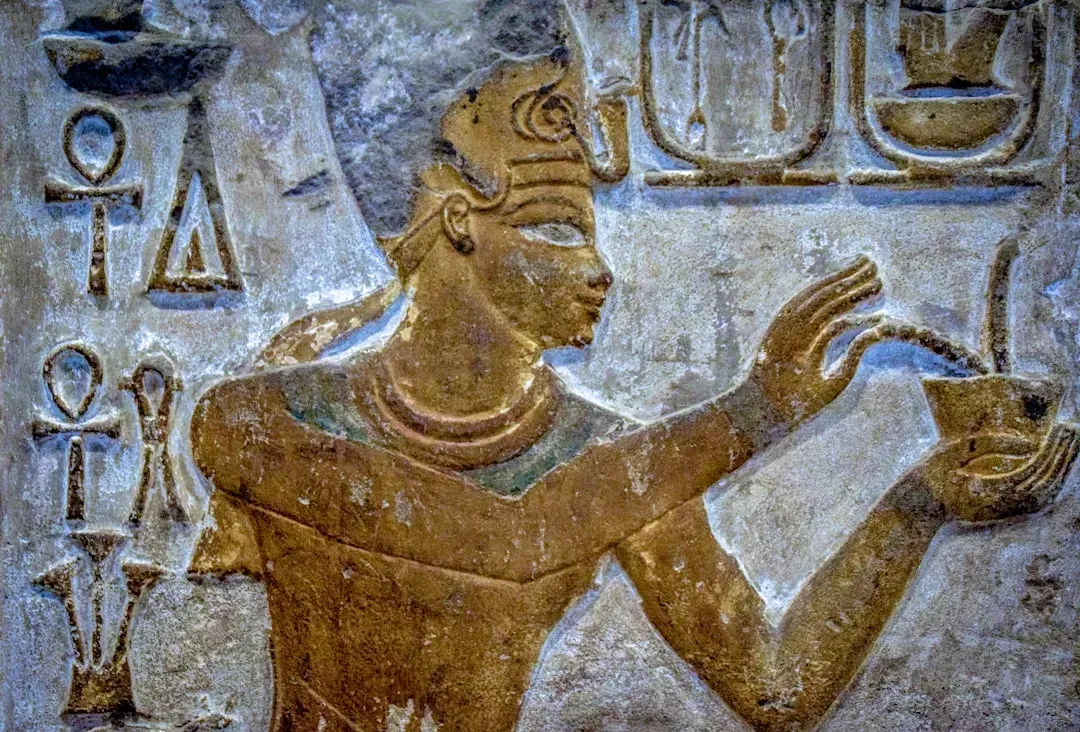
It is easy to think of a site like Aten as just another headline in a constant stream of archaeological news, but it cuts deeper than that. By bringing back not only a royal name but an entire urban ecosystem – workers, artisans, supervisors, supply chains – it forces us to see ancient Egypt as a network of real places where real people lived complex lives. It also reminds us that cities are fragile: they depend on political decisions, economic flows, and environmental stability in ways that feel uncomfortably familiar when you look at our own world.
For me, the most striking thing about Aten is that its disappearance was so complete that we forgot it ever existed, even as we marveled at the monuments it helped create. That should make us humble about how much of human history lies just out of sight and how quickly even great centers can slip from memory. When you think about this golden city, humming with work one century and swallowed by silence the next, it is hard not to wonder: how many of our own cities will one day be nothing more than faint lines beneath someone else’s feet?