
There’s something quietly radical about an animal that was nearly wiped out by humans now becoming one of our best allies in fixing broken rivers. Otters are not just cute, whiskered swimmers; they are living proof that if you give nature a real second chance, it will not only survive, it will start doing restoration work for free. For a long time, the story was simple and bleak: humans hunted otters into local extinction for fur, oil, and because we saw them as “pests.” Now the story is looping back in a way nobody fully expected.
Today, where otters have returned, scientists are seeing clearer water, richer fish communities, more birds, and even healthier plants along the banks. It sounds almost like a fairytale, but it is really about ecology, patience, and a bit of humility. The twist is that the same species once driven out of rivers is now acting like a natural engineer, reshaping food webs and water quality. Once you see how this works, it completely changes how you look at a quiet bend in the river or a tangle of reeds where an otter might slip past unseen.
From Fur Trade Victims To Conservation Icons
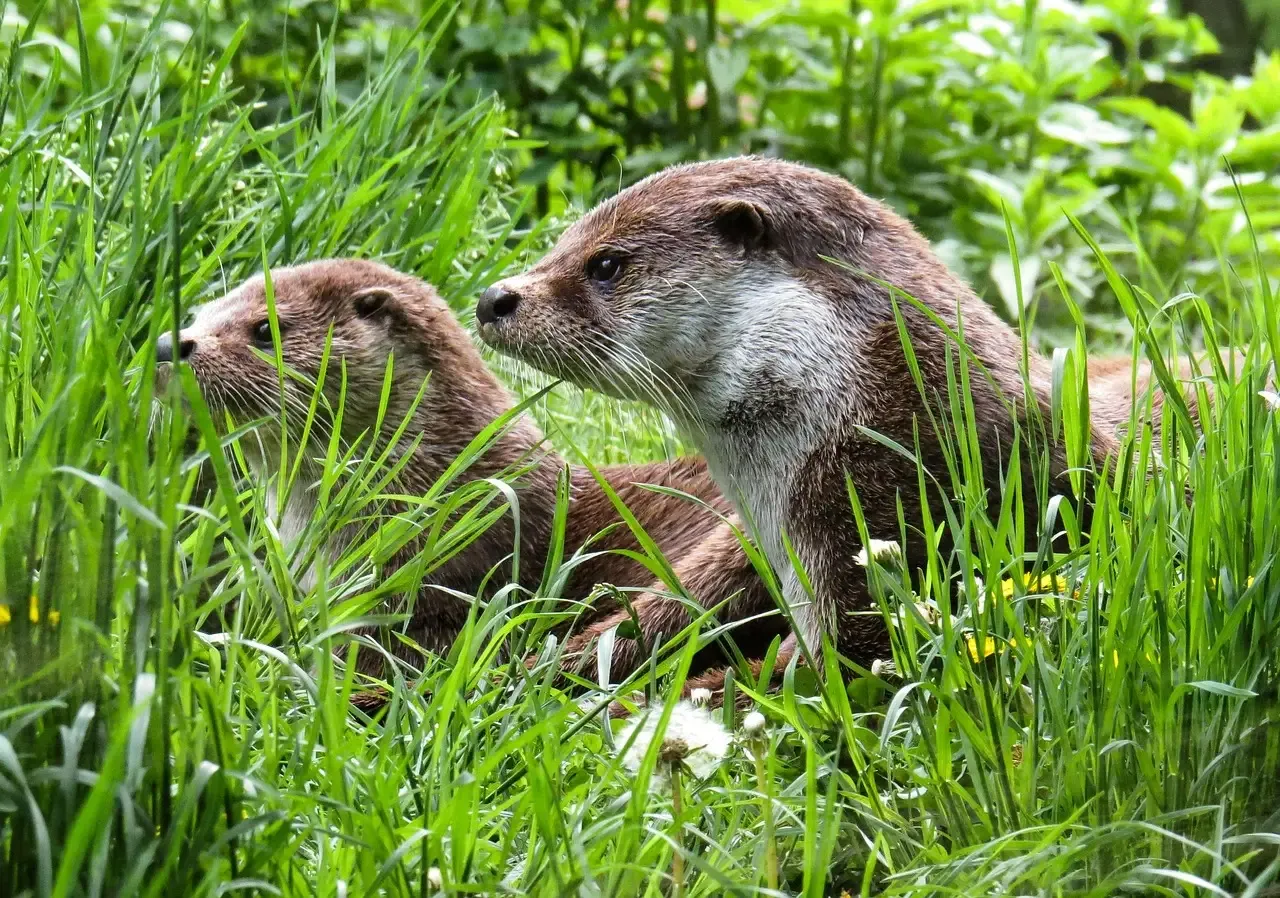
A couple of centuries ago, otters were treated as moving resources, not living parts of river systems. Their dense fur made them prime targets for commercial hunting, and in many regions they were shot, trapped, and poisoned until they were simply gone. In some river catchments, people literally grew up never having seen an otter, assuming that a “normal” river was one without them. That baseline was completely skewed, but most folks did not realize it.
As attitudes started to shift in the late twentieth century, research and public pressure pushed governments to step in with legal protection and hunting bans. Otters slowly changed from villains that “stole fish” to symbols of wild, clean water. You now see them on conservation posters, school projects, and even city branding in some places, which would have been unthinkable in the fur trade era. The irony is strong: the same animal that was once worth money only when dead is now valued most for what it does when left alive.
Why Otters Are Such Powerful River Engineers
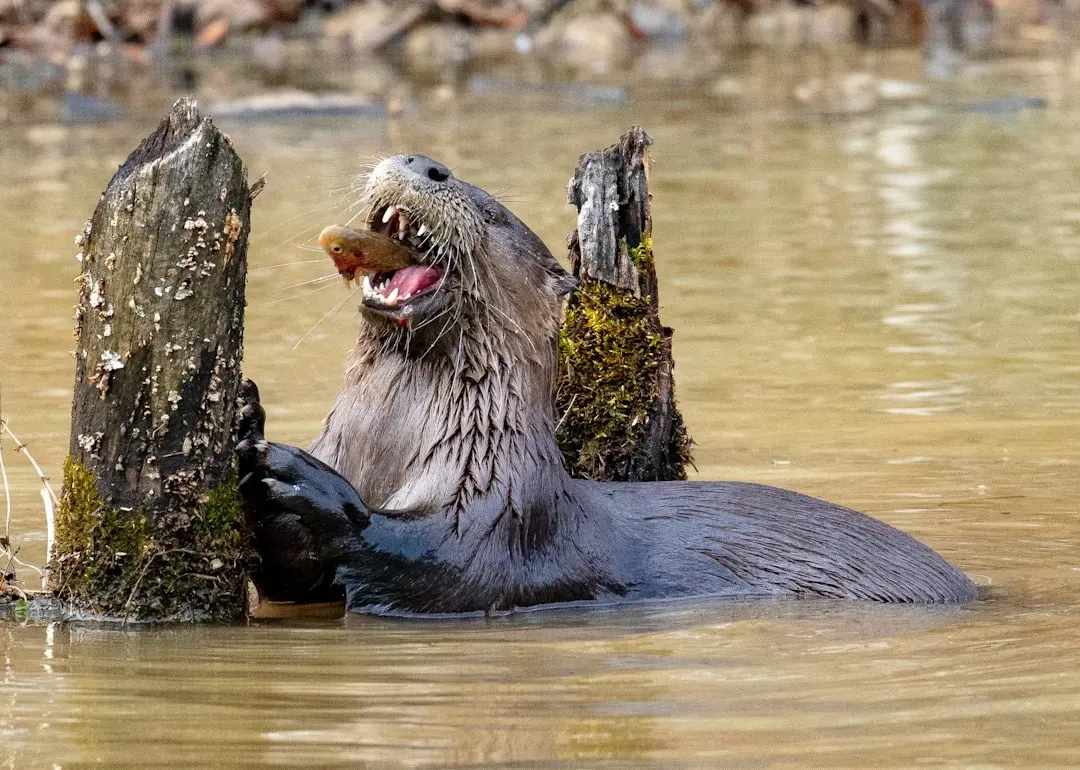
Otters sit high in the food web, which means the way they feed ripples down through an entire ecosystem. They hunt fish, crustaceans, amphibians, and sometimes birds, constantly moving along riverbanks and side channels. By preying on the most abundant and often the slower, easier-to-catch fish, they prevent any single species from totally dominating. That keeps the community more balanced, which in turn shapes plant growth, algae, and even how sediments move.
They also have a very physical presence in the landscape. Otters use holts (dens) in banks, log piles, and root systems, and their constant commuting between resting spots and feeding areas tramples vegetation in some places and opens up small paths in others. Those tiny trails might sound trivial, but they can change how water flows during floods and where seeds get deposited. Over years, those patterns add up, much like the small but consistent edits a gardener makes in a backyard that eventually turns into a lush, structured space.
Otters, Water Quality, And The Myth Of “Just Cute Animals”
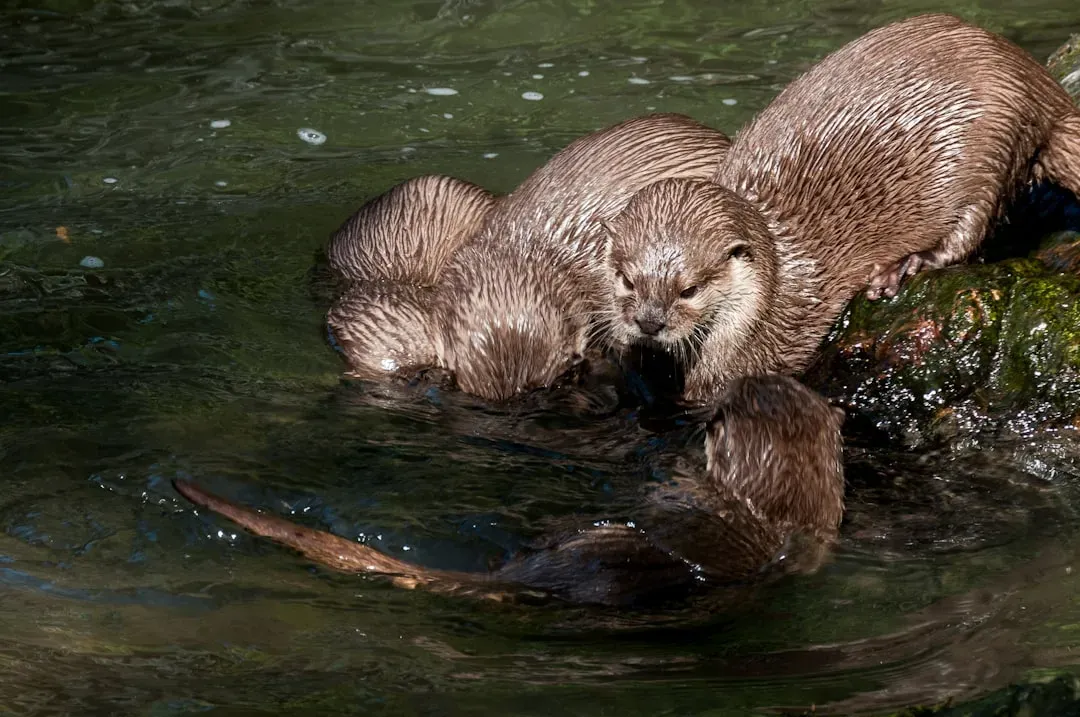
When otters move back into a river, it is rarely by accident. They need enough fish, decent bank structure, and relatively clean water, so their presence is a rough but powerful signal that the system has reached a basic level of health. But it does not stop there; their hunting and foraging help keep certain fish and invertebrate populations in check, which can influence how much algae grows. Less overgrazing on some species and less pressure on others can lead to clearer water and more stable food webs.
There’s a common idea that otters are just indicators of good water and do not actually improve anything, but that misses the messy reality of ecology. By feeding on mid‑level predators like some fish and crustaceans, they reduce the pressure those animals put on smaller invertebrates. Those invertebrates can then graze more effectively on algae and help keep surfaces cleaner. It is not magic and it is not instant, but over seasons, these top‑down effects can visibly shift how a river looks and functions.
Fish Populations: Predator Or Protector?
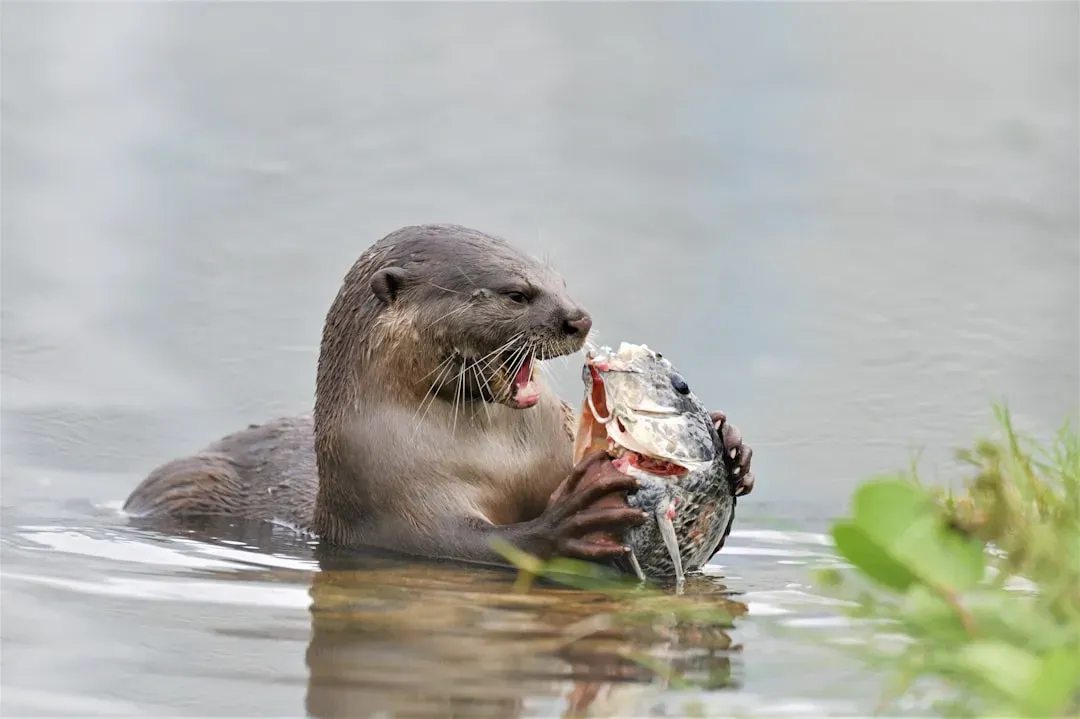
Ask a commercial fisher or an angler about otters and you will often get a passionate answer, not always a friendly one. It makes emotional sense: you stand by the water all day hoping for a catch, and here comes this sleek predator that can dive, turn, and grab fish far better than any human. For years, that visual led to the claim that otters were “emptying” rivers, even when broader data did not support that picture. The eye sees one impressive hunt; it does not see the hidden complexity of population dynamics.
Scientific studies from several regions suggest a more nuanced outcome. Otters do eat a lot of fish, but usually from species and size classes that are abundant or easier to catch, often targeting slower or diseased individuals. By doing this, they can actually help maintain healthier fish populations over the long term, rather like a gardener thinning seedlings so the remaining plants grow stronger. Where rivers are managed well, with enough habitat and not too much human pressure, otters and fisheries can coexist and even benefit from each other’s presence. The real problem for fish is far more often pollution, dams, and habitat destruction than a native predator doing what it has always done.
Shaping Riverbanks, Wetlands, And Floodplains
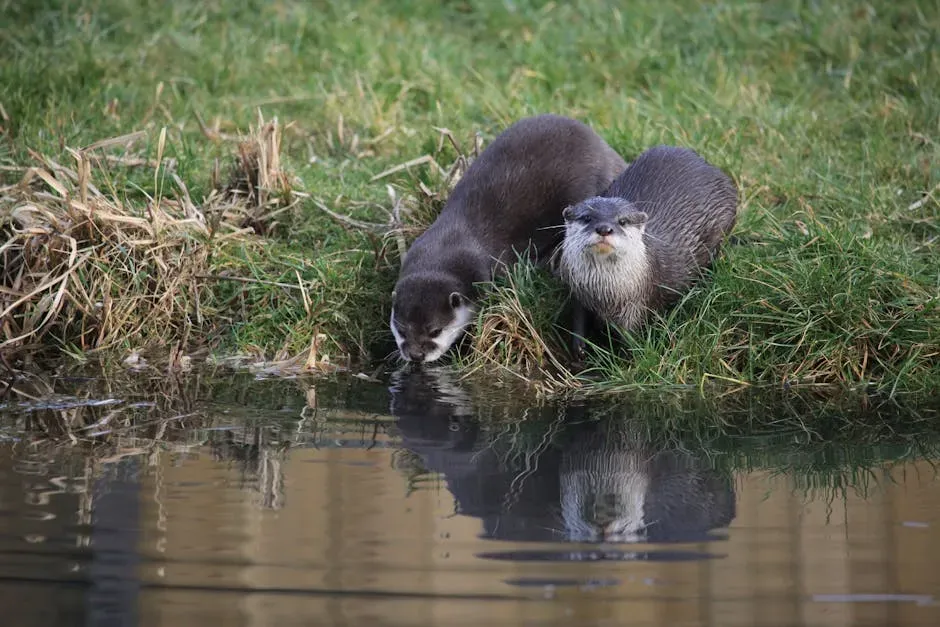
Otters do not build dams like beavers, but they still leave a surprisingly physical fingerprint on river landscapes. Their repeated routes between water and holts create paths that other animals start using too, from frogs and small mammals to birds. This movement can redistribute seeds stuck in fur or droppings, helping plants colonize new spots along the bank. Over time, what looks like random wandering becomes a low‑key but persistent landscaping project.
In floodplains and side channels, otters often concentrate around productive feeding areas with dense vegetation, fallen logs, or reed beds. Their presence can encourage a more complex patchwork of open water and cover, simply by the way they use and slightly disturb certain patches more than others. That patchiness matters when floods come, because a mosaic of vegetation and micro‑channels can slow water, reduce erosion, and create refuges for young fish and invertebrates. It is a reminder that healthy rivers are messy, not manicured, and otters are very much on the side of mess.
How Their Comeback Reveals Hidden Pollution Stories
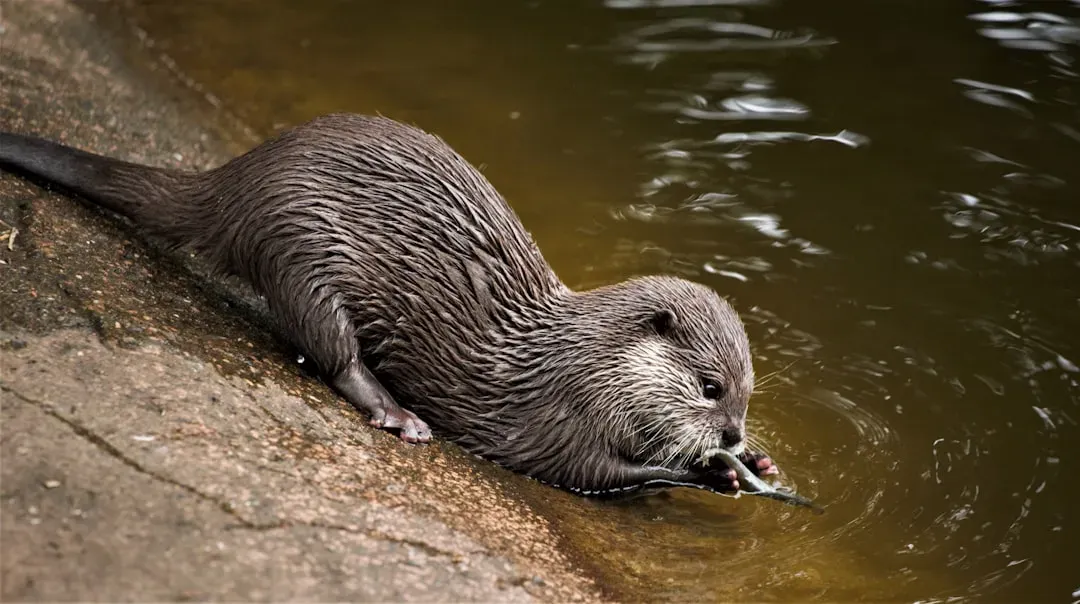
One strange advantage of having lost otters in so many places is that their return acts like a before‑and‑after experiment. When they start recolonizing a river system, scientists can track what changes and what stubbornly stays the same. In some regions, otters bounced back quickly once hunting stopped, suggesting the water and fish were in decent shape. In others, they struggled or remained absent despite legal protection, hinting at invisible problems like persistent industrial chemicals, heavy metals, or pesticide build‑up in the food web.
Because otters are top predators that live relatively long lives and eat lots of fish, their bodies accumulate the contaminants that flow through rivers. By analyzing tissues from dead individuals found by roads or surveys, researchers can map out real‑world pollution levels better than a single water sample could. When contaminant loads drop, otter reproduction and survival tend to improve, creating a feedback loop of recovery. In that way, otters have become unintentional auditors of our environmental performance, quietly exposing where our clean‑water promises still fall short.
Otters, Climate Change, And The Future Of Cold Rivers
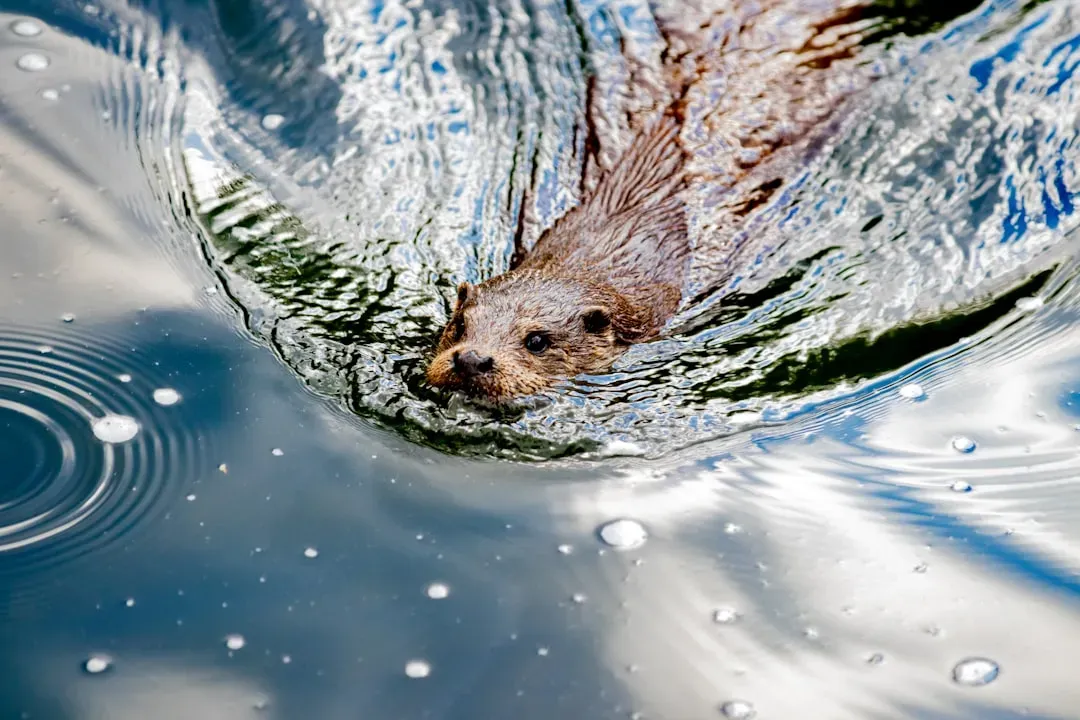
As the climate warms, rivers are facing hotter summers, more intense downpours, and in some regions longer droughts. These shifts hit cold‑water species hard, especially fish that rely on cool, oxygen‑rich streams. Otters are deeply tied to those fish communities, so their fate is now tangled up with climate policy in a very real way. If we lose the cold, shaded stretches of rivers, we risk losing the fish and, in turn, the predators that help keep those systems balanced.
On the flip side, otters can contribute to resilience in ways we are still learning. By helping maintain diverse, multi‑layered food webs, they make ecosystems less brittle in the face of sudden shocks like heatwaves or flood pulses. A system with a wider range of species and stronger top‑down regulation is less likely to tip into algal blooms, fish kills, or invasive domination. Otters will not “fix” climate change, of course, but they can be part of how rivers absorb and adapt to the new normal, especially when combined with actions like restoring shade trees and reconnecting floodplains.
Living With Otters: Farms, Fisheries, And Urban Waterways
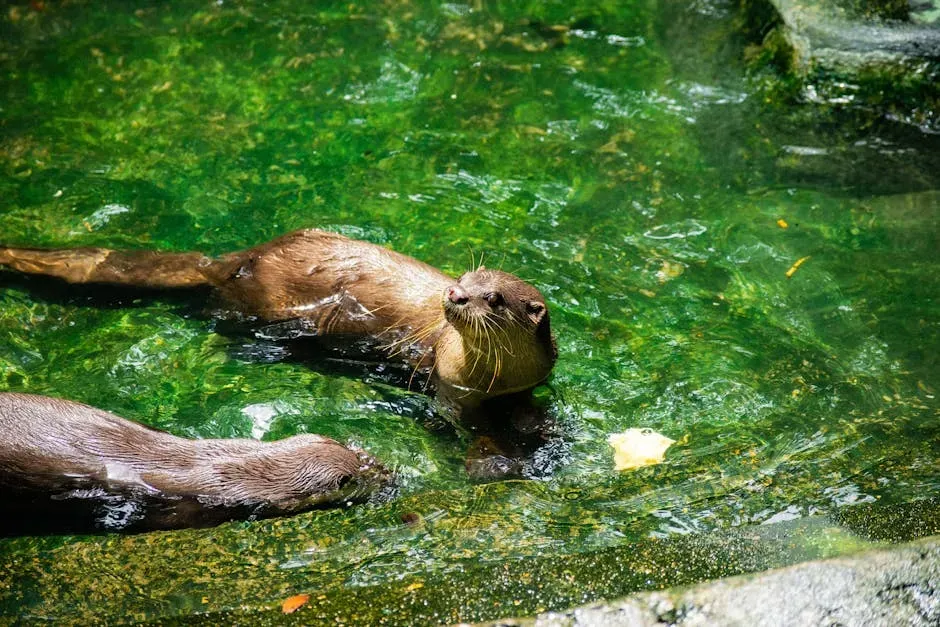
Coexisting with otters is not just a wilderness story; it plays out on farms, at fish ponds, and even on the edges of cities. In some areas, otters raid stocked ponds or small fisheries, creating real economic losses and understandable frustration. Brushing those concerns off as “just the cost of nature” is both arrogant and counterproductive. If we want otters to thrive long term, we have to design practical ways for people to live alongside them without feeling like they are the ones always losing.
That can mean investing in better fencing, night enclosures, and smarter pond design that makes it harder for otters to access vulnerable stock while leaving wild rivers open. In urban areas, it means cleaning up waterways, creating vegetated banks, and making sure there are safe passages under roads so otters do not keep ending up as roadkill. I remember watching footage of an otter calmly swimming past city lights and train tracks, as if insisting that wildness does not have to be far away to be real. Those moments are powerful, but they only stay positive if we pair them with thoughtful, fair conflict‑prevention on the ground.
What Otters Teach Us About Second Chances
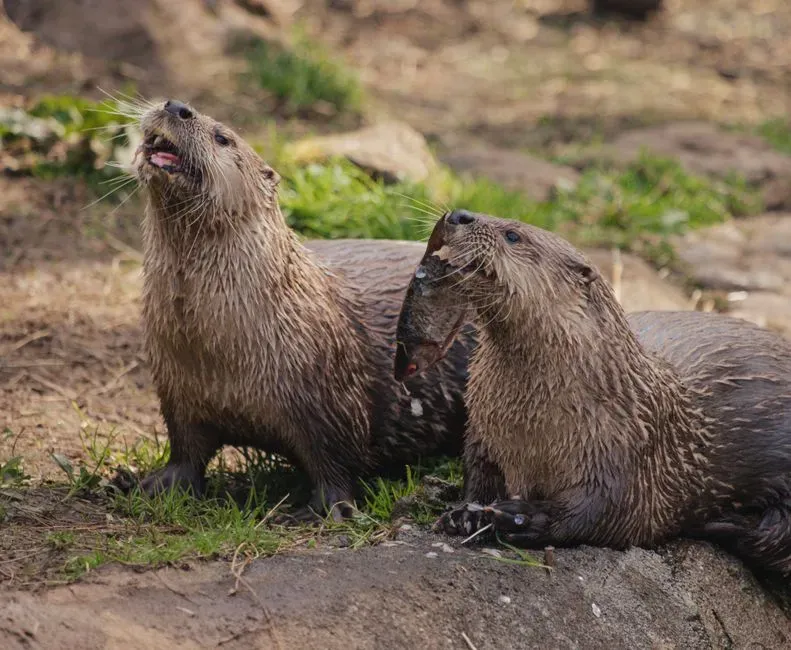
The story of otters healing rivers is not a neat, single‑threaded success tale; it is messy, incomplete, and still very much underway. In some places, populations are stable or growing; in others, they are fragile or absent. But there is a clear pattern: when we stop killing them, clean up the water, and give rivers room to be rivers, otters show up and start working for free as regulators, storytellers, and system‑testers. That should make us rethink what we call “restoration,” because in many cases the best engineers are already built into the system.
Personally, I find it hard not to read a kind of moral lesson into all this, even though ecology is not a fable. We pushed otters to the edge, almost erased them from whole landscapes, and now we rely on their return to tell us when our rivers are finally on the mend. It is both humbling and a bit uncomfortable: the animal we nearly wrote out of the script is now holding up a mirror to how we treat water, land, and the idea of wildness itself. If this is what happens when we bring back just one lost predator, how many other quiet river healers are we still missing, and how many second chances will we actually choose to give?