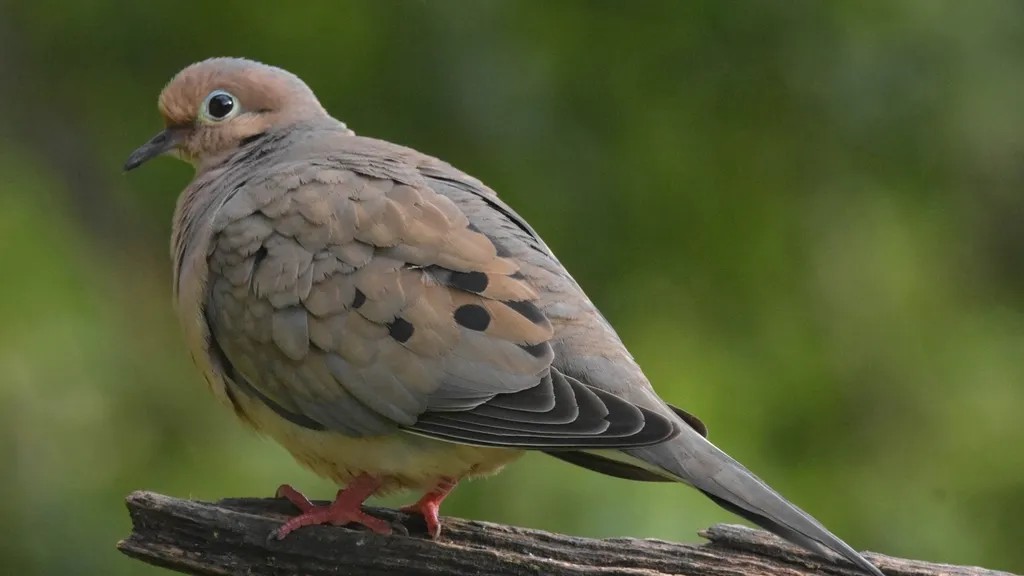

If you live in North America, there’s a good chance you’ve heard a soft, haunting coo drifting across a quiet morning and never really thought twice about the bird behind it. Mourning doves are so common that they almost fade into the background, like the sound of distant traffic or a ticking clock. Yet behind those gentle calls and plain feathers is a surprisingly dramatic life, full of high‑speed flights, lifelong bonds, and some downright weird parenting strategies.
I still remember the first time I found a flimsy little nest balanced in a hanging planter on my balcony and assumed some clueless bird had messed up. Turned out, that minimalist twig pile belonged to a mourning dove, and it was very much on purpose. The more I’ve learned about them, the more I see them less as “boring backyard birds” and more like understated survival experts. Once you know what to look for, their secret lives suddenly come into focus, and it’s hard not to be a little obsessed.
1. Their Famous “Sad” Call Isn’t Actually About Mourning
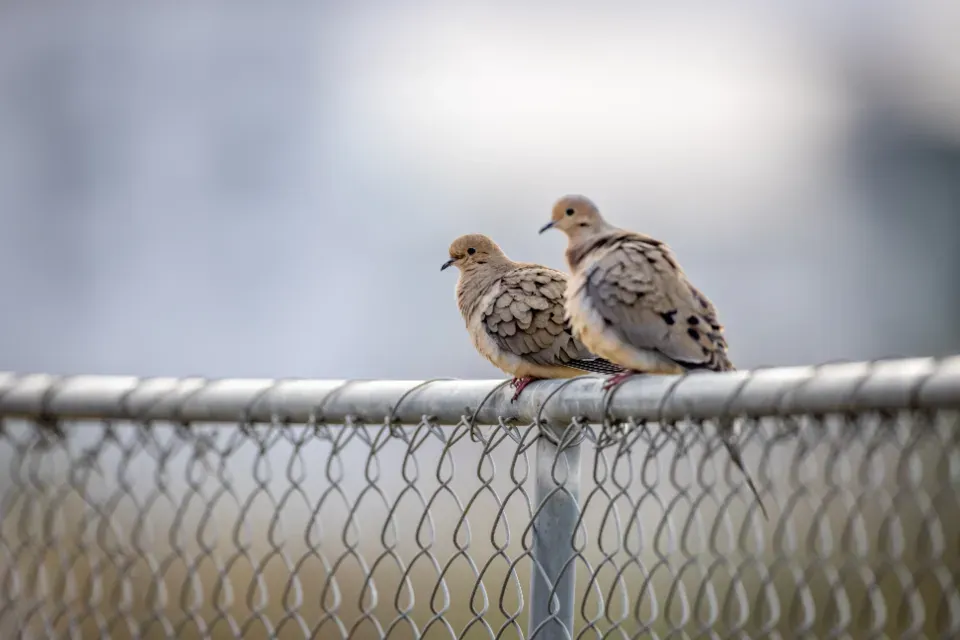
That soft, echoing coo that gives mourning doves their name sounds like heartbreak put into bird form, but it is not a cry of sorrow at all. What you are hearing most of the time is a love song or a territorial warning from a very alive and very determined bird. Males, especially, will sit on a perch and repeat that low coo to attract a mate or tell rivals to back off. Once you realize this, the sound goes from tragic to oddly romantic, like someone crooning outside a window at dawn.
They also have a variety of calls that most people never notice because the classic coo is so recognizable. There are softer contact calls that mates use to keep track of each other and different patterns that signal alarm or agitation. If you listen carefully over time, you start to hear the mood changes, almost like hearing the difference between a friend’s casual voice and their serious one. It makes you realize the “sad” label says more about us than it does about them.
2. They Fly Like Tiny Missiles, Not Gentle Floaters
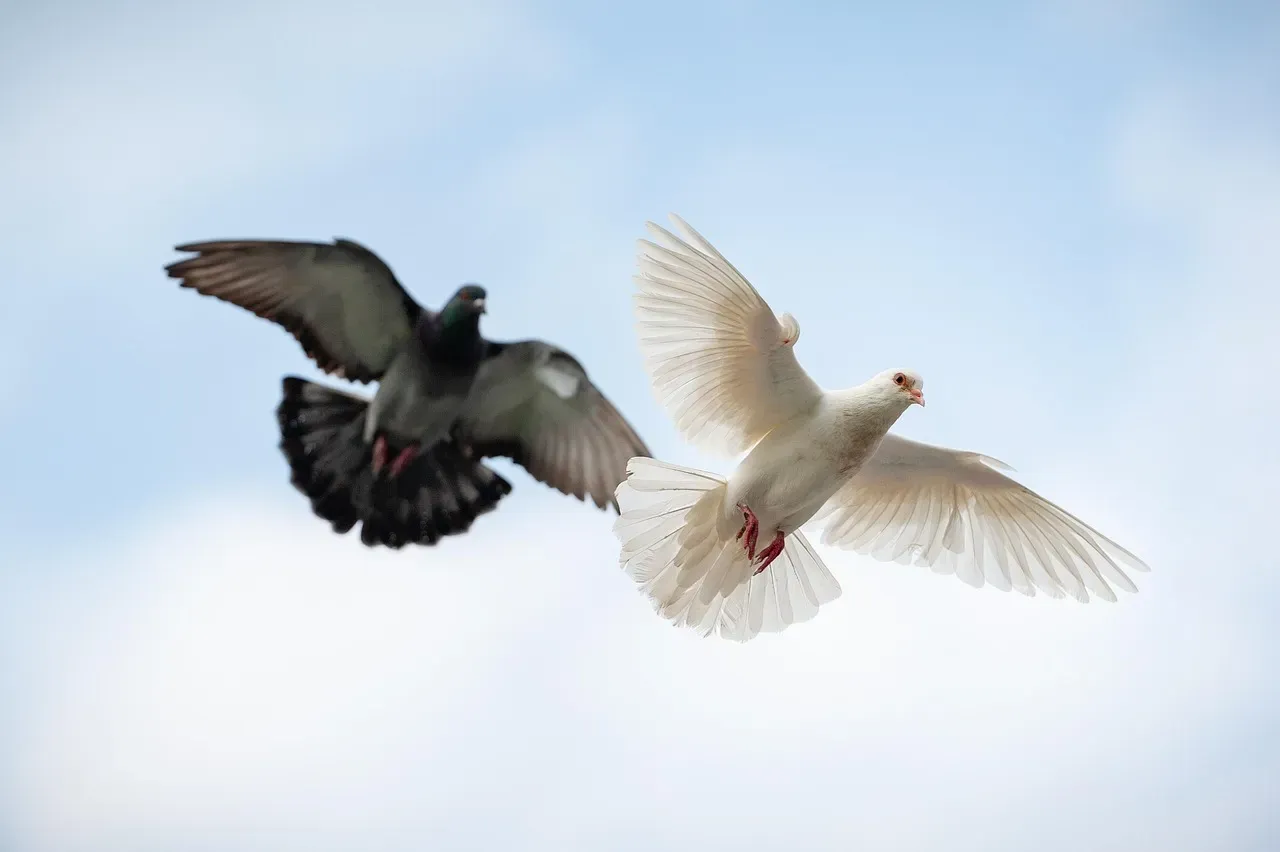
For a bird that looks so calm, mourning doves can fly at surprisingly high speeds. They have long, pointed wings and a streamlined body that lets them rocket across open spaces when they need to escape predators or move between feeding areas. Watch closely next time one spooks from the ground: it explodes upward with a sharp whistling of wings and is suddenly a gray blur heading for the nearest tree or power line. It is more fighter jet than feathered ornament when it wants to be.
This speed is not just for show; it is a serious survival strategy. Ground-feeding birds are easy targets for hawks, cats, and other predators, so doves rely on their quick launch and fast, direct flight to stay alive. That distinct wing-whistle when they take off likely serves as an alarm, potentially warning nearby doves of danger. I always think of it like a tiny built-in car alarm: loud, sudden, and impossible to ignore once they hit the air.
3. Their Nests Look Terrible On Purpose
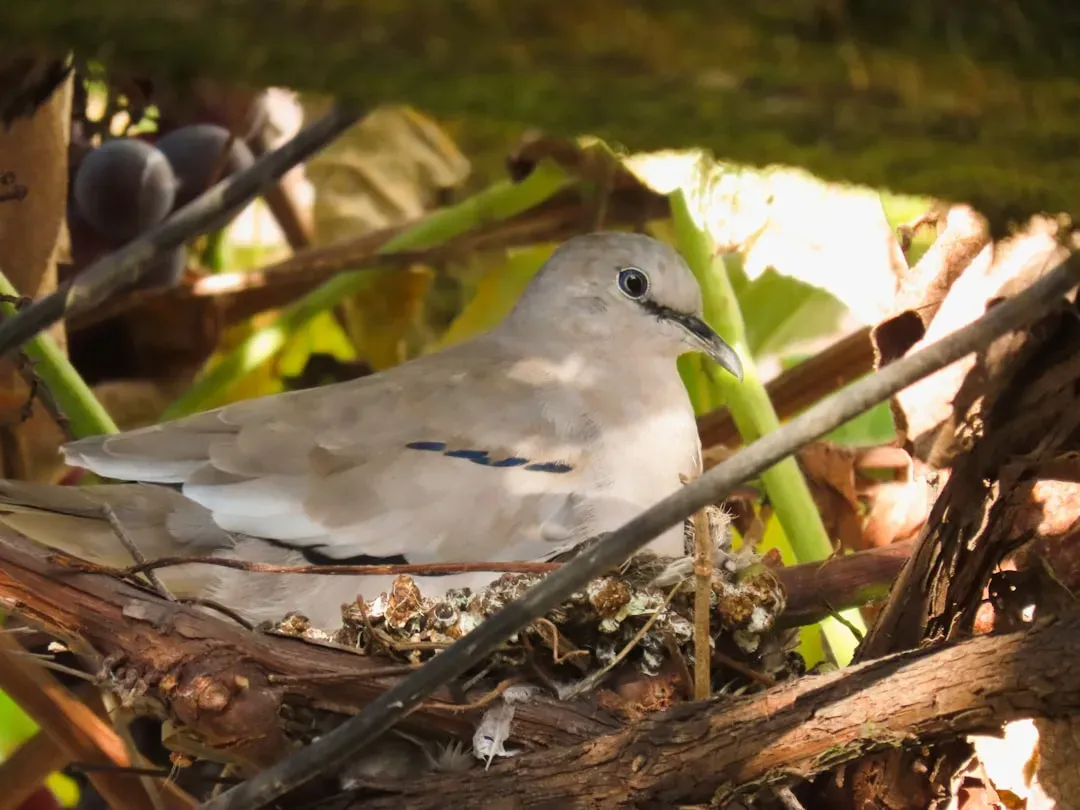
If you have ever seen a mourning dove nest, you might have assumed it belonged to a rookie bird that did not get the memo on nest building. Their nests are often just a thin platform of loosely arranged twigs, sometimes with open gaps you can literally see through from below. They build in the oddest places too: flimsy branches, porch beams, hanging baskets, and even stacked items in a quiet garage. To human eyes, it can look like they gave up halfway through a DIY project.
But this minimalist approach actually works for them. Mourning doves are fairly light birds, and their eggs and nestlings do not put a huge load on those twig platforms. Building a simple nest also means they can start breeding faster and repeat the process multiple times in a season. Instead of investing in one perfect, fortress-like nest, they go for speed and quantity. It is a bit like choosing a bare-bones, functional apartment over a custom-designed mansion because you plan to move a lot and just need it to do the job.
4. They Feed Their Chicks “Milk” From Their Throats
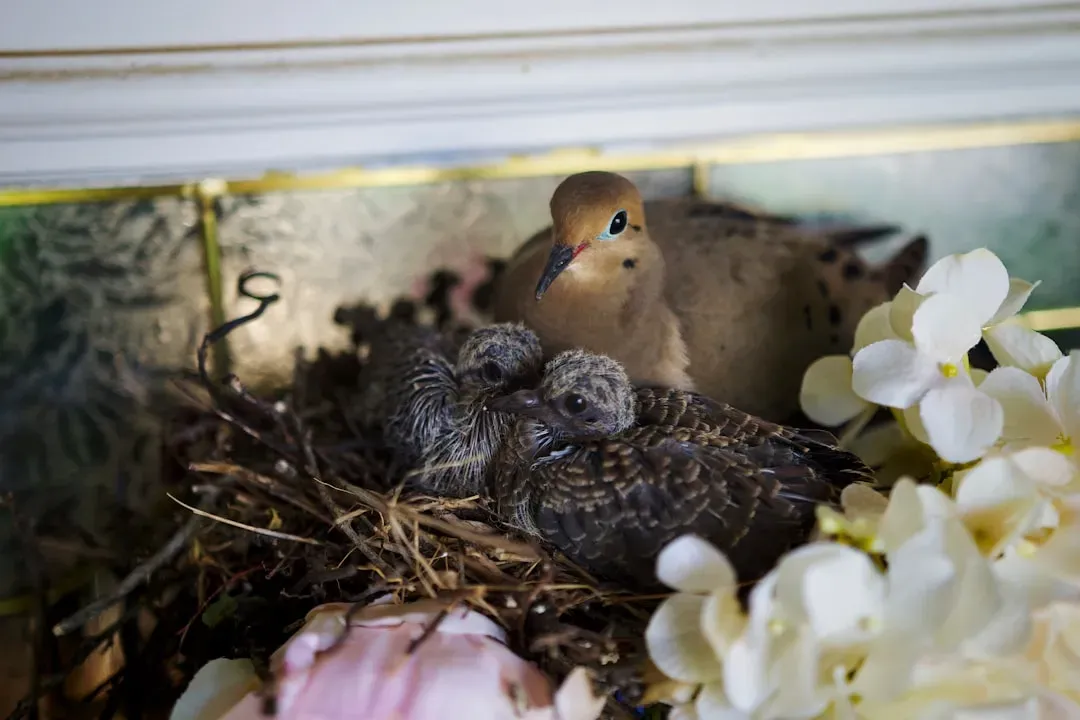
One of the strangest secrets of mourning doves is that they produce something very much like milk, even though they are birds. Both parents form a rich, creamy substance called crop milk in a specialized part of their digestive system. When the chicks are tiny, the adults open their beaks and the chicks reach in to drink this high-protein, high-fat food. It sounds almost unsettling the first time you hear about it, but it is an incredibly efficient way to jump‑start a chick’s growth.
Unlike mammal milk, crop milk is made from sloughed-off cells lining the parent’s crop mixed with partially digested food, but the effect is similar: intense nutrition in a form that fragile newborns can handle. As the chicks grow, the parents gradually mix in more and more solid seeds with the crop milk until the young are ready to handle the adult diet. In a way, mourning doves have their own built-in baby formula system, custom-made for life on a tight breeding schedule.
5. They Are Surprisingly Devoted Partners
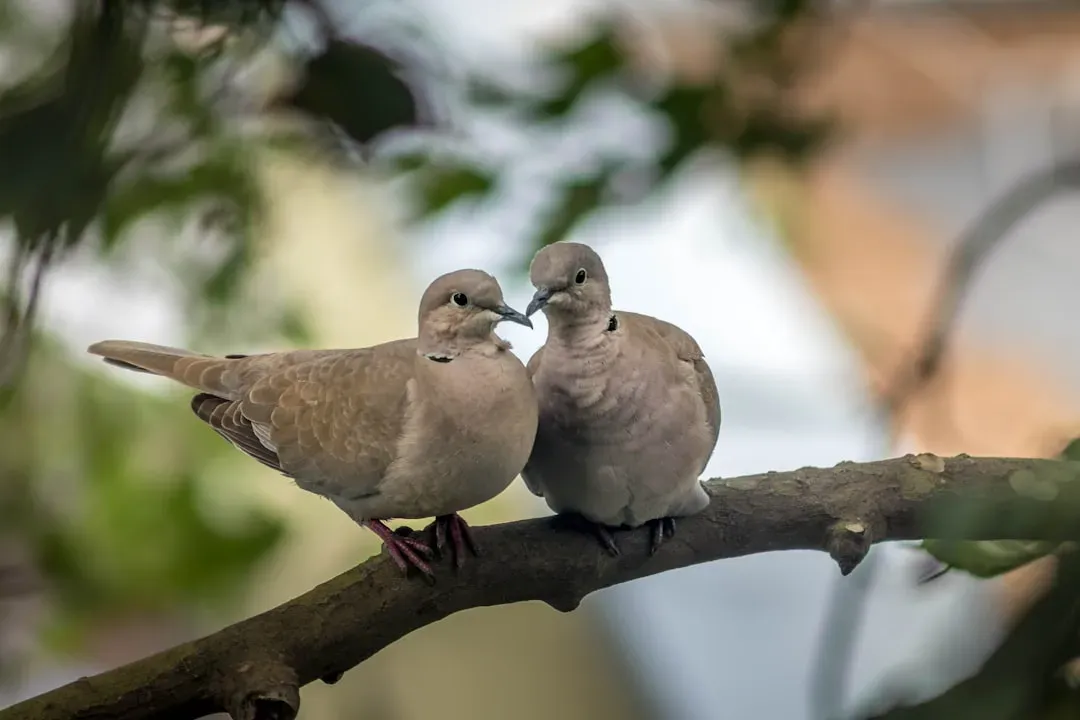
Mourning doves form strong pair bonds, often staying with the same mate for an entire breeding season and sometimes longer. You can see this devotion in their behavior: the gentle bowing displays, the mutual preening, and the way they often sit side by side on a wire or branch. When you watch them for a while, they start to look less like anonymous backyard birds and more like a couple quietly sharing their routine. There is something disarmingly tender about seeing one bird wait while the other forages nearby.
Parenting duties are also shared in a way that feels almost modern. Males typically handle more of the daytime incubation and nest-guarding, while females take over the night shift, creating a sort of around-the-clock cooperative schedule. Both parents feed the chicks and stay involved until the young finally flutter off on their own. It is hard not to project a little human feeling onto them when you see that level of teamwork; they really do feel like tiny, feathered partners juggling a family schedule.
6. They Can Raise Multiple Families In One Season
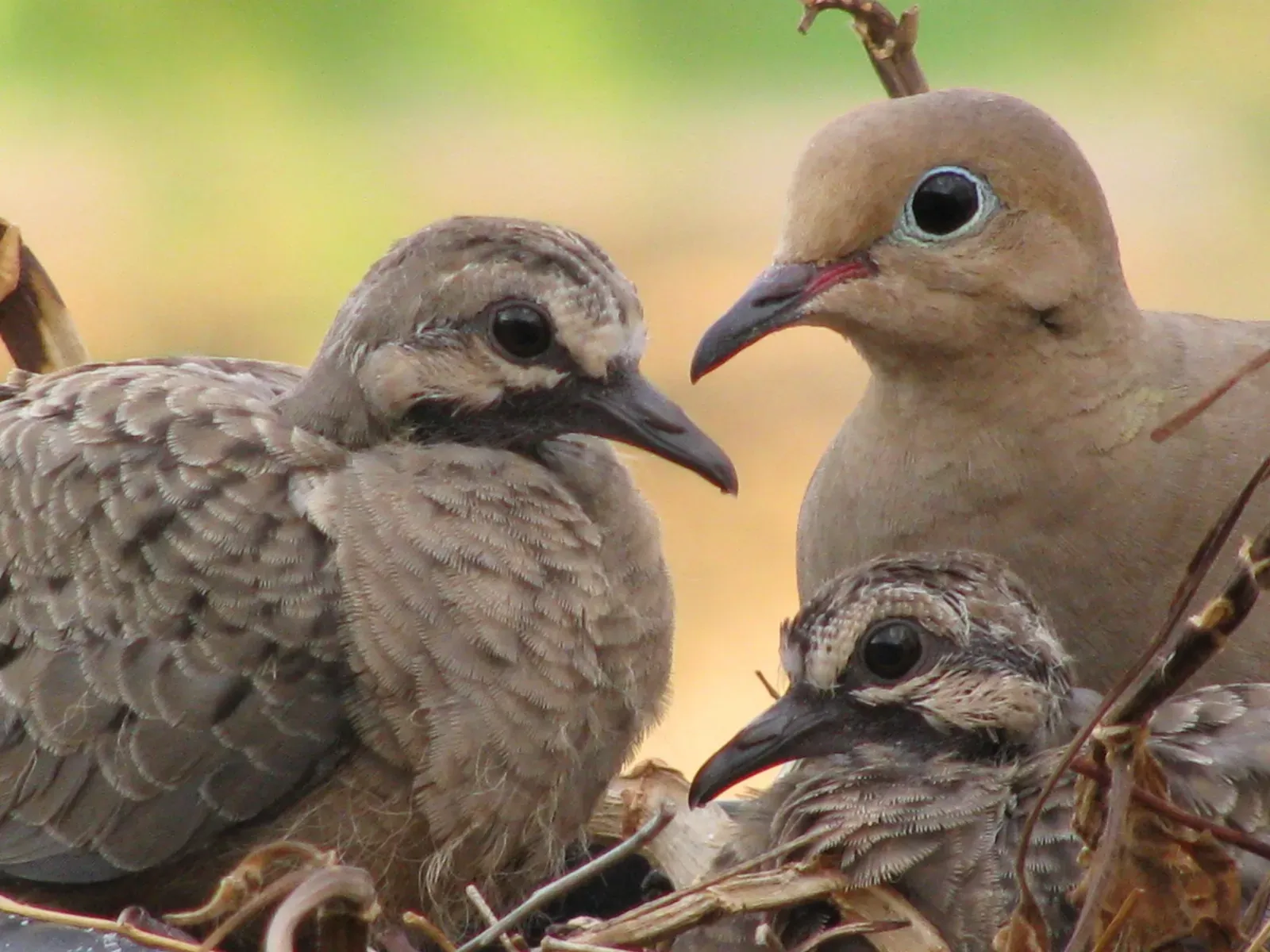
In warmer regions, mourning doves can crank out brood after brood in a single year, almost like a conveyor belt of tiny, squeaking youngsters. A typical clutch is usually around two eggs, but they may nest again and again, sometimes raising several sets of chicks if conditions are good. This rapid-fire breeding strategy compensates for the harsh reality that many of their young will not survive predators, weather, or human-caused hazards. Instead of putting all their hopes into one or two offspring, they spread the risk across many attempts.
From an evolutionary standpoint, it is a ruthless but effective plan. The adults invest enough effort to give each brood a fighting chance, but not so much that a single failure devastates them. As someone who has watched the same pair rebuild in nearly the same spot a few weeks after losing a nest, I am always struck by their resilience. They do not seem to dwell or hesitate; they simply start again, as if persistence itself were their main survival tool.
7. Their Wing Whistle Is A Built-In Alarm System
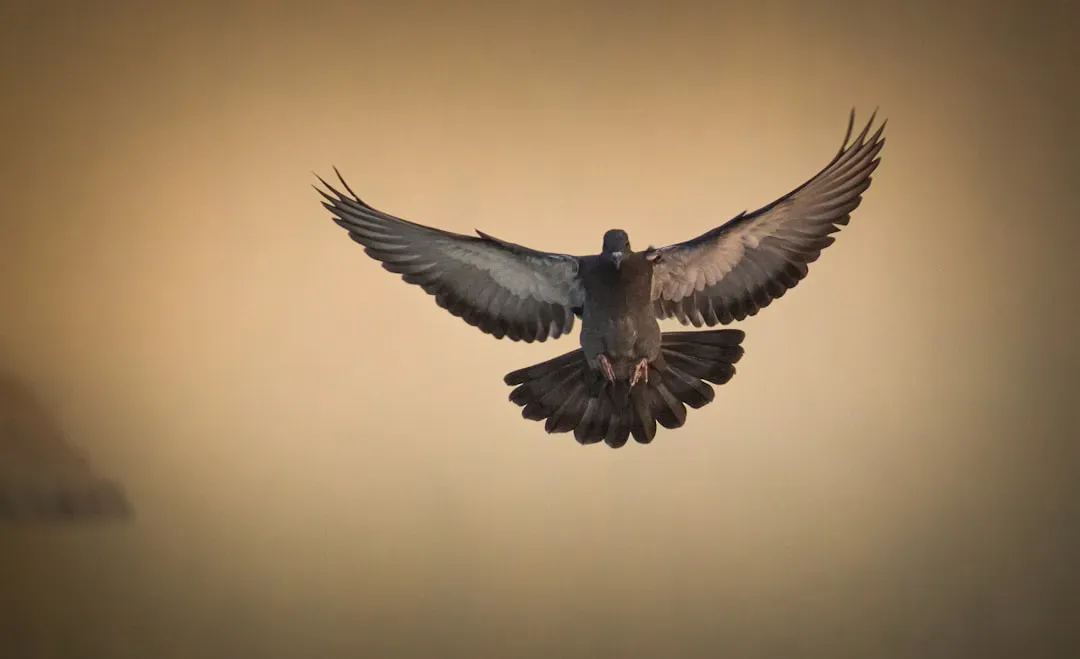
That sharp whistling sound you hear when a mourning dove blasts into the air is not just random noise. Their wings have a structure that causes the air to vibrate in a distinct way as they take off in a panic, creating a startling, high-pitched whoosh. To predators, it might just mean the prey got away, but to other doves nearby, it can act as an instant warning signal that something is wrong. Even if the bird never calls out with its voice, its wings are already broadcasting the danger.
Some researchers think this kind of nonverbal alarm has an advantage: it is hard to fake and tightly linked to genuine escape behavior. From a practical backyard perspective, you can use it as your own cue. If you hear that frantic, whistling burst followed by silence, there was probably a hawk, cat, or sudden disturbance nearby. I treat it almost like a weather alert: if the doves bail out loudly, something serious just hit the scene.
8. They Are Seed Specialists With A Massive Storage Pouch
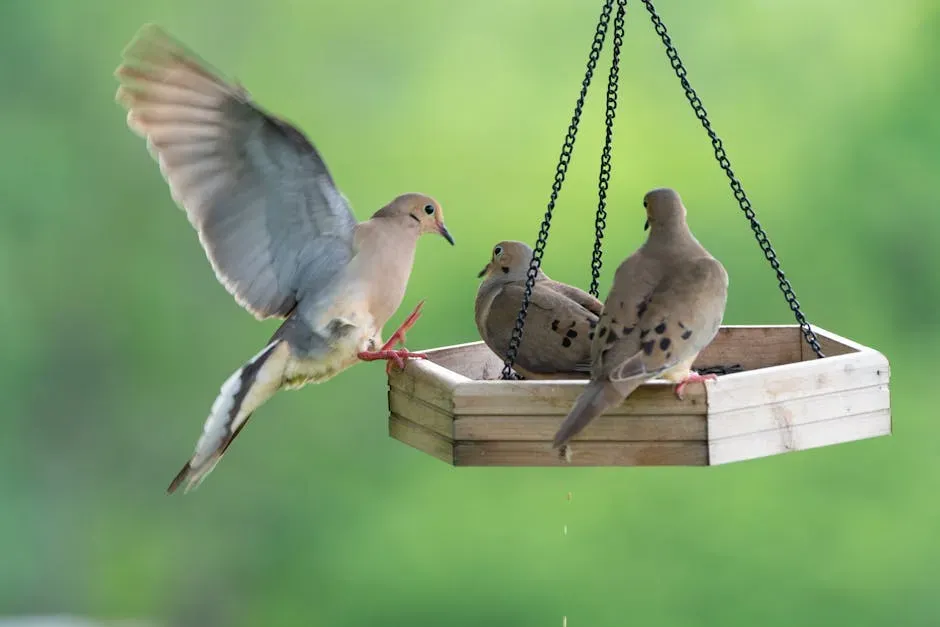
Mourning doves are primarily granivores, meaning they mostly eat seeds, and they are very efficient about it. Instead of slowly nibbling and chewing on the spot, they tend to gulp down seeds in quick bursts, then retreat somewhere safer to digest. They can store a remarkable number of seeds in their crop, a kind of expandable pouch in the throat area. It is like watching someone shovel snacks into a backpack so they can enjoy them later in peace.
This strategy helps them balance feeding with staying safe. On the ground, they are vulnerable, so grabbing as much as possible and then flying up to a perch or hidden branch lowers the risk. It also lets them take advantage of short windows when food is available, like after fresh seed is scattered on a feeder tray or when plant seeds suddenly become ripe. Next time you see a mourning dove with a noticeably plump chest, it might just be a bird that filled its shopping bag and is heading home.
9. They Are Both Wild Icons And Game Birds
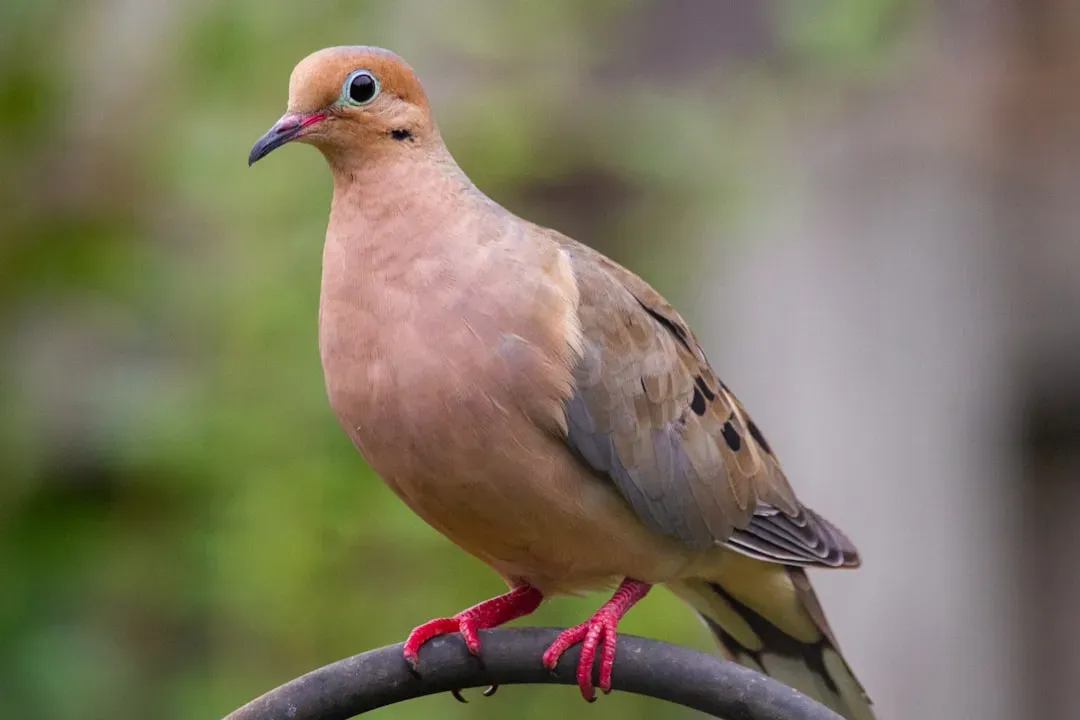
Mourning doves occupy a strange cultural space: they are beloved backyard birds and, at the same time, one of the most heavily hunted game birds in North America. Many people first learn their name from a field guide or a bird feeder, then later are surprised to discover they are also central to regulated hunting seasons in many states. This dual identity creates some tension, especially among people who feel a strong emotional connection to the doves that nest near their homes.
At the same time, regulated hunting has also played a role in monitoring and managing dove populations, keeping close tabs on their numbers and health. It is a messy, complicated relationship between humans and a species that has adapted remarkably well to our world. Personally, I find it hard not to side with the birds when I watch a pair carefully tending their nest above a porch light. For me, their presence feels more like a quiet gift than a resource to be harvested, and I suspect many backyard dove fans would agree.
10. They Thrive In Human Landscapes Without Flashy Adaptations
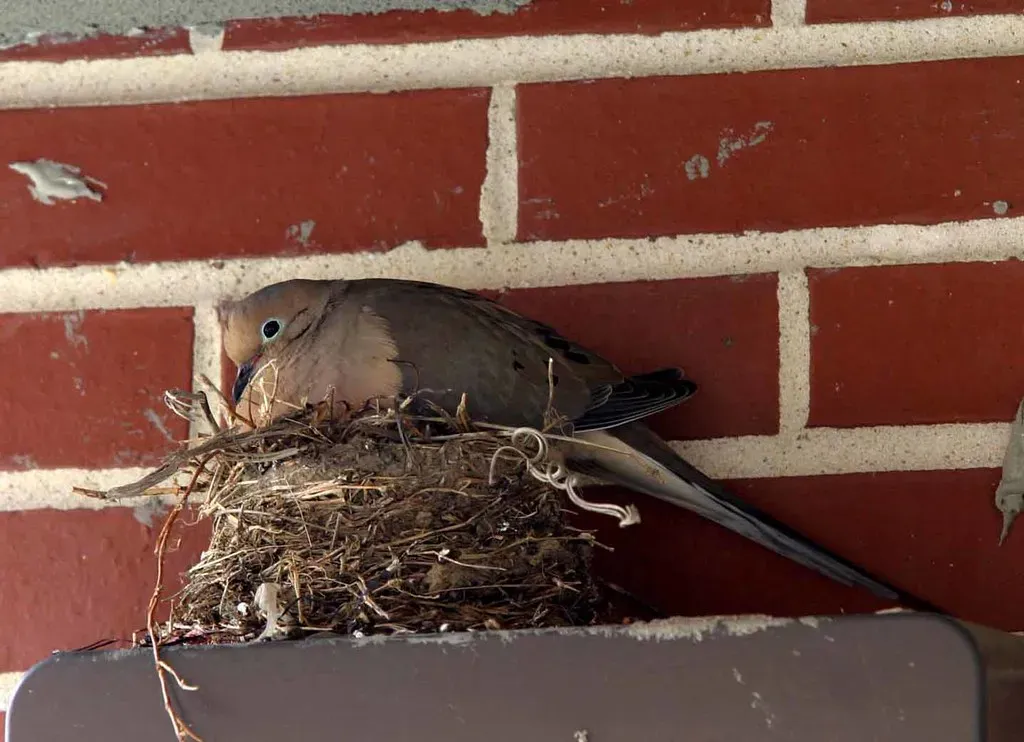
Unlike some urban wildlife species that feel almost aggressive in their adaptation, mourning doves slip into human environments with quiet subtlety. They make use of power lines, fences, rooftops, and open lawns, turning our infrastructure into perches and feeding grounds without much drama. Their muted colors blend well with concrete, wood, and brick, so they do not stand out the way bright city pigeons do. You may not notice just how many are around until you start consciously looking.
What fascinates me is that they manage this without being pushy, noisy, or particularly bold around people. They are not the birds stealing fries from outdoor tables or strutting across sidewalks like they own the place. Instead, they keep a cautious distance, watching from edges and margins, stepping in only when it feels safe enough. It is a quiet kind of coexistence that almost feels polite, as if they are saying they will share our space as long as we do not make too much of a fuss about it.
11. Their Lifespans Are A Harsh Lesson In The Wild
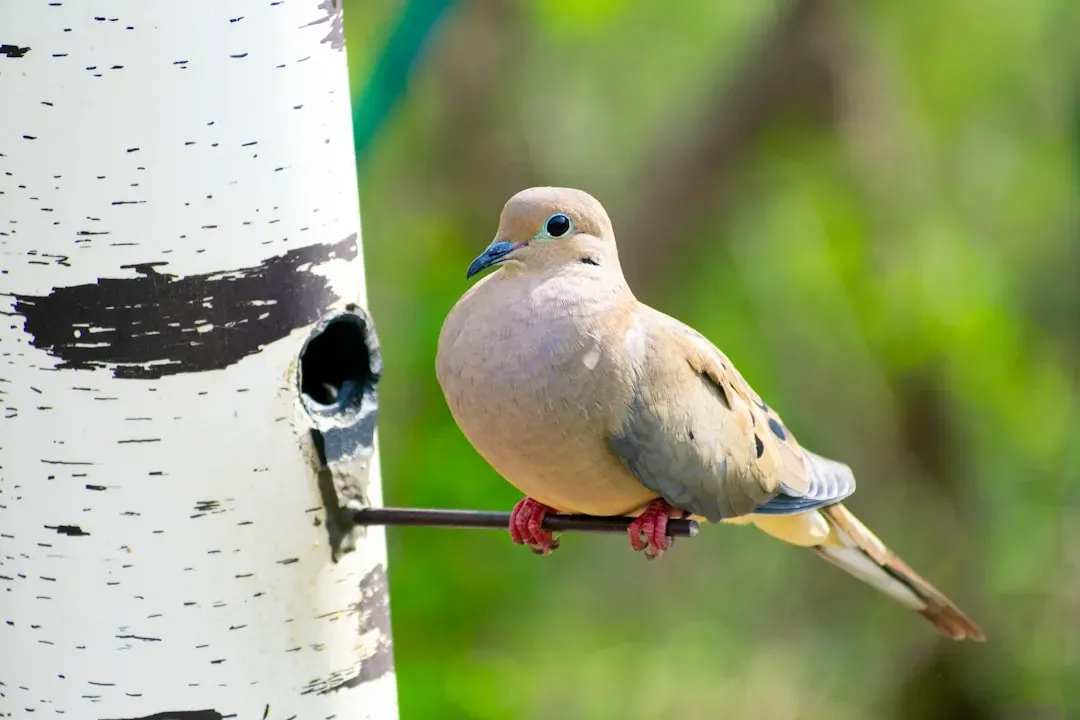
On paper, a mourning dove can live several years in the wild, and some banded individuals have been recorded surviving much longer. But the reality for most doves is far tougher. Many young birds never make it past their first year due to predators, weather, collisions, and other hazards. This is one of those uncomfortable truths that bird lovers eventually have to accept: the peaceful birds we see on the lawn are living on a razor-thin margin of safety.
That is part of why their high reproductive rate and multiple broods make sense. Nature has essentially given them a strategy that says, in effect, to try often and accept that not every attempt will succeed. When you watch a pair rebuilding a nest after a storm or calmly starting a new family after losing the last one, it can feel almost stoic. They embody a kind of quiet persistence that is easy to overlook but oddly inspiring once you recognize it.
12. They Teach Us That “Ordinary” Wildlife Is Anything But
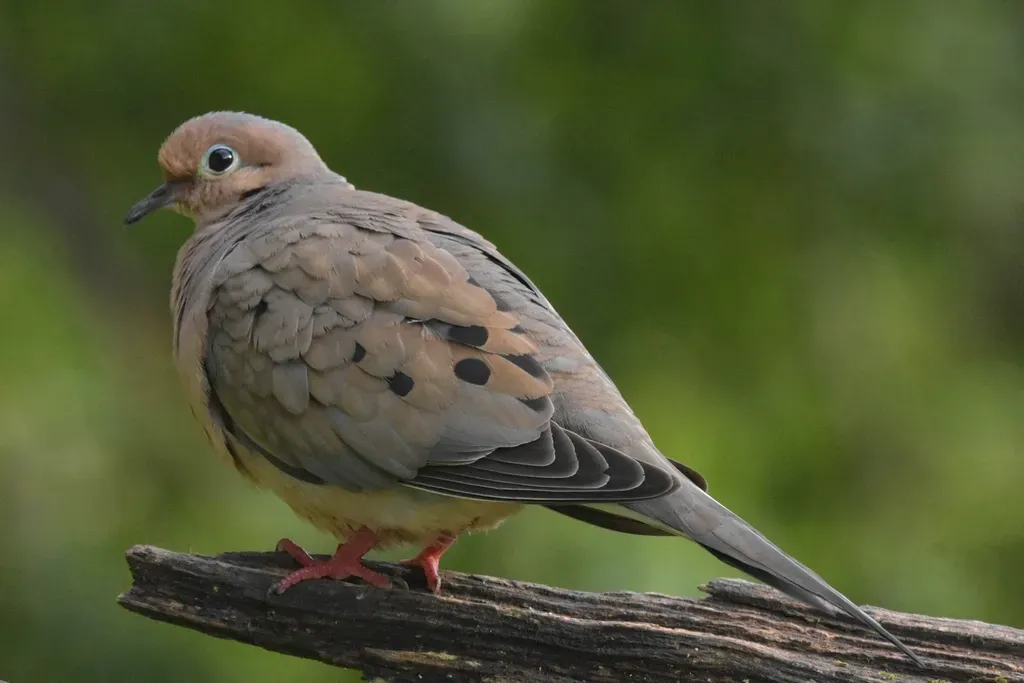
The more you learn about mourning doves, the harder it is to call them ordinary with a straight face. They have complex social behaviors, unusual biology like crop milk, and a lifestyle that balances tenderness and brutal reality. Yet most of us grow up treating them as just another gray bird on the fence, barely worth a second glance. It is a reminder of how much wonder we miss simply because something is common. Familiarity really does dull our curiosity if we let it.
Personally, I think mourning doves deserve far more credit than they get. They are proof that you do not need to be colorful, rare, or dramatic to have a fascinating life story. If anything, their subtlety makes them more impressive: they navigate our noisy, risky world with a gentle presence that is easy to share space with. Next time you hear that low, echoing coo outside your window, it might be worth pausing for a moment. That sound is not sadness; it is the background music of a small survivor doing its best in the same world you live in.
Conclusion: The Most Overlooked Neighbors We Have
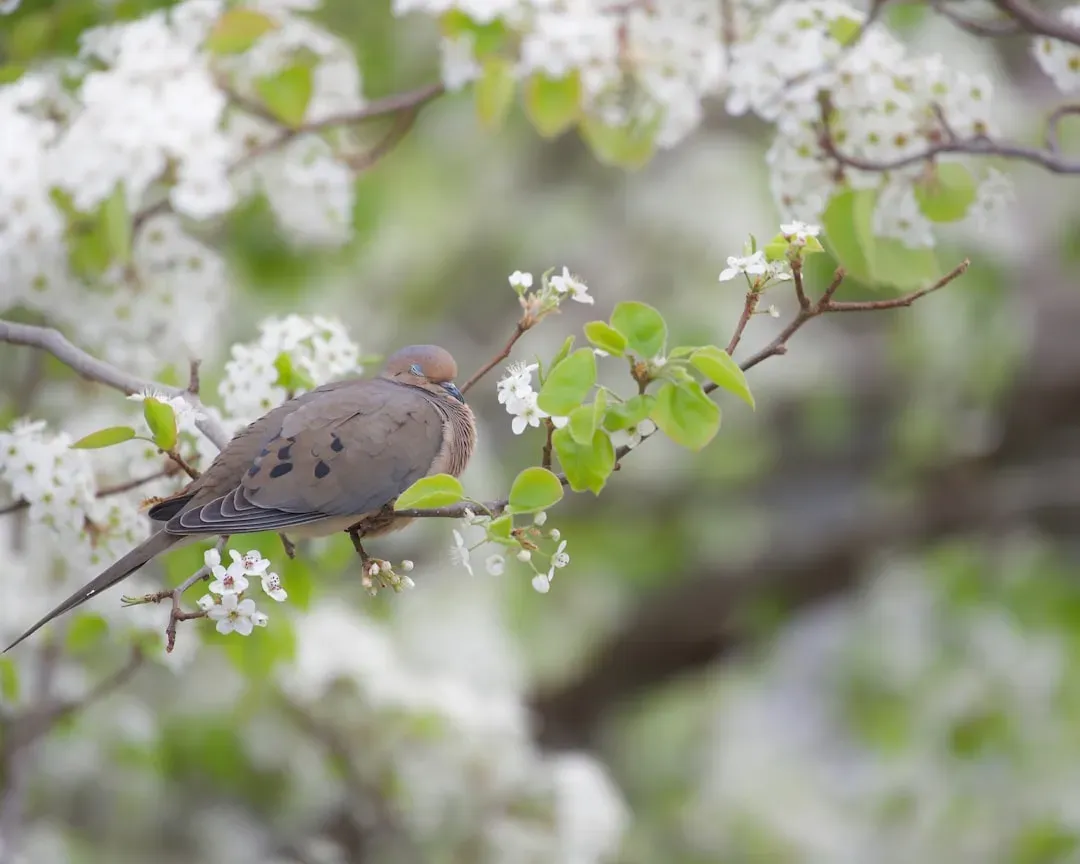
I am convinced mourning doves are some of the most underestimated animals in our daily lives. We rush past them in parking lots, barely notice them on fences, and misread their calls as sadness without ever bothering to learn what they are really saying. Yet behind that calm demeanor is a bird that flies like a bullet, raises multiple families on flimsy twig platforms, and quietly adapts to a human-dominated landscape without demanding our attention. In a world obsessed with rare and dramatic wildlife, mourning doves are a quiet rebellion against the idea that only the spectacular deserves our respect.
If anything, spending time watching them has made me more suspicious of my own first impressions. How many other “plain” creatures are living intricate, demanding lives right under our noses while we scroll, rush, and complain about boredom? Mourning doves may not be flashy, but they are steady, resilient, and far more complex than we usually give them credit for. To me, that makes them deeply worth noticing, maybe even admiring. The next time one settles on a wire outside your window, will you just tune it out – or will you finally see what has been there all along?